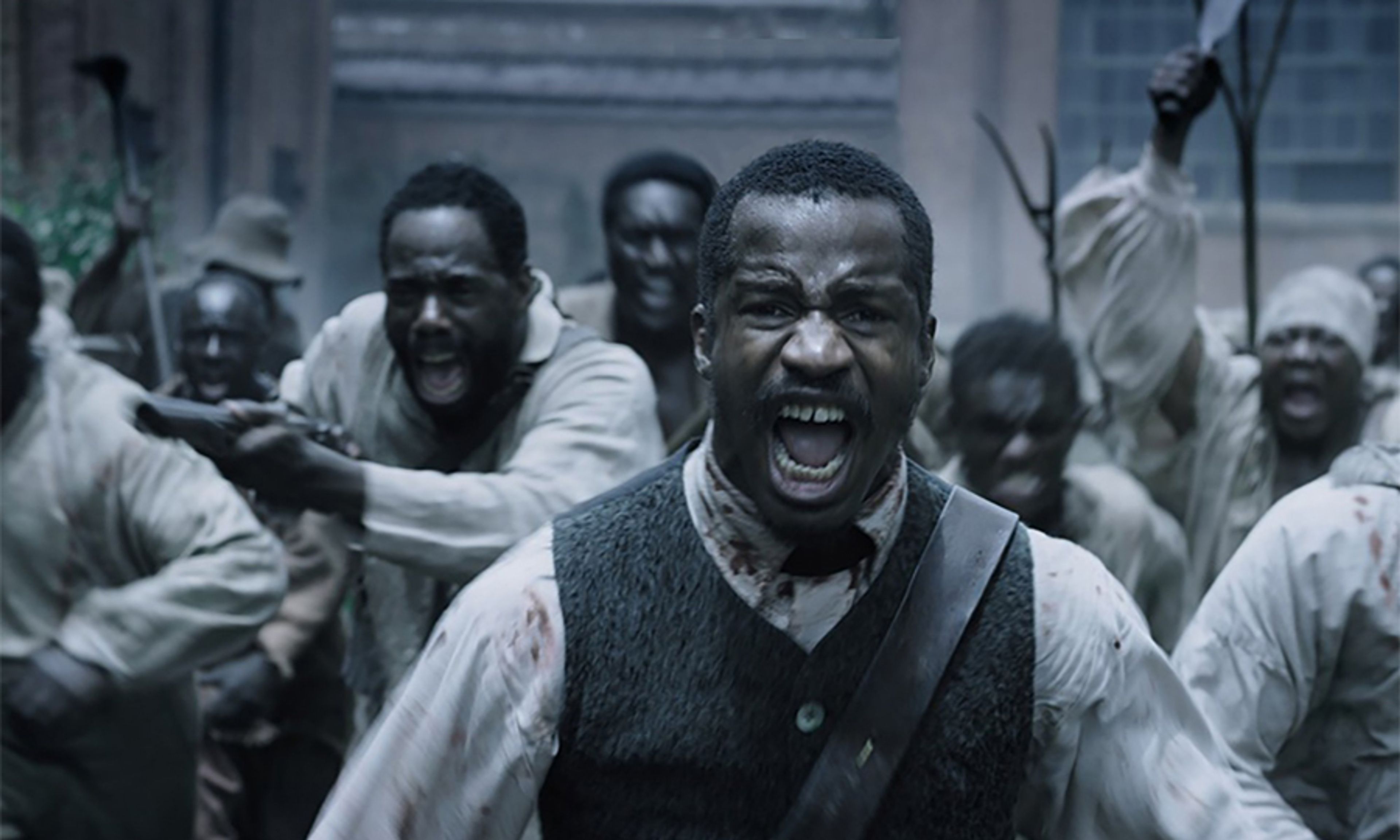
The Birth of a Nation starts with a crackerjack idea for a historical epic: the story of Nat Turner, the rebel slave, and his 1831 uprising in Southampton County, Va. If you liked the brutal realism of 12 Years a Slave and the slaveowners-get-theirs catharsis of Django Unchained, Turner’s famous story promises both experiences for the price of one. And at first the promise seemed fulfilled: Produced and directed and co-written and headlined by Nate Parker, a young African-American actor who had nothing like this on his résumé, Birth earned standing ovations at Cannes, got purchased for a ridiculous $17.5 million by Fox Searchlight, and looked poised to ride a wave of adulation (plus a little “Take that, Trump” sentiment) to the Oscars.
But then came the intersectionality buzzsaw. Along with a wrestling teammate, Parker had been accused of sexual assault in 1999, while he was a sophomore at Penn State. His teammate was convicted, he was acquitted; their (white) accuser accused them of inciting racial harassment against her on campus; years later, in 2012, she killed herself. On the promotional trail, Parker did not handle the revival of this story particularly gracefully, and people began to point out unsettling resonances in the film itself — particularly the (invented, ahistorical) rape of Turner’s wife and the broader use of sexual violence as a spur to the character’s rebellion.











Comments