At one point in his distinguished career, the Duke of Wellington received a letter from a young man asking him for advice on a personal problem. The duke, who rarely left a letter unanswered, tried his best to be helpful.
“You seem to have got yourself into a damned difficult situation,” he replied, “and you must do your best to get out of it.”
He could hardly improve on that counsel if the Tories were to contact him in a séance and ask him how to get out of the difficult situation in which they have collectively landed themselves in the last two weeks. The last two weeks? An argument can be made that they were landing in successive difficulties under Boris and merely stepped up their landing rate by throwing him off the plane. Further, I should add a warning that on present trends they’ll be in an even more difficult situation by the time I have finished writing this and you reading it.
All that might seem unduly gloomy since the party’s members of Parliament settled the biggest problem in front of them by electing a new leader in the person of a former chancellor of the Exchequer, Rishi Sunak, almost by acclamation. “Almost” because new rules had been drawn up to discourage too many contenders by requiring 100 signatories per application. That’s a high bar in an electorate of 357 Tory MPs. Only Sunak made the cut — Boris bowing out before producing the verified signatures — and the former chancellor thus became Tory leader.
That result fulfilled two aims: Sunak’s ambition to enter 10 Downing Street without facing a final shoot-out with another contender; and the determination of most Tory MPs not to have a leader they didn’t want foisted on them by constituency activists — which is how many of them thought of Liz Truss.
Before they celebrate their good fortune, they have to reckon with the downside of their success. They must contend for the foreseeable future (which covers the two years to the next election) with the unnerving fact that they face a seriously restive party membership. They may not take that danger as seriously as they should. Until the rare case of Margaret Thatcher, who preferred party members to MPs, Tory leaders had at best a patronizing attitude to the rank and file. Prime Minister (1902–05) Arthur Balfour spoke for his predecessors when he said that he “would as soon take orders from my valet as from the Conservative Party conference.”
Prime Minister Sunak can least afford such a grand attitude. He was defeated by Liz Truss only a few months ago in the same contest before the same electorate. He has now helped to oust two party darlings from Downing Street on his way there, the second time without facing a vote of ordinary Tories. He is therefore widely seen as the opposite of his victims — namely, as something like a pro–World Economic Forum, anti-Brexit globalist-elitist. Tories don’t always recognize the borders between the new and shifting ideological categories into which MPs now divide themselves. So the Tory Party is in a lamentable state of confusion on where everyone stands and what everything means.
Let me illustrate this with a clever paradoxical description of the Sunak–Boris battle, tweeted out the day before Sunak’s victory by the new political correspondent of GB News, Tom Harwood:
“Overwhelmingly likely now that tomorrow the Conservative Party will install a Thatcherite leader that the right of the party hates, after rejecting a Tory lefty leader that the left of the party hates.”
Odd though it sounds, that tweet is entirely accurate. Let’s break it down:
First, it’s impossible to deny that Sunak is a Thatcherite in the most basic sense. He’s a conservative who believes in free markets, sound money, liberated enterprise, and free trade and capital movements. That’s why almost all the senior surviving Thatcherites from the Lady’s administration — notably, the Lords Nigel Lawson, Norman Lamont, and Brian Griffiths — were supporters of Sunak in the two recent leadership campaigns, in particular in the campaign against Truss. That campaign was a complicated battle between two different versions of Thatcherism in which both candidates wanted deregulation and the removal of obstacles to enterprise but differed about how much taxation should be reduced at a time of rising public expenditure and indebtedness. Truss won that battle but lost the war when she became prime minister, appointed Kwasi Kwarteng as her chancellor, and presided over a “mini-budget” in which tax cuts and a huge energy subsidy were paid for by equally huge borrowing. Griffiths, who had been head of Thatcher’s policy unit for five years (and my boss for a while), commented in a major article:
At a time when public borrowing is 100% of GDP, annual interest on the debt alone is £80 billion, the labour market has more job vacancies than registered unemployed, the balance of payments deficit is very worrying, the pound devalued and inflation not just high (consumer price index 9.4%, retail price index 11.8%, factory gate prices 16.5%) but forecast to rise, the one thing we can say with certainty is that under these conditions Mrs Thatcher would never have cut taxes.
The financial markets agreed and rebelled; Tory MPs panicked — relax, it only ever happens in a crisis — and ditched Truss, who promptly ditched Kwarteng, whose successor, Jeremy Hunt, ditched the budget he inherited (including the very sensible parts of it); and the stage was set for Truss’s resignation and the election of Sunak, whose financial Thatcherism seemed to have been vindicated by the markets. Seemed? There’s slightly more to it than that, since the Bank of England’s regulatory mishandling of pension-fund investments was at least half the cause of the financial panic. But that kind of thing is a detail in the rearview mirror of history, with the result that Sunak’s reputation as a Thatcherite is well established.
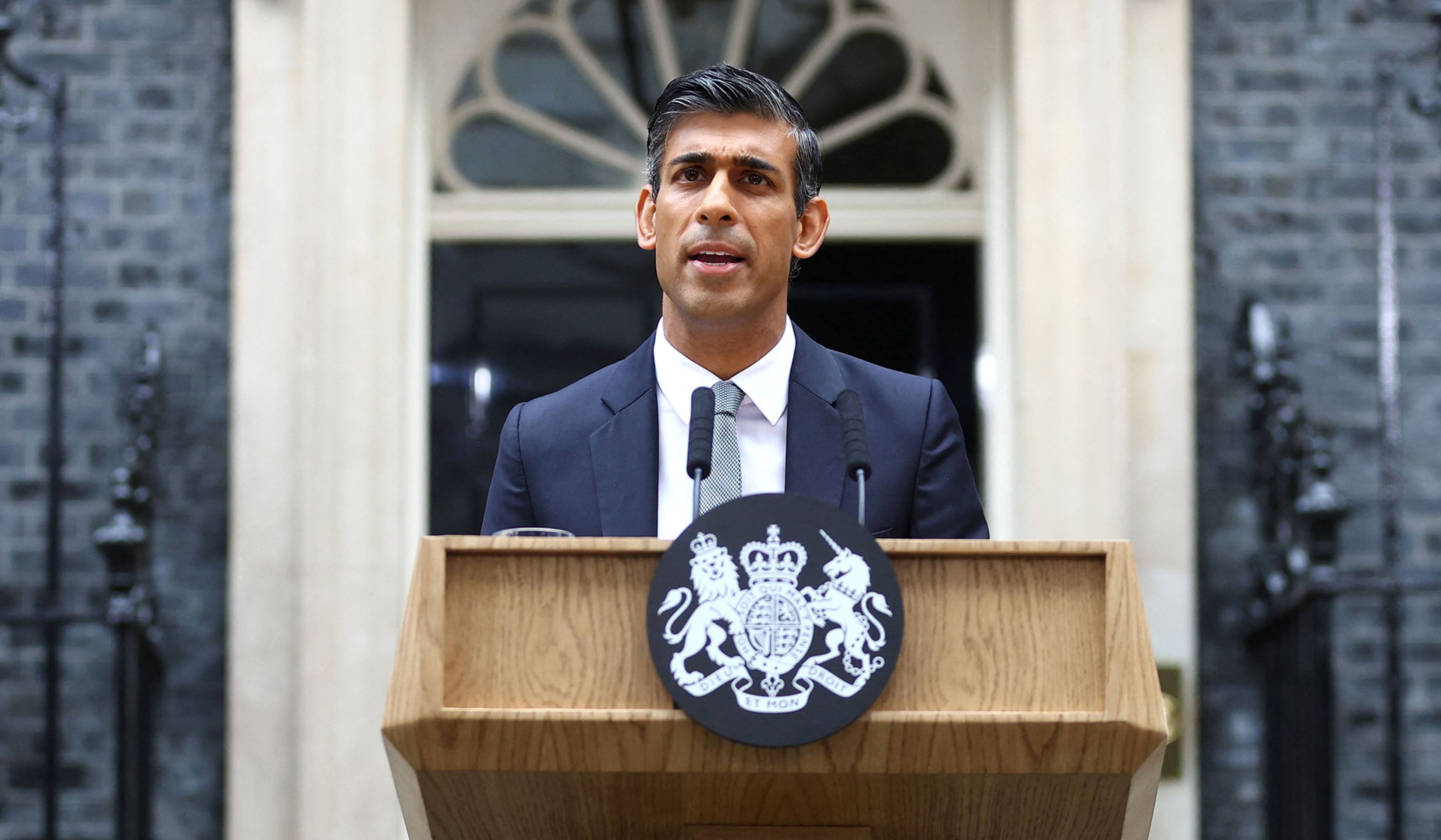
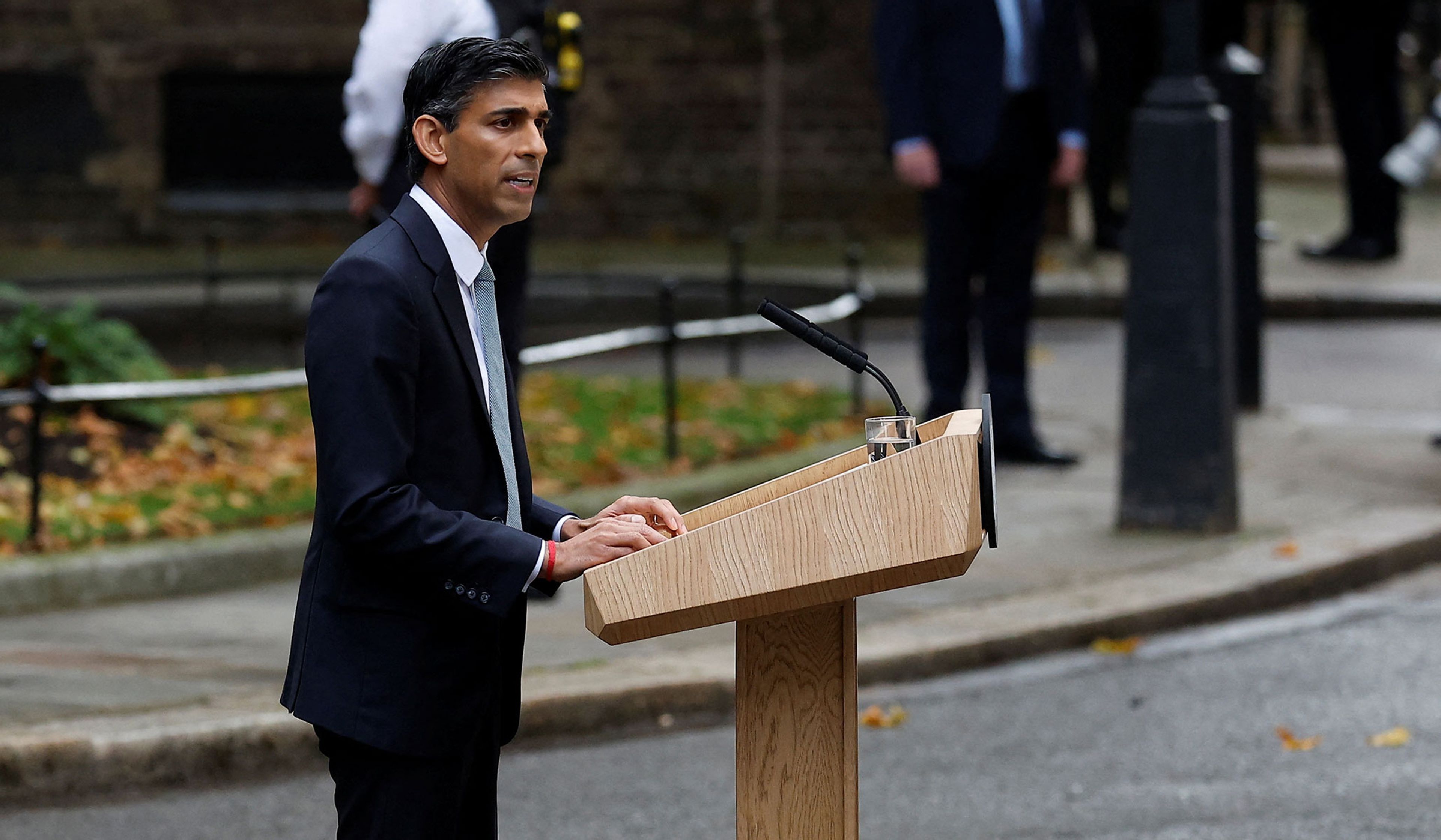
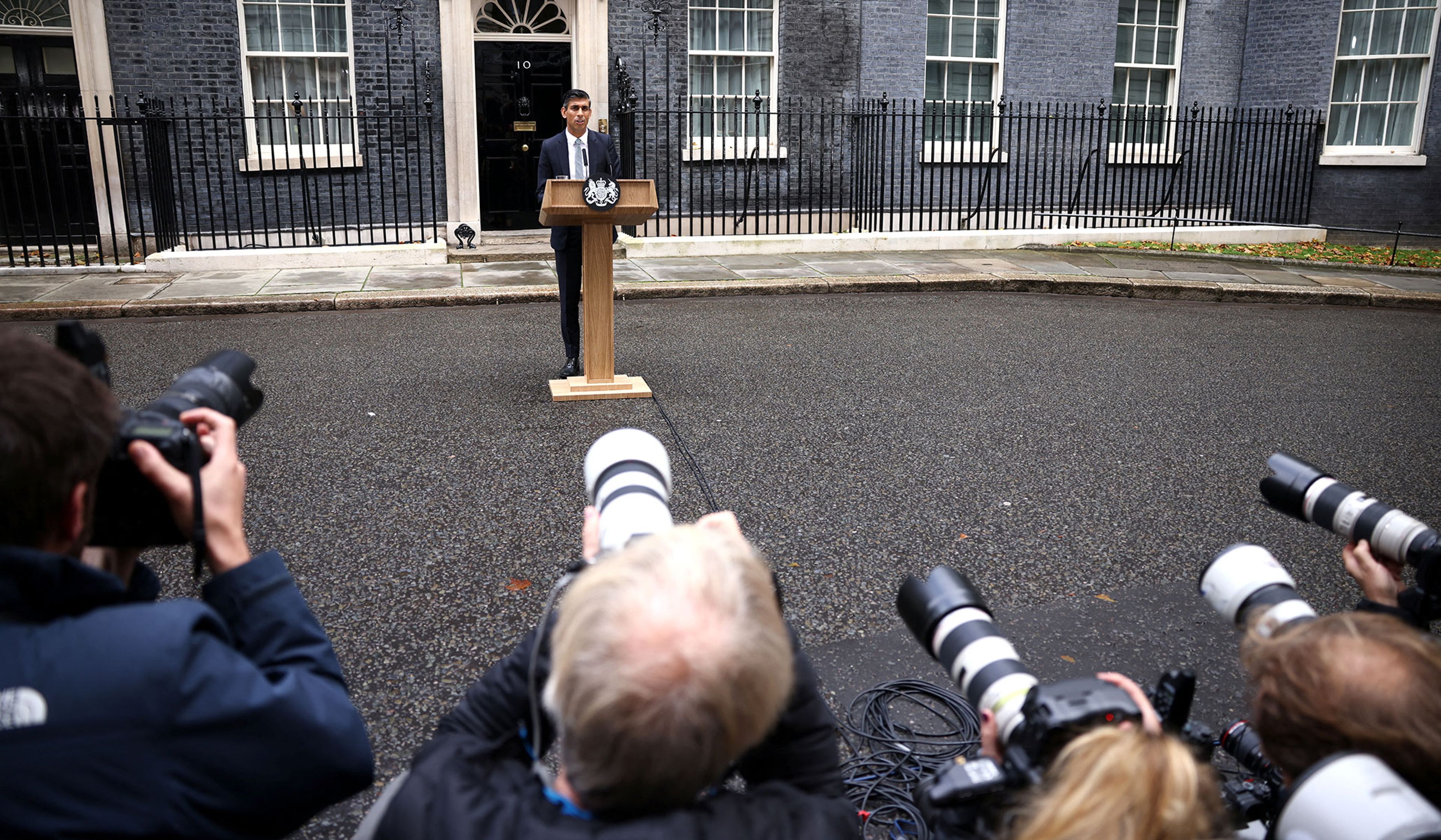
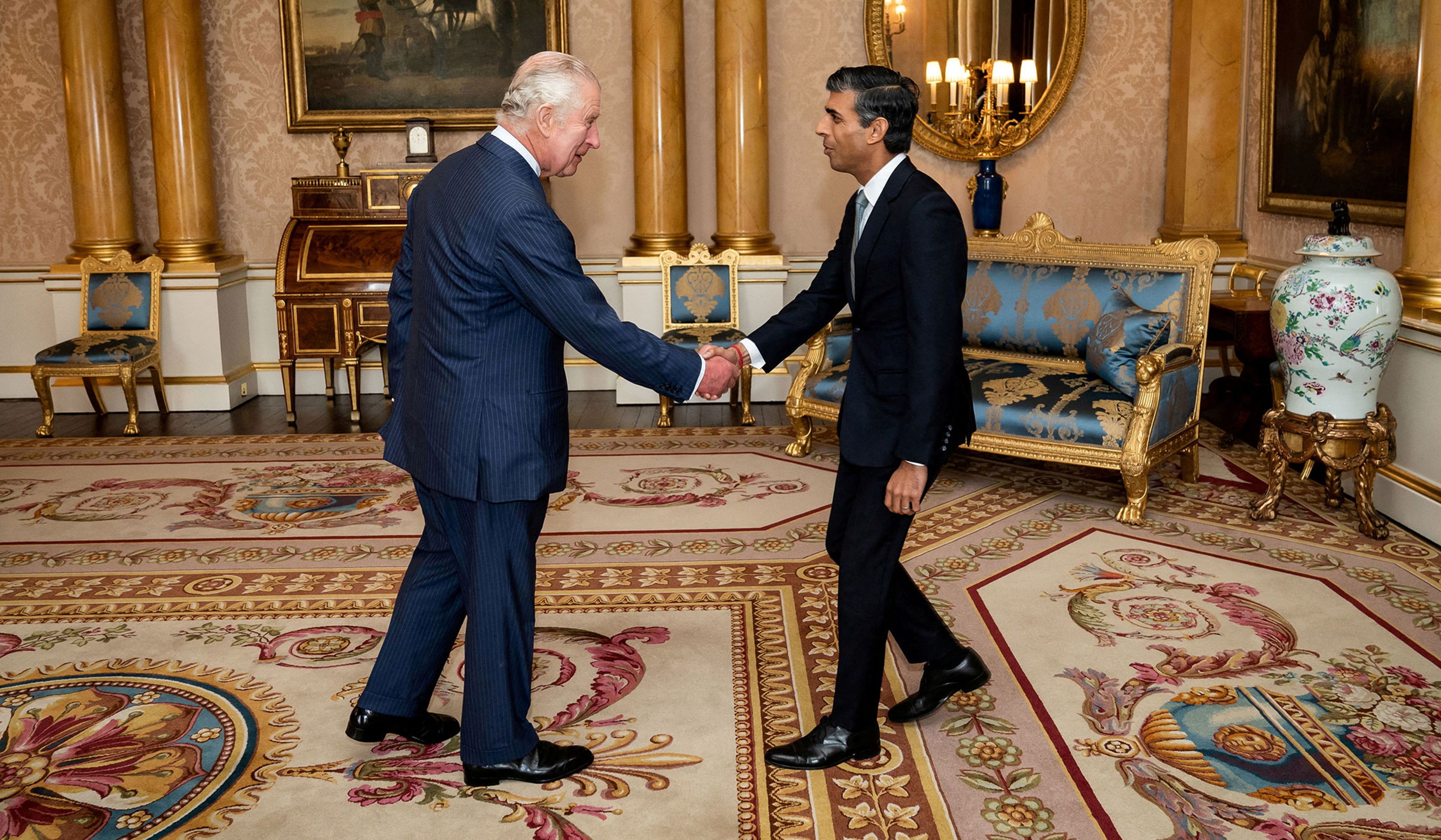
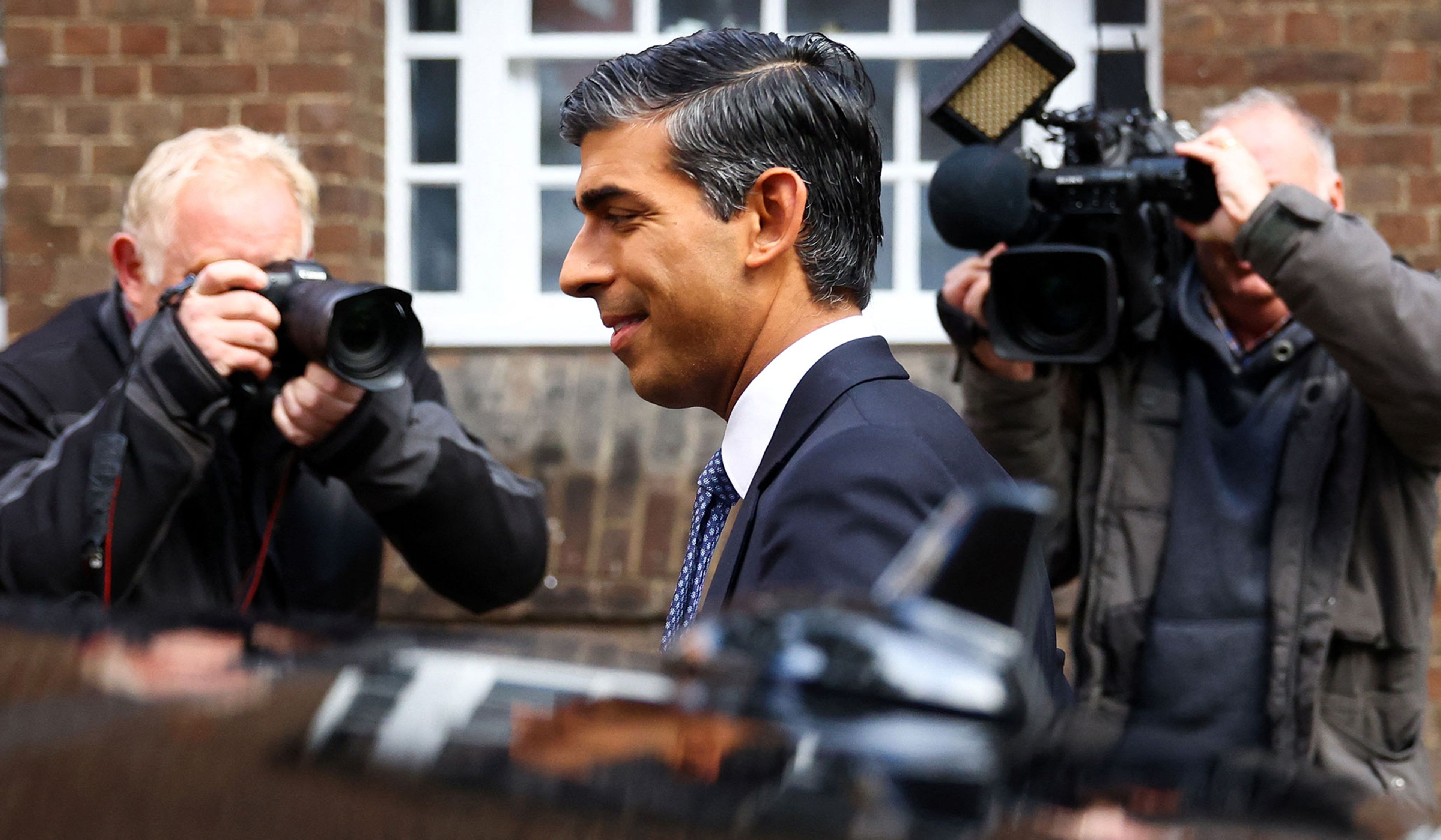
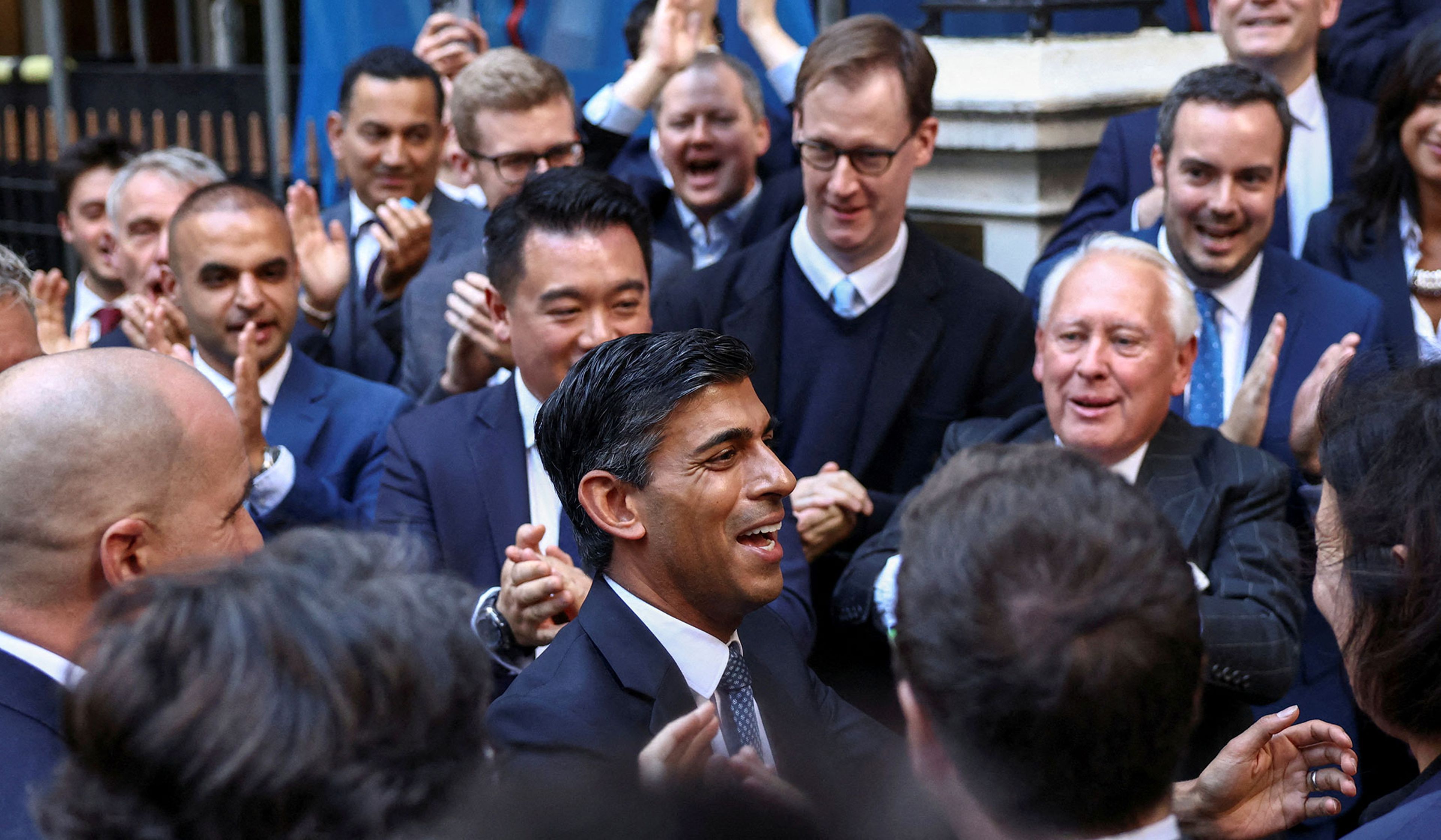
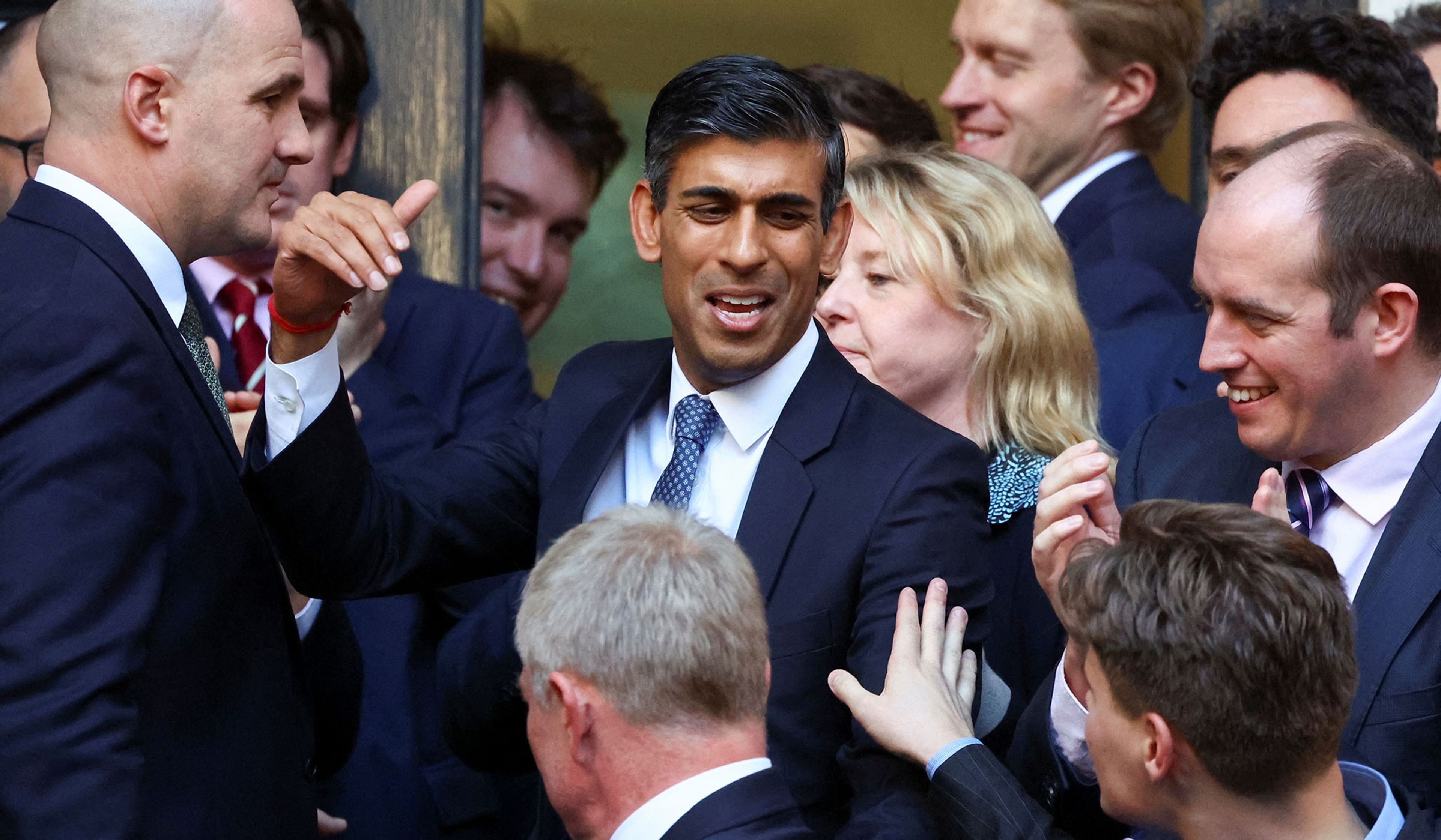
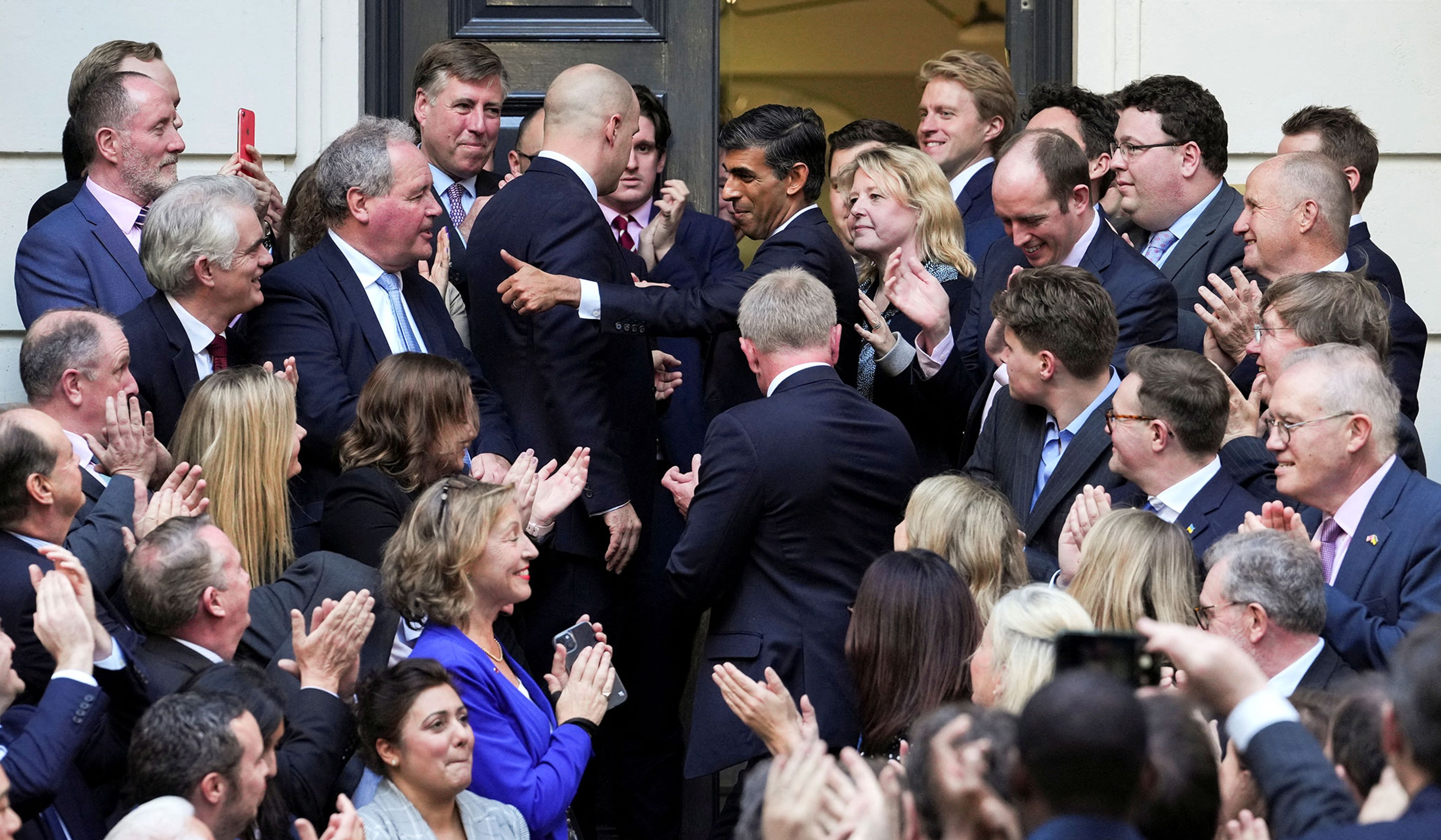
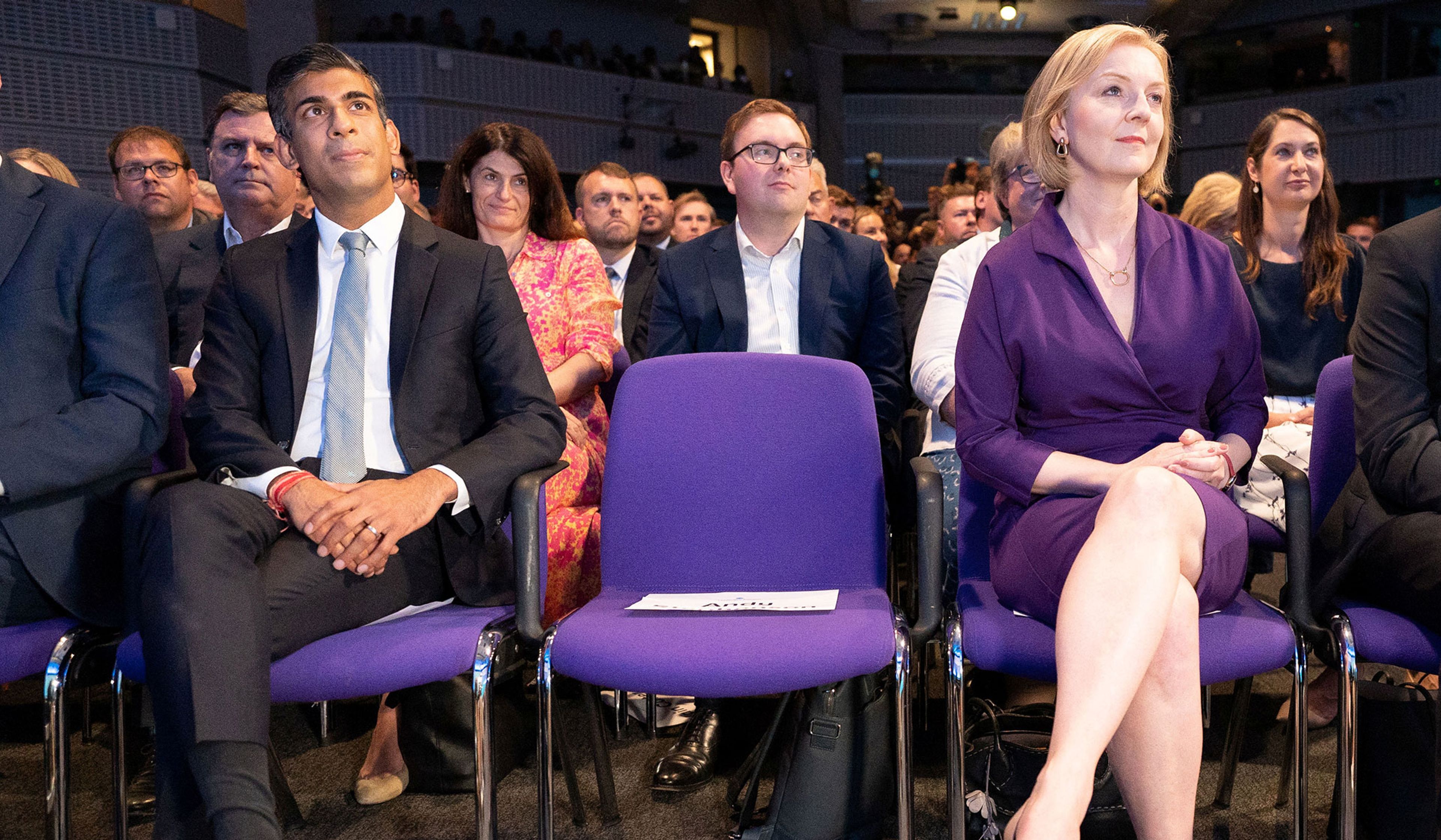
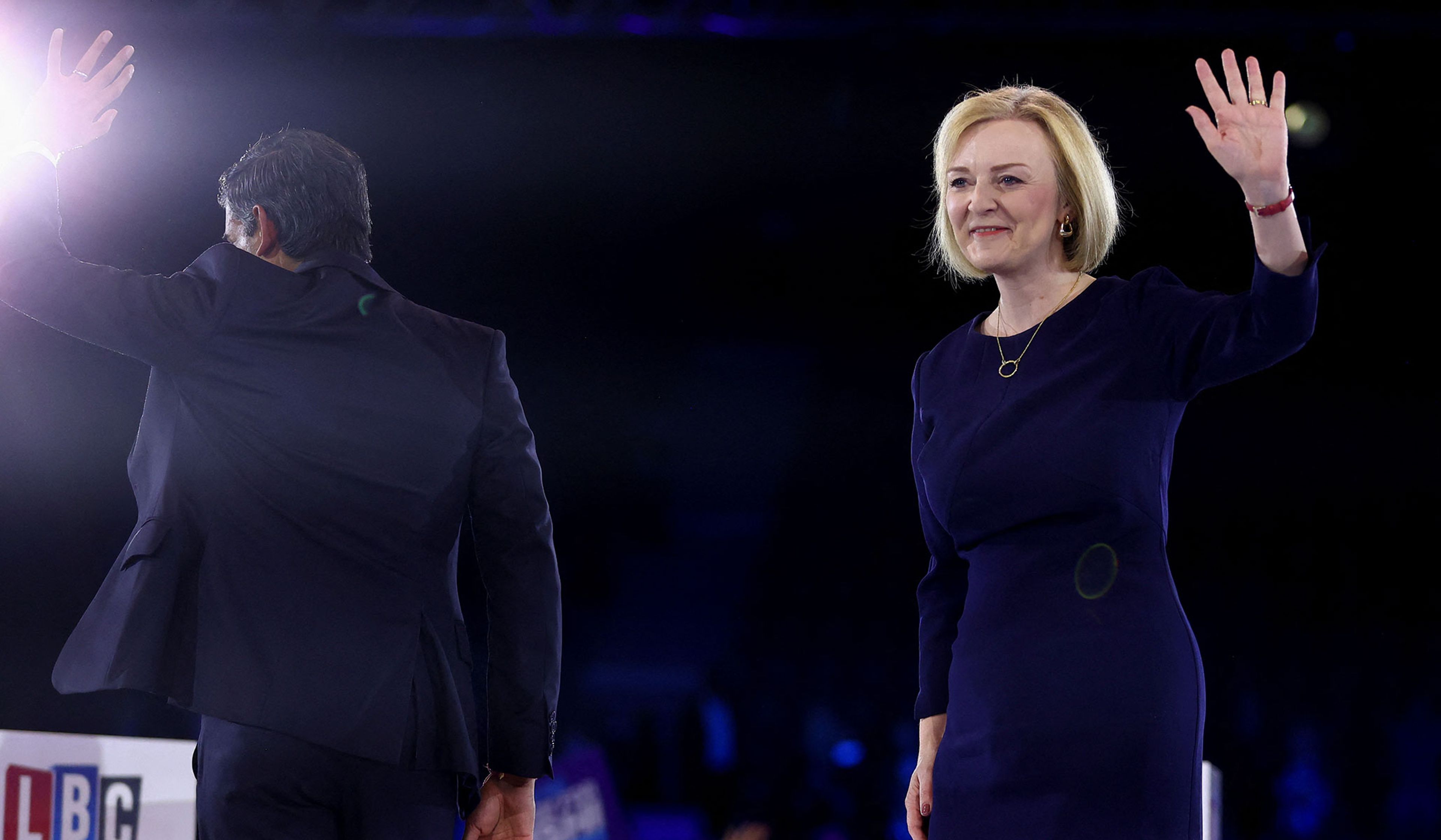
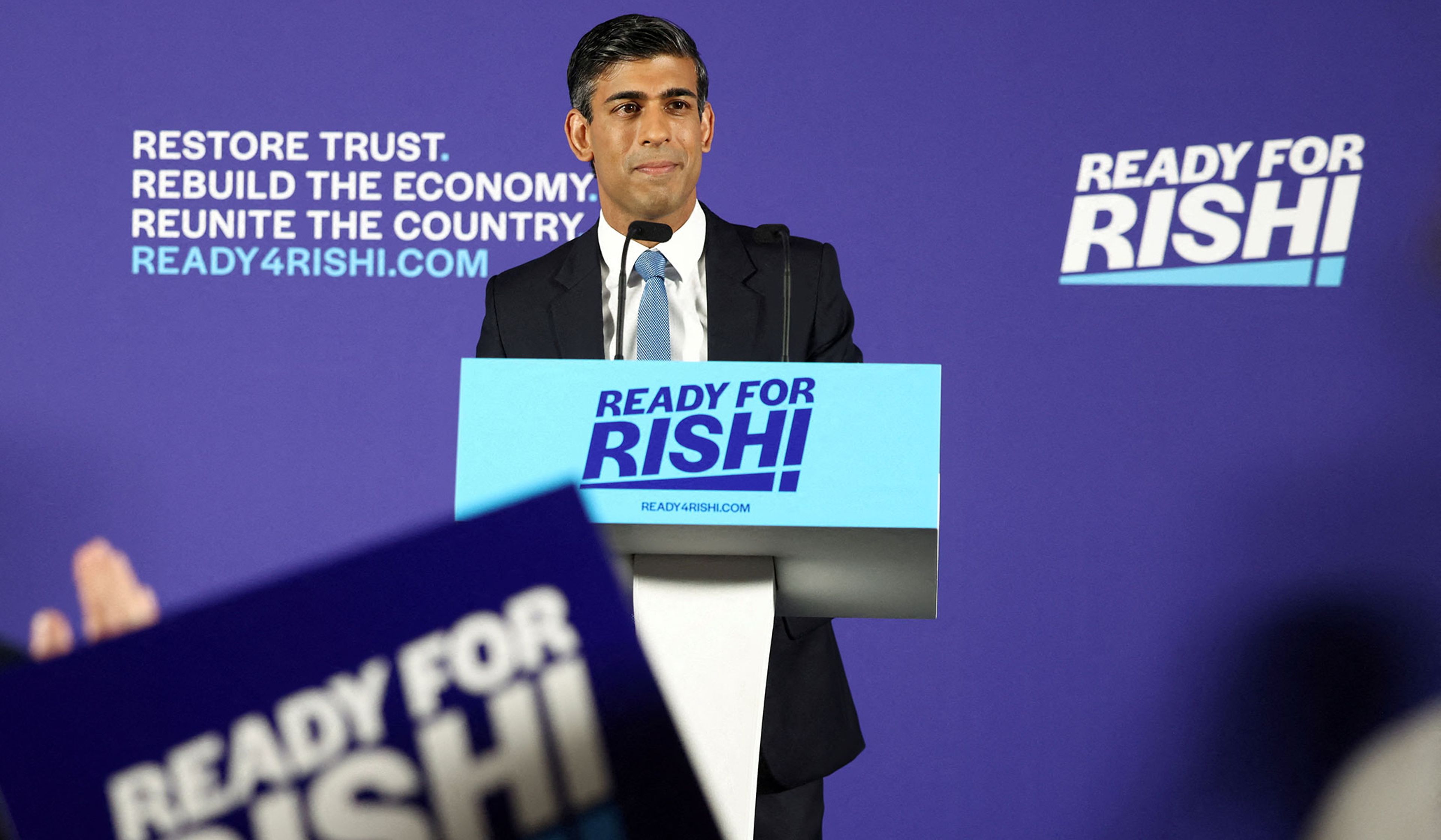
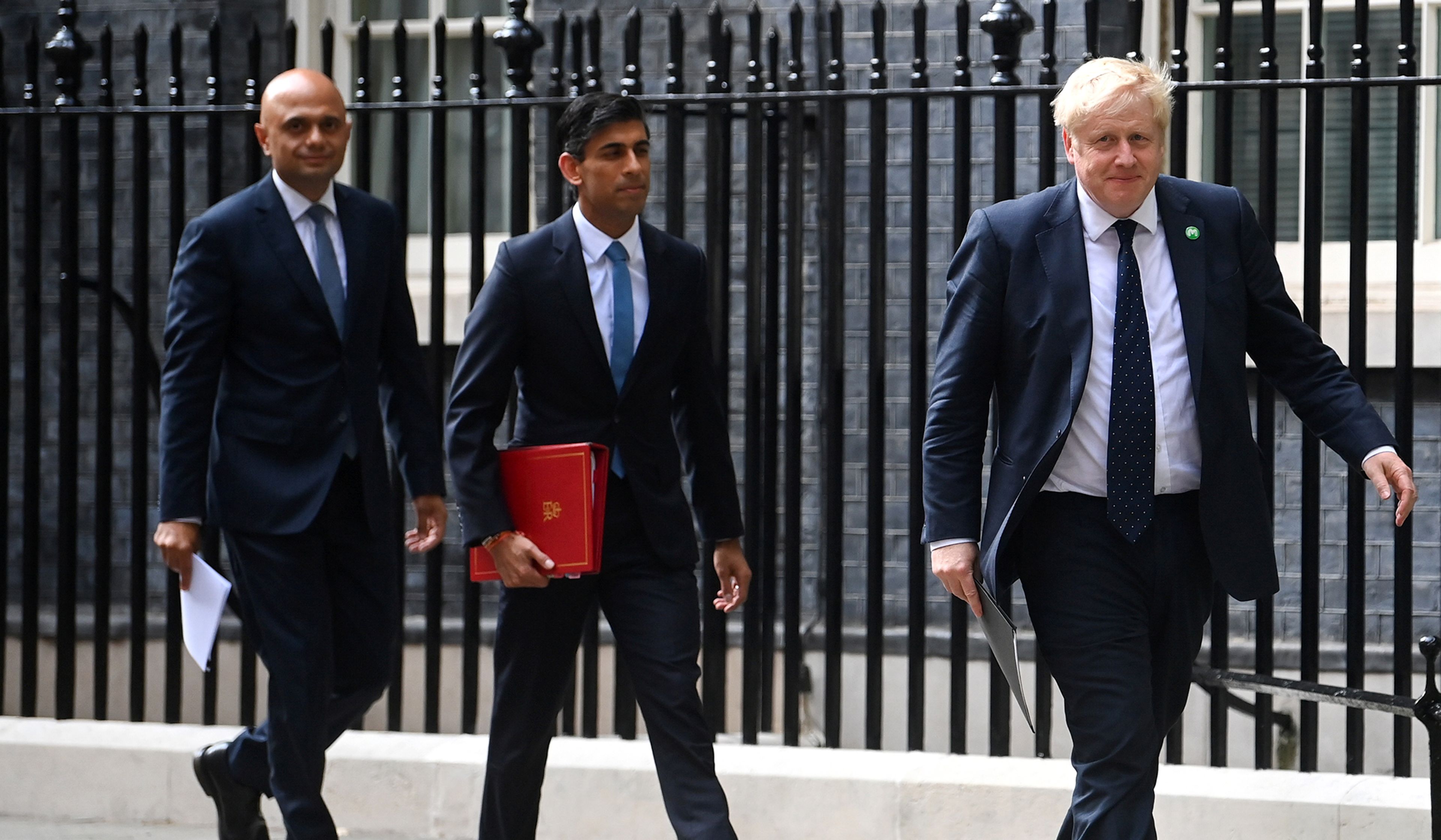
British prime minister Rishi Sunak speaks outside 10 Downing Street in London, England, October 25, 2022.
Hannah McKay/Reuters
That’s not to say a Thatcherite believes only in sound money and free markets. Mrs. Thatcher herself was a strong and passionate British nationalist who believed also in the Anglosphere (before the term was common) and distrusted the European Union. Indeed, as Charles Moore has demonstrated, though she died in 2013, she was a Brexiteer avant la lettre. Similarly, Rishi Sunak was a supporter of Leave in the 2016 referendum campaign, when it was not politically advantageous to be a Euroskeptic under David Cameron. He has never reneged on that commitment. So he counts as a Brexiteer too.
Why then is he not seen that way? The reason is probably that he is one of David Goodhart’s “Anywheres” — namely, a highly educated, geographically mobile, stratospherically well-paid professional in one of the professions that invite both envy and suspicion from the more rooted and less prosperous members of society. It’s commonly assumed in London that an Anywhere will be a Remainer in the Brexit debate, almost as a professional obligation. That’s also a foolish snobbery and explains why many Remainers turn out under questioning to be little more than Anywhere wannabes. Most genuine Anywheres undoubtedly lean towards Remain, but many are firm and well-informed Euroskeptics who are very unlikely to sell out the country to the European Commission, the World Economic Forum, or anyone else. Besides, with a fortune of $800 million, Sunak in particular can’t be an easy man to bribe. Meanwhile, it’s essential to ignore almost everything he has said and done on Brexit in order to believe that he isn’t a Brexiteer, albeit a cautious and even timid one.
So much for Sunak — what of Boris? There can’t be much doubt that Boris is a man of the “One Nation” Tory Left on almost every issue from deficit spending to net-zero greenhouse-gas emissions. He presided over a government that spent recklessly during the pandemic to finance people working (or not working) from home and eating out — continuing to fund such largesse from quantitative easing, i.e., as it turns out, future inflation — and imposing a lockdown on the economy that now seems to have been a hugely expensive mistake in both economic losses and social costs. His embrace of massive spending and dirigiste policies on steroids, such as net zero, were among the reasons why earlier this year many otherwise somnolent Tories were restive about his government’s persistent drift from anything that looked like conservatism — and cabinet minister David Frost resigned because of its “direction of travel.”
What then explains the Tory Left’s hostility to a prime minister who was doing their work for them? It’s something of a mystery, composed of several parts, no one of which is very persuasive. One part is that Boris had a right-wing personality, adopted for journalistic purposes, that simply irritated them. Another was that they held him responsible for the mortal sin of Brexit, both for leading the Brexit referendum campaign and for outmaneuvering them in the 2019 election that effectively secured Brexit’s parliamentary passage. Without him, they believe devoutly but probably wrongly, Brexit would never have happened. And even if he was pursuing their policies, he had purged them either from the party or at least from the front bench and was keeping the Mayite “wets” and “Brinos” out of office. As a result of all these resentments, they have succeeded in replacing Boris with someone who is more critical of their general political outlook than he was.
The impact of Boris on the Tory Party as a whole, moreover, has been to aggravate the ideological confusion that his 2019 victory briefly seemed to have banished. That’s the significance of Mr. Harwood’s clever little paradox above. What is needed is the reconciliation of the various groups now envisaging each other as enemies — One Nation, European Research Group, etc., etc. — in a government and party that have a broad common purpose, even if it is only to stave off the catastrophic defeat that polls suggest will happen in two years. If, as I suggest above, Sunak is nearer the party’s natural center than Boris — and certainly nearer than the absurd caricature of himself as a conspiratorial globalist installed by a coup — he should be able to make some headway on this relatively easily and quite soon. After all, his new government may be headed by a Thatcherite, but his first cabinet appointment — the new chancellor — was a “pragmatist” from the “sensibles” wing of the party. These are terms which usually signify policies that, whether right or wrong, are above all moderate, respectable, and unlikely to frighten the establishment. That objective may already have been achieved in economic policy, where a broad consensus in favor of economic dynamism in a framework of financial responsibility is emerging.
Will that kind of unity also be achievable on the “cultural” issues such as immigration control, the defense of British history and identity against radical “woke” repudiation, and resistance to gender ideology? Most of the “sensibles” in the Tory Party would prefer to keep these issues at a safe distance, giving them to very junior ministers and where possible sedating their advocates. That would be a mistake. Polls show that these are issues of increasing salience in public opinion. Nigel Farage and other political entrepreneurs of the Right are exploiting them to recruit members for their new UKIP-style parties and making them a threat to the Tories on the undeniable grounds that none of the Tory governments since 2010 have kept their promise to control even illegal immigration. But those same issues are also associated with able young Tory politicians such as Kemi Badenoch and Suella Braverman, both ethnic-minority women, who rose to challenge Sunak and Truss on them in the earlier stages of the leadership campaigns this year. Party strategists noticed that these newcomers had erased whatever advantage the progressive Left had been able to exercise on culture and racialized topics, even to the point of turning them into natural Tory issues.
All that seems a long time ago in the present febrile atmosphere. But Sunak has given both women politically significant positions in his new cabinet — home secretary for Braverman, trade minister and minister for women for Badenoch — which positions them to take the lead in the culture wars and has already infuriated the right Left people. The cabinet otherwise balances the “sensibles” against the “stalwarts” very neatly while making it clear that this is a government of all the conservative talents that want to succeed — except, alas, for the witty and popular Jacob Rees-Mogg. My guess is that this will be a cabinet popular with both Tories and public opinion.
That’s only a first step, of course. As the political scientist Matthew Goodwin has pointed out, the Tory Party is lower in the polls than it has ever been in history. If an election were to be held today, it would win only a handful of seats, maybe the two seats that Canada’s Progressive Conservatives won in the 1990s. Still worse, the volume of traffic from people trying to cancel their Tory Party memberships and subscriptions was so great on the day that Sunak was elected without a vote of Tory members that the party’s site crashed. Winning back the disgruntled Borisites, the new Tory voters in the Red Wall North now returning to Labour, and even traditional Home Counties Conservatives threatened by rising inflation is a formidable task — especially since, as Johnson’s former chancellor, Sunak has to accept joint responsibility for the lockdown and the huge costs it is still inflicting on the U.K. economy.
He doesn’t shirk the blame. Earlier this year he gave an interview to Fraser Nelson of the Spectator in which he described in some detail the way in which the lockdowns during the pandemic were imposed without a regular cost–benefit analysis of their impacts and maintained without genuine critical discussion around the cabinet table. He protested this, he says, but got nowhere.
He therefore challenged the official version with information he got from a “spy” in Whitehall’s main scientific committee, SAGE, and from a private-sector scientific study on predicted death rates for a new strain of Covid. As long as the prime minister was committed to the SAGE orthodoxy, his interventions met with silence and embarrassment from his colleagues. After Sunak used this unofficial information to encourage Boris Johnson not to impose yet another lockdown, however, the SAGE death-rate estimates proved to be massively exaggerated. And the game of lockdown was essentially over.
That may not be an excuse for past misgovernment. It may offer, however, hope for better government in future.
Even if only for two years.










Comments