National Review asked five writers to recommend five books that should be in any child’s library. Here’s how they replied:
MONA CHAREN
Make Way for Ducklings, by Robert McCloskey. Mr. and Mrs. Mallard provide loving care to Jack, Kack, Lack, Mack, Nack, Ouack, Pack, and Quack — and immortalize Boston’s Public Garden.
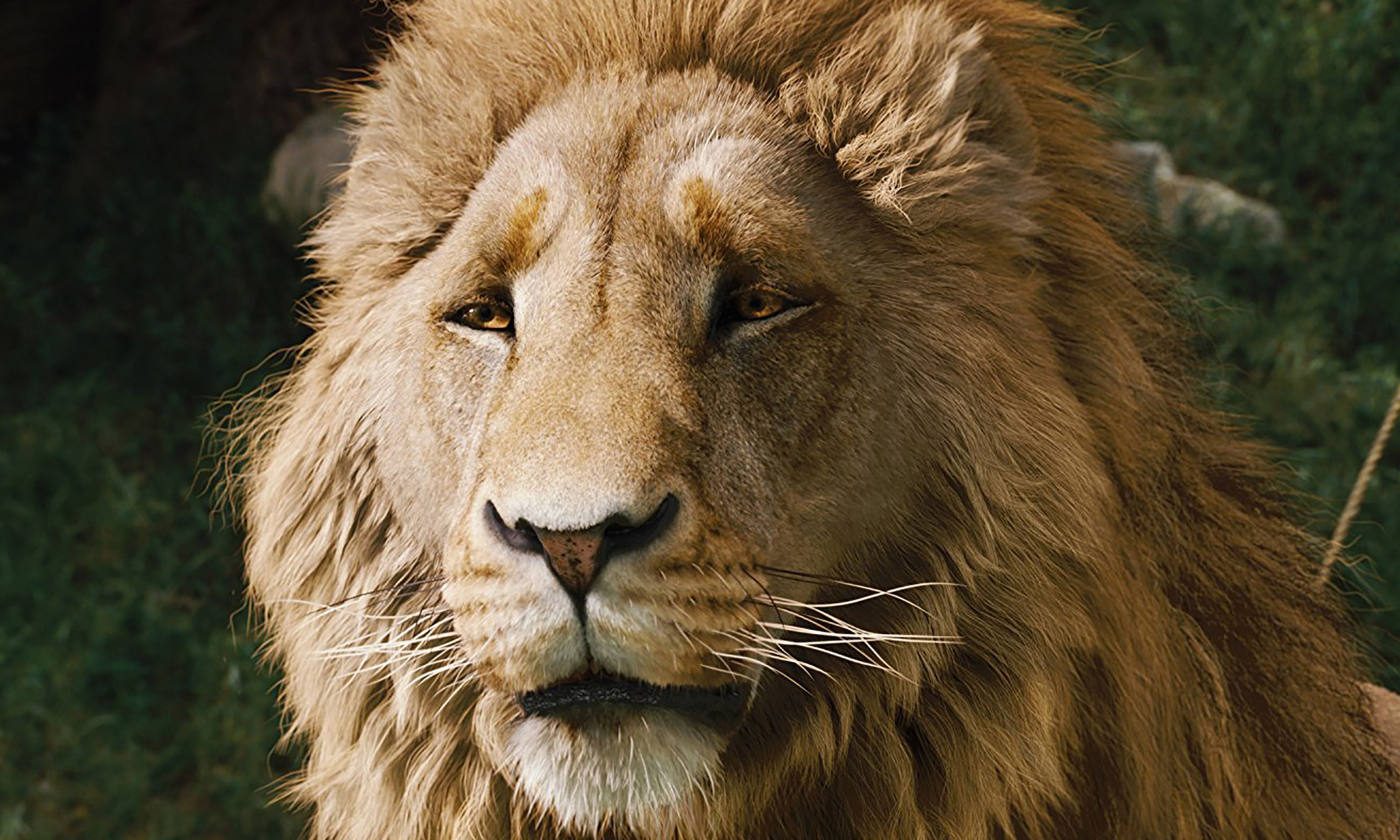
The Chronicles of Narnia, by C. S. Lewis. Peter, Susan, Edmund, and Lucy Pevensie are transported to a world where courage, honor, duty, and honesty still matter — and where adventure, danger, and enchantment enthrall readers of all ages.
The BFG, by Roald Dahl. Less famous than Dahl’s other works, this one is full of charming puns and whimsy, but I chose it because it was the first book to spur my middle son to read on his own!
A Little Princess, by Frances Hodgson Burnett. Everything a good story should have: heroes, villains, coincidences, reversals of fortune, kind-hearted strangers, and a happy ending.
The Dangerous Book for Boys, by Conn and Hal Iggulden. A “how to” do everything boyish — tie knots, escape the woods using only a compass, read semaphore, play poker, kiss a girl — along with inspiring stories, snatches of poetry, and histories of famous battles.
– Mona Charen is a nationally syndicated columnist and a senior fellow at the Ethics and Public Policy Center.
MARK HELPRIN
Walter Brooks’s “Freddy” series, in which Freddy the Pig has a lot of adventures without a whiff of indoctrination or upsetting themes to which a child doesn’t need an introduction.
Hugh Lofting’s “Doctor Doolittle” books are similarly charming even if they require some explanation of their occasional racialism in the same way that one would explain Shakespeare’s treatment of Jews or Mark Twain’s treatment of Jim.
The books of William Pène du Bois, such as The Twenty-One Balloons or The Giant.
Jean de Brunhoff’s “Babar” books, absolutely marvelous and unexceeded.
Chris Van Allsburg’s books, for older children and adults, including not least my series A Kingdom Far and Clear, which he illustrated.
– Mr. Helprin, the author of Winter’s Tale, A Soldier of the Great War, and other books, has just published the novel Paris in the Present Tense.
JAMES ROSEN
Where the Wild Things Are. With its stark economy of words, intricate cross-hatched drawings, and benign toothy beasts — inspired by the author’s grating relatives — Maurice Sendak’s masterpiece remains a timeless dreamscape of rebellion, flight, and reconciliation.
City Dog, Country Frog. Written by Mo Willems and illustrated by Jon J. Muth, this tale of an unlikely friendship spanning the cycle of seasons is brilliantly conceived and executed, a gentle, bittersweet introduction for young readers to the larger cycle of life, friendship, and death. Adults will want Kleenex handy — for themselves.
Richard Scarry’s The Great Pie Robbery and Other Mysteries. This compilation of three Scarry classics — The Great Pie Robbery, The Supermarket Mystery, and The Great Steamboat Mystery — captures the illustrator with the “busy, busy” style (and the bewildering bibliography of some 300 titles, reported to have sold an estimated 100 million copies) at the peak of his storytelling powers.
I Want My Hat Back and This Is Not My Hat, by Jon Klassen. Treating these as separate entries would make as much sense as considering The Godfather and The Godfather Part II separate films. With his haiku-like text and restrained watercolor depictions of canny, tight-lipped animals, Klassen demonstrates the deftest of comic touches in acquainting children with themes of private property, theft, and justice.
The Temptation of Wilfred Malachey. The only children’s book by William F. Buckley Jr. As another great founder of magazines, Stan Lee, would say: ’Nuff said.
– Mr. Rosen is the chief Washington correspondent for Fox News and the author or editor of three books.
SARAH RUDEN
Richard Scarry’s Great Big Story Book is (besides a lot else) a droll, thronging, honking, careening set of anthropomorphic animal adventures; adult readers-aloud will appreciate the gentle irony that prevents cuteness overload.
Fern is up at dawn ridding the world of injustice, declares her father, so the runt piglet whose life she has saved is hers to raise; the hired man Lurvy dresses for the fair in his plaid shirt and purple necktie; I cry over Charlotte the protective spider’s death: Fifty years later, I remember so many other things as well that I most heartily recommend E. B. White’s Charlotte’s Web.
The memory test again: A grad student at Harvard is reciting, “I will not eat them in a box, / I will not eat them with a fox” — accordingly, and for sheer charm and low-pressure didacticism, Green Eggs and Ham is my choice among the Dr. Seuss books.
Robert Louis Stevenson’s Child’s Garden of Verses is spookier, lovelier, and far less icky than A. A. Milne’s poetry for children, so I call it the must-have collection for very young readers and listeners.
The wealthy parents eaten by a rhinoceros, the cruel Aunt Sponge and Aunt Spiker, and the enchanted, aunt-flattening, and airborne giant fruit with companionable giant insects inside it made Roald Dahl’s James and the Giant Peach particularly beloved to me, and since then I’ve been puzzled by the book’s censorious detractors.
– Sarah Ruden is a poet, translator, classicist, and essayist.
HEATHER WILHELM
Blue Hat, Green Hat, by Sandra Boynton. This classic starter book comes with a hidden bonus: If you focus on reading each “Oops!” in an over-the-top, theatrical, and/or goofy voice, you are guaranteed to crack up pretty much any child six months old and above.
The Gruffalo, by Julia Donaldson and Axel Scheffler. Conquer your fears: This is a crowd-pleaser about courage and creativity for children ages three and up, and is particularly beloved by those with a penchant for drama — or, as in the case of my family, a slight obsession with creatures such as Bigfoot.
The Great Pie Robbery and Other Mysteries, by Richard Scarry. Now out of print, this title is worth tracking down for its slapstick comedy, heroic yet bumbling detectives, ridiculous villains, and nail-biting — for young kids, anyway — mystery stories.
Charlie and the Chocolate Factory, by Roald Dahl. This brilliant story works for a wide range of ages and gets better with every read.
Where the Red Fern Grows, by Wilson Rawls. For my final choice, I was torn between this book and the excellent “Great Brain” series — see how I just managed to get two book plugs into one? — but Where the Red Fern Grows wins out for its touching look at childhood grit, love, sacrifice, and hope.
– Heather Wilhelm is a National Review Online columnist and a senior contributor to the Federalist.












Comments