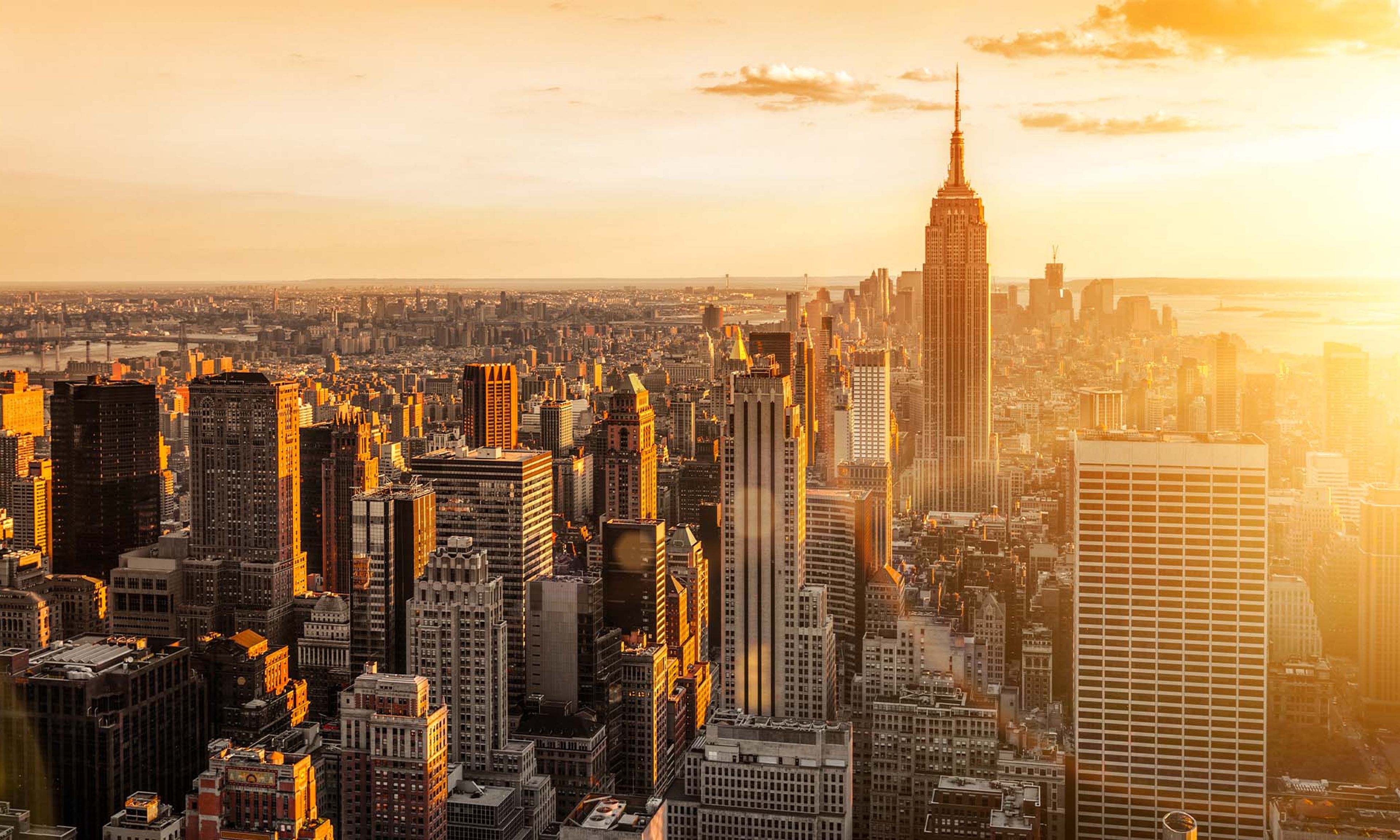
Light came on the first day, which is why He called it day (He called the darkness night). There was enough light that grass and trees flourished on the third day. But distinct heavenly lights — sun, moon, and stars — did not come until the fourth. The heavenly lights are for signs, seasons, days, and years, and at this time of year in the city the sun hits an annual midpoint. Three months ago it shone as if it might go all night; three months from now it will seem to die, miserably, with the expiring year. Now everything is in balance.
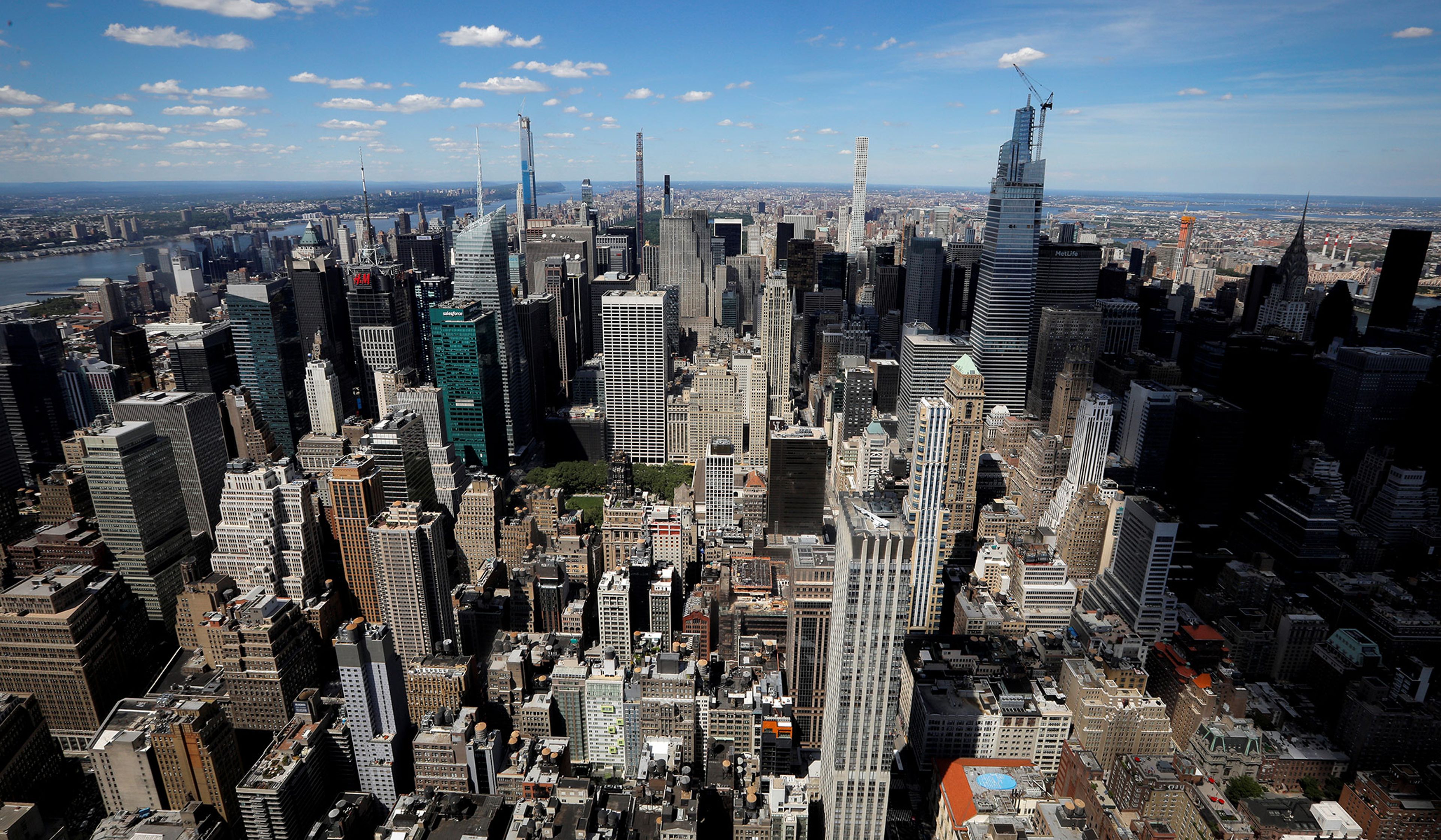
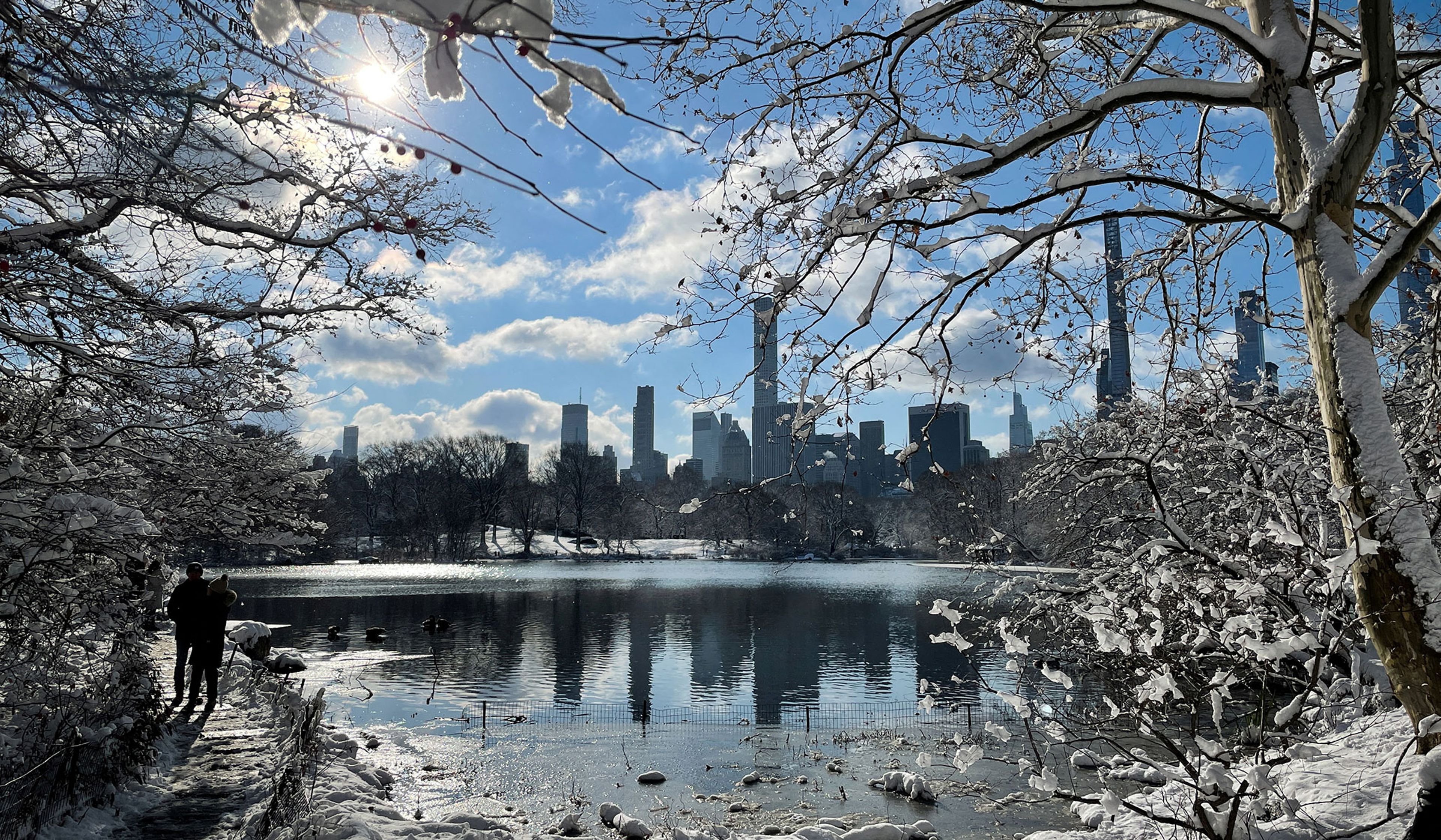
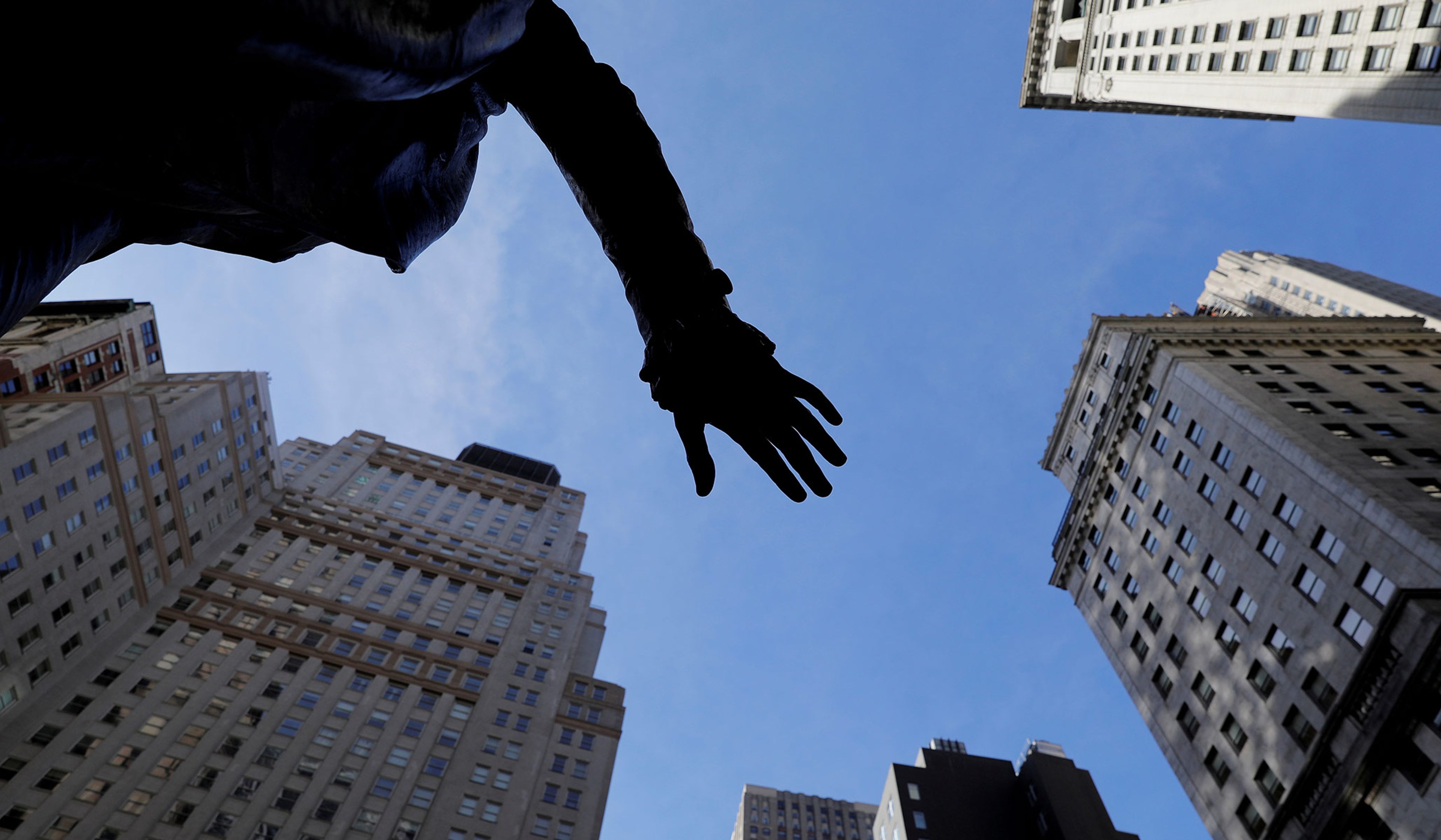
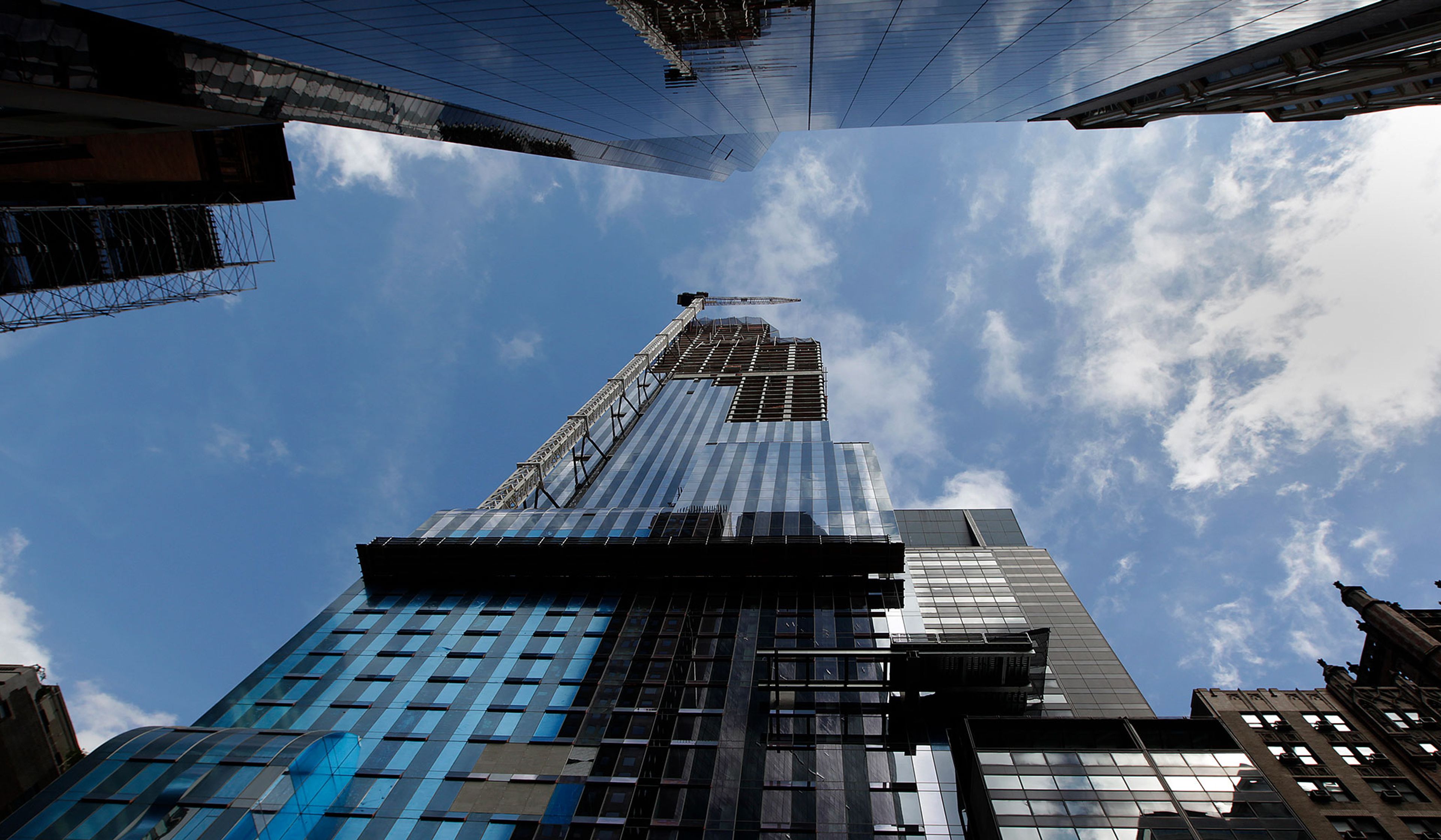
Living here before multistory buildings made taller by elevators must have been a perpetual light show. No mountains of any size for miles; water on three sides (two rivers and a bay leading to an ocean): nothing to impede light, only reflect it. All those silent sentinels Melville wrote about gathering at the city’s various shorelines to gaze at the sea must have been half-gazing at the sky. You can still get that all-surrounding sense of light on a ferry on the inner harbor. But now in the city itself so much blocks it: hymns to the future from the 1920s; the crop of googly buildings sanctioned by the tiny billionaire; the hundreds of ordinary buildings of every decade in between, offices and apartments, gray stone, white brick, black glass. Like football linemen they block and blind you; but like statues on pedestals, they also draw your eyes up. They keep the light from reaching you at your, or even treetop, level but their verticals pull your gaze to the upper air where it still resides.
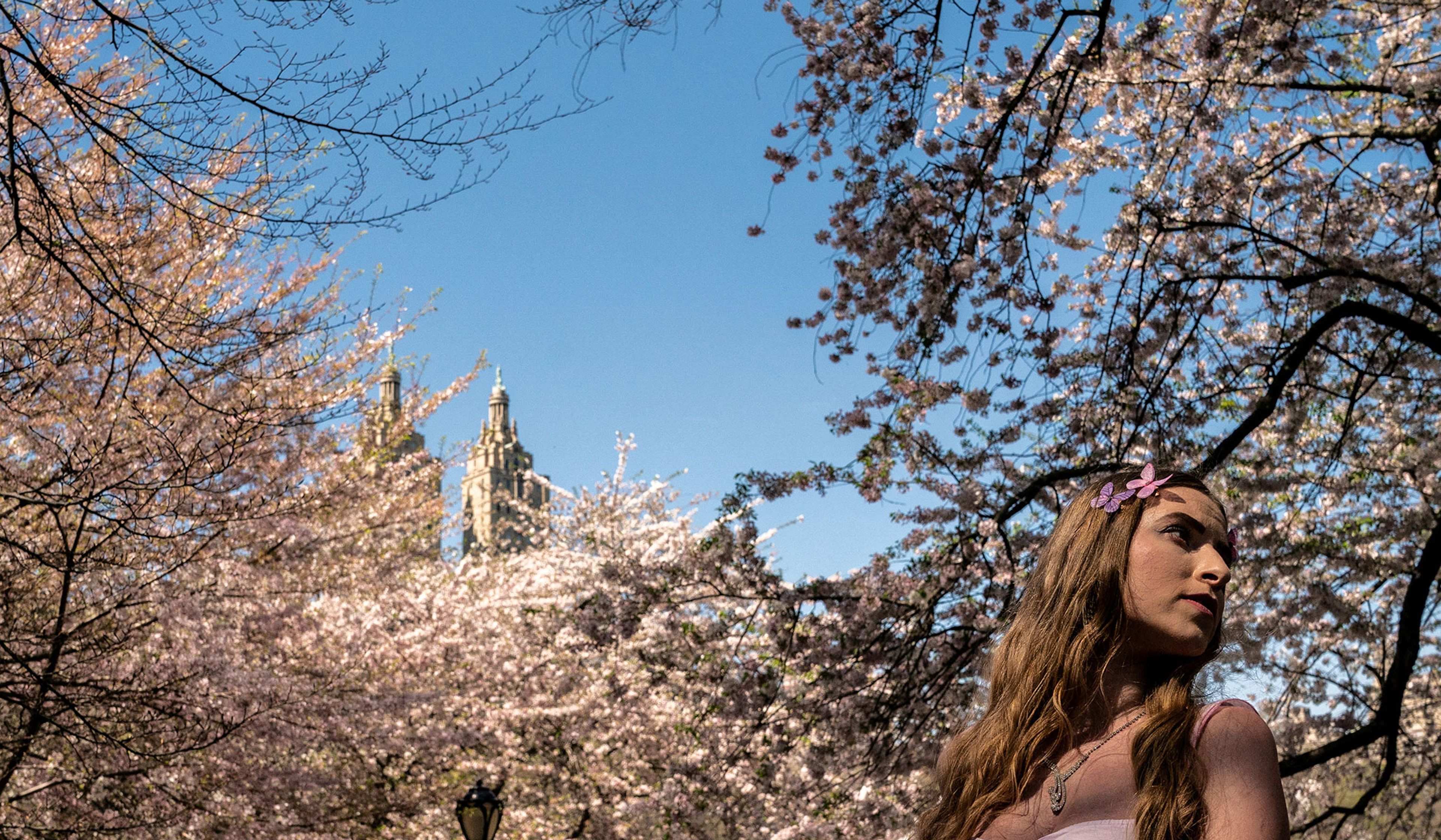
There are days when the light that fills the sky is pure, uninterrupted blue, the kind of color found only on calendars, color wheels, or naïve paintings. It is hard to imagine anything merely natural being so consistent. There is a white wooden hut atop the squared-off brownstone tower of a Romanesque church in the neighborhood. It must house some piece of machinery, or a roof exit door; it looks as if it were parked up there, or squatting. On all-blue days the white of the wood pops like a light.
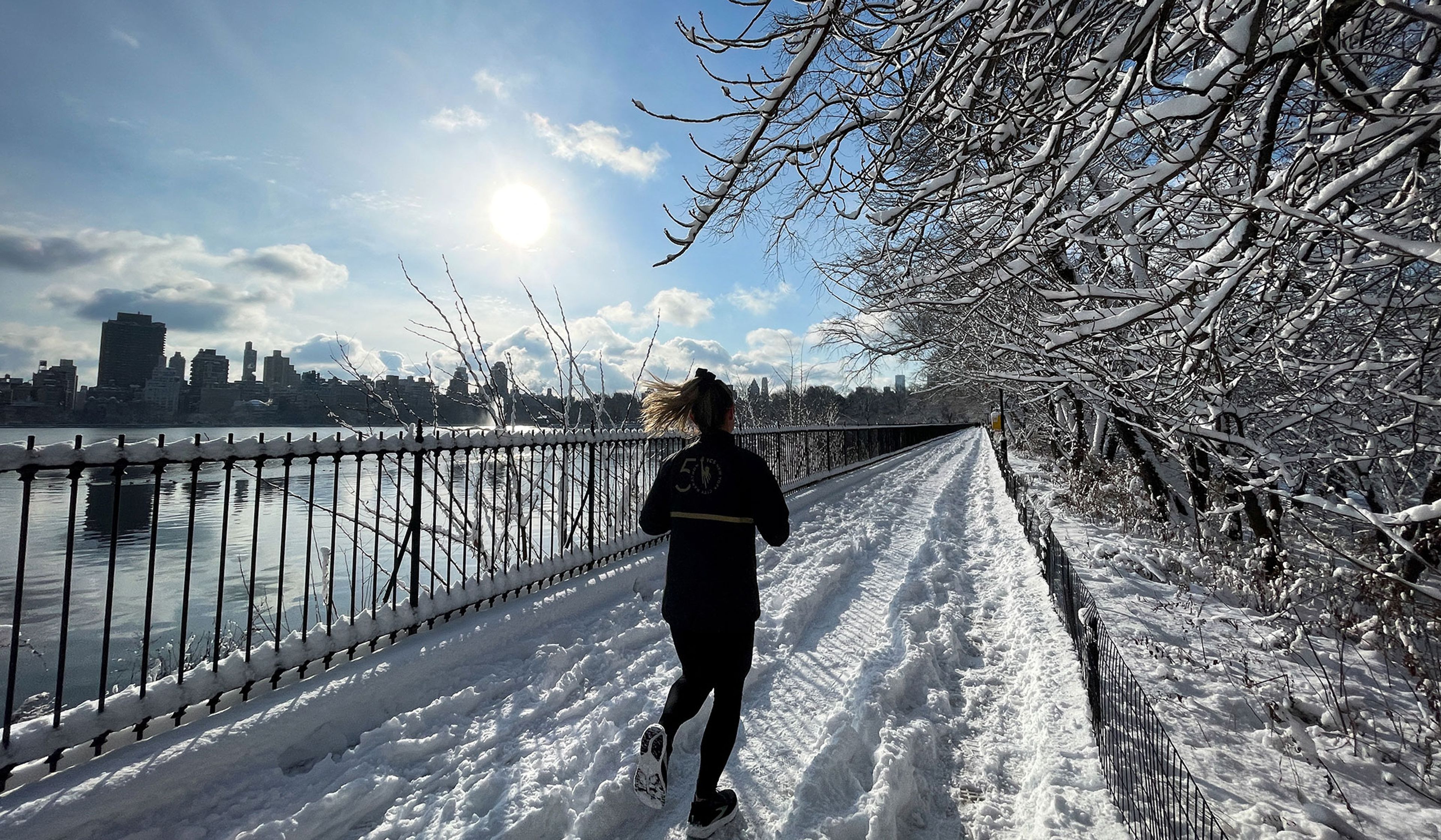
On other days — most days — the blue is decorated with clouds. Some days they are distinct as ships, or clouds in a child’s drawings. At other times they are dim and vast, suggestive: veils; spots like the sides of mackerels; drifting, dissipating jet trails, left by planes thousands of feet apart and hours ago.
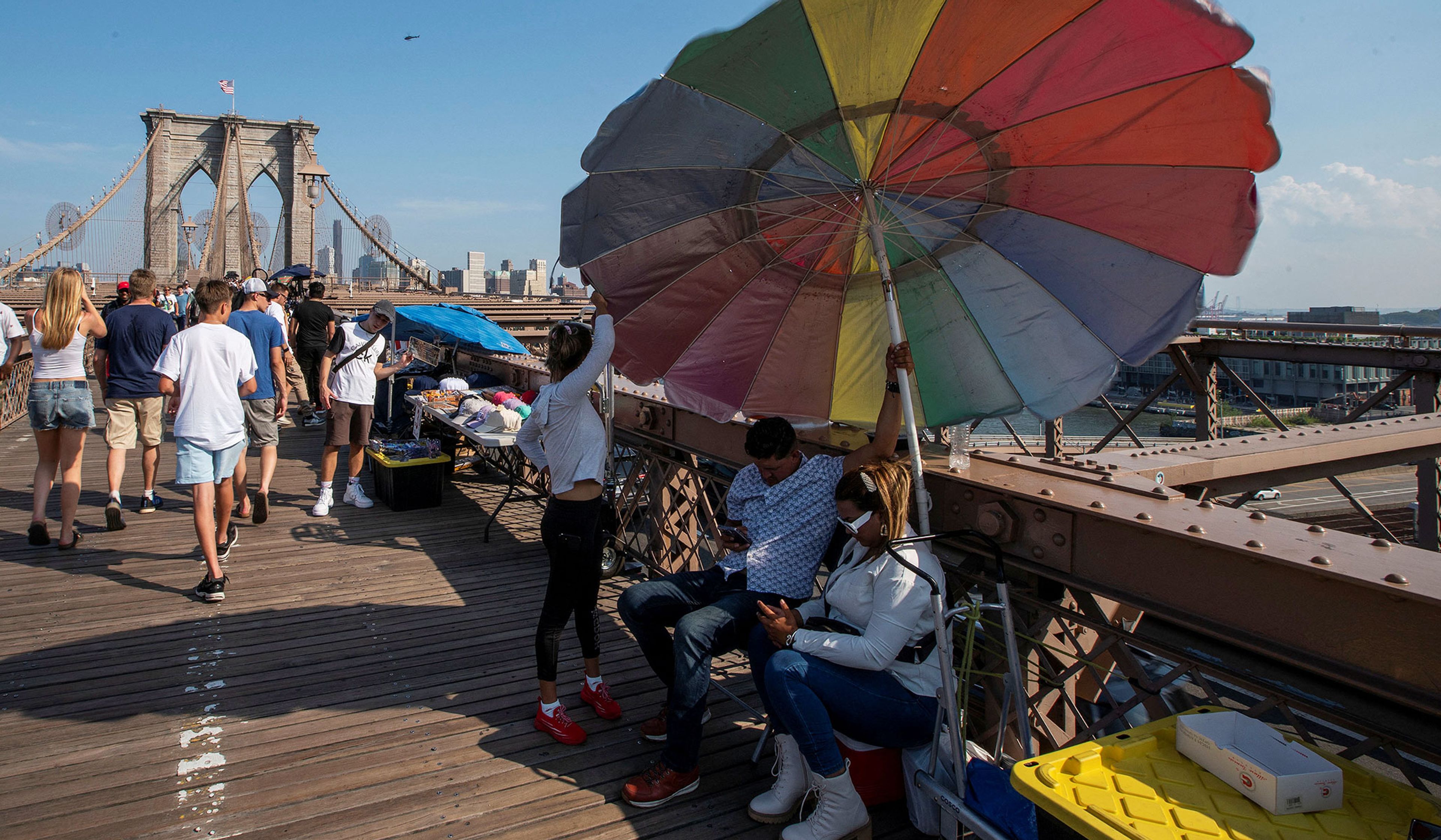
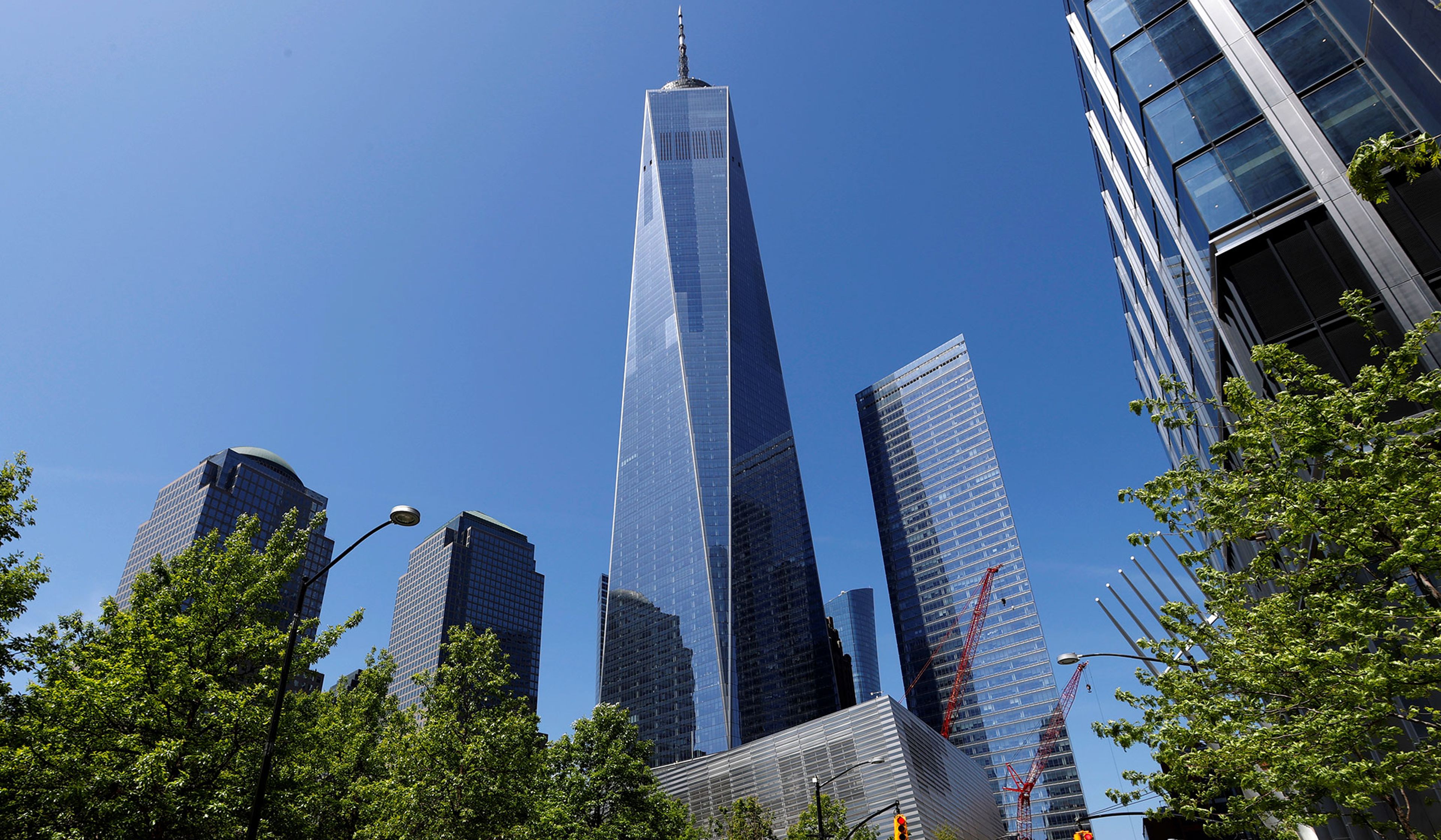
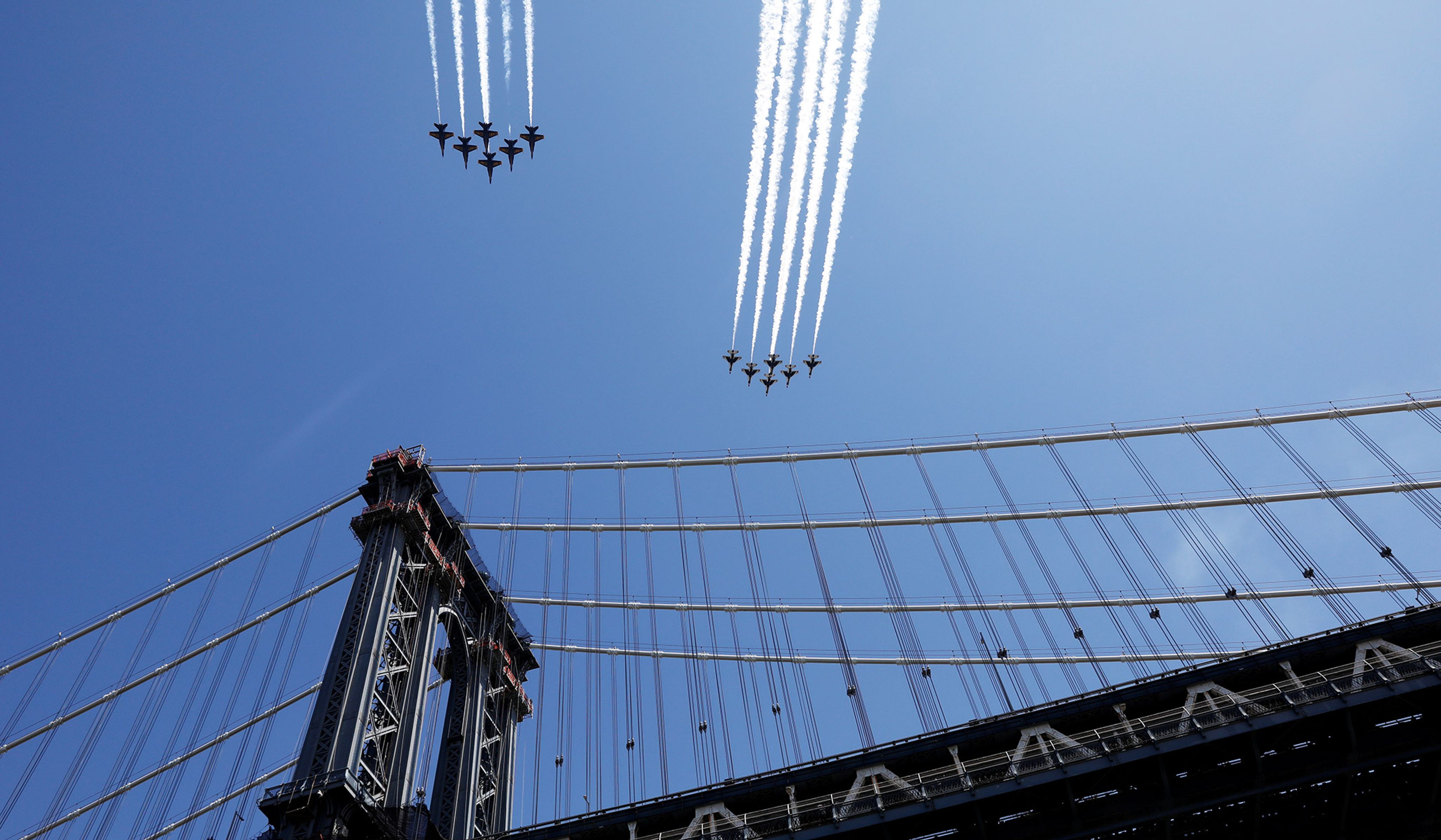
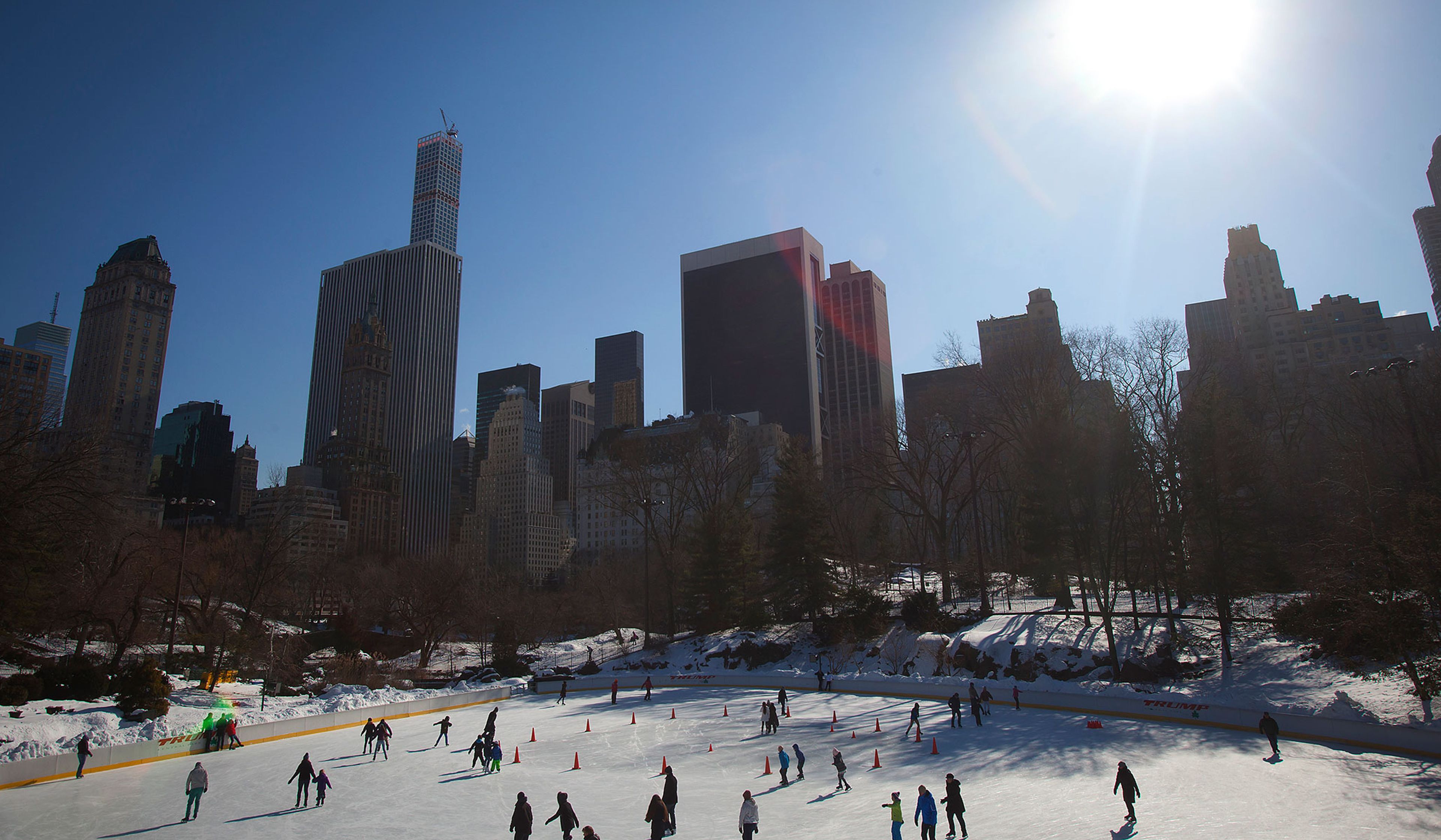
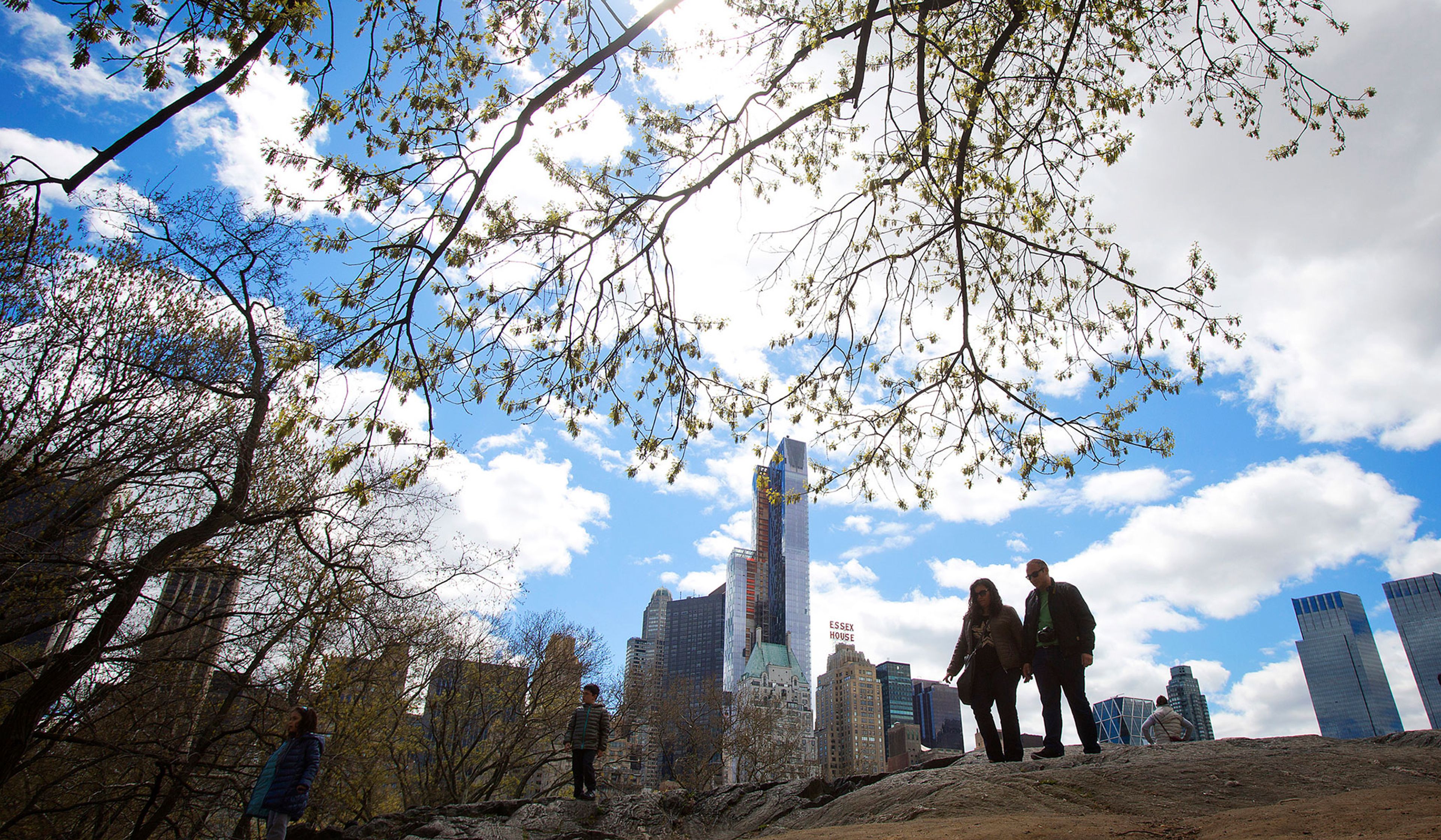
People cover themself from the sun at the Brooklyn Bridge during hot weather in New York City, July 13, 2023.
Eduardo Munoz/Reuters
On treeless blocks or in the choked aisles of the farmers’ market, direct light at this season can still be warm. Young women respond, jewel for joule. When the breeze picks up, or a street is shrouded by scaffolding, modesty re-covers them. Like a reading lamp, light helps pick out messages discarded on building walls and other flat surfaces. These are bottles on the urban beach. There is a faded ancient ad for JAPANESE SHIRT FRONTS on a building a block from my apartment. The 9/11 murals were mostly painted over long ago. Every so often the Messiah is proclaimed (Rabbi Schneerson, d. 1994). His images are hung on the backs of walk-light boxes, where they bleach and are scraped away. Heroes of culture leave bulbous doodles on the upper lips of short buildings they can reach: bad signs of the old days of unchecked graffiti.
Glass plays tricks. On the darkened flank of a building mysterious lights hover, like coyotes or aliens in grainy surveillance videos: It is the sun bouncing off unobstructed windows across the street. Or, at the right moment and the right angle, the blue reflected in a grid of windows can exactly match the blue beyond the building’s edge, suddenly converting a 21-story, 270-room hotel, say, into a canvas flat.
When the light begins to slip, it passes a caressing hand over a side street’s façades, gently dimpling them with the shadows of their ornaments. At the Magritte hour, when earth is dark and sky still light, the fronts of distant windows off to the east blaze with fallen fire.
Nice, but who cares? That’s why Mr. Edison invented electricity, so we wouldn’t have to huddle in caves when night falls, like the apes in the opening shots of 2001. Come the dark, we light the lights. And after the green-energy fanatics have killed enough whales and migrating birds, and we get nuclear power rocking instead, we will be able to party and work for 24 hours straight. Even His old cycle of seasons and years isn’t so bad: Sure, we’re heading for a dark part now, but there will be another bright part soon enough. Like Percy said, if winter comes.
Yes, and yes, but we won’t always be here to see them, either the man-made e-powered extravaganza, or nature’s systole and diastole. So love that light now, every last bit. It wakes you up and tucks you in. It shows you around. If it’s 8 a.m. and I’m squinting, this must be east. Here’s my Uber! It grows your grass and trees, and, incidentally, you. See the groaning produce in the farmers’ market, green, red, yellow, purple, pale, dark, leaves like umbrellas, roots like hairs. Out-of-state bees came along for the ride. Light made it all. The young women showing off in its presence are not so wrong, they are expressing gratitude (and, yes, a little boastfulness). You can be as grateful, if not more so. If it glares, put on sunglasses; if you have a bald spot, sunblock. Observe it, enjoy it. Just don’t ignore it. Let there be.












Comments