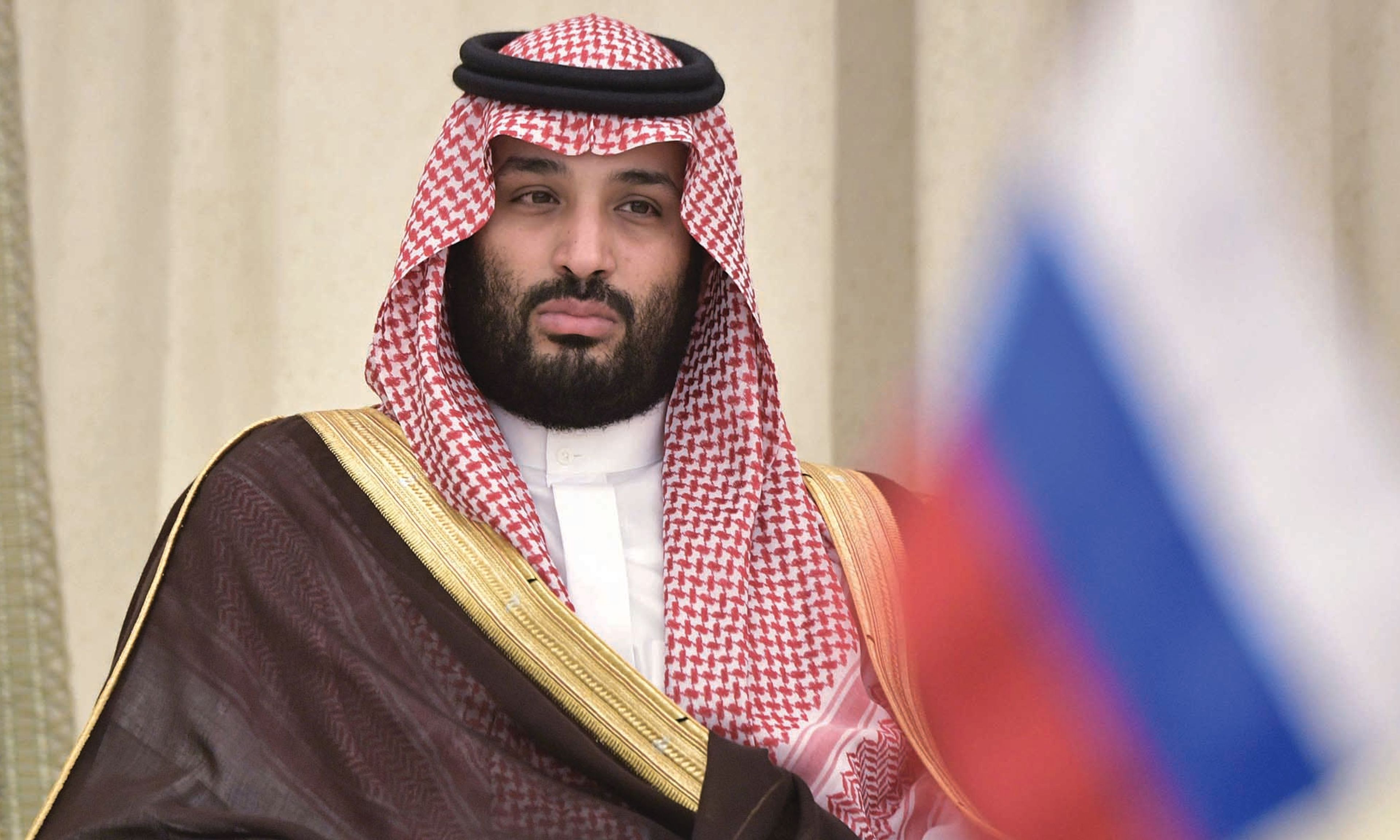
The murder of Jamal Khashoggi has given the international order of today a proper shaking. There is a historic precedent. The young Duc d’Enghien was heir to the French throne, and when Napoleon Bonaparte had him murdered, Talleyrand came out with the comment that only a man who understood politics as he did could have made: “It is worse than a crime, it is a mistake.” Jamal’s murder is also a mistake.
The Khashoggis are well known Saudis. Jamal’s uncle, Adnan Khashoggi, was a businessman with the usual extravagant tastes and a fortune said to be $4 billion in the 1980s. A journalist, Jamal made a name for himself interviewing Osama bin Laden in Afghanistan. Recently Saudi Arabia has been moving towards its rather special version of a police state. By the standards of courage and freethinking that dissidents show in other countries, Jamal hardly rates, but he still thought it prudent to move to Washington to avoid the repercussions of his criticism of the Saudi rulers. A column in the Washington Post offered him the chance to say whatever had to be said about his own country. For personal reasons to do with marriage to a Turkish lady, he went by appointment to the Saudi consulate in Istanbul on October 2, 2018. A hit squad of 15 men was waiting for him. As soon as he was dead, an expert with a bone saw dismembered his cadaver. They then flew back to Riyadh in two government planes.
The authors of Blood and Oil are both Wall Street Journal reporters and they have done their best to investigate Jamal’s murder and the background to it. Cui bono? is their operating principle — in other words, Who benefits from killing Jamal? They do their investigation in the journalese manner. No references, no footnotes, the minimum amount of sources and substantiation of what is presented as fact, plenty of quotations in direct speech when the authors were not present at the spoken words. The evidence is circumstantial, of course, but the two authors allow it to speak for itself. The only person who could profit from Jamal’s murder is Mohammed bin Salman, known familiarly in political and media circles as “MBS” and appointed crown prince by his father, Salman, the current king.
Saudi Arabia is one of the world’s more improbable states. As though it were somehow outside history, the past has made it unfit for the present. The Empty Quarter of Arabia lives up to its name, but in the more hospitable parts of the desert, Bedouin tribes, mostly nomadic, have since time immemorial lived lives of extreme hardship. Their traditional code of honor forced them to raid each other’s settlements, steal camels, and maintain deadly feuds. The First World War and the end of the Ottoman Empire left the whole area of the Arab Gulf in a political vacuum. Abdul Aziz ibn Saud was one of several tribal chiefs contending for power. In the Bedouin manner, he and his tribesmen attacked neighbors and rivals, drove them out, and incorporated their territories, most of them still un-demarcated, into his embryonic state. So personal, so absolute was this state that he named it after himself, the only ruler who has ever done such a thing.
The British paid him a subsidy on condition that he disarm his tribesmen. The pilgrimage of Muslims to the holy towns of Mecca and Medina was his sole asset, and he played it for all its worth. The discovery and exploitation of immense oil fields under the desert at last gave him and his descendants power enough to claim a place in the international order. By the time he died, in 1953, he had earned the masculine honor that is a feature of this culture by fathering 45 sons from 22 different mothers. The last of the six successive kings who were his sons is Salman, 84 years old and the father and promoter of Mohammed as crown prince. None of them seem to have been aware that their nouveau riche lifestyle was incompatible with the Islam they were wishing on others.
“All that is best in the Arabs has come to them from the desert” was the initial view of Wilfred Thesiger, the Arabist and great explorer who crossed the Empty Quarter on a camel. Oil was supposed to be the agent of progress, but he soon came to believe that it had destroyed the old ways and turned the Arabs into “corner-boys,” by which he meant that they were holding out their hands for money they had done nothing to earn and didn’t deserve.
According to Hope and Scheck, the extended ruling family is now “some seven thousand princes and at least as many princesses, all of them growing up with a sense of entitlement to a share of the country’s oil profits. . . . More than a few were greedy beyond belief, spending unimaginable sums. . . . ‘Saudi’ became a synonym for profligate consumerism in Western cities.” Justice, law, policy, the economy, and entitlement remain in the hands of the king, who dispenses favors and punishments as he sees fit in a corrupt and static society. Beheadings and crucifixions take place in public. In a notorious case, Raif Badawi was sentenced to 1,000 lashes and ten years in prison for proposing on email to discuss social issues. Sunni Muslims themselves, the Saudis strictly police the Shiite minority, in 2016 executing the leading Shiite cleric Sheikh Nimr al-Nimr, on trumped-up charges. Last year, there were 184 executions, most of them of Shiites.
In a process invisible to everyone else, a handful of the most influential princes choose who is to succeed to the throne. Mohammed had the necessary talent for palace intrigue. Early in his career, he bulldozed out of his path a cousin whose position on the family tree gave him a better claim to be crown prince. In the wake of the Arab Spring, policymakers everywhere were hoping that a reformer would bring Saudi Arabia into the modern age, and that Mohammed might be the very man for it. In 2017 he rounded up some hundreds of his relations and kept them in the Ritz-Carlton Hotel in Riyadh, temporarily converted into a prison. They had to buy their release by returning ill-gotten gains. The trick was to appropriate as much as he could of the cash flow that should have gone to the state. His plans and projects had up-to-date designations such as “Vision 2030” and “Public Investment Fund.” Although Saudi Arabia doesn’t do tourism, Neom, a whole new city and supposedly a technological wonder, was on the drawing board. Carpetbaggers from all over the world came hurrying in for their share of the cash flow that went into these fantasies.
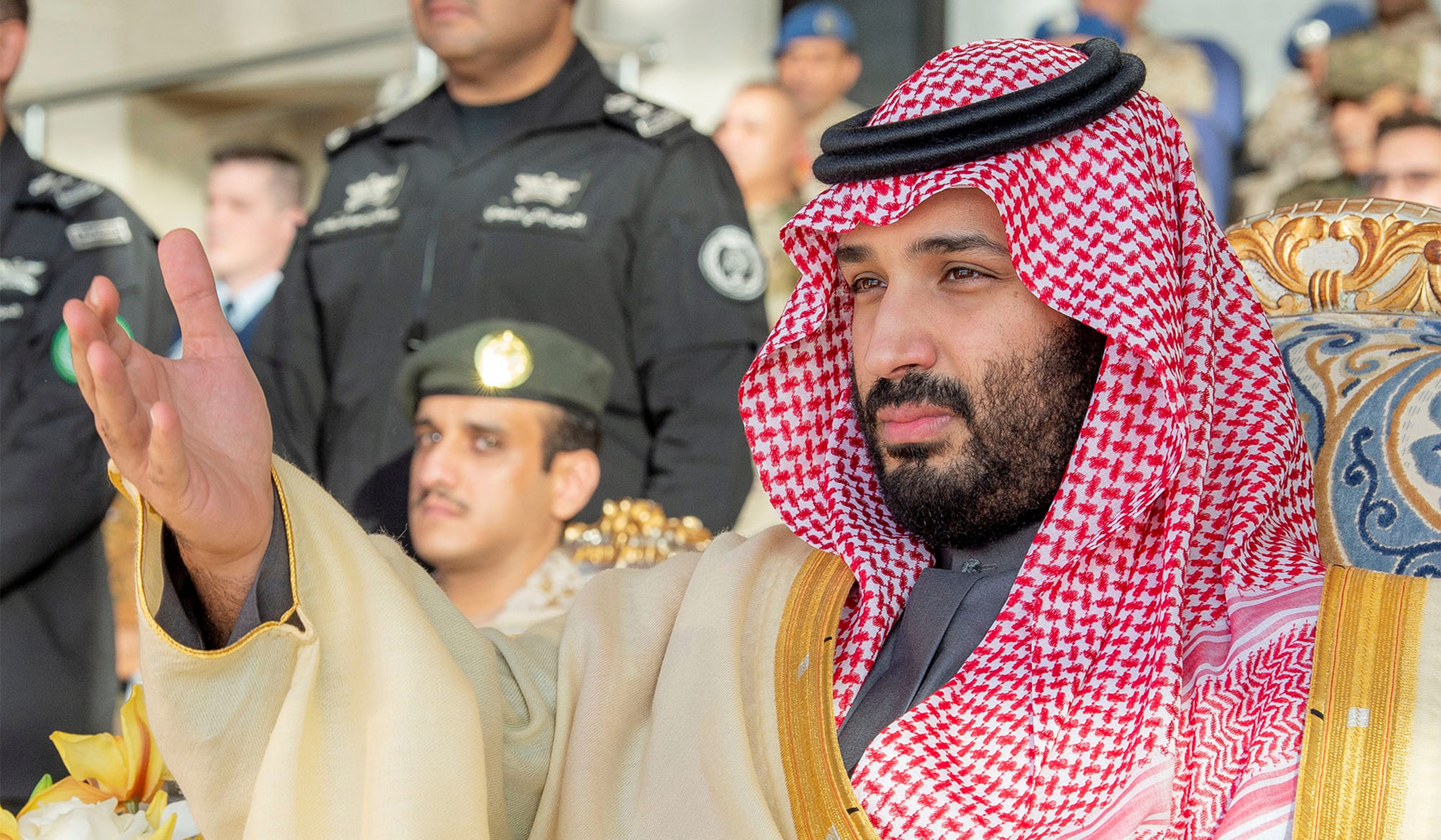
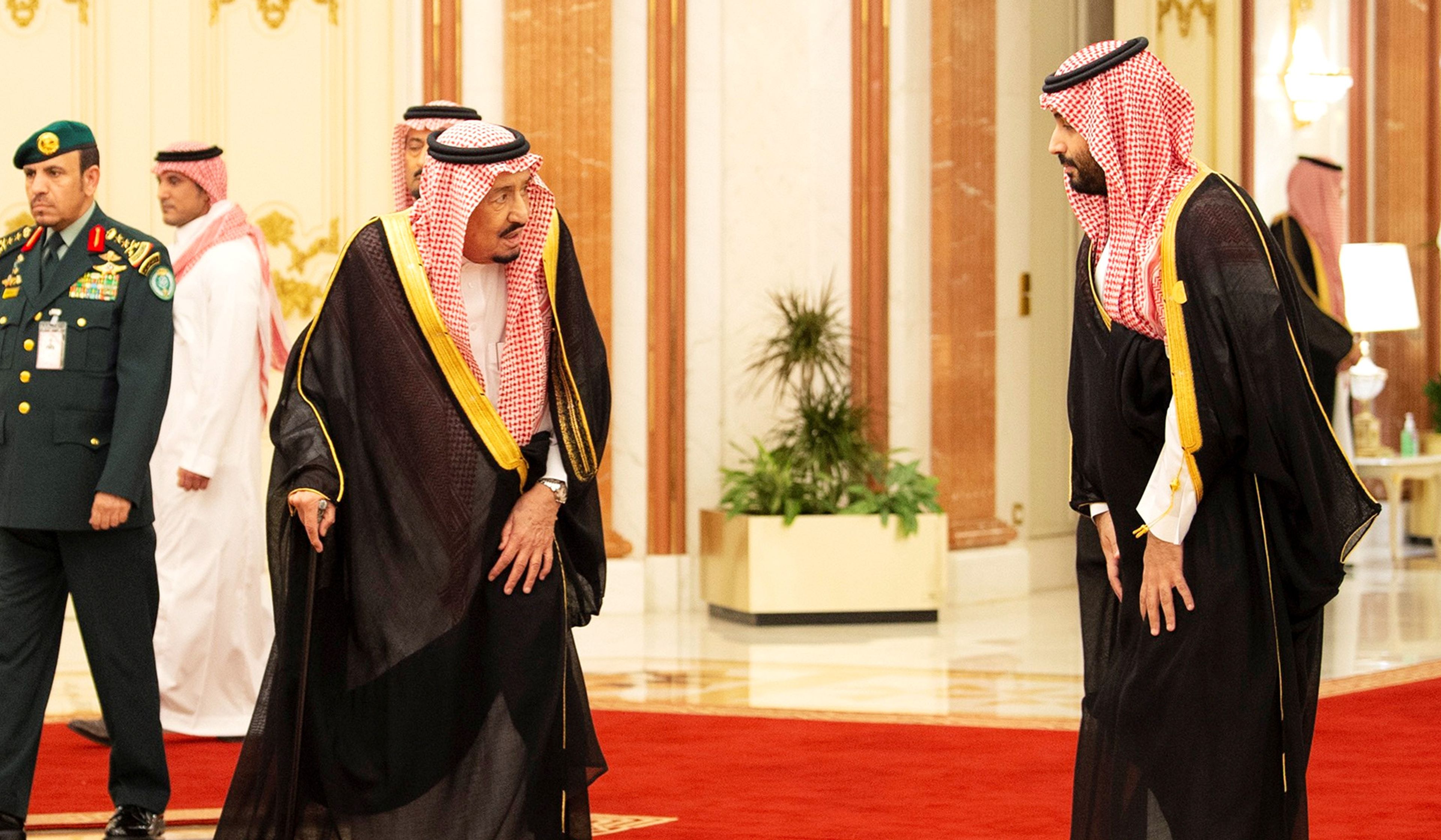
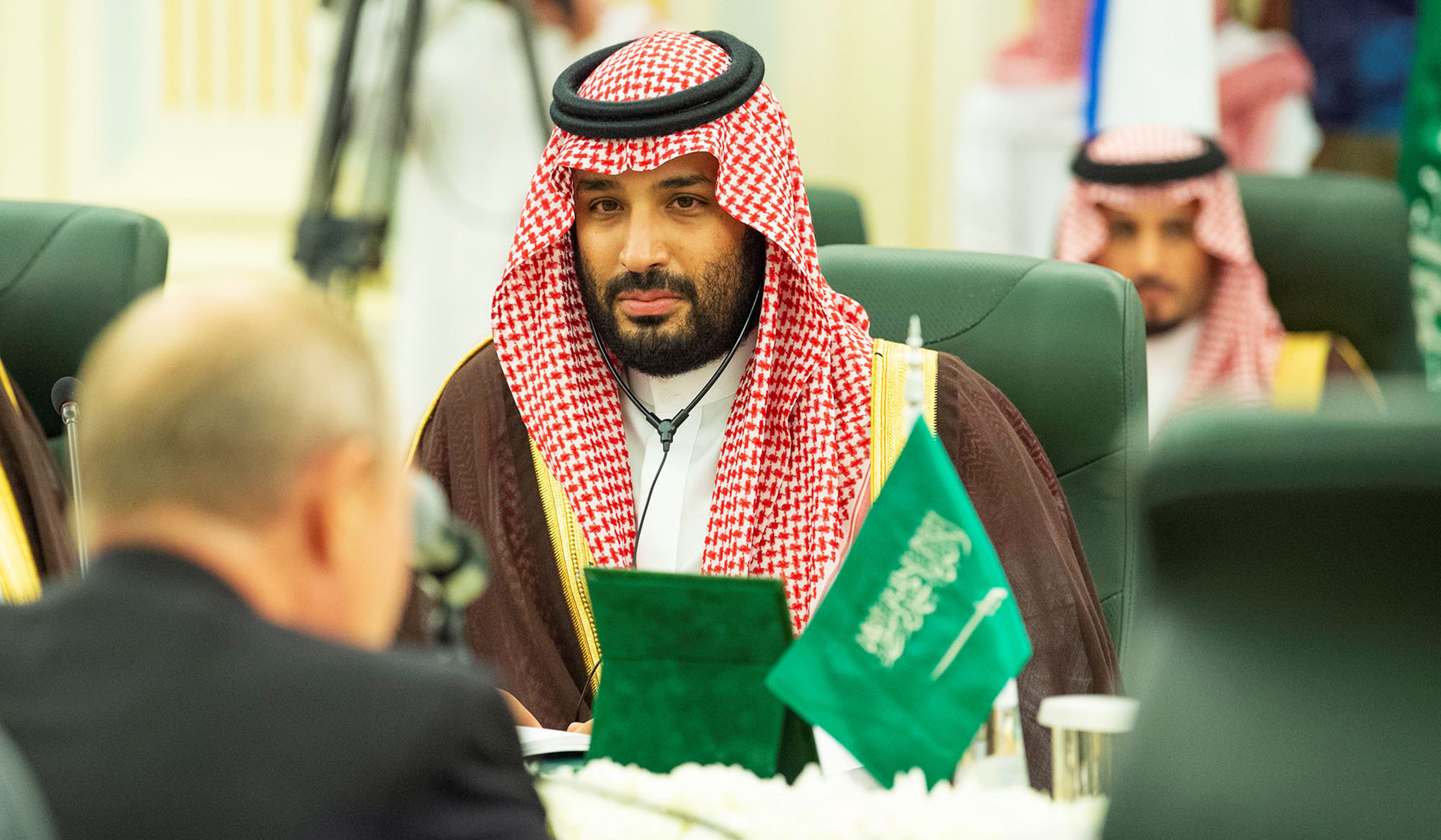
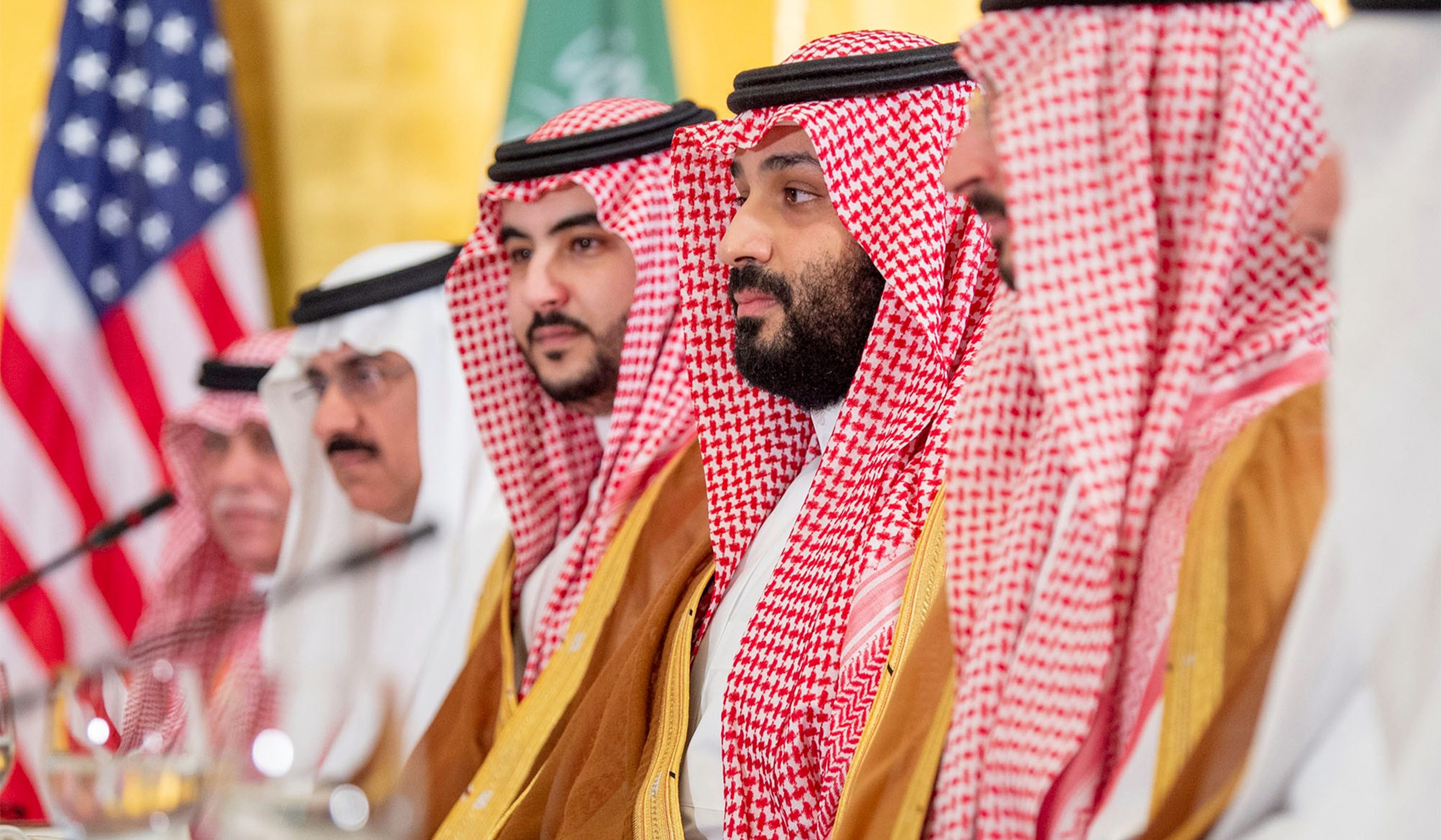
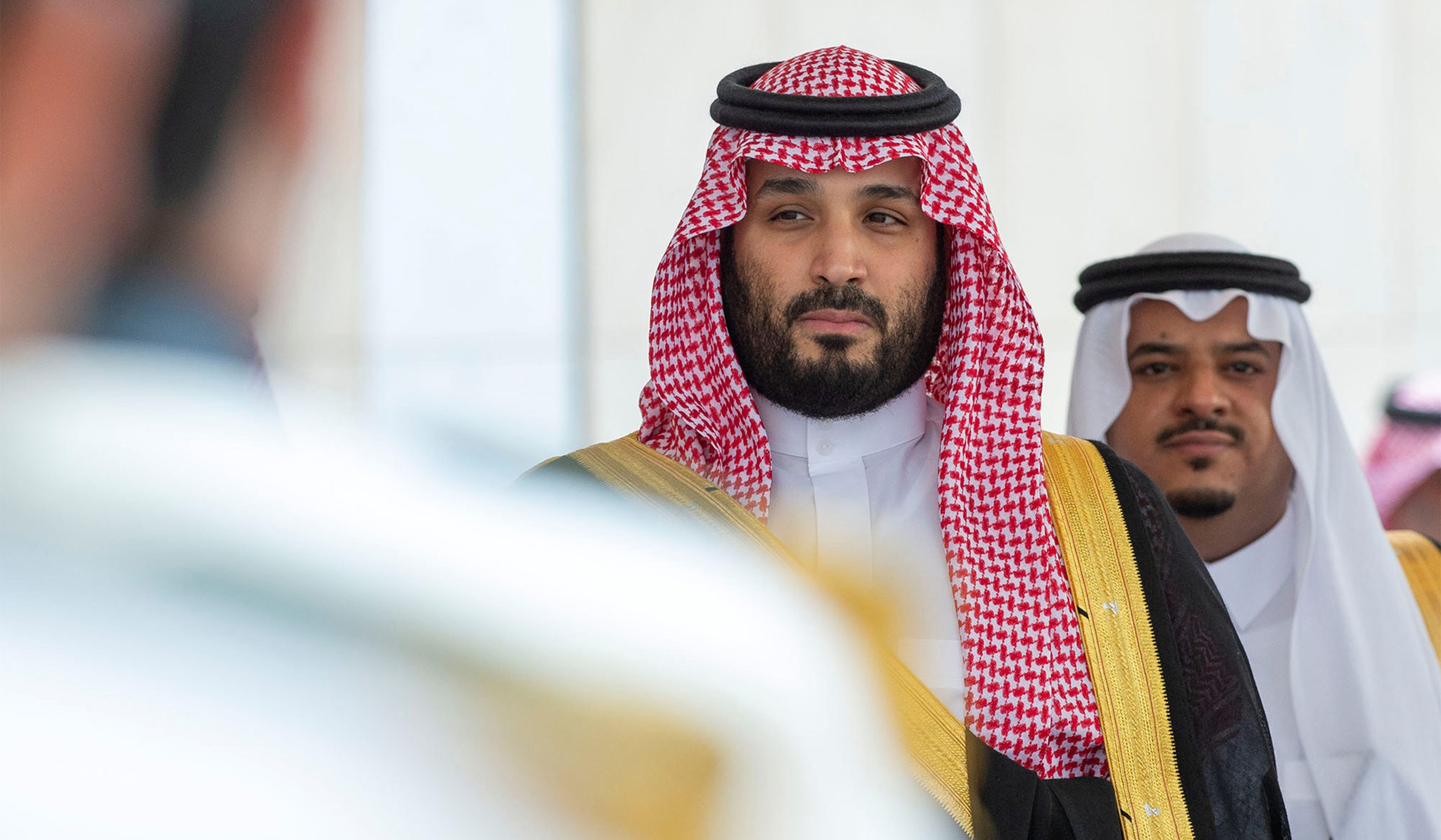
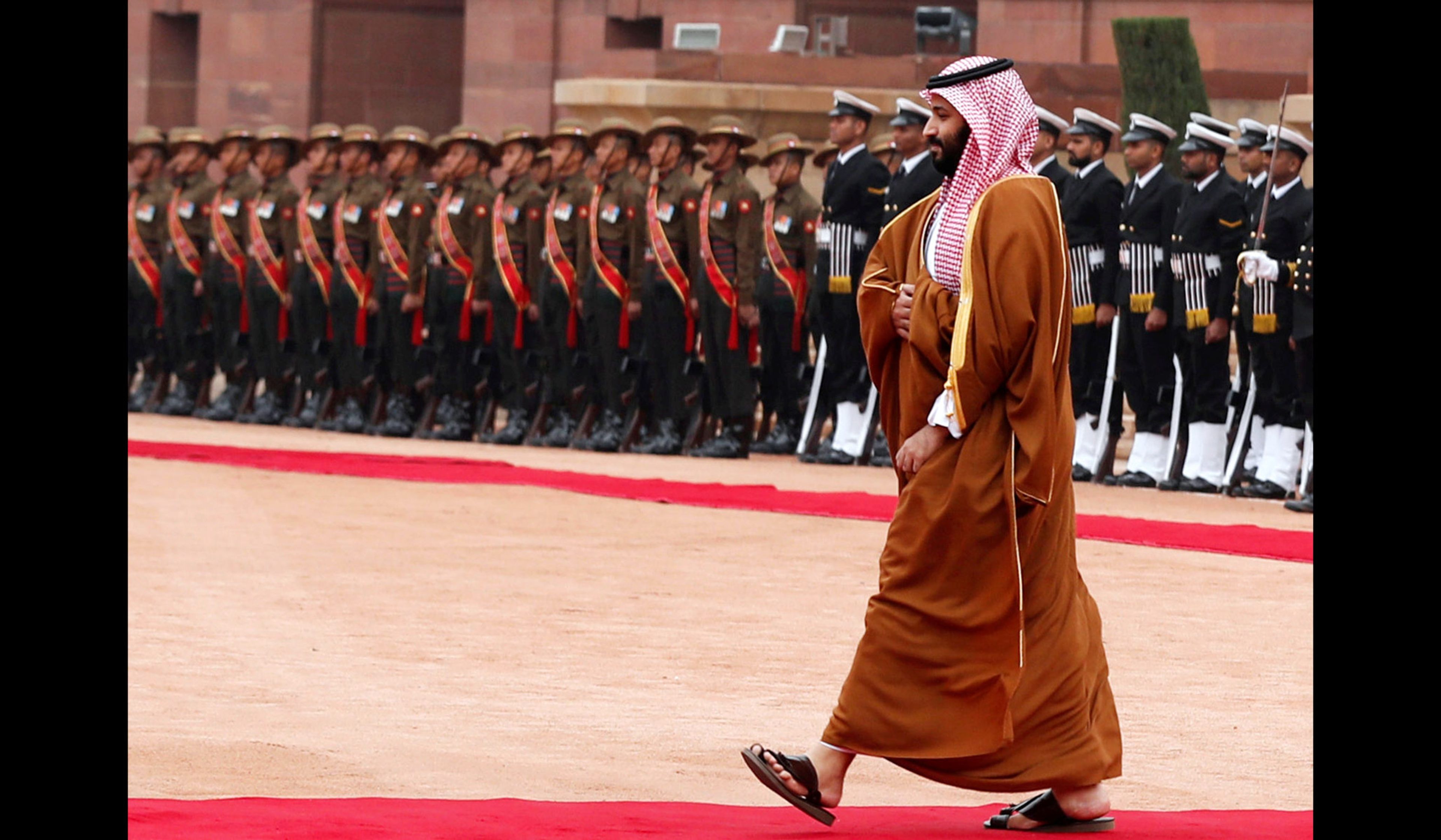
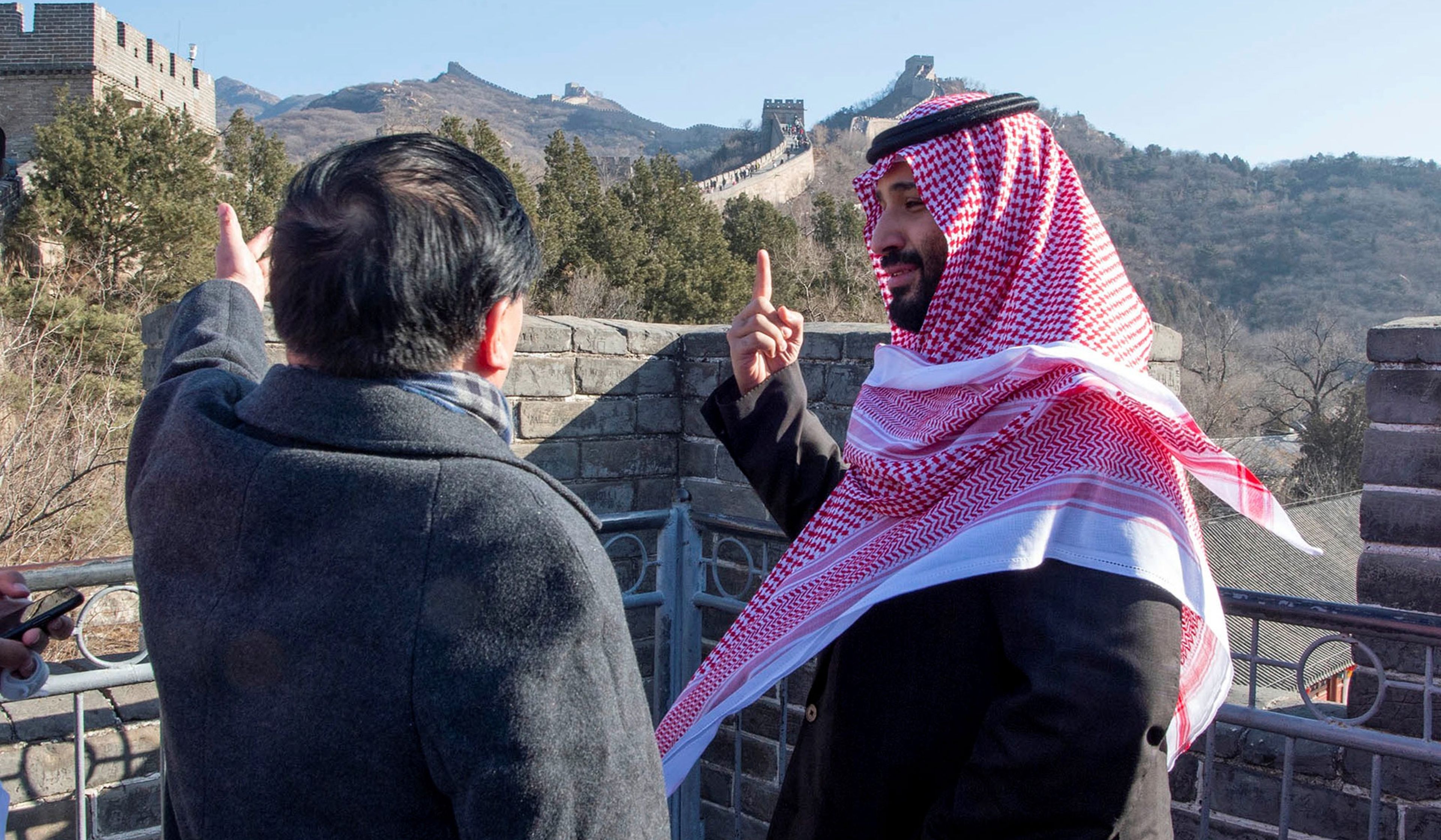
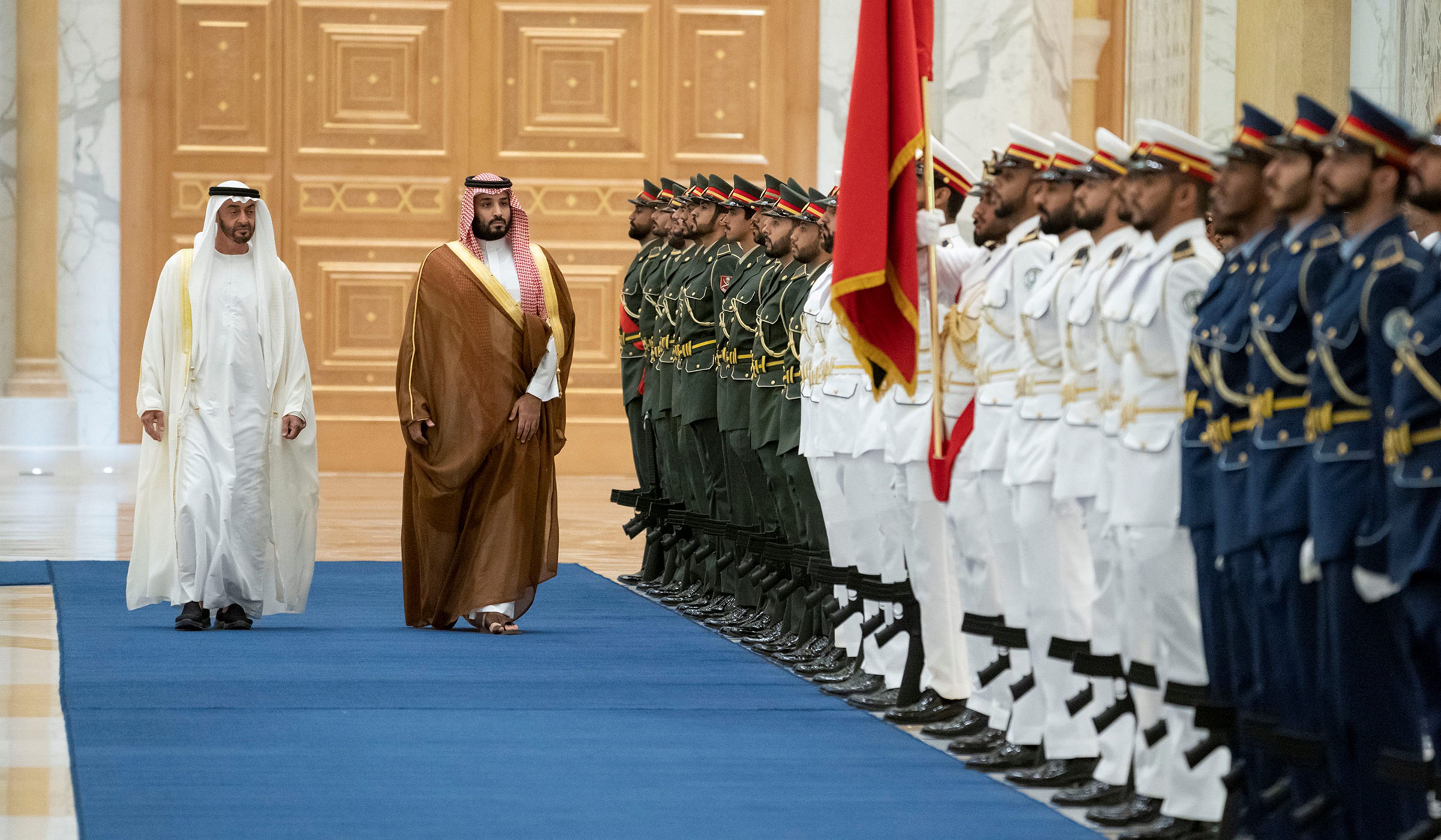
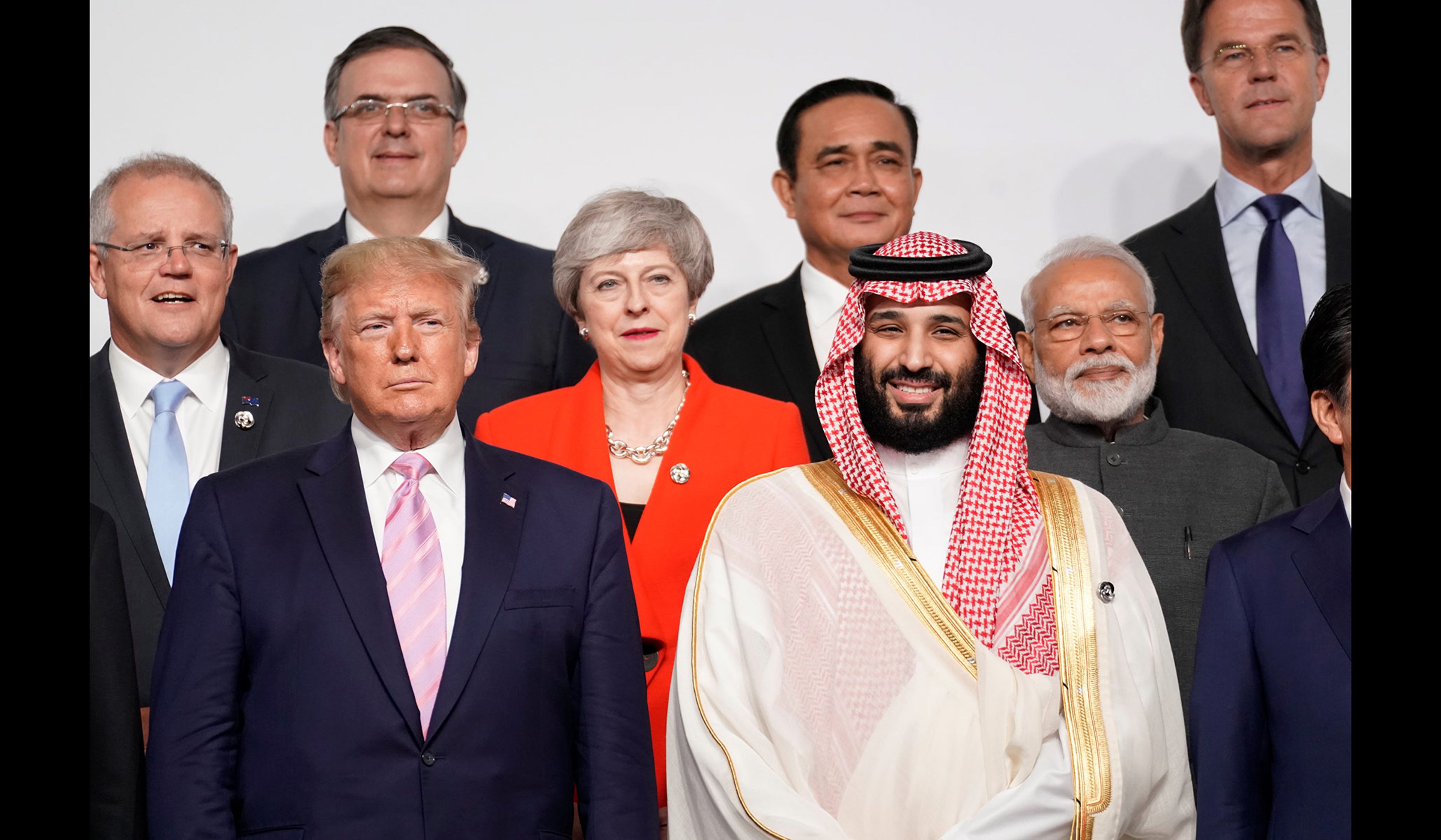
Saudi Arabia’s Crown Prince Mohammed bin Salman attends a graduation ceremony for the 95th batch of cadets from the King Faisal Air Academy in Riyadh, Saudi Arabia, December 23, 2018.
Bandar Algaloud/Courtesy of Saudi Royal Court/Handout via Reuters
The two authors find a few things to be said in favor of the crown prince. Although the Saudi military was substandard, he was prepared to stand his ground against a hostile Iran and an imperial Turkey. To the White House staff, they write, he was a prince empowered to make decisions of geopolitical importance. His role model apparently is Machiavelli, and he could sit at the piano and play some passages of Beethoven. In his twenties he threw a party in the Maldives, and the account of it is deadpan. Long-legged young women, mostly models, were the first to arrive on the island. “The resort had staffers on hand to greet each woman and politely shuttle her by golf cart to a medical center to be tested for sexually transmitted diseases.” How is this party and its cost of millions of dollars to be explained to unemployed and unemployable Saudis back home?
Mohammed claims to know nothing about the murder of Khashoggi. The story keeps changing. An altercation had turned into a fight that had gone wrong. Why so large a hit squad, and why did they dismember the dead man, if not to hide that they had killed him? Turkish security had secretly been bugging the Saudi consulate. As Khashoggi approaches the entrance, one of the killers can be heard speaking of the “sacrificial animal.” The tapes are very damaging, and there may be more of them to come. Saud al-Qahtani, a friend and adviser of Mohammed’s, is suspected of masterminding the murder; the Saudi prosecutor merely questioned him. Five members of the squad were given death sentences, only to be reprieved after Jamal’s son was made to grant it under pressure that was really a threat to him. So much for justice, so much for the law.
This murder of Jamal Khashoggi can only have had the purpose of intimidating Islamist terrorists and revolutionaries who think the Saudi Arabian future belongs to them. Here is an example of what even moderate critics can expect. This book contains all the information about this hideous crime available so far, but the opinion of the authors is also clear: Mohammed had a chance to play a part in settling the world’s order, but instead he proves to be just another absolute dictator, and his preferred image of being a reformer is sheer humbug. To adapt Mrs. Thatcher’s certificate of proper conduct: He is not a man one can do business with.











Comments