
You should not pay to watch Disney’s Mulan, the biggest blockbuster (so far) to open exclusively on streaming video, for several reasons. First, because the price tag is a gouge job: $29.99 for an under-two-hour movie, on top of the seven bucks a month you need to pay to subscribe to Disney Plus. Second, because the movie wasn’t just made in cooperation with the bureaucratic despotism in Beijing; it was partially filmed in Xinjiang, the westward region of China whose Muslim inhabitants are being ruthlessly persecuted and culturally erased. Third, because — as almost always with these Disney live-action homages — the original is better.
But the movie is still worth some comment, because it sits at the intersection of so many different moviemaking trends. The new Mulan brings the wave of reboots and remakes all the way up to 1998, my first year in college, when I watched the original movie on a ratty dorm-room futon — meaning that the pop culture of my young adulthood has been declared obsolescent when I’ve barely entered middle age. It brings the trend of big Hollywood movies that are made with a Chinese audience in mind to its logical conclusion, with a movie made in literal collaboration with Beijing that plays at times like regime propaganda. And it brings us one very expensive step closer to a future in which all pop-culture products are released into corporate walled gardens, available only to subscribers to a particular channel or app, making the entire idea of a mass-market movie a relic of a bygone age.
Well, maybe: For that future to really take hold, for Disney or HBO or whomever to recruit enough subscribers to make a $200 million movie a winning proposition, the first trend, the reboot/remake trend, will need to add a little more creativity — at least if it wants to keep charging viewers $29.99.
The original Mulan was actually one of the better candidates for a live-action remake, insofar as the spine of its story — girl poses as boy to take her father’s place in war, saves empire from invasion — was closer to an adult genre, the historical epic, than to a classic fairy tale. (There’s no equivalent here of the utter pointlessness of trying to do a more realistic take on the enchanted furniture in Beauty and the Beast.) But the new movie is an object lesson in the limits of what Disney can do with these refashionings. It’s self-serious without being genuinely adult, harsh without being realistic. All the fun and silliness of the animated version has been drained away, but it’s still supposed to be family-friendly, so there’s no adult politics or adult romance to take its place.
What there is instead is an exceedingly grim girl-power message, which bends at the end implausibly back toward Confucian loyalty and Chinese nationalism. The animated Mulan was a warrior but also a goofball, with a clumsy innocence and a big crush on her commanding officer. The live-action Mulan, played by Liu Yifei as a stern, unsmiling Asian Valkyrie, is basically given superpowers from the start — her chi, her life force, turns her into a wuxia action heroine, always running up walls and soaring in slow motion — which makes her heroism considerably less relatable.
Also, the romance with her commander (Donnie Yen) is scotched — not #MeToo appropriate, perhaps — in favor of a tepid flirtation with one of her fellow soldiers. The real wooing of this Mulan is conducted by another woman, the main addition to the live-action story — a sorceress named Xianniang (Gong Li), who has thrown in with the invader Böri Khan (Jason Scott Lee) because her gifts were squashed by China’s patriarchy. Join me, she says to Mulan, like Darth Vader tempting Luke, and with her shape-shifting skills and killer eye makeup it seems like it might be a pretty good deal.
But of course Mulan can’t accept her offer, choosing instead to subordinate girl power to imperial power and help the Communist Politburo crush the dangerous terrorist infiltrators from its Muslim hinterland — ah, sorry, I mean help save the noble emperor from the ruthless nomad threat.
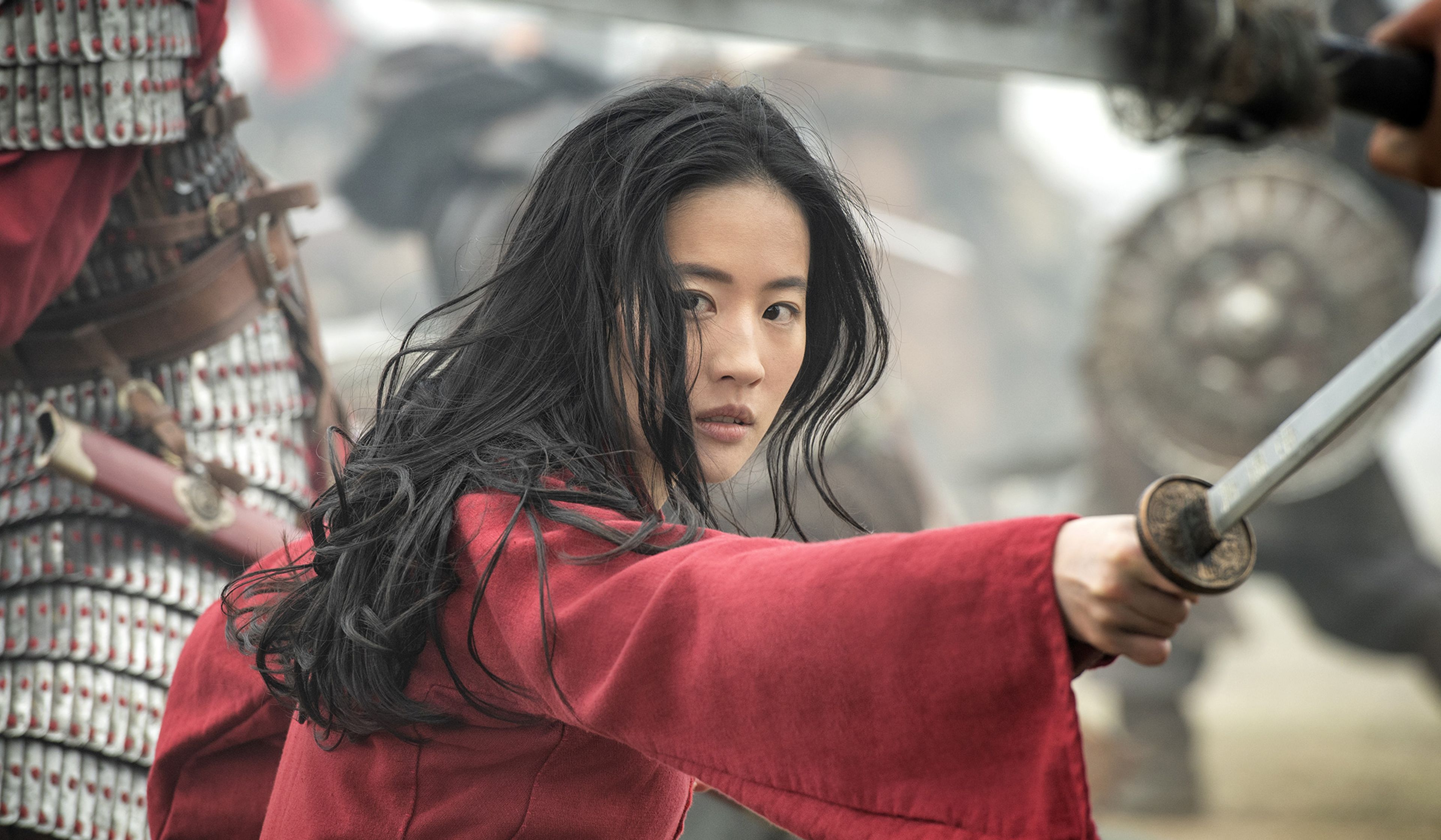
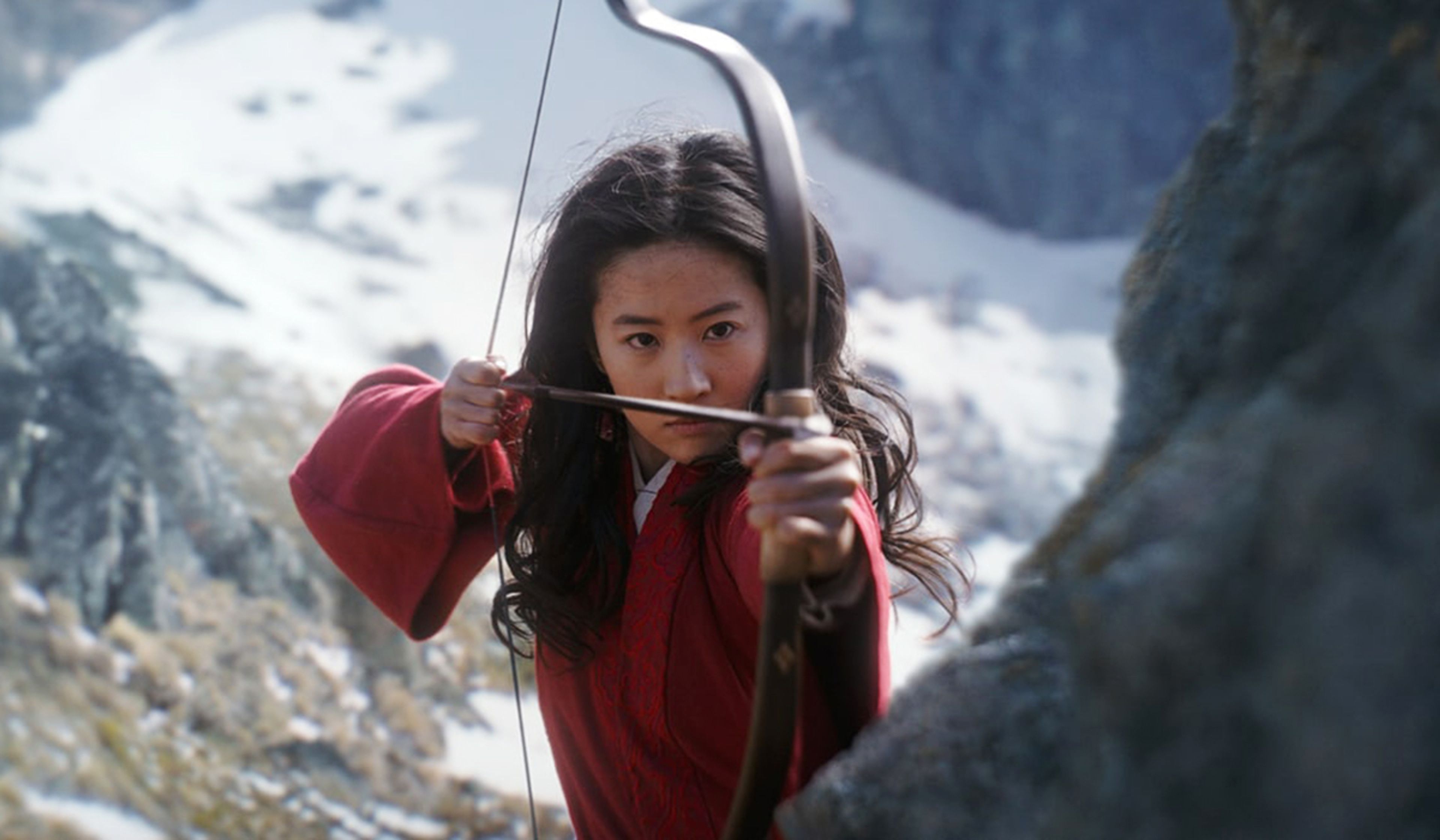
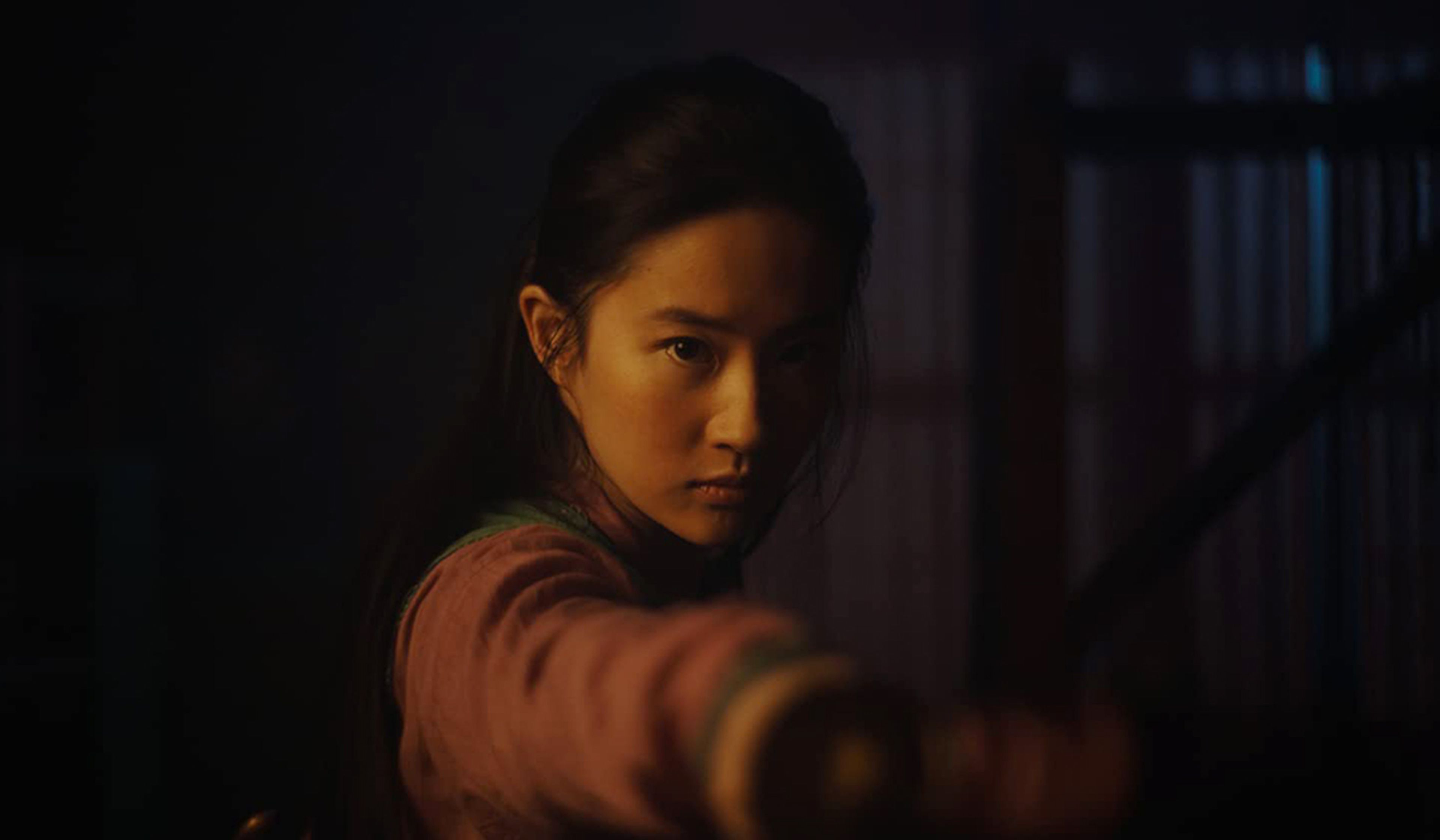
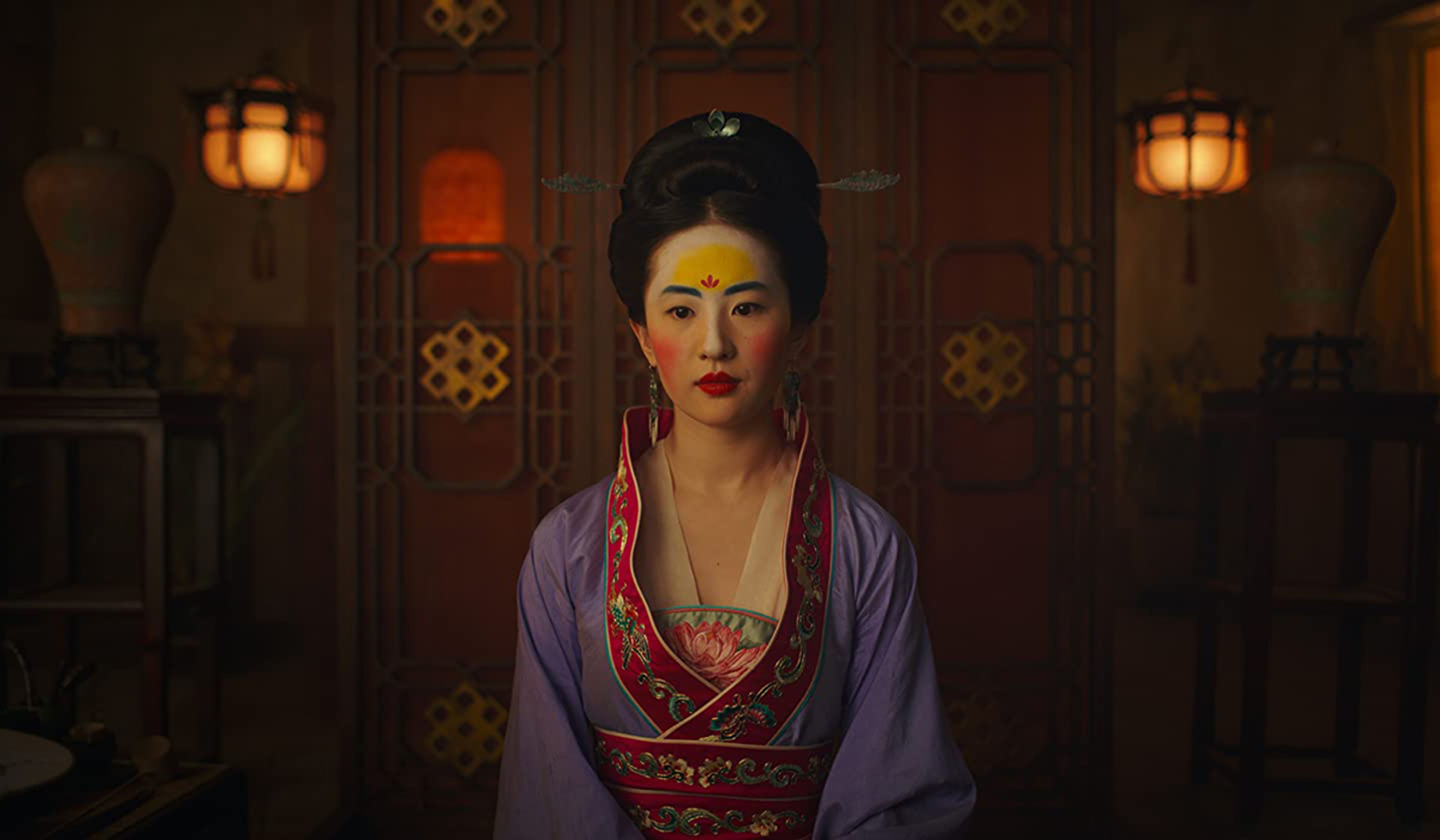
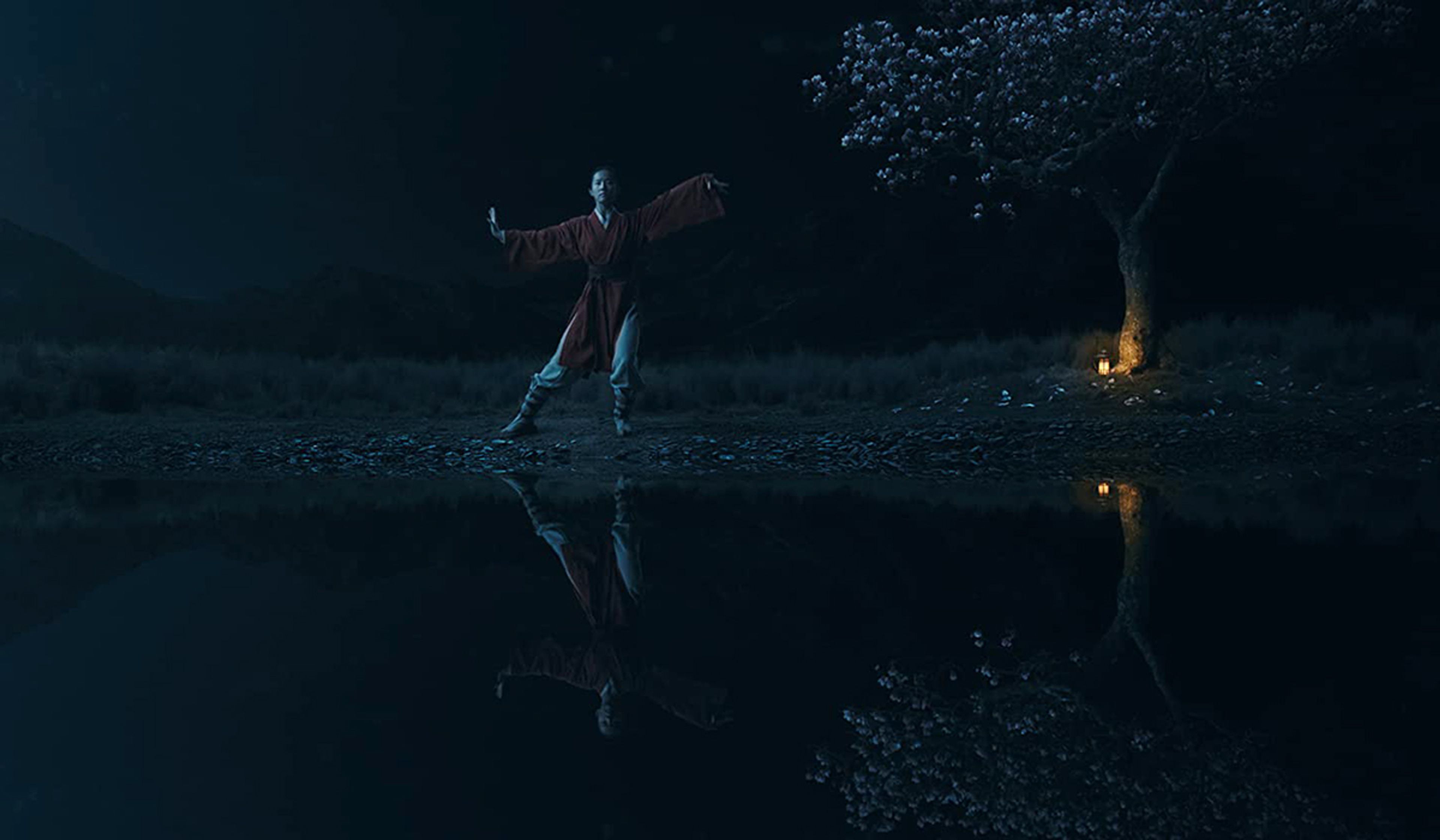
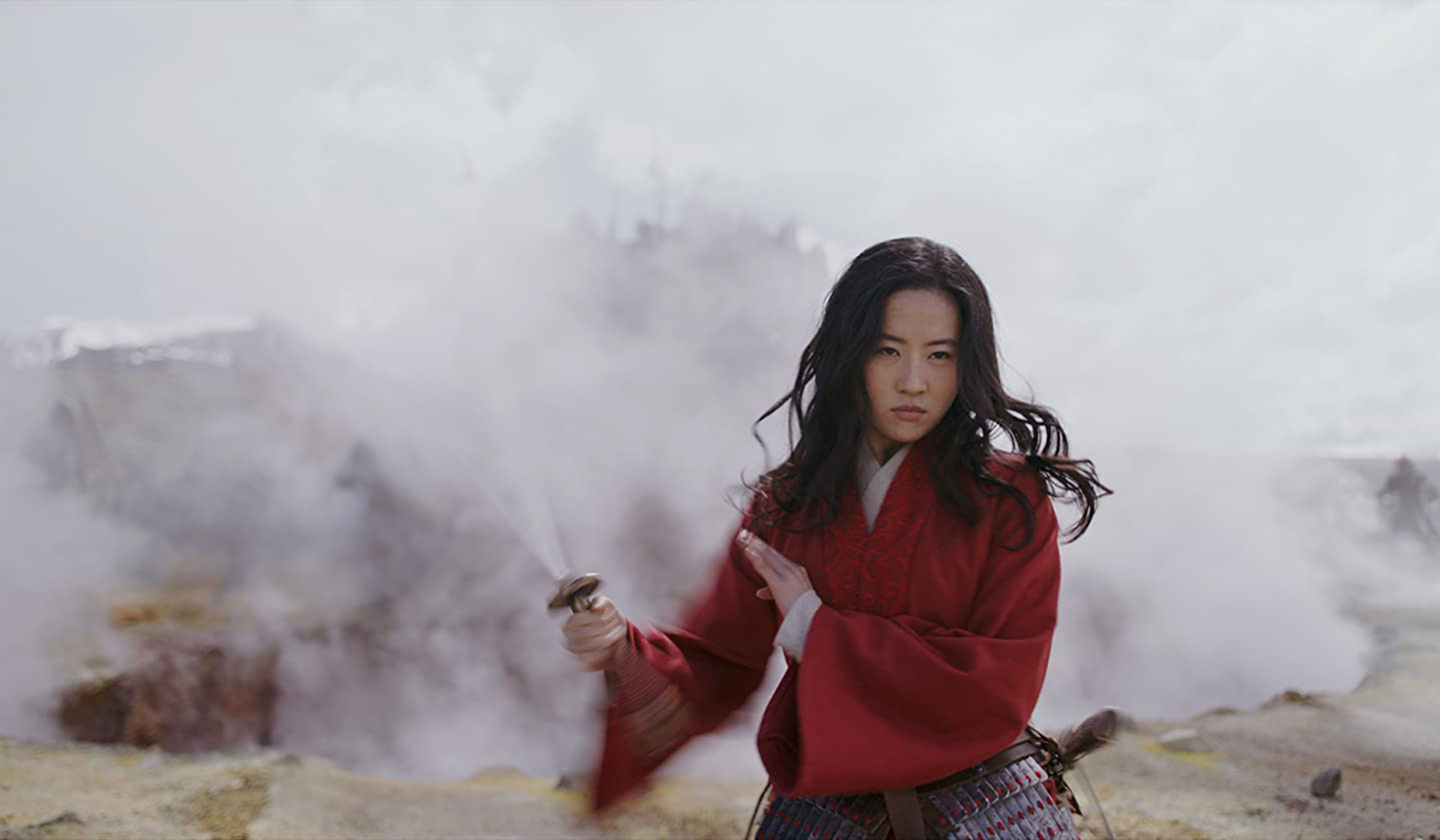
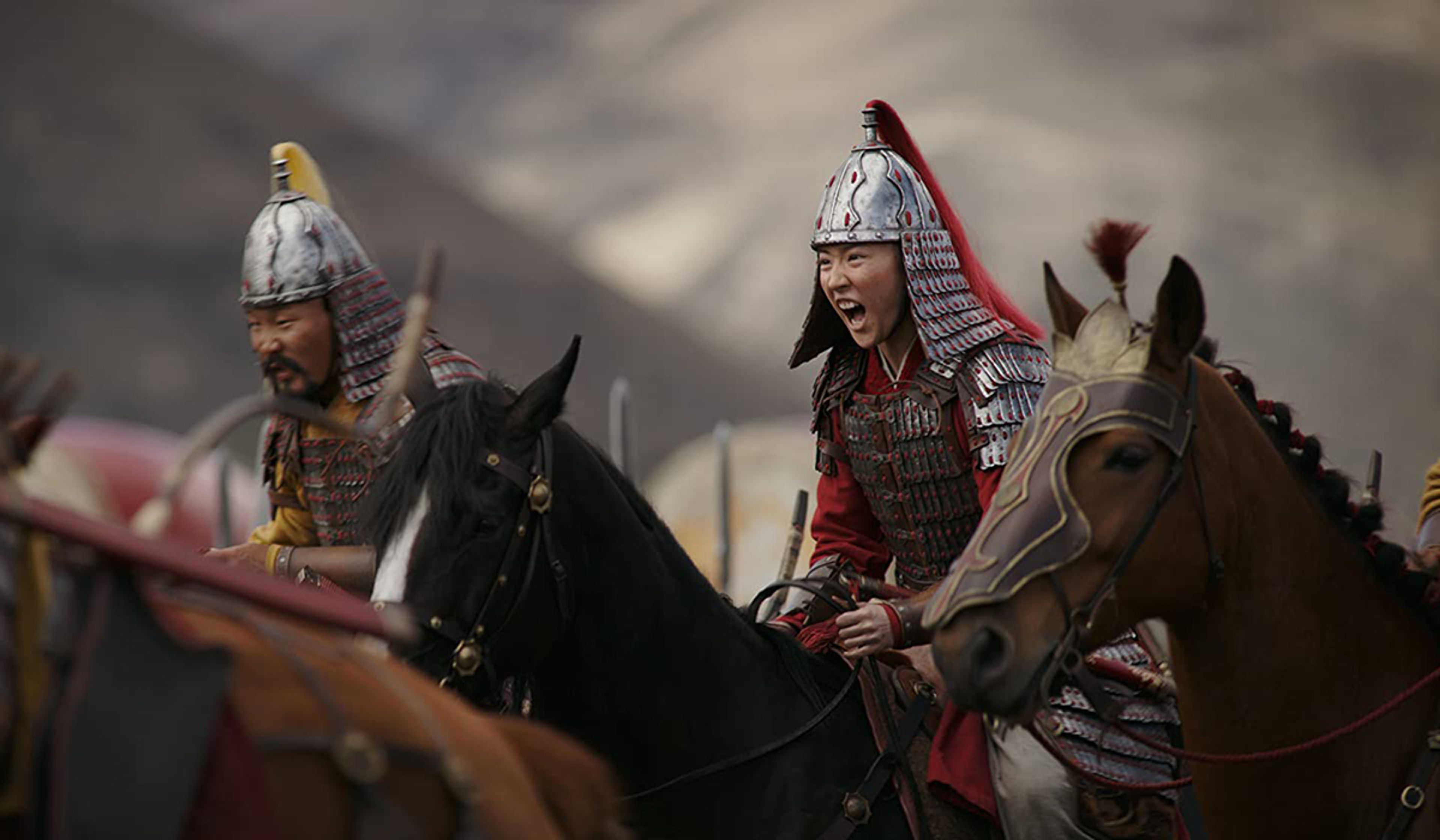
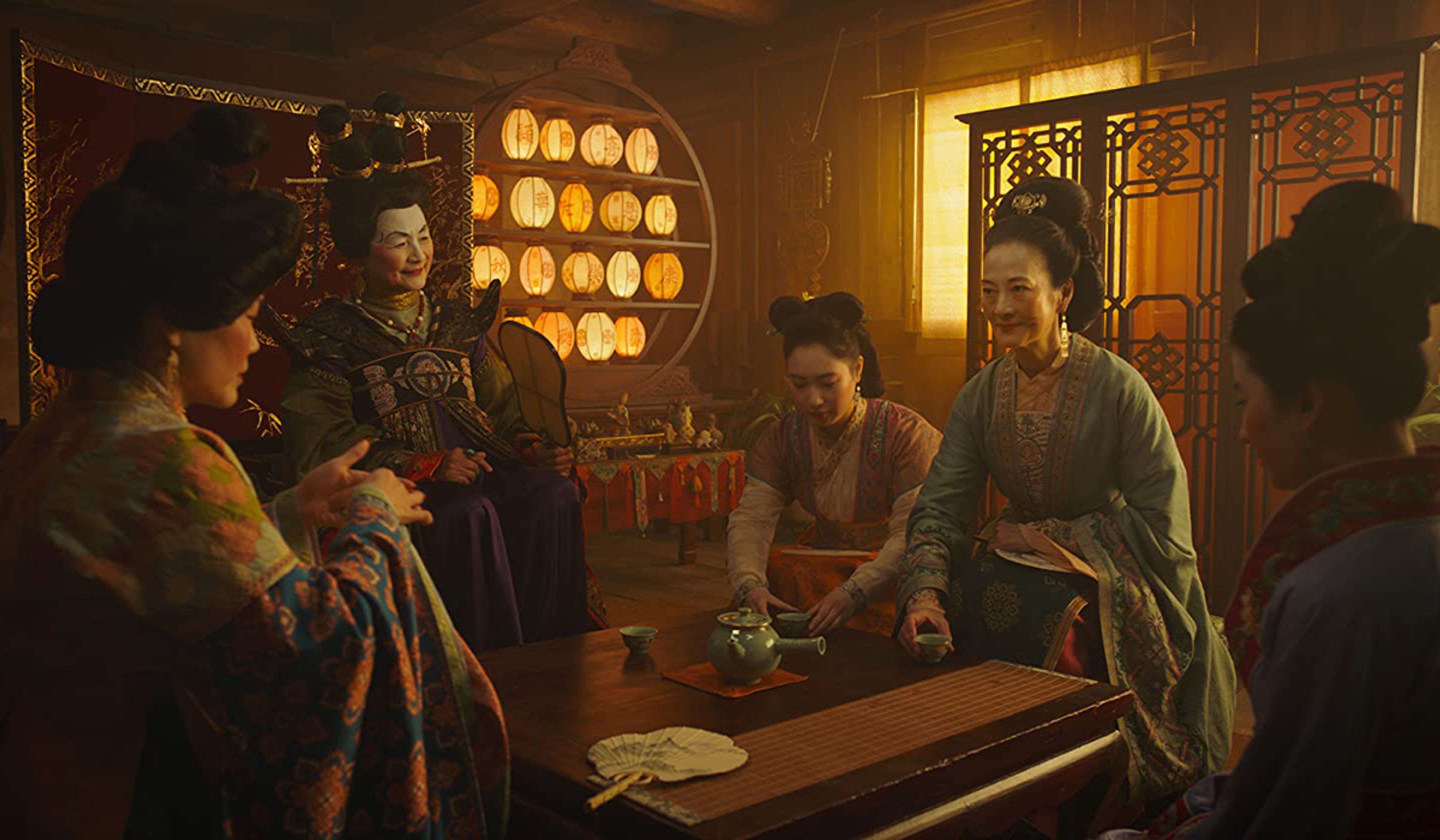
Yifei Liu in Mulan
Walt Disney Studios
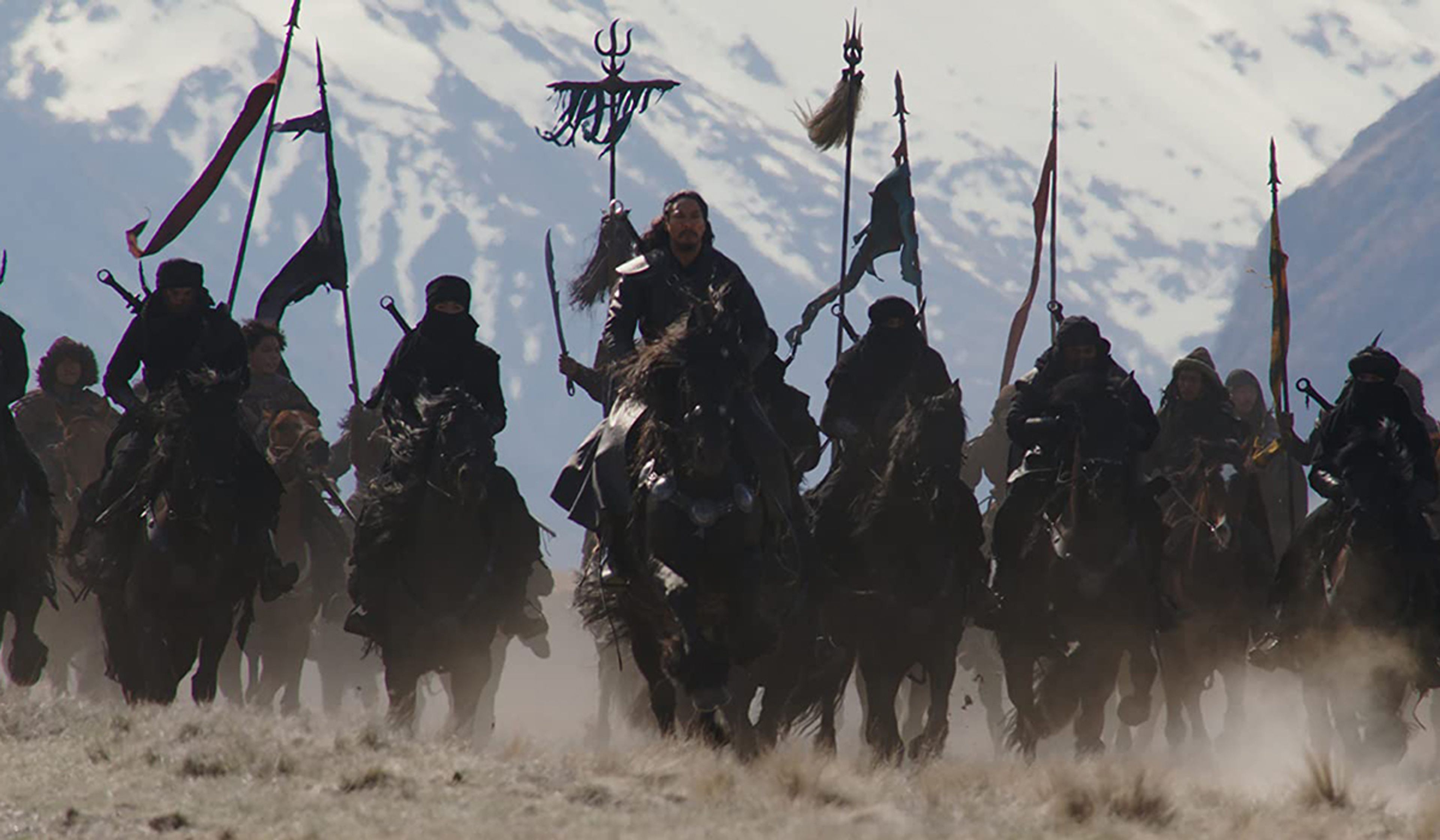
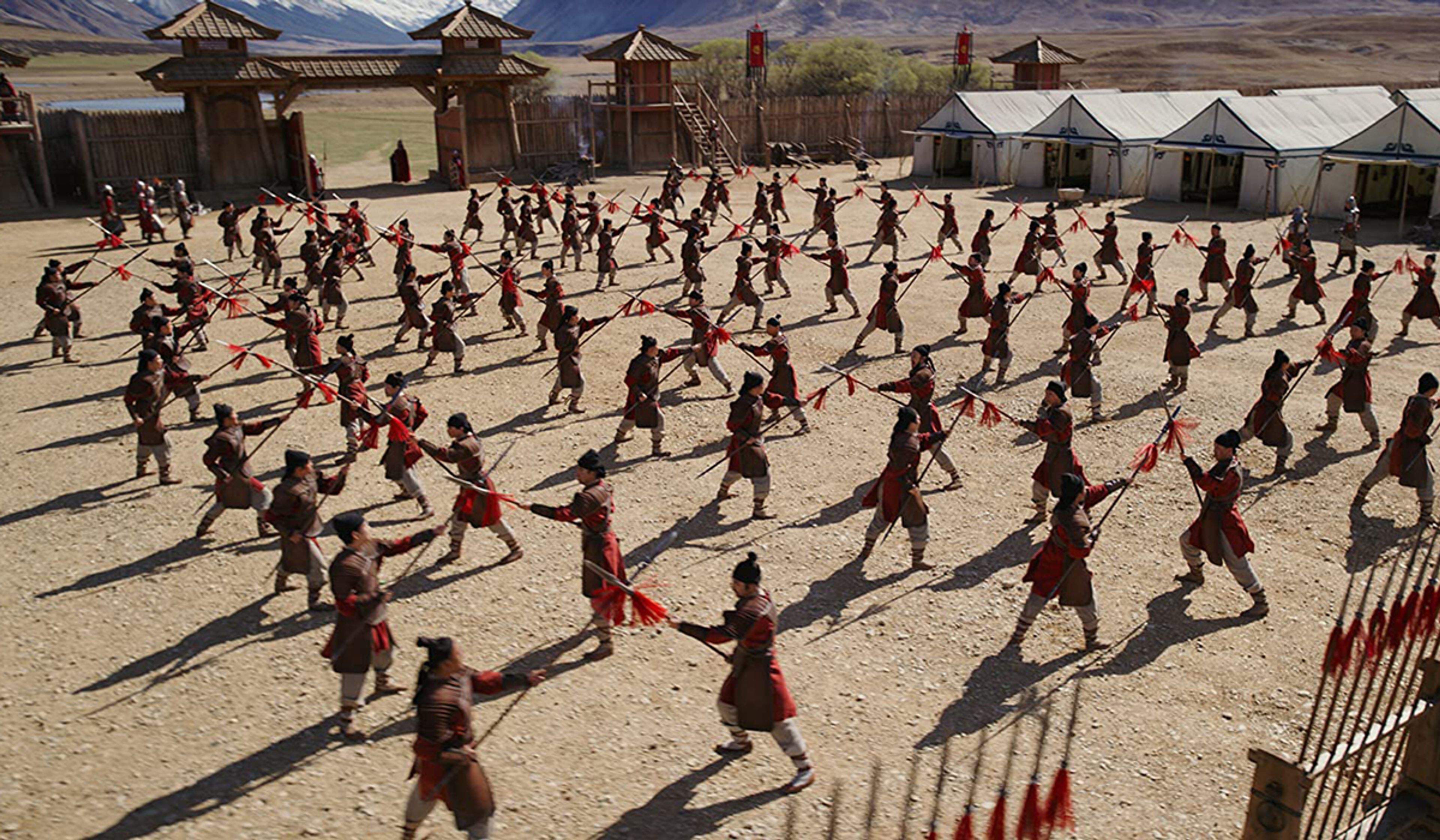
I know, it’s the same basic plot as last time, and how was Disney to know that China was going to get so repressive just when they committed to rebooting this particular property? (Poor Disney, always the victim of unforeseeable events.) But in the animated movie at least the invaders were coming down from the north, over the Great Wall, whereas the new movie keeps referencing the Silk Road and literally uses the scenery of the Muslim west as the backdrop for its pro-centralization story. You can’t know what’s happening in those mountains nowadays and not feel like this Mulan is softly shilling for the bad guys.
The good news is that Disney’s reward is not what it had hoped: The new Mulan is apparently flopping at the Chinese box office. And that failure raises lots of questions. Will the Hollywood courtship of China continue unabated post-coronavirus? Does the gazillion-dollar remake/reboot industry work as well in the fractured landscape of struggling theater chains and competing streaming services? Is the new Mulan riding a bunch of different rising waves — or is it coming at the end of all the trends that it embodies?
Both seem possible. Maybe anyone who shells out to watch Mulan in his living room is getting a preview of the cinematic future. But maybe the idea of releasing blockbusters meant for the Chinese market on Disney Plus is more what the movie itself feels like: a dead end.












Comments