Imagine you’re feeling lousy. Half-mast. Low tide. You go to the doc.
“I’m just tapped out, doc. I catch every cold that’s going around. I can’t focus. My eyelid flutters like a hummingbird’s heart hooked up to a car battery. I get these headaches I call the ‘Trotskies,’ because it feels like I’ve been poked with an ice pick.”
“Ice axe,” says the doctor. “Trotsky was killed with an ice axe, not an ice pick. It’s a common mistake. They’re two entirely different implements.”
“Okay, but who cares? I’m not feeling well.”
“So you’d be okay if I tested your reflexes with a jackhammer instead of a small hammer.”
“They’re two entirely different things. Why would you use a jackhammer?”
“I’m saying that preciseness counts. Anyway, this imaginary conversation used by our writer to make a point certainly has strayed a bit, so let me get back to the point. There’s a very good reason you’re feeling poor. Do you shower?”
“Every morning, of course.”
“There’s your problem. Showers are slow suicide.”
You may think this is ridiculous. Pick, axe, what difference? Also, how can a shower make you sick? A shower is the giver of life and well-being. You crawl from bed with haystack hair, coated with a thin layer of nocturnal munge, and the shower makes you feel civilized again. It makes you happy and reminds you we live in a fortunate time with 432 brands of soap, which is 431 more than Bernie Sanders thinks we should have. If we had only one brand of soap everyone would have health care.
Well, no. Showering — for that matter, basic bathing — is bad for you and unnecessary. NPR had an interview with the author of Clean: The New Science of Skin, Dr. James Hamblin. He hasn’t bathed since Obama was in office, lest soap and water disturb his personal “microbial ecosystem.”
Says the NPR piece: “Skin has long been considered to be our first line of defense against pathogens, but new studies suggest that the initial protection may come from the microbes that live on its surface.” Loofahs are like razor blades to a vein!
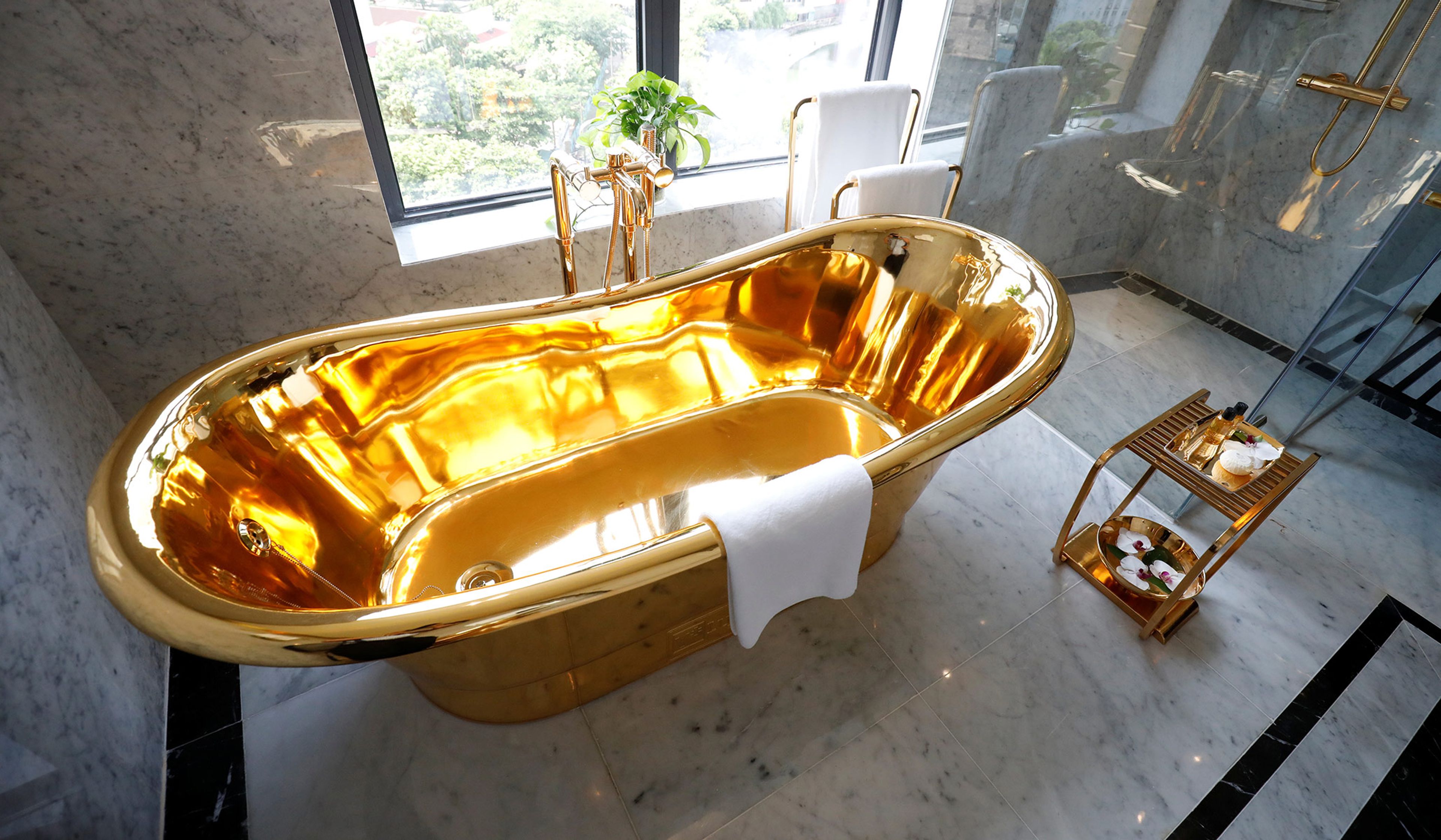
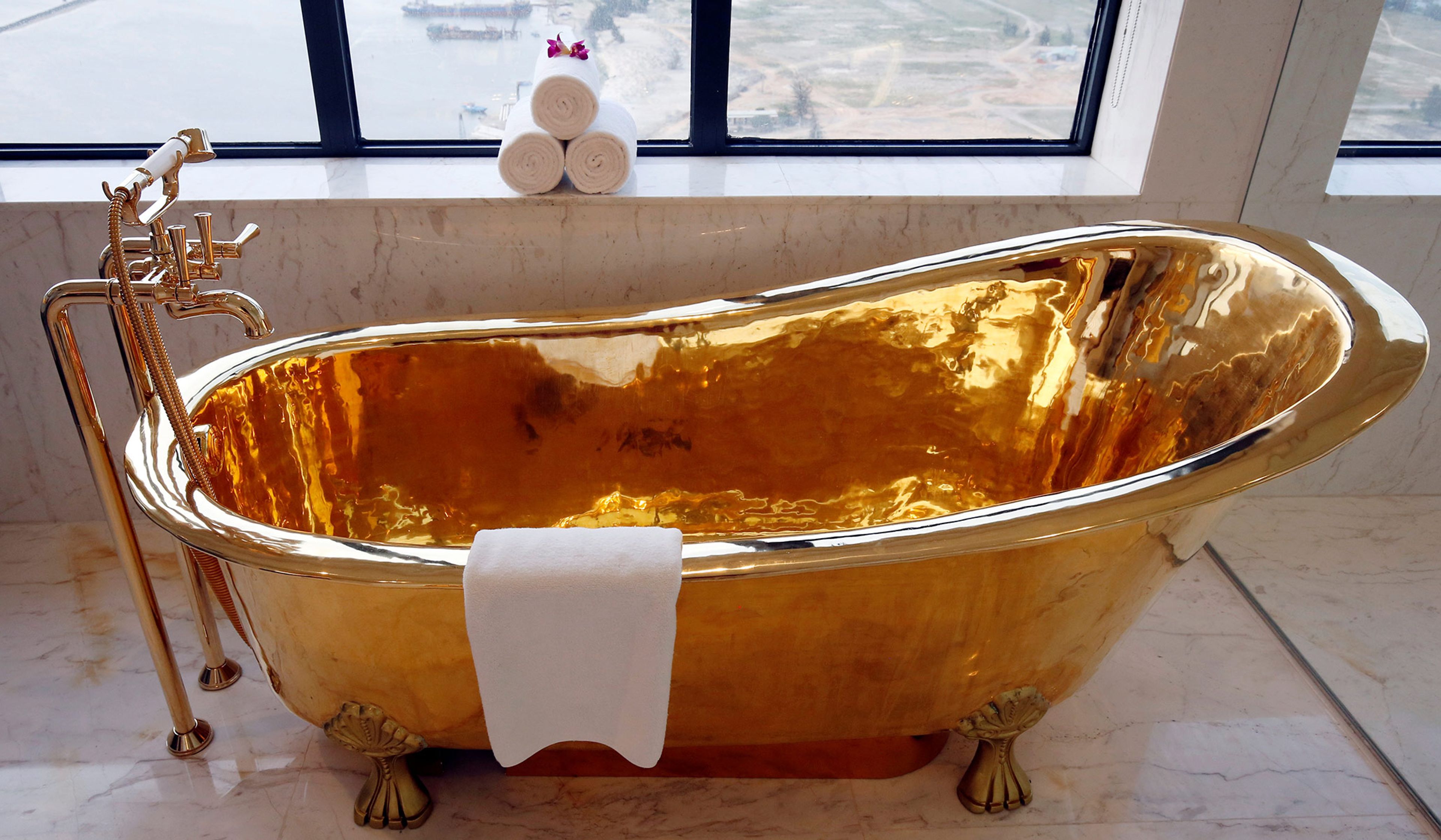

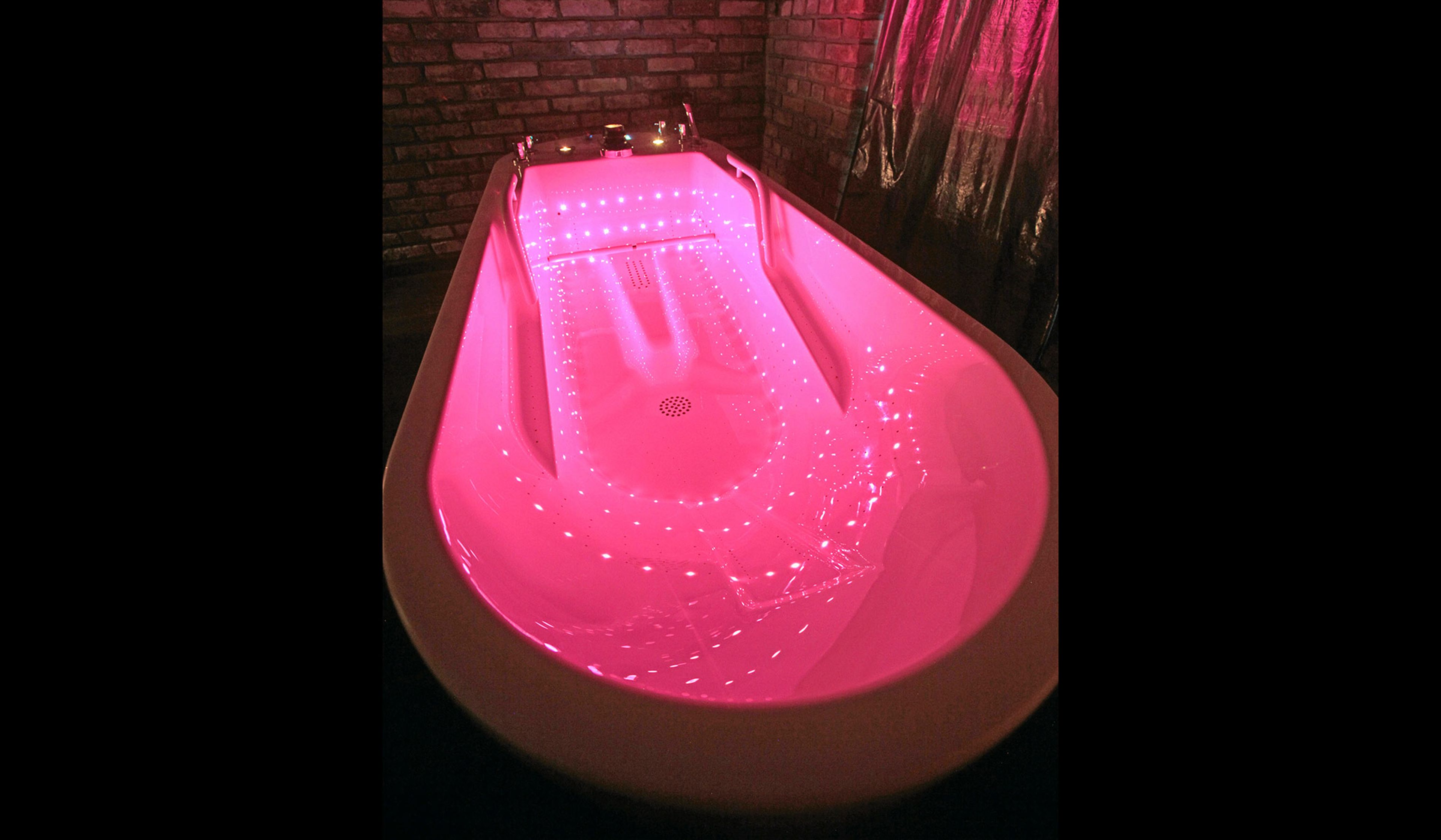



A gold plated bathtub in the newly-inaugurated Dolce Hanoi Golden Lake luxury hotel, after the government eased a nationwide lockdown following the global outbreak of the coronavirus in Hanoi, Vietnam, July 2, 2020.
Kham/Reuters
Be that as it may, the good doctor seems to have the usual modern motivation: knocking down all those ridiculous bourgeois notions we believe because, you know, brainwashing.
“We’ve gotten a lot better, culturally, about not judging people about all kinds of things, but when people smell or don’t use deodorant, somehow it’s okay to say, ‘You’re gross’ or ‘Stay away from me!’ and it gets a laugh,” he says. “I’m trying to push back against the sense of there being some universal standard of normalcy.”
Well, smelling like a dead goat is normal. A cultural preference for not reeking is also normal. It could be that the culture oppresses people who don’t want to bathe, or it could be that the culture encourages bathing because it makes the public sphere a less disagreeable place. Or is that somehow racist and gendered? It’s NPR, so you can guess. Here’s how the interviewer gets to the pith of the nub:
“How did your identity as a cisgendered white male influence your reporting on this subject?”
“Probably one of the main reasons I’ve been able to go so long without using [shampoo and deodorant] is because of the privilege of my position in American society. To the degree that these standards are culturally determined, I am coming from the group that has created these norms. That is why I believe I was able to push against them without more discriminatory consequences.”
Sure, that’s how it works. Co-workers think:
“Well, I’d like to tell that guy he has the funky musk of a ripe ape, but he’s male, white, and cisgendered, so I guess he has every right to make the ferns curl up when he walks through the lobby. How can we accommodate him? We could replace the painted walls with marble, so they don’t peel.”
Sure, it has a lot to do with marketing. Advertising in the pre-war days abounded with stories of clueless social stinkers. Critics of advertising note that “halitosis” was an invented word, meant to sell mouthwash. Uh-huh. Until they had a word for it, no one ever had bad breath. People looked at the ads with confused expressions — unpleasant odors emanating from the oral orifices of onion-eating, coffee-drinking smokers who never see the dentist or brush their teeth? Why, I’ve no basis for understanding this, but if the ads say it’s halitosis, then it must exist.
The other ad invention was the term “BO,” which explained why Peggy couldn’t keep a man. Every time she raised an arm to scratch her head it was like gas rolling over the trenches of Verdun. Finally someone takes her aside and suggests Lifebuoy. She’s a bit surprised — I rub this thick bar on myself, and men like me? Yes, Peggy, more or less.
Last panel, she’s dancing in the arms of someone who has neither BO nor halitosis, and soon they will procreate — providing, of course, she uses Lysol to ensure Feminine Daintiness.
At this point you could get on NPR by publishing a book on rejecting modern toilets in favor of defecating in one’s pants. NPR, by the way, was also subject to some classic Republican Pouncing when they ran a flattering interview with someone who wrote a book defending looting. I remembered watching the footage of people looting here in Minneapolis, and you know what they looked like they could use?
No, not an ice pick! A bath. Ask any doctor. Well, most.












Comments