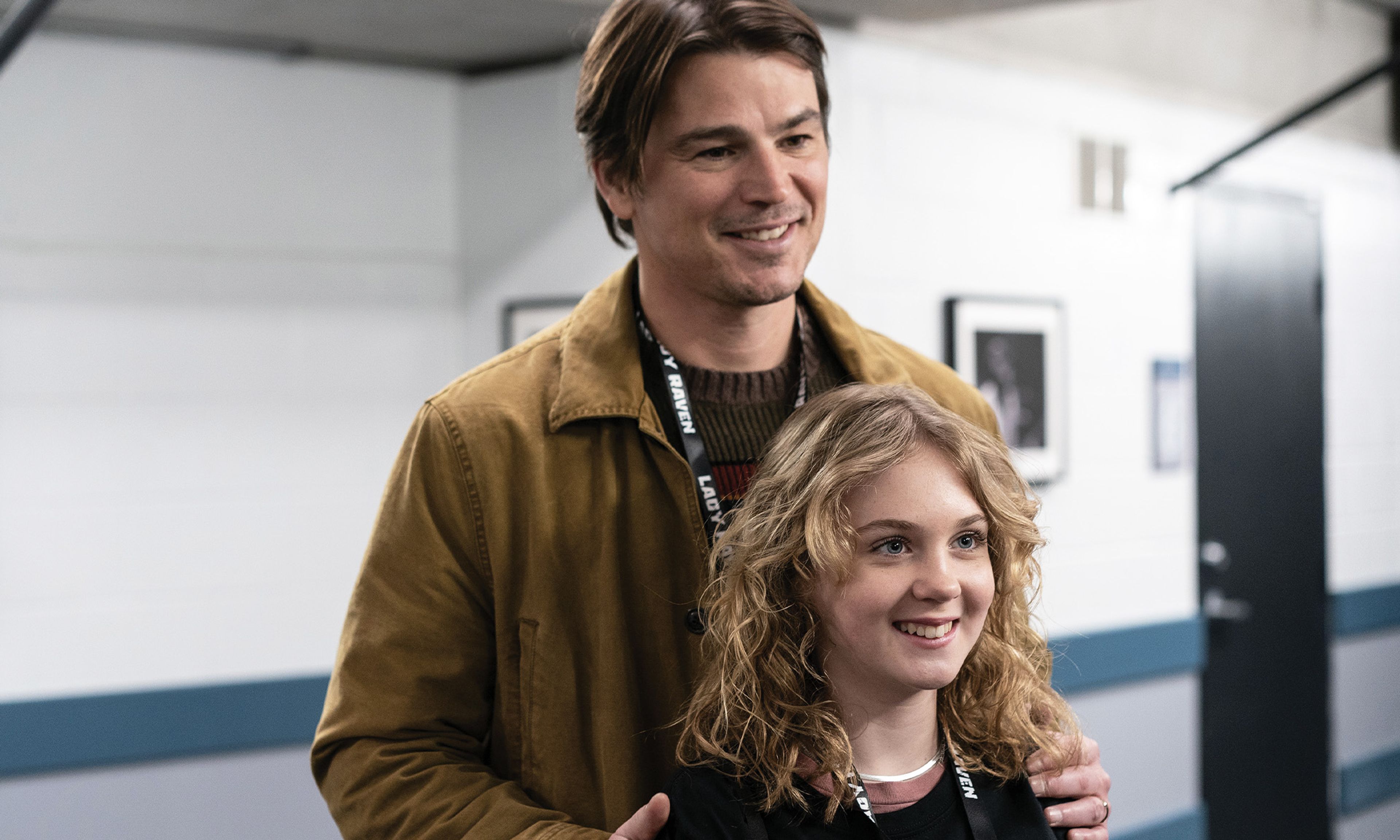
The challenges of working mothers get all the ink — can they have it all? can they balance work and family? — but spare a thought for the life of the hardworking suburban dad. When you’re out in the working world, the expectation is that you’ll be a straight-up killer, as ruthless as they come. But then come family hours and it’s not enough to be a strong silent type, with your wartime self bottled up inside. No, you need to be game and fun and flexible, ready for a soccer weekend or a sleepover or even a stint at a Taylor Swift concert.
“The world is what it is,” wrote V. S. Naipaul. “Men who are nothing, who allow themselves to become nothing, have no place in it.” But can a wife or daughter ever really understand that harsh reality? Or must they be protected from it, the good father’s life carefully compartmentalized, so that the version that plays the part of “Daddy” never overlaps with the version that spends its nights carving up innocent people as Philadelphia’s leading serial killer?
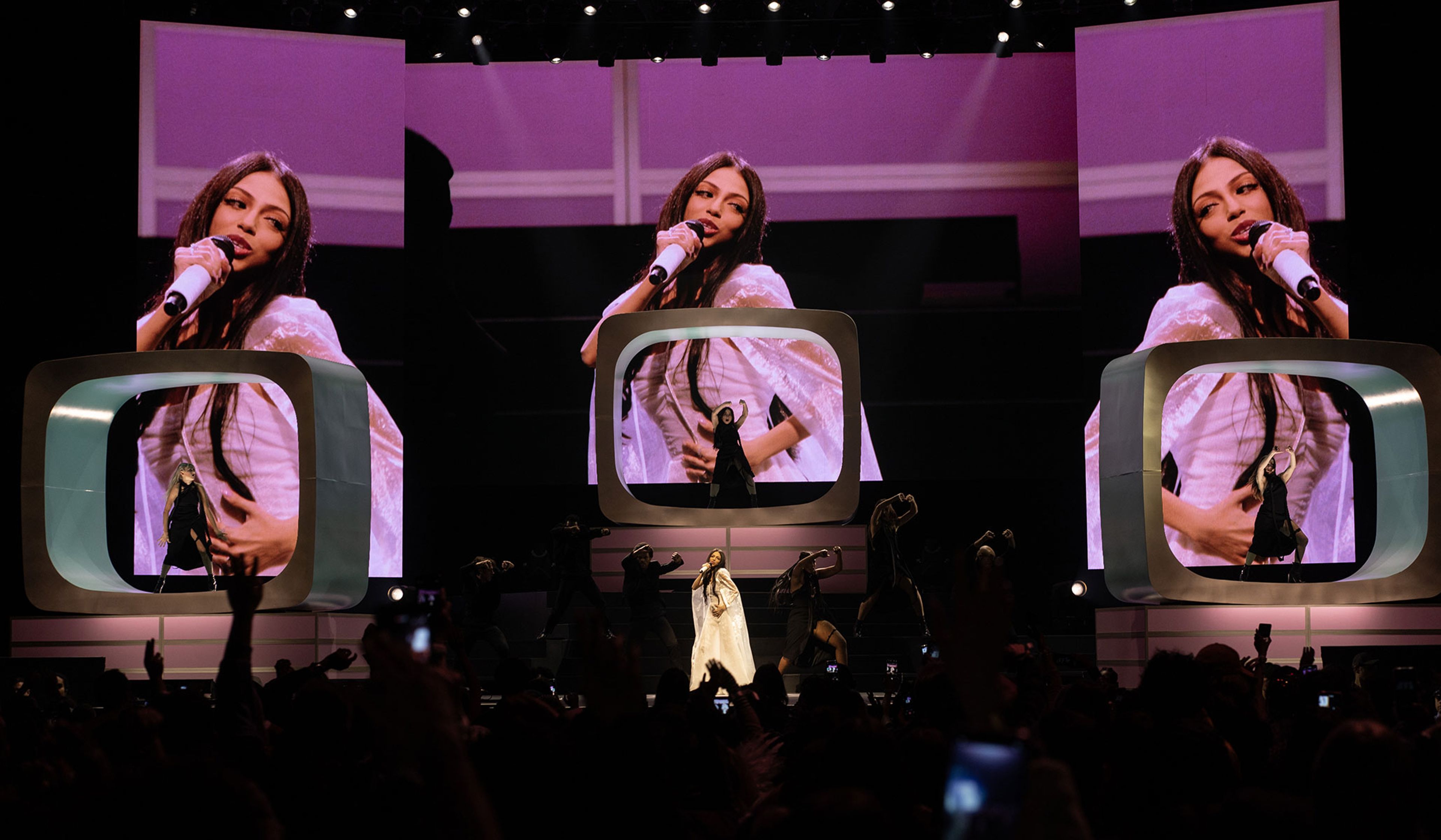
For the record, that’s not my own inner monologue — I swear, Officer! But it’s what M. Night Shyamalan is going for with his initially brilliant, consistently ridiculous, fatally self-undermining Trap. The conceit is a more surreal version of the one that carried The Sopranos: What if, instead of using the life of a New Jersey crime boss as a window into the angst of America’s suburban upper class, we used the depredations of a serial killer known as “the Butcher” to illuminate the juggling acts required of a fleece-and-soccer-games paterfamilias? And what if the ultimate test of the killer’s resourcefulness were also the ultimate test of a girldad’s chaperoning skills — navigating a pop concert filled with screaming tweens?
The secret identity of our protagonist, Josh Hartnett’s Cooper, is not a Shyamalanian twist: It was given away in the movie’s trailers, and it’s exposed within the movie’s first 15 minutes. After Cooper has hustled his starstruck daughter Riley (Ariel Donoghue) through a quick emerging-from-the-tour-bus glimpse of her pop-star idol, Lady Raven, and thence to their floor seats in a sold-out arena, he ducks into a bathroom stall and whips out his phone, which yields camera footage of a kidnapped man in a basement — his latest victim, abducted but not yet butchered.
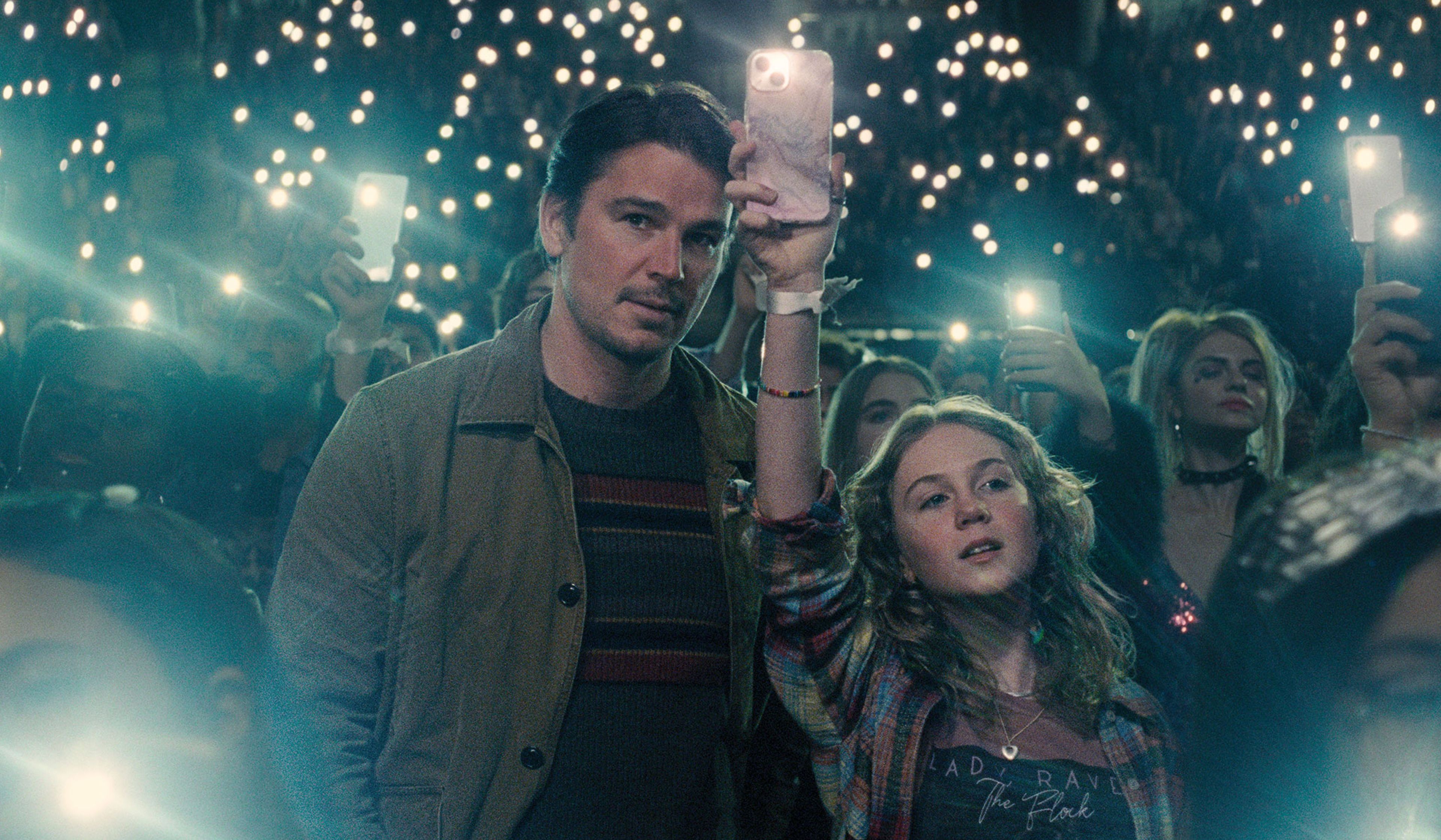
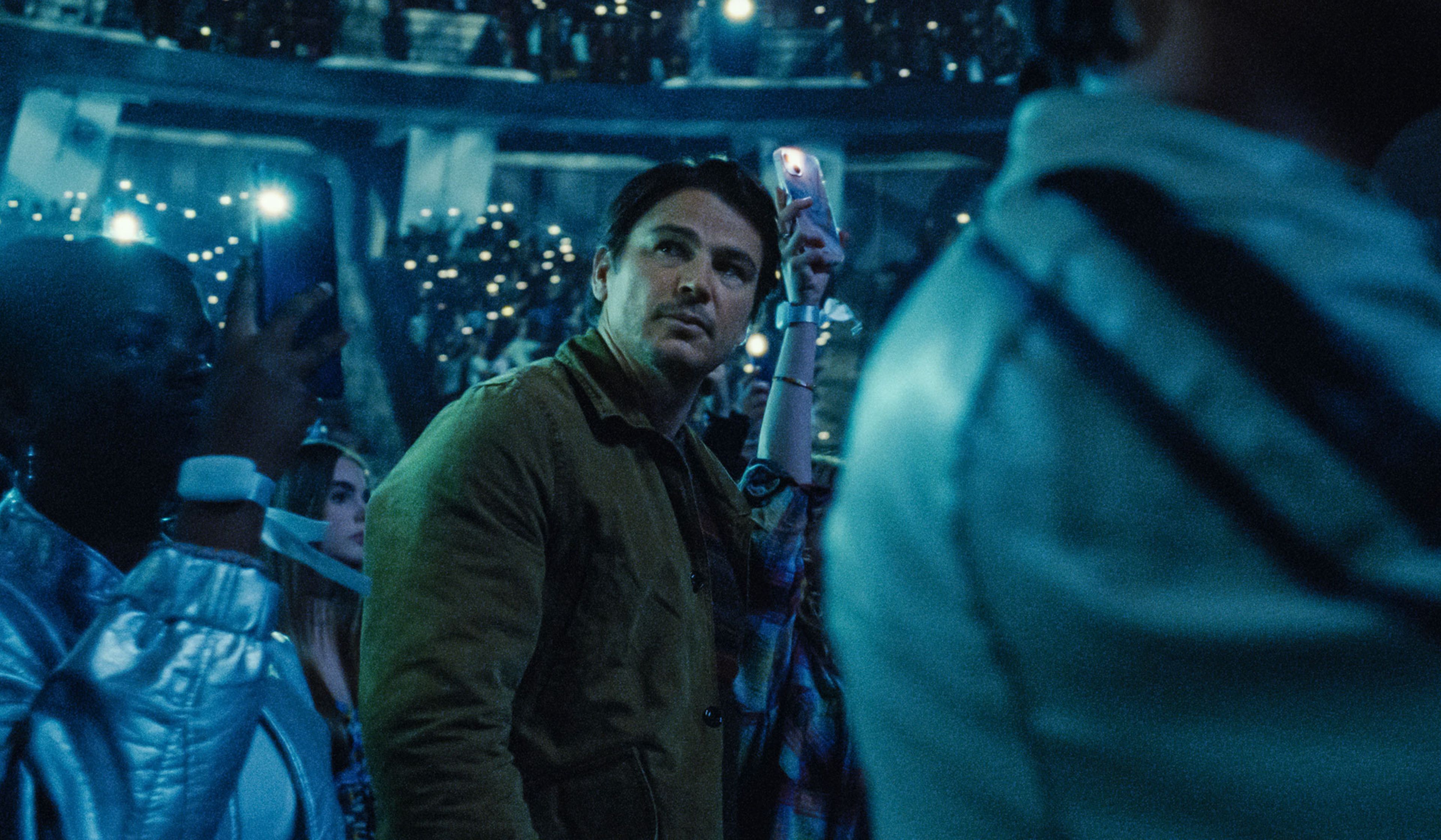
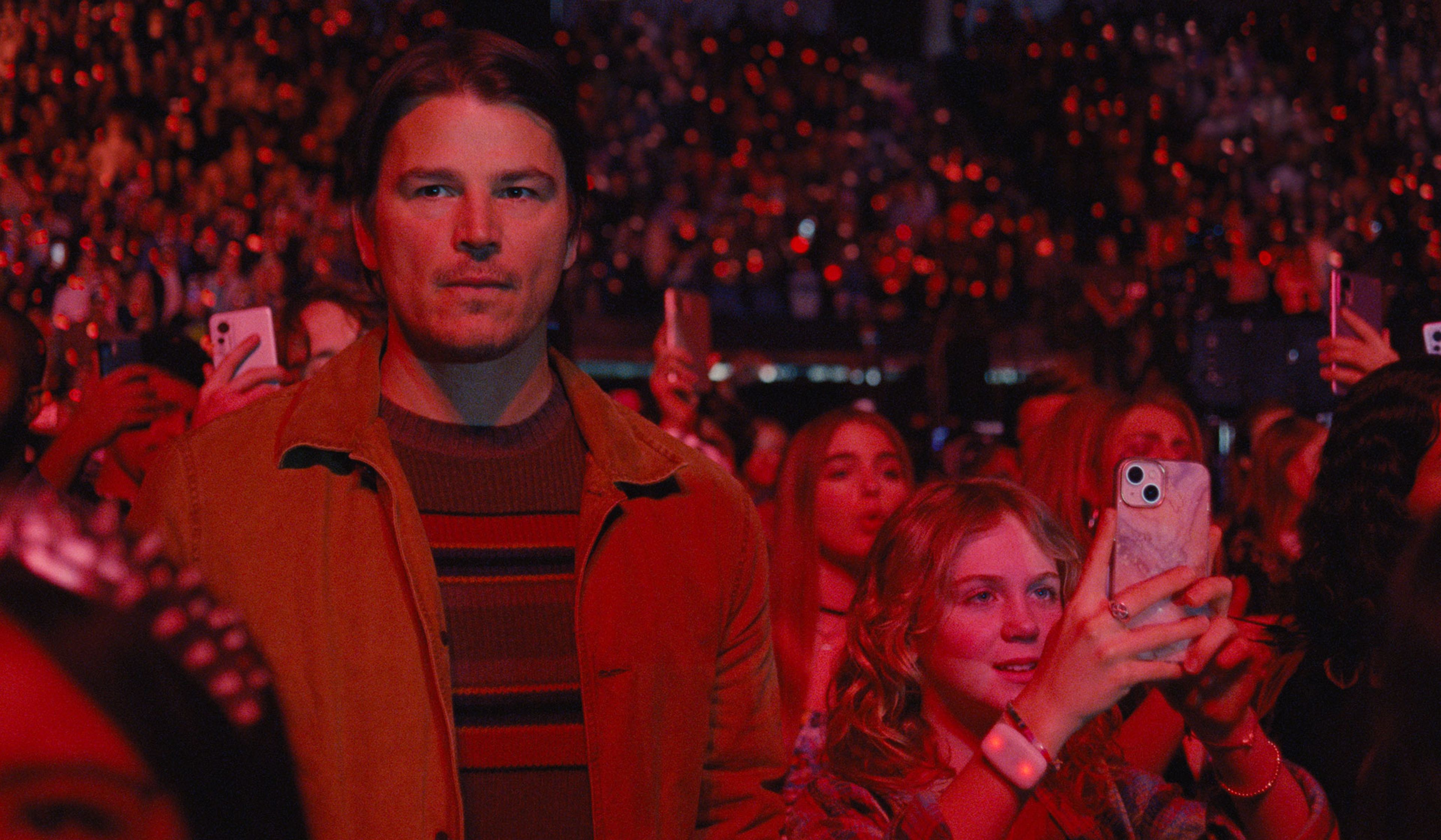
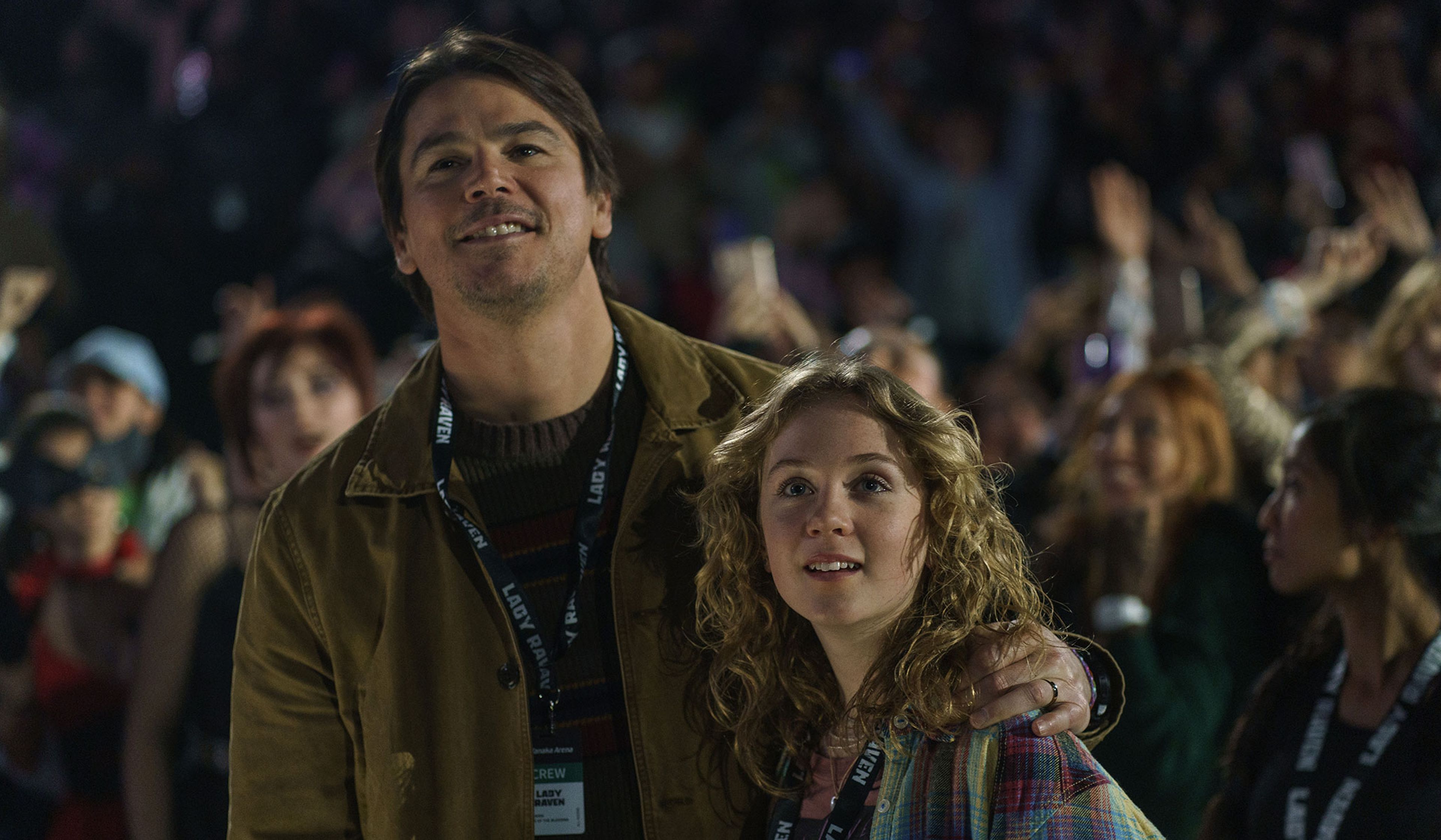
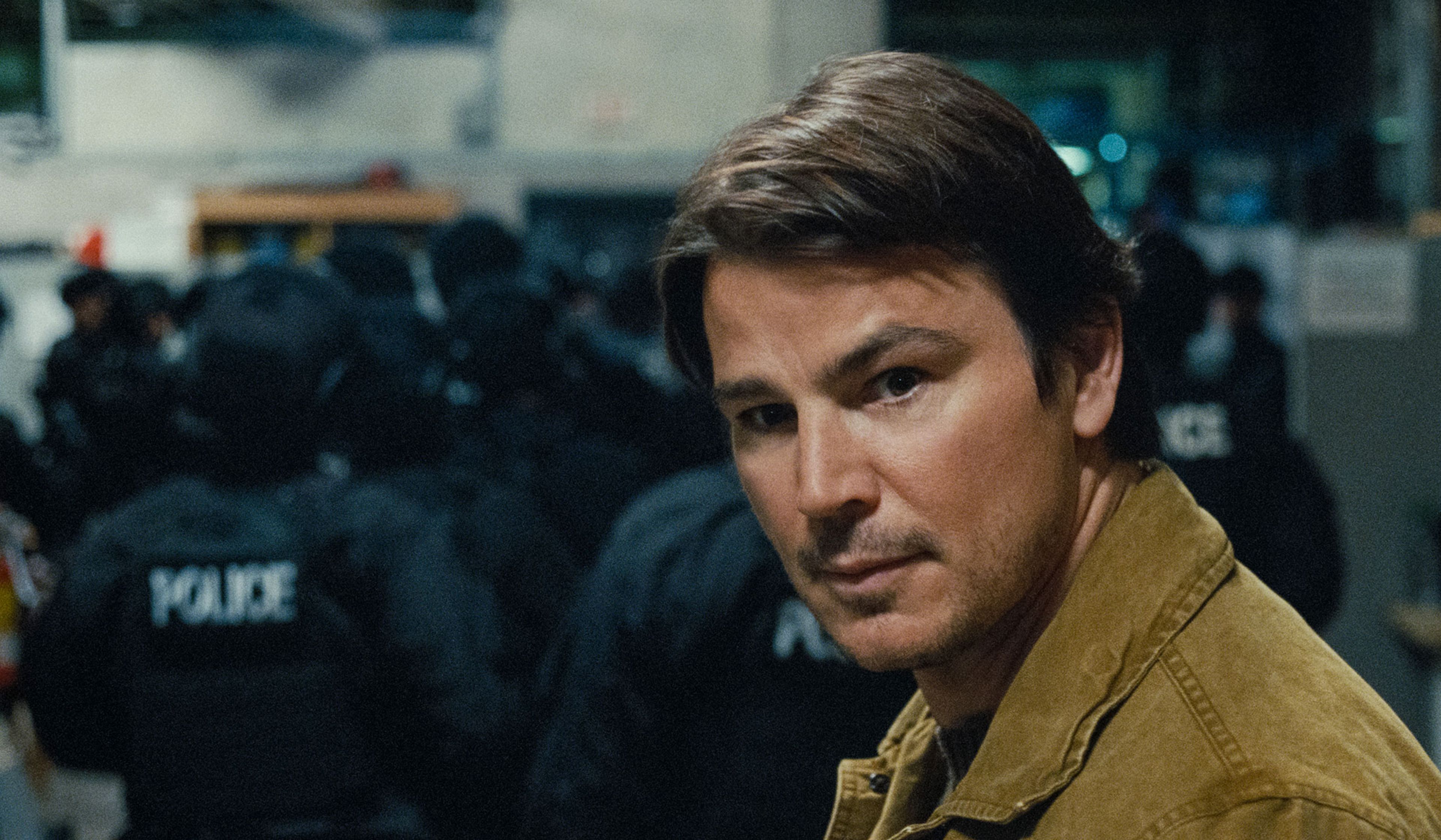
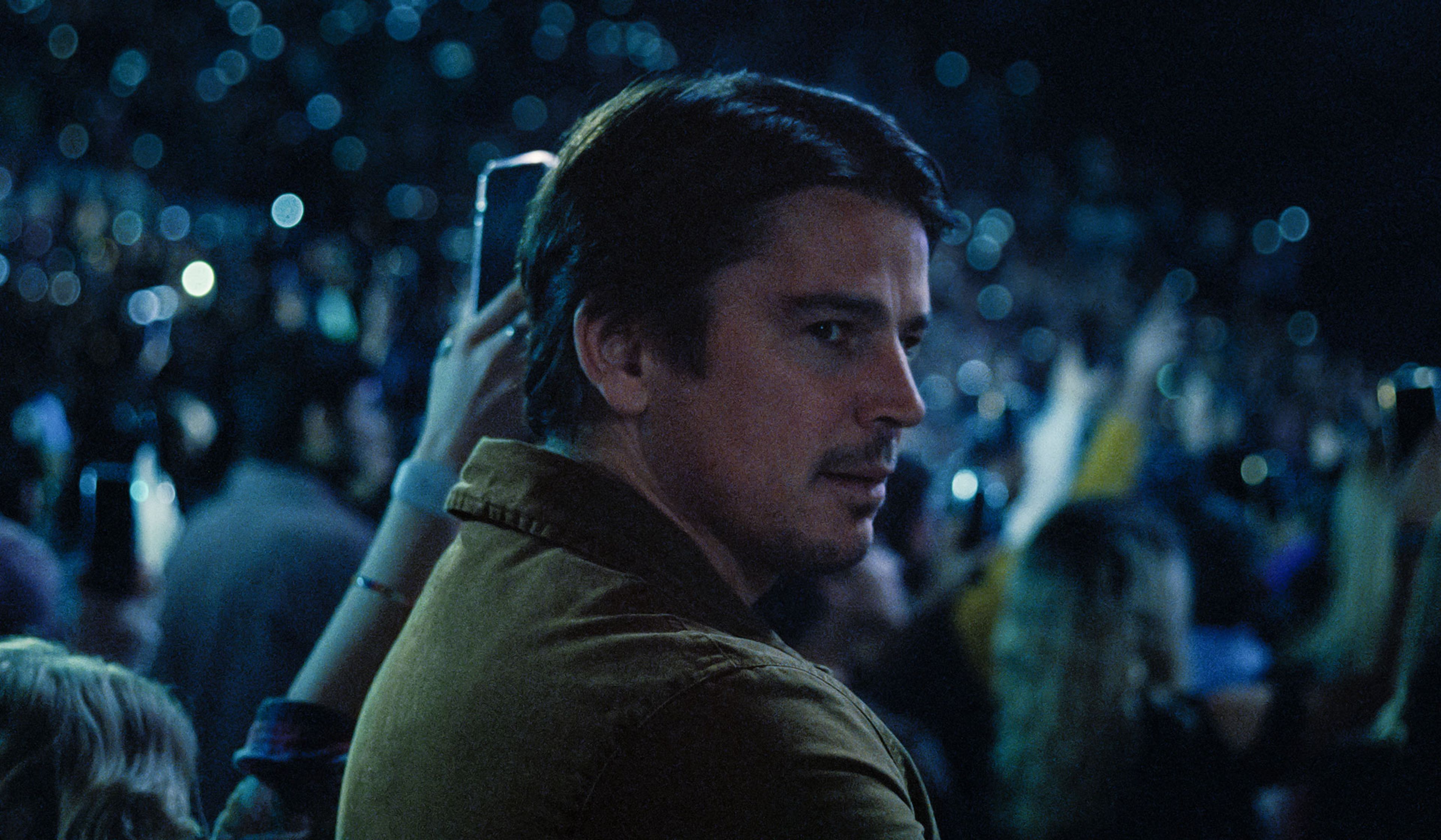
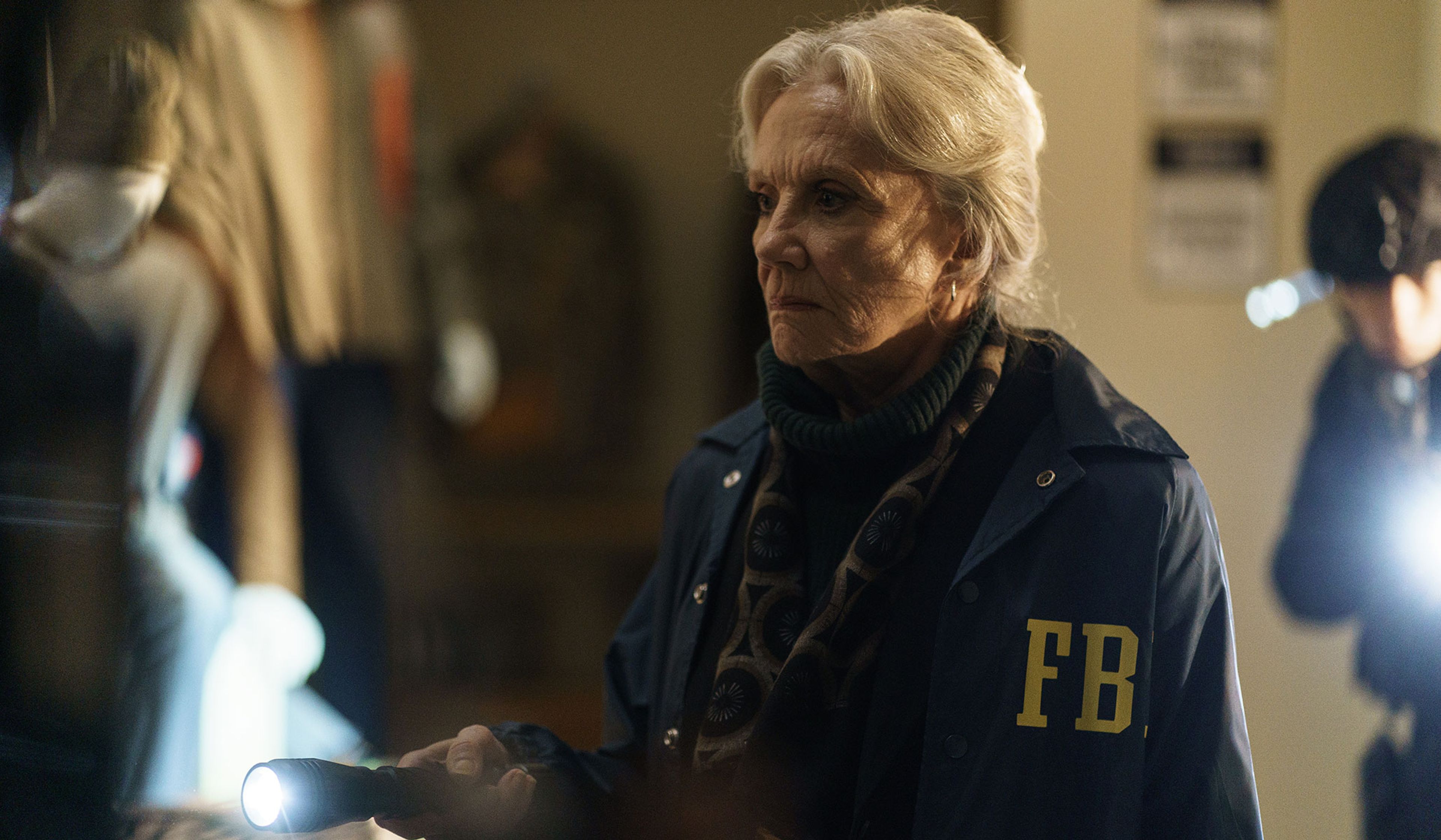
Josh Hartnett and Ariel Donoghue in Trap
Warer Bros. Pictures
Soon after, a gregarious arena vendor lets him in on the concert’s secret: Law enforcement somehow knows the Butcher is in attendance, and it’s turned the entire arena into a trap, with a heavy police presence at every exit, basement to roof, and a criminal profiler (played by Hayley Mills in a meta-joke connected to her most famous childhood role) helping the cops scrutinize every likely male who leaves.
Can our killer escape this net? That’s not the question: What we care about is whether he can escape the net without compromising his most important mission, which is making sure that Riley has the best night of her life. Sure, there’s the guy chained up in his basement and a pile of bodies somewhere in his past, but the greatest crime a dad could possibly commit is to ruin his daughter’s long-awaited experience of seeing her favorite singer live, and getting nabbed by the feds is pretty much guaranteed to be a dream-wrecker.
So we root for Cooper to figure out a way out of the trap — swiping a crucial ID and walkie-talkie, creating necessary diversions, gradually realizing that he needs some kind of backstage access and setting out to get it — while also rooting for his frantic quest to deliver Riley a good time, ideally such a good time that it one-ups her catty middle-school friend who’s also at the concert, with her mom (Marnie McPhail), who has a way of showing up to harass Cooper at exactly the wrong time.
The problem is that having drawn us into this ludicrous but memorable setup, Trap loses faith in its own conceit, and the movie pivots to a third act that’s outside the arena and that requires real acting from the young singer playing Lady Raven. Her name is Saleka Shyamalan, which should tell you why she was cast: She has the pipes of a middling Swift imitator and the acting skills of her dad (who appears in his usual cameo), and the movie dies a slow death as the dad-and-daughter dynamic gives way to a psycho-versus-singer conflict, reviving only briefly in the scenes between Cooper and his wife (Alison Pill) that close things out.
Hartnett is very good in those scenes, in which his secret self is fully exposed, and very good in the scenes where he’s playing dadliness straight up. He’s weaker in the scenes where he’s supposed to be a charismatic and convincing liar, talking his way out of trouble: His face becomes hyper-performative, all leaping eyebrows and too-wide grins, not a convincing façade but an obviously suspicious mask. And it’s there that the illusion of dadness is truly broken, because the true dad is nothing if not fundamentally, even embarrassingly sincere.












Comments