Immigration Polling
Ramesh Ponnuru is incorrect when he states that “most polling suggested that only a minority of Americans favor this change,” referring to decreasing the level of legal immigration (“Stuck at the Border,” September 30, 2019). As with many polling results, it seems to depend on how the question is asked. If it is asked with numbers, 1 million/year, 500,000/year, 2 million/year, a substantial majority supports the half million/year level or a smaller number, whereas present legal immigration levels are well above that (the number depending on what visa categories are included).
Dan Koury Mesa, Ariz.
Ramesh Ponnuru responds: Most of the polling asks whether immigration levels should rise, fall, or stay the same. A few polls ask what number of immigrants should come, without specifying what current levels are, and yield public support for a number lower than today’s. Take it all together, and most polling indicates, as I wrote, that a minority of voters wants lower levels of immigration.
TR, Guns, and Conservation
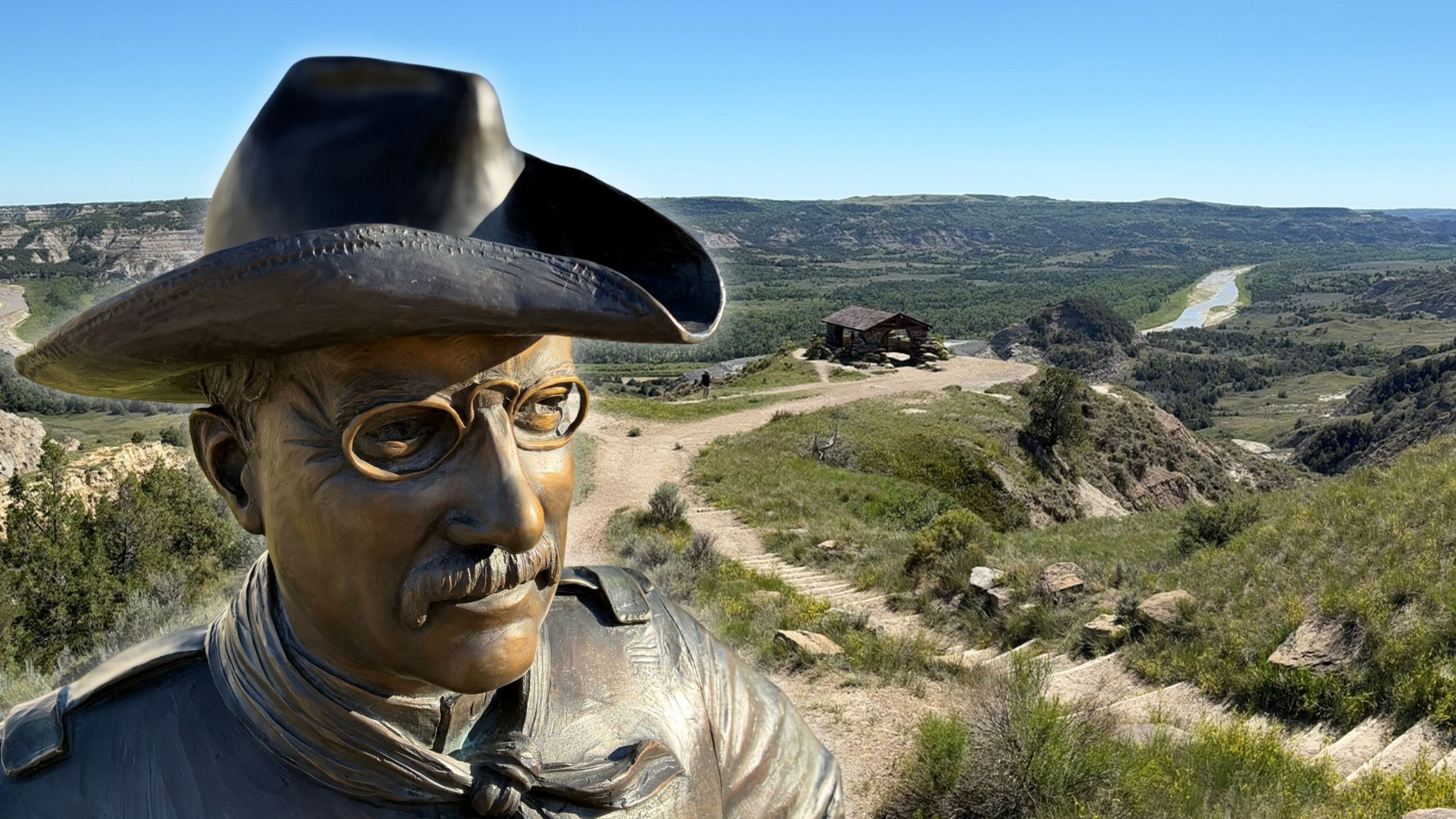
Declan Leary did a great job tying Theodore Roosevelt to his guns (“Theodore Roosevelt on the Range,” September 30) but only touched on where that led and the conservation legacy that developed out of his North Dakota Badlands experiences, beginning with his sportsman and hunting instincts and North America’s disappearing big game. I know this was the gun issue, but without that gun, American conservation history would be much different. Roosevelt saw the effects of decimated game populations and overgrazed land (the reason he lost his ranches). These abuses helped form his conservation philosophy. He said, “The nation behaves well if it treats the natural resources as assets which it must turn over to the next generation increased, and not impaired, in value.” He also said, “Conservation means development as much as it does protection.”
Roosevelt protected 230 million acres of public land; of that, 150 million acres became national forests. He also established the first Federal Bird Reserve, and 50 more after that, plus four national game reserves, those becoming today’s national wildlife-refuge system. He signed the Antiquities Act in 1906 and was the first president to protect the public lands via national monuments (one of those was the Grand Canyon). In reading the article, one could not help but think that his conservation legacy had many of its roots in North Dakota.
Thomas J. Straka Clemson, S.C.
Salvation for All?
Re “Hell, Yes. Forever? Maybe Not,” September 30, 2019: There’s another approach to universal salvation: from the divine side, from the divine nature (the trinitarian communion of three persons; a nature of love). Here we find humanity’s final destination: what God wills and does for us in creation and redemption, not just what we are and do. Here we see the consequence of who God truly is. The Universalist Church of America’s denominational logo has the clue: “Christ will conquer” (Rev. 17:14). The Savior can, and does, ultimately win (us), despite our stubbornness. It is not as if God wants to, and tries to, but fails. All obstacles, including “justice,” are overcome (“conquered”). One always marvels that the suffering of some (however deserved) should be required for the contentment of some others. After all, if we are not all saved (together), then maybe no one is.
Scott Axford Providence, R.I.











Comments