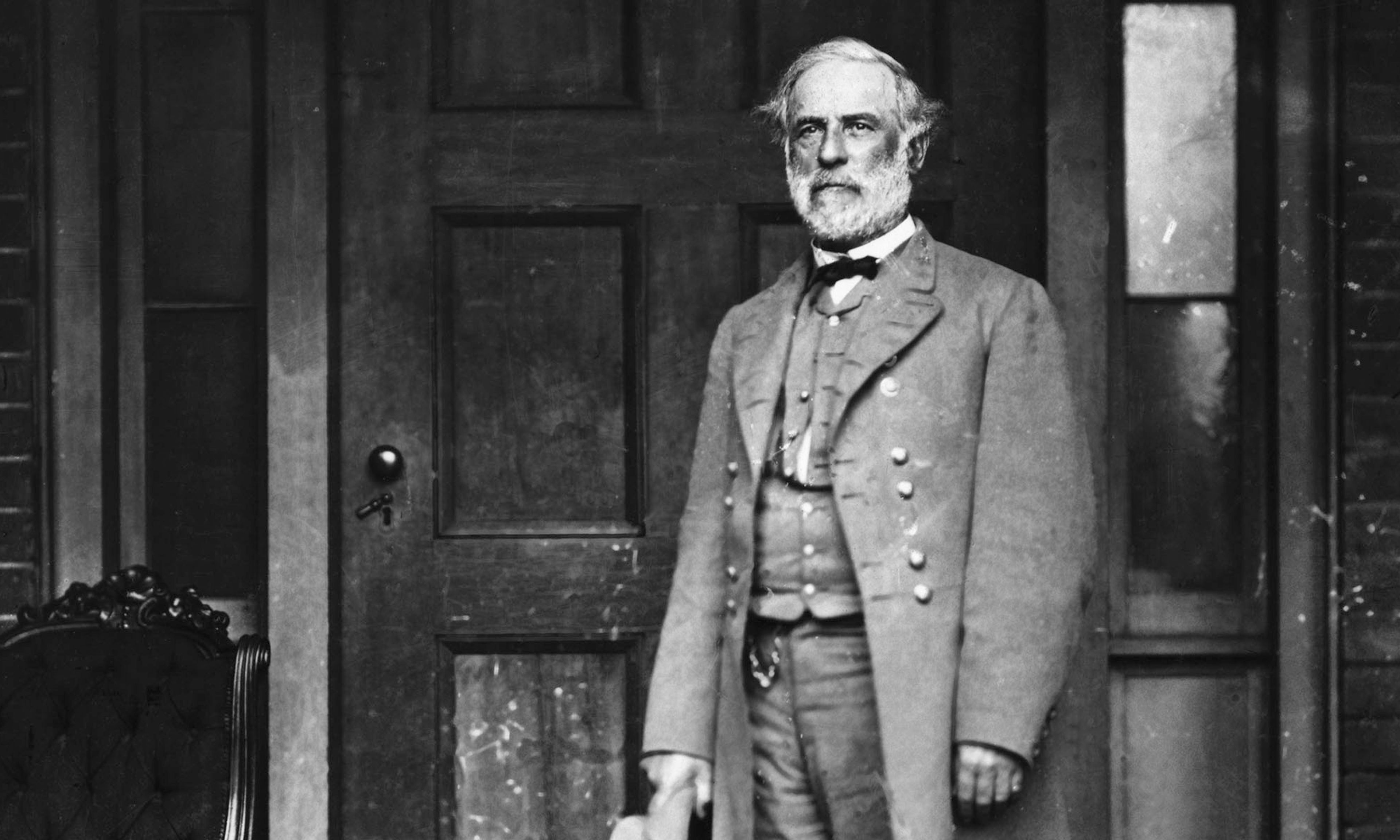
No one who ever met Robert Edward Lee — whatever the circumstances of the meeting — failed to be impressed by the man. From his earliest days as a cadet at West Point, through 25 years as an officer in the U.S. Army’s Corps of Engineers and six more as a senior cavalry officer, and then as the supreme commander of the armies of the Confederacy, Lee’s dignity, his manners, his composure, all seemed to create a peculiar sense of awe in the minds of observers. In the midst of the battle of Fredericksburg in December 1862, Lee astonished Francis Charles Lawley, the London Times’ special correspondent in America, for “the serenity, or, if I may so express it, the unconscious dignity of General Lee’s courage, when he is under fire.” Abraham Lincoln remarked that a photograph of Lee showed that Lee’s “is a good face; it is the face of a noble, noble, brave man.” Not even Ulysses Grant could escape the sense of being upstaged by Lee when they met at Appomattox. “He was a man of much dignity, with an impassible face,” Grant wrote in his memoirs, “dressed in a full uniform which was entirely new” and “wearing a sword of considerable value,” while Grant was self-conscious of “my rough travelling suit, the uniform of a private with the straps of a lieutenant-general” sewn on. “I must have contrasted strangely,” Grant admitted, “with a man so handsomely dressed, six feet high and of faultless form.”
These impressions appear so consistent, and over so many years, that it has been easy to conclude that dignity, manners, and composure simply were the man, that there was (as Douglas Southall Freeman insisted at the end of his four-volume biography of Lee) “no mystery” at all to Robert E. Lee. Or, as Burton Hendrick wrote (in The Lees of Virginia), that “Lee’s character” was ruled by a “great simplicity,” or that (in the words of an even more worshipful biographer, Clifford Dowdey) Lee “could rest totally . . . in very simple things.”
However, this picture of straightforward, well-nigh angelic serenity sits uneasily beside moments when cracks and inconsistencies in that fabled serenity appeared. For instance: Lee worried constantly and insistently about money, even though he had married into one of the most prominent families in the Washington orbit — that of George Washington Parke Custis, the step-grandson of George Washington, and his wife Mary Fitzhugh Custis, who owned the palatial estate they called Arlington, perched Palatine-like on the Potomac bluffs overlooking the capital city. In fact, Lee worried about money even though, according to the will he filed before going off to fight in the Mexican War, he had actually inherited quite a healthy sum from his mother, Ann Carter Lee, and had invested with enough success to have acquired a portfolio worth $38,750 (almost $1.2 million in 2020).
It made no difference. At the same moment, he assured his West Point classmate Jack MacKay that “it was as much as I could do to make both ends meet this year & I am anxiously looking for the dividend of the VA Bank to enable me [to] Square off all scores.” When he transferred out of the Corps of Engineers in 1855 to become lieutenant-colonel of the Second U.S. Cavalry in Texas, he insisted on writing checks on his Alexandria bank from Texas for his wife at Arlington to deposit for cash, all the while chiding her to “be very particular dear Mary when you deal in money matters” and to “keep a memorandum book & set everything down.” His advice for his youngest son in 1856 was to cultivate “industry & frugality” and “be prudent, before he is liberal, & be just before he is generous.”
Other kinds of cracks opened under pressure. Trained as an engineer, and the director of a series of demanding coastal-engineering projects (from controlling the silting-up of the St. Louis waterfront to the construction of Fort Carroll in Baltimore’s harbor), Lee was at his happiest with a draftsman’s notebook in hand — and impatient when matters spilled out of the kind of control that T-squares and algorithms could impose. After the close of the Maryland campaign in 1862, he unleashed on his two chief subordinates, James Longstreet and “Stonewall” Jackson, a long lecture by letter on “the depredations committed by this army, its daily diminution, and the loss of arms thrown aside as too burdensome by stragglers.” No shortcoming in either commander missed his perfect eye. “Roll-calls are neglected, and officers of companies and regiments are ignorant of the true condition of their commands, and are unable to account properly for absentees.” He now wanted “a brigade guard” to bring up the rear of “each brigade . . . to keep up the ranks, drive up all stragglers, irrespective of commands, and all leaving the ranks.” We must, he insisted, “infuse a different spirit among our officers” — which was, more or less, what he had found a-begging in the Confederacy as a whole. “Our people are so little liable to control that it is difficult to get them to follow any course not in accordance with their inclination,” he admitted to Justus Scheibert, the Prussian military observer. And when Scheibert “expressed frankly [his] admiration for the lion-like bravery of his men,” Lee disagreed. “Give me also Prussian discipline and Prussian forms, and you would see quite different results!”
That testiness was linked to a more easily agitated temper than met the eye. Walter Taylor, who as Lee’s adjutant docketed the incoming paperwork, discovered that Lee had lost nothing of his engineer’s distaste for “office work,” especially if it demanded “the personal consideration and decision of the commander of the army.” If Taylor brought him “some case of a vexatious character,” Lee’s irritation would flare up with “a little nervous twist or jerk of the neck and head” and eventually erupt into a full-fledged argument. “He is so unreasonable and provoking,” Taylor raged to his fiancée in a letter, “I never worked so hard to please any one, [but] with so little effect as with General Lee.” Charles Marshall, who handled Lee’s outgoing correspondence, had only a slightly easier task, since Lee allowed Marshall to draw up documents himself, but then “weighed every sentence I wrote, frequently making minute verbal alterations, and questioned me closely . . . on . . . all statements which he did not know to be correct.”
But the deepest mark of Lee’s temper occurred in the spring of 1859. When his father-in-law died in 1857, Lee was named executor of the Custis estate, which, to his surprise, required him to superintend the emancipation, within five years, of all the Custis slaves at Arlington and two other Custis-owned properties. Ironically, Lee had never owned in his own name more than one enslaved family (whom he inherited from his mother) and he voluntarily emancipated them in 1862; he had even spoken privately of slavery as “a moral & political evil in any country.” But only privately. Like many upper-South whites, he was practiced in looking at slavery and then looking away. And he would not hurry to execute the emancipation of the Custis slaves because the will also mandated that four $10,000 legacies be paid to each of Lee’s daughters. (He could not sell the properties to fund the legacies because the will deeded the properties, including Arlington, to Lee’s three sons.) Since the properties had been for years run haphazardly by old Custis, Lee would first need to turn them into engines of efficiency to pay the required legacies.
Naturally, the Custis slaves did not share his interest in the legacies. They believed that the Custis will emancipated them at once, and three of them — two men and a woman — acted on that belief and fled to Westminster, Md., where they were eventually apprehended and returned to Arlington. His fabled self-control teetering unsteadily, Lee demanded to know why they ran away. Because, they replied, “frankly . . . we considered ourselves free.” That, to Robert Lee, was not merely a legal misapprehension; it was a threat to his own integrity as the Custis executor and to the future of his daughters. “He then told us he would teach us a lesson we would never forget,” ordered the three “stripped to the waist,” and directed the Arlington overseer, John McQuinn, to give the men “50 lashes each,” and 20 to the woman. McQuinn “had sufficient humanity to decline,” so Lee turned to Richard Williams, the Arlington constable who had brought the fugitives back, and had him “lay it on well.” By one account, Lee took the whip and flogged them himself.
Afterwards, he was so appalled at his own rage that he could not admit the full extent of what he had done, even to his oldest son (who read about the incident in the newspapers). “The N.Y. Tribune has attacked me for my treatment of your grandfather’s slaves,” he conceded; but “I shall not reply.” Your grandfather, he added, “has left me an unpleasant legacy.” To Philip Meredith, who had lived and worked at Arlington as a slave “for 30 years,” Lee “expressed regret that he owned [a] servant & wished he was free.”0
Robert E. Lee’s anxieties, his impatience, and his dark temper have, since the publication of Thomas Connelly’s melodramatic recasting of Lee’s historical reputation in The Marble Man: Robert E. Lee and His Image in American Society (1977), been seized upon as a triumphant contradiction of the legendary Lee who so impressed his contemporaries, civilian and military. To Alan Nolan in 1991, Lee was just “a typical Southern partisan,” with all the “Southern aristocrat’s feeling about the inferiority of Northern people”; to Michael Fellman in 2000, Lee was an exemplar of “the dark side of the white supremacist road”; to Roy Blount (probably the most unlikely of all Lee biographers) in 2003, Lee was mentally, and pathologically, “disturbed.” But casting Lee in contradiction is, in the end, less profitable than seeing his anxieties as a counterpoint to his dignity, his temper as the match to his composure.
To understand the mystery of Robert E. Lee is to begin with three large-scale factors, lodged deep in the man’s personality: the desire for perfection, the desire for independence, and the desire for security — all three rooted in the early trauma inflicted by one of the more remarkably dysfunctional families of the early republic. Up through the Revolution, the Lees of Virginia had been one of the first American families, presiding over large properties on the Northern Neck of Virginia and, in the case of the four Lee brothers who straddled the Revolutionary years — Richard Henry, Francis Lightfoot, Arthur, and William — forming a “band of brothers . . . [who] stood in the gap in defense of their country, from the first glimmering of the Revolution . . . to its perfect day.” Richard Henry Lee and Francis Lightfoot Lee were signers of the Declaration of Independence. Arthur Lee would turn into an outstanding diplomat in Spain and France, and William Lee would represent American interests in the German states and Austria.
But something in the succeeding generation of Lees snapped, and nowhere was the snap louder than in the case of Henry Lee, Robert’s father. A graduate of Princeton in the same class of 1771 as James Madison, Henry Lee served George Washington so effectively as a cavalry leader that he won the nickname “Light-Horse Harry.” And in the glow of the Revolution, Light-Horse Harry captured not only the hand of his cousin Matilda (and her family’s estate, Stratford Hall) but the governorship of Virginia. After that, Light-Horse Harry disintegrated. His ardent Federalism antagonized Virginia’s Jeffersonians; his hare-brained investment schemes bankrupted him.
After Matilda’s death, he attempted to recoup his fortune by marrying a Virginia Carter, Ann Hill Carter. But he burned through her cash, too (or at least the prudently limited amount of cash her father had put at the newlyweds’ disposal). After he spent a stint in debtors’ prison, the sadder but wiser Ann Carter Lee demanded that her family — which now numbered three sons (including Robert) and two daughters — move to more-manageable quarters in Alexandria. But Light-Horse Harry could not shake his penchant for disaster. After being beaten within an inch of his life in an anti-Federalist riot in Baltimore in 1812, Light-Horse Harry decamped the following year for the safety of the West Indies. Robert never saw his father again. He was six years old.
Light-Horse Harry returned to America, fatally ill, in 1818, barely making landfall on Georgia’s Cumberland Island before dying and leaving Robert to grow up literally as well as figuratively fatherless. “There is,” wrote the literary critic Leon Edel, “no hurt among all the human hurts deeper and less understandable than the loss of a parent when one is not yet an adolescent,” and Robert E. Lee offers us a textbook case in the truth of that saying. Until he achieved fame in his own right in 1862, people invariably referred to Robert as the son of Light-Horse Harry. But he never did, except in his application letter to West Point. He did not visit his father’s grave until the winter of 1861–62, even though his first posting out of West Point, at Cockspur Island, was only a few miles away.
Robert was, instead, his mother’s son, becoming the de facto head of household in Alexandria. It was Robert who “carried ‘the keys,’ attended to the marketing, managed all the outdoor business, and took care of his mother’s horses” as “my mothers outdoor agent & confidential messenger.” He would, in other words, fulfill the role his father had abandoned; he would sacrifice himself in order to perfect the imperfections Light-Horse Harry had visited on the Lees.
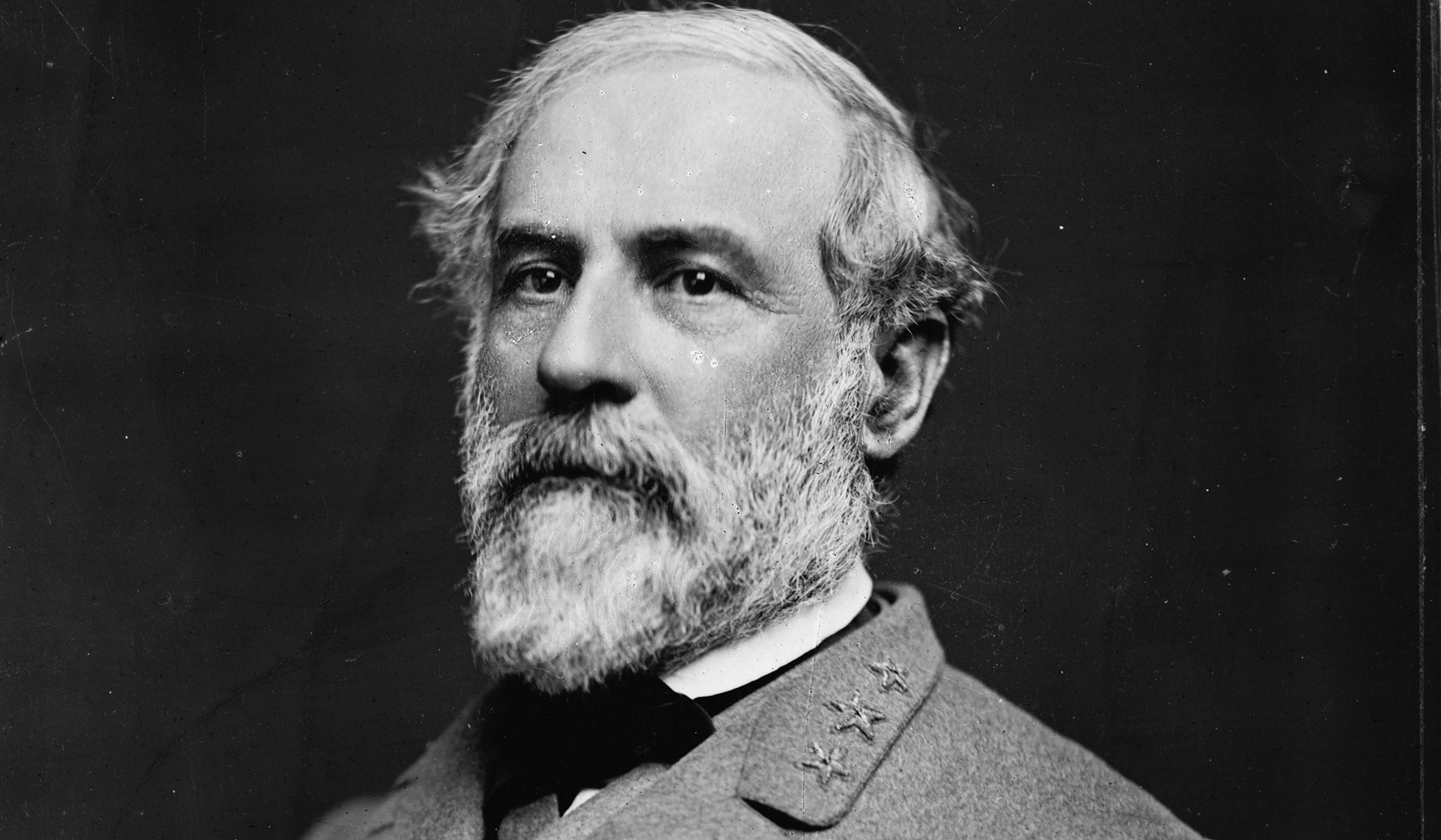
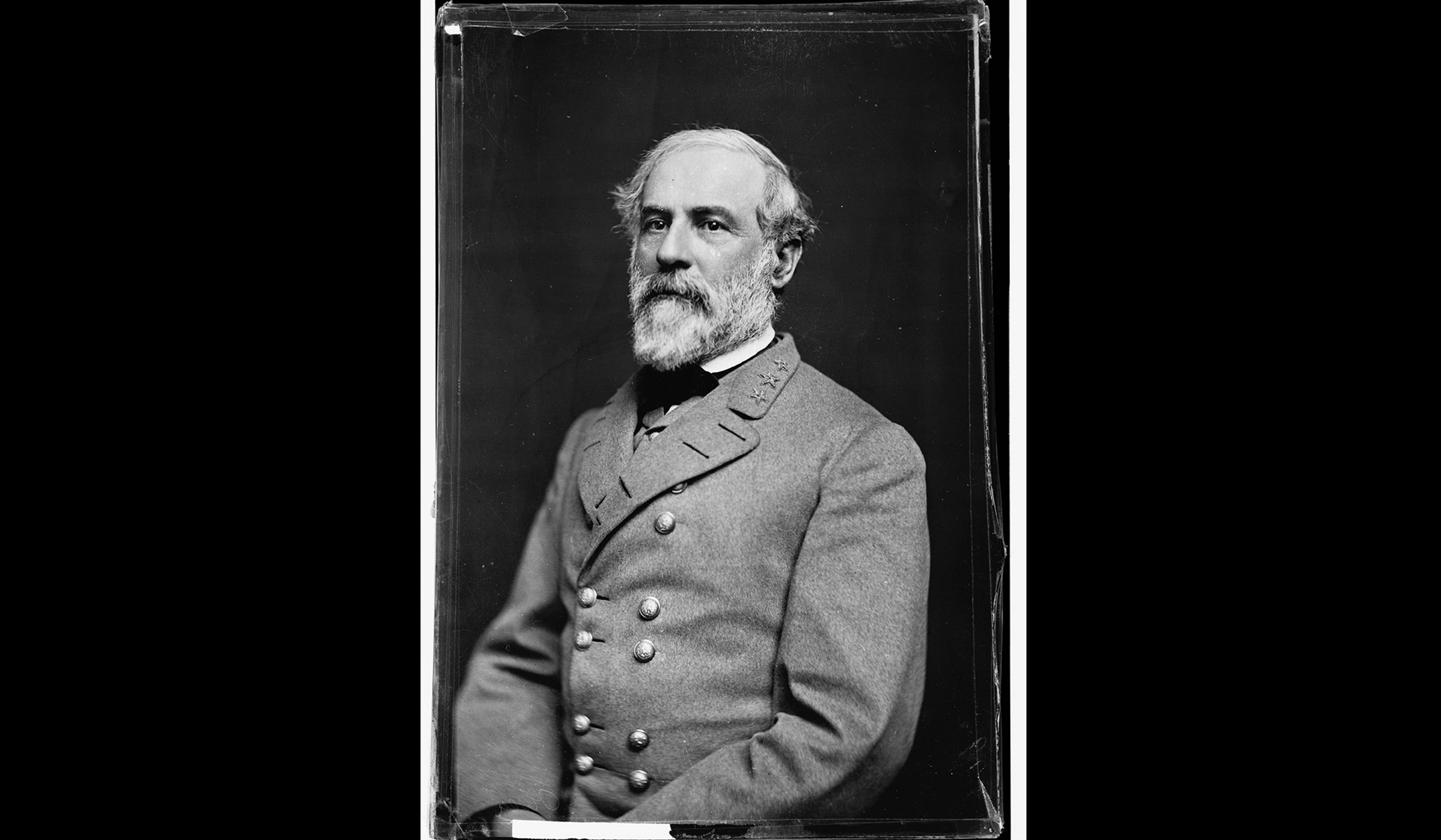
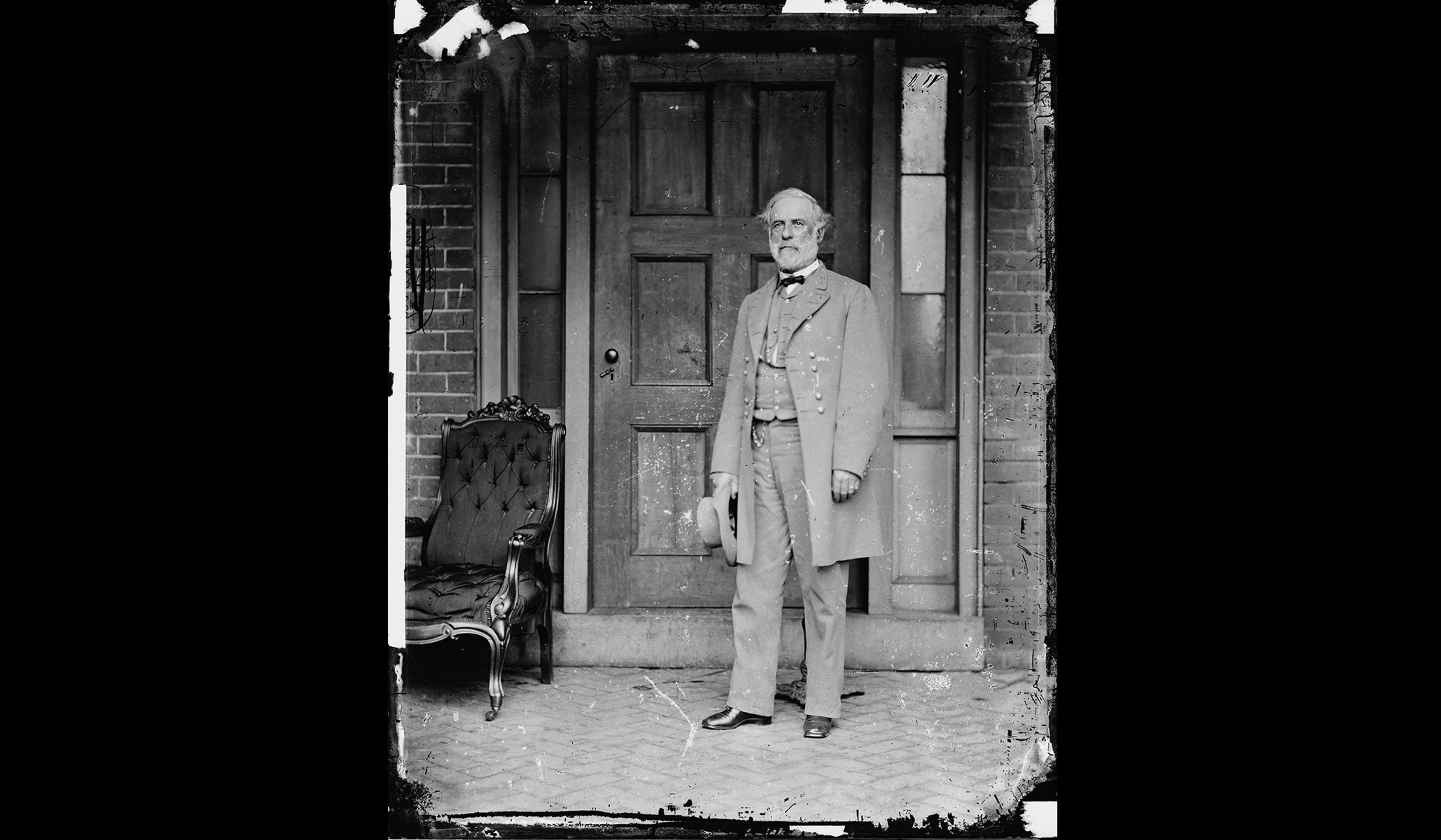
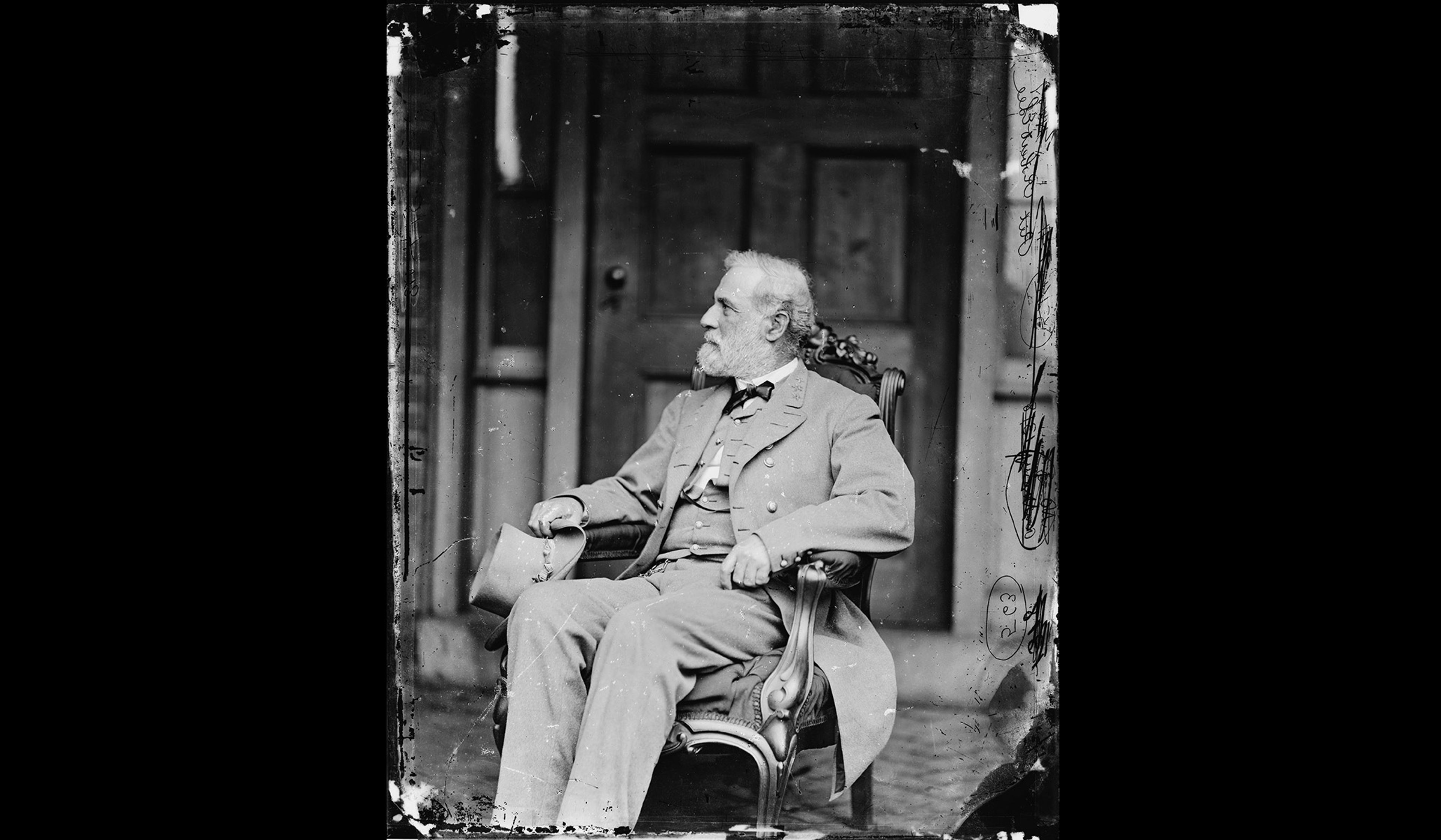
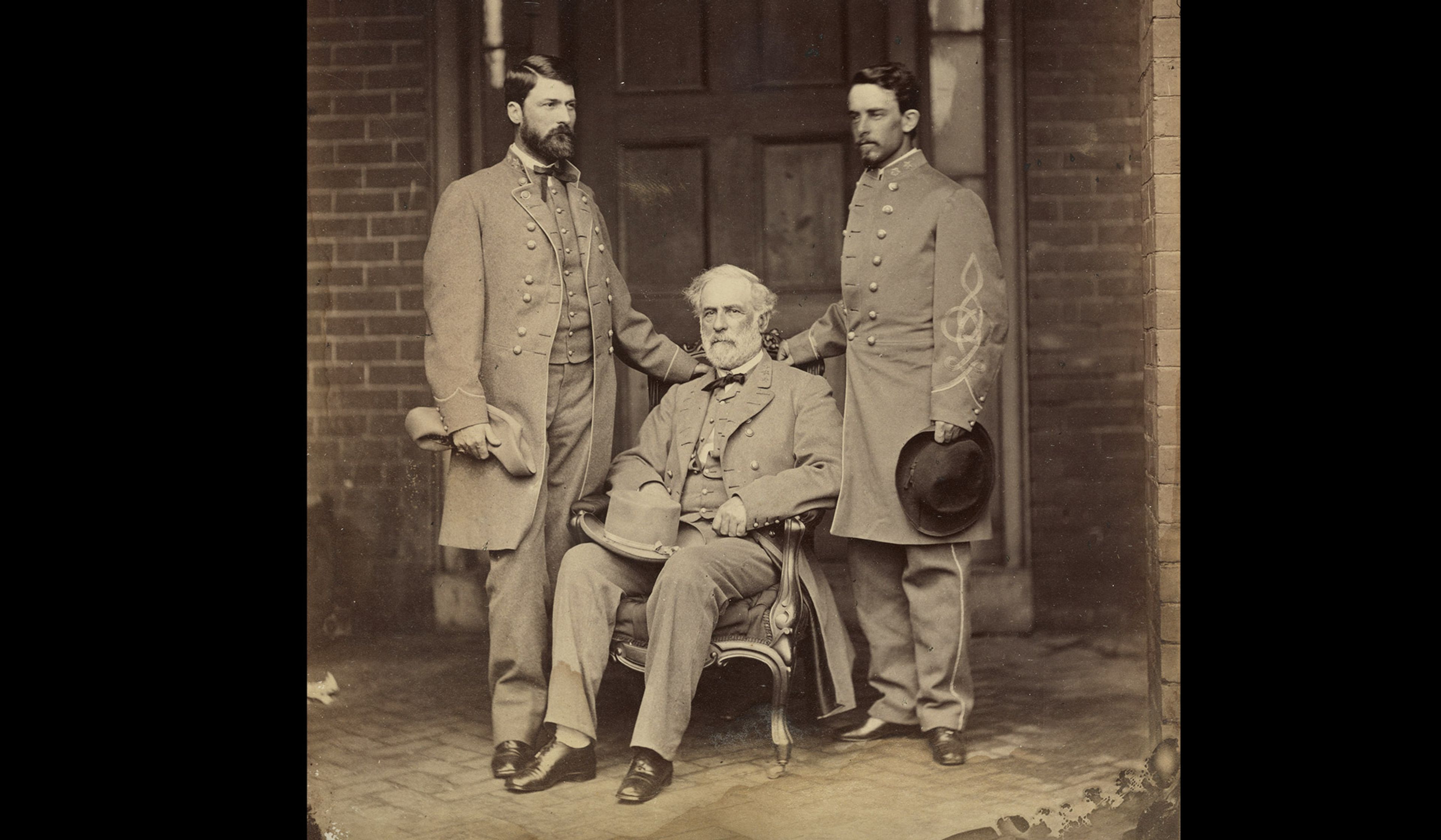
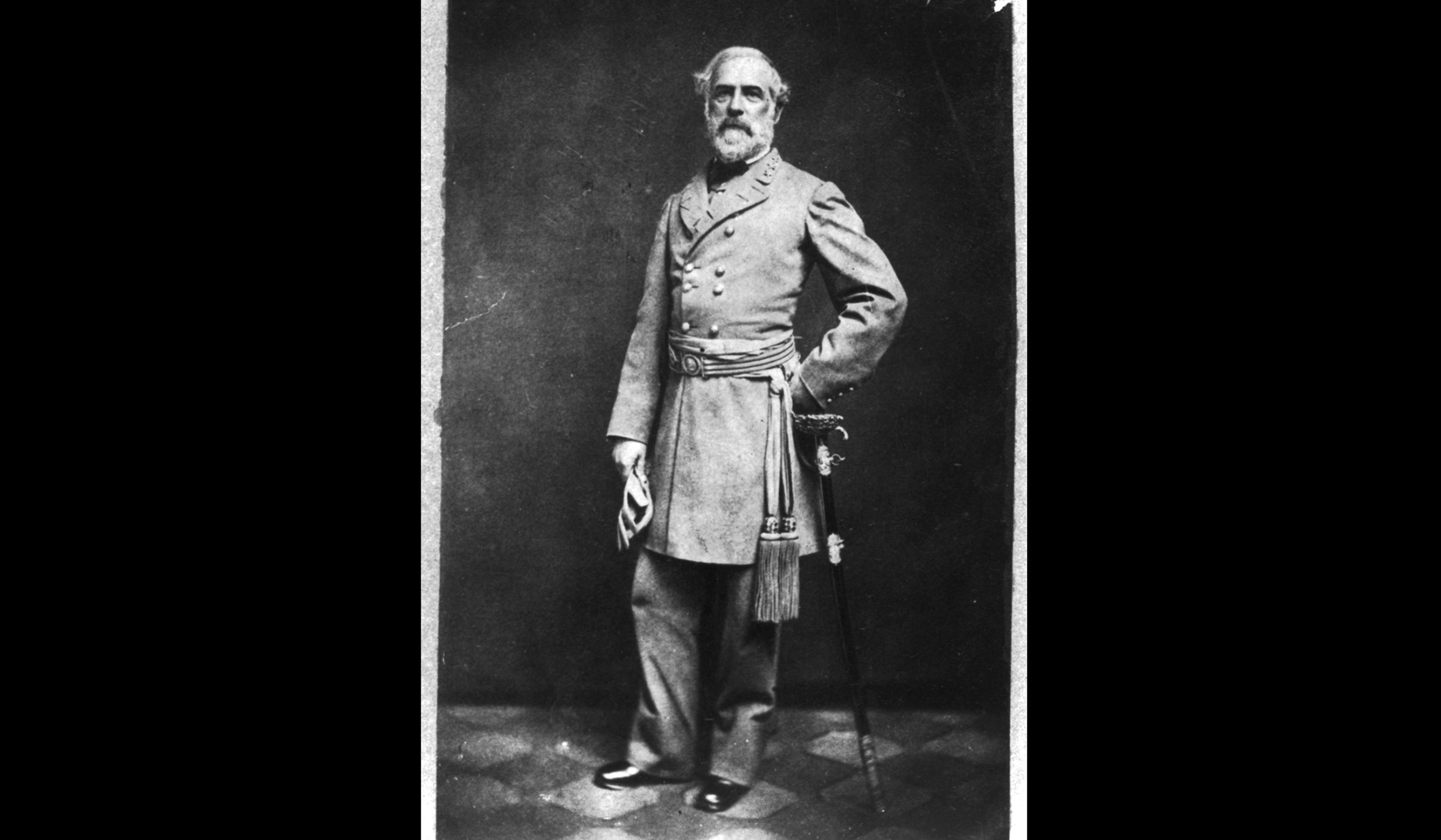
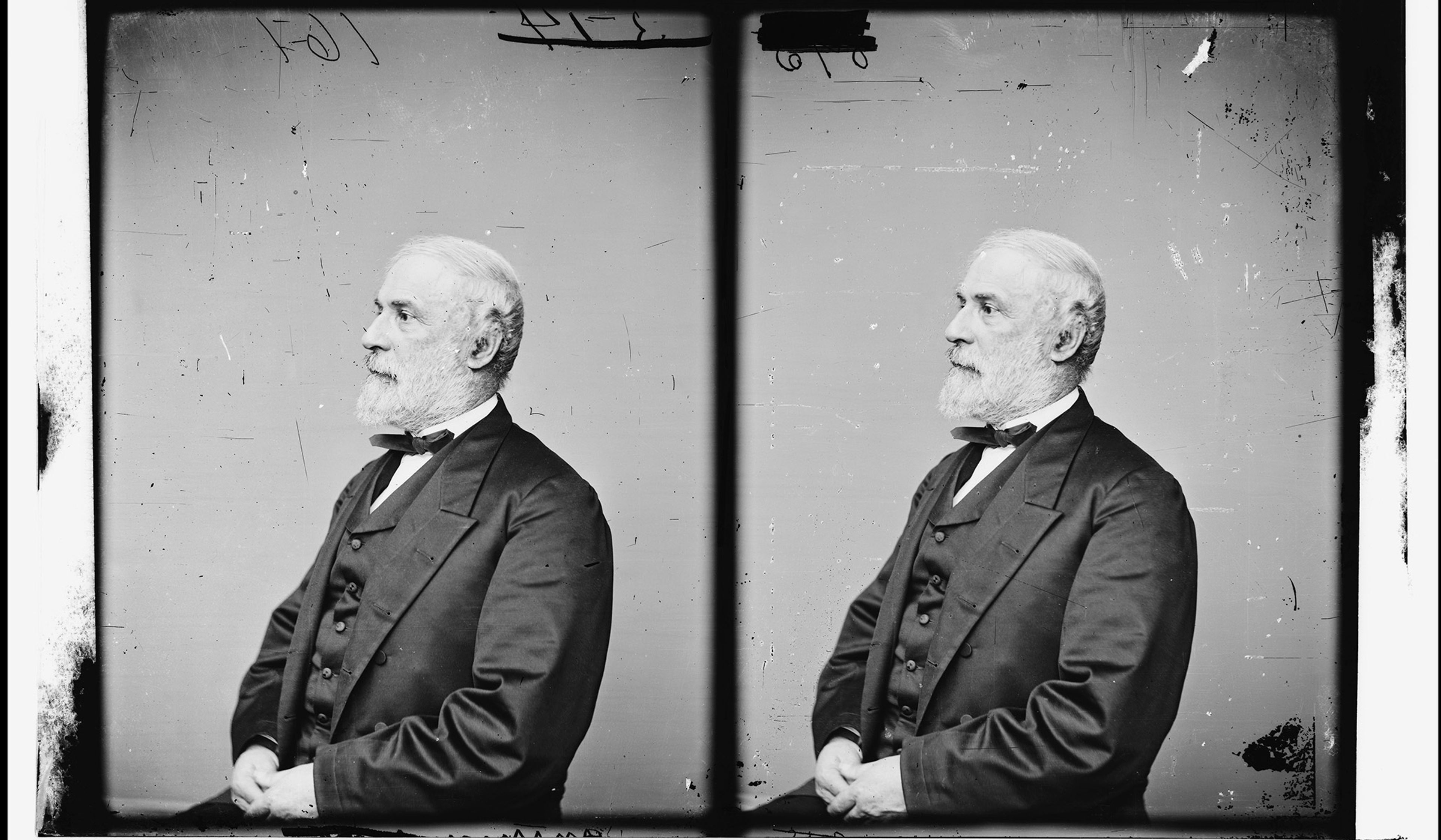
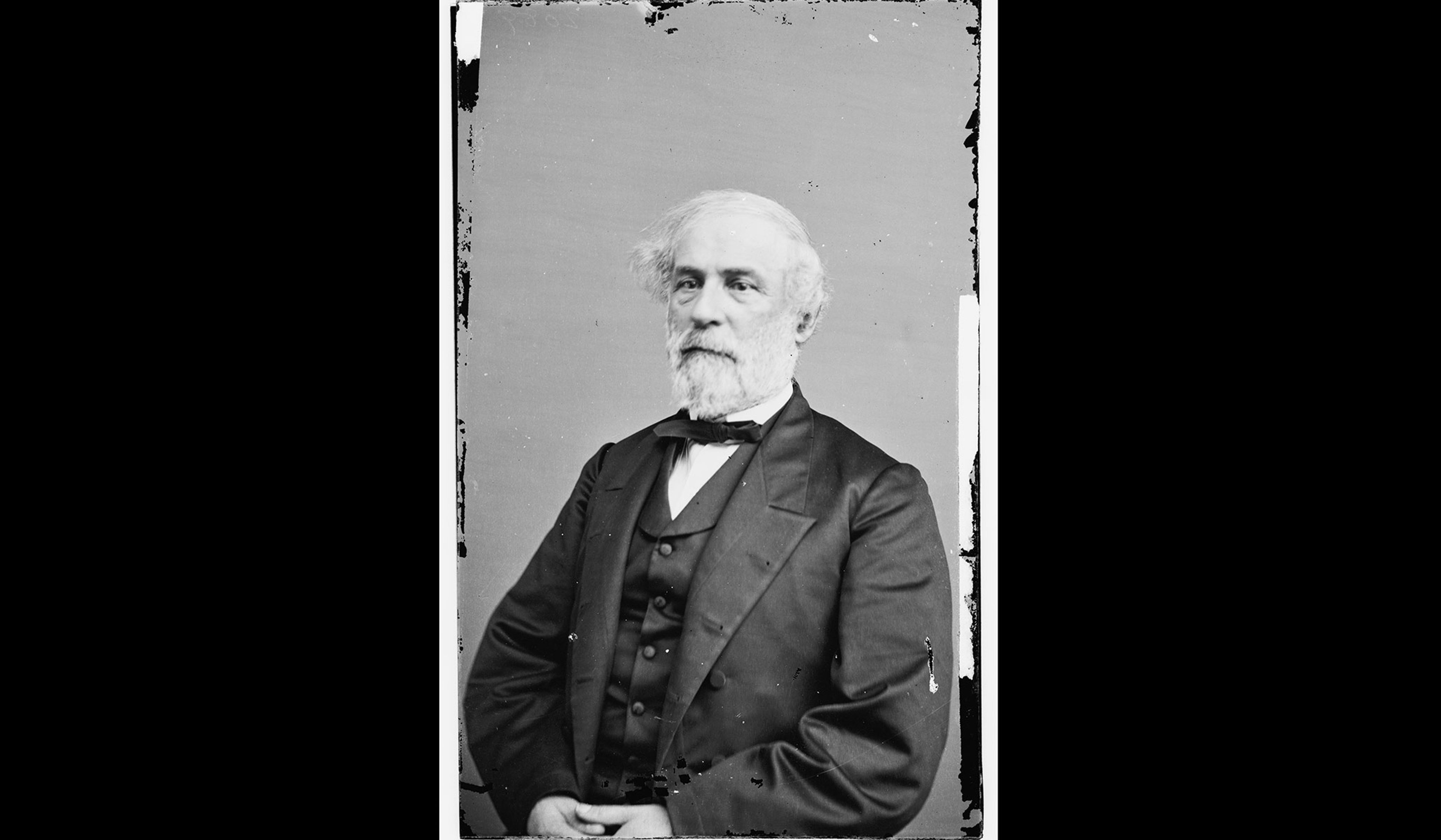
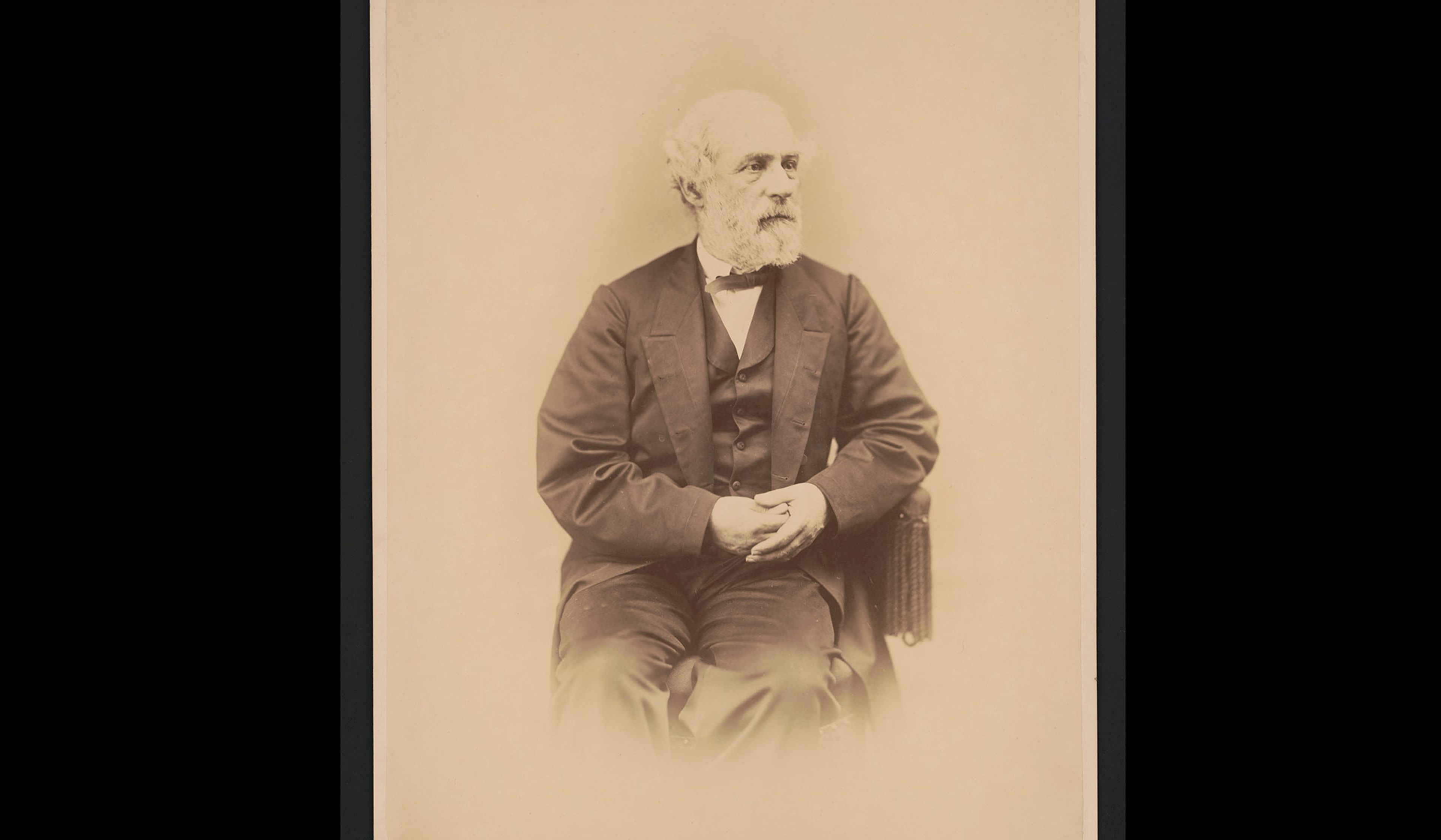
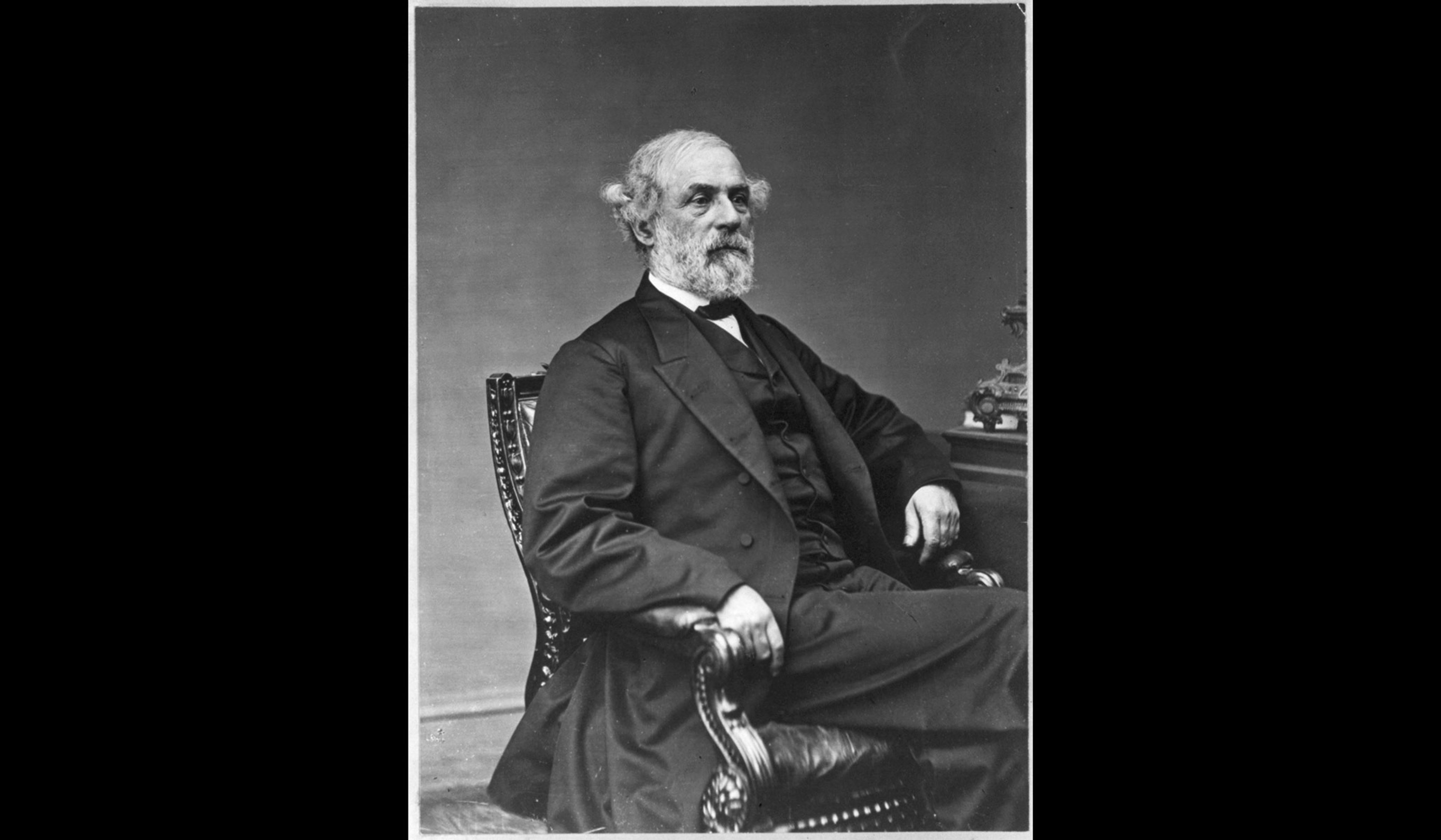
General Robert E. Lee, March 1864.
Library of Congress
The pursuit of redemptive perfection lies behind much of the fierce uprightness that met so many people’s eyes, and it was Lee’s determination to be Not-Light-Horse-Harry that fired his impatience and eventually his ferocious outbursts of temper at his own and others’ imperfections. That did not mean that Robert would enjoy the shackles of perfection, and it came as a shock to Ann Carter Lee when in 1824 Robert announced his desire to attend West Point. “How can I live without Robert?” she wailed, “He is both son and daughter to me.” She would have been more disturbed still if she could have sensed how much Robert, for all his uncomplaining self-sacrifice, longed to be unencumbered of his mother as much as of his father. “I thought,” he wrote, “& intended always to be one & alone in the World.” “I am fond of independence,” Lee wrote, and that, as he explained in 1851, was linked to his perfectionist impulse. “It is that feeling that prompts me to come up strictly to the requirements of law and regulations. I wish neither to seek or receive indulgence from anyone. I wish to feel under obligation to no one.”
The problem with the longing for independence is that it does not guarantee security, and security was precisely the most damaging subtraction that Light-Horse Harry made in Robert’s life. So, as much as Robert Lee longed to be his own man, he was also aware that the independent man could very well be the impoverished, neglected man, and security was one of the major attractions of a career in the U.S. Army. For the tiny cadre of officers who commanded the pre–Civil War army, there was no mandatory retirement age, and once in, many stayed in, at paid rank, until their last breath. To be sure, the Army was not generous, but it was one of the few professions in the republic that guaranteed a roof over one’s head.
This didn’t mean that Lee wouldn’t talk endlessly about leaving the Army. “All my Schemes of happiness,” he wrote, depend on “retiring to some quiet Corner among the hills of Virginia where I can indulge my natural propensities without interruption.” But when his older brother, Charles Carter Lee, tried to persuade him to do just that with the 17,000 acres in Hardy, Patrick, and Shenandoah Counties that they had inherited from their father, Robert hesitated. “Perhaps the charms of your Establishment may win me from Uncle Sam,” he replied to Charles Carter in 1832, but in the end, he decided not. The Army was his place, “for better, for worse, as we say in matrimony,” and he would have to “relinquish such . . . prospects” as western Virginia offered “to Bachelors like yourself.”
Matrimony was yet another path to security. In 1831 Lee married Mary Anna Randolph Custis, the sole surviving child of the Arlington Custises, and thereby won himself a home at Arlington for the next 30 years. The difficulty was that the security represented by the Custis marriage and Arlington did not sit very easily beside Lee’s yearning for independence. His Custis in-laws made no secret of their desire to “withdraw Robert from his present professions and yield to him the management of affairs.” But Lee had no desire to abandon the Army merely to become a glorified overseer for the Custises. Despite his very real affection for his mother-in-law, Lee found his father-in-law an amiable but annoying dunce. “The Major” — the elderly Custis’s honorary militia title — “is busy farming,” Lee wrote to his brother. Busy was sardonic: “His Cornfield is not yet enclosed or ploughed — but he is rushing on all he Knows.” The old man had tried his hand at a Sir Walter Scottish play about 13th-century Scotland that he called “Montgomerie; or, The Orphan of a Wreck.” It ran for four nights. And so, as Lee chuckled, “Montgomerie failed.” Worse still, one of Custis’s six amateurish history paintings, The Battle of Trenton, “has been exhibited in the Capitol” — and met with more or less the same response. It “attracted some Severe animadversions from the Critics, which he says were levelled at his Politics!!!” Lee knew better.
Seven months into the Civil War, when Arlington had been lost to Union occupation, Lee shrugged off the estate’s loss and turned his attention to the possibility of acquiring another property — nothing less than his onetime boyhood home, Stratford Hall. Stratford, he wrote, “is endeared to me by many recollections & it has always been a great desire of my life to be able to purchase it.” He might have found security in attaching himself to the Custises, but he yearned for the independence of being a Lee, and nothing symbolized that more than Stratford. It was no coincidence that two months later, Lee finally paid his father’s grave on Cumberland Island a long-delayed visit.
Robert E. Lee was not a profound military thinker, but he was a clear one, and much of that thinking oscillated between his expectations for perfection, independence, and security. His decision, in 1861, finally to resign his U.S. Army commission and offer his services to the new breakaway Southern Confederacy was done reluctantly, almost in a spirit of dread, and as the Confederacy’s most successful soldier, he was incessant in his requisitions for supplies, conscripts, and recruits — and for perfection on the part of his own officers. Time and again, Lee complained, beaten federal armies “will get away because I cannot have my orders carried out.” When one hapless brigadier had to report the federal escape after Chancellorsville, Lee’s fury was volcanic. “General Pender! That is what you young men always do. You allow those people to get away.”
But beyond the demand for perfection, Lee also saw more clearly than any other Confederate leader that the South could not survive a long-drawn bout with the North. Independence and security both dictated that Southern armies must “cross Maryland into Pennsylvania” and there convince Northerners, either by battle or by simple occupation, to agree to peace and Southern independence. He would attempt this twice, in 1862 and 1863, and was ready for a third attempt in 1864 when Grant’s Overland Campaign struck that option away.
Lee’s modern critics have railed at this as an example of an obsession with Virginia. But Lee understood that the Confederacy could lose Tennessee, Mississippi, Alabama, even Georgia, and still win; Virginia held the Confederacy’s “depots and arsenals . . . and through Richmond” Lee’s army “had its chief means of access to sources of supply further south.” So he dreaded nothing more than being forced into a siege of Richmond. “He frequently spoke,” recalled Charles Marshall, “to the effect that if the siege of Richmond were once undertaken by an army too strong to be beaten off, the fall of the place would be inevitable.” With it would go Virginia and the Confederacy — which, in 1865, is exactly what happened.
He could predict this failure as sharply as he did because he was convinced that the Confederate people lacked the perfect commitment that independence and security required. “It is so difficult,” he admitted to his wife, “to get our people, unaccustomed to the necessities of war, to comprehend . . . the measures required for the occasion.” He tried in particular to convince the Confederate president, Jefferson Davis, that slavery was a millstone around the Confederacy’s neck, and “told Mr. Davis often and early in the war that the slaves should be emancipated, . . . but Davis would not hear of it.” Lee’s pessimism persisted down to the last hours before Appomattox, where he informed William Mahone that “he had advised the Confederate authorities at the start — that . . . our chance to win was to be found by throwing the whole military or fighting power of the Confederacy into the struggle” — including freed slaves — and this “manifestly . . . had not been done.”
Yet this was not the final chapter for Robert E. Lee. In the summer of 1865 he was made the unlikely offer of the presidency of Washington College, in faraway Lexington, Va. Almost as unlikely, he accepted, and in the final five years of his life he managed to achieve the resolution of the impulses to perfection, independence, and security that he had spent a lifetime seeking. The trustees of the college were congratulated on acquiring a figurehead; but Lee made them the figureheads and turned the nearly bankrupt college into a Southern educational powerhouse. When he assumed the presidency in 1865, Washington College had only 17 students on its war-depleted rolls; after one year, Lee had built that to 146. By 1868, enrollment stood at 411. (He never dreamt of taking what should have been the next logical step, and integrating the college.)
He also reoriented the curriculum, sidelining the traditional studies of Greek and Latin and proposing the establishment of “a Commercial School . . . to give instruction in bookkeeping & the forms & details of business.” And he abolished the college’s rule book. “We have no printed rules,” he informed a newly matriculated student. “We have but one rule here, and it is that every student must be a gentleman” — which sounded delightfully generous until it was realized that this made Robert E. Lee the sole court of conduct in the college, and his measurement of perfect demeanor the sole standard. He would remark, looking back, that “the great mistake of my life was taking a military education.” A small, remote college would become, instead, the place where he would find independence to run matters as he saw fit, find security for himself and his family, and find perfection in what he could demand of his students.
Perhaps, in retrospect, we can say that Robert Lee should have shrugged off the shadow of Light-Horse Harry; perhaps, in 1831, he should have left the army and built a real-estate empire in western Virginia; perhaps, in 1861, he should have simply declared personal neutrality and let the Civil War wash past him. But he did not, and the forces that had made him what he was in the past governed the extraordinary skill with which he managed Confederate military affairs. They did not, however, make him a happy man. That came only at the end, in Lexington, where he died, 150 years ago, on October 12, 1870. But it was, at least for Robert E. Lee, a perfect end.












Comments