
Emily the Criminal, a small, spikey, effective movie about a downwardly mobile Millennial art-school graduate turning to a life of crime, is a political and moral Rorschach test that gradually resolves itself into a meditation on the lure of sin. In outline, it sounds like a movie about the cruel late-capitalist structures oppressing overeducated young Americans; in substance, it’s a movie about how the decision to become a wicked person can be made freely, even eagerly, while you tell yourself you didn’t have a choice.
The Emily of the title is played by Aubrey Plaza, a droll and off-kilter presence in both comedies and dramas over the last decade; here she dials back the sarcasm and deadpan, tightens her features, and takes up a gravelly Jersey accent, channeling anger instead of cool. And in a way she has a lot to be upset about. She’s moved west with her best friend from high school and art school, the glamorous Liz (Megalyn Echikunwoke), but Liz has the great fashion-magazine job while Emily, handicapped by a criminal conviction in college, is working miserable hours for a catering company, living in a drab apartment with roommates she barely knows, and realizing that she made a terrible mistake taking on $70,000 of student debt.
Into this unhappy situation comes an opportunity, via a co-worker who slips her a phone number when she takes one of his shifts, with the promise of an easy $200. The easy money turns out to be illegal money, which you can earn by serving as a “dummy shopper” for a credit-card-fraud ring run by a pair of Lebanese cousins: You take a fake card made with a stolen number and make a one-off purchase at an electronics store (say, a $1,000 TV), get your cut, and go home happy.
Emily is the only person to object to the scheme in the training session, but her objections are about her own safety, not the criminality itself, and she catches the eye of the ringleaders, who offer her a second job — more money, more risk, she just has to answer the phone and follow instructions once again. The call comes in during a particularly unpleasant catering job (broken elevator, spilled marinara sauce), after her fashion-mag bestie has bailed on a promise to get her a job interview, and that’s enough to induce her to take the next step — which leads to another, and another, with violence arriving quickly but also in a way that seems manageable, so long as you have pepper spray or a box cutter ready to hand.
It’s this manageability, Emily’s growing facility with the underworld even as the stakes keep going up, that’s the key to the movie’s unfolding surprise. Plaza’s character could be presented as a victim of circumstance, the clichéd heist-movie character arm-twisted into one last job. But choice by choice, crime by crime, it becomes clear that she’s the agent, the dynamic figure, the arm-twister, and she’s becoming “Emily the Criminal” because she likes the life of crime.
The telling contrast is with her main underworld contact, Youcef (Theo Rossi), the younger of the Lebanese cousins, a wide-smiling charmer who wants nothing more than to escape his demimonde and become a respectable California landlord-businessman. He guides her into criminality, but he’s actually the one who’s not cut out for it: He’s less ruthless than his dangerous elder cousin (Jonathan Avigdori) and, eventually, less ruthless than Emily herself.
Her aptitude for crime does not by itself negate everything the movie illustrates about the struggles of a workaday existence — the obnoxious bosses and unfair hurdles and traps that are sprung when you make the fateful decision to get the wrong graduate degree. But watching Emily interact with the noncriminal world, you can also see her choosing to make her own life more difficult — alienating co-workers, torching interviews, and, by the way, what was that crime in college? — and eventually you realize that you’re watching someone who’s ill used but also looking for an excuse.
To borrow from Henry Hill in Goodfellas, on this side of the law Emily is stuck with the life of a “shnook” rather than the life she was sure that she deserved. Like Scorsese with his mobsters, though, Emily the Criminal makes it clear that for some people, the indignities of a shnook’s existence may be what initially leads into temptation, but the dark joy of criminal impunity is what makes them malefactors for life.






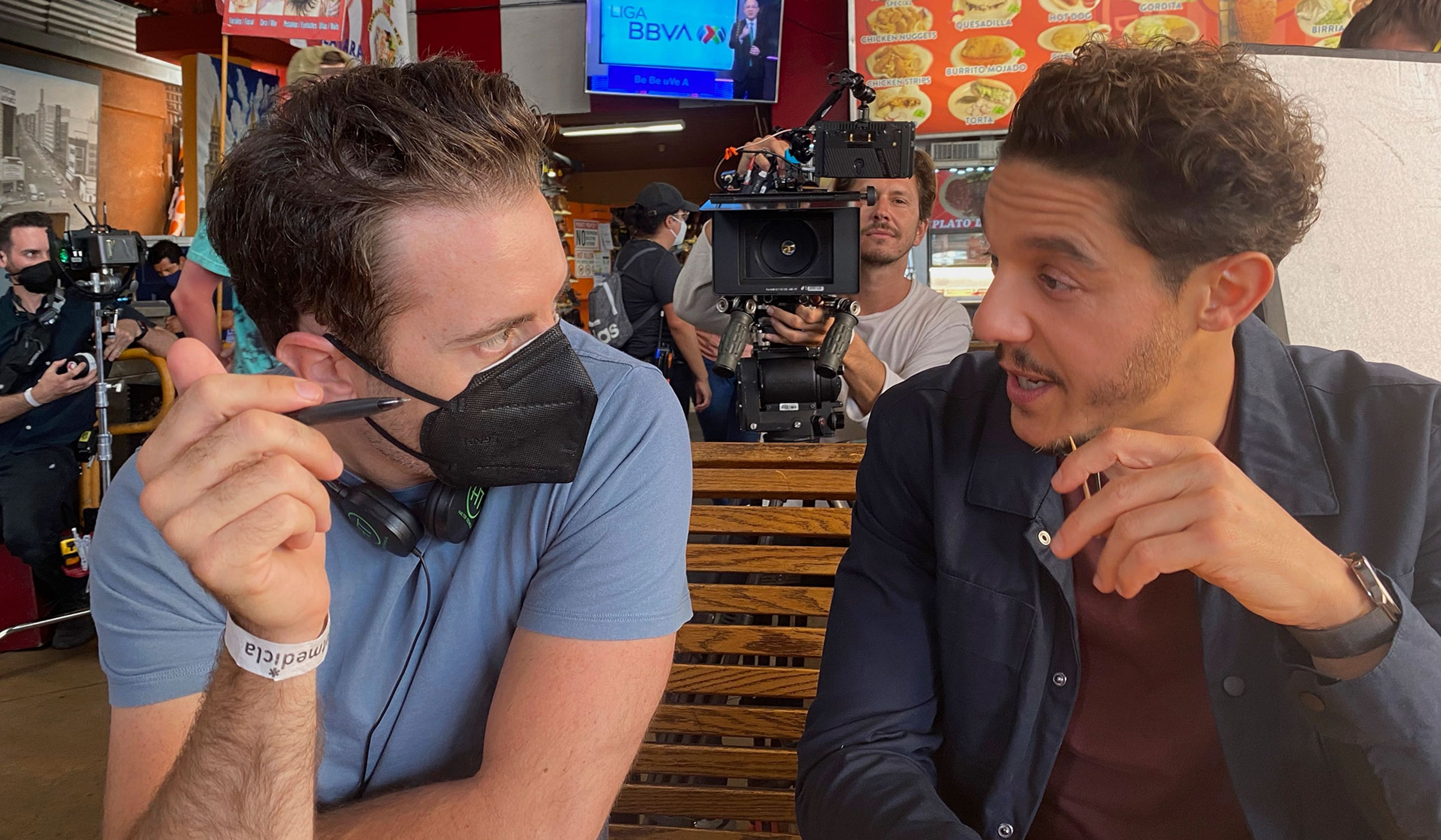
Aubrey Plaza in Emily the Criminal.
Roadside Attractions/Vertical Entertainment












Comments