
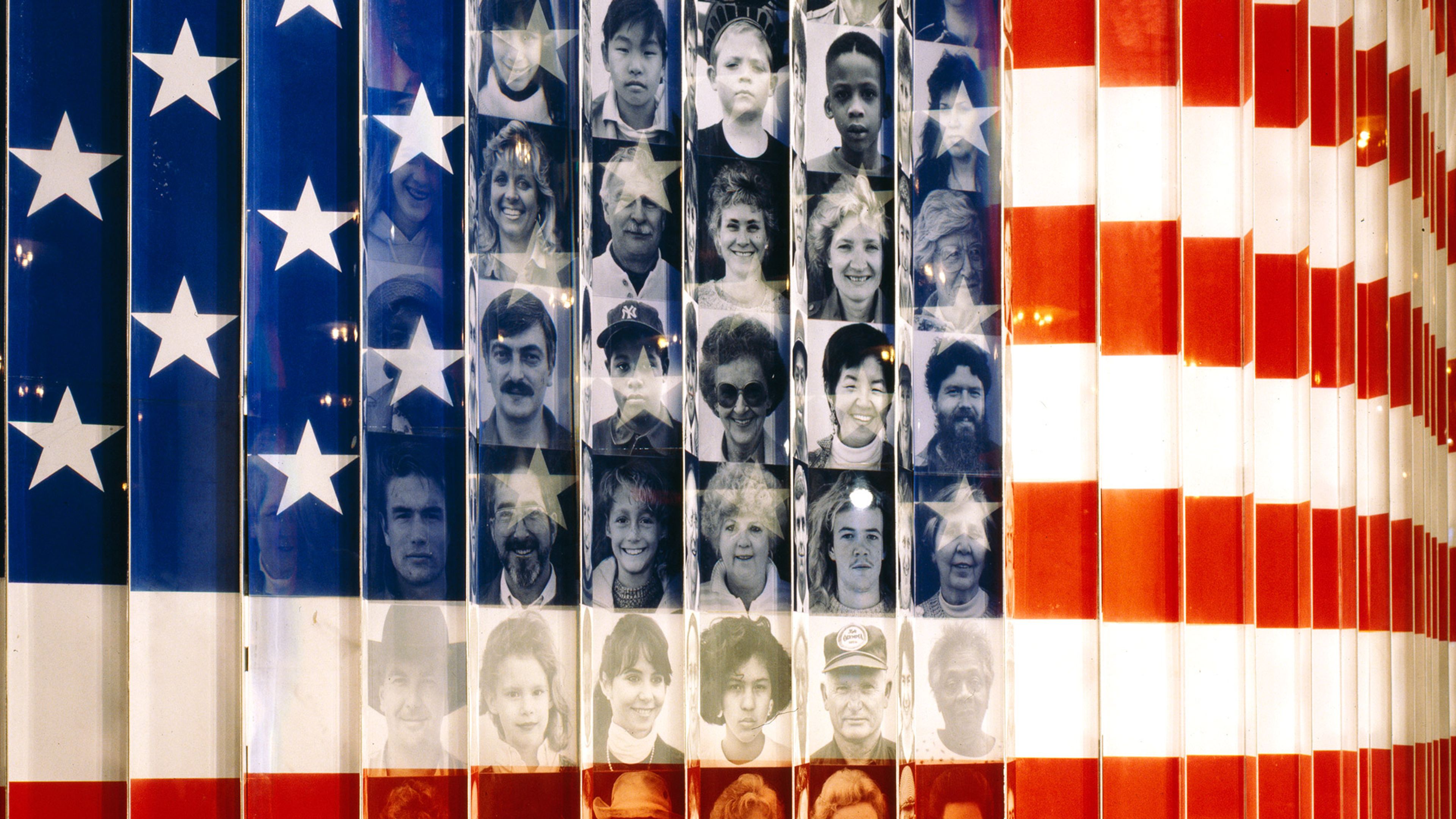
The mantra “We are a nation of immigrants” is repeated endlessly, but this incantation is essentially misleading. The addition of one adjective, “assimilated,” as in, “We are a nation of assimilated immigrants,” would greatly clarify our understanding of American identity. The question then becomes, Assimilated to what? Samuel Huntington argued (correctly) that immigrants have, for the most part, assimilated into the culture, language, and institutions formed by the original settlers who emigrated from the British Isles. Thus, we are a nation of settlers and assimilated immigrants. Two new optimistic books from Encounter grapple with this issue of American identity.
In a long bibliographical essay, the authors of America 3.0 explain that their book is the product of ten years of research into the cultural foundation of America. Building upon co-author James Bennett’s previous work on the Anglosphere, this new book is buttressed by scholarship in archaeology, anthropology, and historical analysis, particularly the work of French anthropologist Emmanuel Todd, English anthropologist-historian Alan Macfarlane, and English historian James Campbell, the foremost modern expert on the Saxons.










Comments