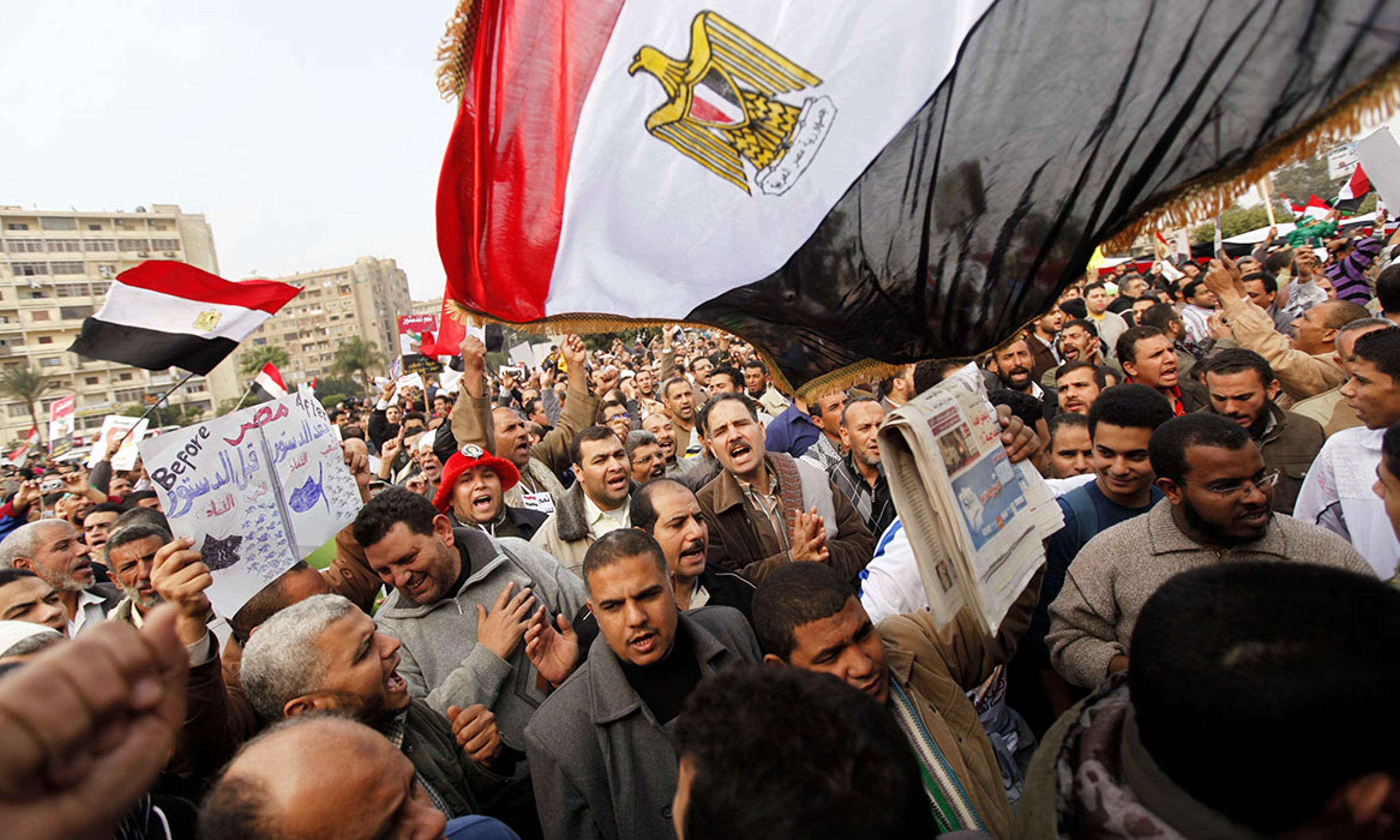
At Cairo University on June 4, 2009, President Barack Obama addressed the Islamic world. He promised a new era in U.S. relations with Muslim countries, declaring that “America does not presume to know what is best for everyone, just as we would not presume to pick the outcome of a peaceful election.” As important as the president’s words was his audience: Nestled among the crowd were ten members of the Muslim Brotherhood’s parliamentary bloc, whom the U.S. embassy had invited. For American diplomats, the Brotherhood had gone from pariah to partner.
There has been no shortage of U.S. officials rushing to embrace the Brotherhood. On a day-to-day level, Anne Patterson, a career diplomat who became U.S. ambassador to Egypt in 2011 (she has since been nominated to be assistant secretary of state for Near Eastern affairs), lobbied for ties with the group. On January 18, 2012, she met Brotherhood spiritual leader Mohammed Badie. The meeting was a game-changer: If Mohamed Morsi, Egypt’s soon-to-be president, was the equivalent of Iranian president Mahmoud Ahmadinejad, then Badie was Supreme Leader Ali Khamenei.










Comments