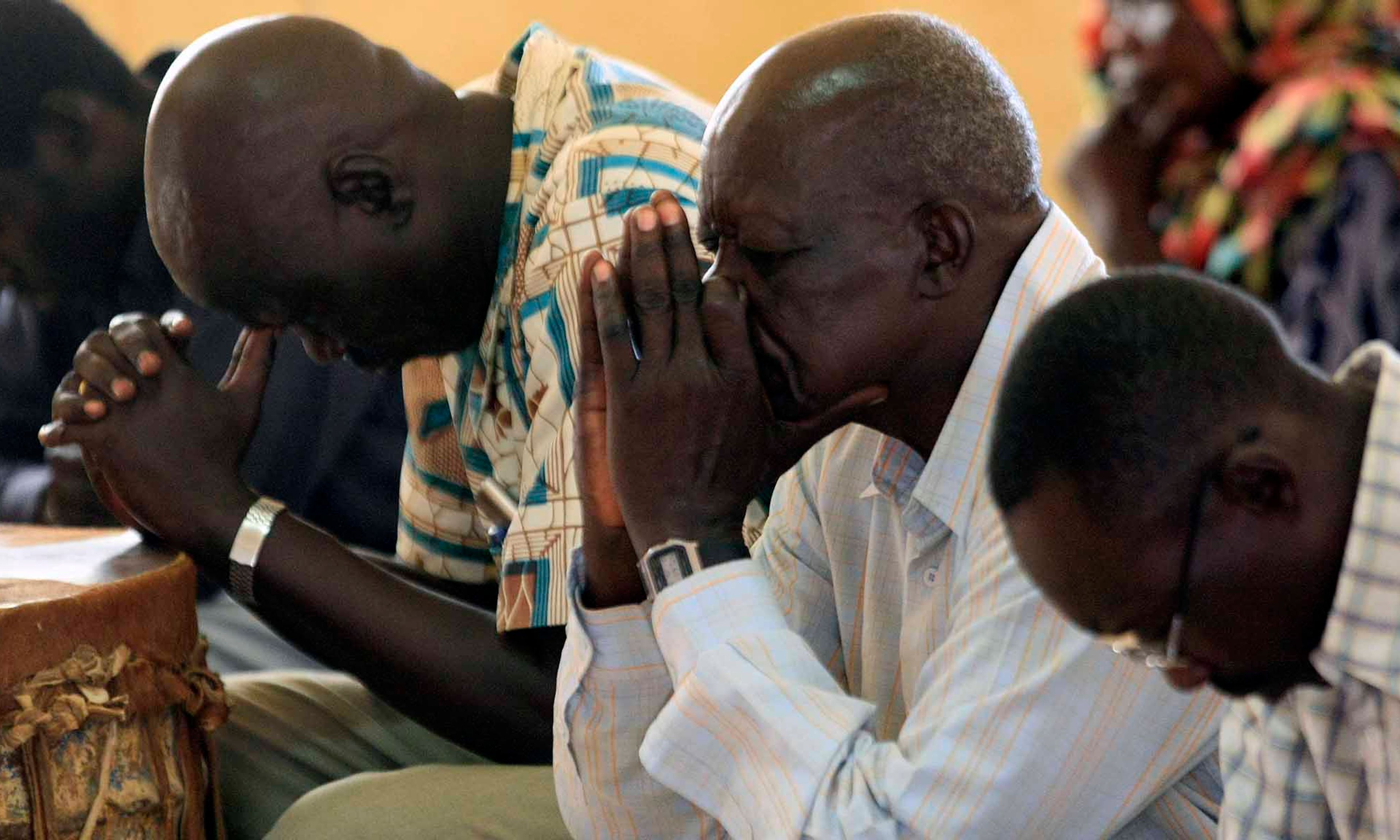
It was three years ago that South Sudan attained its independence. Although media and public interest in Sudanese affairs has since waned rather significantly, there are important reasons for continued attention and engagement. North Sudan remains a human-rights flashpoint, the new Republic of South Sudan is facing significant economic challenges and tribal strife, and untapped oil and gas resources give the area considerable strategic significance. The United States should remain deeply interested in seeking to improve conditions there, and to be successful it will need to recognize the role that religion has played, and likely will continue to play, in shaping the state of affairs.
Sudan has been one of the most violent and war-torn places on the globe in modern history. A 20-year civil war resulted in 2 million dead and extraordinary poverty. President Omar al-Bashir, the man who waged this war, maintains his totalitarian grip on North Sudan, governing the country under sharia law. Intolerance of Christians in what is now South Sudan was at the heart of the war, and religious extremism and oppression of Christians remain central tenets of governance in the North.








Comments