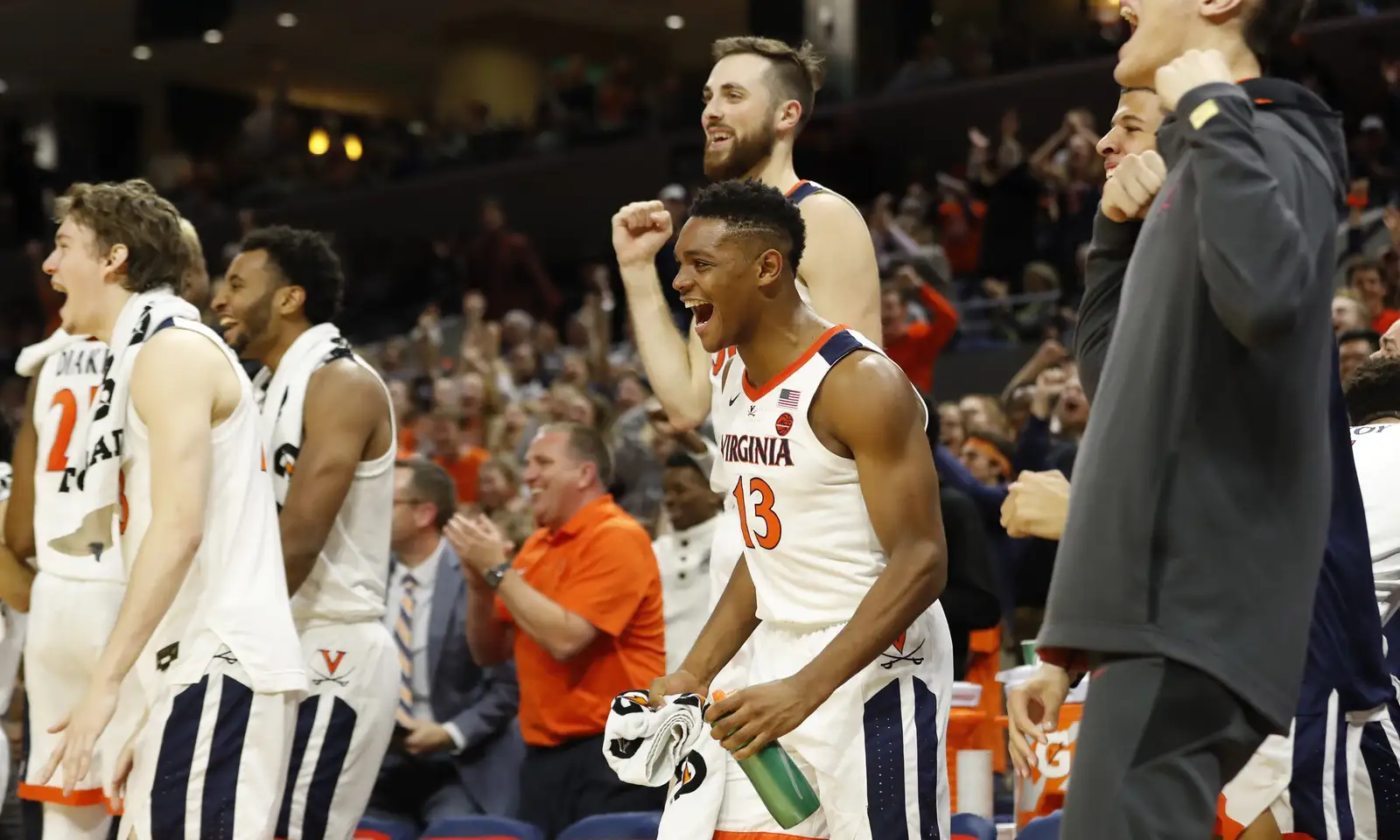
The Supreme Court unanimously ruled on Monday that the NCAA can no longer bar colleges from offering student-athletes education-related benefits, including free laptops or paid post-graduate internships, in the name of amateurism.
The ruling does not specifically address the question of paying athletes directly, however.
Justice Neil Gorsuch wrote on behalf of the court that the NCAA “seeks immunity from the normal operation of the antitrust laws,” adding that the court declines the request because “this suit involves admitted horizontal price fixing in a market where the defendants exercise monopoly control.”
Justice Brett Kavanaugh accused the NCAA of “price fixing” in a concurrent opinion.
“The NCAA’s business model would be flatly illegal in almost any other industry in America,” he wrote.
“Everyone agrees that the NCAA can require student athletes to be enrolled students in good standing,” Kavanaugh said. “But the NCAA’s business model of using unpaid student athletes to generate billions of dollars in revenue for the colleges raises serious questions under the antitrust laws.”
Kavanaugh added that it was “highly questionable whether the NCAA and its member colleges can justify not paying student athletes a fair share of the revenues on the circular theory that the defining characteristic of college sports is that the colleges do not pay student athletes.”
“And if that asserted justification is unavailing, it is not clear how the NCAA can legally defend its remaining compensation rules,” he wrote.
The college athletes argued that the NCAA has created a system that is a restraint of competition and therefore that the system runs afoul of the nation’s antitrust laws.
The NCAA argued that its rules are mostly exempt from antitrust laws because they work to preserve amateurism in college sports and distinguish college sports from professional sports. However, the court found that the NCAA rules are not necessary to distinguish a difference.
The case, National Collegiate Athletic Assn. v. Alston, is independent from the ongoing controversy over NCAA rules that prohibit athletes from being paid to play or for receiving endorsement deals.



Comments
On “Supreme Court Rules against NCAA in Athlete Compensation Dispute”