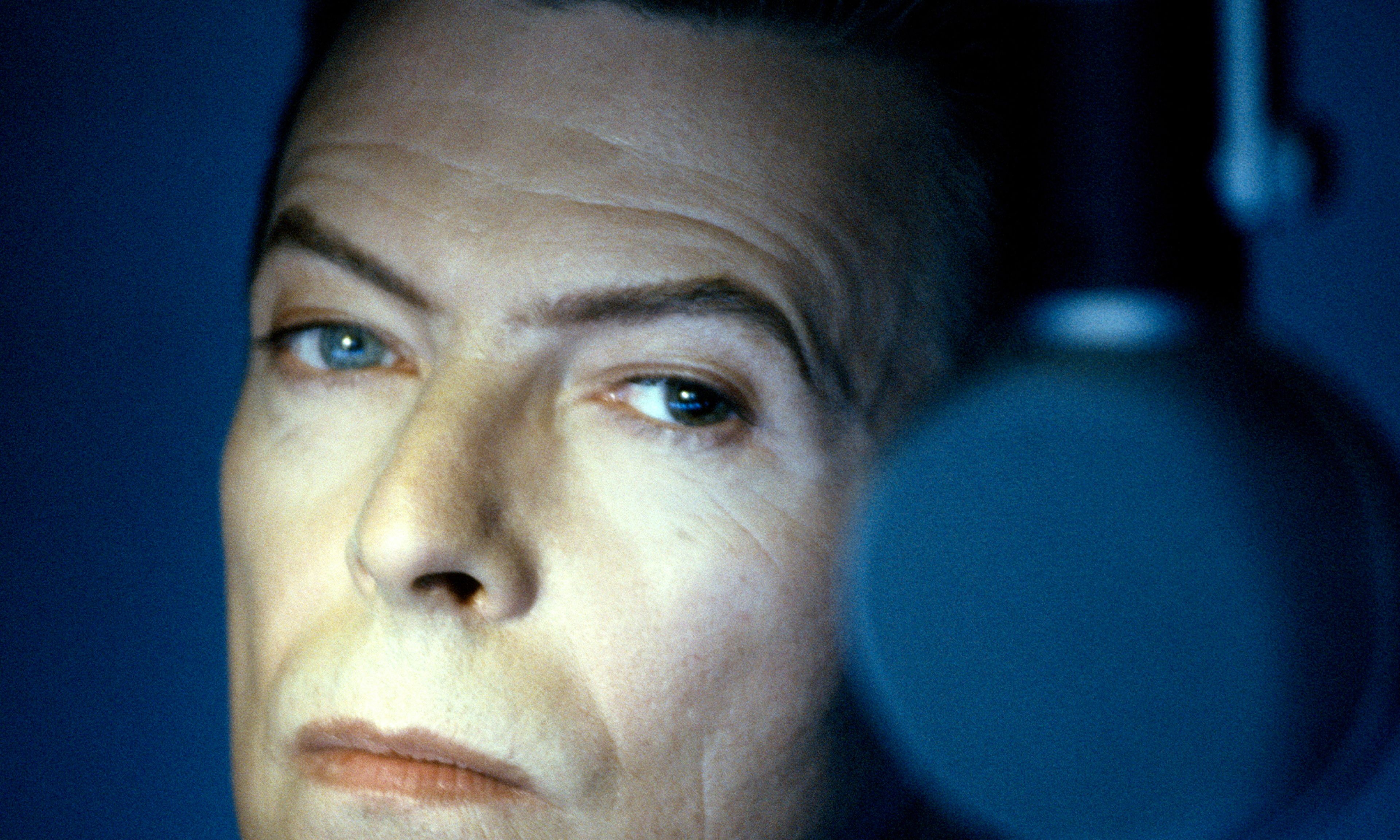
When I awoke on January 11, 2016, to find that David Bowie had died, I was incredulous. Three days before, Bowie had released Blackstar, an album so audaciously experimental that it hardly evoked a man in physical decline. I was consumed by an intense grief whose sting has never truly faded. For many devotees, Bowie was as emotionally significant and influential as a parent or best friend. Alexander Larman shares that attachment. In his new book, Lazarus: The Second Coming of David Bowie, he captures the pain of Bowie’s death with precision and clarity: “I felt adrift.”
Lazarus offers what no other biography of Bowie has attempted: a study of the later years of the artist’s career. The book follows Bowie’s life from the end of the 1980s to its extraordinary conclusion with Blackstar. Even among dedicated Bowiephiles, most of the albums from this period are frequently neglected or outright ridiculed. A common narrative is that from Space Oddity (1969) to Scary Monsters (and Super Creeps) (1980), Bowie produced a transcendent body of work that transformed fashion and popular music. Then, on Let’s Dance (1983), he surrendered to the allure of conventional pop stardom. Afterward, he could only follow trends rather than create them — at least until he rediscovered himself in the 2010s.











Comments