
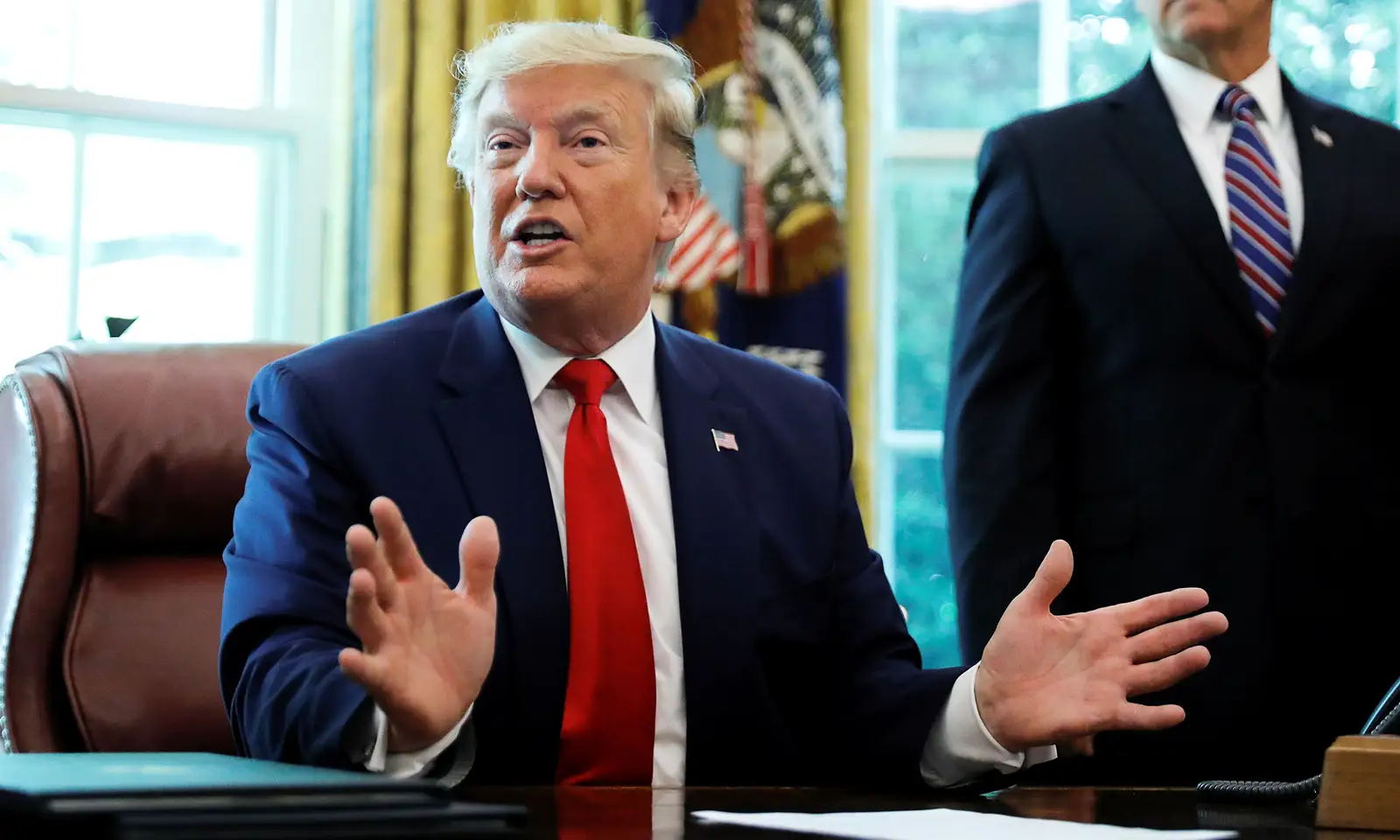
Trump defenders argue that the agency intelligence reports he took with him from the White House when his term ended, then stored in his Mar-a-Lago estate and resort club, were “personal records” that belong to him, pursuant to the Presidential Records Act (Chapter 22 of Title 44, U.S. Code). Leaping from this premise, they contend that Congress, in enacting the PRA in 1978, implicitly superseded the 1917 Espionage Act (Section 793 of the criminal code, Title 18), at least insofar as the latter had been applicable to presidents. Ergo, the argument goes, Trump cannot properly be charged with unlawfully and willfully retaining national-defense information — as he was last week by Biden Justice Department special counsel Jack Smith.
These are frivolous claims.


Comments
On “Frivolous Trump Argument No. 1: Classified Intelligence Reports Compiled by Government Agencies Are ‘Personal Records’ under the Presidential Records Act”