
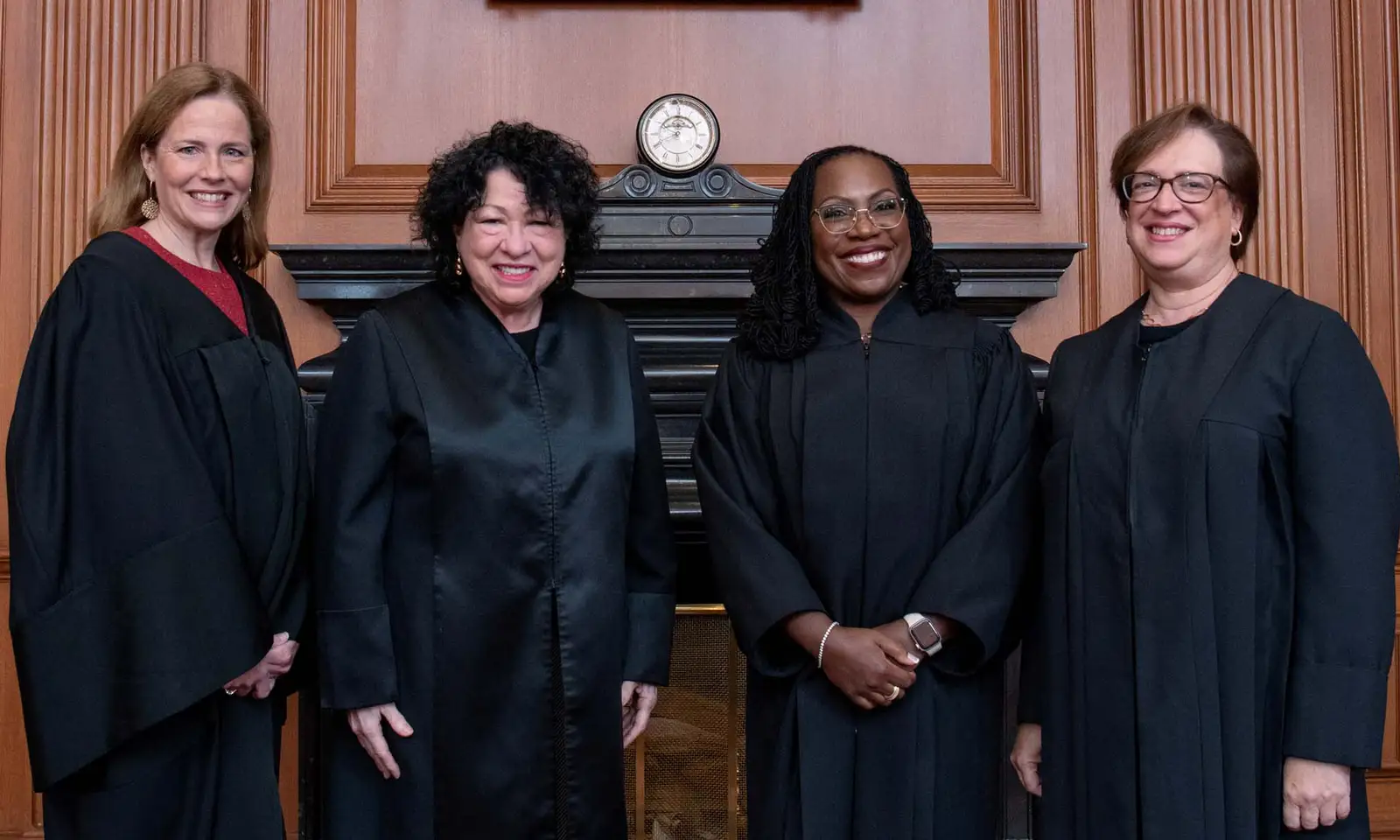
In April 2021, Justice Amy Coney Barrett inked a book deal with Penguin Random House. The publisher confirmed that it had agreed to pay her a $2 million advance, of which $425,000 was (per her public financial disclosures in June 2022) paid in 2021. The usual suspects acted as if the sky was falling. Ann Marimow and Emma Brown of the Washington Post wrote, in a complete non sequitur, that Barrett’s financial disclosures “come at a tense moment for the court after the leak of a draft majority opinion, written by Justice Samuel A. Alito Jr., that would overturn the long-standing constitutional right to obtain an abortion,” and implied that Justice Barrett was using a loophole in ethics rules because “Federal ethics rules limit justices to ‘outside earned income’ of no more than about $30,000 per year, . . . [b]ut book-writing payments do not count as ‘outside earned income,’ allowing justices to strike lucrative contracts with publishers.” Dahlia Lithwick of Slate thundered that this was unethical, and that Barrett hadn’t been on the Court long enough to write a book:
Timothy O’Brien wrote in the Chicago Tribune that the book deal reflected the “Supreme Court’s ethics problems,” noting that “A lot of hand-wringing has accompanied Supreme Court Justice Amy Coney Barrett’s $2 million book deal.” Mark Joseph Stern of Slate claimed that “Barrett has done little to dispel the fumes of partisanship and illegitimacy that poisoned her appointment. Her attempts at public relations have backfired. She inked a lucrative book deal for her memoirs before she had produced a scintilla of a public thought,” a preposterous argument I debunked at the time. Even Lithwick and the Post had to grudgingly acknowledge that justices writing books and making a lot of money from them was not remotely unusual; as even Lithwick had to concede, the topic of Barrett’s book (the duty of judges to follow the law rather than rule from their personal views) was closely related to subjects upon which she had written at length as an academic.

Comments
On “Justice Jackson’s Book Deal Greeted Very Differently Than Justice Barrett’s”