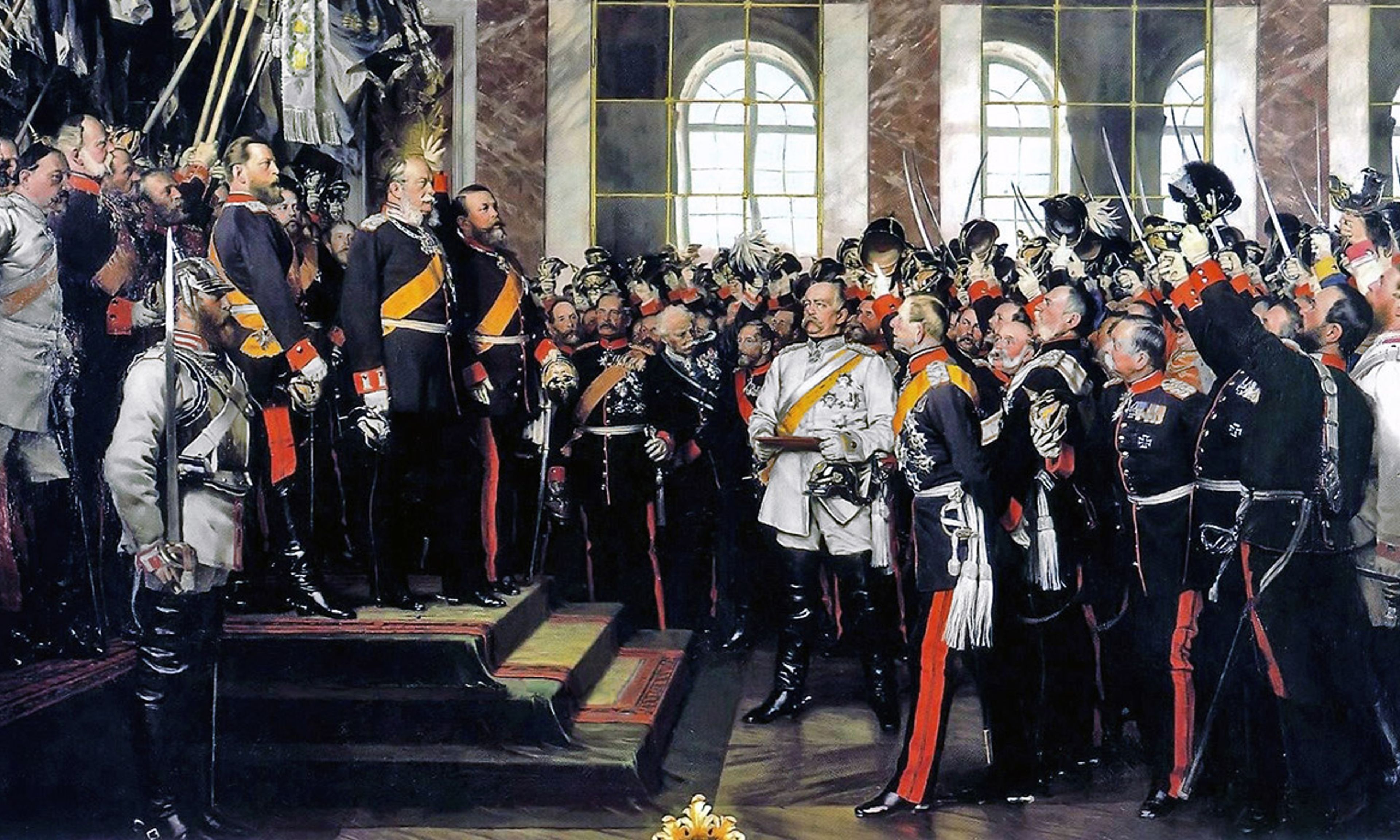
At the end of the Napoleonic wars in 1815, Europe lay devastated. A century later, a new Europe had been created, organized around powerful nation-states. It featured expanded suffrage; better diets and health for its citizens; greater rights for the majority of the rural population, women, and religious minorities, notably Jews; increased levels of literacy for the masses; and advanced transportation, communication, and technological systems. By 1914, Europe stood as a global power, with colonies all over the world. Little did Europeans know — as British historian Richard Evans observes in his magisterial, nearly encyclopedic study of their continent’s 19th-century rise — that the world stood on the verge of an incomprehensible catastrophe.
An estimated 5 million people perished during the Napoleonic wars, including one in five Frenchmen born between 1790 and 1795. This was followed by a devastating harvest in 1816, which caused grain prices to skyrocket. Cholera, spread from trade and troop movements in India, broke out in Europe in the 1820s and returned in 1848–49; typhus and other diseases remained persistent public-health problems. In 1815, Austria stood as the most powerful state on the Continent, but hopes for a balance of power in Europe eroded owing to the emergence of a powerful and unified Germany and nationalist rebellions in Central Europe. Greece and Italy became unified nations. Poland, divided by the great powers of Austria, Prussia, and Russia, was the most notable nation that failed to find independence.










Comments