The most striking thing about the foreign country when we filmed there last spring was the legions of bicyclists in its urban center. There were lanes reserved for them on every street. They swept off and on ferries and across bridges over canals in sleek continuous streams, loaves of bread and babies in baskets, calm, implacable and energy-efficient, one of those advanced continental phenomena — like free health care, the four-day week, or anti-Zionism — that the envious hope to replicate here.
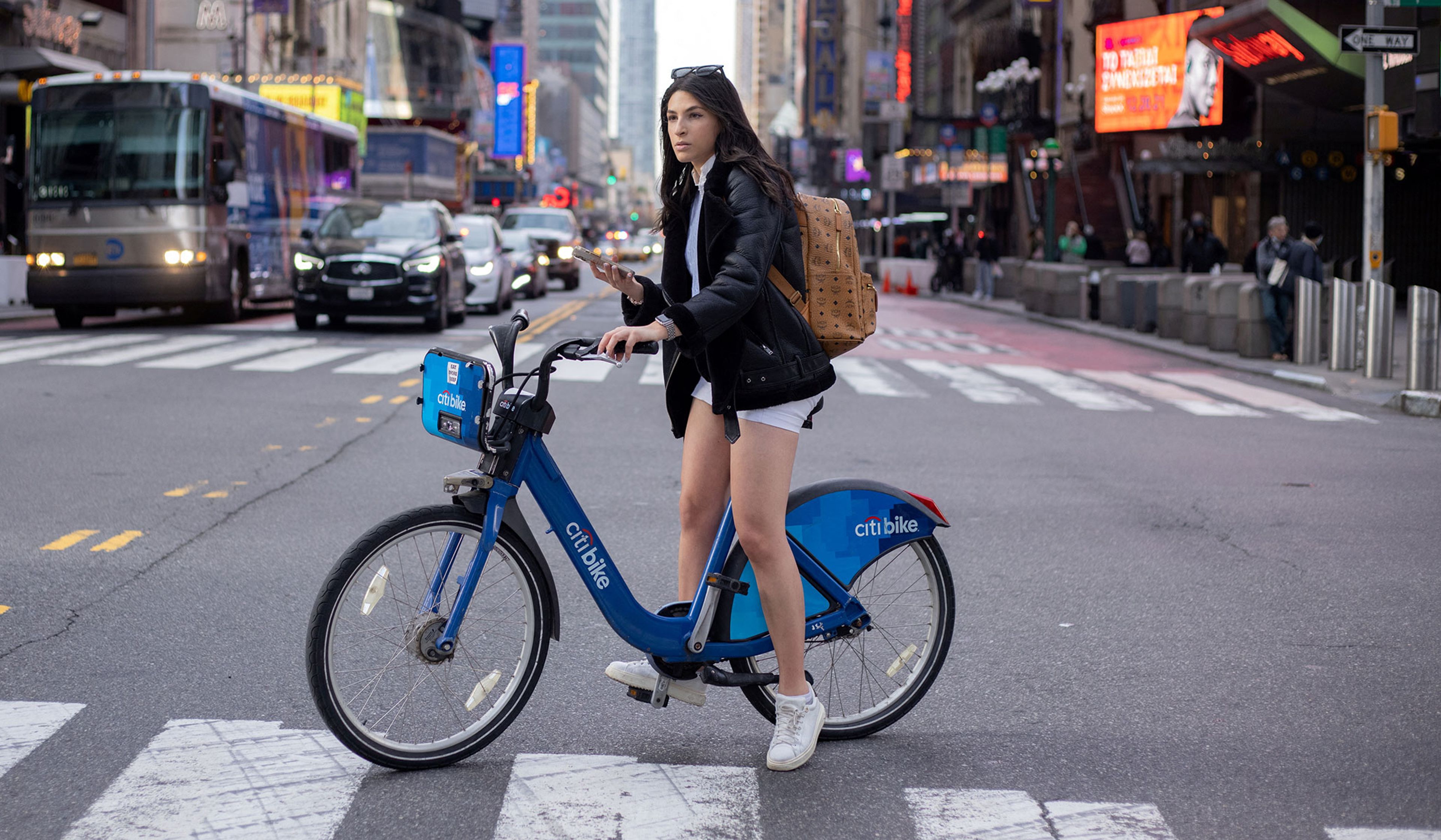
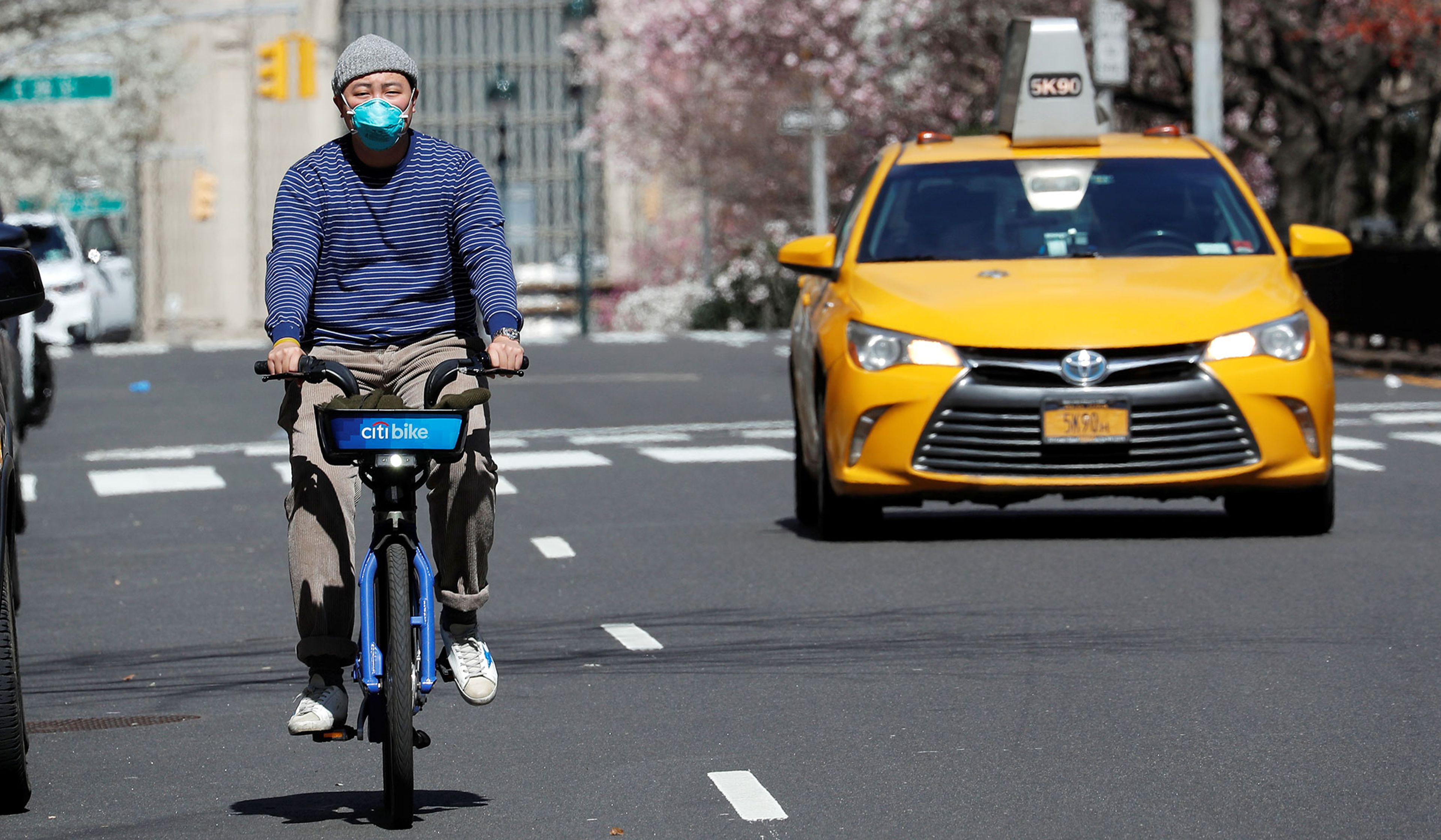
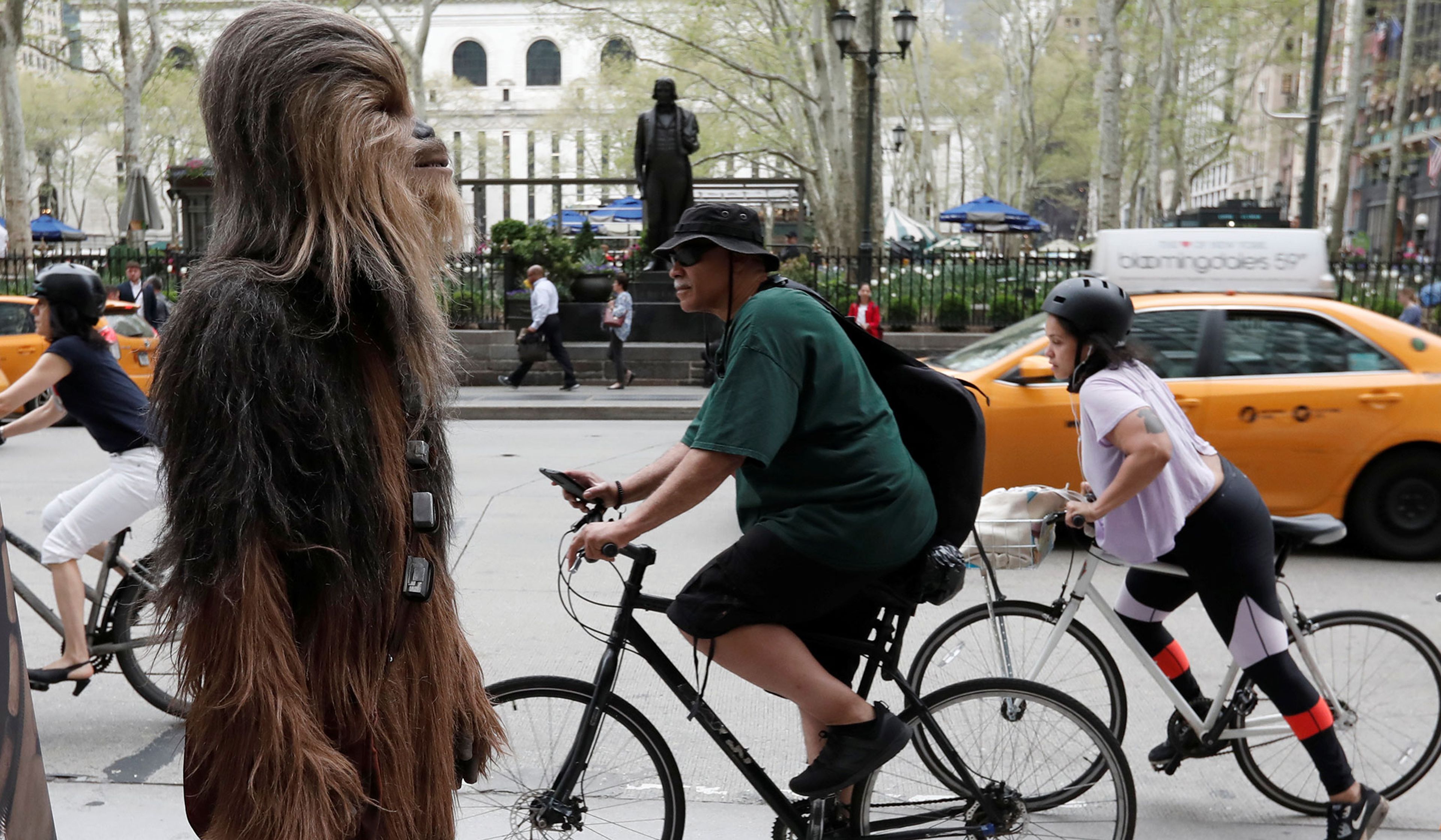
Bicycle culture in our city was the gift of the tiny billionaire. There had been cyclists on city streets before him, but they were rare and mad, weaving among trucks and pushing off against car hoods for bank-shot momentum like the outlaws they were. In their place urban redesigners partnering with a big bank gave us official city bikes — solid midsize machines, usable with equivalent minimal discomfort by men and women alike. They were plain as sandwiches, regular as water dripping out of a blocked gutter. You could sign up for single rides, day passes, or yearly memberships. The bikes stabled at stations scattered throughout the city and adjacent bedroom lands. You slid one out of its slot, took it wherever, then tucked it back into a gap at some other station. They changed driving a bit, since certain streets were closed off to four-wheel vehicles, the better to accommodate the bikes. They changed walking a bit more, since here was a new hazard — too small to bother a garbage truck or a bus, but big enough to wreck the pedestrian who hadn’t seen it bearing down. And cyclists, even your upper-middle-class semblables, were not, dare one say it, dependably considerate of others.
So it went, the tiny billionaire pleased at the improvement that only he had had the intelligence to decree, commuters relieved in nice weather at least not to have to take the subway, the enlightened proud that Indians and Chinese and not they were destroying the ozone layer.
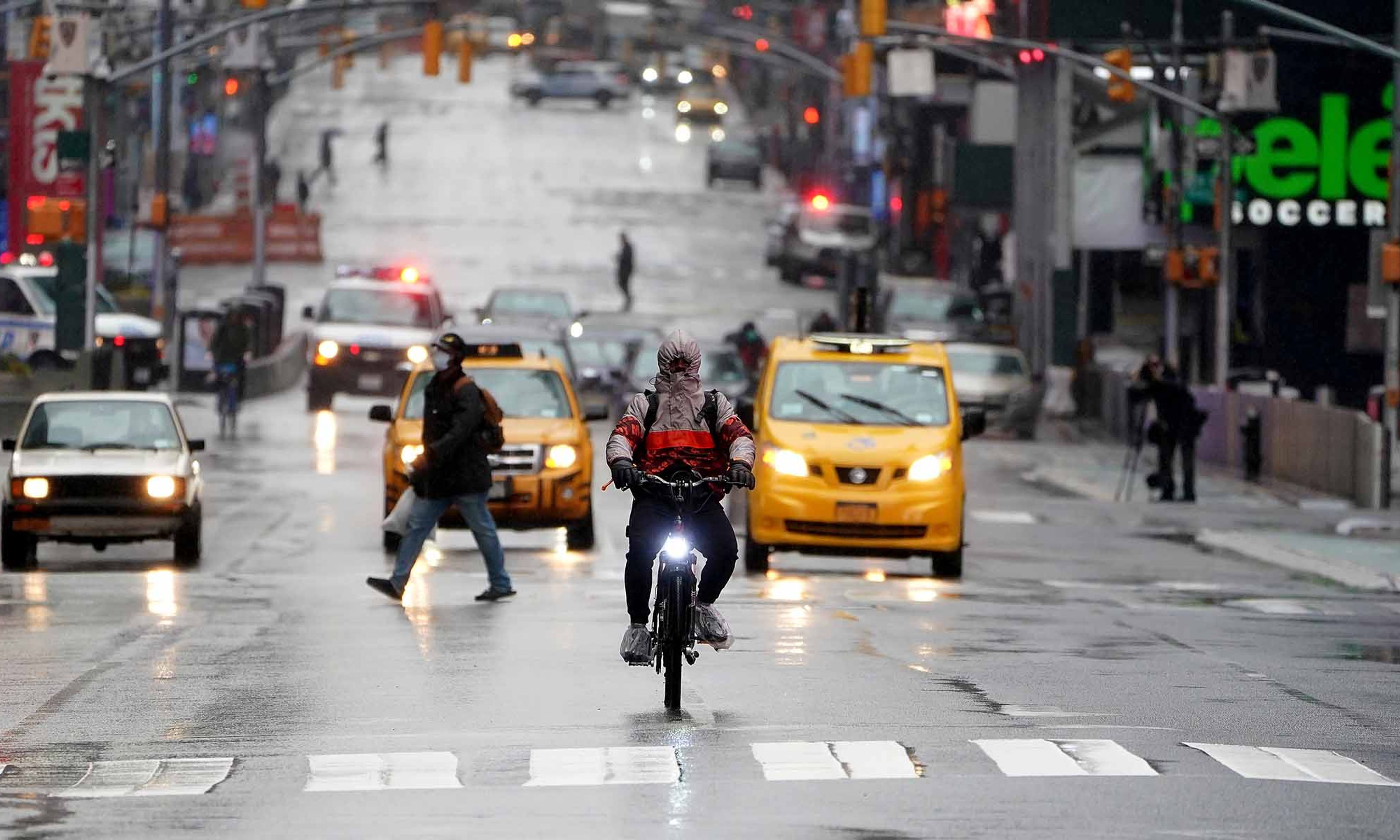
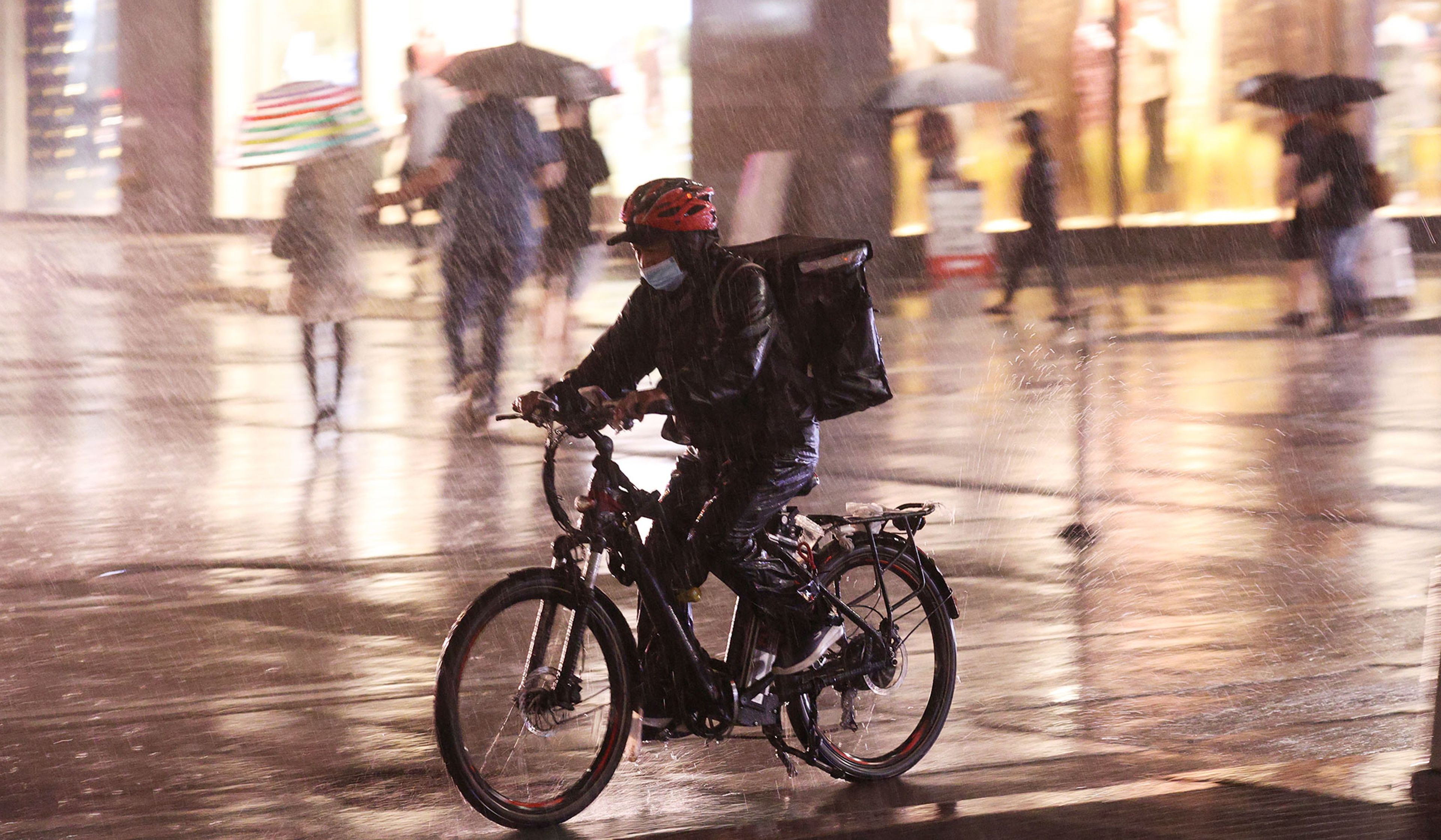
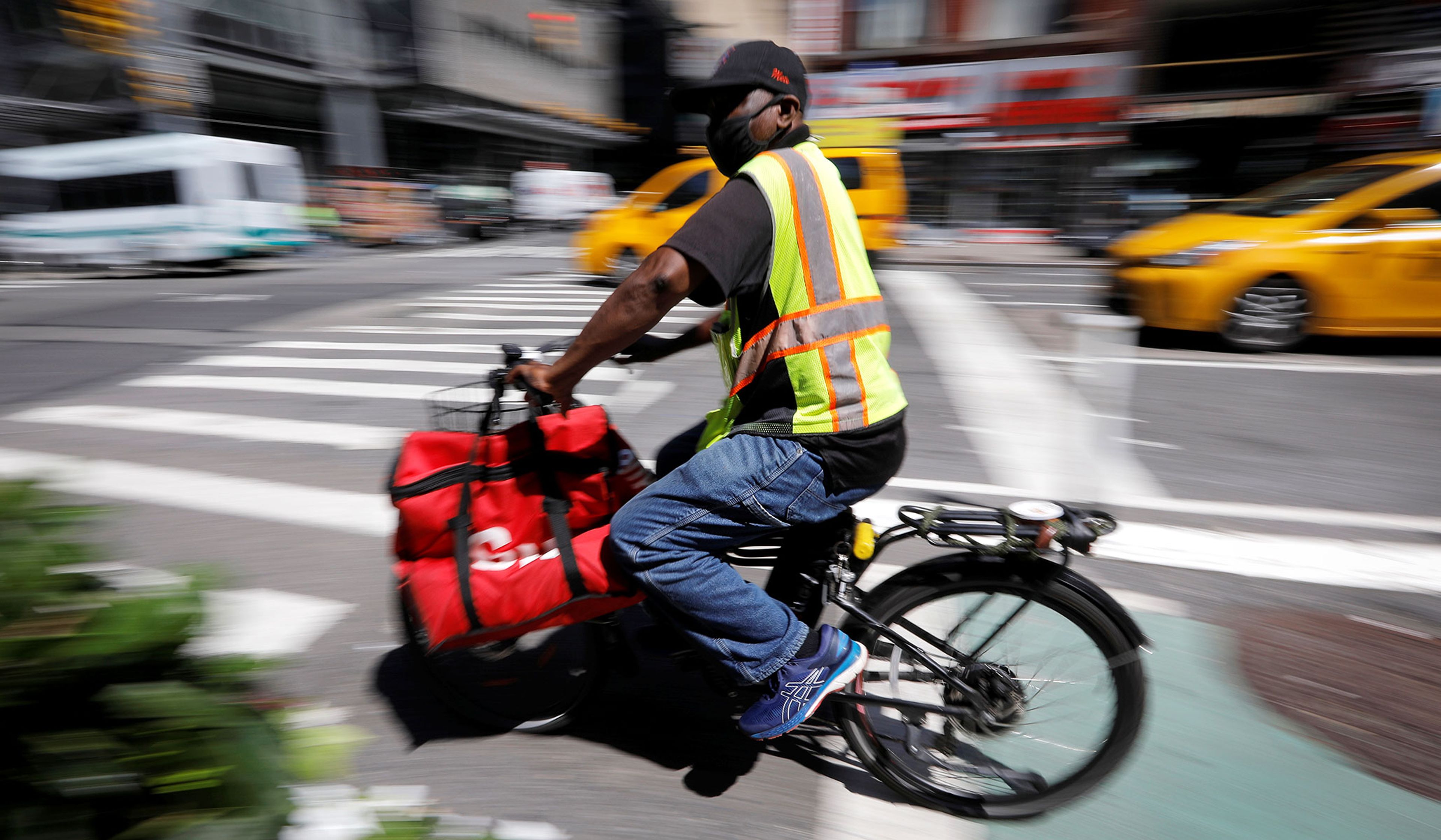
But then came a new bicycle. The disease shut everyone in his apartment. Irish monks in the Dark Ages were not more isolated. How did we all eat? By ordering takeout, naturally. (Cooks and deliverymen were assumed to have natural immunity — maybe darker skin conferred it — long before anti-vaxxers discovered it.) But how was the food to be delivered? The traditional bicycle, powered by pedals and chains, hamstrings and calves, was too slow for the immense amount of work that suddenly had to be done. Calamity and need, ingenuity and freedom, joined hands to flood the city with motorized bicycles.
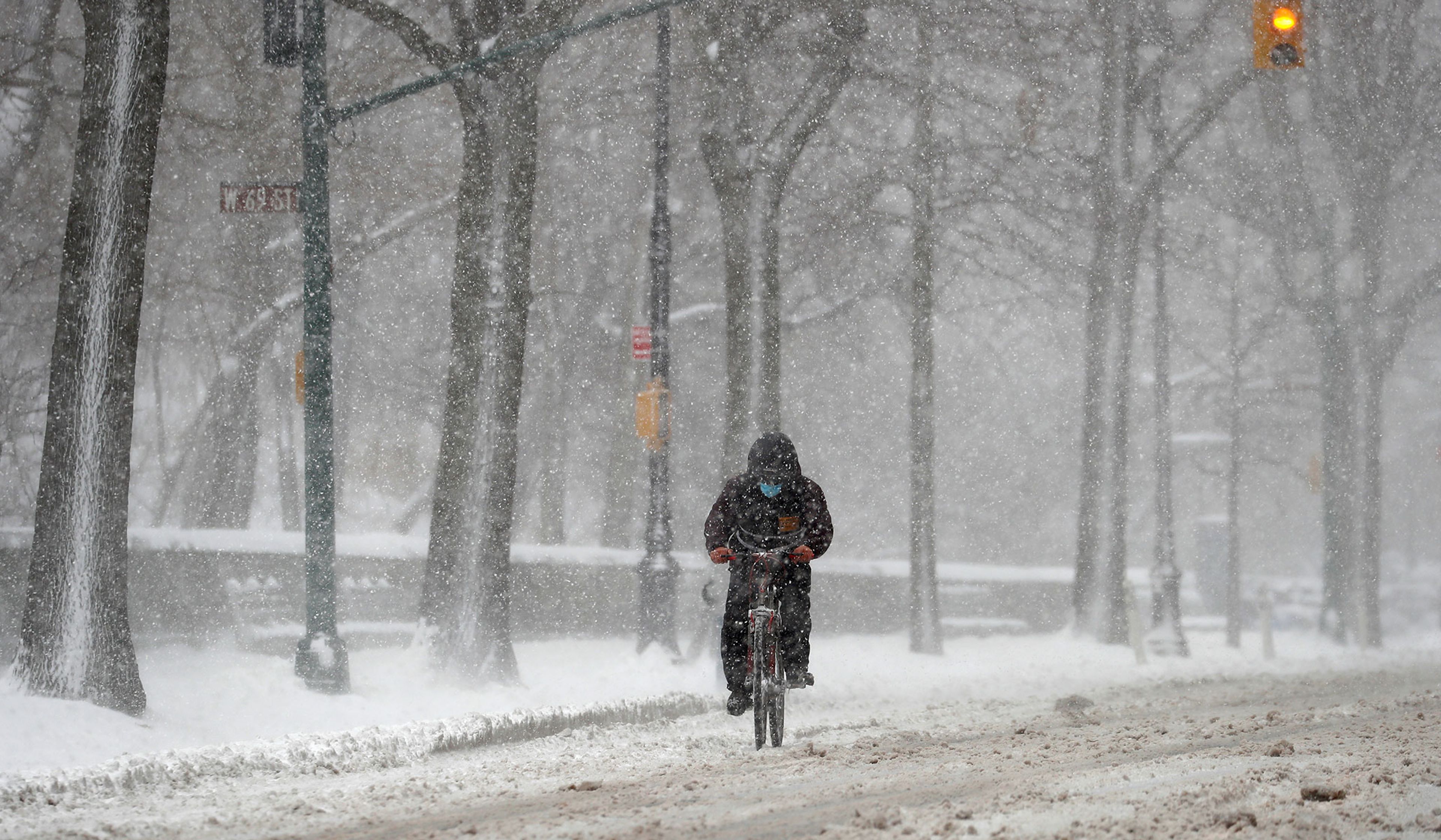
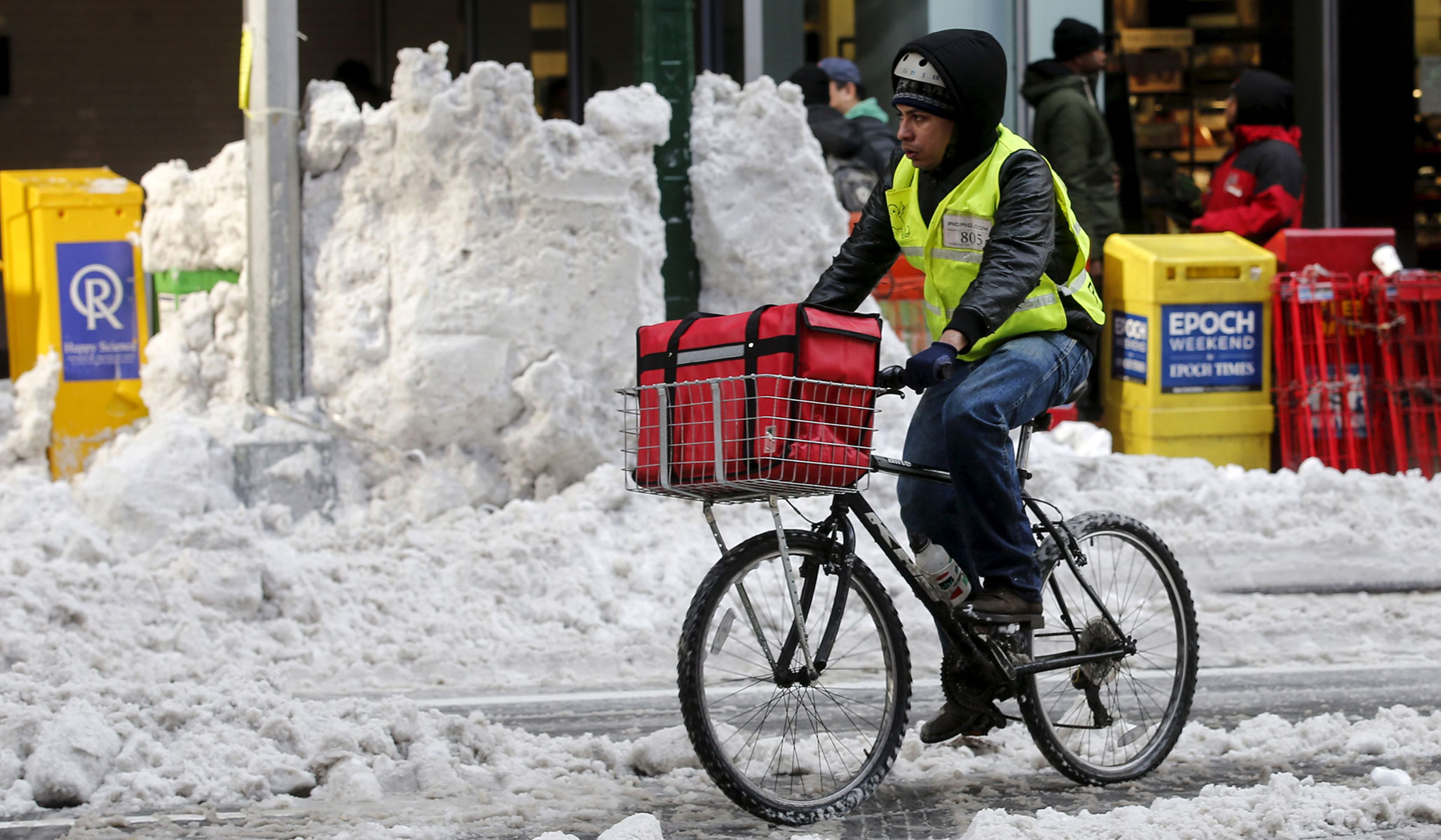
The workhorse motorized bikes of the deliverymen tend to have fat tires. They are powered by rechargeable batteries that sit along the seat tubes of their frames. The handlebars sport immense padded mittens to keep the hands of the drivers from destruction in cold weather. They can zip along at over 30 miles per hour, which would be footpace on the interstate but is pretty brisk on a city street.
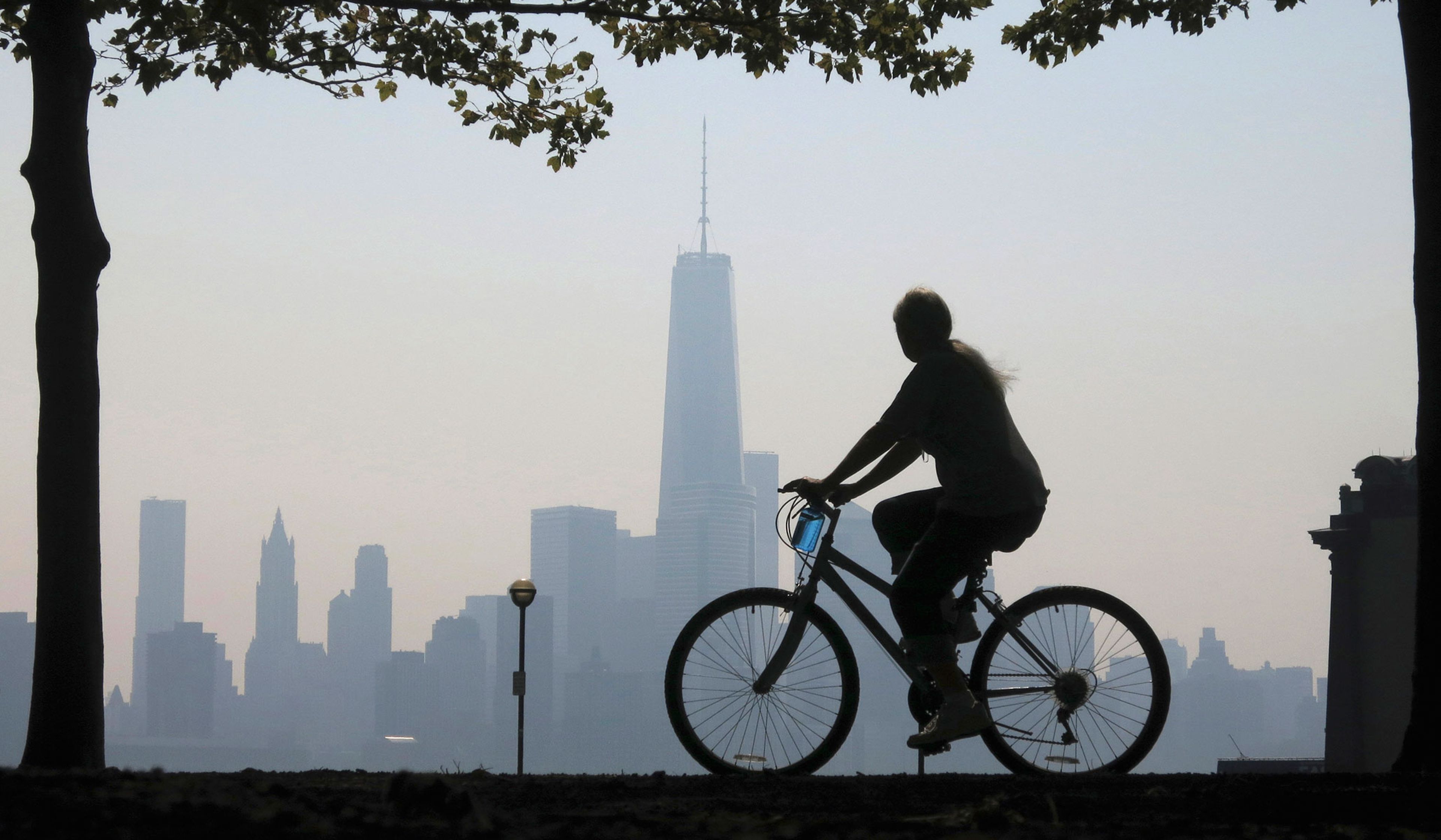
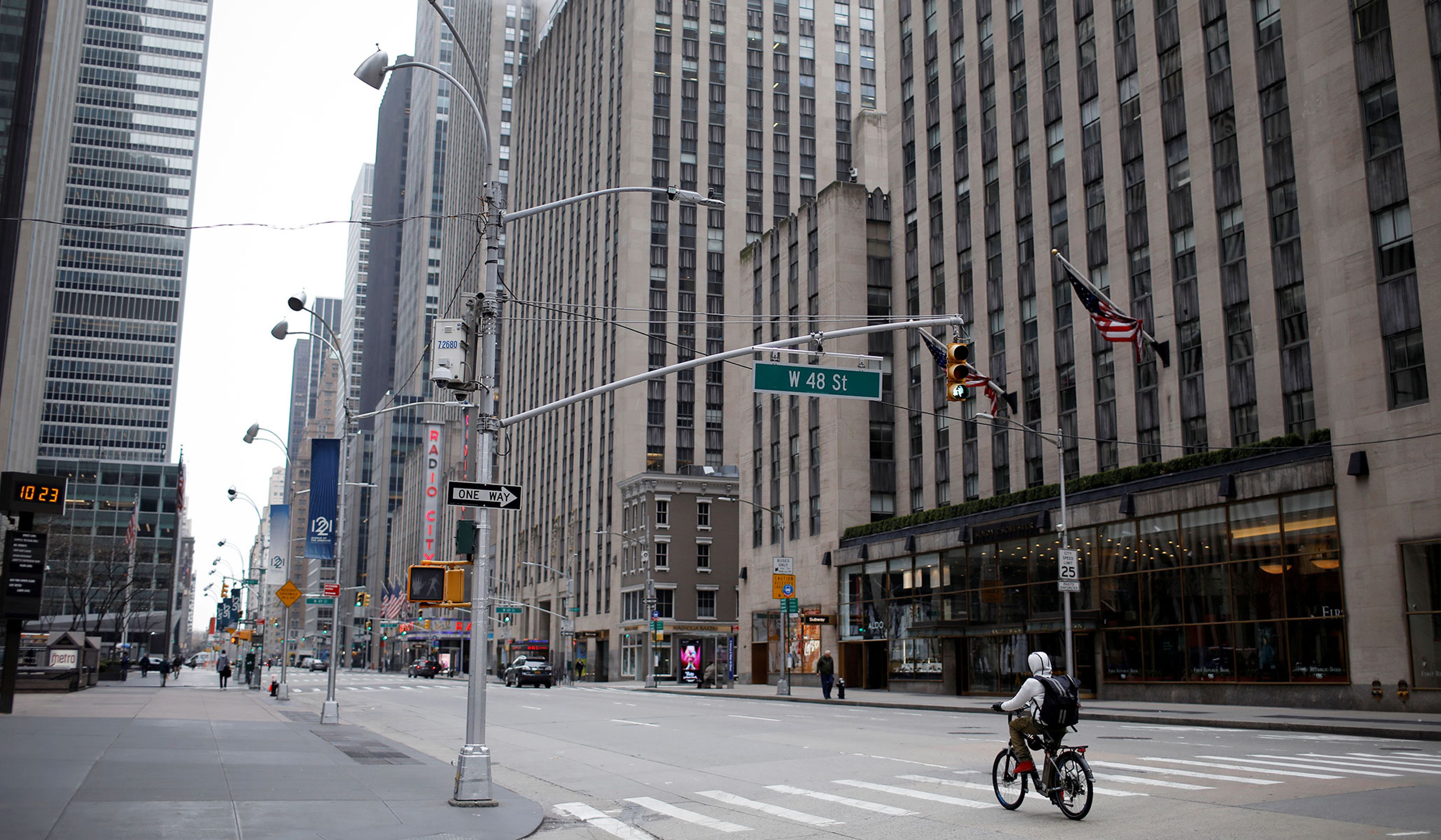
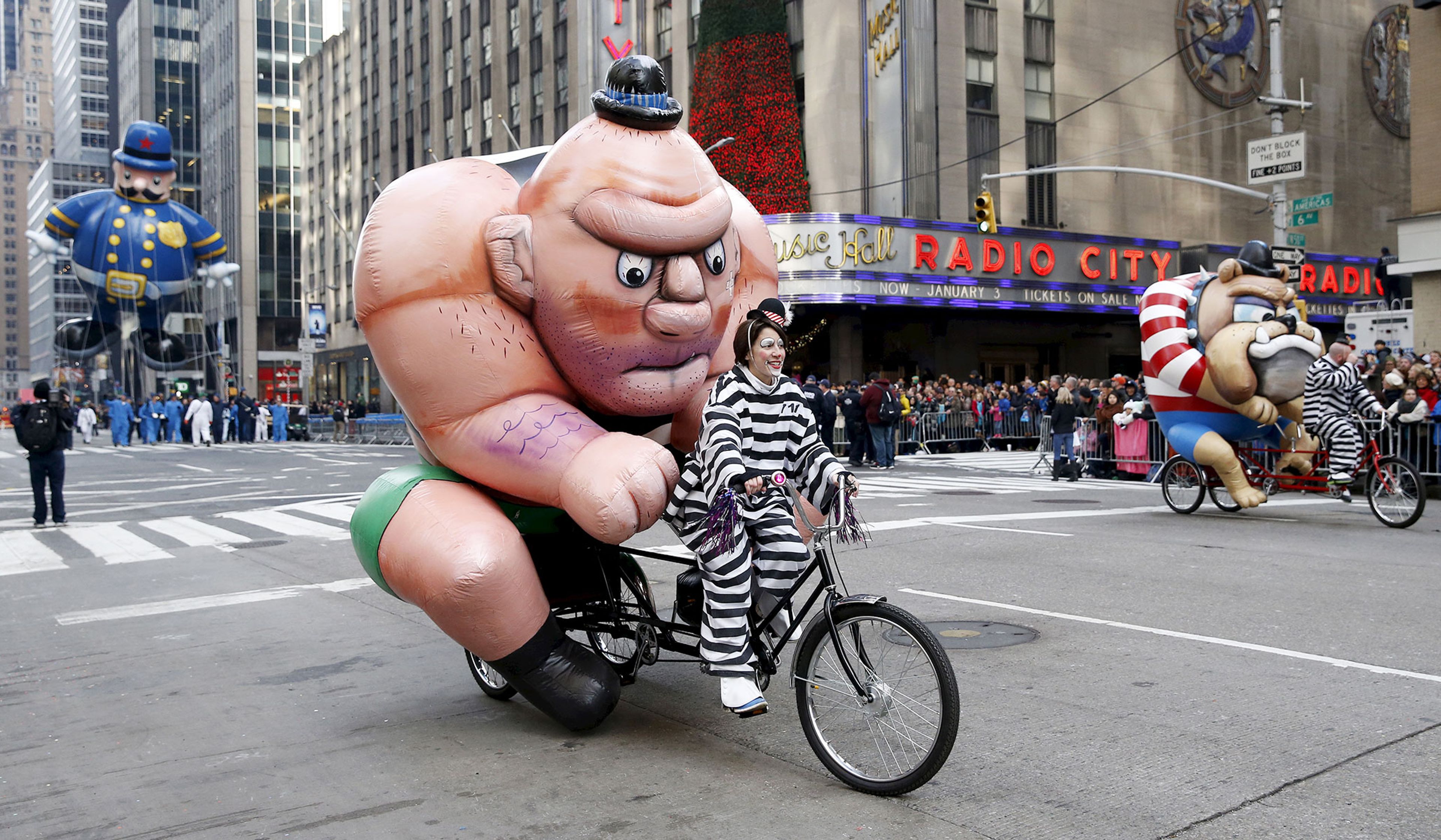
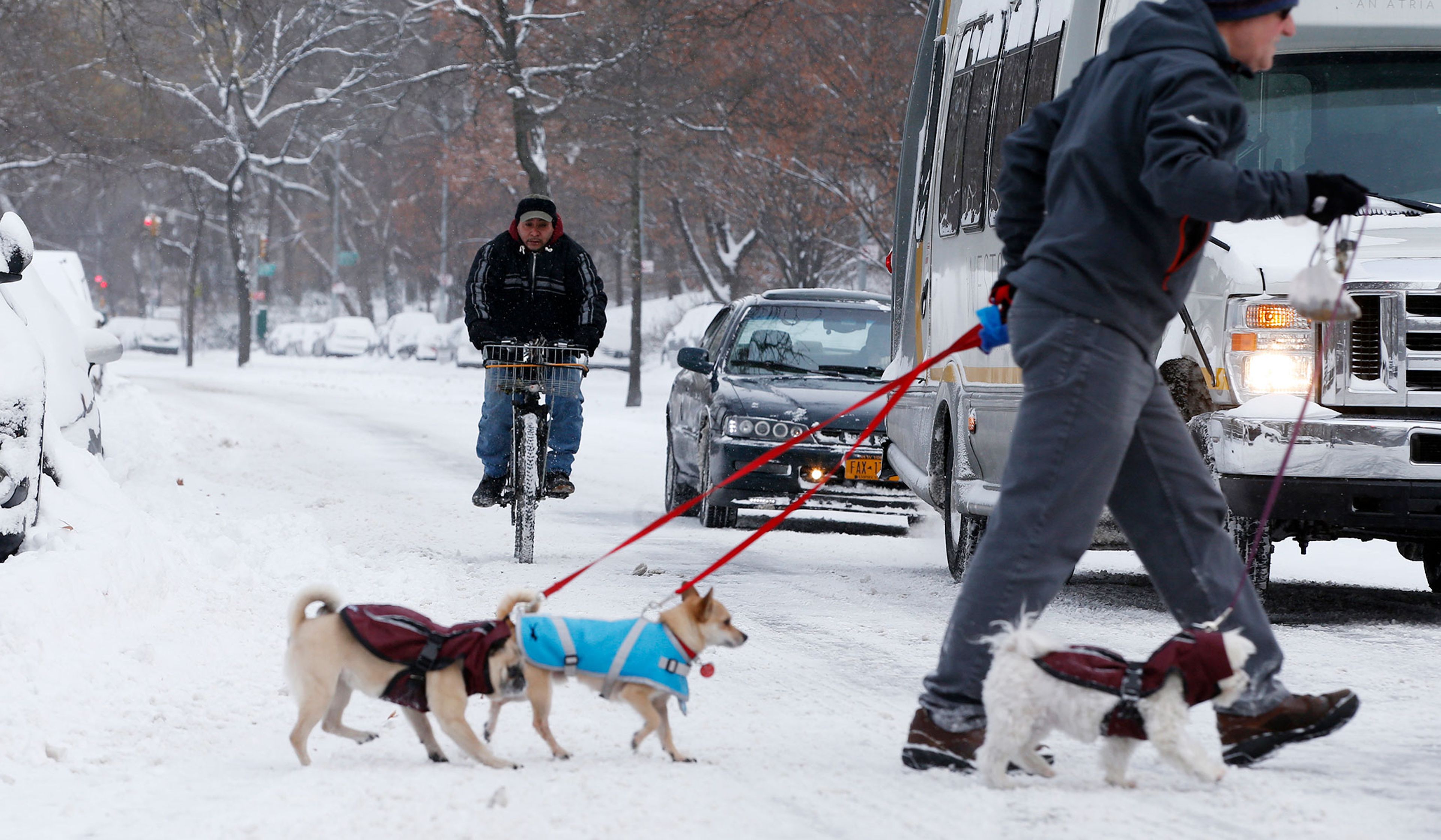
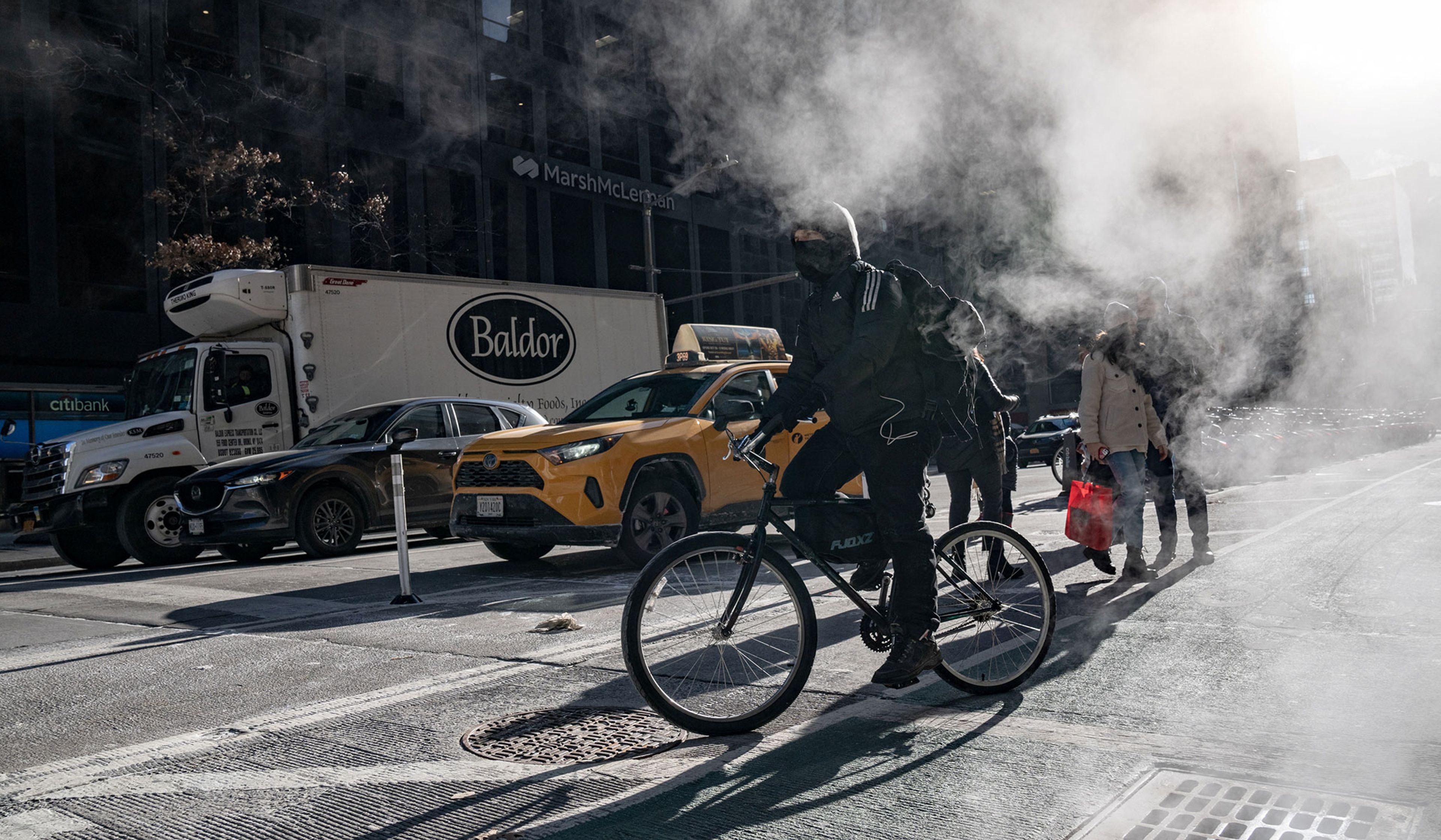
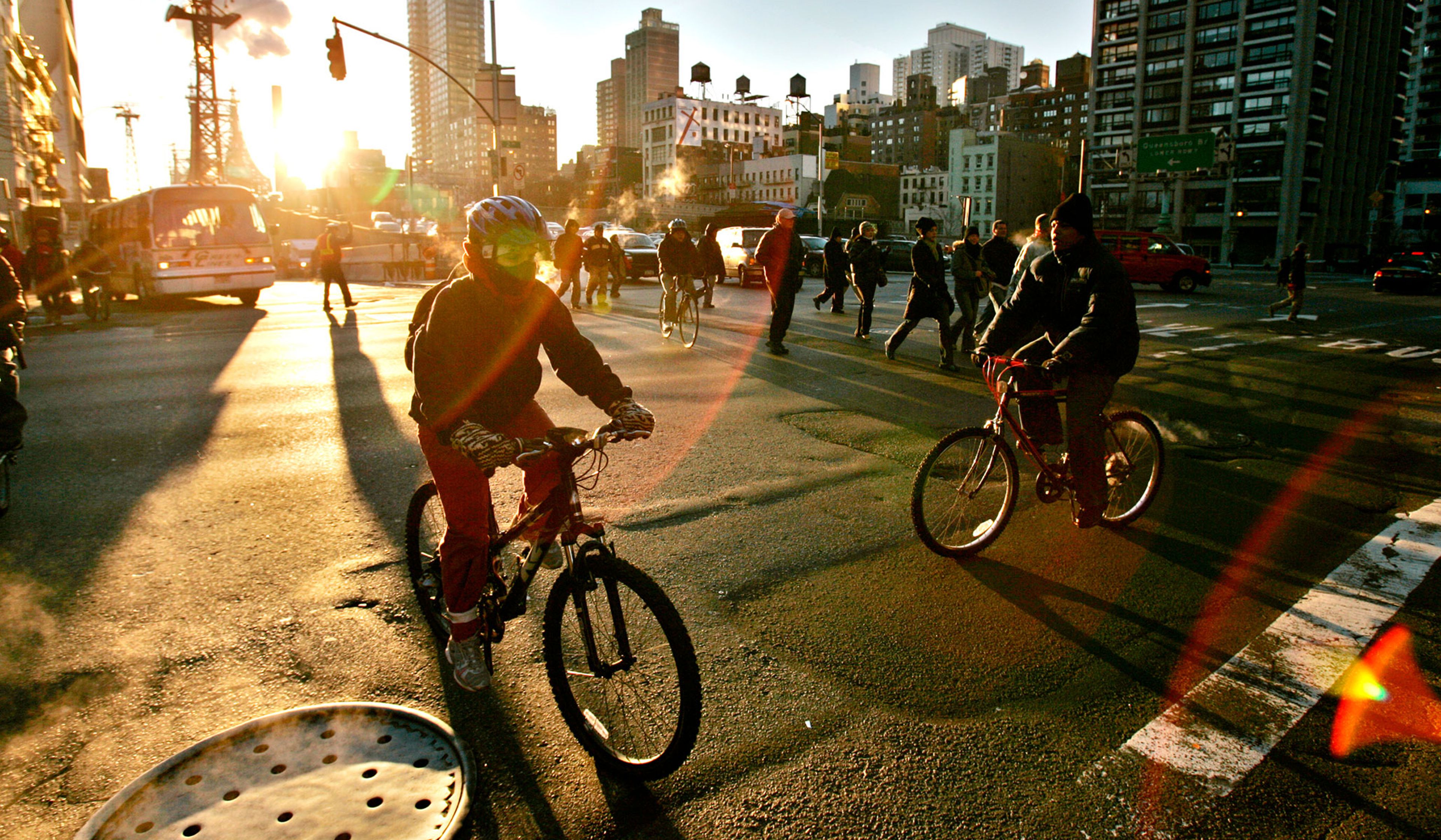
A woman rides her bicycle past the skyline of New York’s Lower Manhattan in a park along the Hudson River in Hoboken, N.J., September 11, 2013.
Gary Hershorn/Reuters
There is a repair shop around the corner from my apartment building, between the dry cleaner and the barbershop. In a nod to the mother tongue of the overwhelming majority of deliverymen, it advertises reparación de bicicleta and ventas de accesorios. Accesorios include the aforementioned mittens, and holders for locks, coffee cups, and flashlights. The shop repairs brakes, gears, and flat tires and offers general tune-ups, regular or luxe. In lulls before mealtimes the drivers congregate outside. When dusk and dinnertime come you see them, helmeted, insulated boxes strapped to their backs, striding down the hallways of your building, entering or exiting the service elevator. Outside they reign, buzzing, headlighted.
They share the streets with other upstart sovereigns. Whether it was because of the free pass granted the traditional bicycle or a general slackening of rules and regs caused by the pandemic and shifting political winds, the city’s streets are now alive with little vehicles. You see motorized skateboards, guided, if that is not too strong a word, by three-foot vertical handles. The chariots in Ben Hur look safer. You see motorized single wheels; honey, I forgot the board. Most fun for the drivers, if not for everybody else, are the scooters, especially when they drive mufflerless after midnight, extra especially when they travel in corps of 15 or 20. Yo old folks, you don’t have to sleep any more.
The impulse to bicyclize the urban roadscape was begotten by hostility to the automobile. Cars were polluting and congesting. There was a time, in the century before last, when it seemed as if bicycles might be the horseless vehicles of the future. The automobile, even in its rackety steam-driven form, won out. Now, with climate catastrophe upon us, was time to turn back the clock.
But the city prizes speed, and is no stranger to noise. So it was inevitable that the sedate bicycle would acquire a power source and be joined in the roadway free-for-all by bastard kin. They sound like an orchestra of insects tuning up, they look like a parade of creatures from the ark of Noah’s brother. Hey, nobody asked you to bring them! Our elders and our betters wanted us to look and be more like Amsterdam; they have made us instead more like Manila. Be careful what you ask for.











Comments