Harry Mountbatten Windsor had a difficult childhood. His parents’ marriage broke down when he was eight and his mother was killed in a car crash when he was 13. Sure, he was one of the richest children on earth, privileged with experiences and opportunities beyond the wildest dreams of most of us. But fame and fortune are small consolations for death and divorce.
If, as a teenager, Prince Harry had written a tell-all memoir claiming the world was against him, this reviewer would have been sympathetic. Most adolescents fall short in maturity and magnanimity, and I would have tried to overlook whatever self-pity and distortions the book contained, focusing instead on the bad influences that encouraged him to humiliate himself so publicly. The trouble is that, in publishing his memoir Spare — a book steeped in unironic melodrama, pettiness, resentment, and mendacity — Prince Harry was not age 13 but 38.
A major villain in Spare is the press, which he portrays as having conspired to damage his reputation his whole life. Even if his low estimate of the intentions of journalists were true, it would not be clear what power they had. In opinion polls, the prince enjoyed a consistently high approval rating among Britons for decades. This high esteem continued after he announced his engagement to the American actress and divorcée Meghan Markle. Seventy percent of the British public supported them. That high standing began to plummet only after the couple decided in 2020 to “step back” from their role as senior royals and leave the U.K. By the time Spare was published, more than half the country had a negative view of them.
Harry says it was the press and the way the royal family and Britain sided with it that left him and his wife with no alternative but to emigrate. In the prologue, he promises to explain just how this happened. The story begins at Frogmore Gardens by Windsor Castle, a few hours after Harry’s family had laid his grandfather, the duke of Edinburgh, to rest in April 2021. Harry sets the scene: His brother, William, is scowling at him; his father, Charles — later King Charles III — is visibly nonplussed. According to Harry, both are displaying “staggering” ignorance of why he and Meghan “fled” Britain, ultimately for California. What’s rather more staggering, however, is that Harry doesn’t think to offer some necessary context: the bombshell Oprah interview, released one month before, in which the couple complained that someone in the royal family had expressed arguably racist remarks about their unborn child.
In Harry’s narrative, what drove him and Meghan away was their unjust treatment by the family, and yet the details he provides point more toward his jealousy. He writes:
Balmoral had fifty bedrooms, one of which had been divided for me and Willy. Adults called it the nursery. Willy had the larger half, with a double bed, a good-sized basin, a cupboard with mirrored doors, a beautiful window looking down on the courtyard, the fountain, the bronze statue of a roe deer buck. My half of the room was far smaller, less luxurious. I never asked why. I didn’t care. But I also didn’t need to ask. Two years older than me, Willy was the Heir, whereas I was the Spare.
This is nothing out of the ordinary; many families hand out privileges based on age. Moreover, the reader’s attention is immediately grabbed by the fact that he is describing a famous and massive royal residence. Even the “smaller, less luxurious” half of the room was unlikely to be Harry Potter’s cupboard under the stairs.
Normal childhood experiences are repeatedly funneled through Harry’s resentment. When Harry began school, he says, William told him not to talk to him there. Again, anyone with older siblings can relate to this. But Harry finds no peace in perspective. Later, when they are adults, he believes that his brother displayed insufficient sensitivity. As he was having a panic attack, for instance, his brother made a joke about his sweating. It’s true that brothers sometimes don’t show us the tenderness we feel we deserve. But does that justify cutting them out of our lives?
Whatever wrongs that Harry accuses William of committing against him are outweighed by Harry’s cruel treatment of him in the memoir and in media interviews. Harry feels no compunction in discussing his brother’s “alarming baldness, more advanced than my own” or in detailing private conversations and a physical altercation in which, Harry says, William “knocked” him “to the floor.”
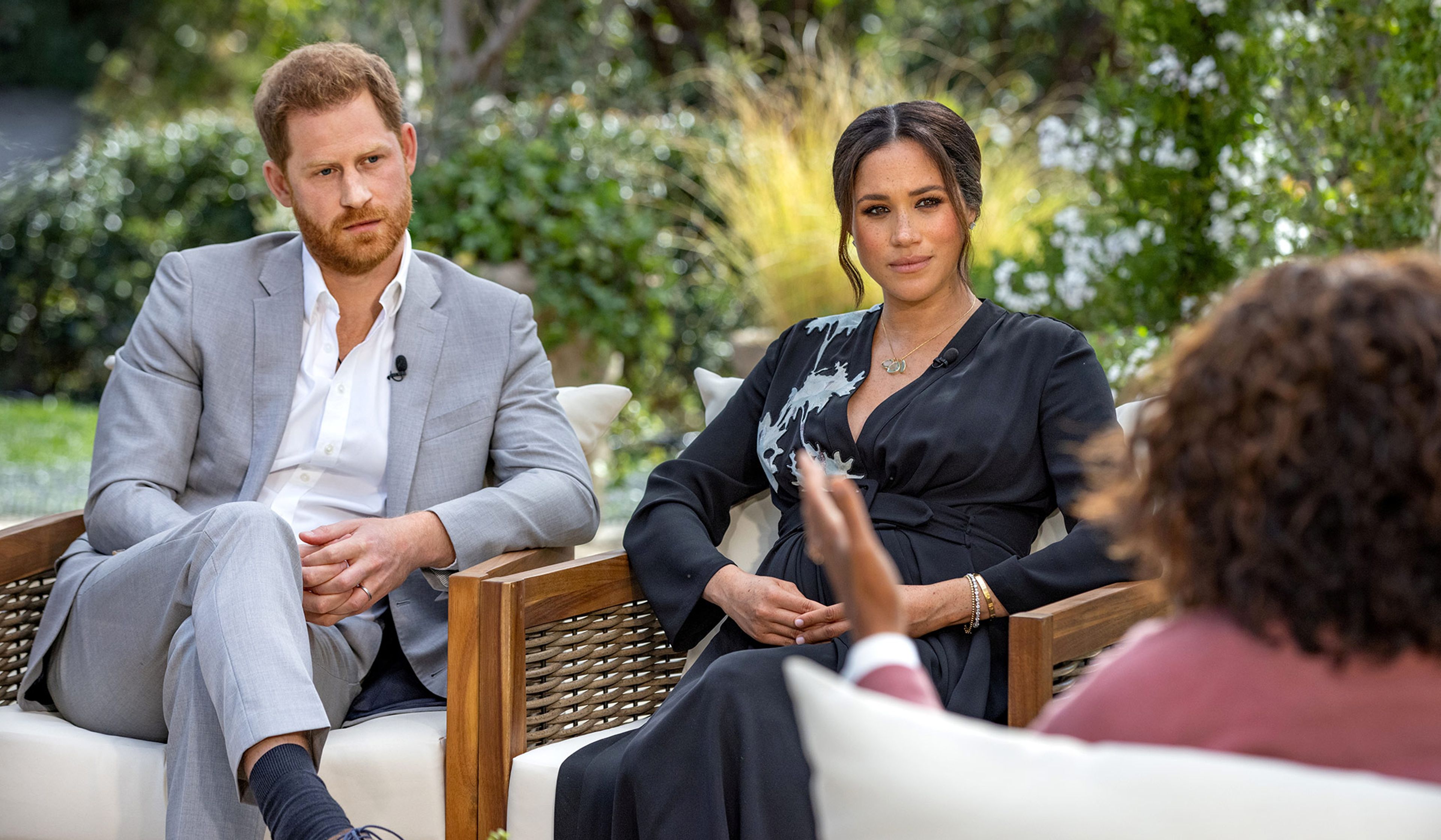
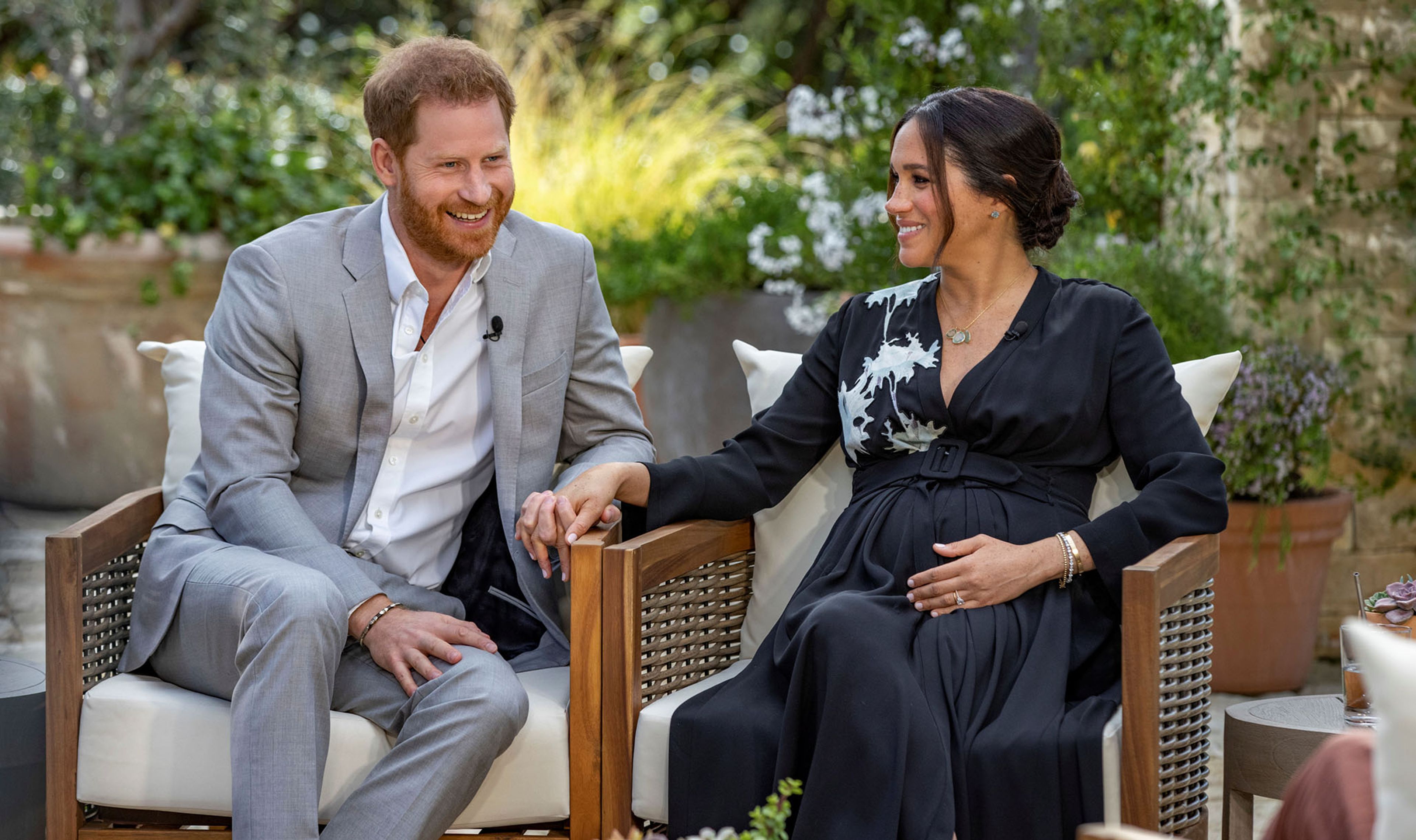
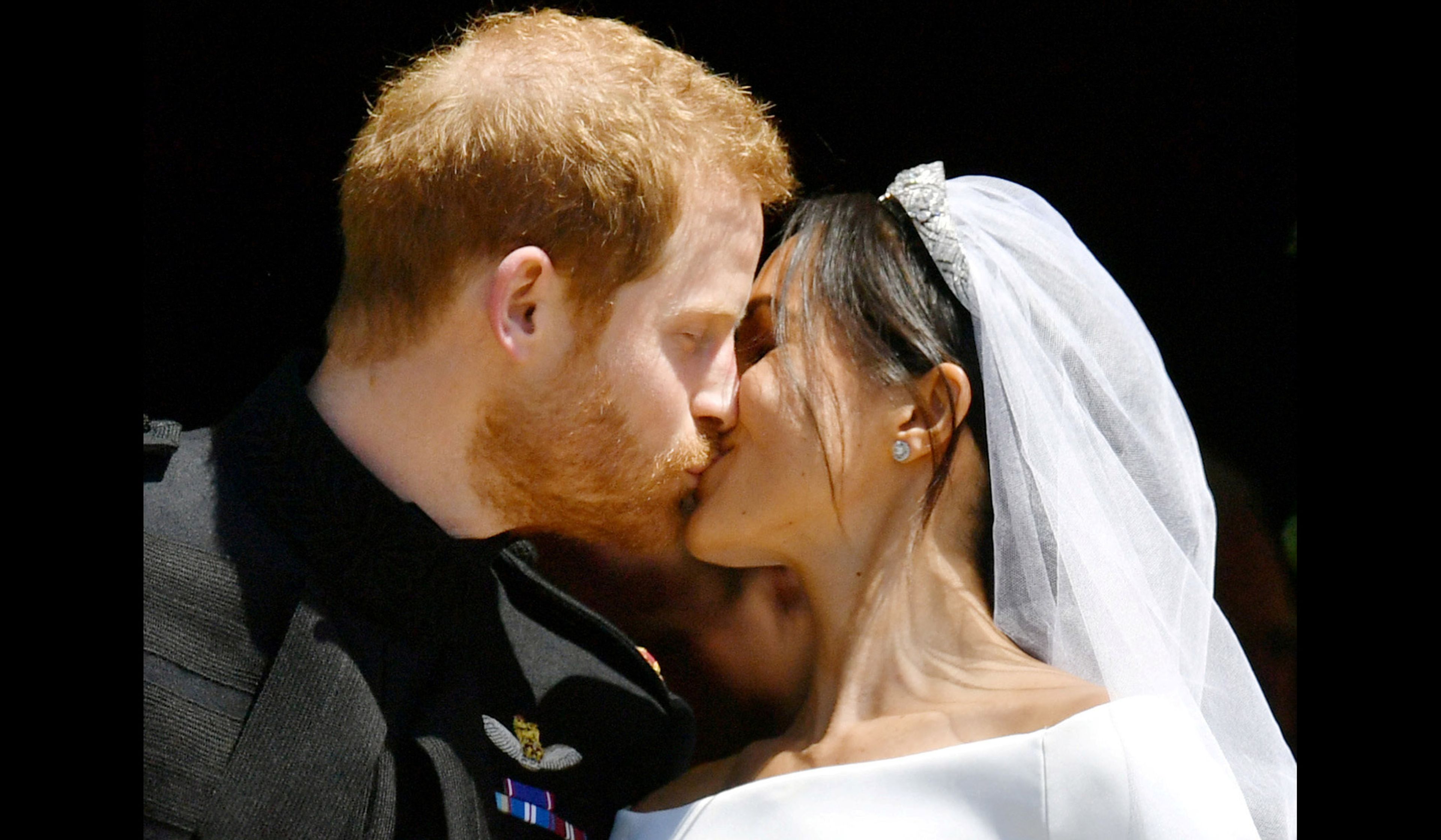
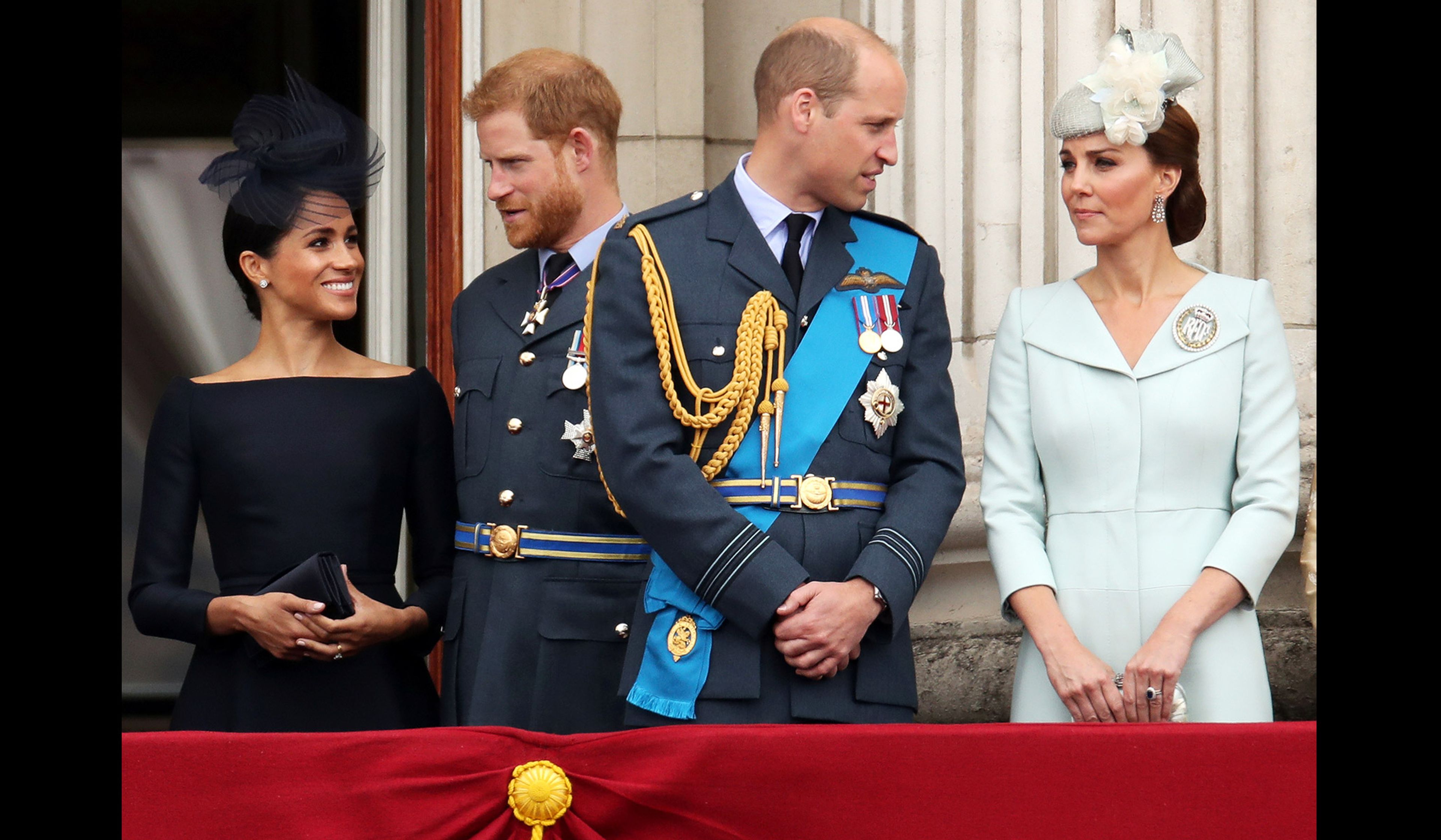
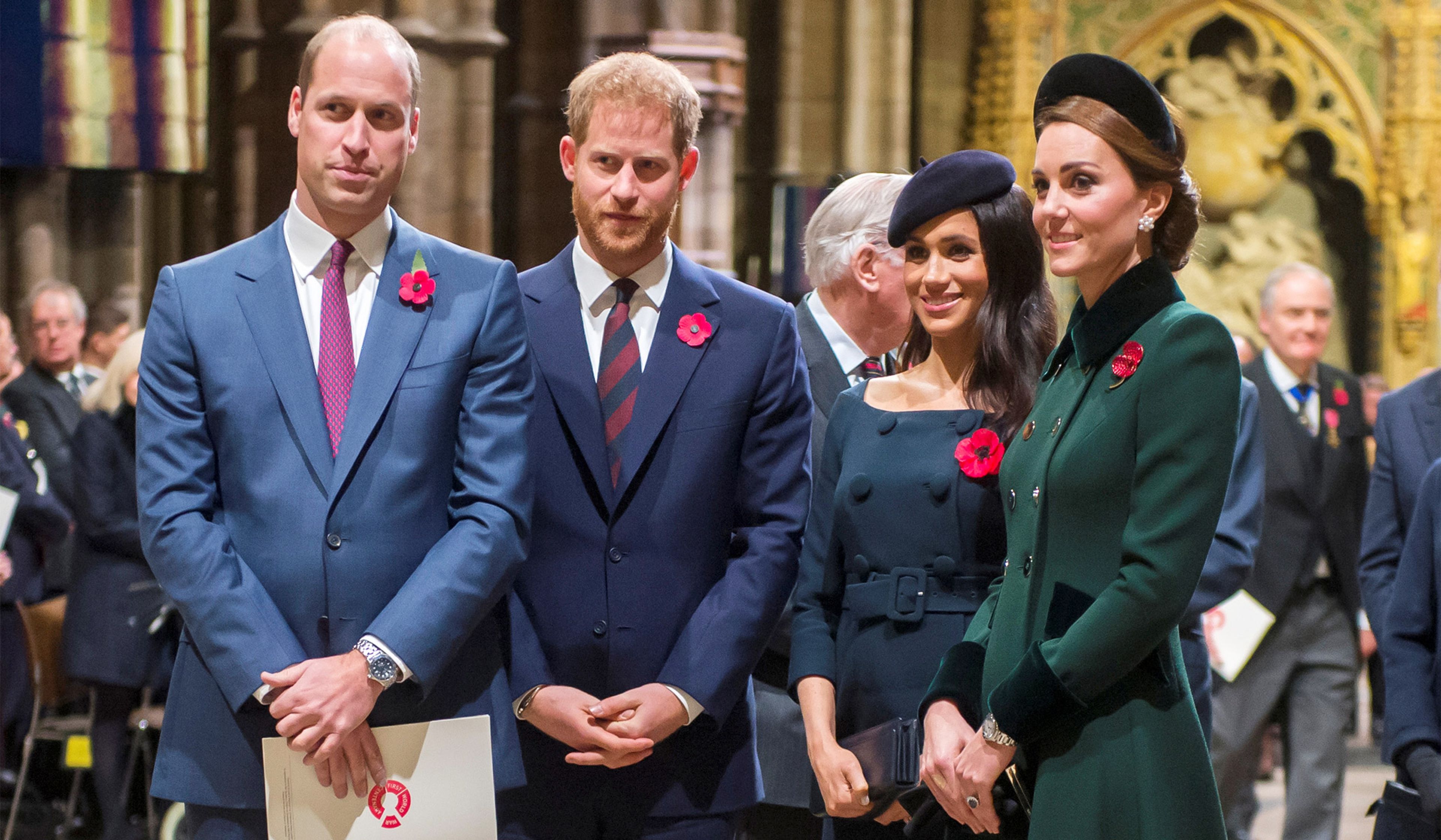
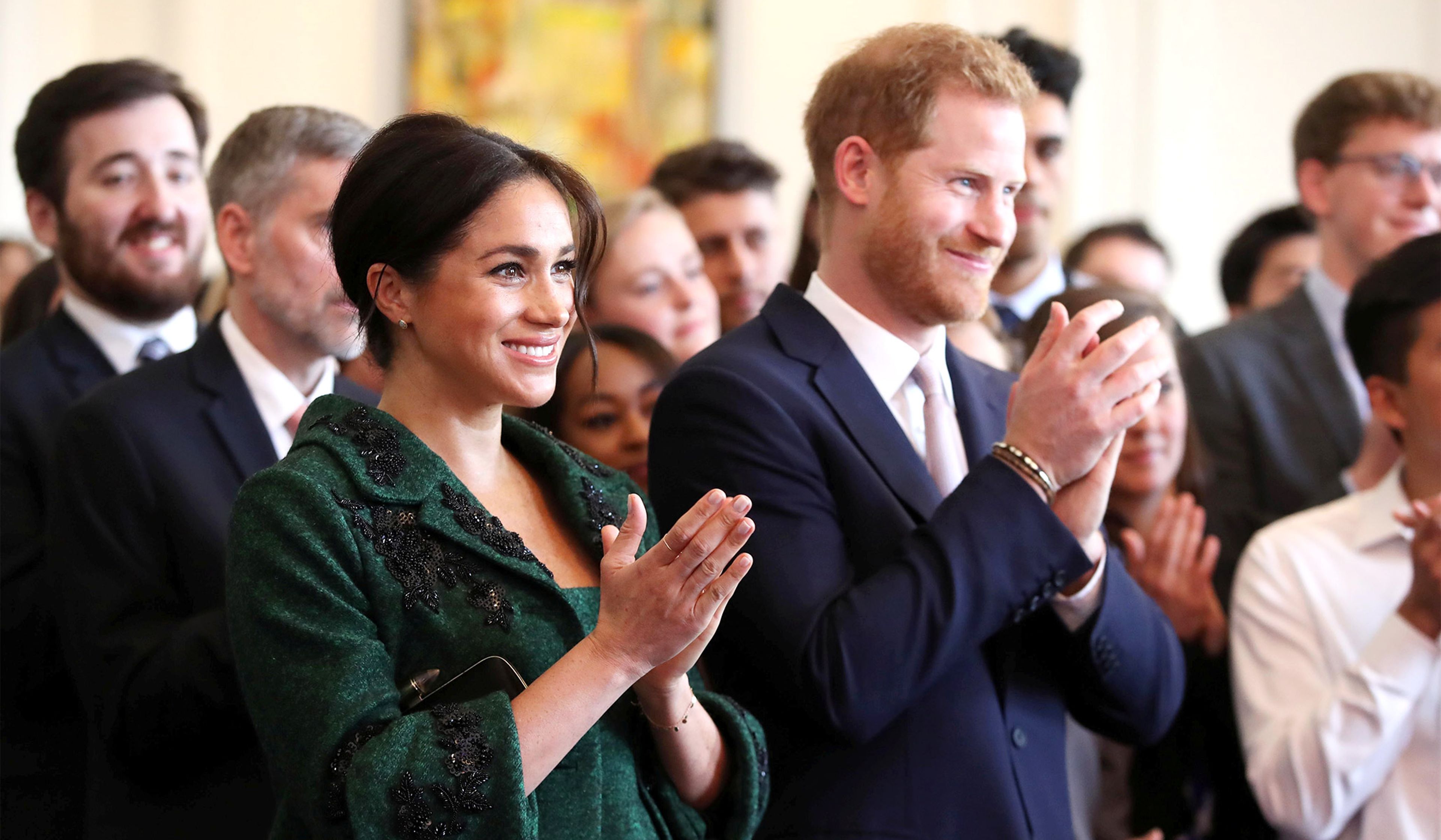
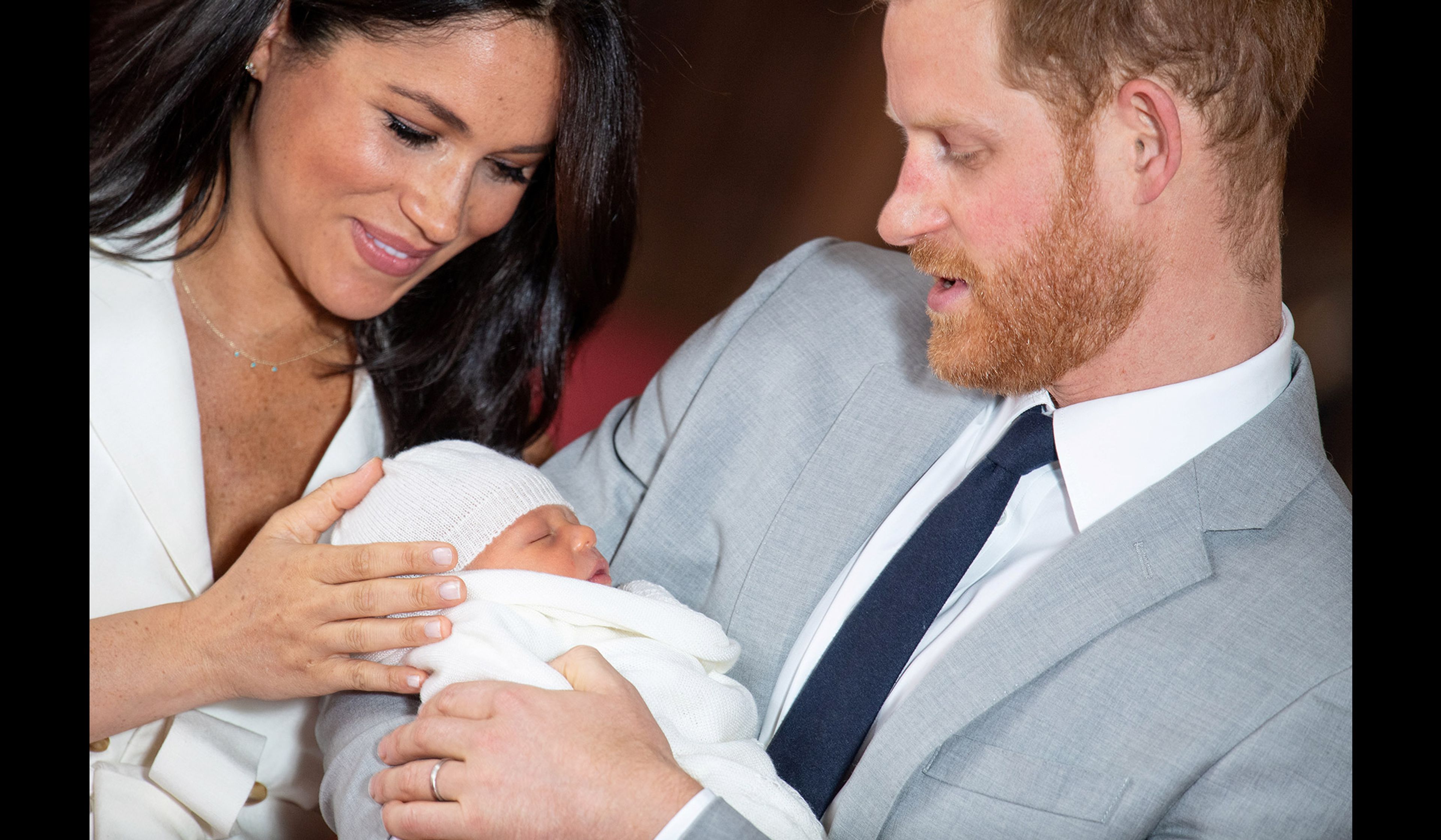
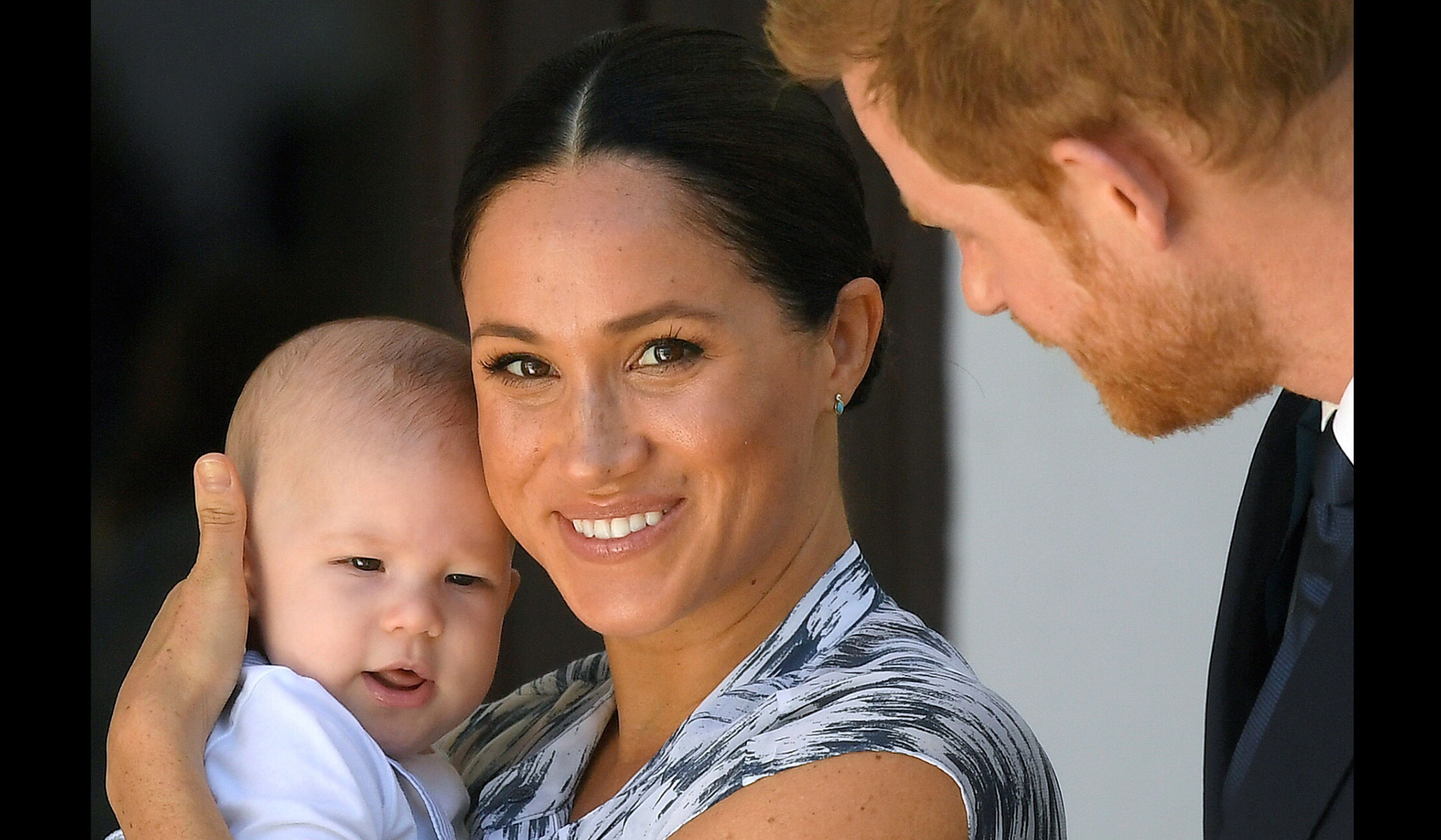
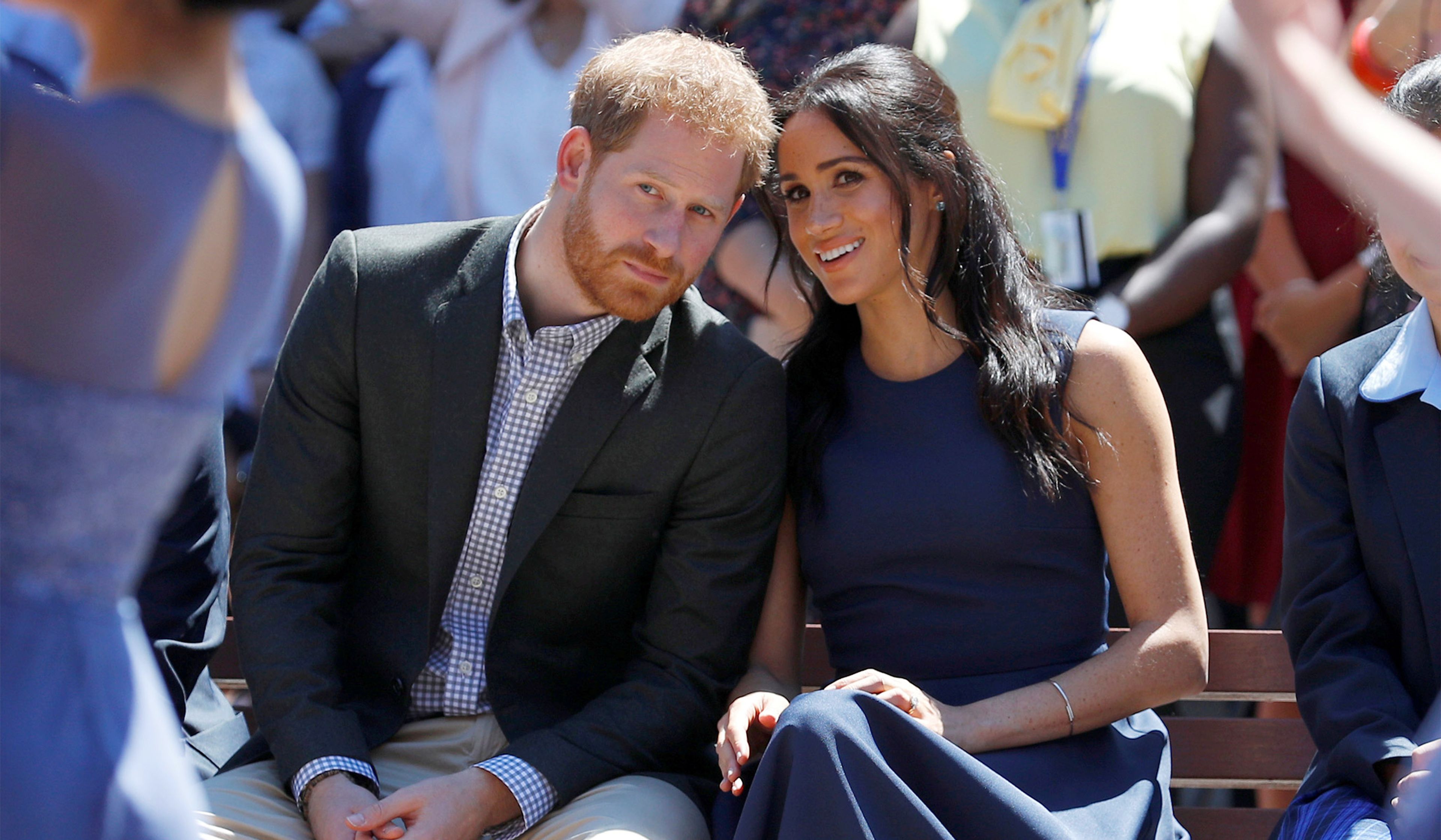
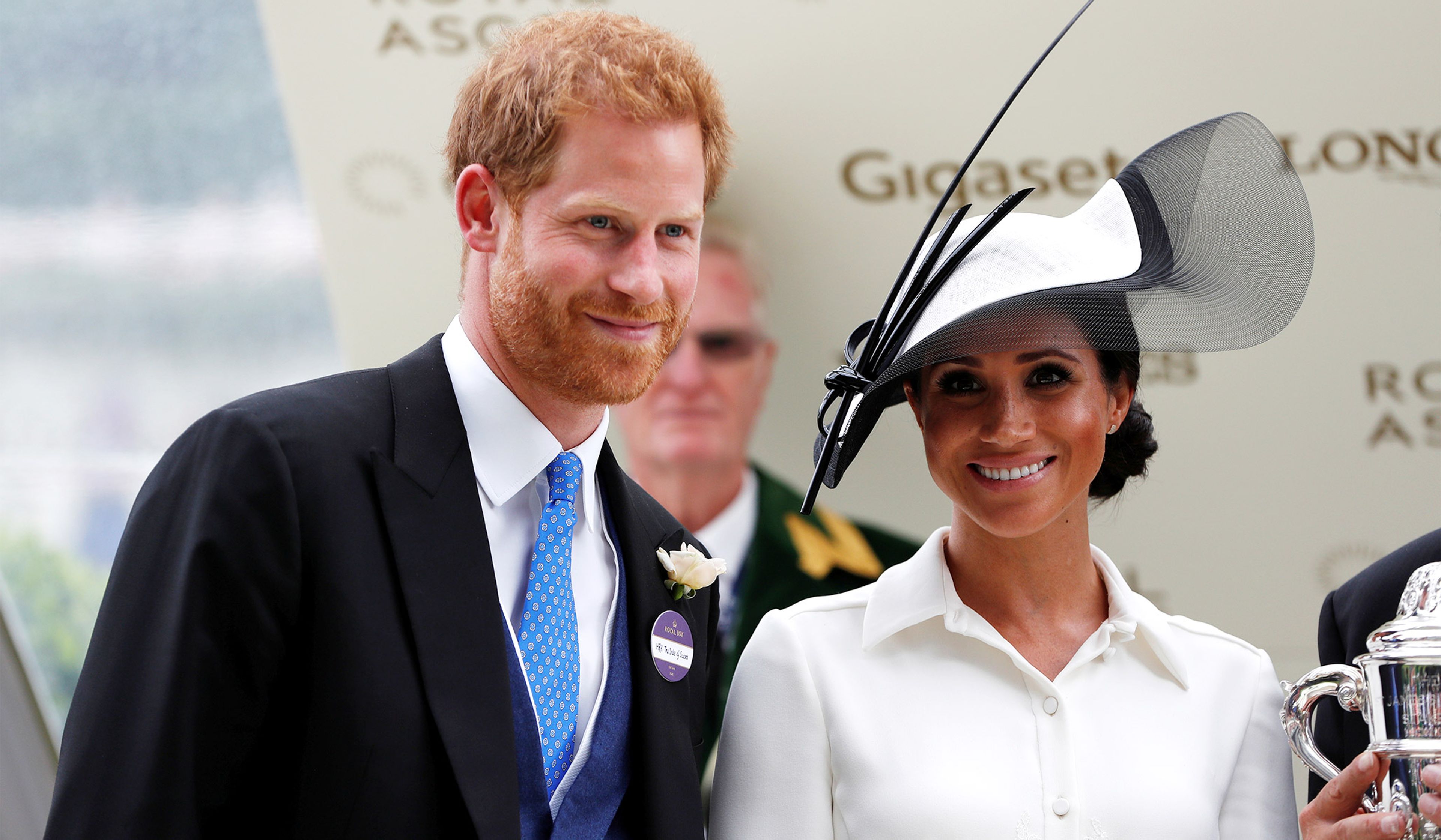
Britain’s Prince Harry and Meghan, Duchess of Sussex, during an interview by Oprah Winfrey.
Harpo Productions/Joe Pugliese/Handout via Reuters
Harry’s story of injustices inflicted on him sometimes collapses into sheer spitefulness, as when he recalls the notorious “Nazi uniform” episode. He dressed as a Nazi for a costume party and the press got hold of pictures. He was 20. Harry begins his account by stressing his new, woke-inspired mea culpa. He realizes now that he had a failure of “self-education.” (Elsewhere, he laments his youthful ignorance of “unconscious bias.”) But his taking full responsibility is diminished by his mention that Kate and William “howled with laughter” and encouraged him to wear the outfit.
Harry recalls every unfair headline, every spurious story ever concocted by journalists. But the average Briton does not share his interest. For years, the prevailing attitude toward Prince Harry among the public was that he was a lovable idiot. Spare alters at least half of that narrative but, alas, doesn’t improve his reputation.
Another purpose of the memoir is to establish Harry’s newfound sense of purpose, to which end he examines insecurities and weaknesses of his in embarrassing detail. As a young man he experimented with drugs. He tried cocaine. Once, while smoking weed as a schoolboy at Eton, he saw a fox who “seemed like a messenger, sent to me from some other realm.” Why is he telling us this? Philosophy, of course. “All the great seers and philosophers say our daily life is an illusion. I always felt the truth in that. But how reassuring it was, after nibbling a mushroom, or ingesting ayahuasca, to experience it for myself.”
Harry, who described himself as “not really big on books,” chose to join the military and did two tours in Afghanistan, where — he controversially informs us — he killed 25 members of the Taliban. Is Harry a reliable narrator? He tells us:
Whatever the cause, my memory is my memory, it does what it does, gathers and curates as it sees fit, and there’s just as much truth in what I remember and how I remember it as there is in so-called objective facts. Things like chronology and cause-and-effect are often just fables we tell ourselves about the past.
He begins the book with an epigraph: The past is never dead. It’s not even past. Which might have been effective, had he not also told us that he was “thunderstruck” when he “discovered that quotation not long ago on BrainyQuote.com” and “thought, Who the fook is Faulkner? And how’s he related to us Windsors?”
The most unmissable failing of the book is Harry’s hypocrisy. He claims that the press ruined his happiness by violating his privacy, and then he shares stories about others that are far more damaging than anything that journalists have ever revealed, or ever could. The loss of his virginity, for instance, is discussed in such excruciating detail that the tabloids were subsequently able to identify his sexual partner and invite her to comment.
Harry’s disregard for family loyalty is callous. He tells us that his father begged him and William, “Please, boys — don’t make my final years a misery.” And how his brother swore on their dead mother that “I just want you to be happy.” Harry says he “simply didn’t believe him” but doesn’t say why.
Spare is a betrayal of family, of country, and above all of self. The book may make Harry richer. But neither its shock value nor the lucre it has earned him can last forever. Harry may get what he wanted: The press may lose interest. Maybe only then — in the quiet ruins of his life — will he realize what he’s done.












Comments