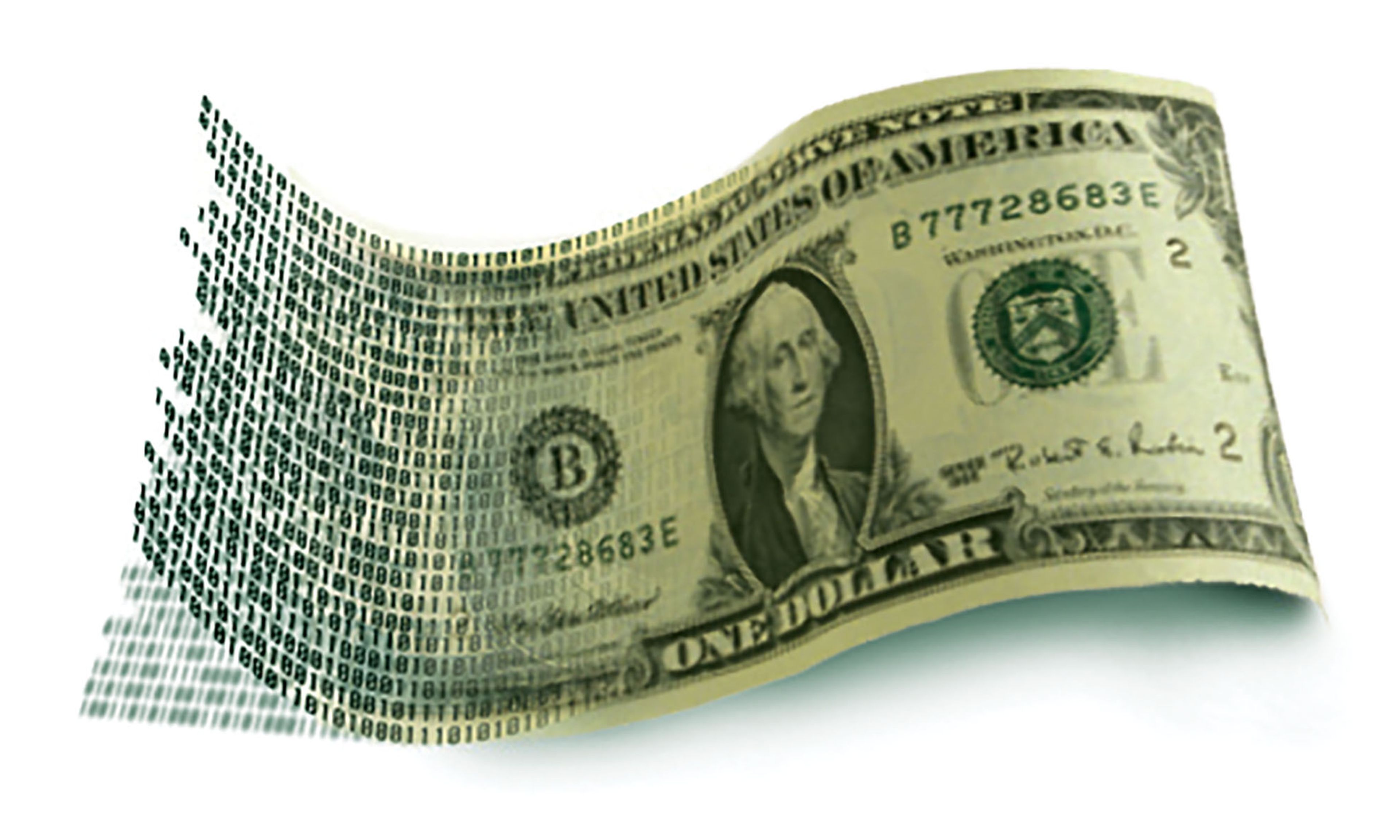
Governor DeSantis came out against the Digital Dollar the other day. He doesn’t like it and doesn’t want it in Florida. You expected the Left or the Lincoln Project — but I repeat myself — to accuse him of additional authoritarianism. He doesn’t want people to use digital money to buy a biography of Rosa Parks! It didn’t quite square with Donald Trump’s social-media posts about DeSantis as a Globalist Tool, since digital currency is literally a globalist tool, but give the ex-pres a few days and he’ll insist he was banning digital dollars long ago while DeSantis shut down the beaches in 2020 with private mercenaries who sang a loyalty oath to Fauci each morn.
The statement came out of nowhere and didn’t get a lot of attention. It might have confused people who thought we already had a digital dollar, inasmuch as everything’s on a card or a phone these days. I mean, when you pay someone with the Venmo app, it doesn’t shoot a microscopic string of paper molecules that get sucked into the other phone and reconstitute themselves as an actual bill that you pull out of a slot.
The digital dollar is different. As a White House press release put it, “a United States central bank digital currency (CBDC) would be a digital form of the U.S. dollar.” Oh! Got it. Also, the digital dollar should be “sustainable” and not, like the computer farms that mine Bitcoin, churn out so much carbon. Unsustainable debt, that’s no problem, but money that tips the climate into a boiling hellscape, that’s a real concern. Best of all, it would “expand equitable access to the financial system.” Ah, “equity,” the salt without which no policy dish is complete.
The press release insisted that the CBDC would also “preserve the role of physical cash, and only collect data that is strictly necessary.”
Uh-huh.
You know how it will proceed.
Step 1: All right, you dumb hicks, you Luddite god-bothering Klaus Schwab–hating morons who probably throw away a $20 bill if it has three consecutive sixes in the serial number, don’t worry, you can still have cash if you want to stuff a few ones in Brandyne’s G-string down at the Daddy Sugar Gentleman’s Club. Anyway, stores could give you idiots Chuck E. Cheese tokens in change and you wouldn’t notice, and if you did you’d think there might have been a rodent president back in the past, things were looser then.
Step 2: Actually, cash will be phased out in five years to prevent criminals from using it. You’re not a criminal, are you? No, this doesn’t mean we’ll also mandate kill switches in electric cars to keep crooks from fleeing.
Step 3: Don’t worry, no one’s tracking your purchases to flag things like guns or alcohol or kill-switch-disabler kits, and it’s not as if your purchase of some cigars goes right into your Obamacare database to influence your ranking in the priority of people who’d get treatment for Covid-31. Not that we know anything about Covid-31! It’s just a made-up example.
Step 4: This letter is to inform you that your phone sent the location of a cigar shop to the National Wellness Database and a transaction was recorded. While the phone does not place you inside the store, it is likely you engaged in a straw purchase of cigars, and hence your mandatory Obamacare-premium increase is contingent upon your vaccination for Covid-31, Cromulent variant.
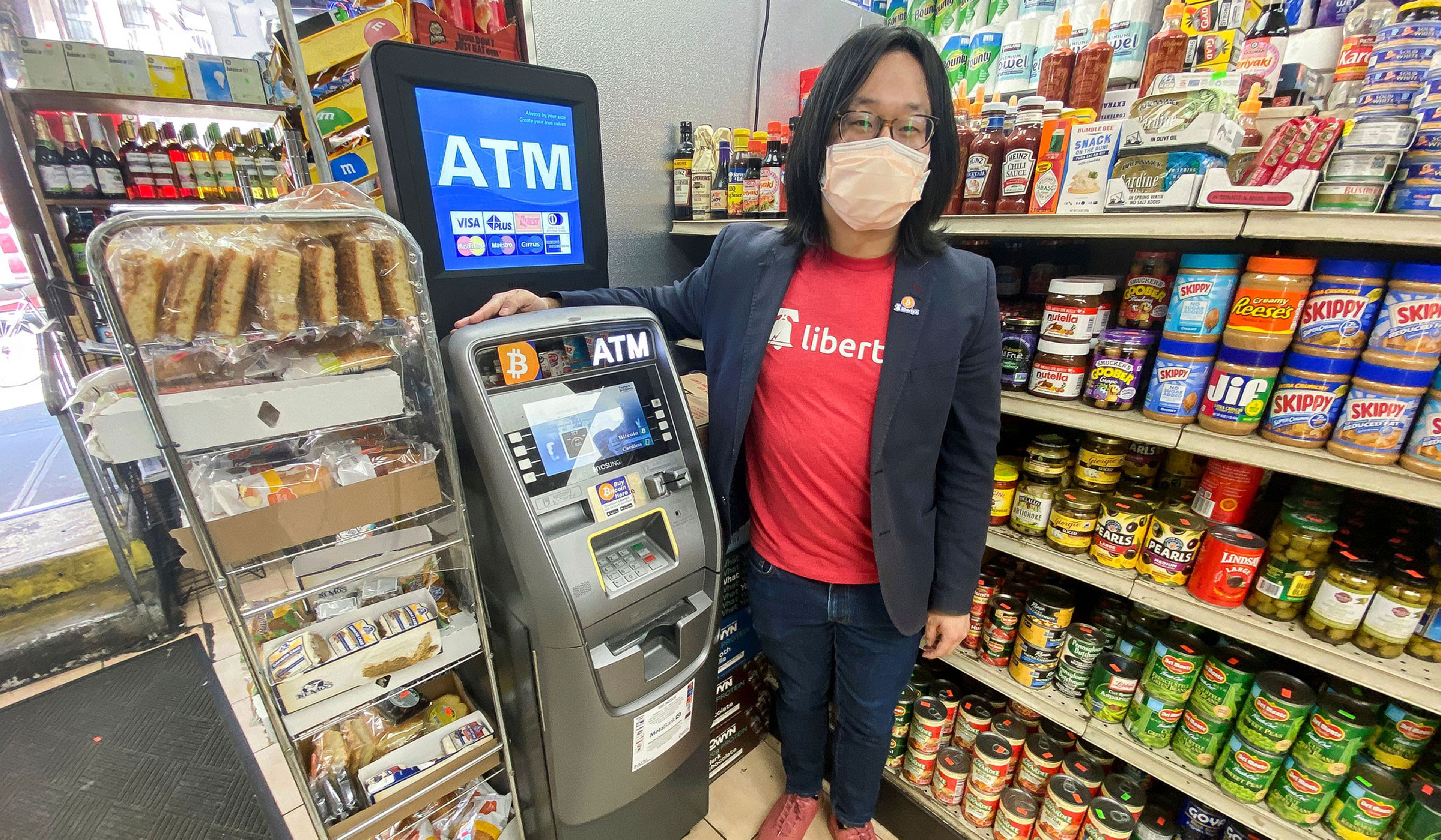
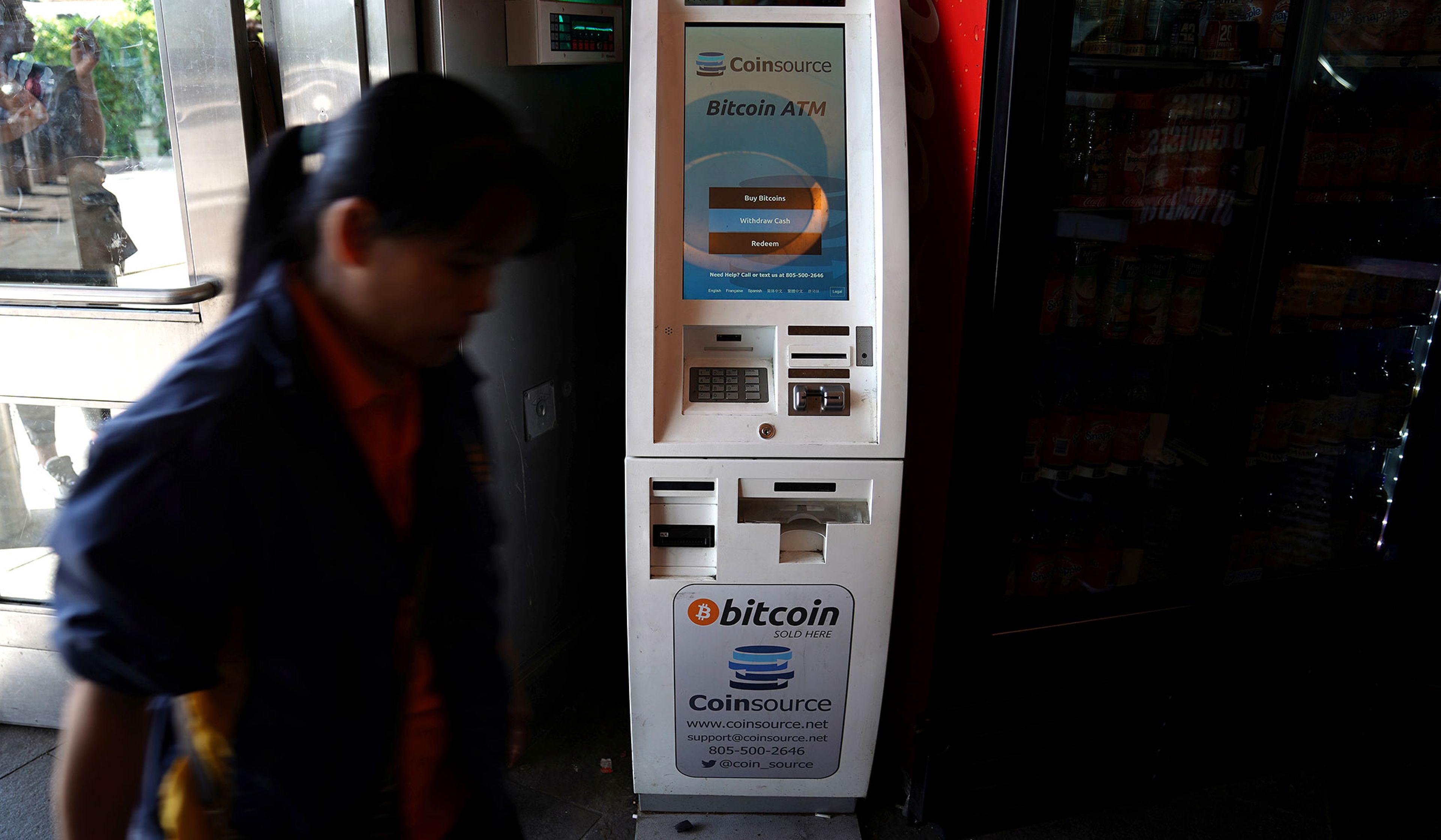
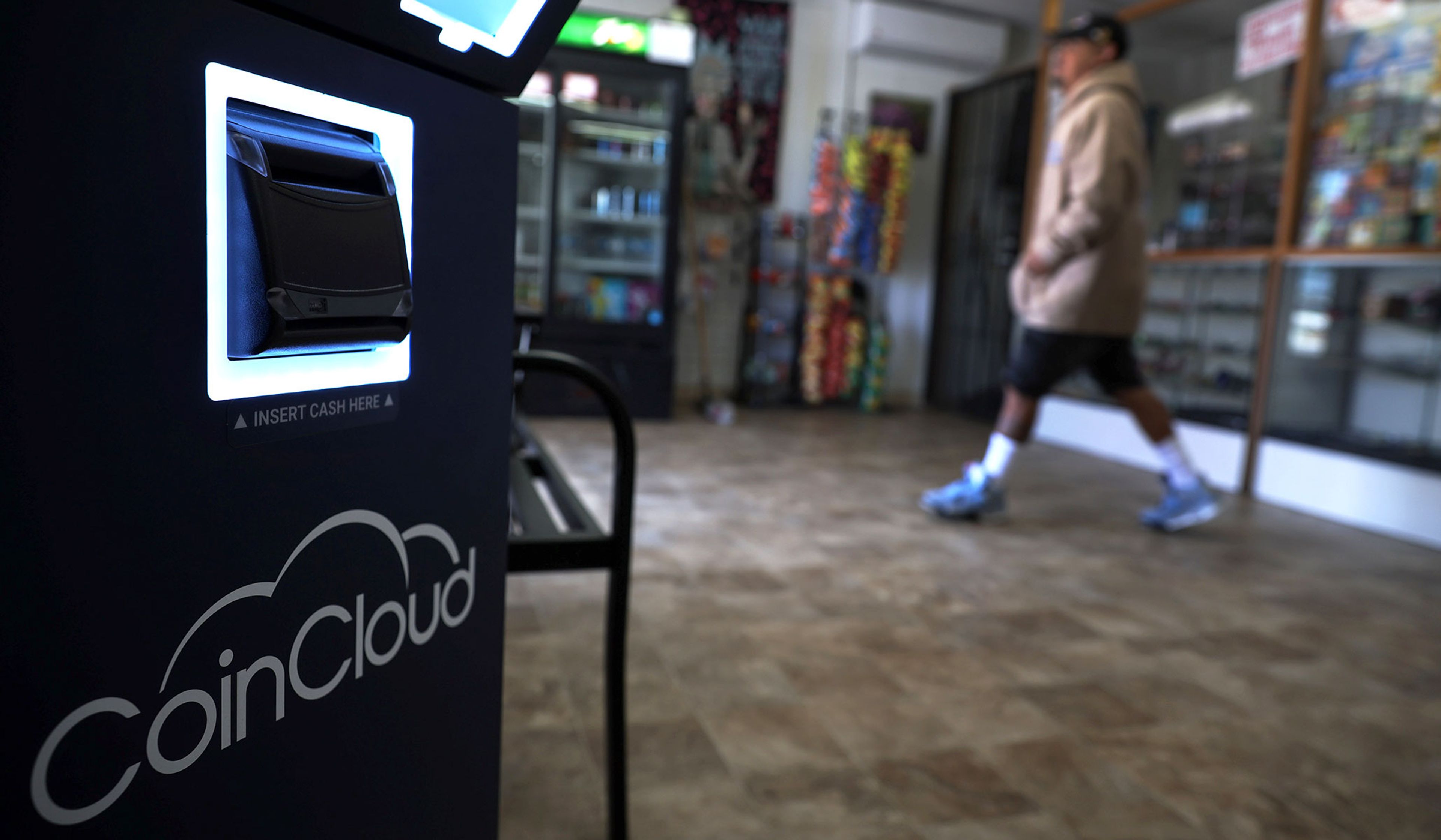
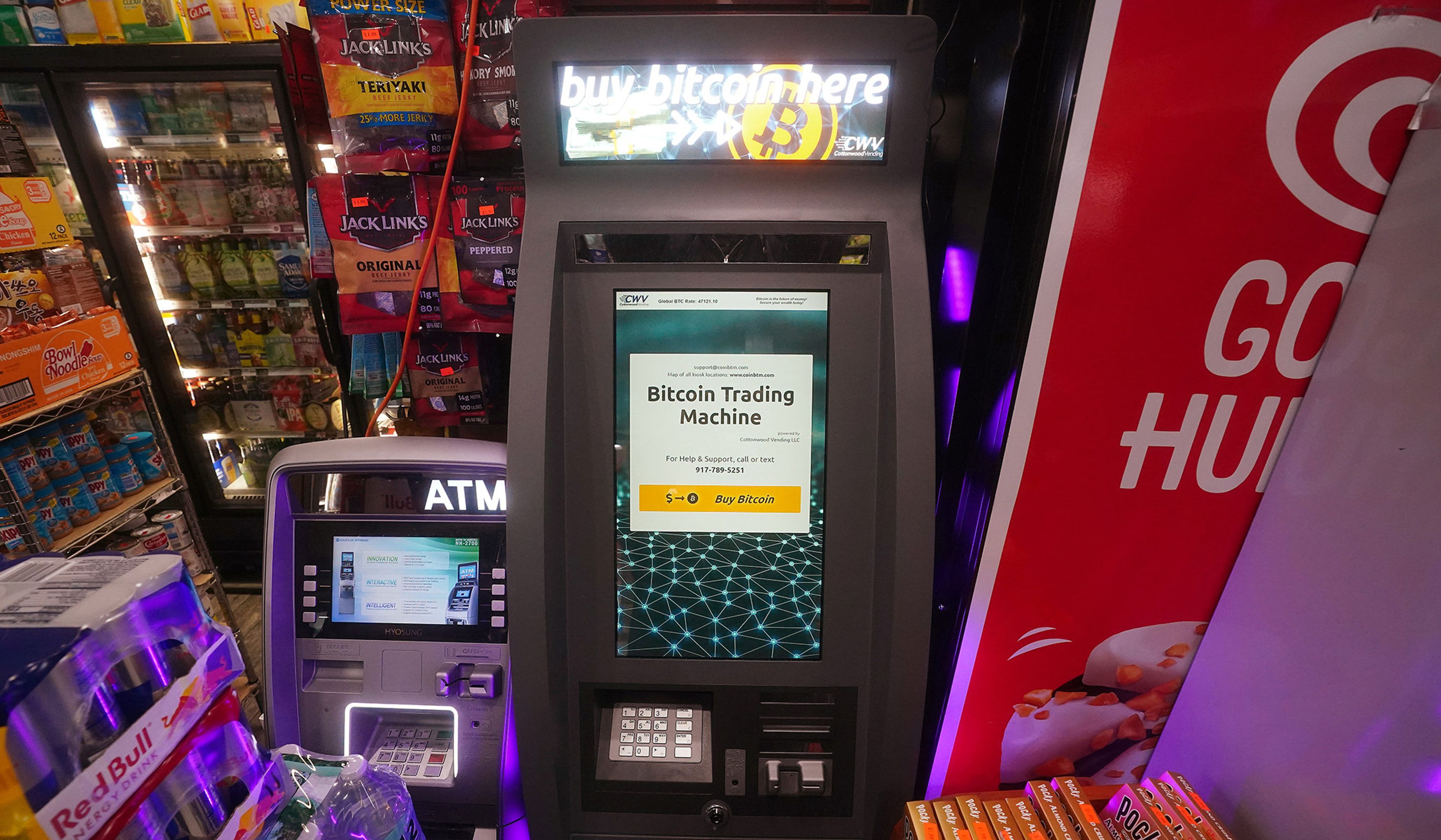
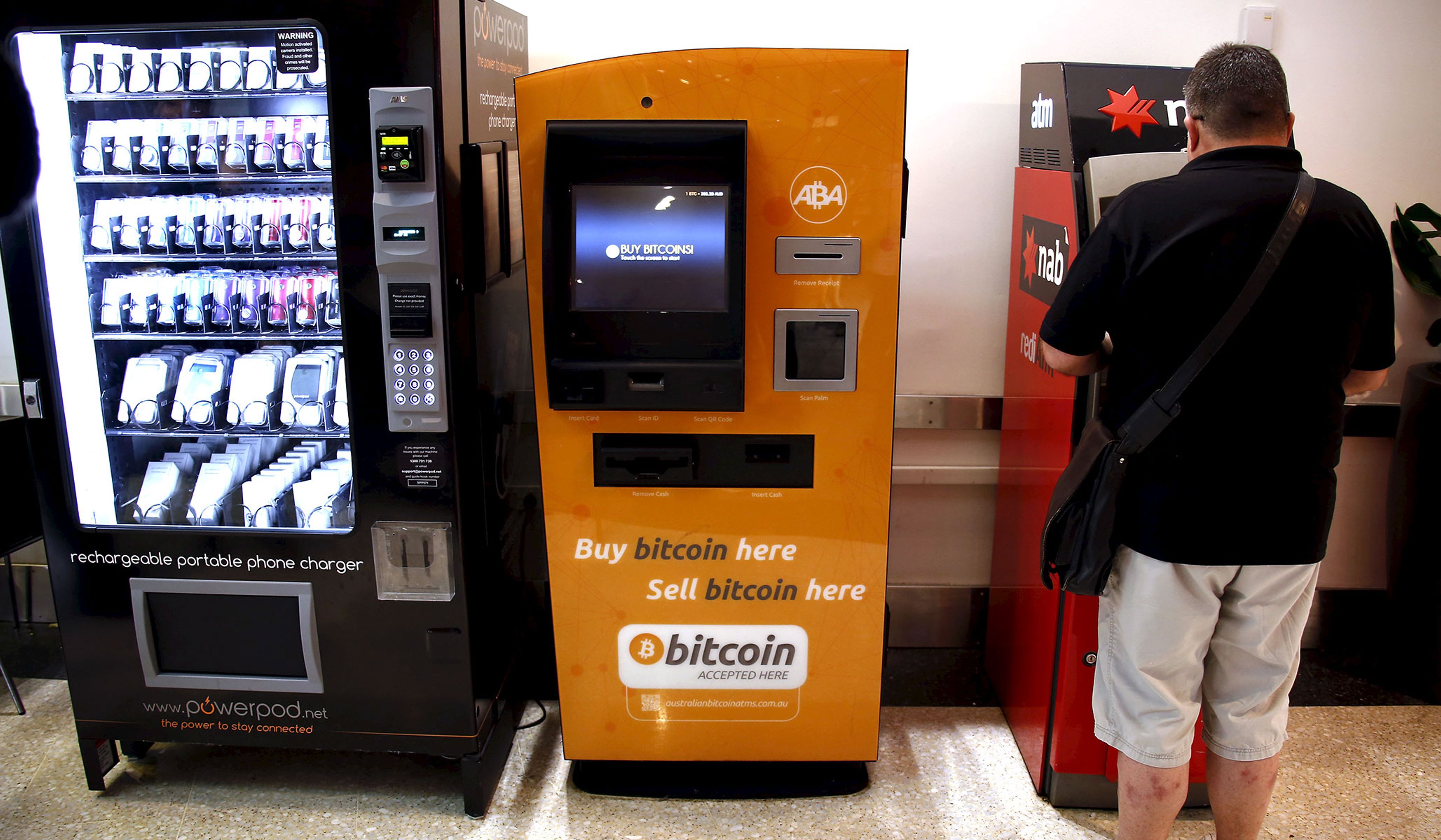
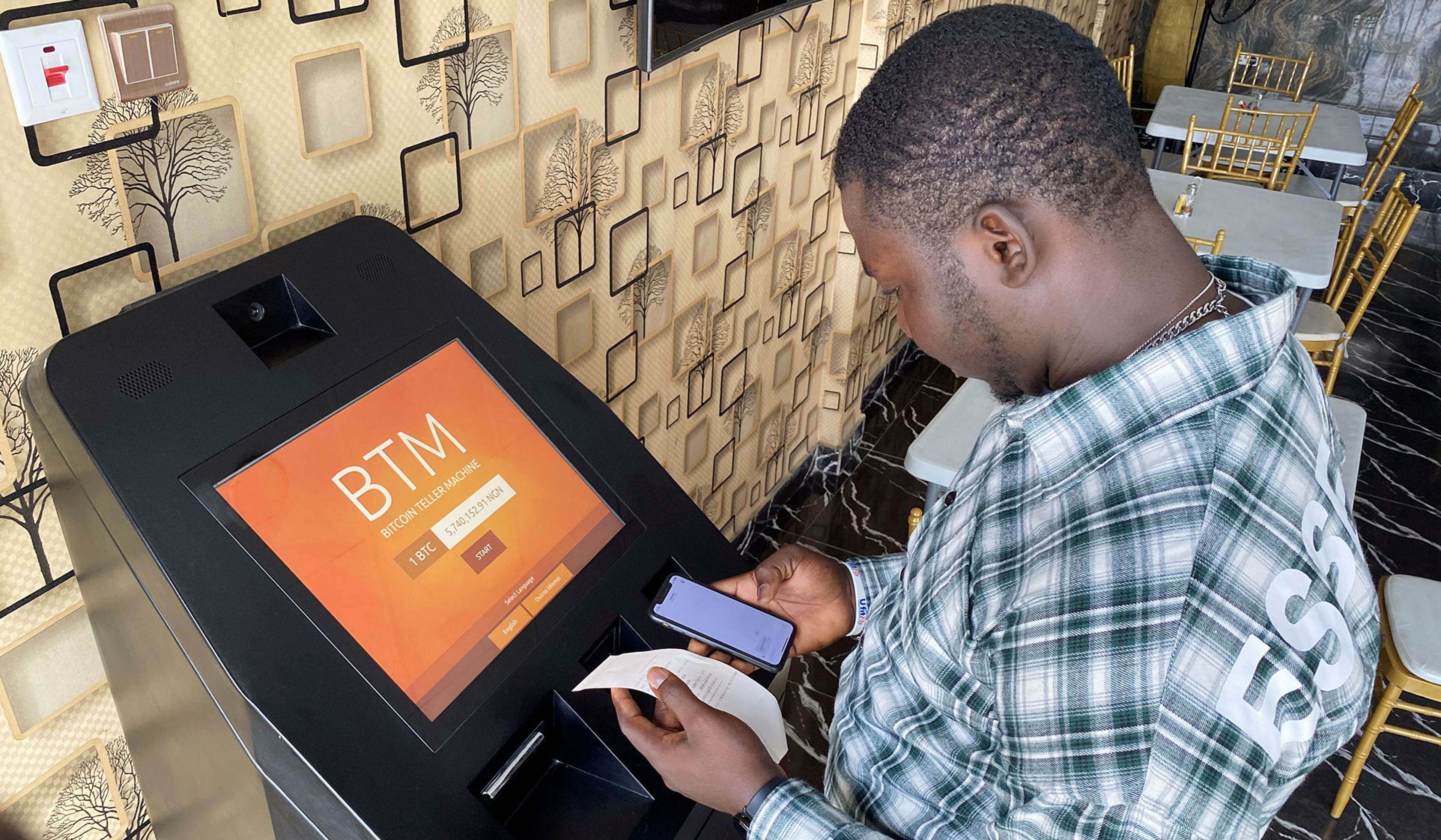
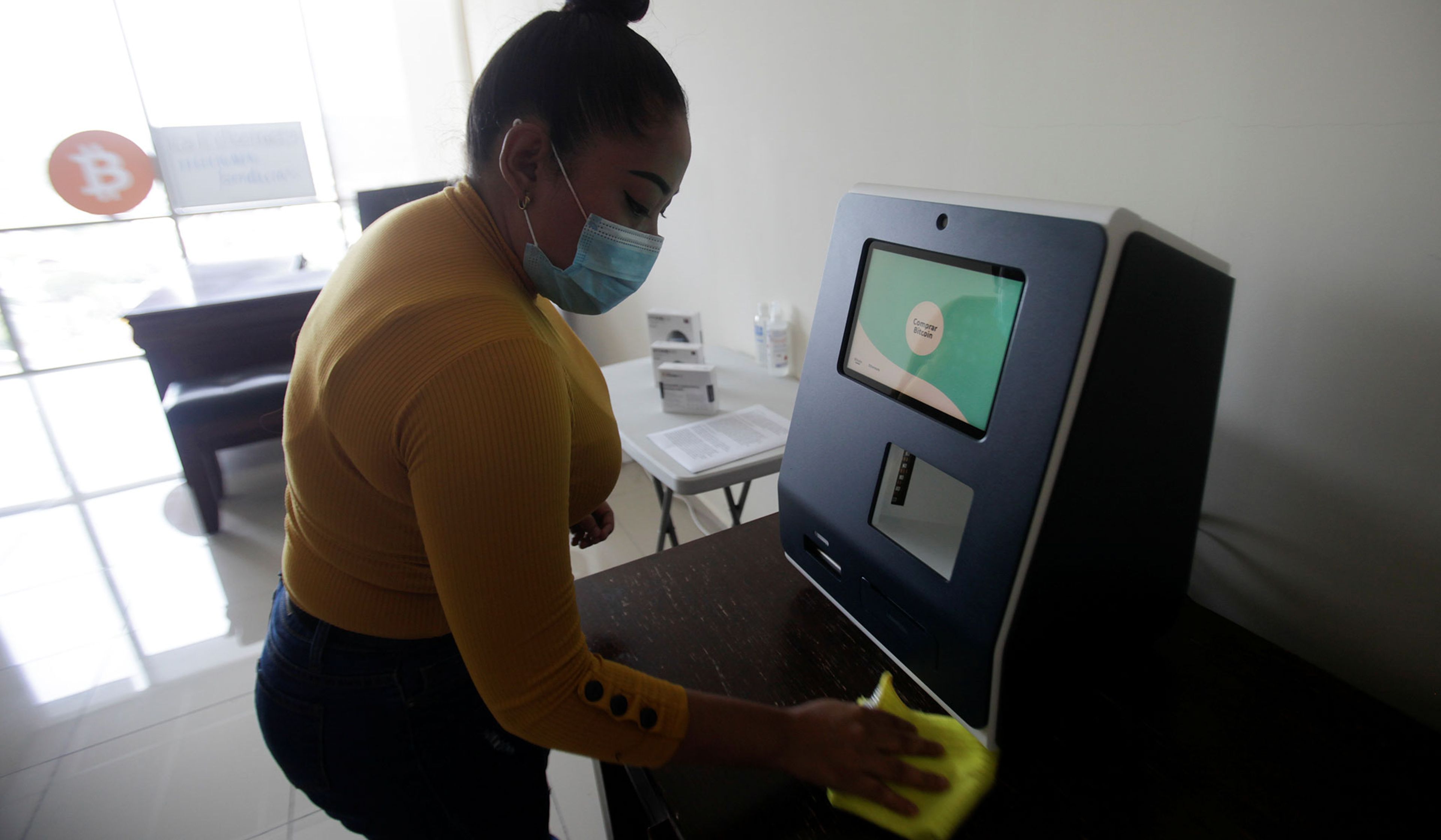
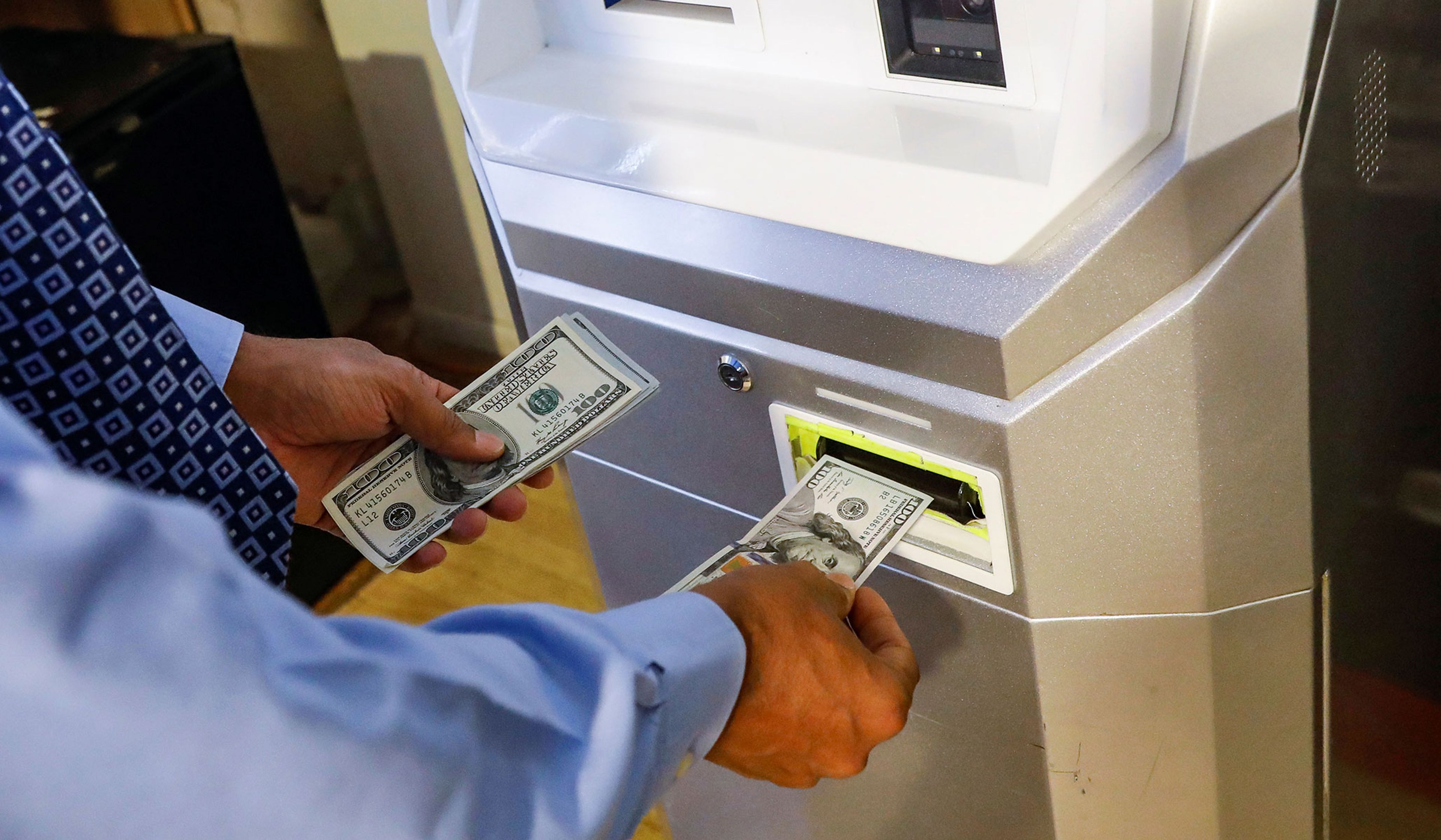
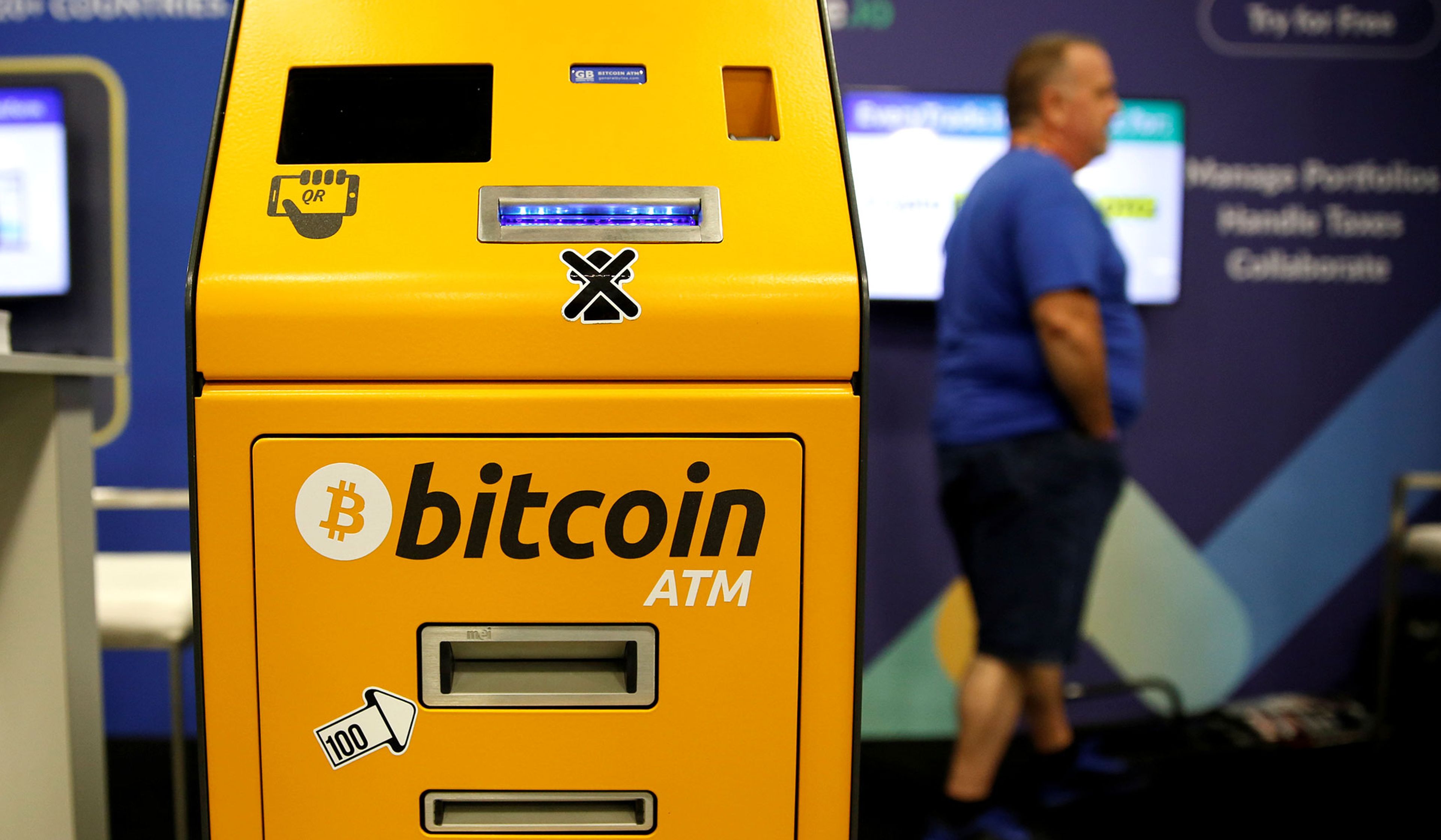
LibertyX CEO Chris Yim poses next to his company’s ATM for Bitcoin transactions installed at the Market Deli in New York City, March 9, 2021.
Aleksandra Michalska/Reuters
And so on. Everyone knows it’ll lead to the end of cash. Some are fine with that. Cash is so 20th century. You buy something with cash and are left with that awful stuff called “change.” I feel dismay when I get 93 cents back in cash, because it seems like I just burned a dollar. The change goes into a coffee can, where it sits for a year or two. Then it’s rolled into sleeves, which is now my responsibility — the bank, as part of its “oh go to hell and stop bothering us” customer-service initiative, got rid of the coin-counting machines. Then I shlep the rolls to the bank, stand in line like it’s 1959, and talk to a teller who probably throws the rolls away when I leave. It’s practically medieval. I might as well be trading a bushel of wheat for a piglet.
There’s another reason to mourn the end of cash: Money is interesting. The portraits, the monuments, the typography — you can learn a lot about a nation by looking at its money. I had to get some pounds the other day for a trip to England, because I always carry the local currency when abroad. You never know whom you’re going to have to pay off or when your card will go wonky.
The bills are fascinating objects. Embossed lettering, see-through panels with the late queen’s picture, an obverse side portrait of British cultural icons such as the painter J. M. W. Turner.
Alas, they are also plastic and shiny and hard to fold. The Exchequer touts them as being more sanitary, which is a reassurance to those who feel compelled to lick their banknotes after each transaction, but they lack the slight suggestion of friction you want in a bill, the comforting feel of that special paper in which generations placed their trust.
These small details will be lost, like the feel of the ridged edge of a quarter in your pocket. Money will be just another element of the weightless ether of the digital age, like Instagram pictures of cats or the 497th “like” on a tweet. When they bury people, they’ll have to include a fully charged phone; coins on the eyes won’t do. The ferryman only takes PayPal.












Comments