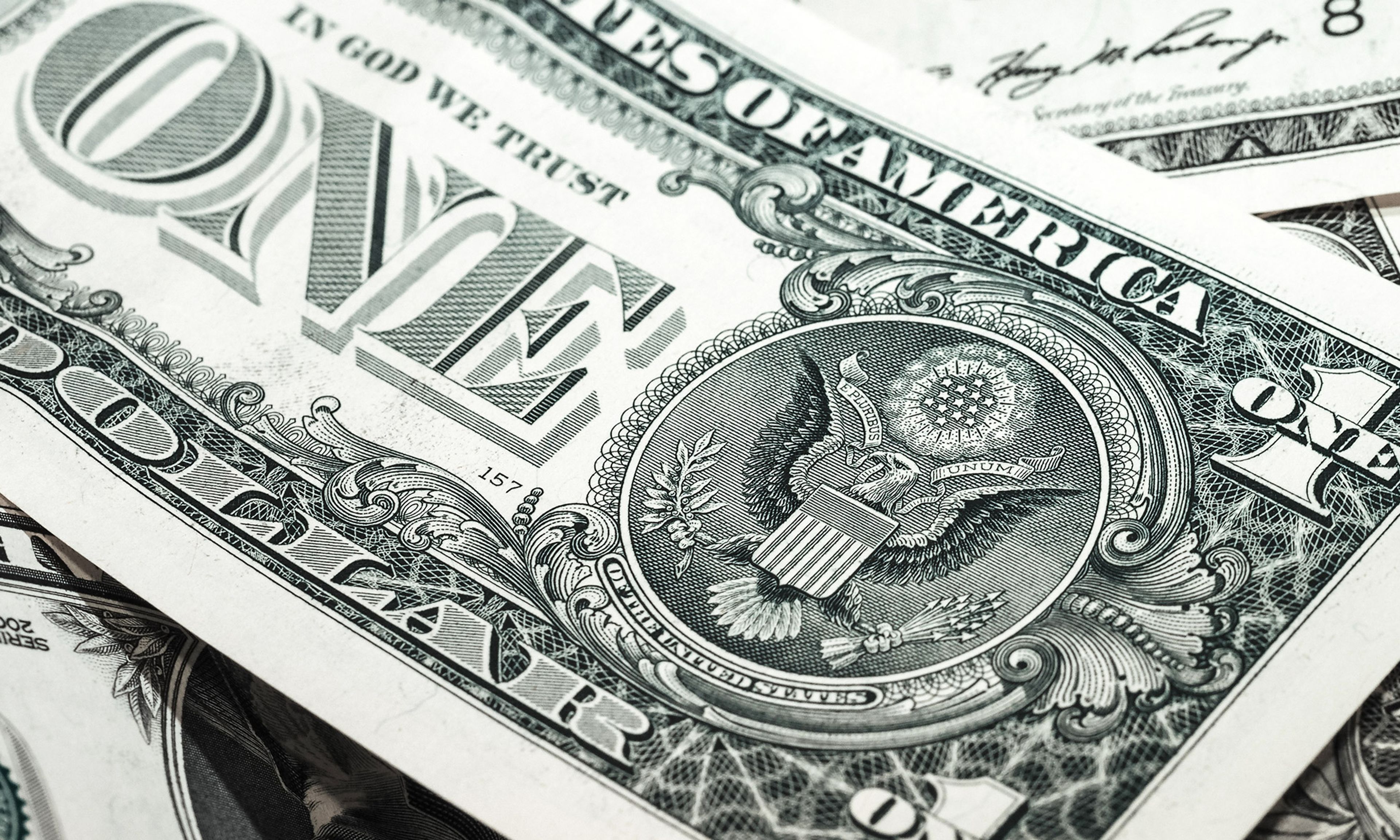
Here’s what just happened.
I’m in a hip coffee shop on Valencia Street in San Francisco. It’s early afternoon, and I order a double espresso. I hand over the money and get my change, which is a few bills and a handful of coins. The coins I keep: The parking-meter-enforcement Stasi in San Francisco circle the blocks with unwearied commitment. But the bills, well, I’d ideally like to keep them all, but there’s a tip jar on the counter beside the register, with one of those cheerlessly cheerful signs — “Hey! This is a Tip Jar! There’s a recession on!” — with a happy face below it. So I slide a $1 bill into the jar, take my espresso, sit down, and wonder if my extravagant tip — it’s the only bill in the jar — will mean that when I step up in a few minutes for a refill or a cookie I’ll get a smile from the unsmiling girl behind the counter.
What I get is nothing — no smile, no acknowledgment that I’ve paid for Platinum Level service, no extra care, no nothing. It’s as if the tip is part of her overall compensation package, something she negotiates ahead of time with the owners of the coffee shop, the way bankers and auto-company executives and vice presidents of AIG negotiate with the compliant members of the compensation committees of their various boards of directors.
I can even picture it: scruffy, pierced hipsters sitting around a boardroom in some alternative workspace, tapping out calculations on their iPhones, trying to work out what the tattooed girl should take home. Her representative (probably some aging, gray-bearded hippie) explaining that his client has a right to expect a guaranteed base salary plus an agreed-upon bonus based on a share of the tip-jar takings, and a severance agreement that allows for one year of free coffee drinks followed by a year of coffee drinks at cost and a reducible percentage of the tip-jar takings for 18 months following formal separation.
I mean, that’s what people are getting these days, right?
In the Tip Jar Nation, everyone gets a bonus. Everyone gets a little amenity, just for showing up. The girl at the counter, the vice president of a troubled insurance giant, the hotel guest (who expects a mint on the pillow) — we’ve created a culture with so many rewards and so many little extras that we’ve forgotten what’s it’s like just to show up, get paid, and go home.
When word of the AIG employee bonuses first splashed onto the front page, it was hard not to understand the string-’em-up impulse of the crowd. It was also hard not to sympathize with the AIG employees who were promised a number and expected it. But no matter which side you were on, you could agree on one thing: The word “bonus” is probably a bad word to use to describe an amount of money that’s been negotiated, haggled over, and specified to the penny, especially when it’s totally unrelated to the performance or financial solvency of the business. The word for what you pay someone for showing up and doing a job isn’t “bonus.” It’s “salary.”
But if you lump it all together in the “salary” bucket of the Excel spreadsheet, you get a pretty huge number. An embarrassingly large number, in some cases — especially cases where the business itself (like banking, insurance, and making stuff in general) is in anemic and destitute shape. So the smart thing to do — to adjust the “optics” of the situation — is to create a lot of different buckets to spread it all around: bonuses and incentives and retention clauses, perks and allowances and one-time payments. But it all adds up to the same thing: what an employer promises to pay an employee, irrespective of the general crappiness of the business. And that ain’t a bonus, my friends. That’s a paycheck.
But in the Tip Jar Nation, we like to dress things up. We put smiley faces on the tip jar, so it’ll seem less demanding. When the children of the Tip Jar Nation play sports, they all get a trophy (the trophy is just a “bonus,” in other words: expected, no matter what the score). When the students of the Tip Jar Nation go to college, they expect to get terrific grades — all A’s, honor rolls, special mentions in the commencement program. When they check into hotels, they expect Premier Status upgrades, a complimentary something or other, a mint, shampoo, a small bag of Q-tips. When the generous citizens of the Tip Jar Nation go to a charity event, they expect to be thanked with a gift bag on the way out — something small and heavy and filled with expensive lotions.
It’s a natural evolution of the self-esteem movement that started in the post-war era but really blanketed the country in the late 1960s, smothering us all with uplifting, supportive messages about our intrinsic self-worth and our specialness. The generation that grew up with Sesame Street and grade inflation and the American Express Platinum Card naturally feels entitled to bonuses, tips, little extras. Because what’s special about a simple employment contract? What’s incentivizing about a boring old paycheck?
The citizens of the Tip Jar Nation need to be incentivized, you see. They need a little extra motivation to keep them going — the simple pay-packet that enables them to enjoy three-hots-and-a-cot just doesn’t get them out of bed anymore.
Or, didn’t. As the chill wind of the economic downturn blows its way through the Tip Jar Nation, things might start to get a lot simpler. Salary negotiations could become pretty short: pick a number, give it a haircut, divide by 52, presto. Here’s what you get a week. Now get to work.
So, to the girl behind the counter at the coffee place on Valencia, I have some bad news: You got your last tip from this cat. Unless, you know, you smile. That’s worth a bonus.












Comments