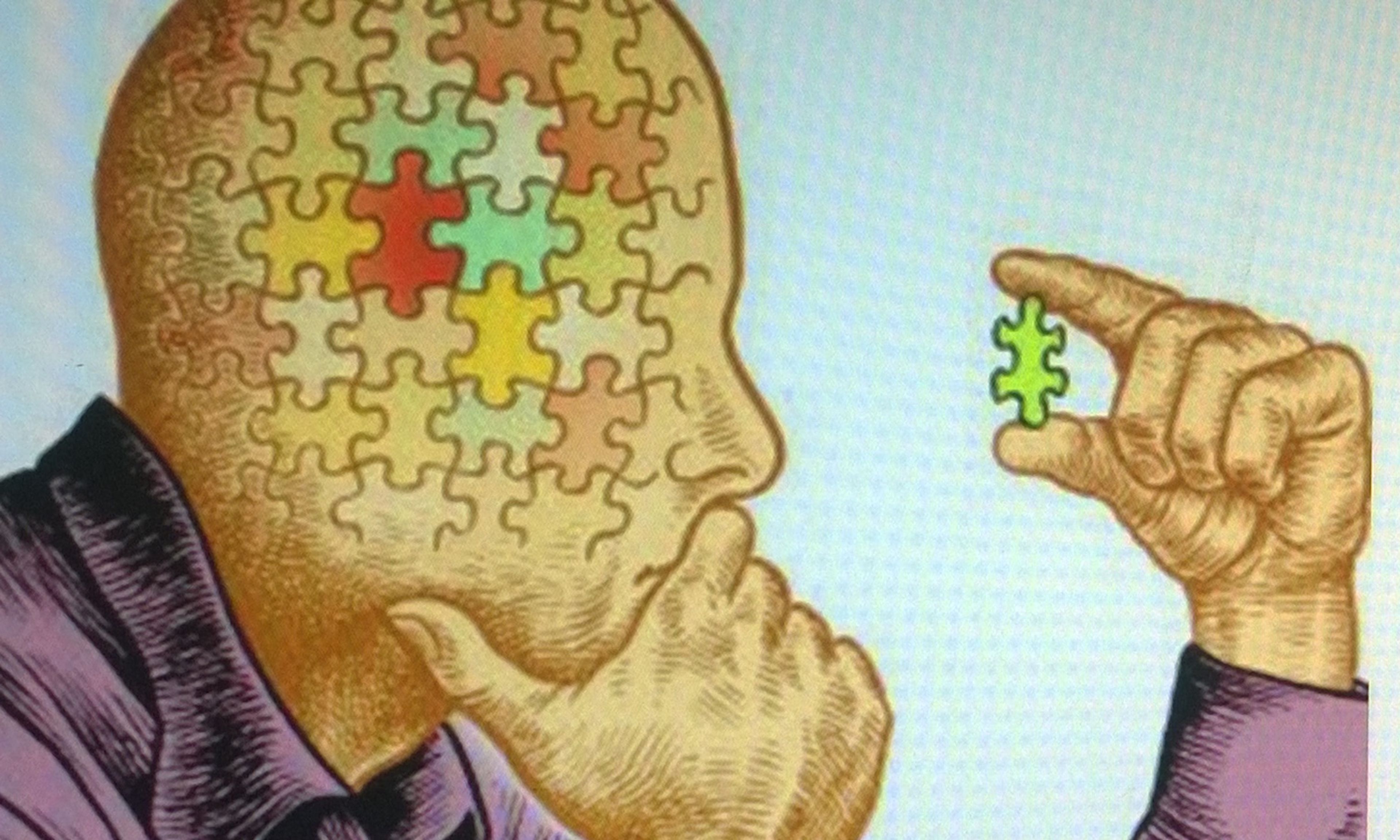
Theodore Dalrymple begins this anti-psychology polemic with a quote from the great 17th-century memoirist François de La Rochefoucauld: “In the misfortunes of our friends, there is something not entirely unpleasing.” Dalrymple cites this shrewd and biting insight into the complexities of the human heart for two reasons. First, it serves as a reminder that psychological understanding long predated Sigmund Freud, B. F. Skinner, and other 20th-century chieftains of the “science” called psychology. Older insights into the mind and heart were often as perceptive as modern pseudoscientific explanations, if not more so. They were also considerably less excusing and rationalizing.
It is the latter tendency in modern life at which Dalrymple, a psychiatrist himself, takes steady aim. Though he acknowledges that psychology has made some modest contributions to the alleviation of suffering, he offers that the following is, at best, an open question: “If all the antidepressants and anxiolytics . . . were thrown into the sea,” “all textbooks of psychology were withdrawn and pulped,” “all psychologists ceased to practice,” and “all psychological terms were excised from everyday speech, would Mankind be the loser or the gainer”?











Comments