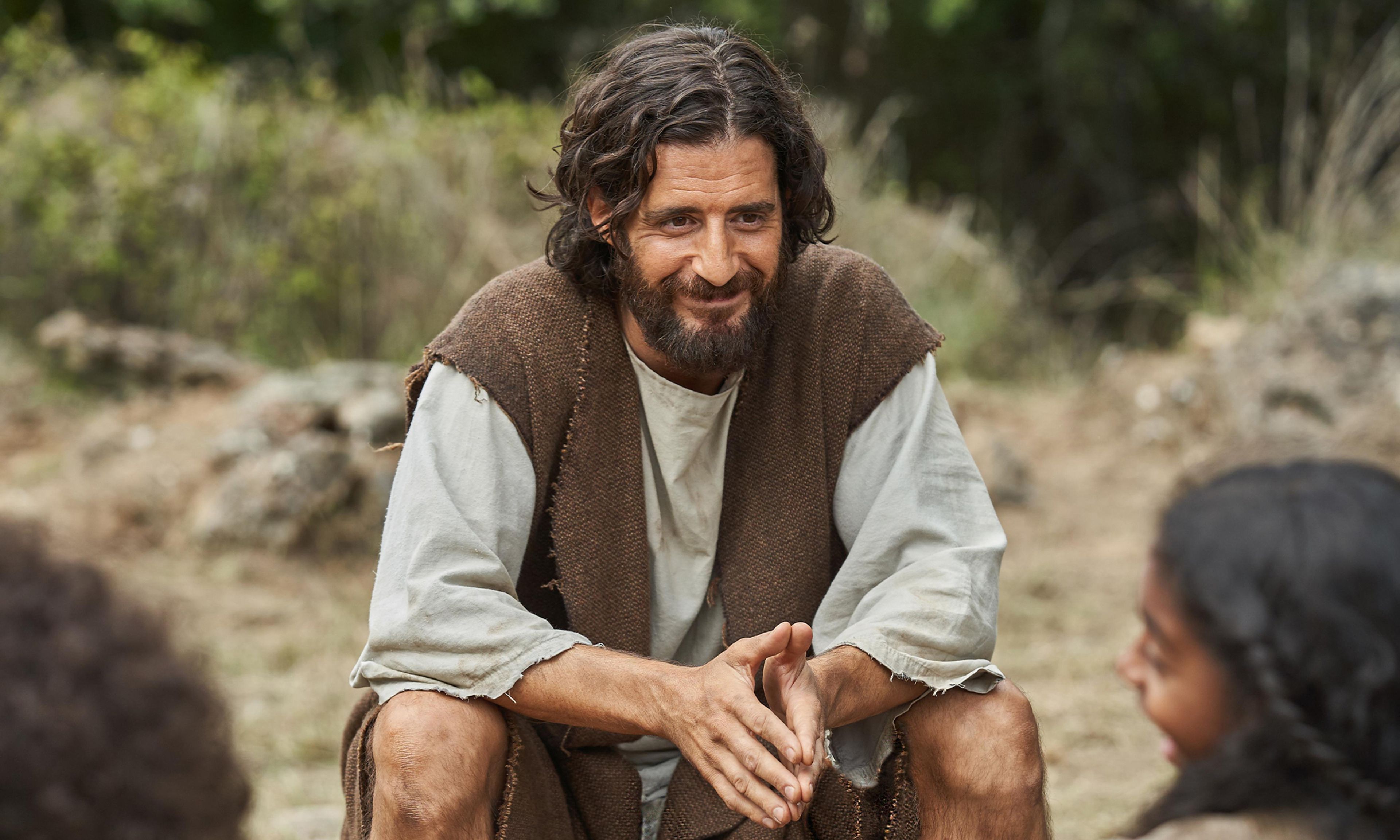
The European Passion play grew out of a medieval tradition of performing Bible stories for illiterate worshippers who had no knowledge of Latin. Also known as the Easter play, it depicts the period between Jesus’s final entry into Jerusalem and His death on the cross, followed by His resurrection. Over the past half century, this tradition has been revived in many countries. But one version, in the German town of Oberammergau, has run continuously — give or take a few plagues and wars — since 1634. Produced by local residents once every decade, it now attracts more than half a million visitors.
Every Passion play shows Jesus defying the Pharisees and disrupting business at the Temple in Jerusalem, and the Temple leadership conspiring with the Roman occupation to have Him arrested, flogged, and crucified. Until recently, the Oberammergau play departed drastically from the Gospels by portraying all Jews as Christ-killers, the Roman prefect Pontius Pilate as a proto-Christian, and Jesus as a fair-haired “Nordic.” In 1930, Hitler declared the play “essential to the Reich.” It was not until 1986, when Christian Stückl, a son of one of the town’s oldest families, became director that the play was purged of what Rabbi Noam Marans of the American Jewish Committee has called “hundreds of years of antisemitic tropes.”










Comments