The longest we had ever been away from the city I have lived in since 1977, she since 1969, had been a three-week vacation. Now we had been gone for almost four months — more like a short prison sentence.
I had been in touch with friends who stayed the duration. Their accounts, like those of all eyewitnesses, conflicted. One reported sylvan stillness: clear skies, fresh air, a father and son playing catch in the street. Another endured loud nightly protesters, tipping over garbage cans and burning the contents. Experience of the virus varied too: One couple discovered they had antibodies, without ever having been sick. Another couple took it harder, she losing her taste and smell for months, he going to the hospital. Yet another friend lost both his parents. I felt, as a journalist, some guilt at not staying behind — I had missed The Story — but as a person, none. In plagues, those who can, flee. We call it the law of self-preservation.
Driving in, over the great West Side bridge, was a snap. (That was deceptive, however: Driving out two days later over the same bridge, via the East Side expressway, was a crawl.) Traffic in the city seemed a kind of low-holiday normal. On a typical Fourth of July it can be more sparse. The big difference appeared at night: As early as nine o’clock the mighty avenue beneath our apartment window became as quiet and empty as Boodle Hole Road upstate.
Long-delayed medical appointments brought us back. I read somewhere that dental hygienists are the profession most at risk of contagion (farmers are least). Our dentist’s office was scrupulously cleaned between every mouth, masks were most definitely worn. We also lost maybe a pound of hair (hair-cutting is another one of the dangerous lines of work). Over the trimless weeks my wife had become a Swinging London bird, I, Millard Fillmore’s brother; visits to our cutter restored our chosen close-cropped looks. Nowhere were there waiting rooms; for health or hair, you had to stay outside until your appointed time. My wife’s annual checkup with her radiologist takes 90 minutes; normally I read Vogue; now I bumbled around until I found a bagel place with outside tables, where I sat and adjudicated a dispute over the Hamilton/Burr duel on Twitter. Contending ignorance filled the time nicely.
Appointments aside, we stuck to our neighborhood, where none of our friends live, only the people on whom we depend. We worried for the small-business owners; at the depths of the lockdown they had not answered their phones. The Colombian shoemaker, with a Spanish prayer for blessings on his business on his wall, had just reopened. The Korean dry cleaner and seamstress with a reproduction of Millet’s The Angelus on her wall was on a reduced schedule. Her customers had, like us, mostly gone elsewhere; she is worried about making her rent. I got it: My floor in my apartment building was more than half empty. Those with weekend homes went to them; kids packed three and four to a room — gold for the landlord in the old days — redeployed to the basements of heartland parents.
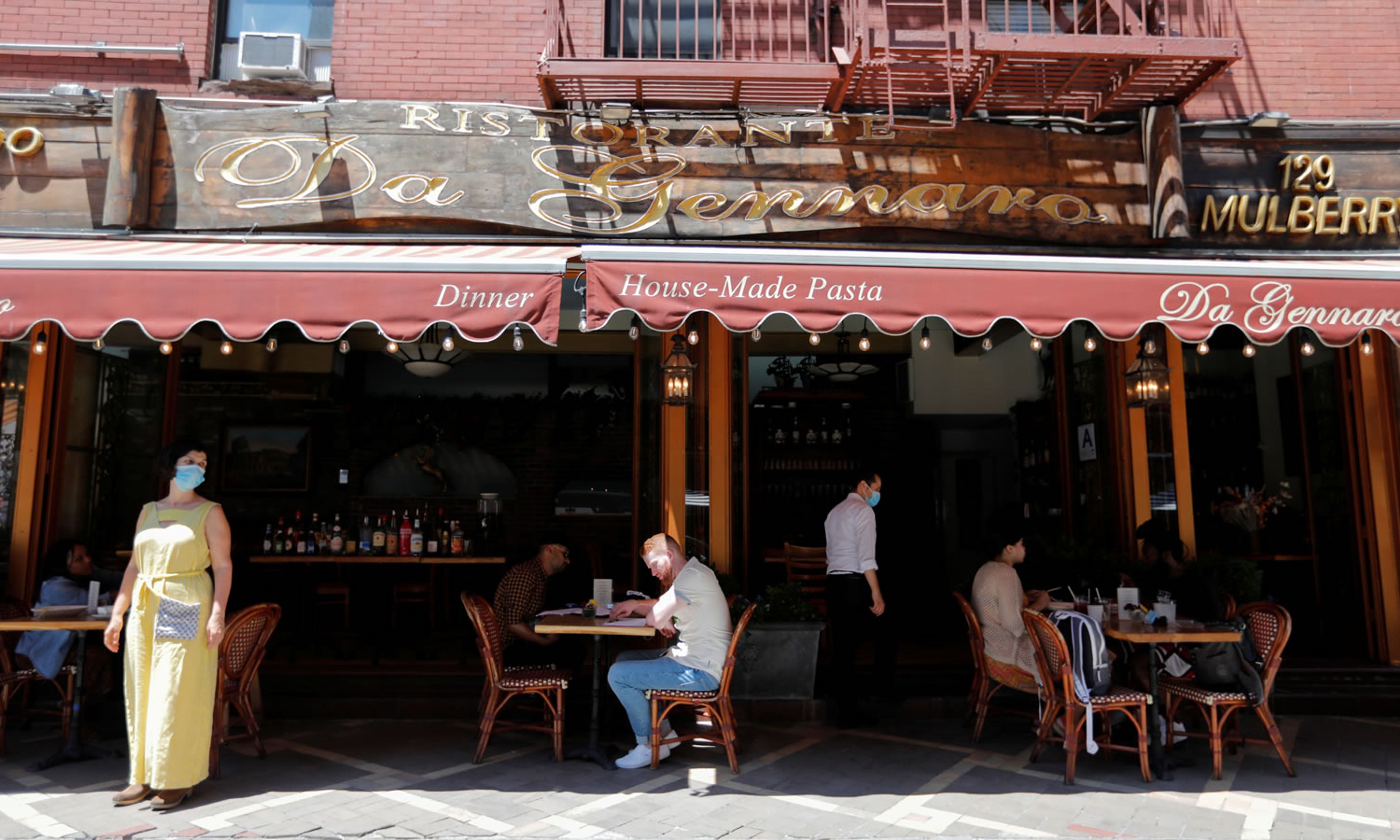
The neighborhood restaurants that hung on with takeout and delivery added tables on the sidewalks and in the parking lanes. Even the steaks/chops/seafood greasy spoon sprouted a pop-up canopy and two tables, as if it were on the Amalfi Coast. A nervous friend (with, to do her justice, a high personal risk factor) asked how we dared eat out anywhere. Suppose the kitchen staff does not wash their hands? But she orders delivery: Who prepares that, angelic beings? You take your chances, reasonably. Meanwhile fame confers no immunity. The tavern where O. Henry wrote “The Gift of the Magi” is closed, for the first time in a century and a half. A posted notice explains that one of their staff died of the virus; they will reopen when it is (the prayer word) safe.
I ordered one piece of clothing from exile — a jacket, black, slim, its hem deliberately askew. To wear it properly I would have to croon, Please allow me to introduce myself, I’m a man of wealth and taste. After the Reign of Terror, aristocrats emerged from hiding in extravagantly ill-fitting clothes, to commemorate both their concealment and their return. Women, in the ballsiest touch, tied red ribbons around bare necks: Guillotine missed me this time. My jacket is in the store, awaiting pickup; next trip.
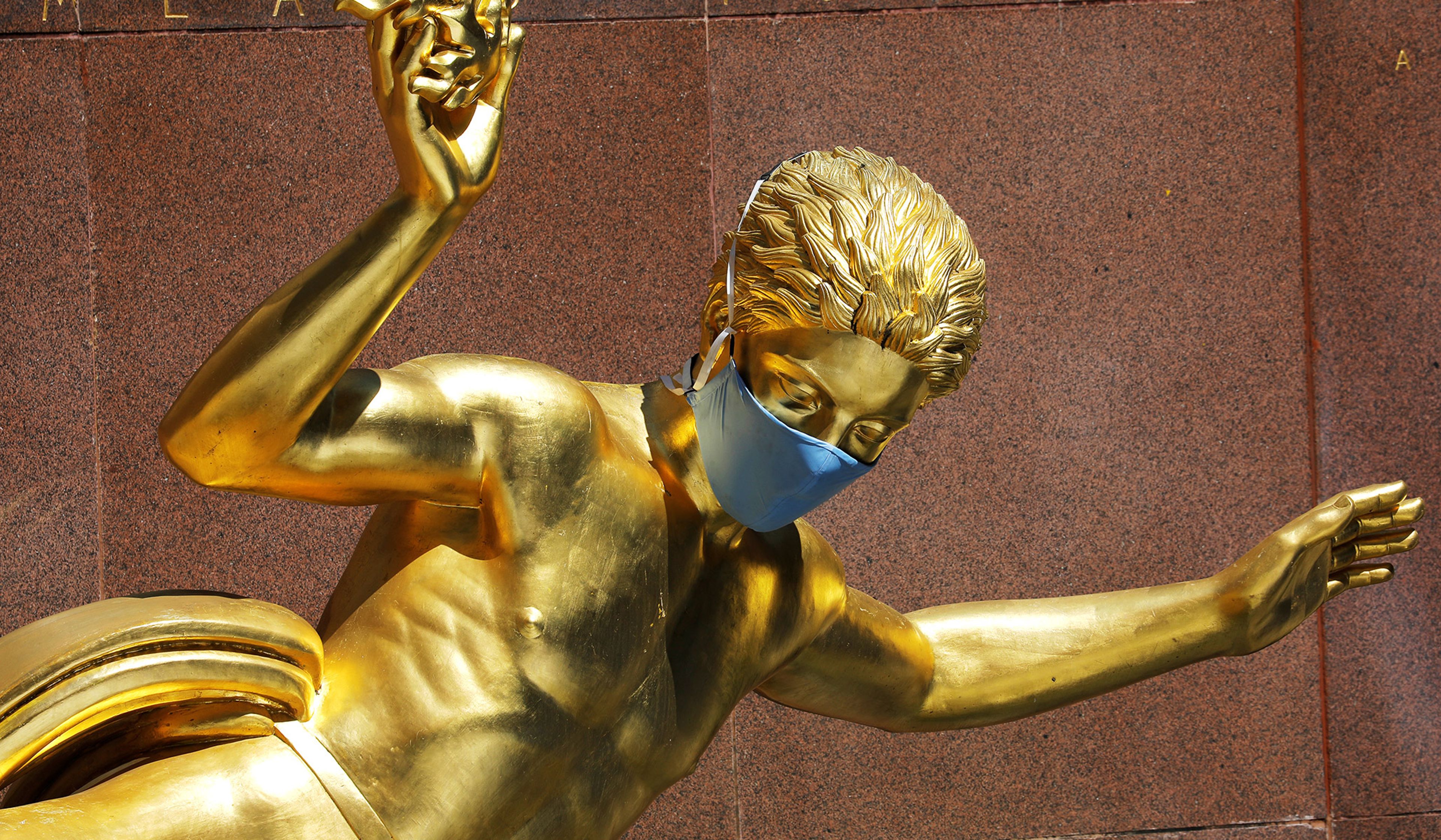
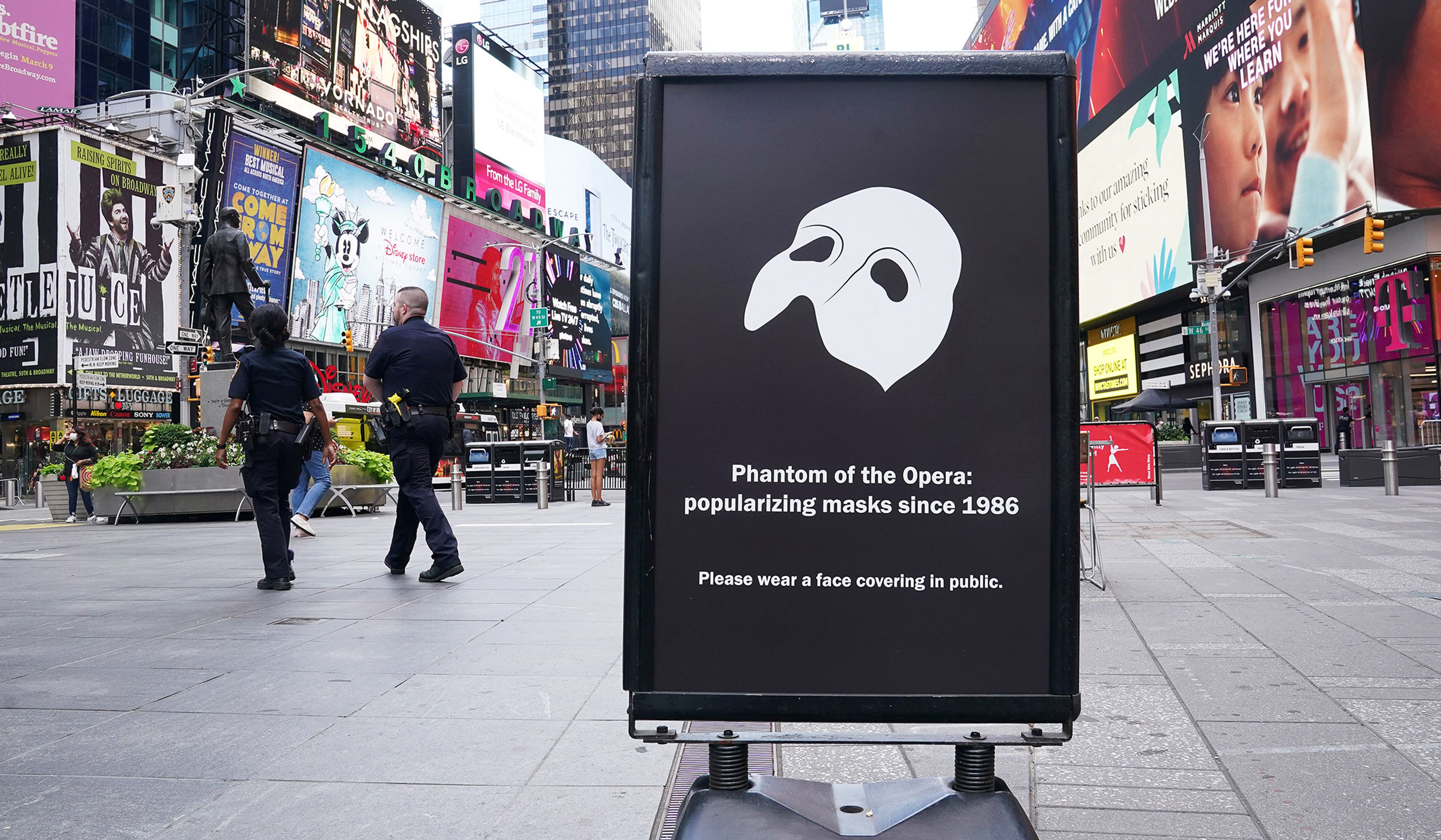
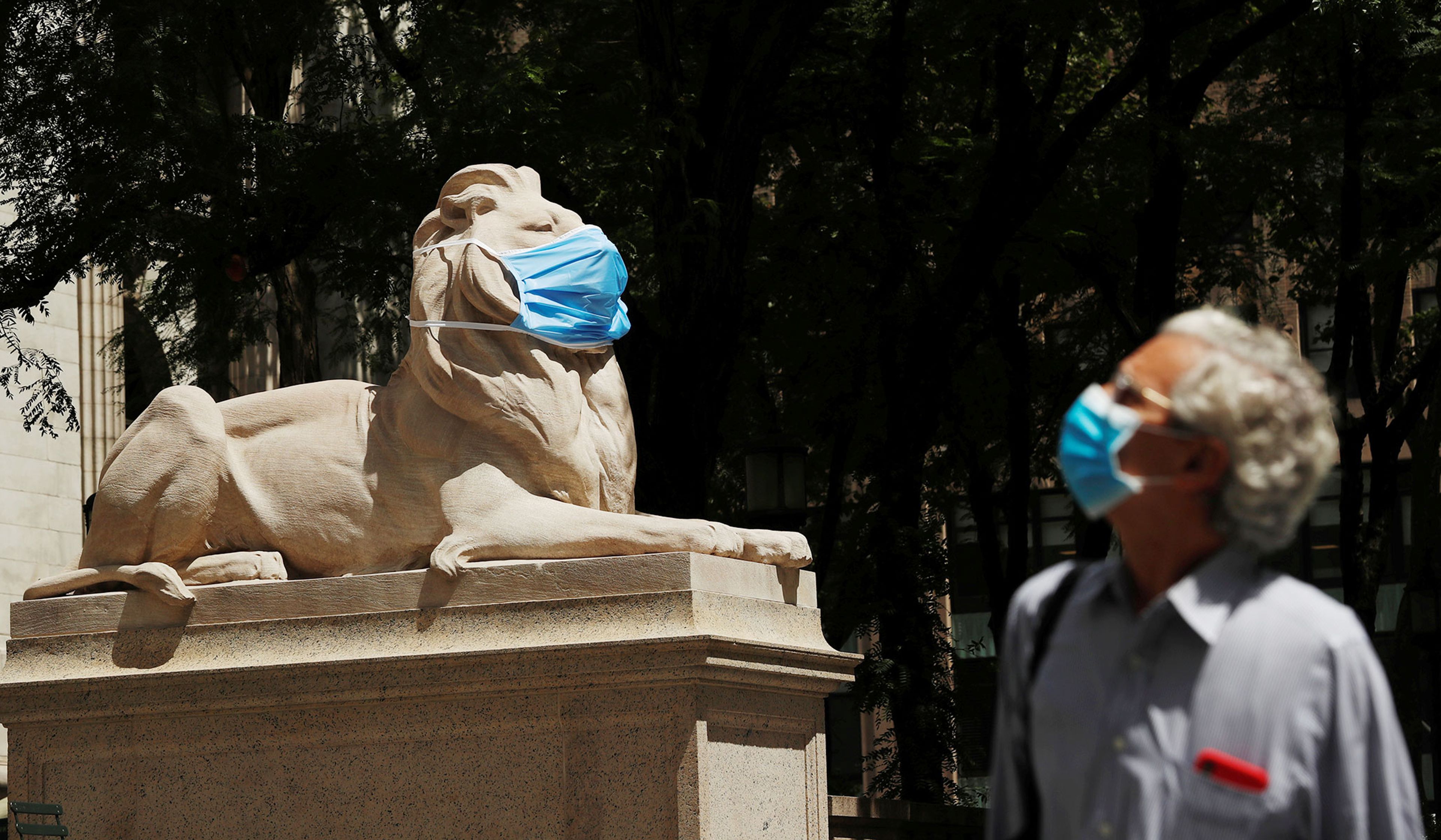
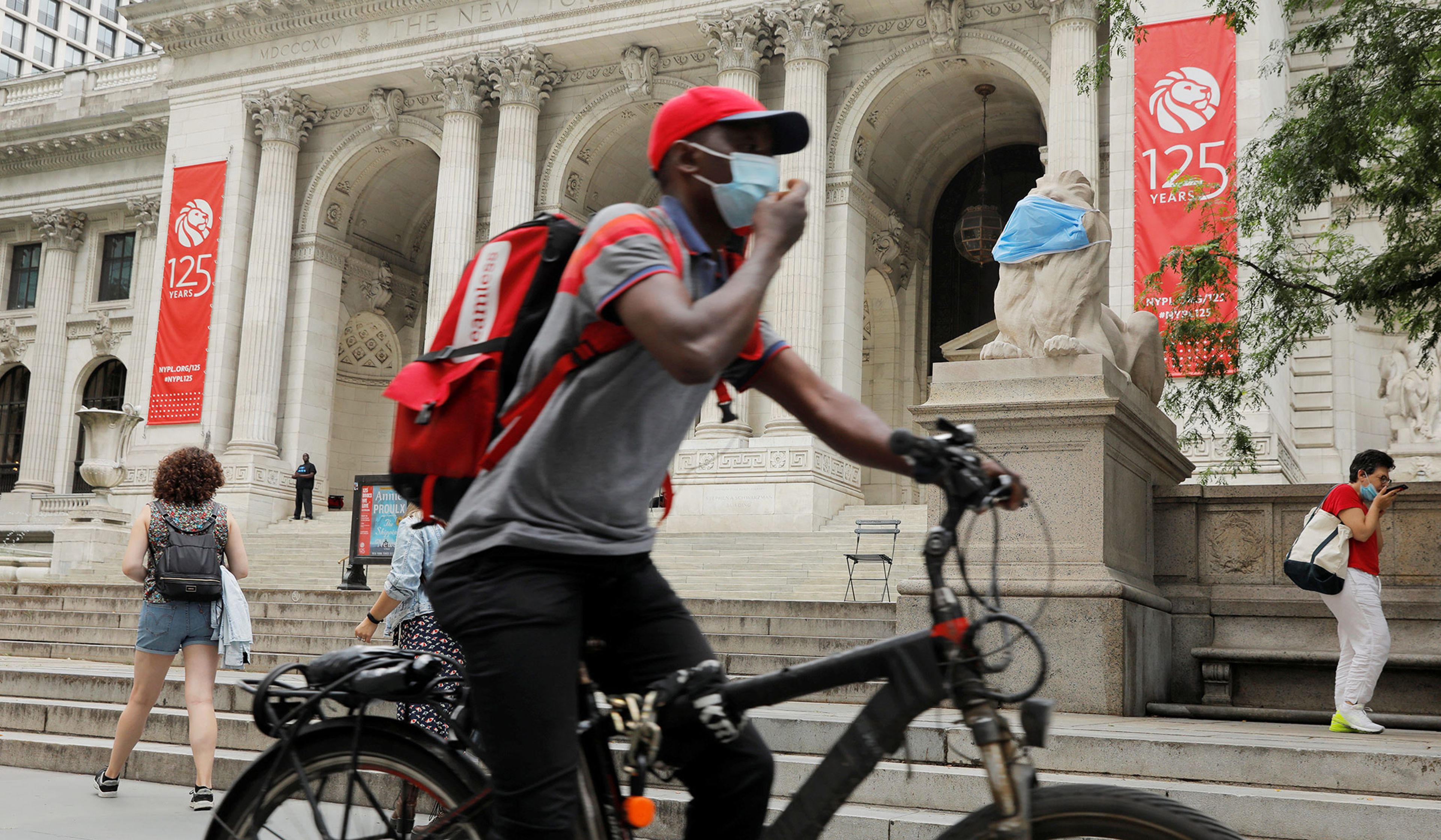
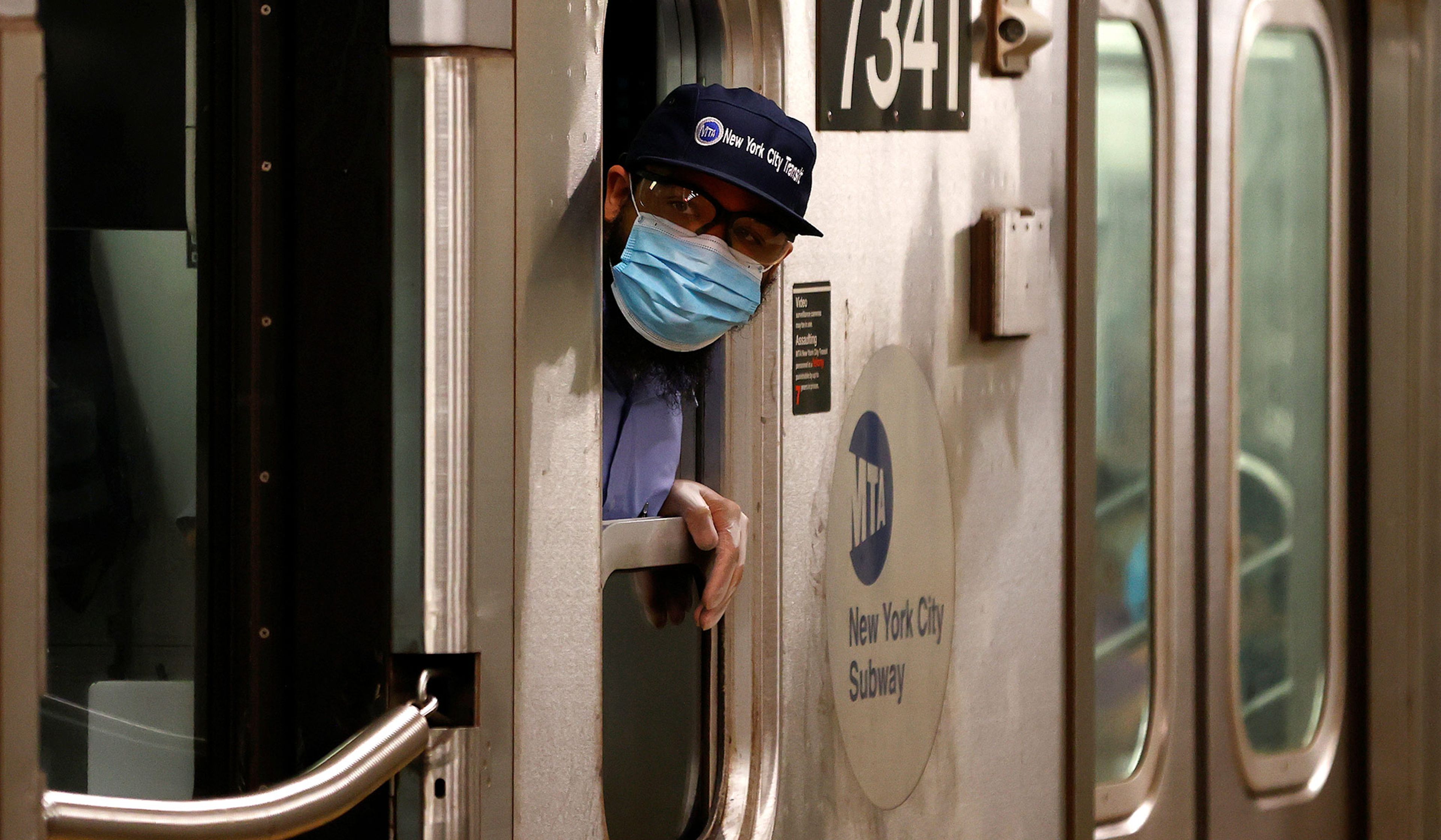
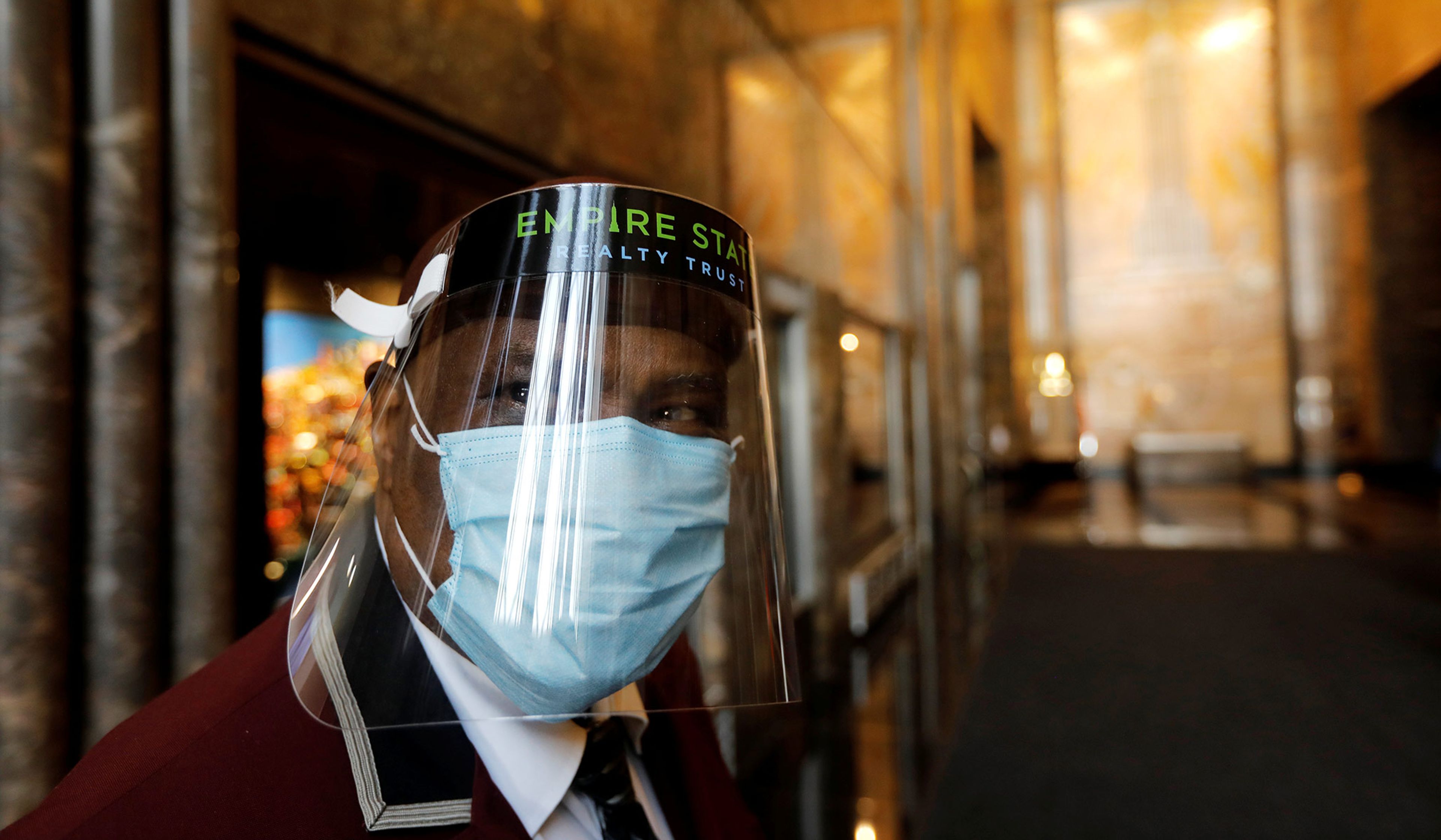
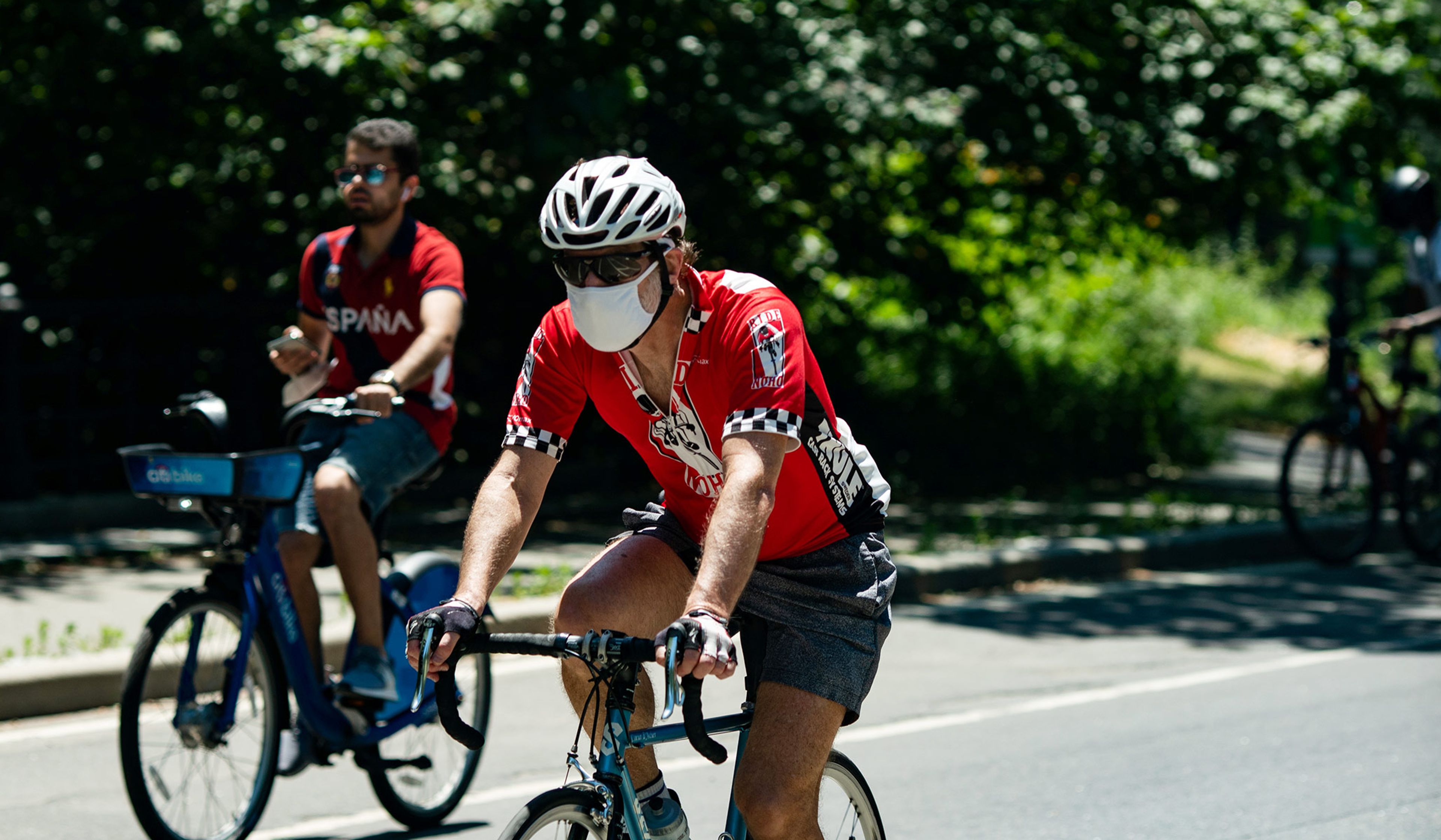
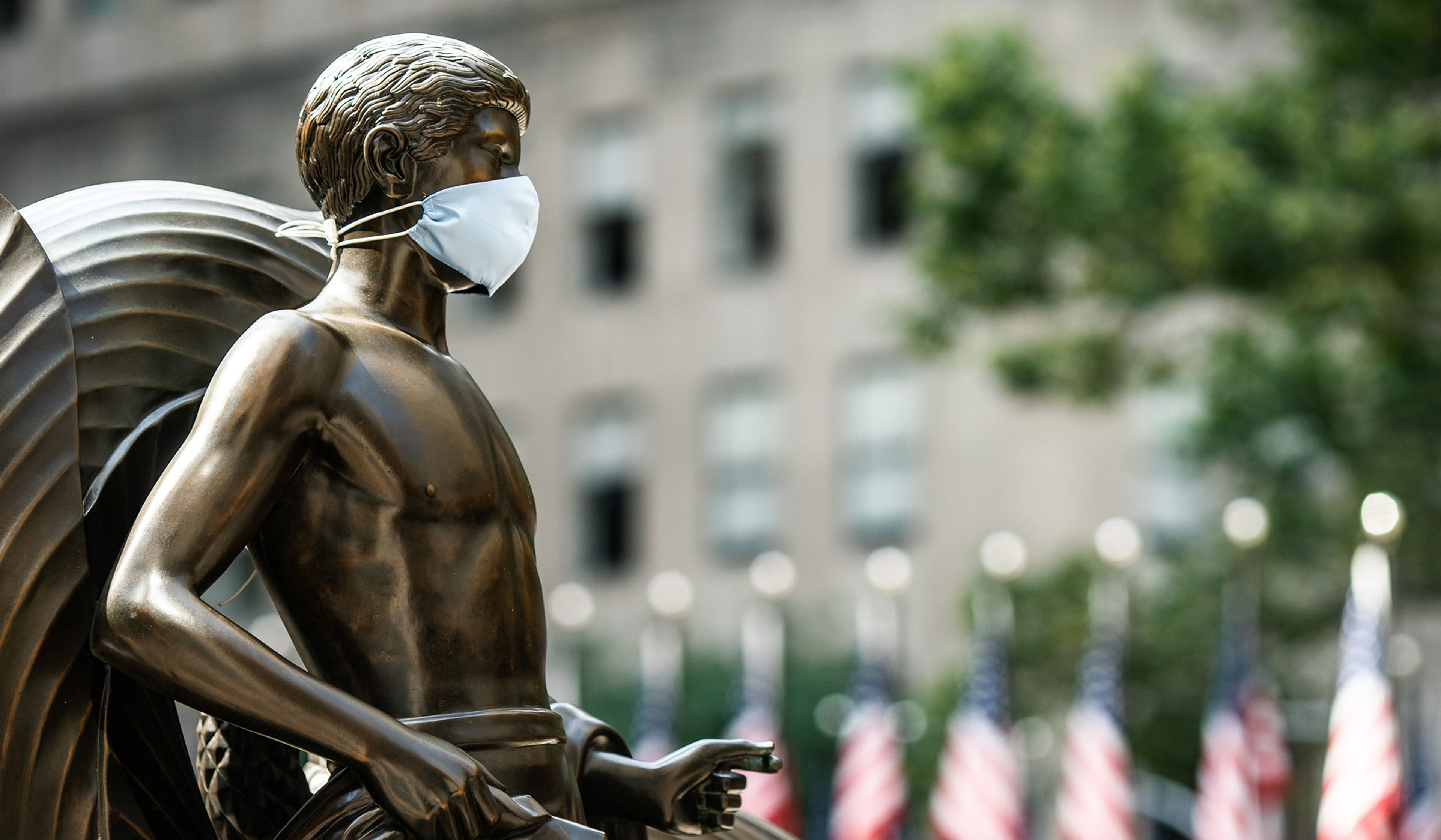
The Prometheus statue at Rockefeller Center in Manhattan adorned with a face mask following the outbreak of the coronavirus in New York City, June 22, 2020.
Mike Segar/Reuters
Our apartment, when we came back to it, appeared through a glass darkly. It seemed as familiar as the apartment of a friend in a strange city who lets you use it when you visit once a year. I recognized the sheets, the books, the paintings on the walls. I had chosen (or, if a gift, kept) every one. But I hadn’t used or touched them since it was still snowing. Clearly I did not need them, nor they me. Were they really mine?
Unfamiliarity made the apartment seem smaller. The square footage is actually about the same as that of our place in the country. But of course there you can open any door and step outside. Harder to do on the 14th floor. Our maid from Long Island (originally Peru) kept the plants watered; they didn’t even need us for that.
If we think about it too hard, we live nowhere. Habits, acquaintances, possessions, loves have the appearance of anchors. Should they be cut, we drift. “My mind to me a kingdom is” — strong lede of a so-so poem, Stoicism 101. What a small kingdom — a van, really — the mind is without its familiars and sparring partners, its habitual objects.
An old friend in the Midwest wrote that she lost Tom, her 13-year-old cat. She stroked him as he cried a bit, and told him he was a good Tommy. After he died, she wrapped him in a towel, and a neighbor dug a grave for him.












Comments