The Spy in the Smartphone
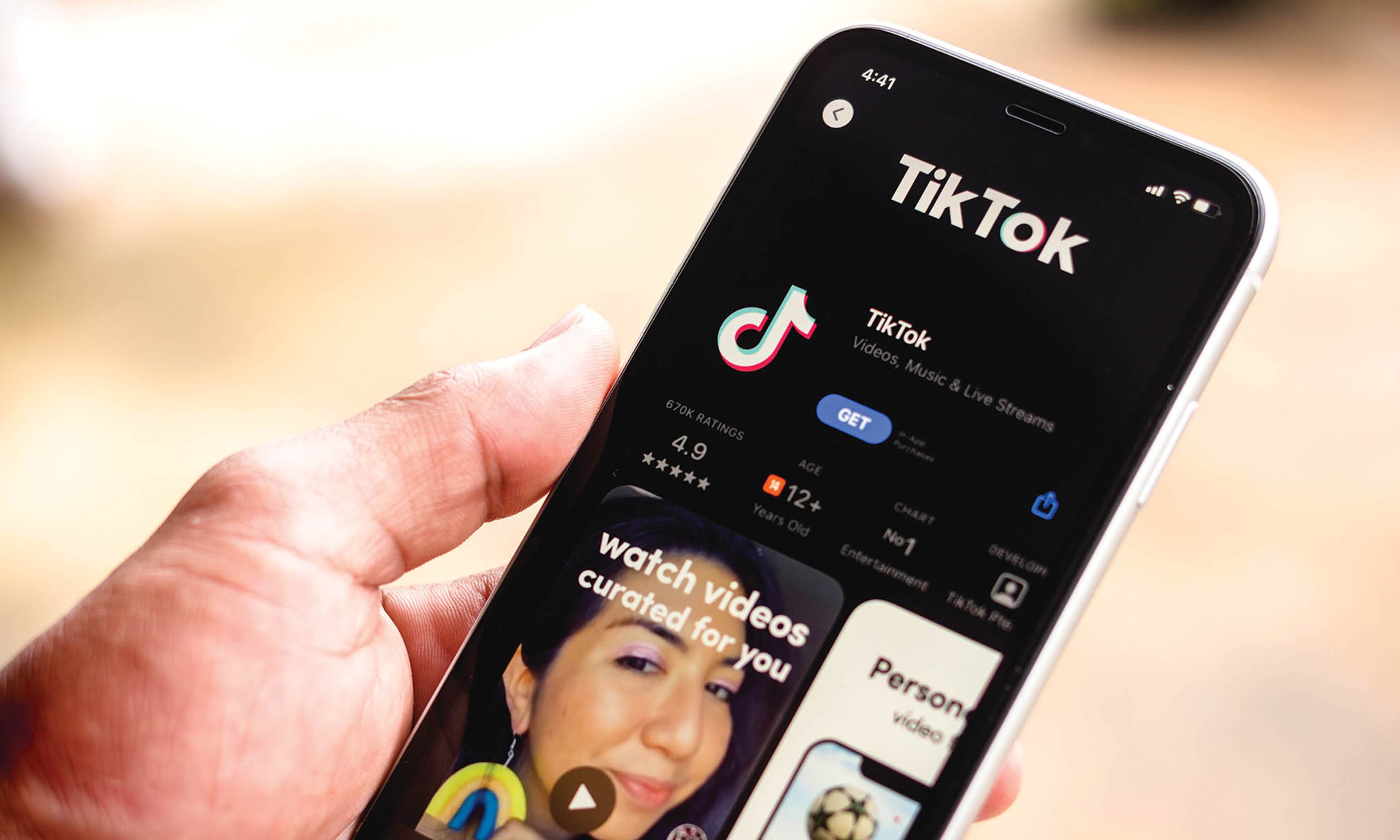
Jimmy Quinn’s recent article “TikTok’s Byte” (August 1) is spot-on. TikTok is not simply another app for sharing entertaining videos. That’s just the sheep’s clothing. At its core, TikTok functions as a sophisticated surveillance tool that harvests extensive amounts of personal and sensitive data — everything from search histories and keystroke patterns to biometrics and the images stored on your device’s clipboard.
For years, TikTok has been asked whether any of these sensitive data can be accessed from inside China. And for years, TikTok has offered a variety of assurances. But a June BuzzFeed News report, which revealed that “everything is seen in China,” demonstrated that TikTok’s statements have been nothing other than gaslighting. Indeed, as Quinn’s article explains, once these sensitive data are accessed from inside China, there is no check on the CCP’s using them for espionage, foreign-influence campaigns, or other nefarious acts.
Since the publication of Quinn’s article, the federal government has started moving (although more slowly than I would like) to address the national-security threat TikTok poses. This includes the call of Senators Mark Warner and Marco Rubio for the Federal Trade Commission to launch a new investigation, in addition to the ongoing reviews of TikTok and other applications by the Treasury and Commerce Departments.
There are many popular apps that sweep up a vast amount of personal and sensitive data, but TikTok presents a unique threat to our national security, given its pattern of misrepresenting data flows and its deep corporate ties to the CCP.
Brendan Carr
Commissioner, Federal Communications Commission












Comments