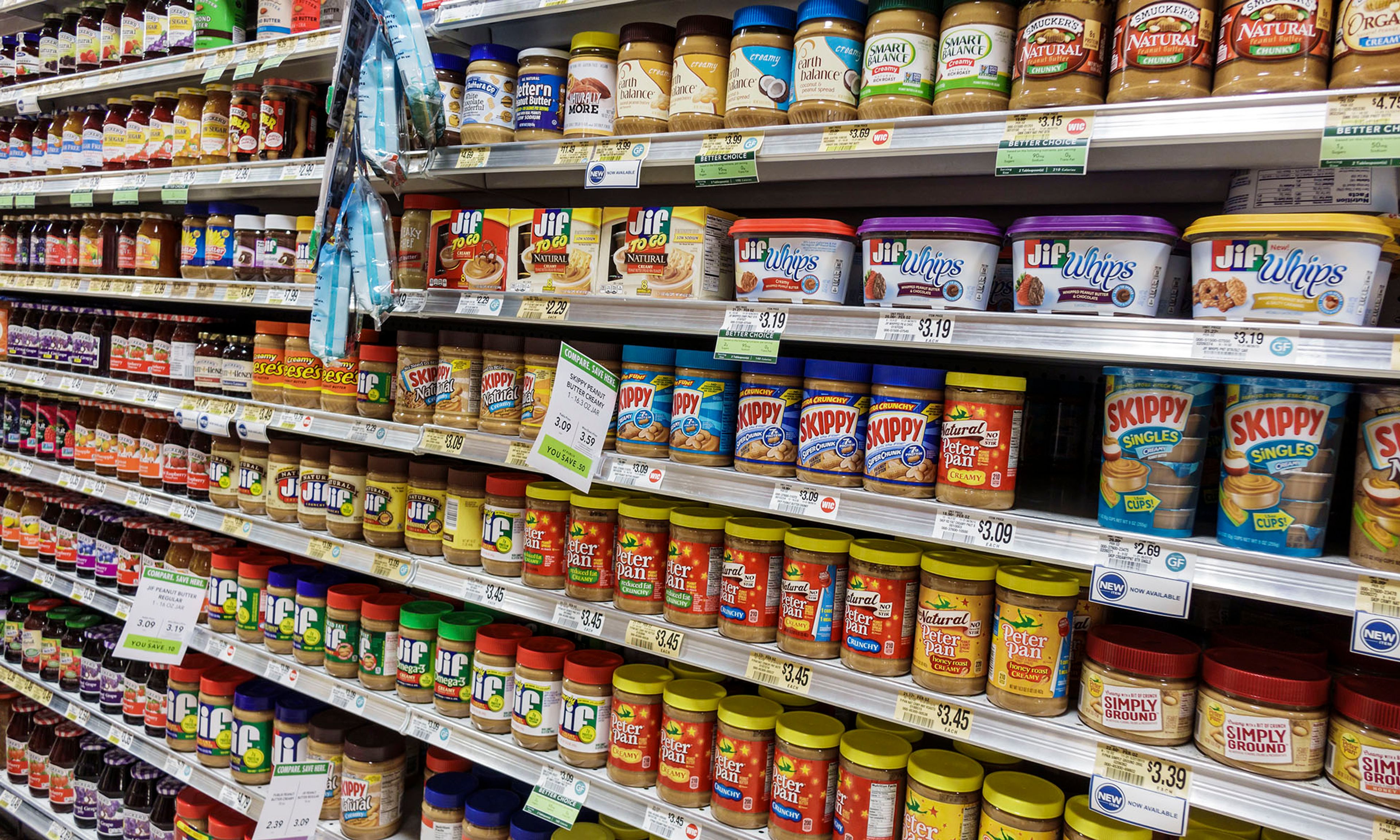
Imagine a grocery store in 1966. Muzak plays from hidden speakers, a gauzy aural anesthesia. Bright fluorescent light bastes the aisles. Housewives push clattering carts with squeaky wheels, their nylons skirring as they stride. There’s the carillon of the cash-register bells, the occasional announcement on the PA system about this week’s specials. An ordinary American afternoon.
Two housewives, Barbara and Jeanie, meet in Aisle 4, gush hellos, compliment each other, inquire about the children, the husband — oh Bob’s wrapped up in the Johnson contracts, honestly, we hardly see him — and then one suddenly stops talking, and her face goes slack.
“Well,” she says. “I have to say that’s a surprise.”
“What?”
“You being in the PTA and all. Of course, now that I think of it, we missed you in church last week. And the week before.”
“Barbara, whatever are you talking about?”
Barbara’s glance goes to Jeanie’s cart, then looks up with a cold stare. Jeanie looks at her cart, which has a container of Skippy peanut butter on the top. She looks at Barbara’s cart: Jif.
“What — is there something wrong with Skippy? Was there a story in Life? Does it have thalidomide?”
“Didn’t you get the postcard? Skippy has called for total nuclear disarmament and a withdrawal from Vietnam.”
“A postcard? No, I — ”
“They’ve endorsed six Communists running for the city council. It was on the postcard, Barbara, don’t tell me you don’t know. The Women’s Auxiliary voted to use only Jif from now on. You never did join, did you? Seems clear now.” And she pushes her cart and moves along.
Jeanie is never invited to anything again. Even though she switched to Jif, it’s too late. The Christmas cards stop. Her husband leaves his job after his boss suggests he take his “hydrogenated Bolshevism” elsewhere.
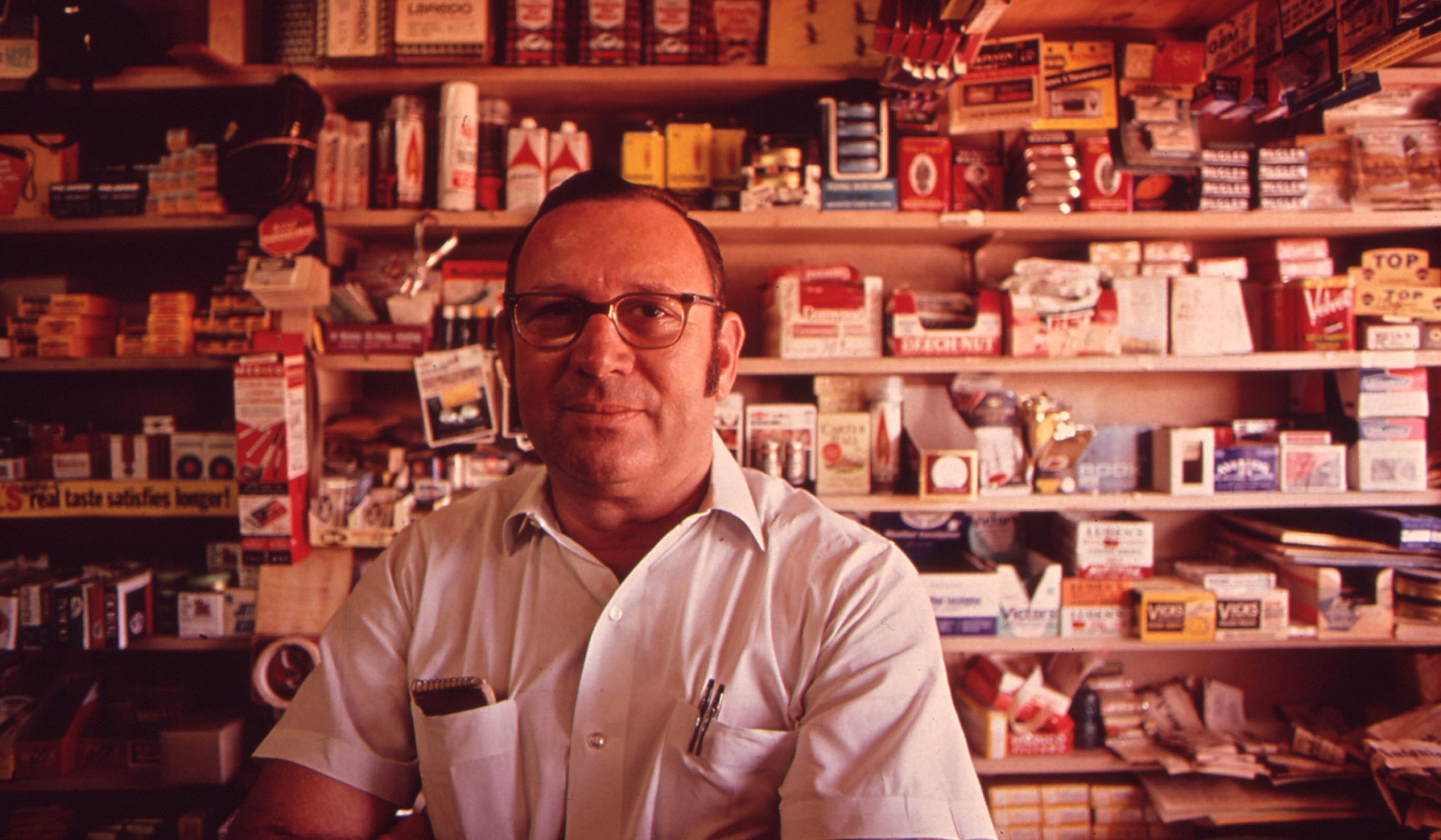

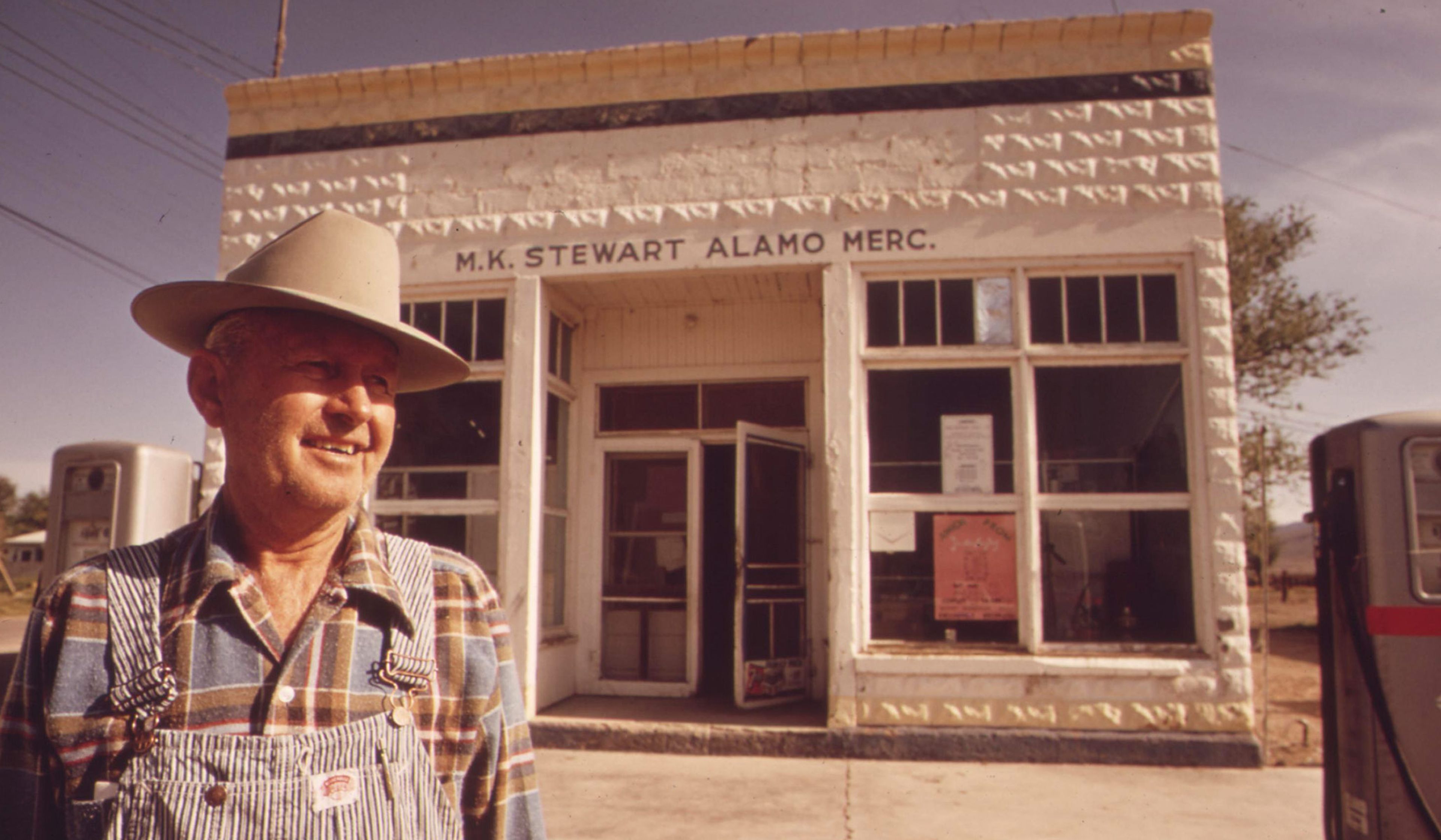
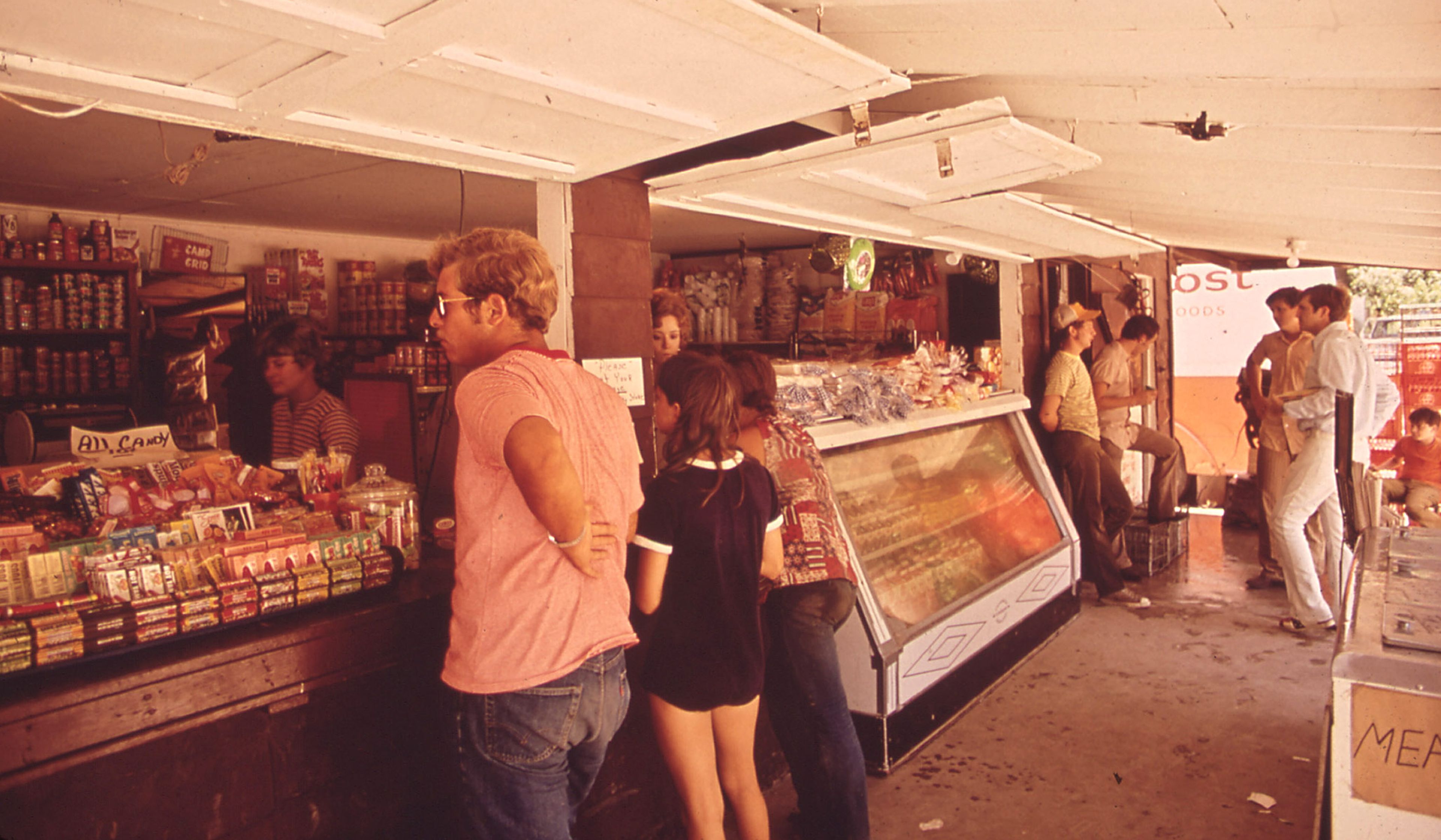
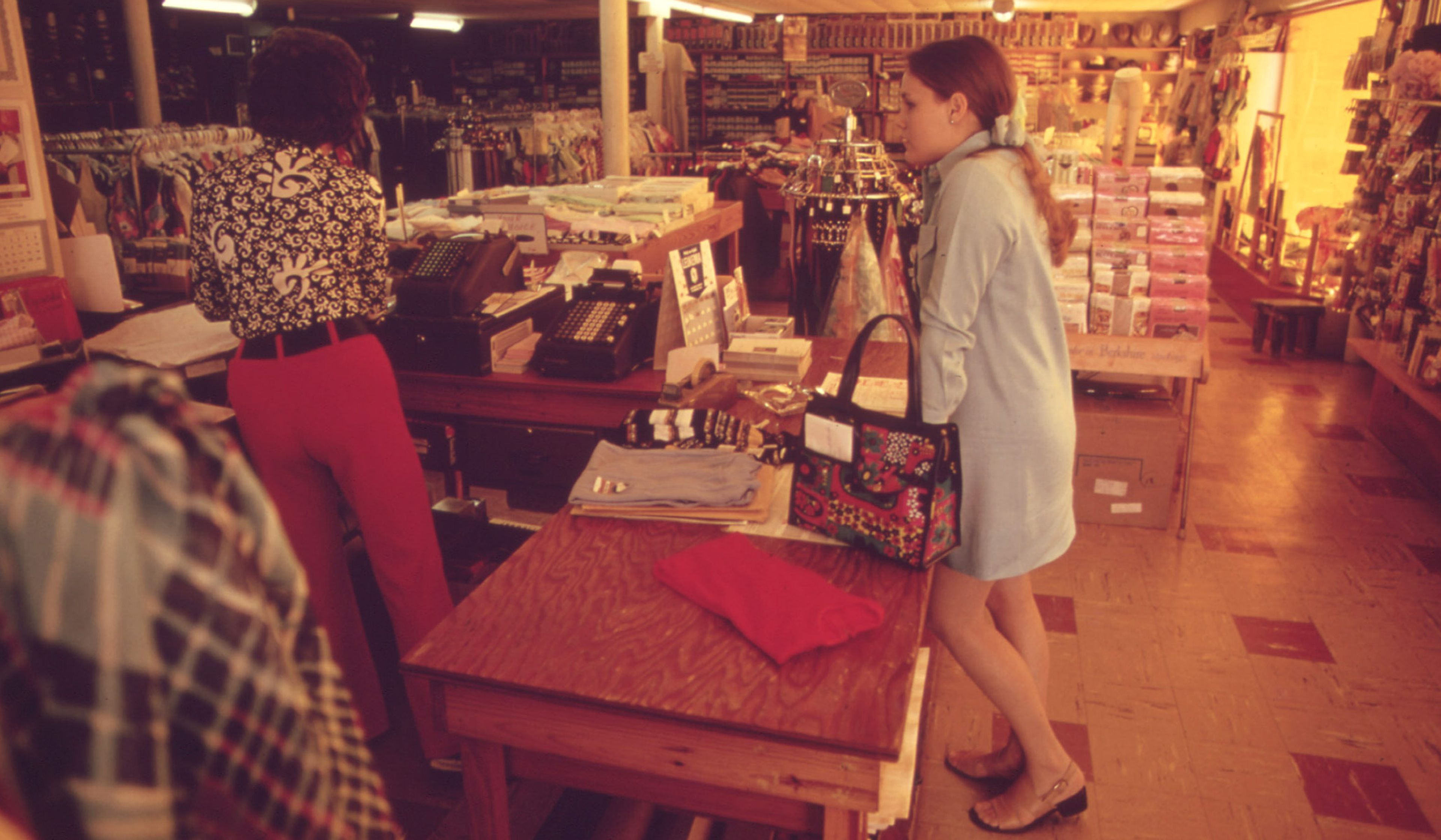
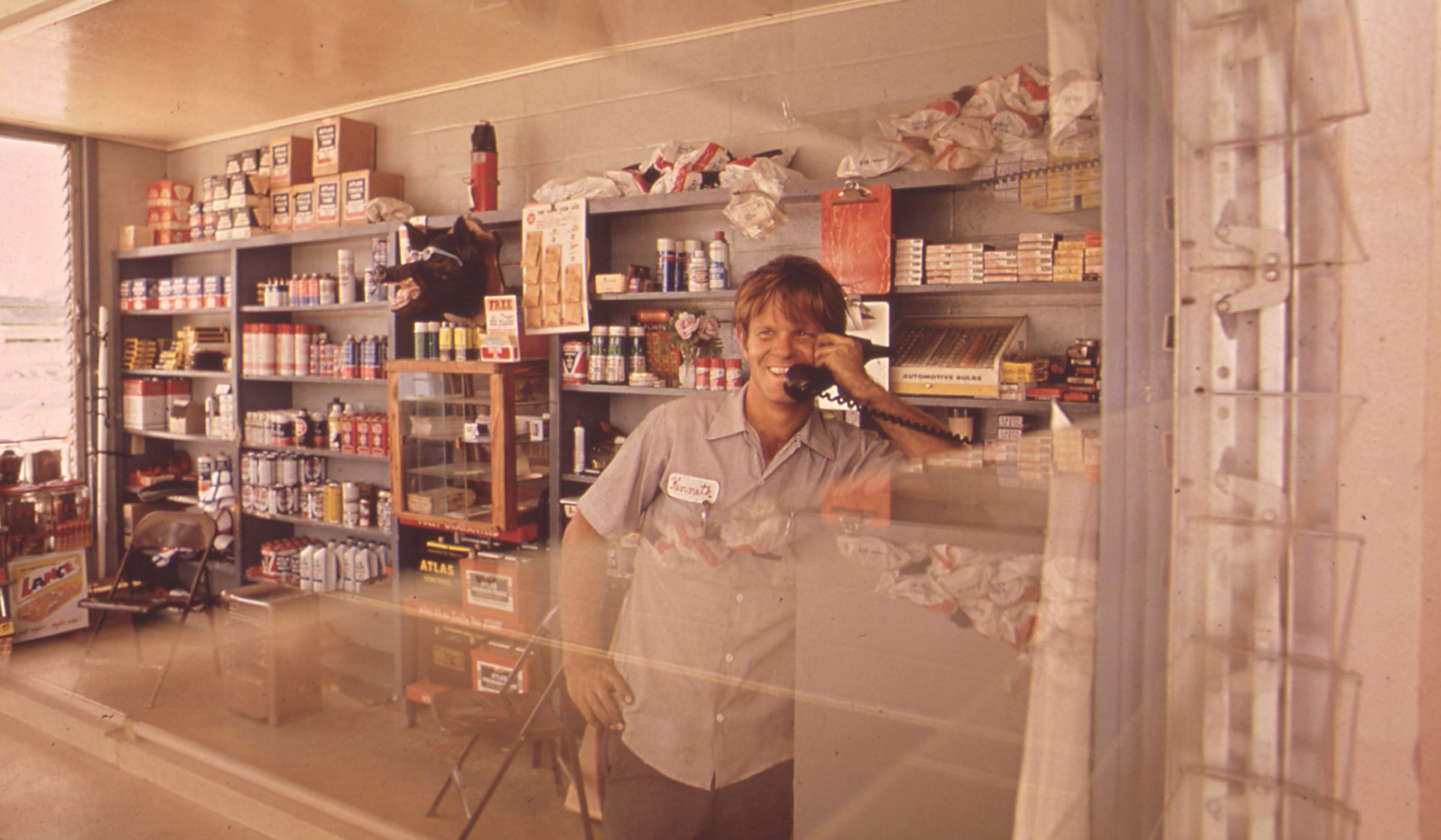
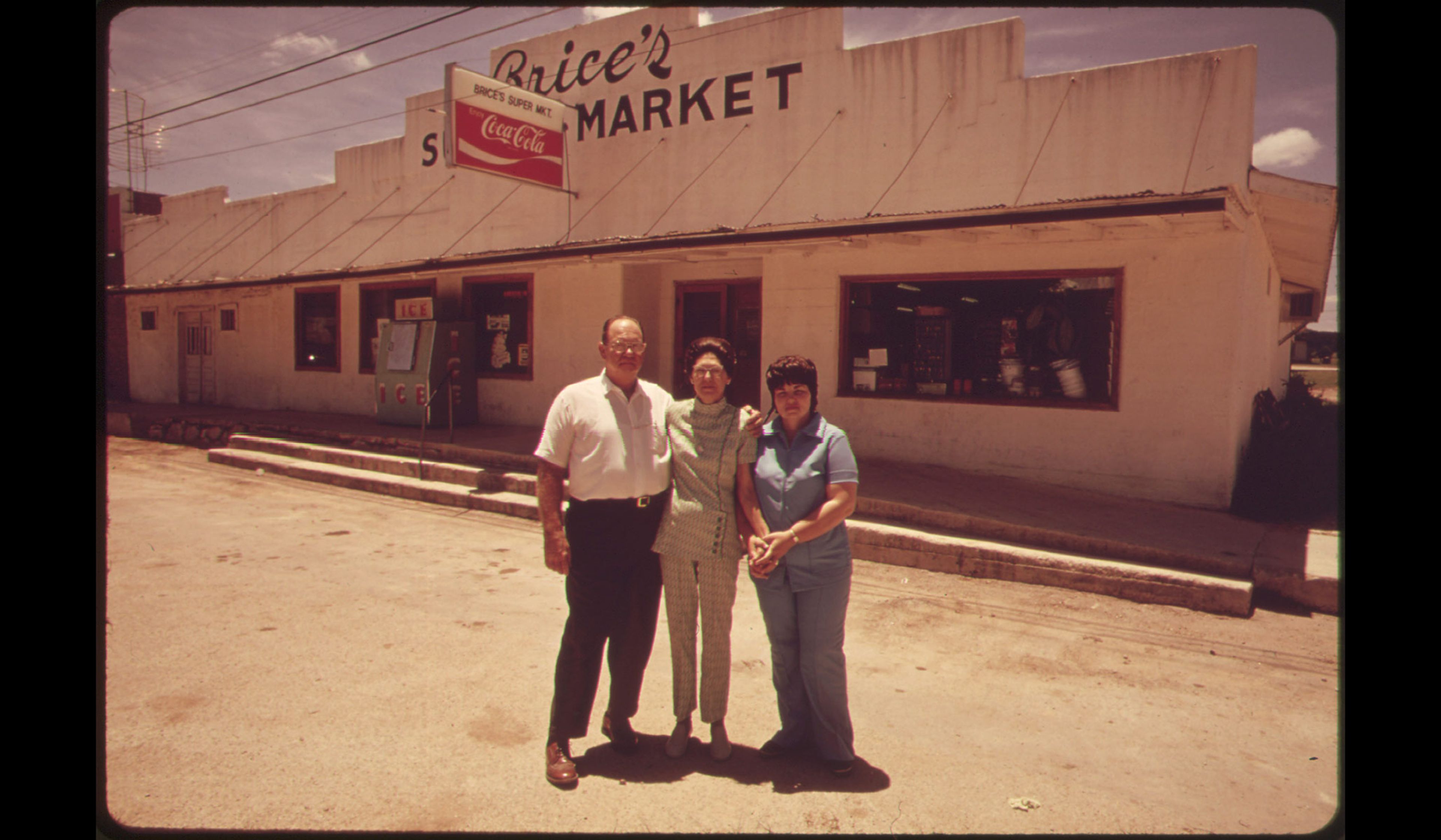
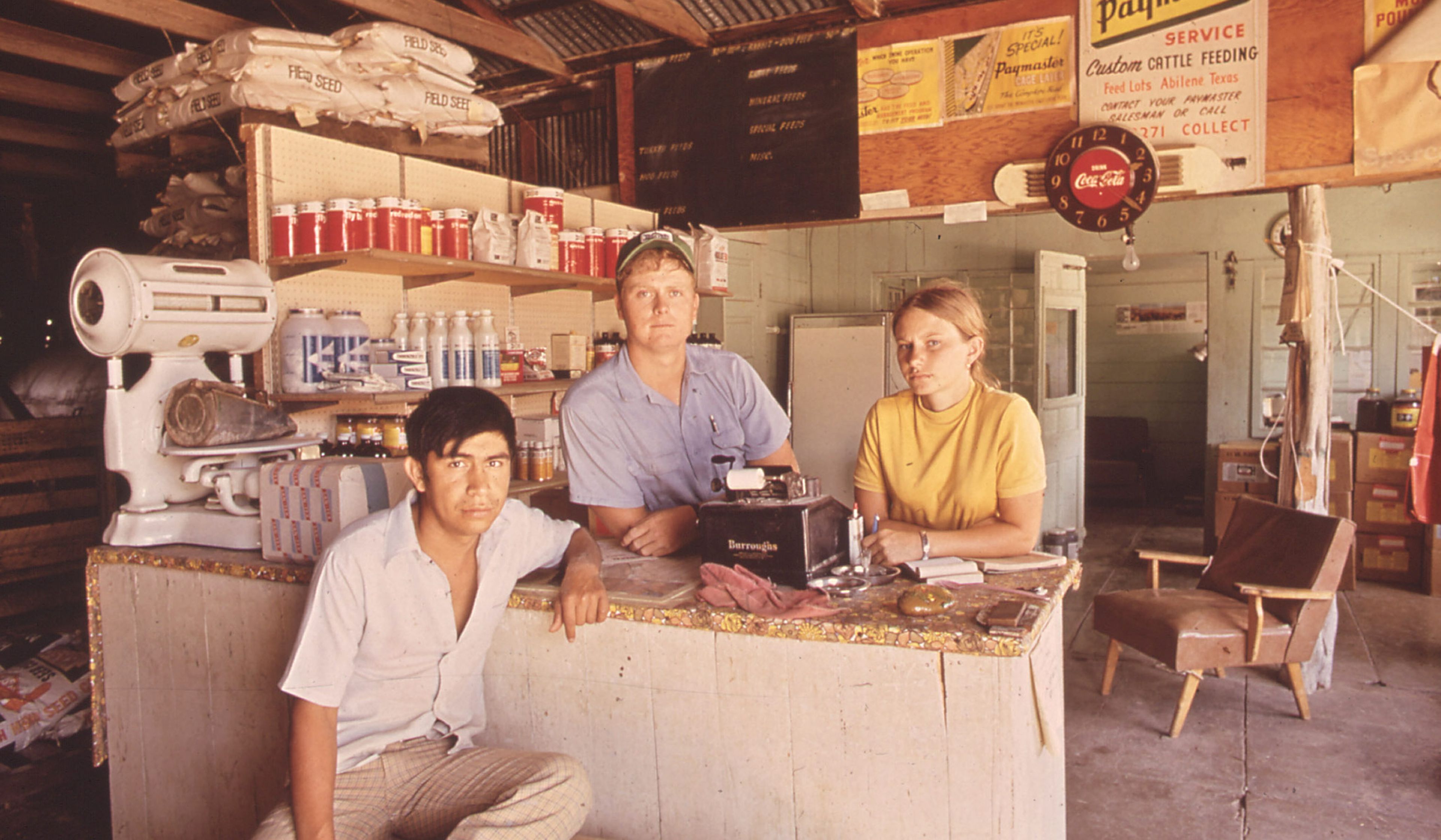
Morris Fisher, owner of a local grocery store and pharmacy in Leakey, Texas, November 1972.
Marc St. Gil/DOCUMERICA/National Archives
That seems absurd, because peanut butter didn’t get involved in issues of social contention. Even if the marketing director was a hard-core Stalinist, he certainly wouldn’t send everyone a postcard with his views, stamped with the company logo.
Now, however, a brand must be aligned precisely on all the issues or it will be cast into the fires of perdition for not stepping up and doing the work. In the last week of November, I saw a tweet from Kraft peanut butter. “For #TransAwarenessWeek,” it said, “we want to make the world more inclusive, so we’re releasing a book with our friend Nick North about the importance of using pronouns.” There was a picture of two smiling cartoon bears, with the words “Crunchy and Smoothie want to learn about pronouns with you!”
Oddly enough, peanut butter appears to be resolutely binary. There is Crunchy, and there is Smooth. That’s it. If Kraft wanted to illustrate the Spectrum of Identity, they should’ve gone with Milk. It can be Whole, it can be Skim, it can be 2 percent, and, for those who find 2 percent milk the equivalent of chugging cement, there is 1 percent, which is basically cereal water. It comes in cans and boxes and can be found in powdered form, as well as inside cows.
But Kraft does not make milk. They do, however, use milk in cheese. If Kraft wanted to start a conversation about inclusivity and pronouns and awareness, maybe start with the Cheddar Spectrum — Mild to Extra Sharp — and go from there. Once we’re all aware of the infinite gradations that exist in the human condition, then use the bears to introduce the rigid peanut-butter binary as an example of outmoded thought, and remind people that there are two sides to this particular issue: correct, and evil.
Correct people share the tweet! Evil people, who deserve death, leave a mocking comment on Twitter and move on. In England the bobbies, who will pay you a visit if you mock Crunchy and Smoothie, will write you up for “harm caused to illustrated corporate spokesbears.”
What would Mr. Kraft think about Trans Awareness Week? He was a religious man, after all, and would address the nation during Easter week through the ads on the radio show he sponsored, The Great Gildersleeve. You could say that made cheese political and that it alienated the village freethinkers who regarded the pious homilies as pasteurized bunkum sold to the god-bothering bumpkins.
Kraft’s remarks, however, were coincident with the national self-conception, not blows against the cultural paradigm. No doubt the Kraft social-media people feel the same way: They’re just joining in the chorus, singing from the sheet music all the proper people hold in their soft, kind hands. It’s not as if Kraft did something hateful, like having its cartoon bears turn into anti-choice monsters who wanted to have a conversation about fetal development.
Next up: Heinz, which is already ahead of the gender-spectrum thing because it has 57 varieties, inserts microchips in all its bottles that say “These tomatoes were grown on stolen land,” and the Washington Post does a story about how Hunt’s is now the choice of white supremacists. Not because Hunt’s puts Nordic runes on its labels or says that its brand is a “great replacement” for other condiments. Just because they said nothing about stolen land.
Where does French’s mustard stand on reparations? Is my store-brand Worcestershire sauce bottled by a company that hasn’t decried voter suppression? Surely Jif will apologize for its old ads and roll out its new slogan: Choosy birthing-persons choose Jif. Anything else would make 147 people get angry on Twitter, and that would really get the marketing department’s attention.











Comments