The shocking news out of this summer’s Olympic break-dancing competition in Paris wasn’t that a female Australian competitor had hopped and jerked around like Uma Thurman being revived from a drug coma in Pulp Fiction. It was that the Olympics had a break-dancing competition at all.
Proving that anything can be made into a “sport” as long as there are people willing to judge it (next Olympics: reading the works of Graham Greene aloud while being chased by an alligator), this distinctly American dance form has gone worldwide, with foreign dancers adopting American street style and mannerisms, which they then try to sell back to Americans. It resembles the work of British rappers, who adopt all the American rhymes and fashion but end up akin to a Xerox of a fax of the original.
Yet America continues to push another of its exports, football, onto England, a country that already has a football of its own. (It is still a mystery why America called its game “football,” since most times when a foot is utilized — either punting or settling for a field goal — something disappointing has happened.)
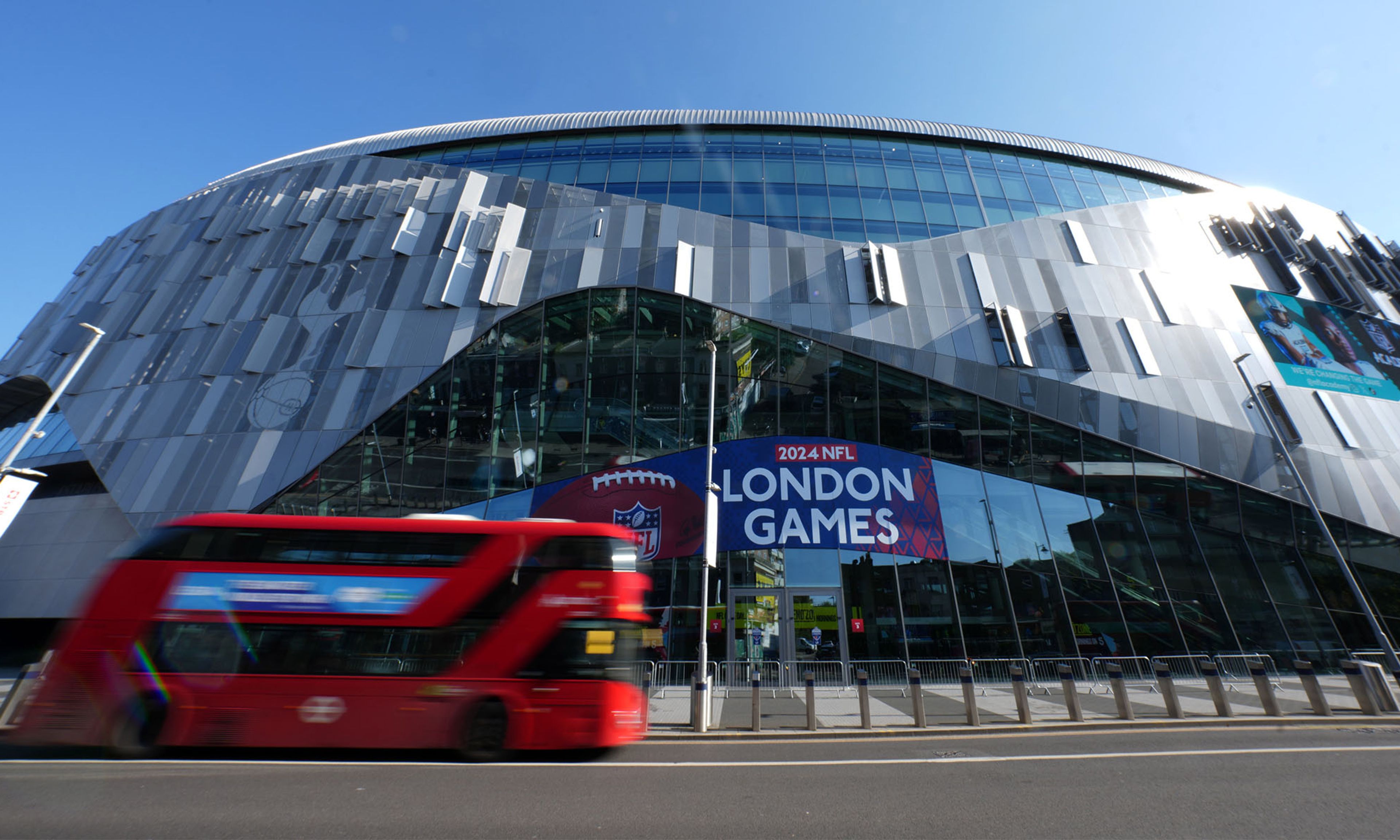
Earlier this year, I found myself walking around London as the Minnesota Vikings were set to play the New York Jets in North London. The streets were filled with Brits wearing jerseys representing teams from all over the U.S. — a Dan Marino Dolphins jersey here, a Ray Lewis Ravens jersey there. It was as if all the Goodwill stores in America had dumped every jersey abandoned over the past decade onto the shores of the U.K.
The stands at the London-based NFL games, three of which are being played this year, are an odd sight. In America, stadiums are full of fans wearing the colors of the home team, with a few brave souls decked out in the colors of the visitors. Occasionally, you get a lunatic who wears a Giants jersey to a Dallas–Washington game, but those are the outliers.
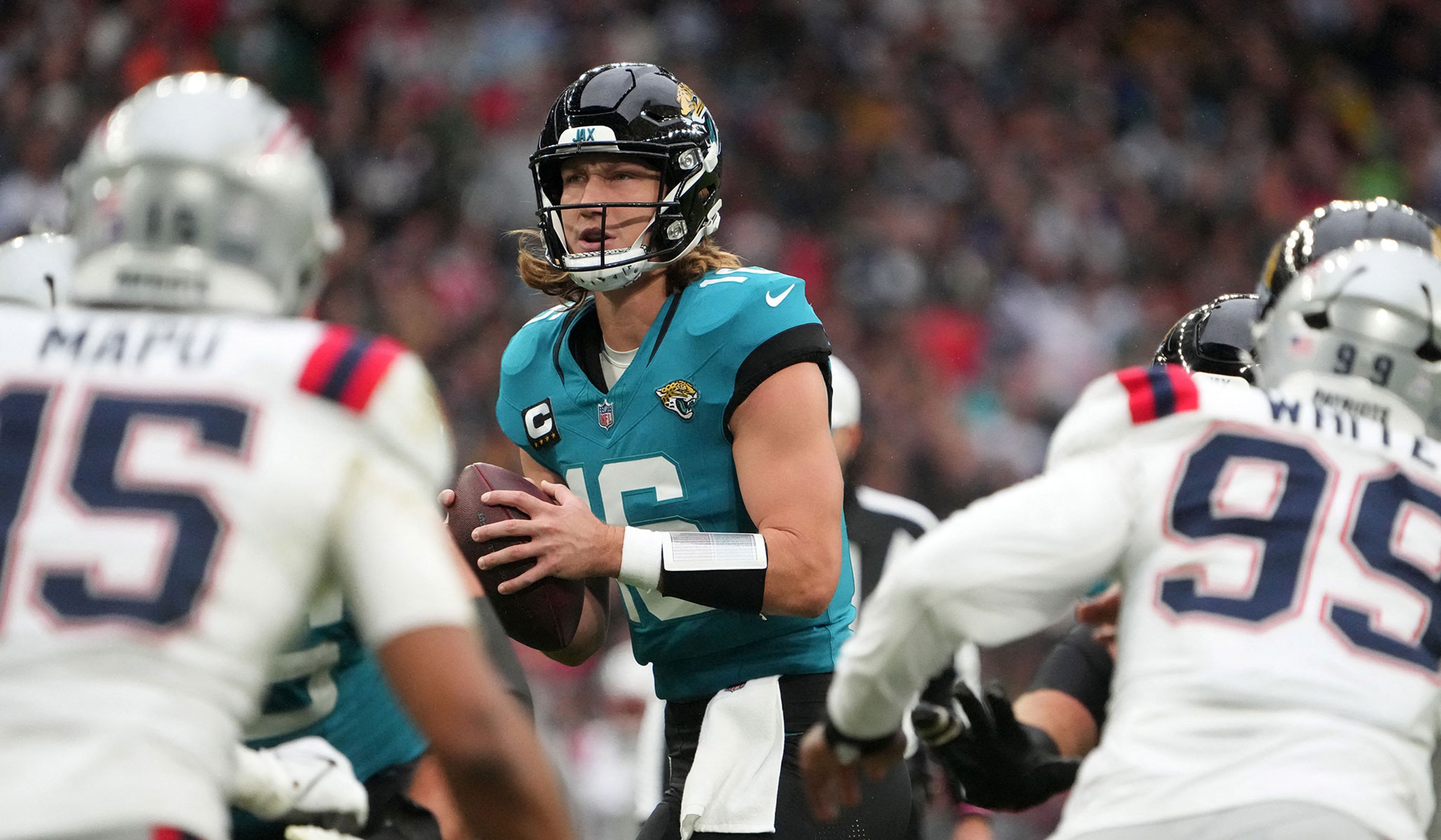
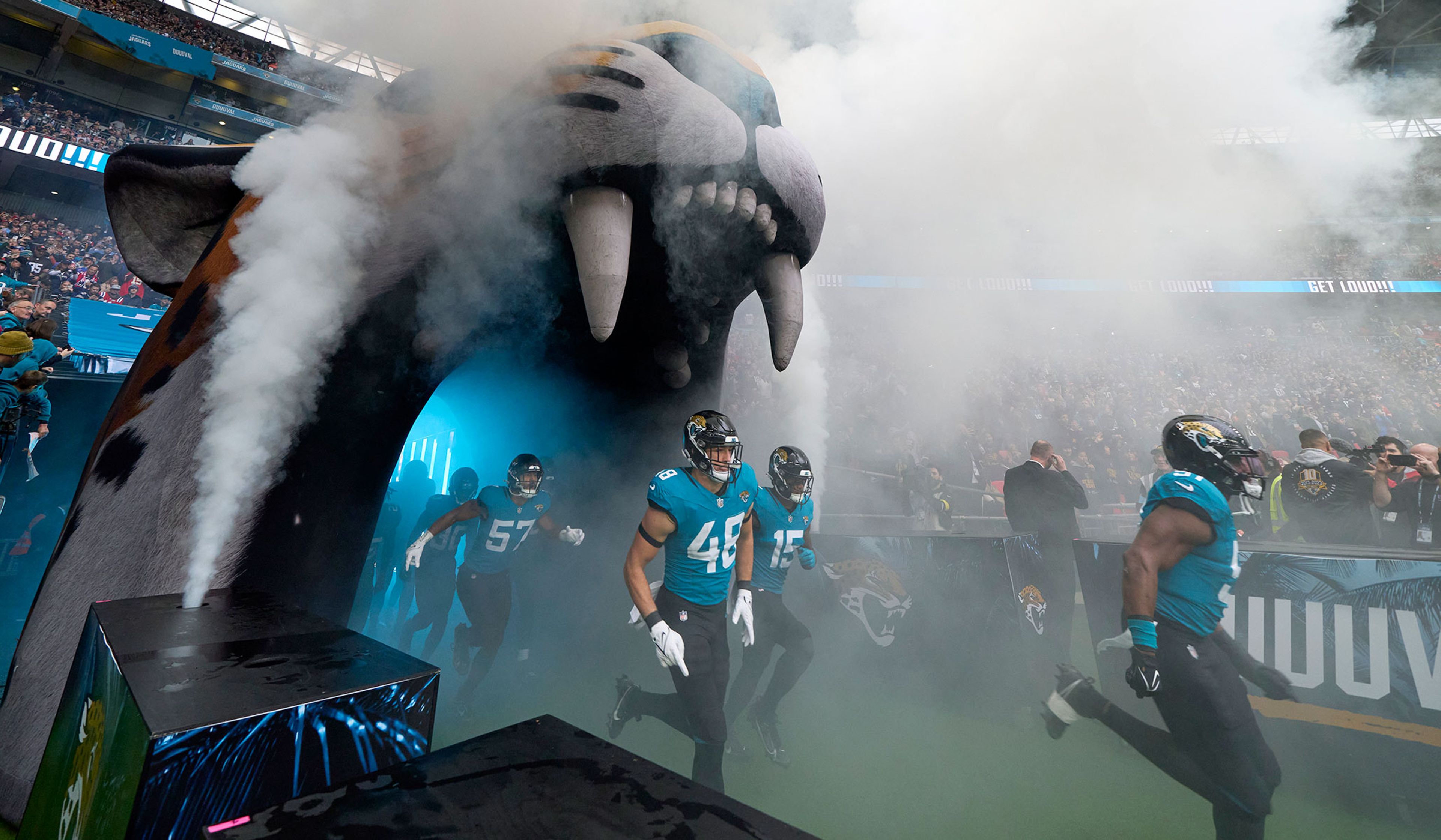
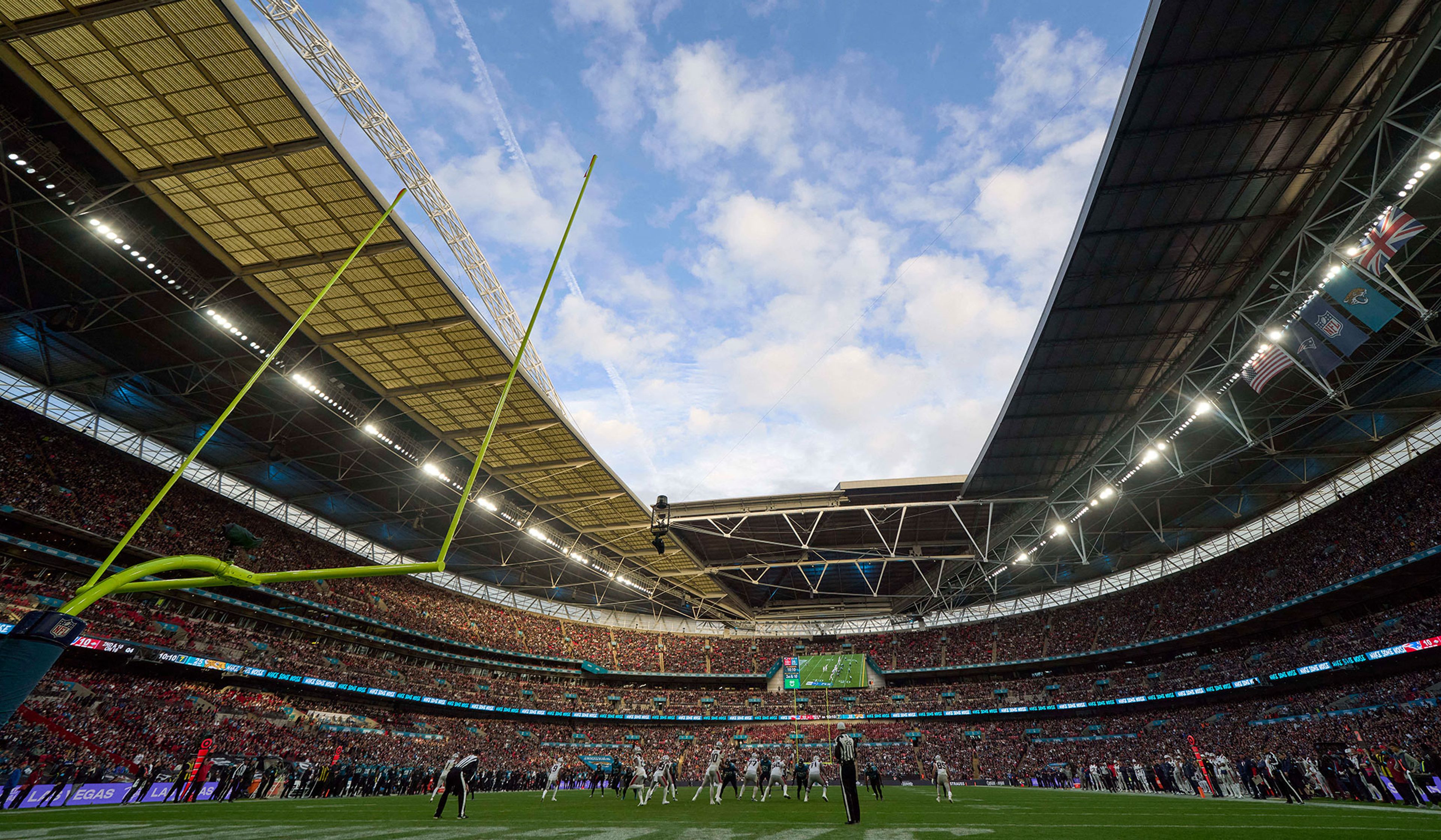
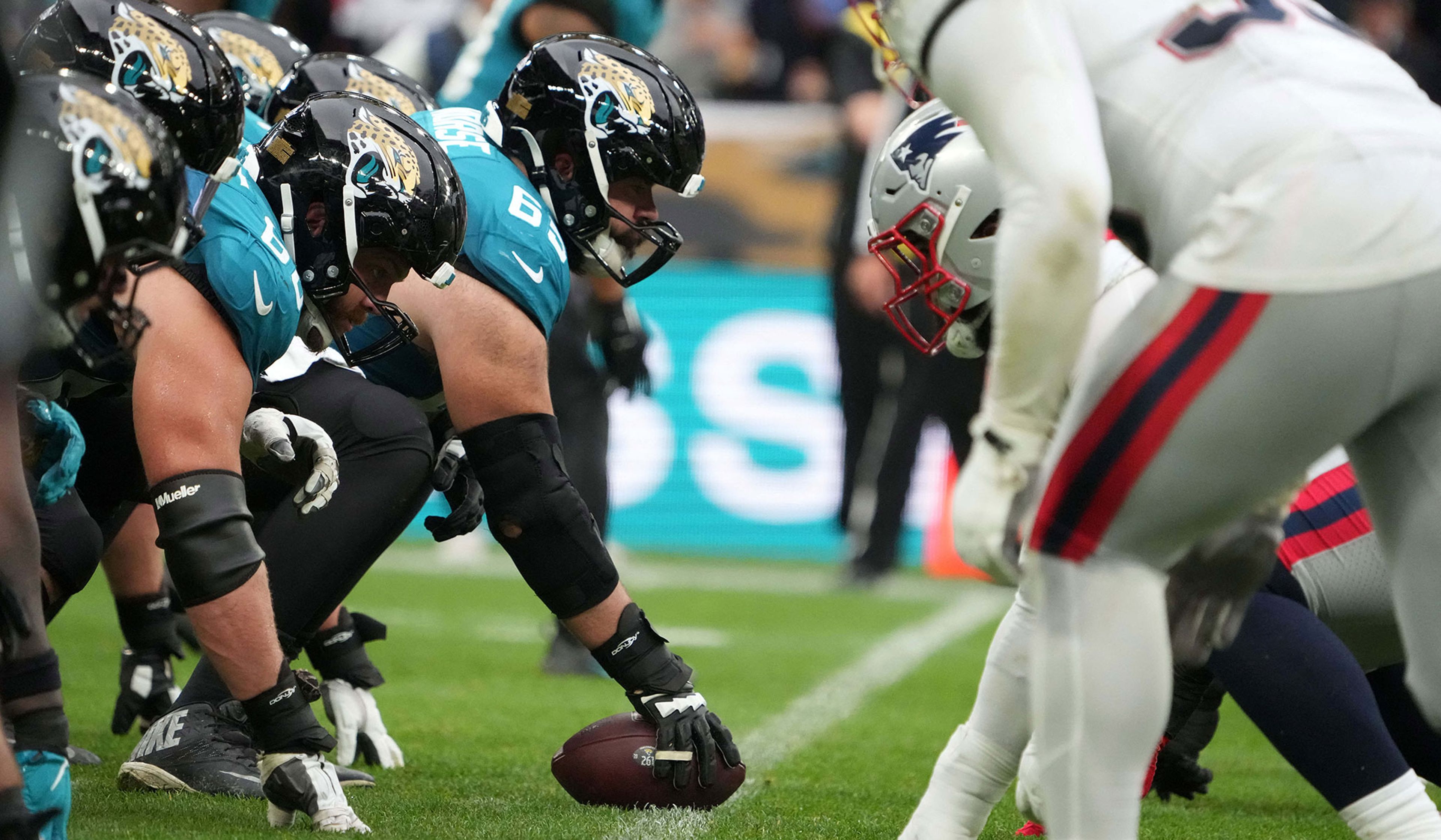
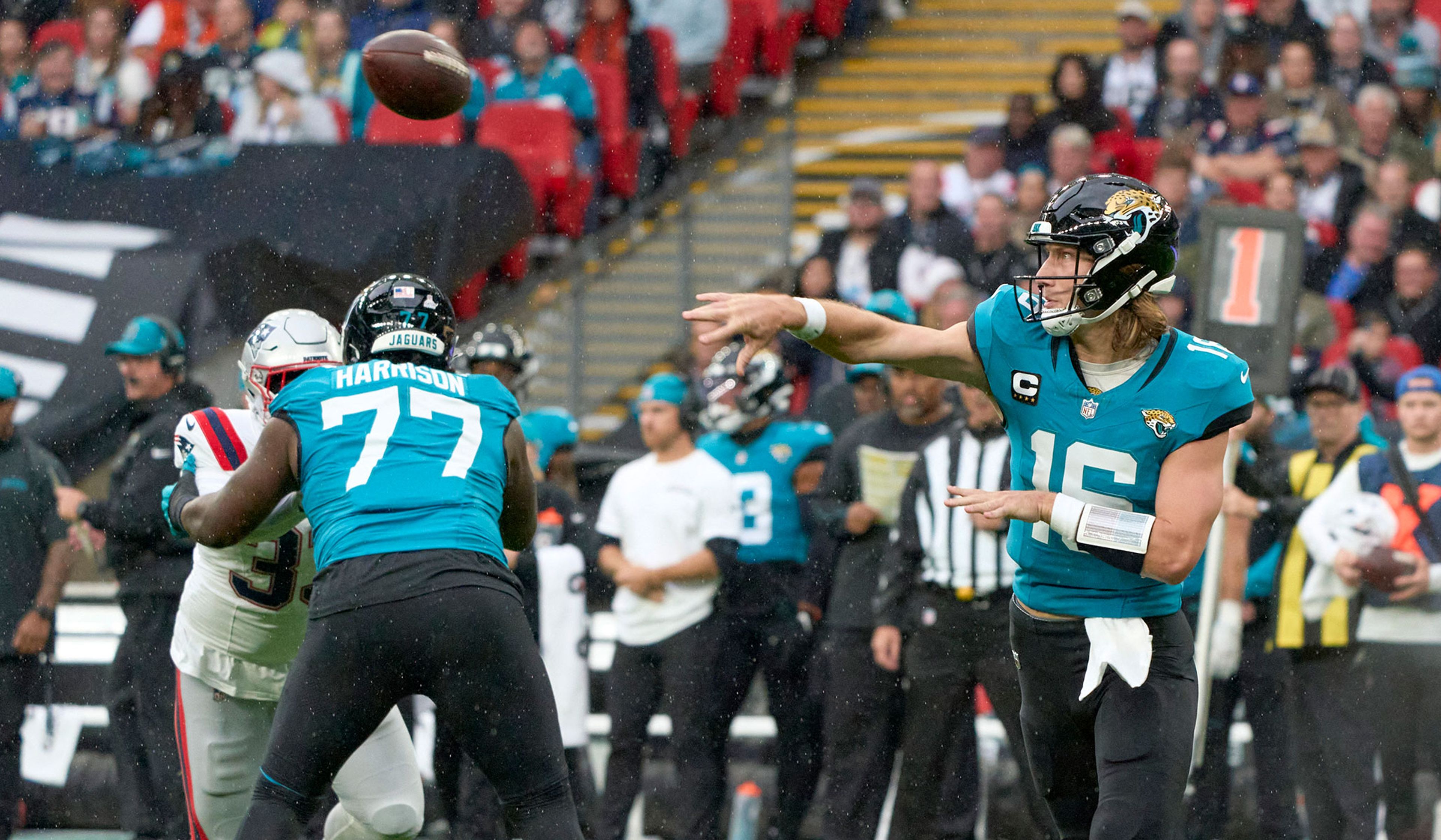
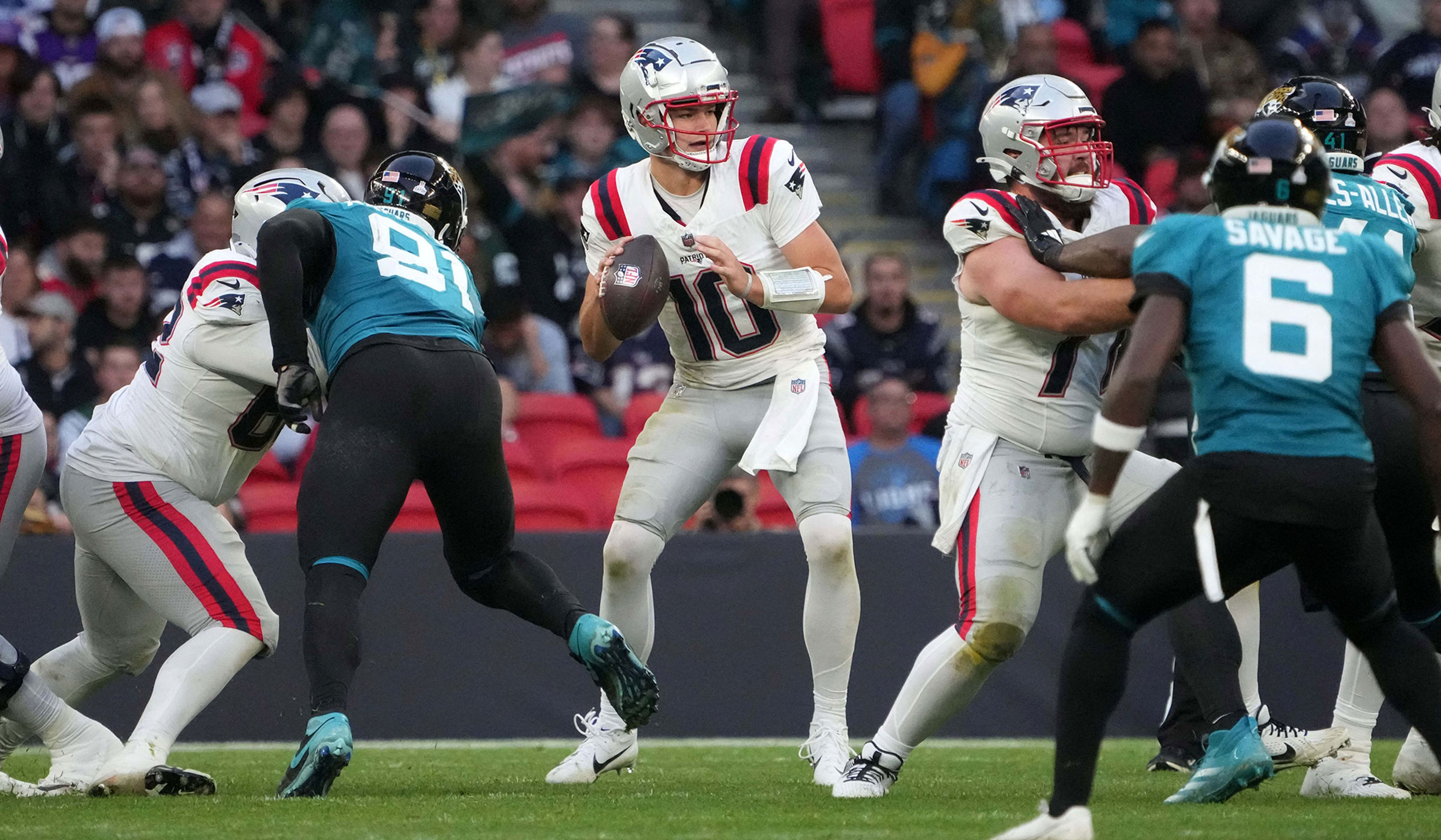
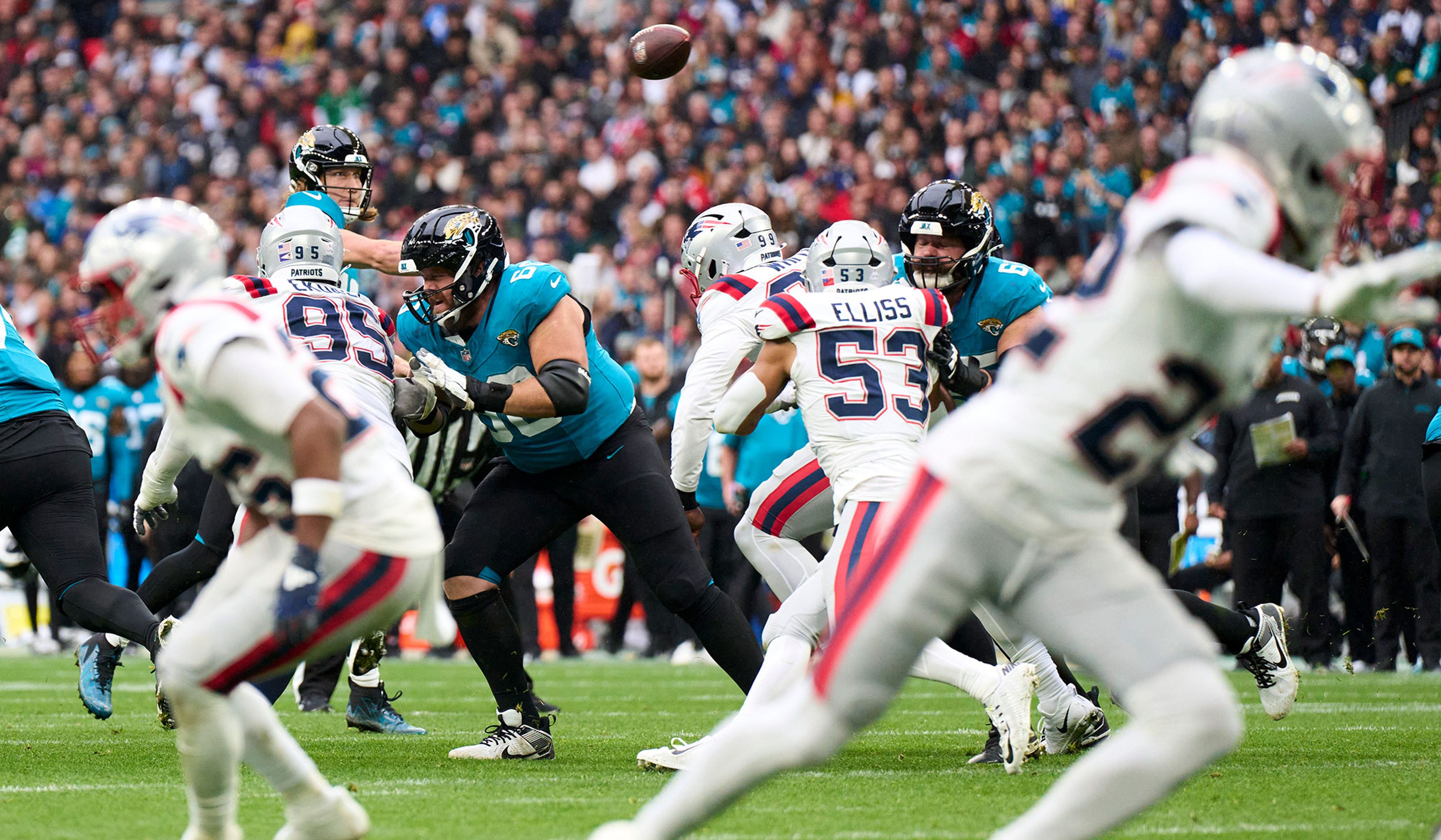
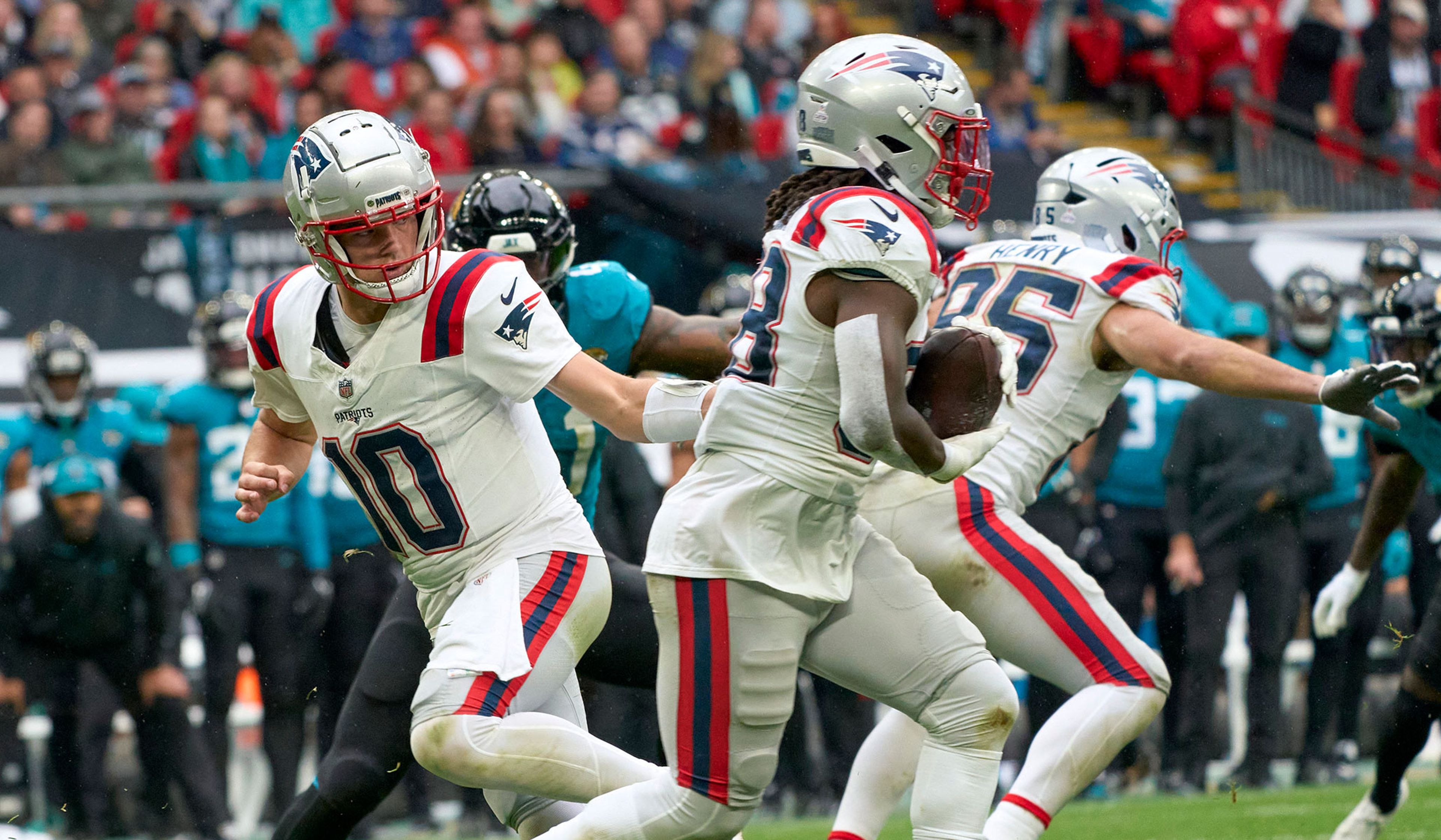
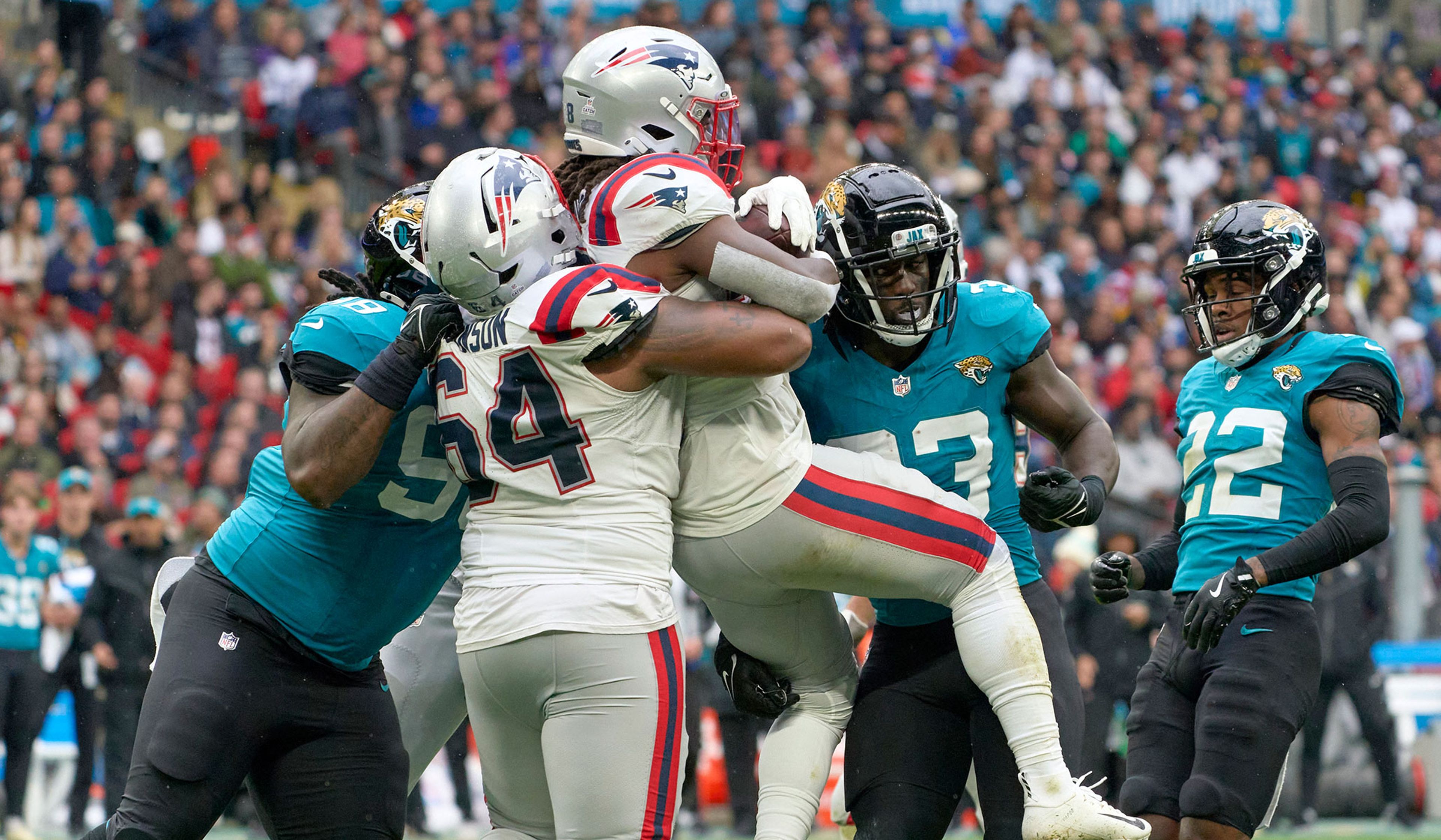
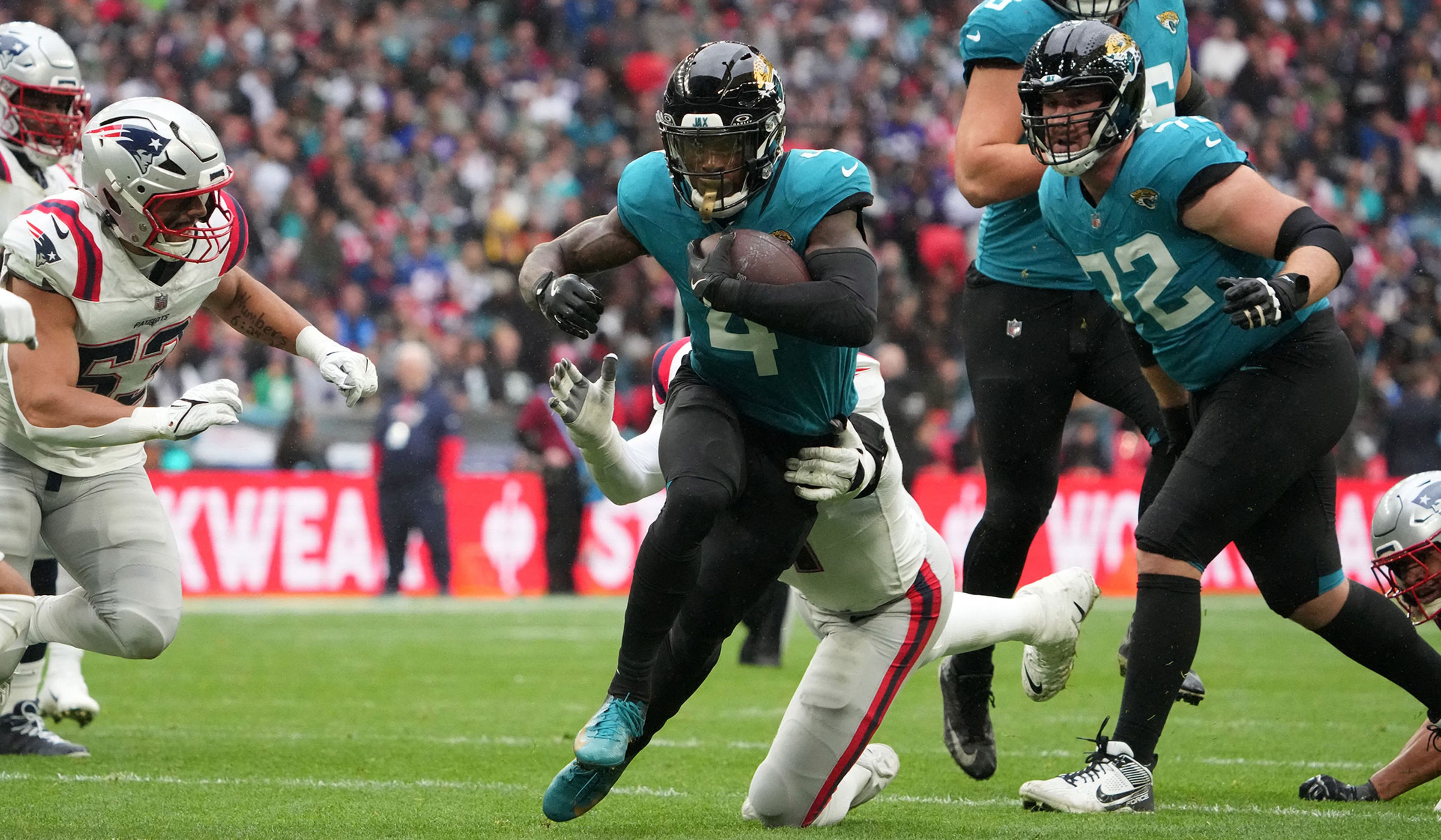
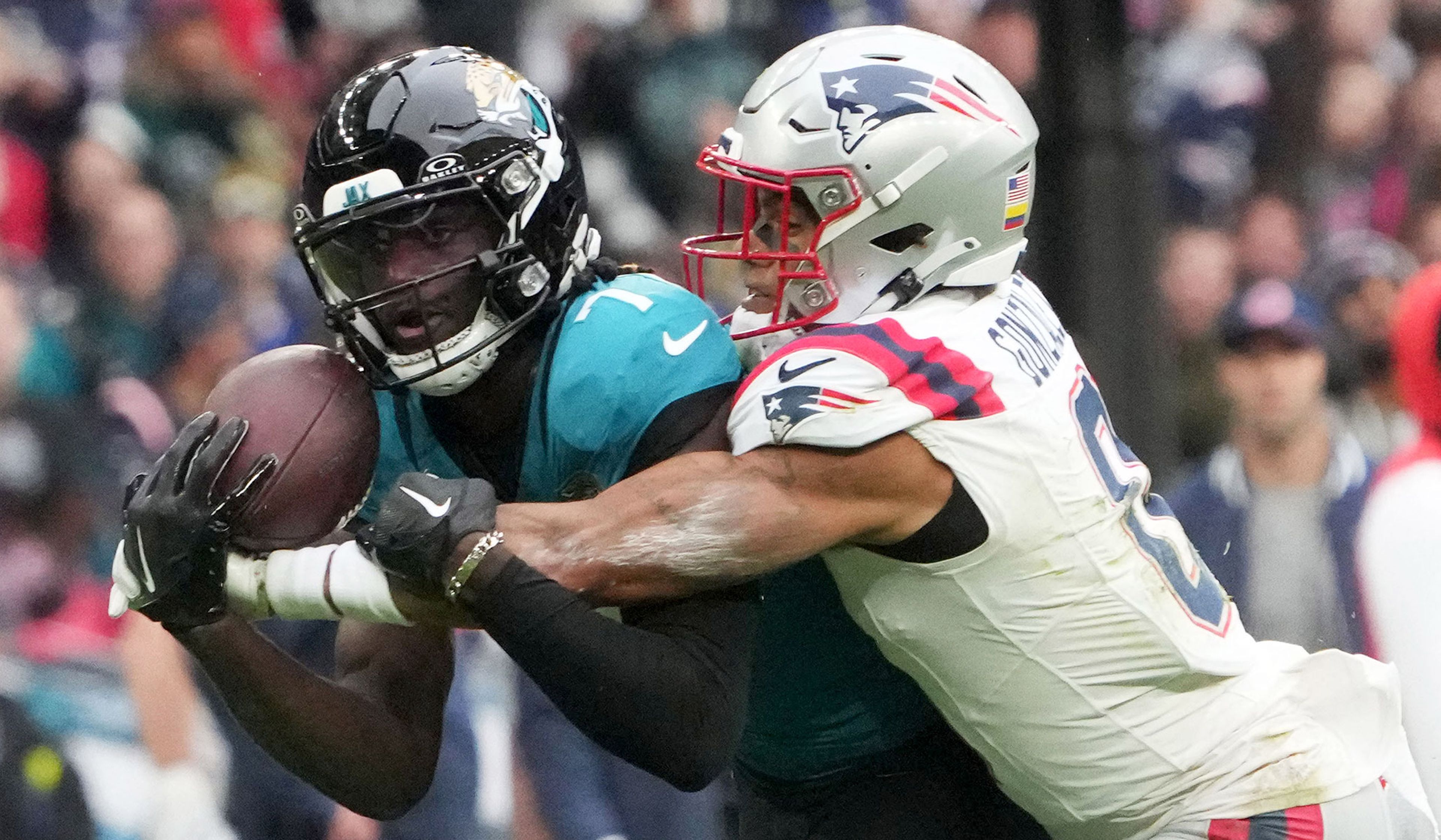
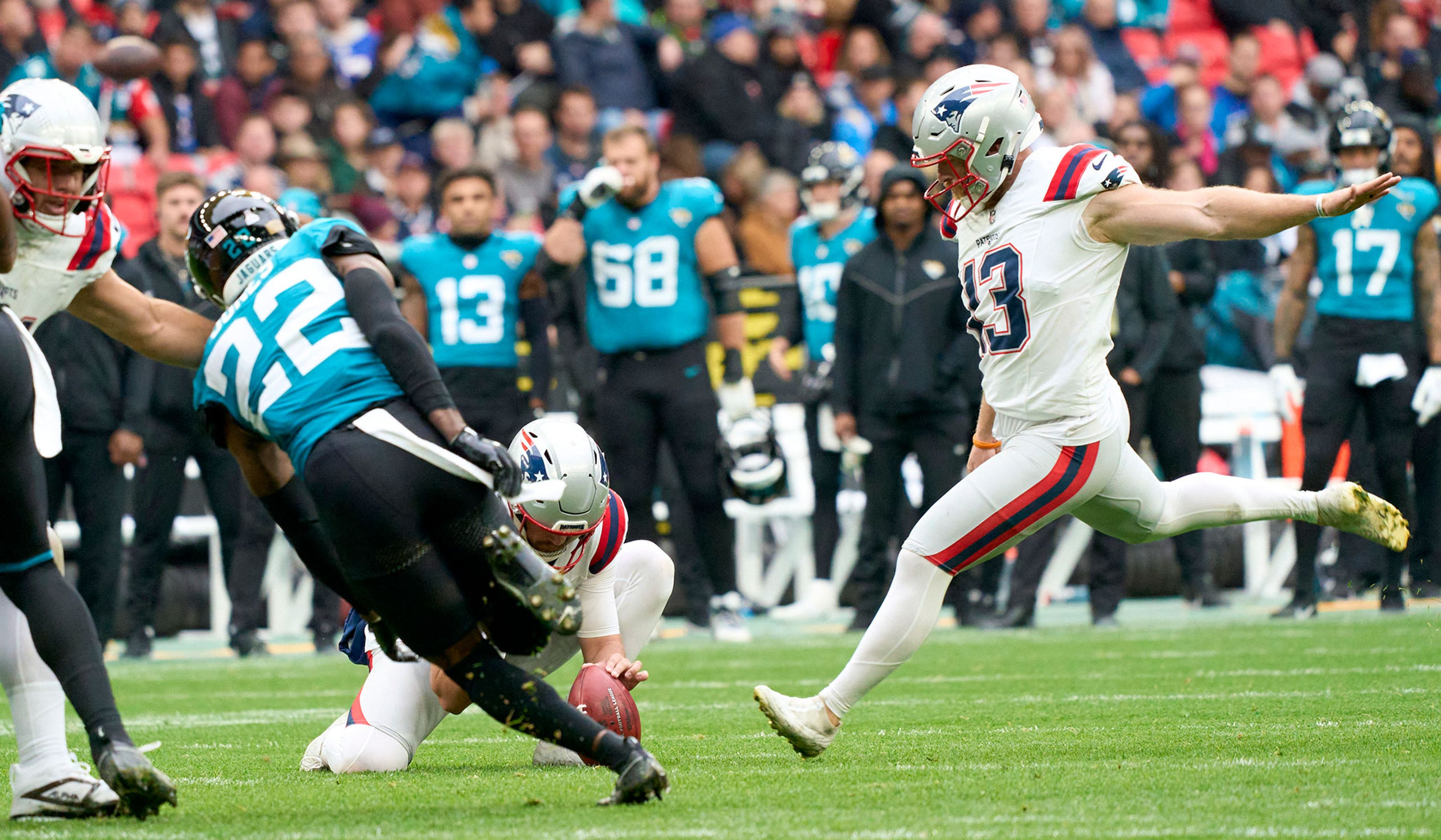
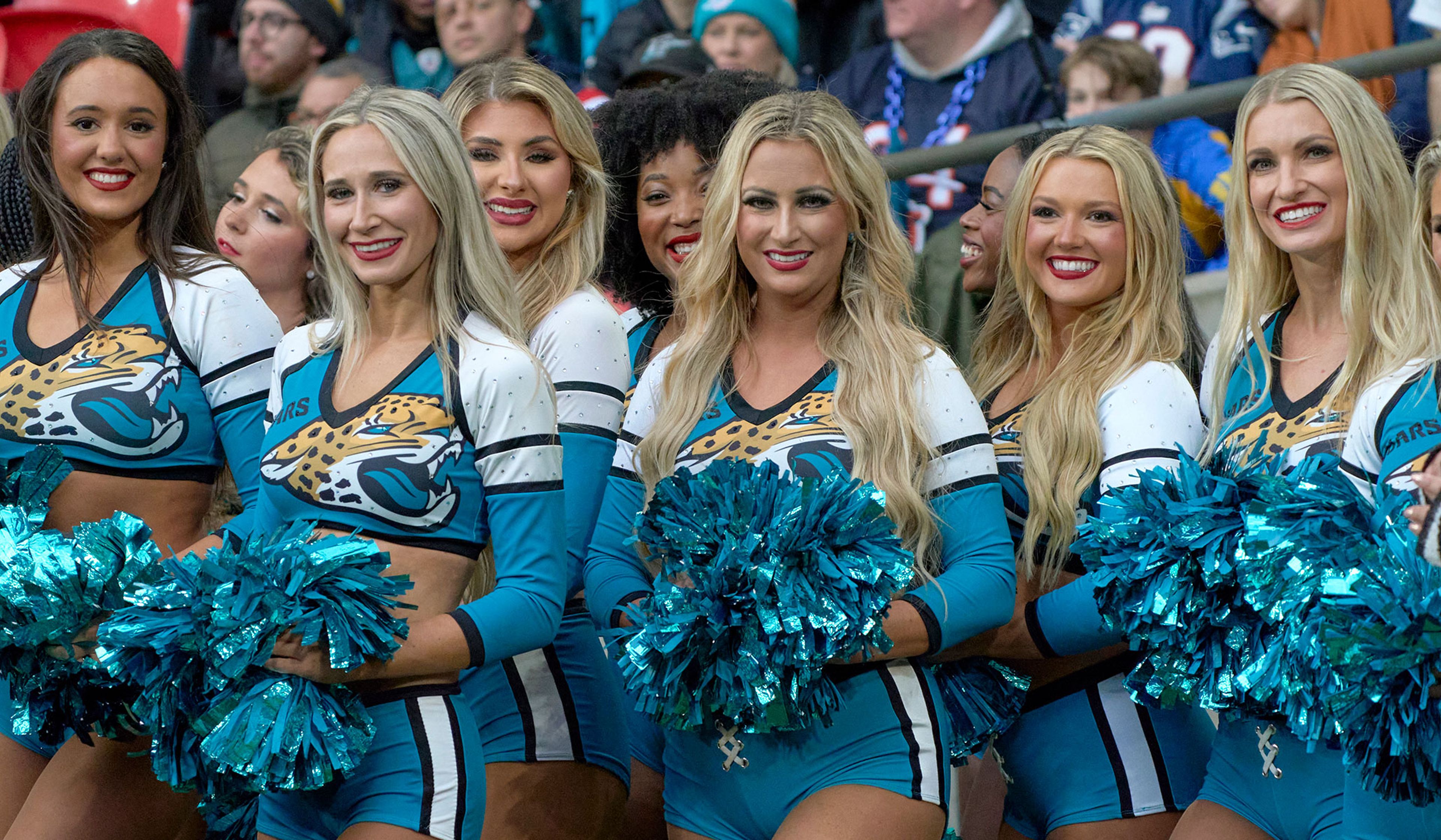
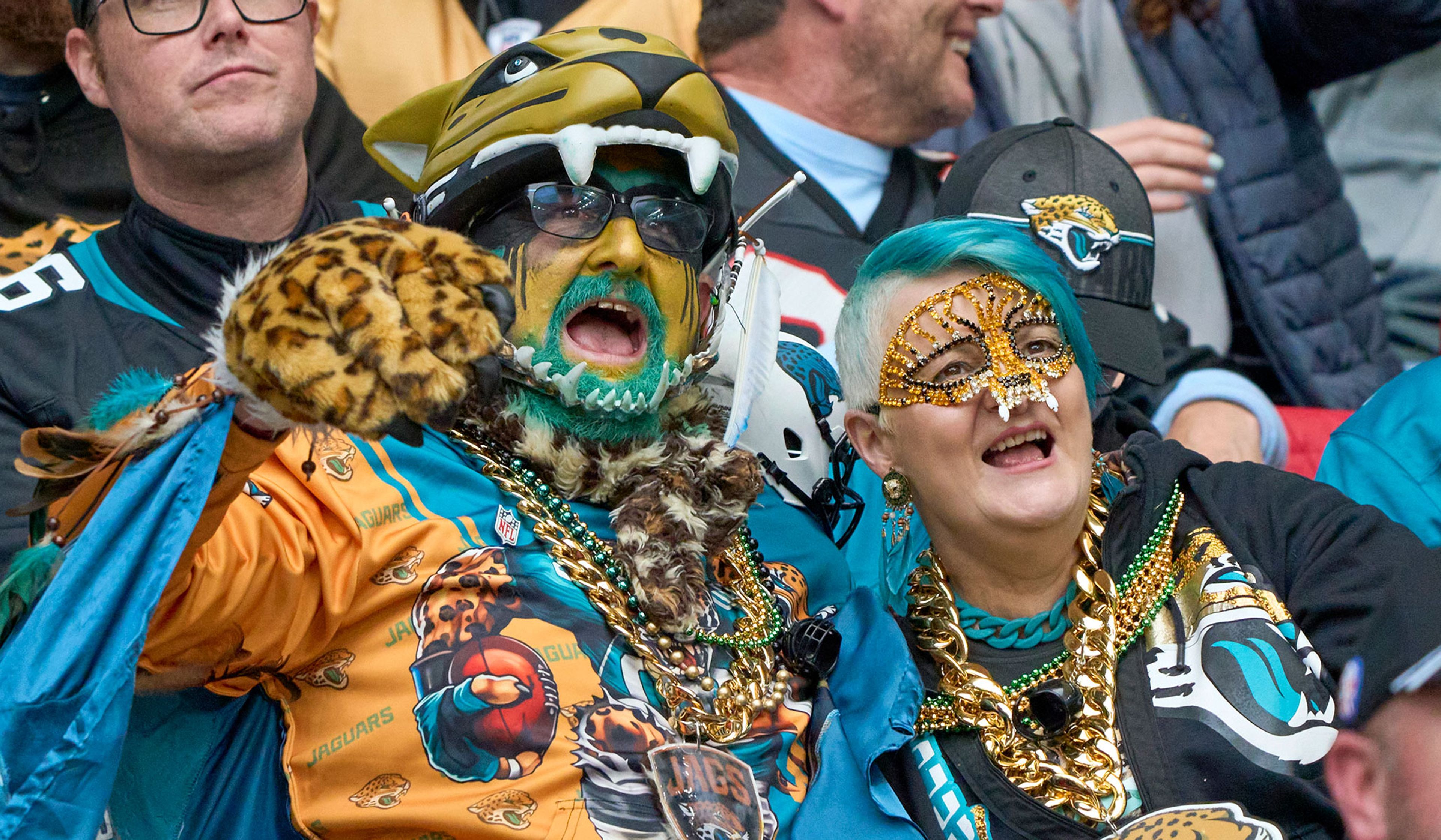
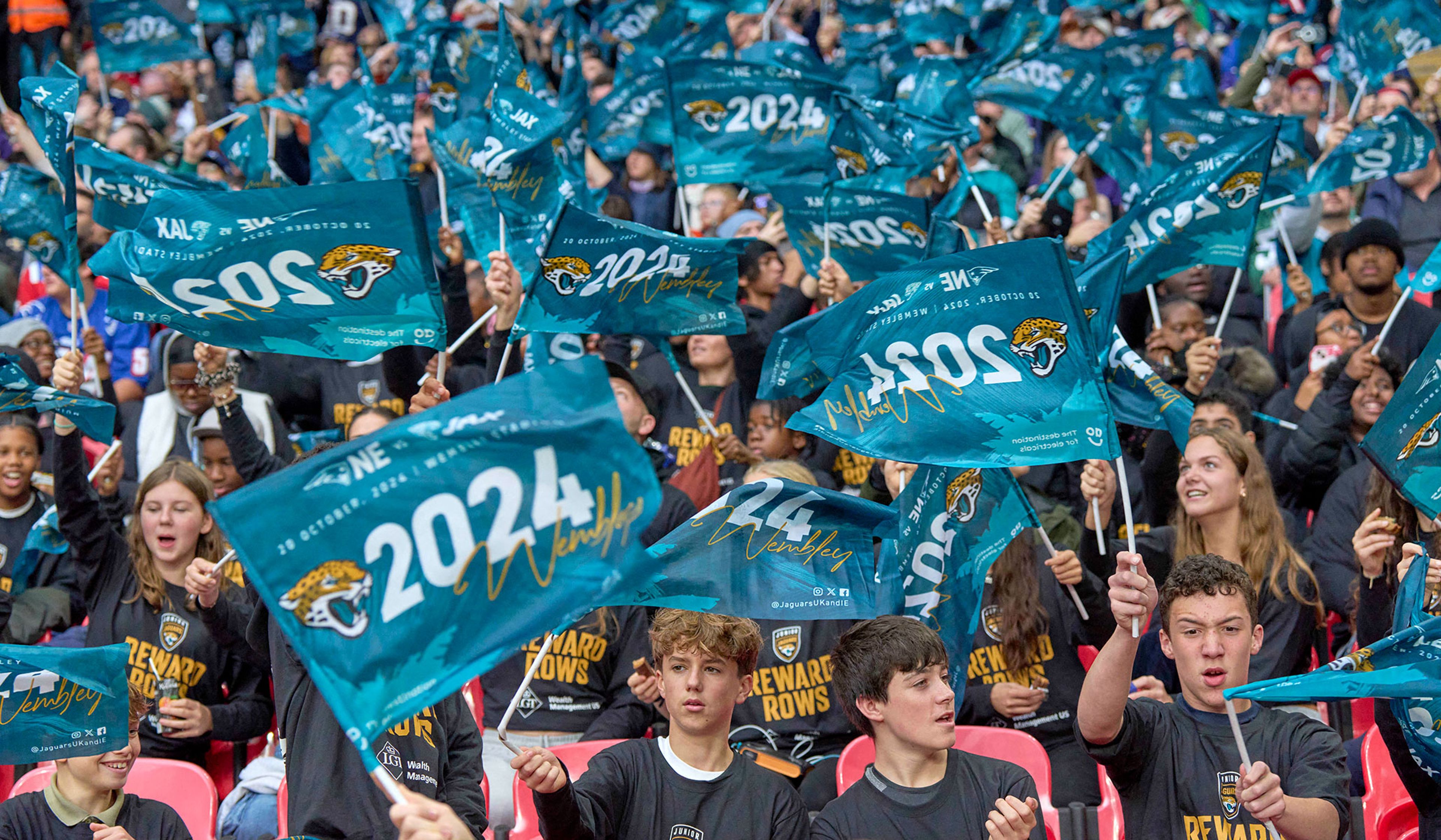
Jacksonville Jaguars quarterback Trevor Lawrence (16) throws the ball against the New England Patriots in the first half of an NFL International Series game at Wembley Stadium in London, England, October 20, 2024.
Kirby Lee-Imagn Images
Not so in London, where most of the fans are there simply to root on “football.” Of course, there are knowledgeable English fans willing to stay up until 1 a.m. to see the kickoff of Monday Night Football every week, but many British attendees don their decades-old jerseys simply to show they are into this sport even if they may not know all the rules or care for the teams in front of them.
And typically the game they are seeing is of substandard quality. The NFL continues to inflict upon London the Jacksonville Jaguars, a perennially terrible team that has played several games in England over the last few years.
Nonetheless, in its chase for cash, the NFL has embraced football in the U.K. like Pepé Le Pew embracing a cat. The Jaguars are set to play six more games in London over the next three years, and other teams will be making the trip for games of their own. Commissioner Roger Goodell has suggested that the league will also be heading to Ireland, where college football games are already played.
But the money vacuum hasn’t been filled in the British Isles. Opening weekend this year saw two of the league’s marquee teams, the Green Bay Packers and the Philadelphia Eagles, playing on a slippery field in Brazil. Munich and Mexico City have also hosted games.
It is adorable that fans in other countries get to wear their secondhand jerseys, but where does that leave American fans who want to see their teams in person? One game in front of curious Brazilians deprives a team’s home fans of around 12 percent of the annual chance to see their favorite players in person.
International-football (soccer) fans are constantly frustrated that their sport has never really taken off in America, but that’s okay. It’s fine if different countries enjoy different sports. That’s part of what makes travel to foreign lands fulfilling — different cultures enjoying myriad activities makes for more-diverse overseas experiences.
It isn’t as if cultural trade were no longer robust — we gave England the iPhone and Taylor Swift, they gave us P. G. Wodehouse and the Beatles. (We will split credit for Winston Churchill, who was half American.)
In the interest of boosting the game (and thus the revenues), the NFL should broaden its base within the U.S. Perhaps the league should go after new fans by encouraging their best players to date global pop stars or by making their games reasonably affordable to attend. The NFL already tried “NFL Europa,” a league that died in 2007 like a Hail Mary falling to the turf. The current foreign push should suffer the same fate.












Comments