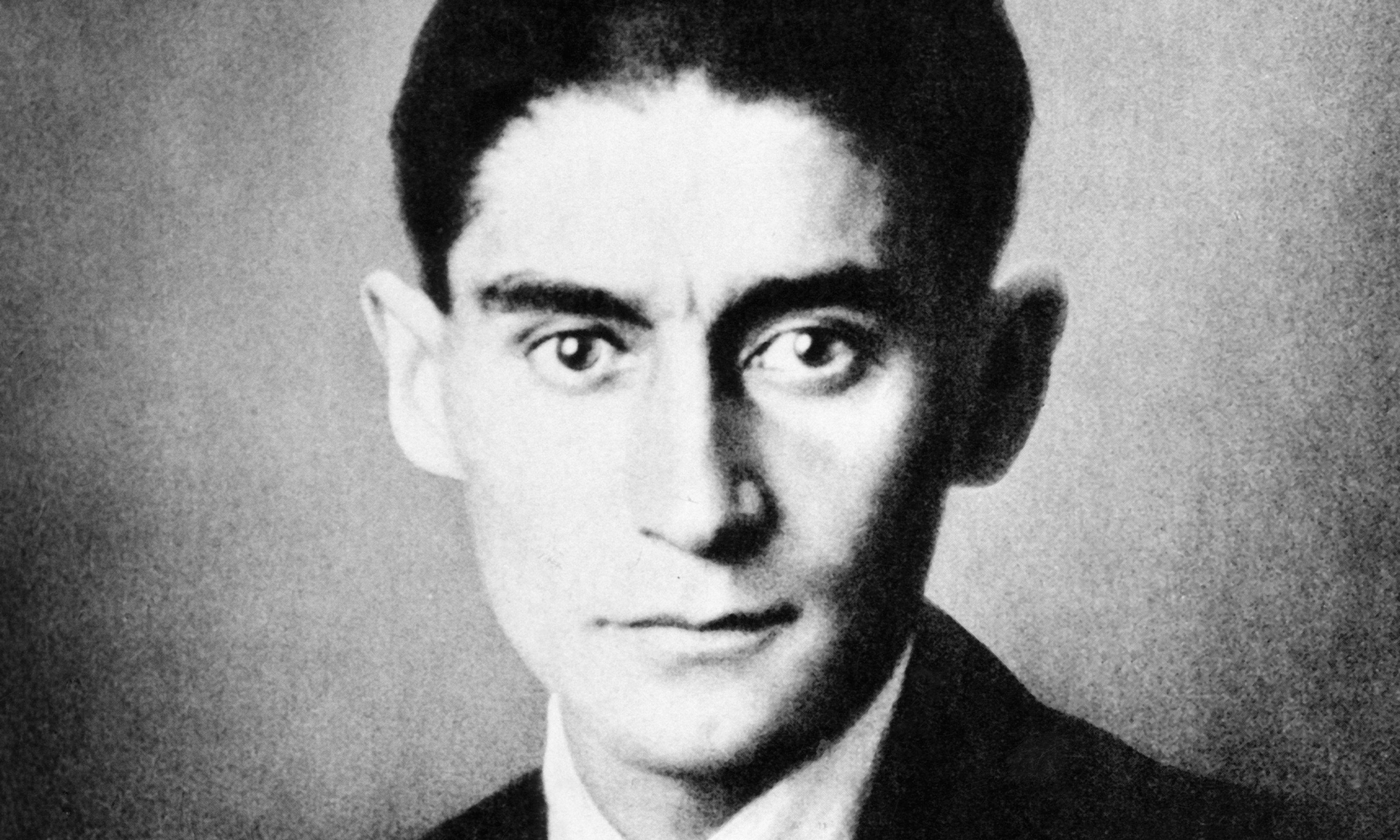
In the midst of the centenary celebration of F. Scott Fitzgerald and the publication of The Great Gatsby, it is easy for bookish Americans to overlook the anniversary of an equally significant novel by a more significant writer. Franz Kafka’s The Trial is a classic of modernism singular in its clarity and directness of style, without the forced extravagance and high-flown obscurities of such esteemed contemporaries of his as James Joyce and Hermann Broch. In prose of unsettling austerity — which readers expert in German have likened to the flat, dry expanses of official Austro-Hungarian imperial communiqués — Kafka depicts a vertiginous descent into psychic blackness, bureaucratic monstrosity, and perhaps metaphysical horror, as the ill-fated Joseph K., who seems to have committed no crime, is singled out for special attention by a legal system mysterious but plainly malevolent.
We are fortunate to have this book at all. Written during the first year of the Great War, it was published only posthumously, after Kafka (1883–1924) had expressly instructed his closest friend, the writer Max Brod, to burn the manuscript along with Kafka’s other two novels, Amerika and The Castle, and any lesser remnants of Kafka’s work that Brod could get his hands on, including short stories, aphorisms, letters, and diaries. Kafka was bent on disappearing as though he had never been. Only a few of his stories appeared in print while he was alive, among them the masterpieces “The Judgment,” “The Metamorphosis,” and “In the Penal Colony.” Others proclaimed his genius, but he was quite sure he had botched the lot. He didn’t finish any of his novels, convinced that each was a failure beyond hope of repair and redemption. His disobedient friend recognized what Kafka could not see: that renown amounting to veneration would attend the memory of this troubled clairvoyant and arch-poet of his broken world.










Comments