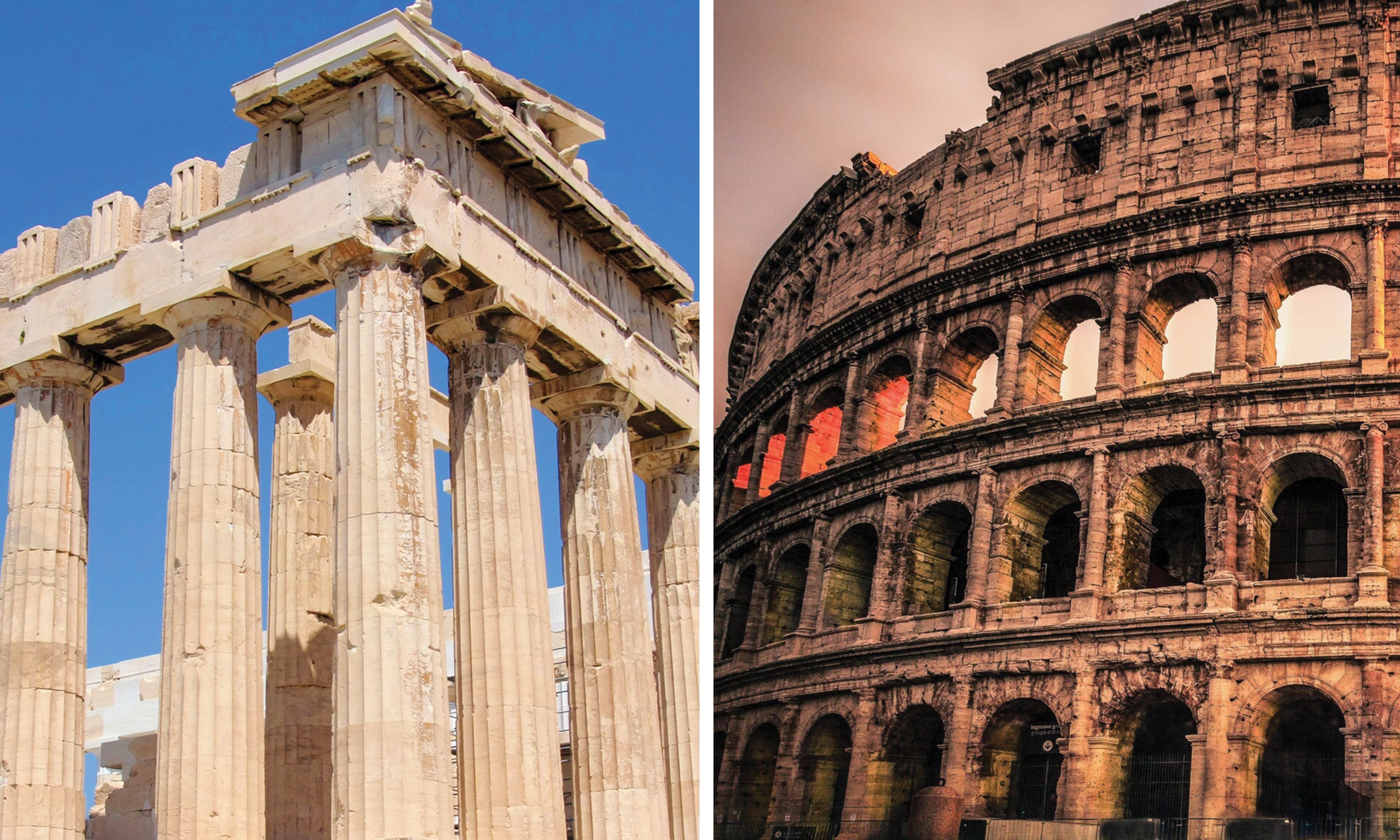
The ancient Christian apologist Tertullian notoriously once asked, “What hath Athens to do with Jerusalem?” The implication was not only that intellect and culture (Athens) were insignificant when compared with heavenly things (Jerusalem), but that they deserved outright derision. After a few centuries, the Christian tradition answered him, “Quite a lot, actually,” and revived the great corpus of classical learning in the medieval universities, whose dynasty continues uninterrupted to this day in places such as Oxford and Paris. That same tradition has continued right down to the present, embracing not only the WASP aristocracy that classical culture is associated with, but accomplished educators and authors of color including Anna Julia Cooper, James Baldwin, Toni Morrison, and Cornel West.
Still, there have always been, and always will be, people who view learning with suspicion. Sometimes this comes from genuinely lofty motives: Academe is no more immune to flaws than any other human institution, and a healthy skepticism of institutions is an essential ingredient in democracy (I am certainly skeptical of a lot of them, especially as a former teacher!). There are also those who seem merely to resent intellect and culture as such — perhaps out of envy, or because inconvenient research threatens their ideologies or their profit margins. And even if we set both shrewdness and sour-mindedness aside, high culture can sometimes feel quite as remote from our daily lives as heaven. What hath Athens to do with the suburbs of Chicago?
Once again we can rightly reply, “Quite a lot, actually.” Whether we recognize it or not, our whole environment — social, political, religious, economic, artistic — has been shaped by the history that precedes us, by the ideas and decisions of our forebears. No aspect of the present can be understood without the context of the past; no professedly moral cause can be understood in a vacuum, because no one lives in a vacuum. (It’s too dark in there, for one thing.) So if we want to live intelligently and virtuously in the present, we need to understand the past. And that past cannot be dismissed as just “dead white guys,” branded “problematic” and therefore safe — or worse, obligatory — to ignore. Even if we take the most “woke” of approaches to history, the very problems we identify cannot be dealt with if we do not first grasp them clearly. And for us, that has to mean grappling with the roots of the West, because that is the tradition we find ourselves in.
Those roots lie in the Mediterranean. The continuum of civilizations from Baghdad to Lisbon is thoroughly interwoven, but we can for convenience isolate the Greeks and the Romans as two of the keys to our story.
Greece has been described as the “overachieving father” of Western civilization, and there is a lot to be said for this. To begin with, nearly all European writing systems descend from one form or another of the Greek alphabet, so that it is almost literally the forerunner of all Western scholarship. In Homer’s magnificent epics, we find the beginning of all of our literature; in Aeschylus, the origin of all subsequent drama (as it was he who first put multiple actors on stage at once, going beyond a mere responsory between a solitary actor and a chorus), and thus, in a way, the great-grandfather of film. In another vein, as far back as the seventh century before Christ, we find the speculations and investigations of Thales and his successors laying the groundwork for science, philosophy, and mathematics; to this day, children in geometry classes learn the Pythagorean theorem. All these had their own sources, sure — Babylon, Egypt, Phoenicia. But it is through the Greeks, who learned from these civilizations and added their own genius to what they had received, that we in turn have obtained this rich heritage.
No mention of the Greek genius could go by without an acknowledgment of Plato and Aristotle. As Whitehead remarked, all of Western philosophy (which is inextricable from Western politics, science, and even literature) is a series of footnotes to Plato; even Aristotle, though it might be unjust to describe his gargantuan corpus as a “footnote” to his master, was after all his master’s pupil and exists in conversation with him. And these two figures exemplify the continuing relevance of ancient Greece to modern America. Not only are their works still read to this day (even if fewer people read them than we might hope), the ideas they set forth are perennially relevant. What is virtue? What is knowledge? What is our duty to our country? What lies beyond death, and how are we to prepare for it? Every generation, every culture, every person has to answer these questions, with or without an education, and by their lives if not their lips. And in a society like our own that traces itself back to the conversation that started with a hairy old man named Socrates annoying strangers in the marketplace, following that conversation back to those marketplaces helps us understand who we are and how we came to be here.
If we have Greece to thank for much of our philosophy, art, and science, we have Rome to thank for the infrastructure that protected those things from decay and passed them on to the future. Roman administration, architecture, and engineering have been bettered only in the last few hundred years, and many of our advances build directly upon Roman models. Politically, too, their principles were appropriated by the Founding Fathers, who preferred the checks and balances of the Roman republic to the malleable, short-lived democracy of classical Athens. Everything from term limits to veto power to a deliberate balance between numerical and regional representation finds precedent in Roman law. Our whole political system is heavily indebted to the Roman model; to study the Constitution without the context of Roman law and history is to study a plant plucked without its roots.
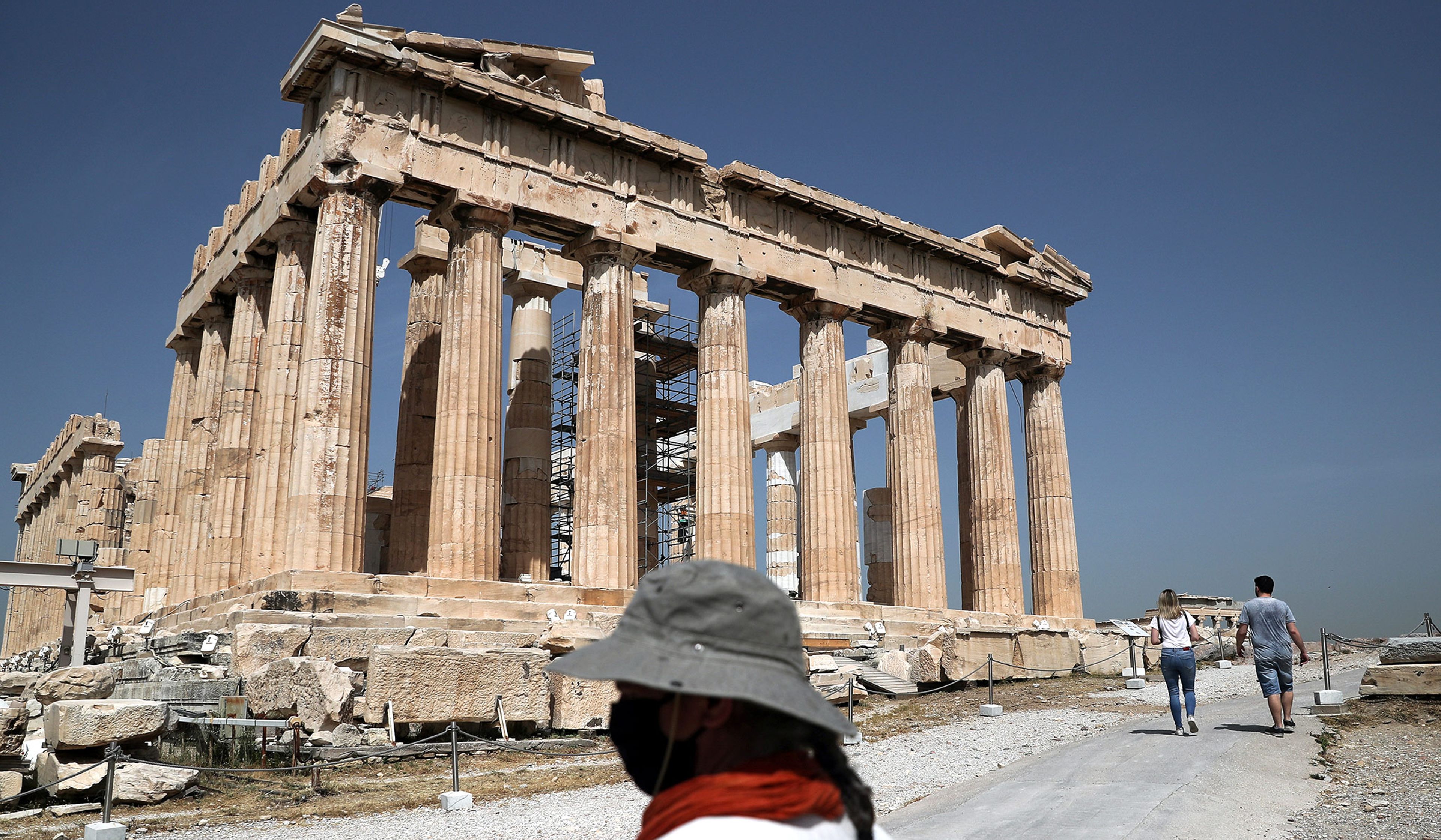
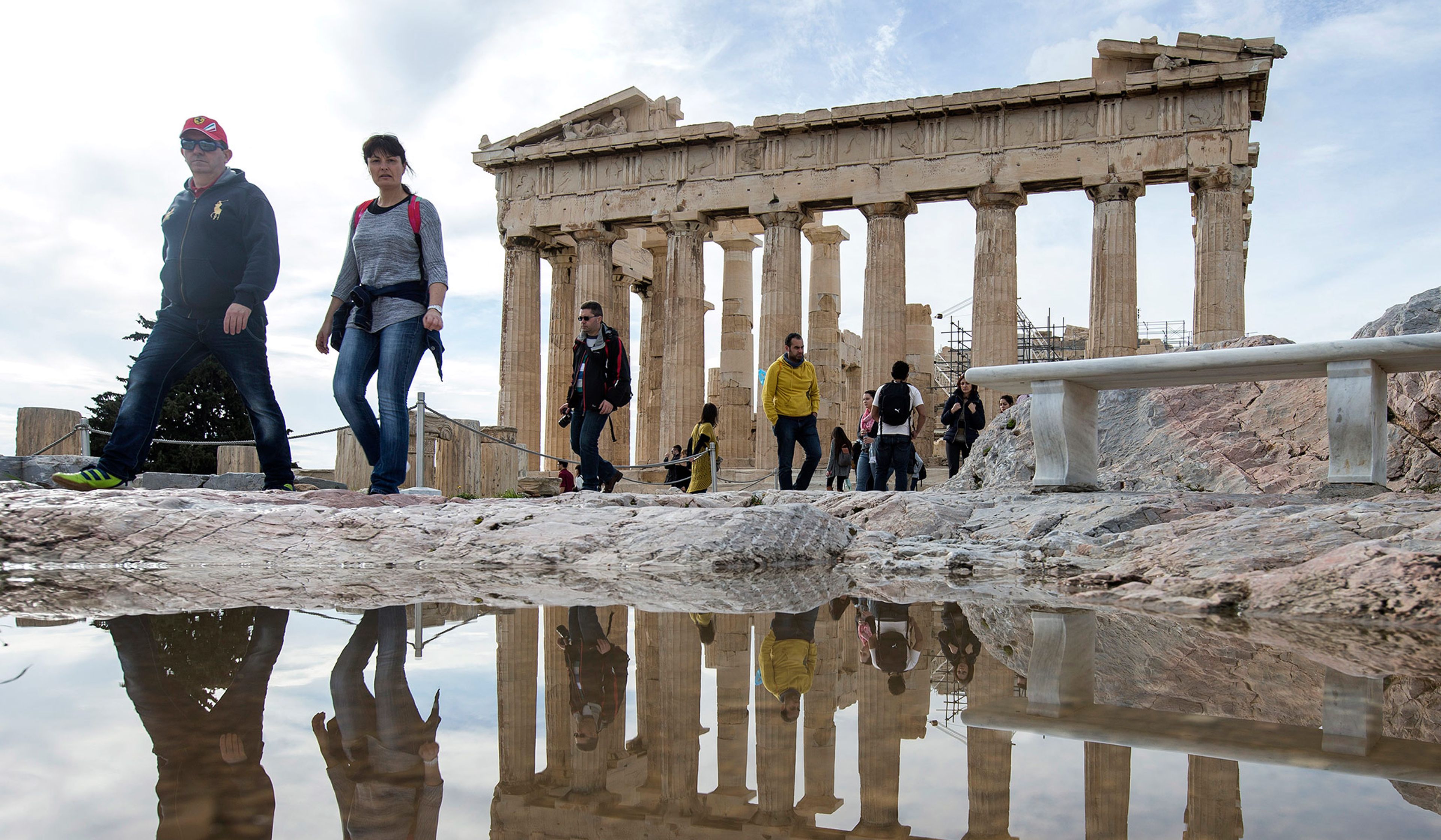
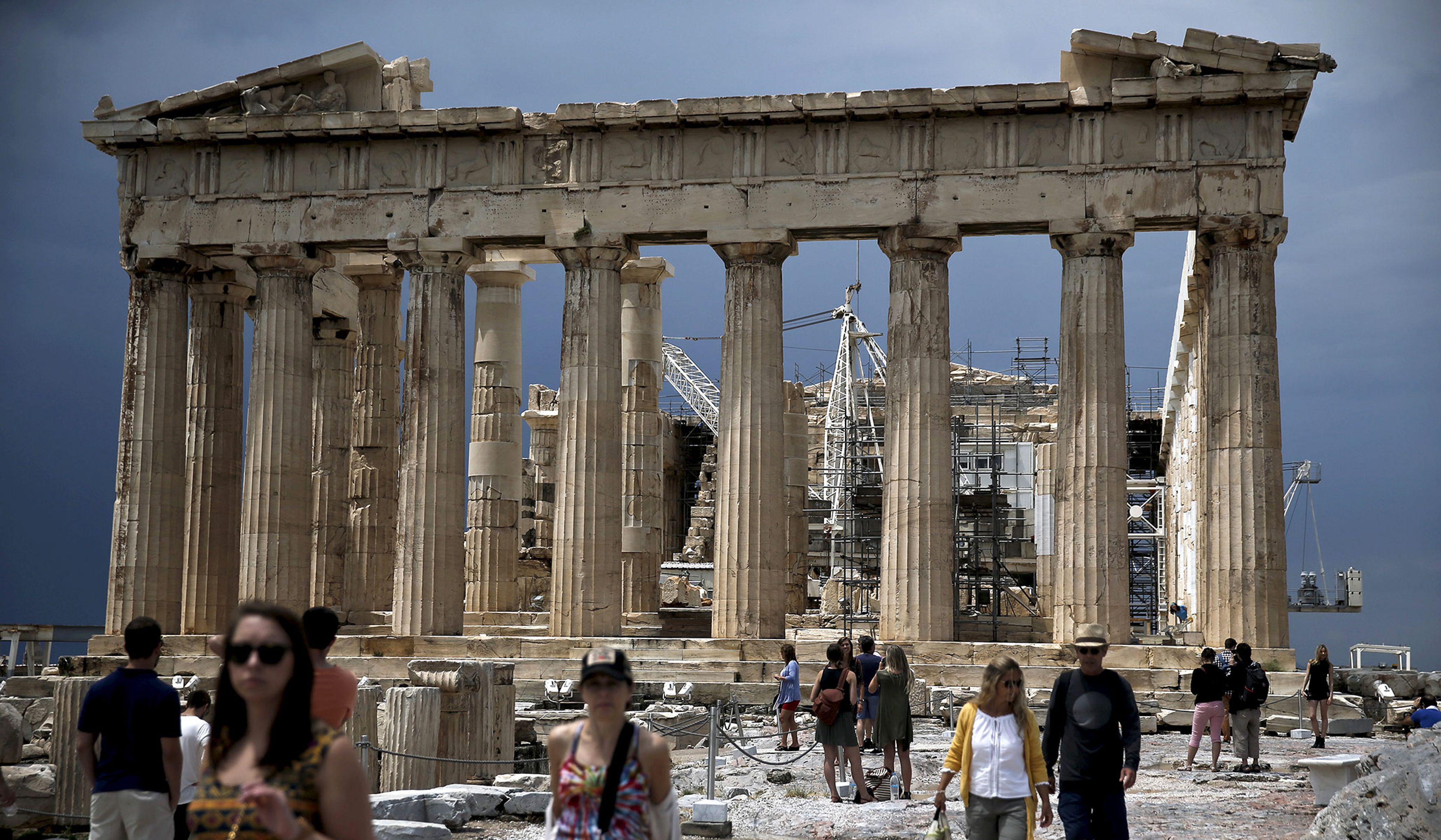





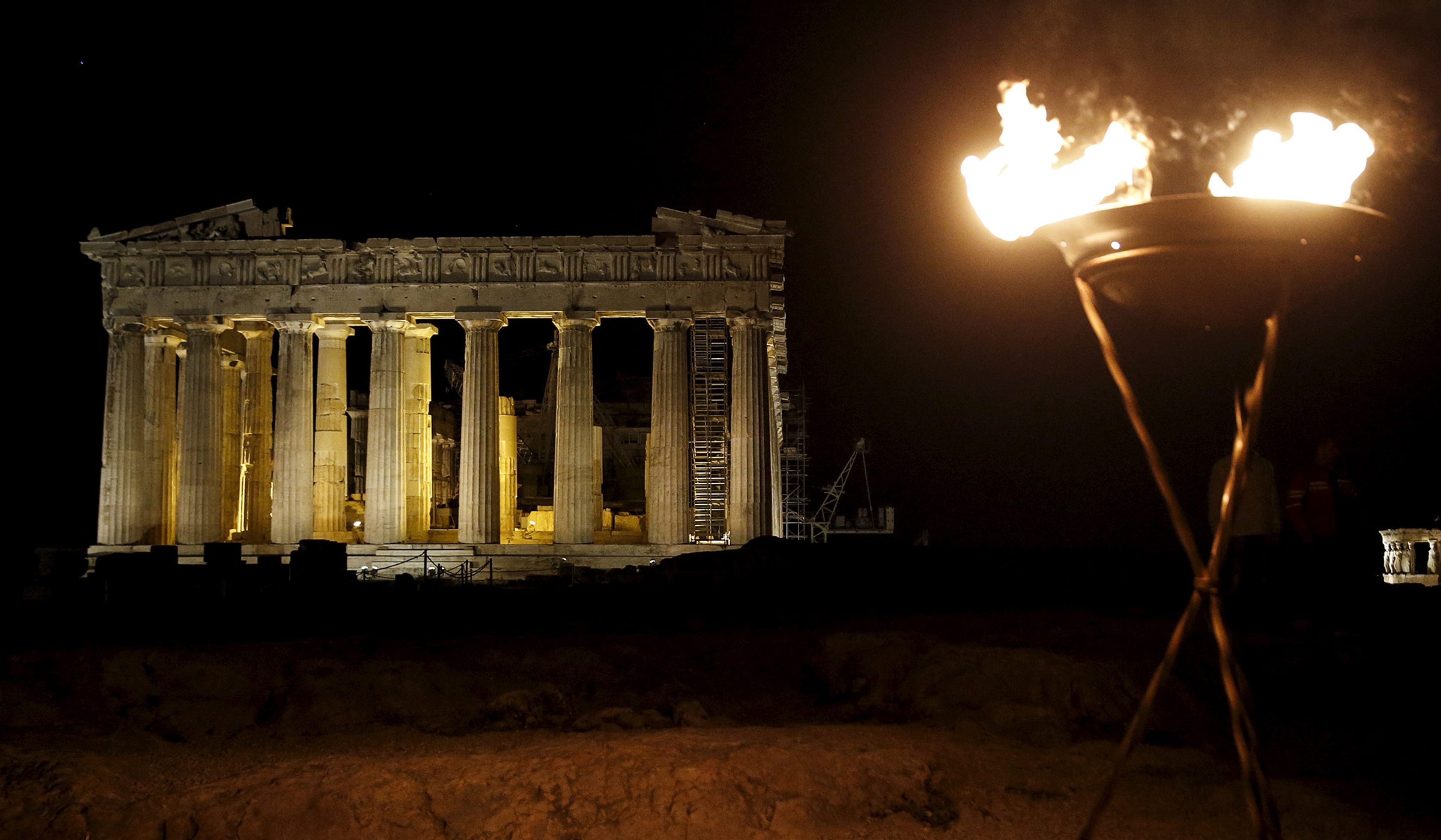
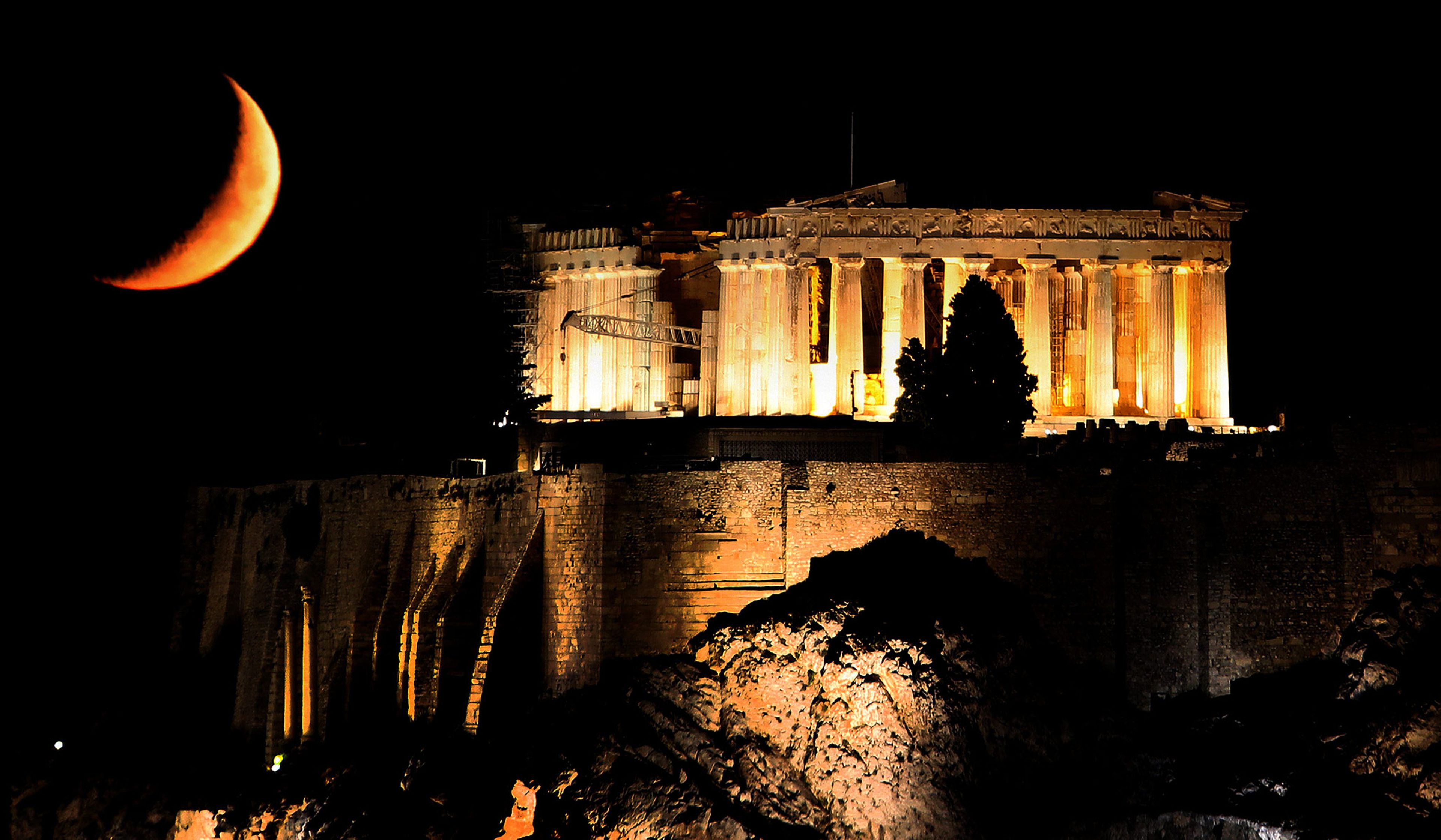

A culture ministry employee stands in front of the Parthenon temple as the Acropolis archaeological site opens to visitors following the easing of measures against the spread of the coronavirus in Athens, Greece, May 18, 2020.
Alkis Konstantinidis/Reuters
The cosmopolitan reality of Roman society also helps us put the “dead white guys” canard in some perspective (even if there are legitimate moral objections to many aspects of the empire). Not only native Latin but Egyptian, Greek, Jewish, North African, Persian, and Syrian influences abounded in Rome; differences in dress, custom, and color, though not then conceptualized as “racial,” were hardly less common then than now. Whatever injustices our history involves — and it involves many — luminaries such as Ptolemy, Origen, Hypatia, Athanasius, and Augustine hint that this conversation belongs to Africa and her children as much as to Europe and hers. To dismiss Western culture as being too classist or too white not only deprives us of a profound body of thought; it implicitly accepts, far too uncritically, the categorically false claim that the West was built only by prosperous white men. That really does distort history, and should be given short shrift by all serious academics, whatever their political leanings. One can only imagine how scathingly Ciceronian the answer of Frederick Douglass would be to such a claim!
None of this means we need to unconditionally endorse everything the ancient Greeks and Romans ever said or did, either. That would be impossible, since there were kind of a lot of them and they said and did contradictory things. And for that matter, it would be a little myopic to leave off our consideration of Rome without noting the seismic shift of Roman culture in the fourth century, from paganism to Christianity, which inherently involved a great deal of societal self-critique and legal reform. Recognizing problems and trying to solve them — or, in religious language, confessing and doing penance — is a perfectly reasonable thing, and has been part of the Western tradition for millennia.
But no criticism is possible without understanding, and no understanding is possible without context. In order to offer an intelligent rebuttal to, say, Aristotle’s argument that slavery is acceptable, one must first find out what it is. Even if all we want to do is assassinate the emperor, we must first find the emperor. And if we want to open his palace to house the masses, are we not implicitly saying that his palace is worth living in?
Frederick Douglass thought so; Anna Julia Cooper thought so; Cornel West thinks so. And I think so too.












Comments