
When I was in high school or college, I had a head full of politics, and a head full of populist steam. One night at dinner, I was spouting off about “the people”: “the people” this, “the people” that. The great holy people, whose voice needed to be preeminent. My father, trying to get a word in edgewise, raised his hand and said, mockingly, “I’m a people.”
I was ticked. But I recognized that this was an excellent rebuke, a salutary comeuppance for me.
From time immemorial, political types have spouted off about “the people” — sometimes with justice, sometimes not. “The people” can be a powerful weapon in the mouth of the demagogue. There is always someone claiming to be speaking and acting in the name of the people.
That is, in fact, the slogan of Marine Le Pen in France: “Au nom du peuple” — -“In the name of the people.” It comes from the French Revolution. In the 20th century, Communists were big on “the people,” at least as a phrase, or concept. (You may remember an old joke. “What’s the definition of a Marxist? Someone who loves humanity in groups of 1 million or more.”)
“The People’s Republic of China.” My a**. “The People’s Daily.” No, just the propaganda sheet of a one-party dictatorship (in this case, China’s).
“Power to the people!” went a cry in 1960s America. Sounds good — which people? From Chile came a song that traversed the world: “The People United Will Never Be Defeated!” The singers tended to have a very selective idea of “the people,” as people usually do.
The French revolutionaries declared “enemies of the people.” So did the Soviets, so did the Khmer Rouge. These “enemies” were dealt bloody ends. In 21st-century America, President Trump declared his own “enemies of the people,” less bloodily.
Usually, his target was the press. He also had other targets. On Thanksgiving Day 2020, in the White House, he said of Brad Raffensperger, “He’s an enemy of the people.” Raffensperger, Georgia’s secretary of state, had refused to falsify the presidential election earlier in the month.
What about “We the People”? A pretty nifty beginning to the pretty nifty preamble of our blessed Constitution, right? I think the delegates to the Constitutional Convention had a claim — no matter how many British loyalists remained in the nascent country. I also think “people’s house” makes sense, in reference to the lower chamber of our Congress. It made even more sense when U.S. senators were elected by state legislatures, only.
By the way, there used to be a chain of stores in the Washington, D.C., area called “Peoples Drug.” I once heard from a reader who said that, when he arrived in the capital, he thought, “What is this commie stuff?”
For 40 years, we’ve had a television show called “The People’s Court.” In a sense, all of our courts — real courts — are “people’s courts,” in that they spring from a bona fide constitution.
In 2000, Al Gore ran a roaringly populist presidential campaign — talking of “the people versus the powerful.” “That’s the difference in this election,” he said at his convention. “They’re for the powerful, we’re for the people.” Simple as that.
Gore’s opponent, George W. Bush, could be wry about politics. Two days after he was reelected president in 2004, he held a press conference. A reporter asked a multipart question. Bush answered, “Now that I’ve got the will of the people at my back, I’m going to start enforcing the one — question rule. That was three questions.” Later in the press conference, another reporter committed the same offense. “Obviously, you didn’t listen to the will of the people,” said Bush.
The incumbent vice president, Kamala Harris, had a short-lived run for president in 2020. Her slogan: “For the People.” This traded on her prosecutor past, so, fair enough.
But who are the people? Some people? My people? In a speech last year, Senator Josh Hawley (R., Mo.) said, “We can have a republic where the people rule, or we can have an oligarchy where Big Tech and the liberals rule.” But people who work in technology and liberals: Are they not people, too? Just not the right kind of people?
In my experience, people who say “the people” mean “people I agree with.” “People I like.” And people who are definitely not . . . “elites.” Those cocktail-sippin’ enemies of the people.
Last month, George F. Will and Karl Rove spoke at a forum on “the future of conservatism.” Both had criticisms of the Heritage Foundation, the think tank in D.C. The foundation’s president, Kevin Roberts, responded on Twitter, calling Will and Rove “two elitists.” “The chattering class thinks the peasants need to pipe down,” he said.
I thought of Pat Buchanan and his presidential runs of the 1990s. “Peasants with pitchforks,” he called his supporters. Roberts was a volunteer on the ’92 Buchanan campaign, as he discussed in a speech last September to a “national conservatism” conference.
At the end of November, Roberts was giving a speech in Budapest, adoptive capital of populists far and wide. Over and over, he scored the “elites”: “an entitled cabal of globalist elites,” etc. Hungary has its own elites — and its own oligarchs — another interesting subject.
Again, I will speak from my own experience: When someone calls you an “elitist,” he often means, “I hate you. Your politics are different from mine, and I resent it, and, yes, I hate you.”
“Workers of the world, unite!” Kevin McCarthy did not say that — but he did say, “The uniqueness of this party today is, we’re the workers’ party.” He meant the GOP, the party he leads in the House. There are lots of “workers’ parties” in the world, almost all of them on the left, as Marxists wage the “class struggle.”
Here in America, the Communists had a paper: the Daily Worker. (Whittaker Chambers was an editor at both it and, 30 years later, National Review. The 20th century was convulsive.)
Senator Marco Rubio (R., Fla.) likes to speak of “working-class values” and “working Americans.” Recently, he spoke of the “priorities and values” of “working Americans.” Some questions arise.
Who are “working Americans”? Surely not every American who works. What are their “priorities and values”? Do all of these people, whoever they are, have the same priorities and the same values? Do they all agree on abortion, and taxation, and gay marriage, and foreign policy, and trade? Lots of people work for importers and exporters. Aren’t things entwined?
If there are “working-class values,” there are probably “middle-class values,” too. How do the values of the “classes” differ? Most people think of themselves as “middle class” — because the poor, the rich: Those are other people. (The incumbent president sometimes styles himself “Middle-Class Joe.”)
I recall working at a university golf course many years ago and hearing our customers knock the GOP as “the party of the rich.” I was possibly the only Republican in the joint — and making minimum wage, or close to.
In that era, conservatives taught me that politics and policy are not, in the main, zero-sum. There is seldom a need to pit people against one another: “management” versus “labor,” for example. Employees need employers, and employers need employees. A vibrant economy benefits the country at large.
When we — we conservatives — promoted tax reform, tort reform, entitlement reform, education reform, defense reform, and umpteen other reforms, it was because we thought it was good for America, “from sea to shining sea.” And when it comes to helping the poor and the downtrodden, we will pit the record of a free economy — and an atmosphere of ordered liberty — against the record of the collectivists, central planners, and class warriors any day.
But now I am starting to pontificate about policy. Back to my pontificating about words.
Look: If we did not have generalities, we could not speak. “The people,” “elites,” “workers” — we are all bound to use them, from time to time. Ortega y Gasset wrote The Revolt of the Masses. (Since I have been recording newspaper names in this article, let me say, too, that we had magazines in America called “The Masses” and “New Masses.”) About 65 years later, Christopher Lasch wrote The Revolt of the Elites. We cannot live without generalities.
“No one’s for Huey but the people!” quipped Huey Long. I understand him. Newspaper editors and other fancy-pants folk may have been against him, but legions of Louisianans — they loved ’em their Huey.
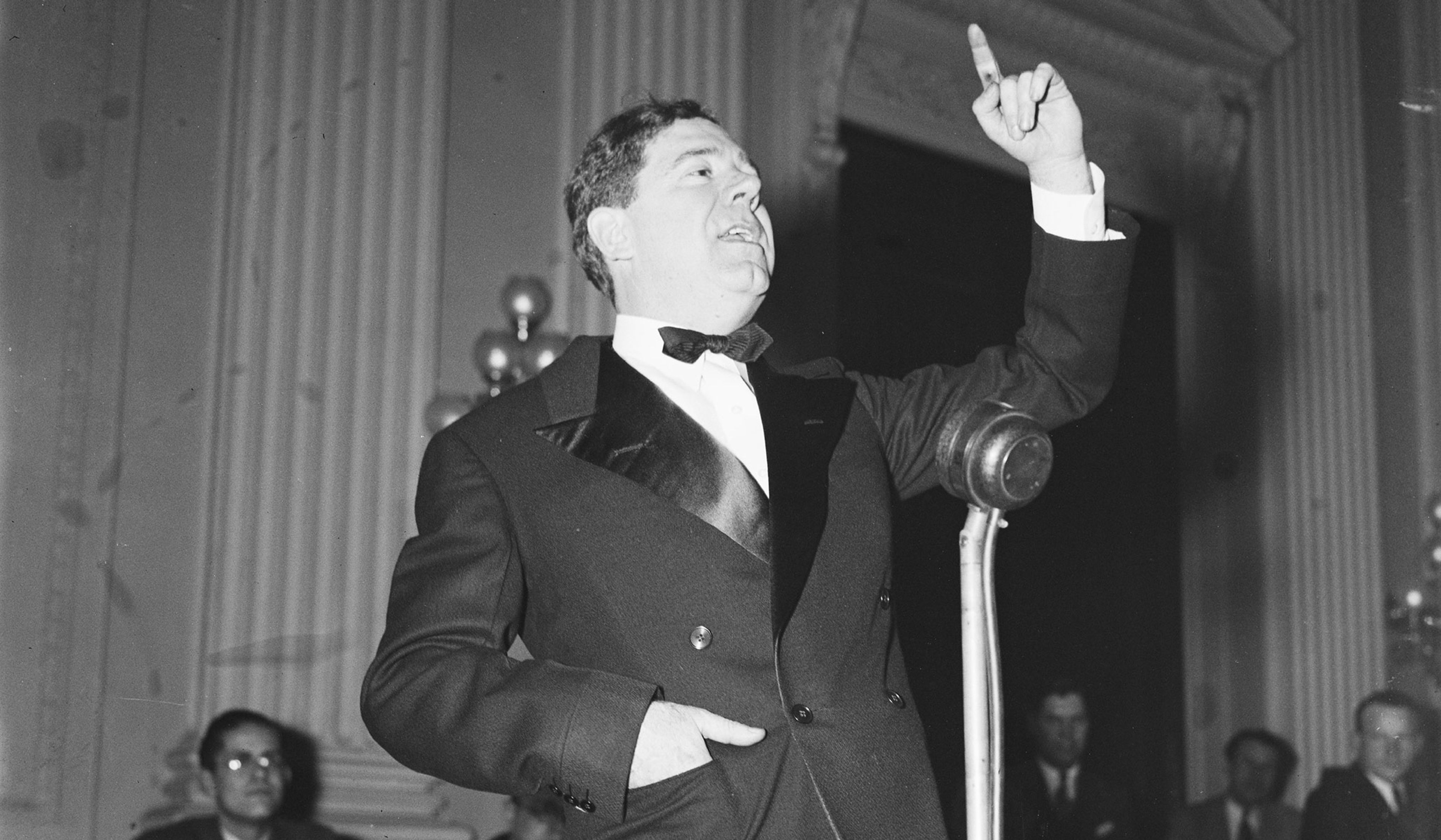
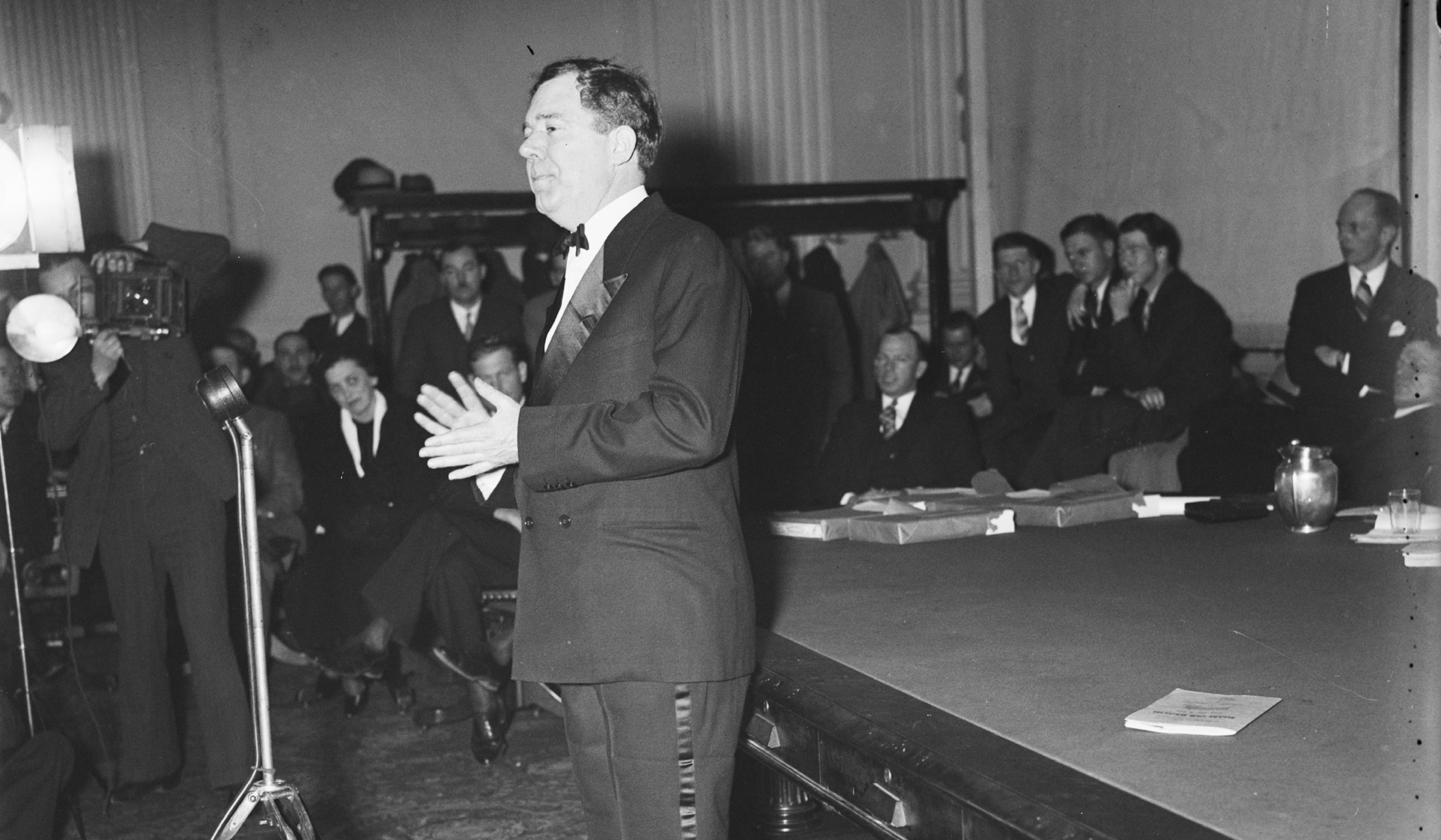
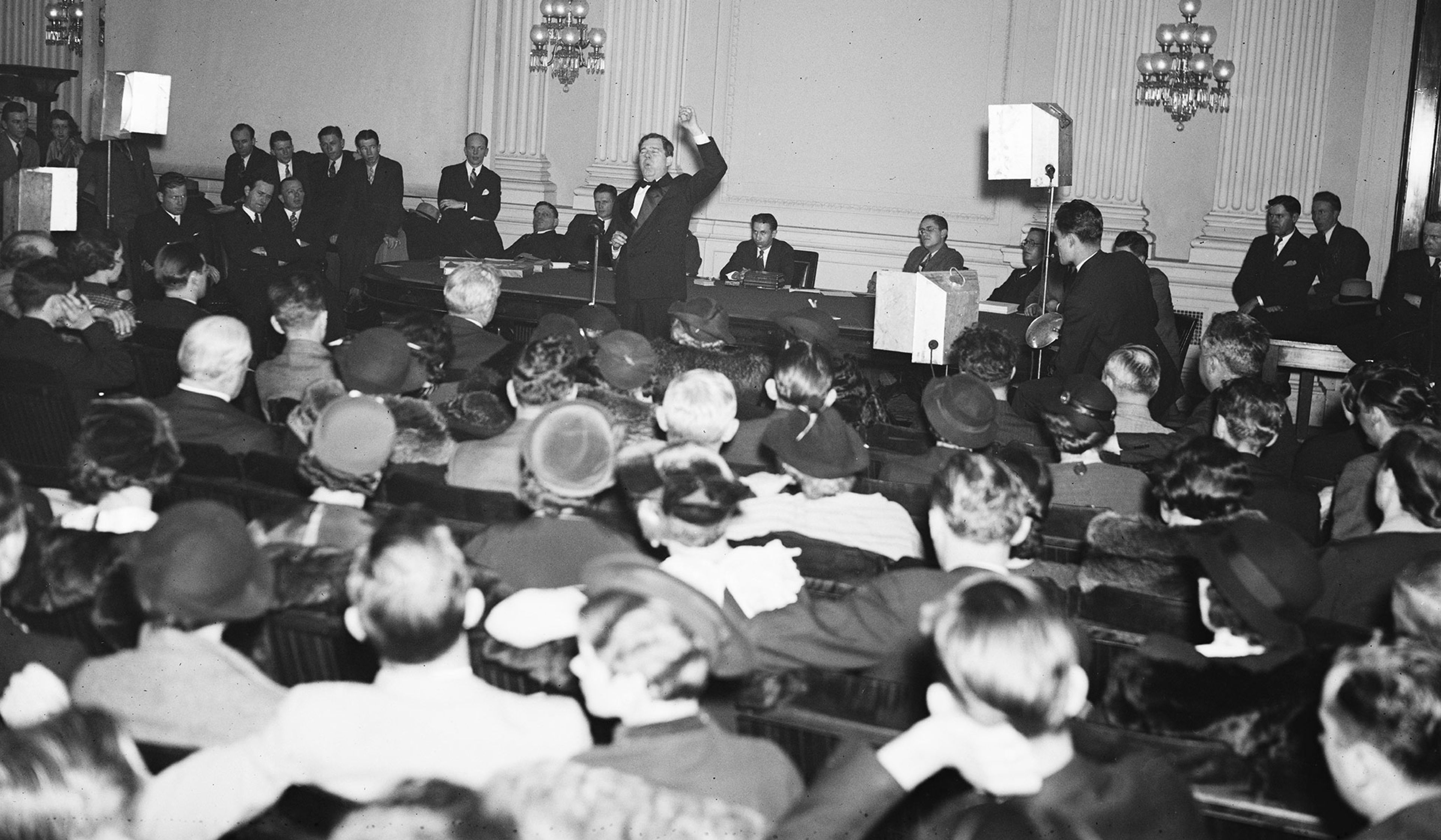
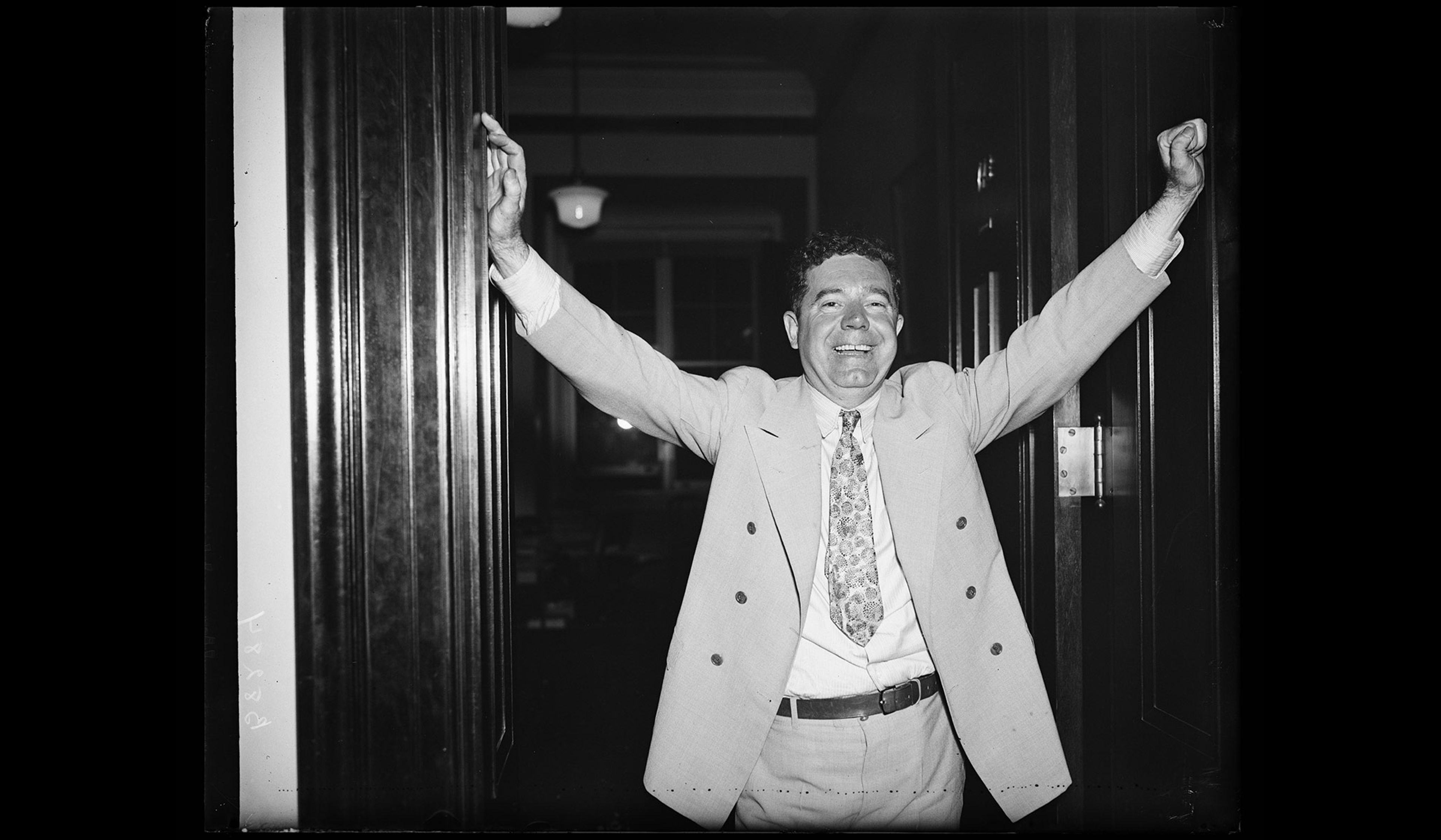
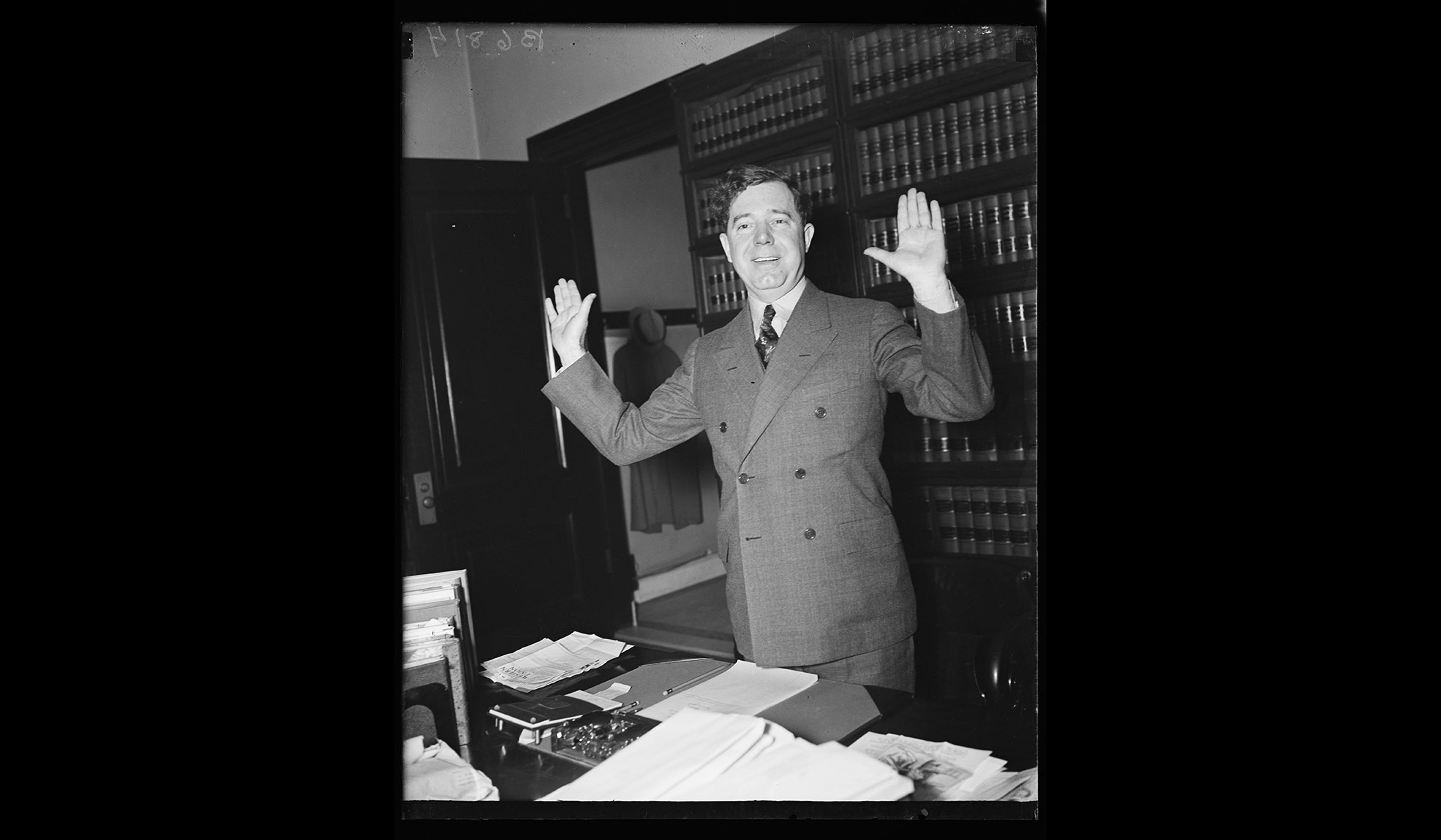
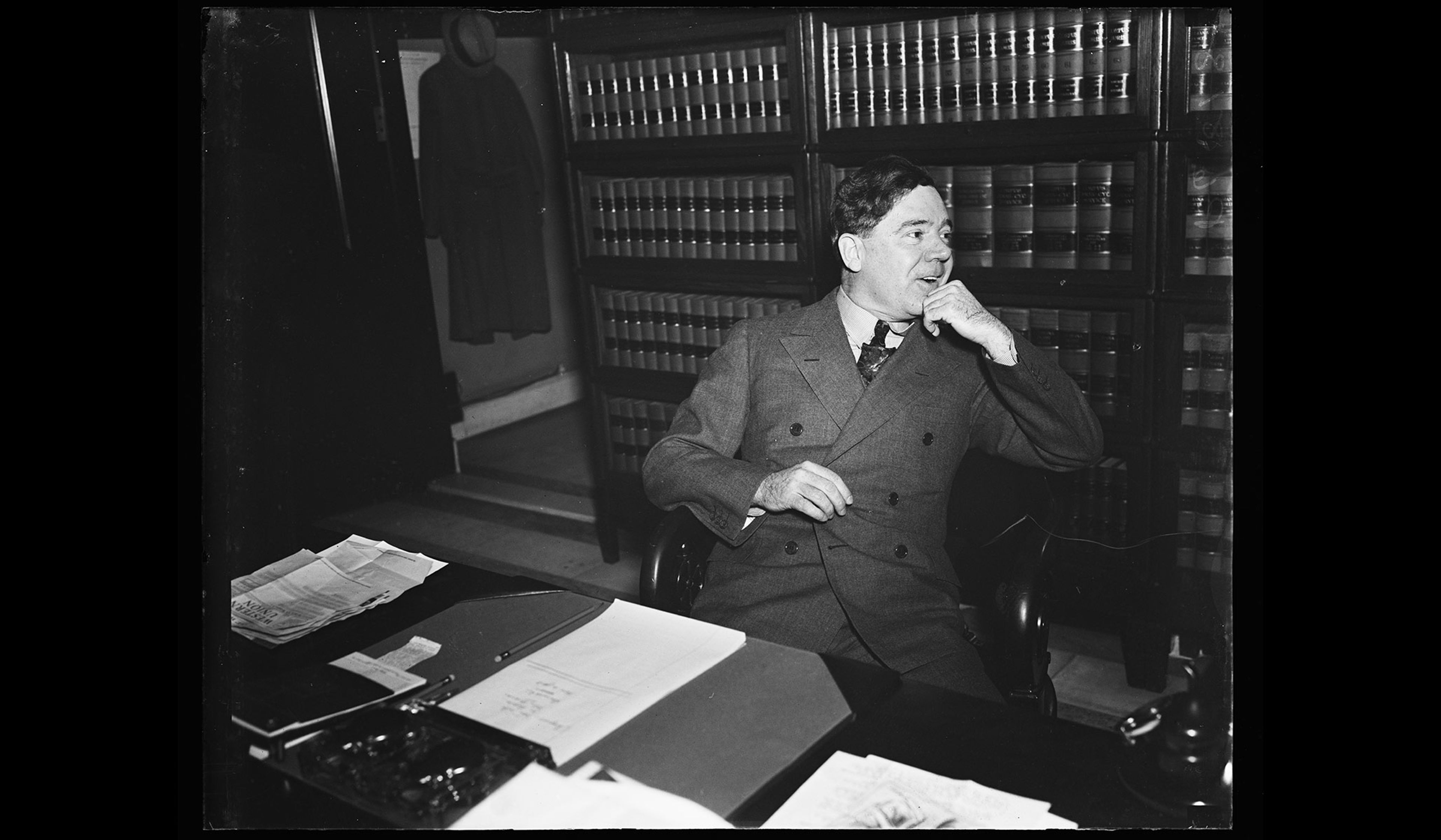
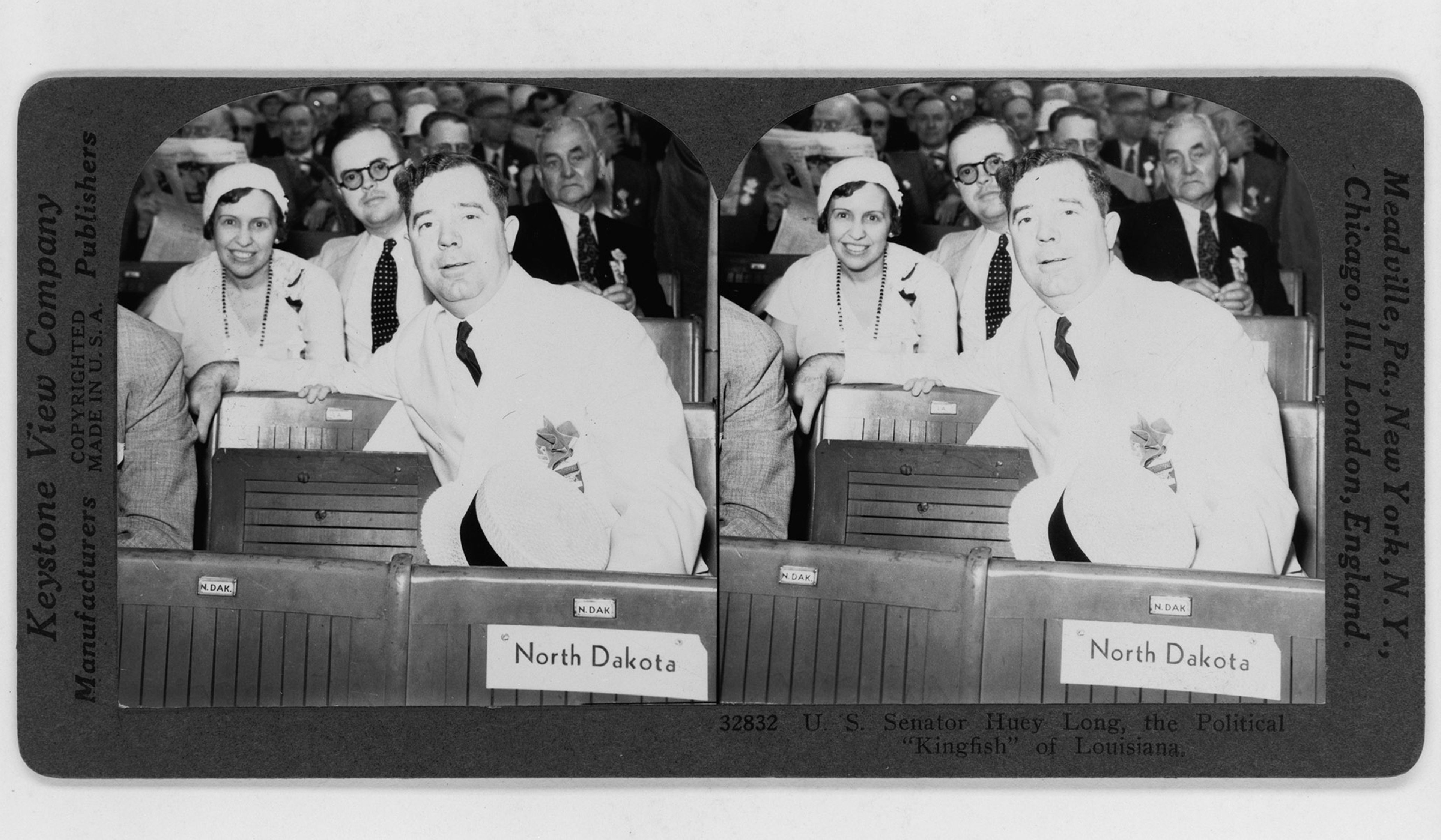
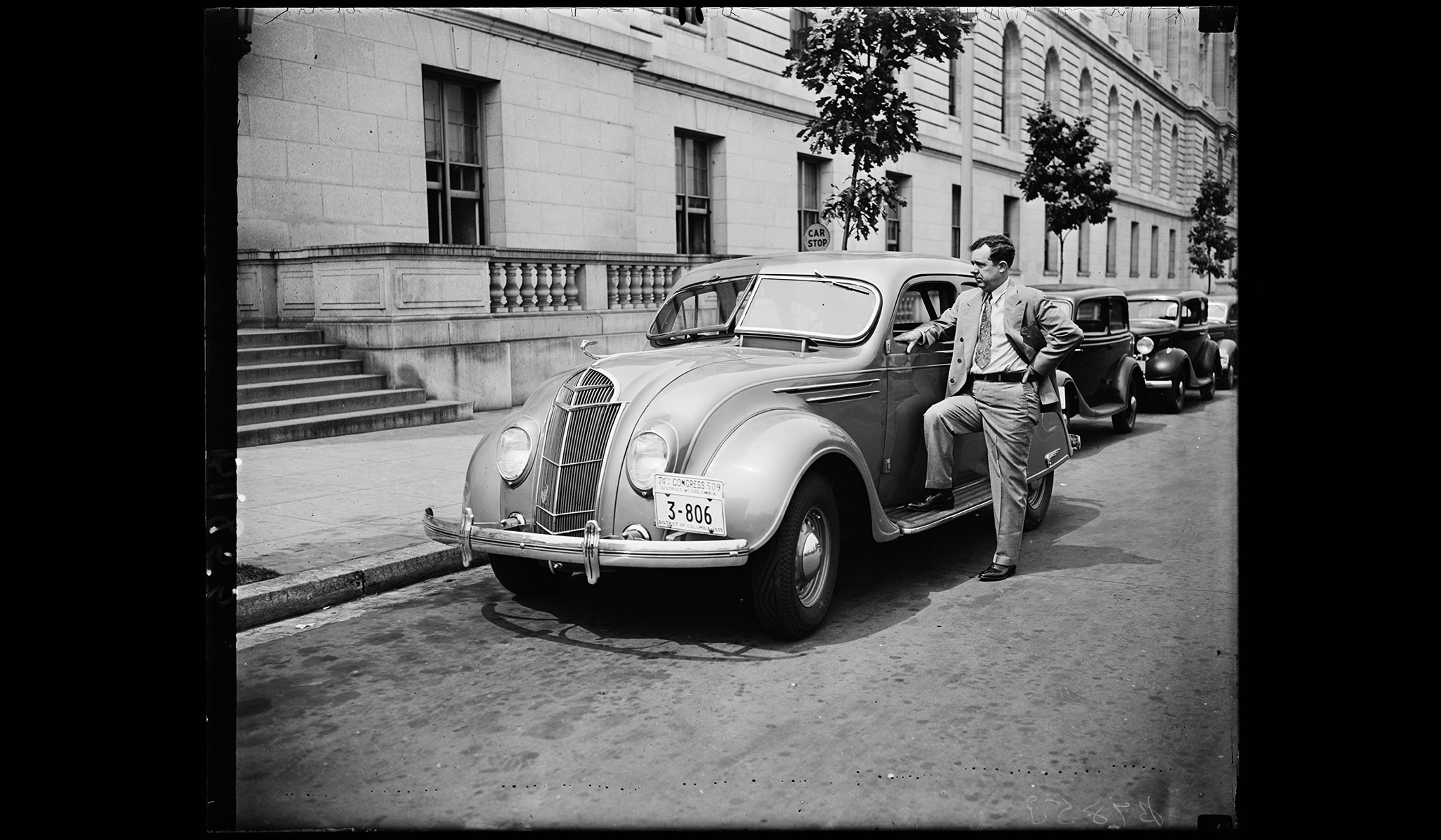
A populist in tuxedo — Huey P. Long of Louisiana, the ‘Kingfish’ — in 1935
Harris & Ewing / Library of Congress
At the same time, we should beware the demagogic use of words. A bullying use. “Elite” can have the smell of “kulak” (the Soviets’ word for a peasant who was suspiciously comfortable). Many people hiss “elite” at you and think they’re done: excused from thinking, or making an argument. If you’re against immigration, or trade, or support of the Ukrainians, say why. “Elite,” or other such words, should not be used as a conversation-stopper.
To my sense, anti-elitism — a self-righteous, chest-thumping anti-elitism — can be as nauseating as elitism. And, as a rule, I like the idea of “people,” in all their individuality, better than I do “the people.”
“I’m a people.” You’re a people. He’s a people. She’s a people. To borrow a phrase from an old cultural organization in our country: Up with people.












Comments