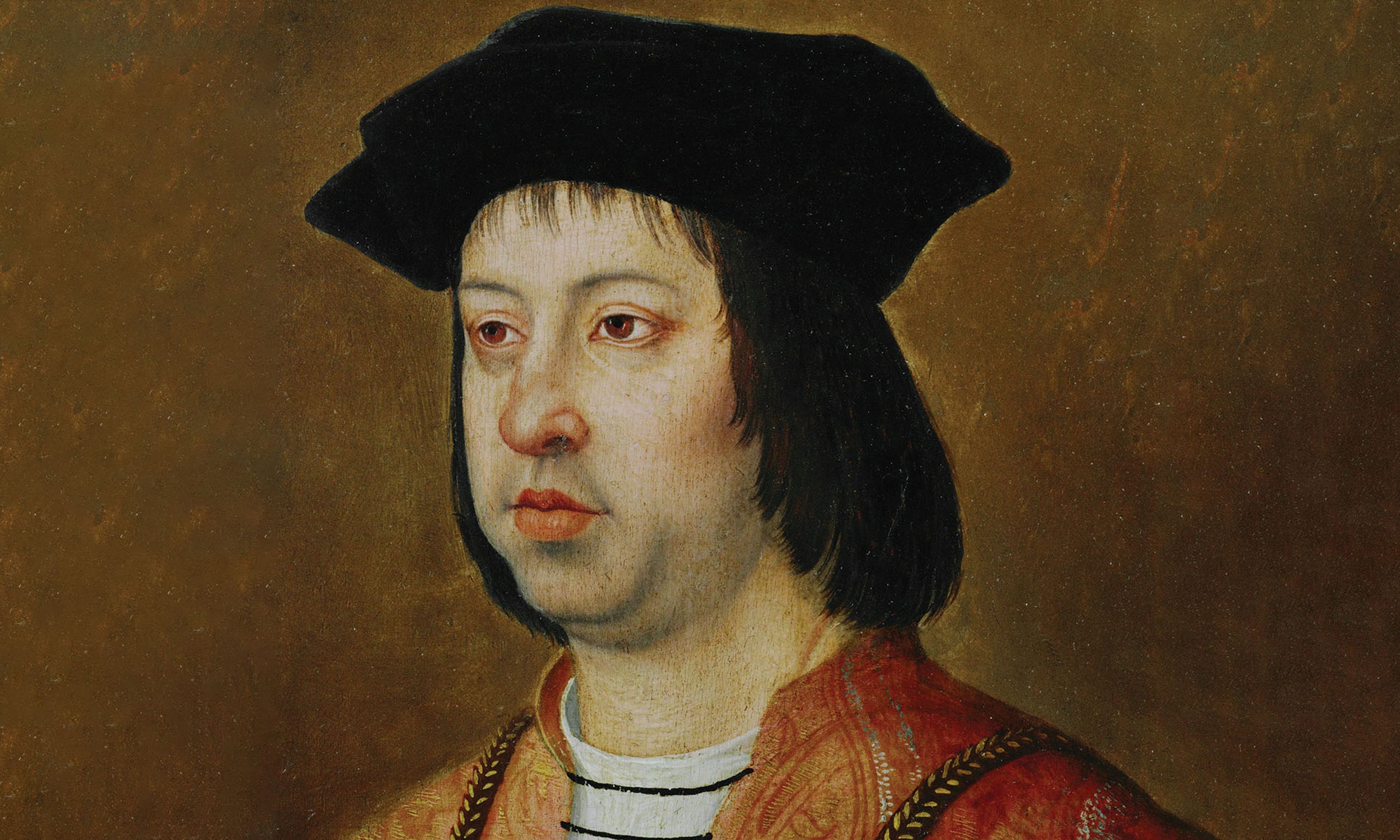
Remember Ferdinand
Kudos on the excellent issue titled “A Defense of the West” (December 27). Truths that need to be told! Joseph Loconte’s article, “A Brief History of Individual Rights,” perhaps should have included a mention of the Leyes de Burgos (Laws of Burgos), which were enacted by King Ferdinand the Catholic in 1512, five years before Martin Luther nailed his 95 Theses to the door of the cathedral. Many scholars contend that these “royal ordinances for the good government and treatment of the Indians” were a forerunner to current international law as well as its acknowledgment of human rights. Certainly, the effectiveness of these laws can be disputed. The king was hardly on the scene in the Americas to make sure his decrees were properly followed.
However, the same critique can be fairly leveled against our own Bill of Rights. The discrimination that necessitated the civil-rights movement of the 1960s does not nullify the significance of the American affirmation of rights in the Constitution or Declaration of Independence. We also need to be careful not to hold Martin Luther up too high as a champion of human rights. When German peasants took him a bit too seriously and started the Peasants’ Revolt, Luther told the princes, in Against the Robbing and Murdering Hordes of Peasants (1525): “Stab, smite, slay, whoever can. If you die in doing it, well for you! A more blessed death can never be yours” Reading his entire letter will chill your bones! I realize that a brief article cannot include every salient point, but holding up Luther as the first bright light seems, to me, unfair and inaccurate.
Gregory Kiley Clyde, N.Y.











Comments