As I write this piece, there are 95,214 unopened emails sitting in my inbox. It is chaos. A time-sucking, distracting mess, entailing nearly 15 years of digital life — since the last time I shut down an account and started from scratch.
This is the sorry state of affairs despite my spending considerable chunks of time mass-deleting emails and unsubscribing from lists and publications I don’t recall ever signing up for. These cover technology, sports, politics, stocks, business, movies, and music, but also more esoteric subjects such as artificial intelligence and architecture. Why? I don’t know. I answer months-old emails late to try and get a handle on my situation. I frantically click the spam button, often sending friend and foe alike into the abyss. I never seem to make a dent.
“Email has become the biggest and worst interrupter the universe has ever experienced,” a workplace-productivity coach who gets it recently told the Washington Post. “It’s cheap, it’s immediate and you can copy 200 people if you want to.” Tell me about it. Not long ago, I opened a second email account (third if you count my work address — it has only 919 unopened emails) to try and compartmentalize essential messages. There are now 1,162 unopened Substacks and real-estate listings sitting in that one.
At first, I toyed with the idea of deleting everything and starting over. Year Zero. Freedom. No one seems to have any trouble finding me, sadly. What did I have to lose? The very thought of a pristine inbox, fully cleansed of all darkened subject lines, warmed my soul. Not since the second day of my new AOL account long ago has this been my reality.
To achieve this, I needed help. So I began searching online, signing up for a bunch of newsletters at “self-betterment” sites and looking for life hacks that would help me deal with my predicament.
One of the best pieces I ran across instructed me to stop obsessing about clearing my account, as “inbox zero” is “the modern Sisyphean task.” In fact, “it’s OK if you have 12,436 unread emails,” a Robb Report article says. “At 30 seconds each, that’s 103 hours added to your productive life — not to mention the savings in your precious cortisol.” I guess that means my 95,214 unread emails translate to 793 found hours of productive time and joy, not to mention savings on sumatriptan. If only life were so simple.
In “10 Ways to Manage Your Email Inbox,” I am directed to spend time on emails requiring immediate action but not to let junk mail “languish” in my inbox. The problem is, I can’t know which is which until reading them. I am also told that I can save time by creating templates for “go-to responses” (“cancel your own goddam subscription,” for instance).
Another professional problem-solver suggests “the four Ds” method: do, delete, delegate, or defer. “If you can deal with an email within two minutes, do it. If it’ll take longer, defer — which is also known as triaging.”
At this point, I have come to the realization that the only thing worse than having 95,214 emails clogging up your inbox is reading “personal development” websites.
One would think that the rise of texting — and in my experience, young people tend to view emails in much the same way Millennials viewed “snail mail” or Generation X viewed telegrams or the Boomers viewed Morse code — might have alleviated some of the email burden. None of this is even to speak of social-media interactions. Humans, I have determined, were not meant to have thousands of “friends” or live in a laissez-faire world of access to each other.
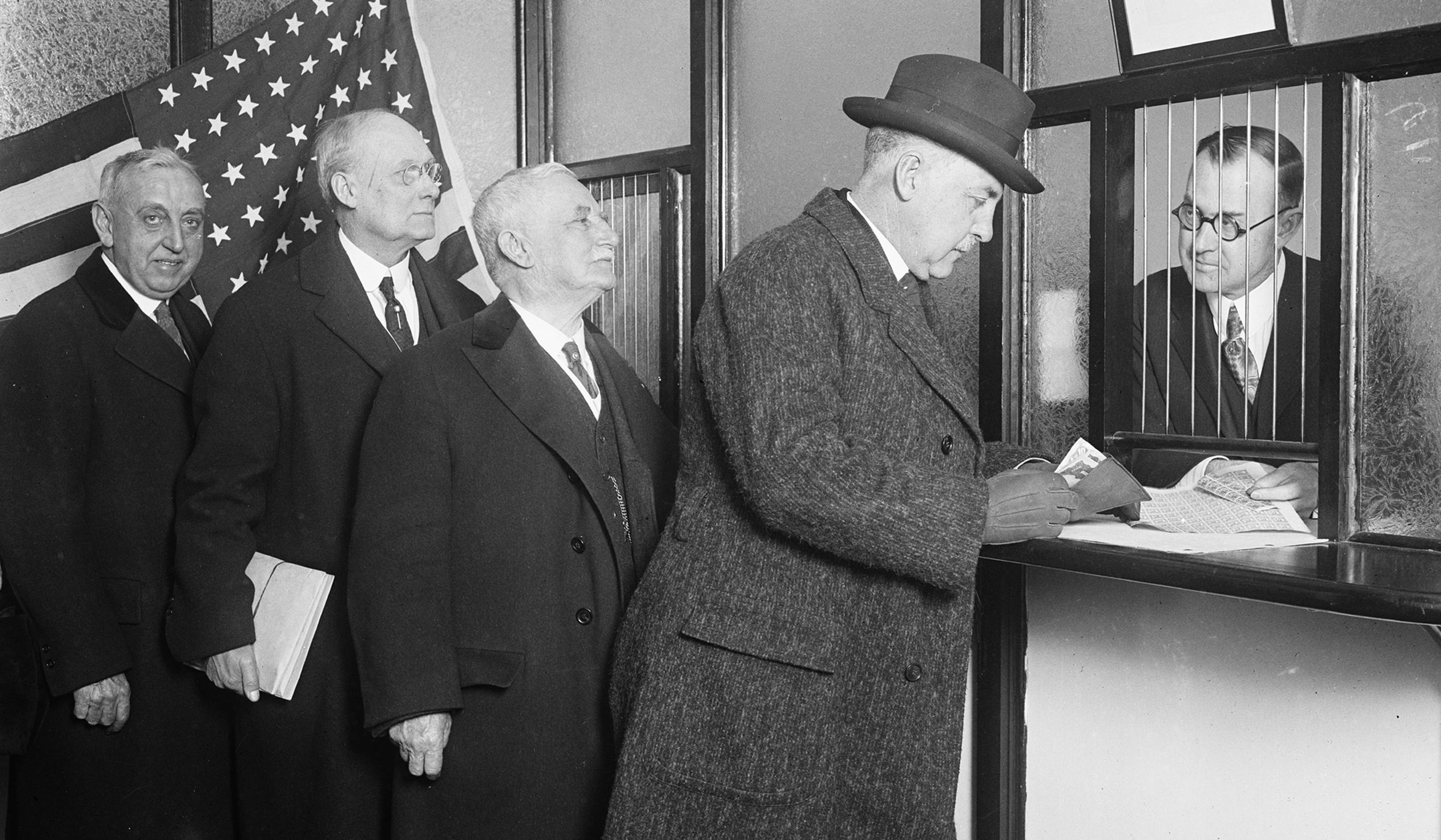
“Letter writing is the only device combining solitude with good company,” Lord Byron (may have) said. Today’s tsunami of frivolous emails undercuts any sense of seclusion, and such missives usually emanate from people who are surely terrible company. There was once a time when communicating with others was a rare and special thing, entailing the expenditure of effort. Not only would you take the time to find the proper words before putting pen to paper, but you would buy envelopes and stamps, and leave your home to place the mail in a mailbox. Sometimes you’d hand a letter to another person — in person. Even paying your bills with a check, though perhaps less painful than handing over cash, made you feel it. These days, I’m deleting decade-old emails that say things like “bro, where are u.”

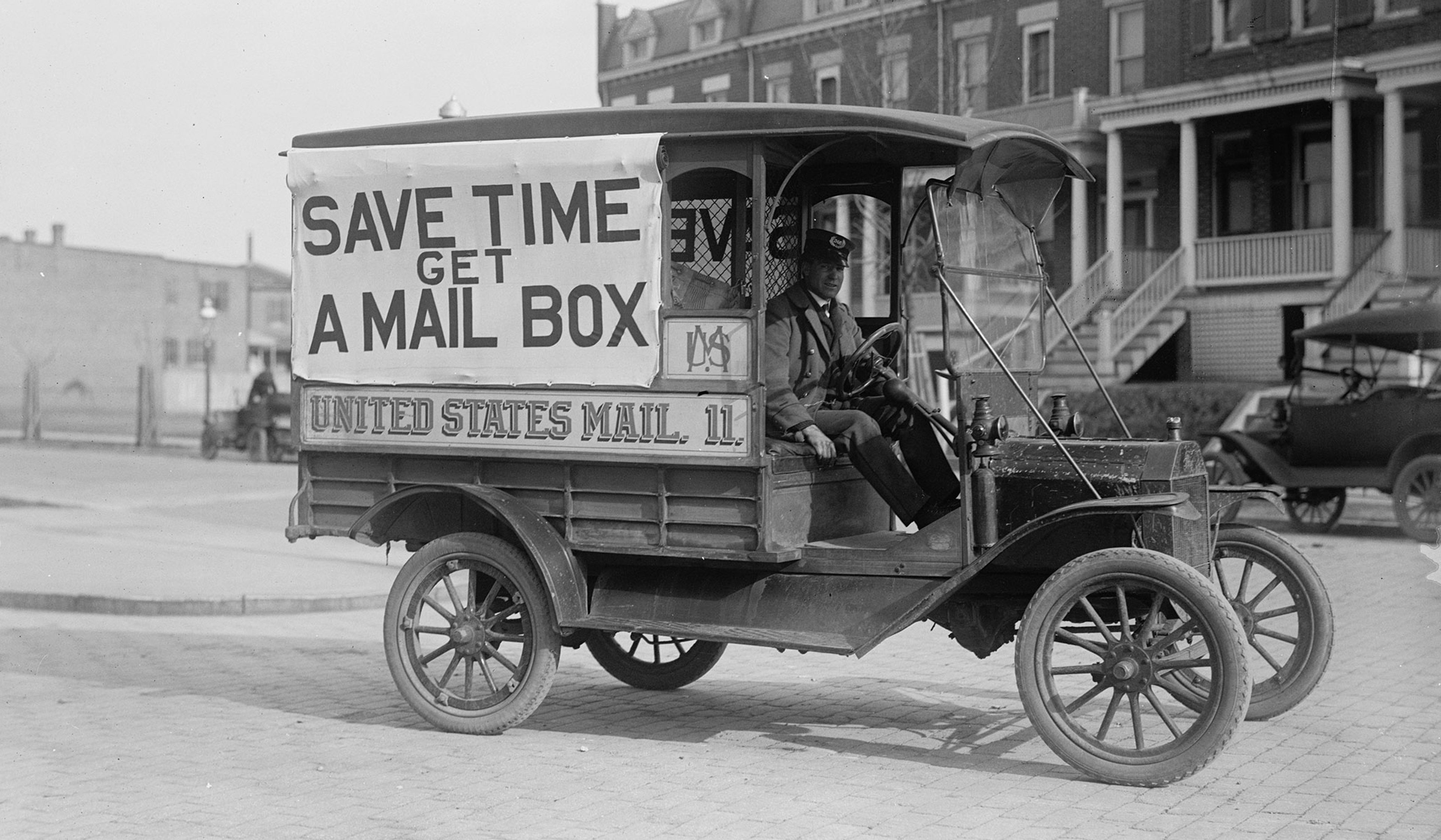

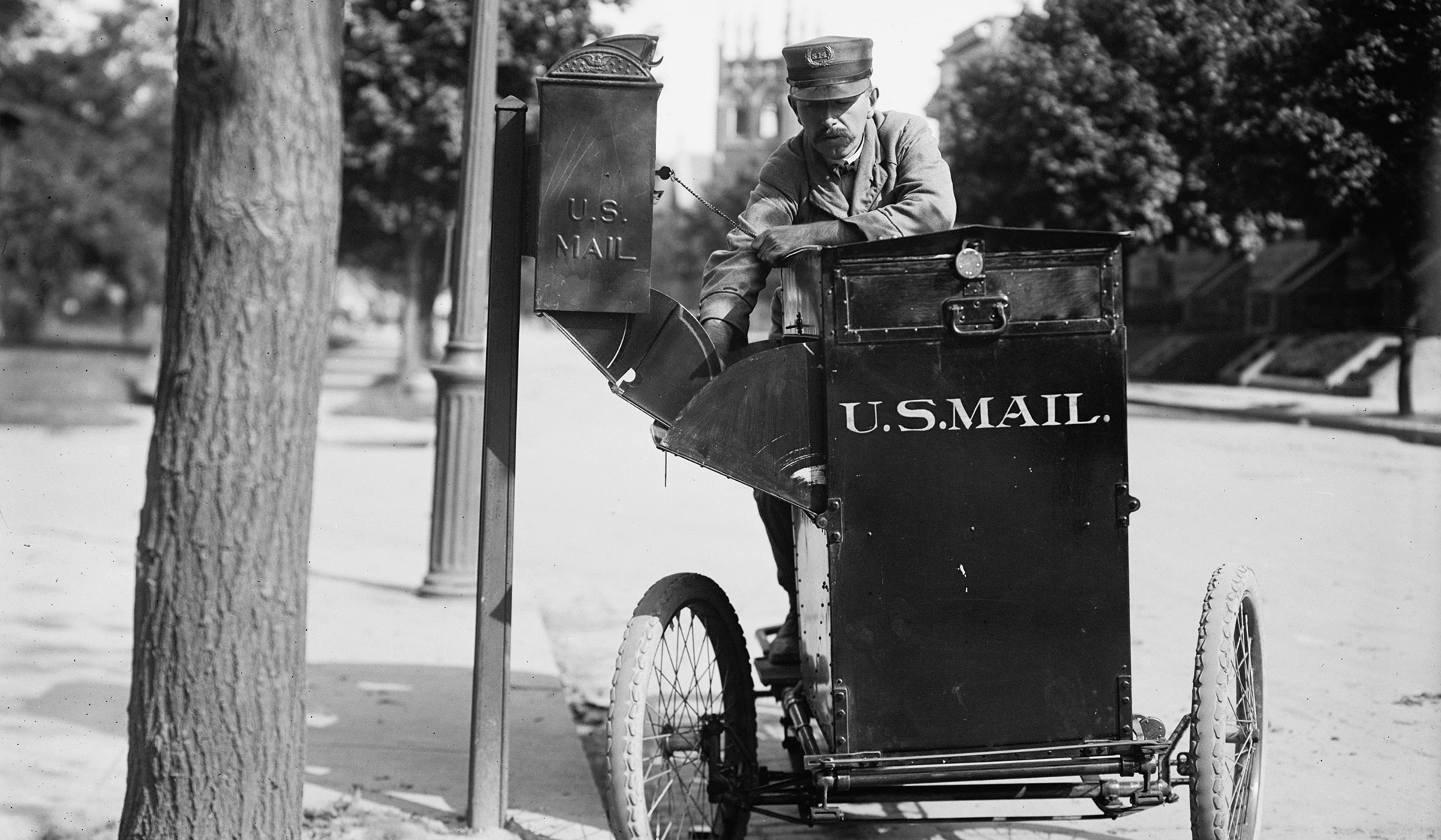

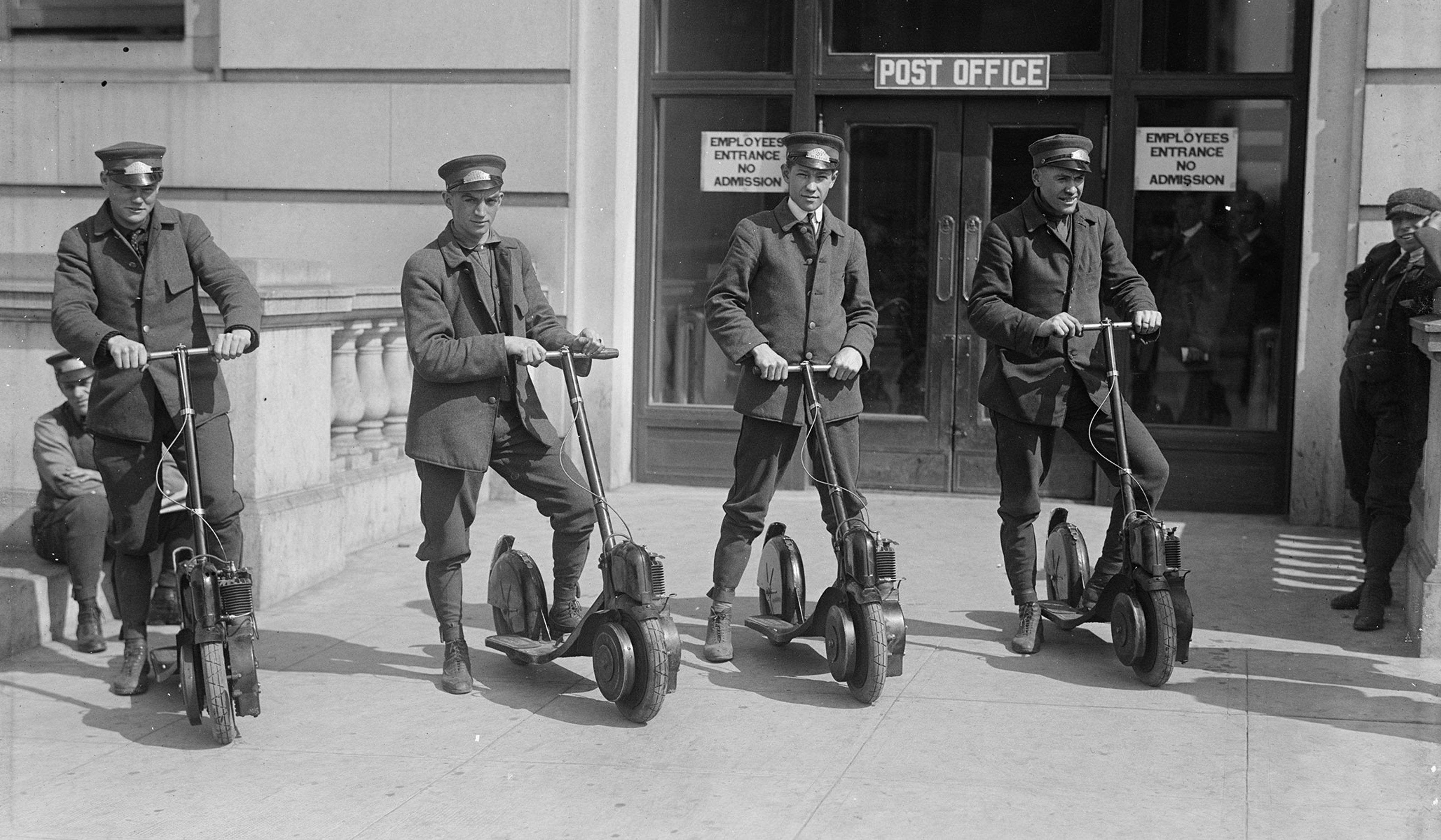
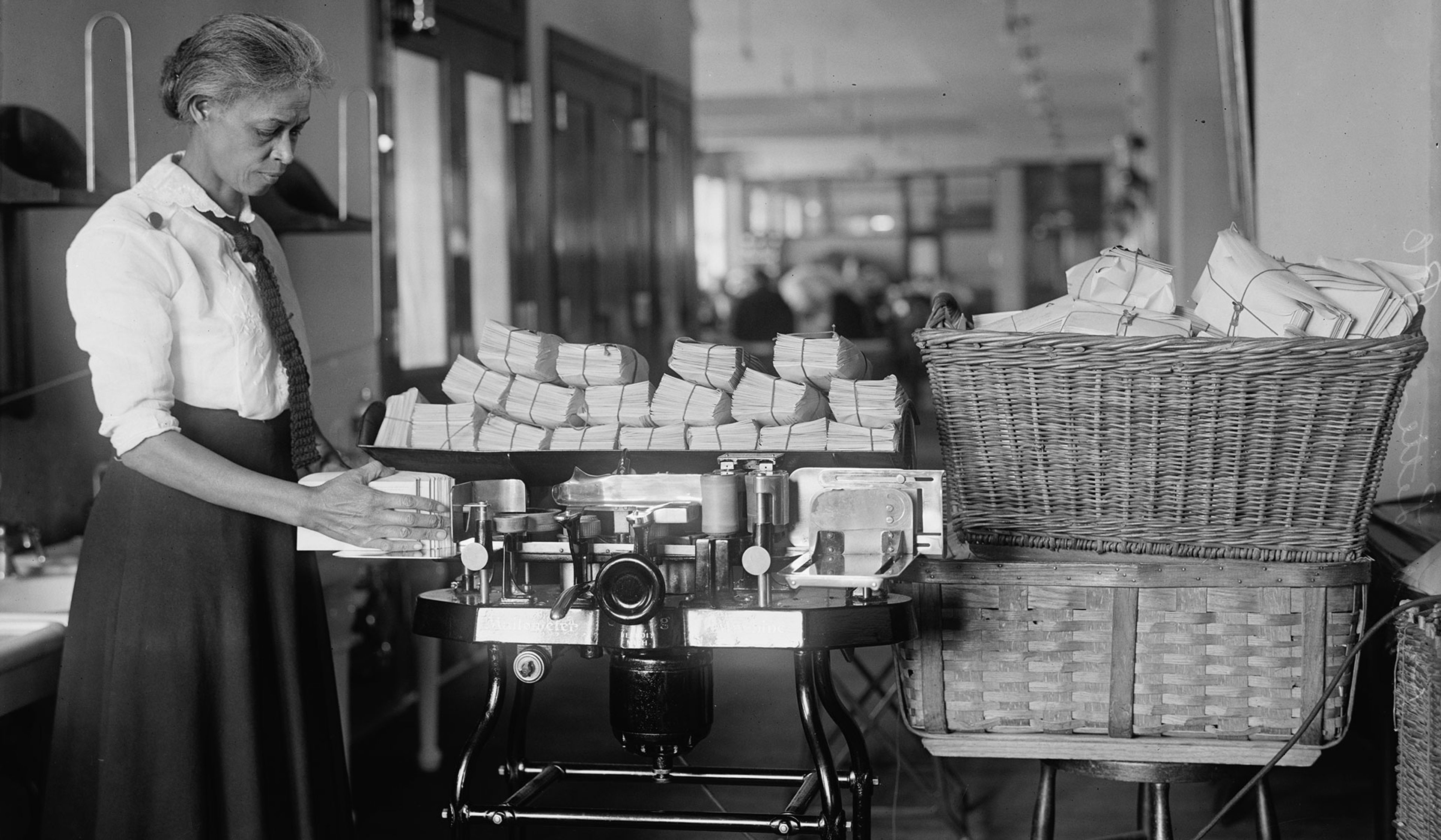

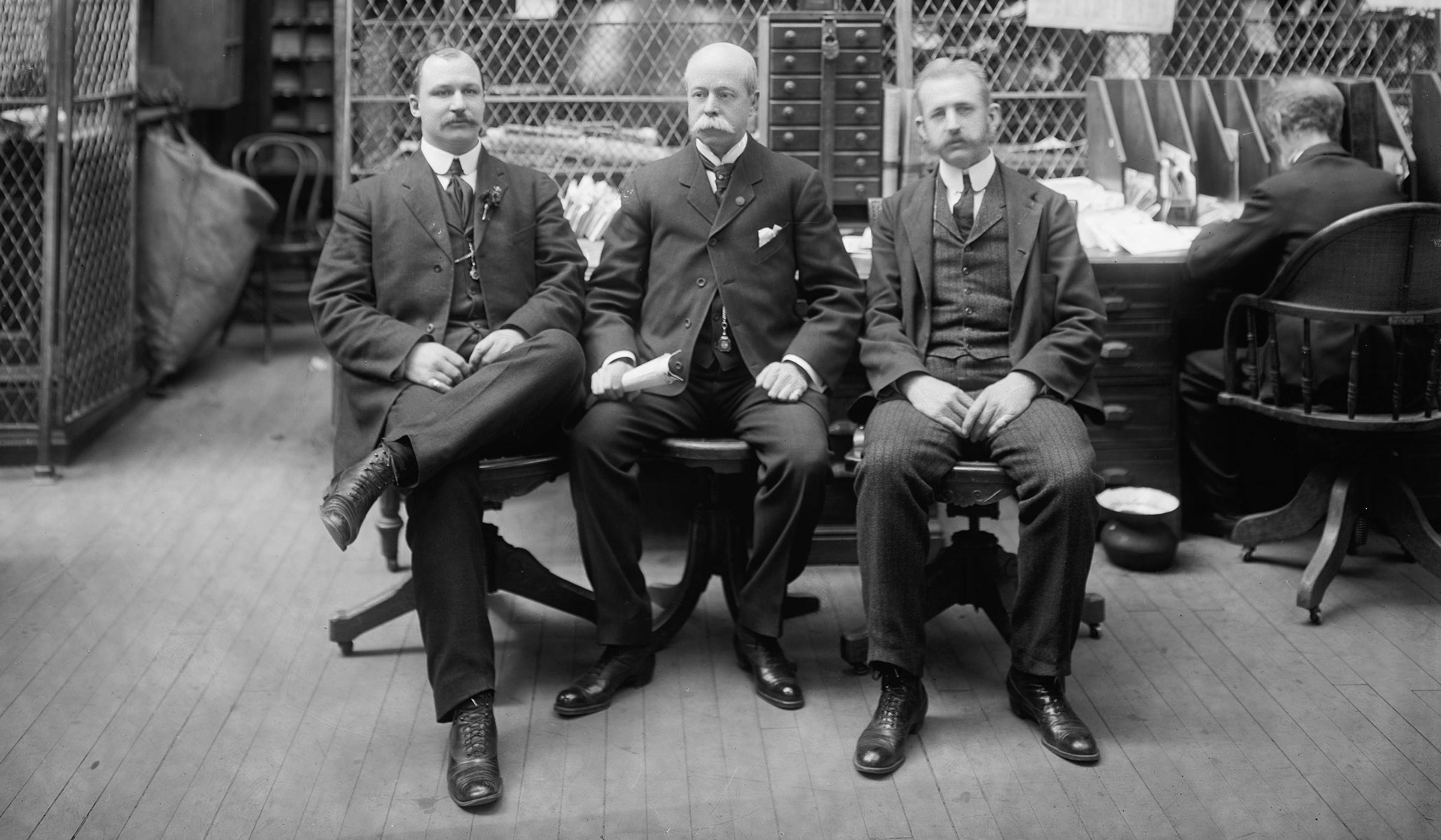


Parcel post deliveryman, 1914.
Harris & Ewing Collection/Library of Congress
But . . . what if I need these emails? What if I have a sudden interest in architecture? What if I like hoarding trivial information? What if I need fodder for a quick turnaround on a silly column?
Indeed, digging through a decade and a half of emails, I become somewhat nostalgic. The oldest email left in my account is from 2007, a receipt for a company called “Bloglines” — which, after some googling, I find out is a defunct “web-based news aggregator for reading syndicated feeds using the RSS and Atom formats.” Relics of a bygone age — horse whips, encyclopedias, and Betamax. Between the oldest email and the ones flooding into my life right now are hundreds of public-relations pitches for long-forgotten books, a slew of unrealized projects, job offers, lost friendships, forgotten disagreements, endless threads of inconsequential debate about obsolete policy, pictures of kids, memes, death notices, and flotsam of everyday life.
Now, of course, most of it is still junk. And if this were 1975, no doubt I’d be one of those people surrounded by cabinets stuffed with 95,214 letters, scraps of paper, and newspaper clippings. Instead of cabinets, I guess I’ll just keep buying more email memory.












Comments