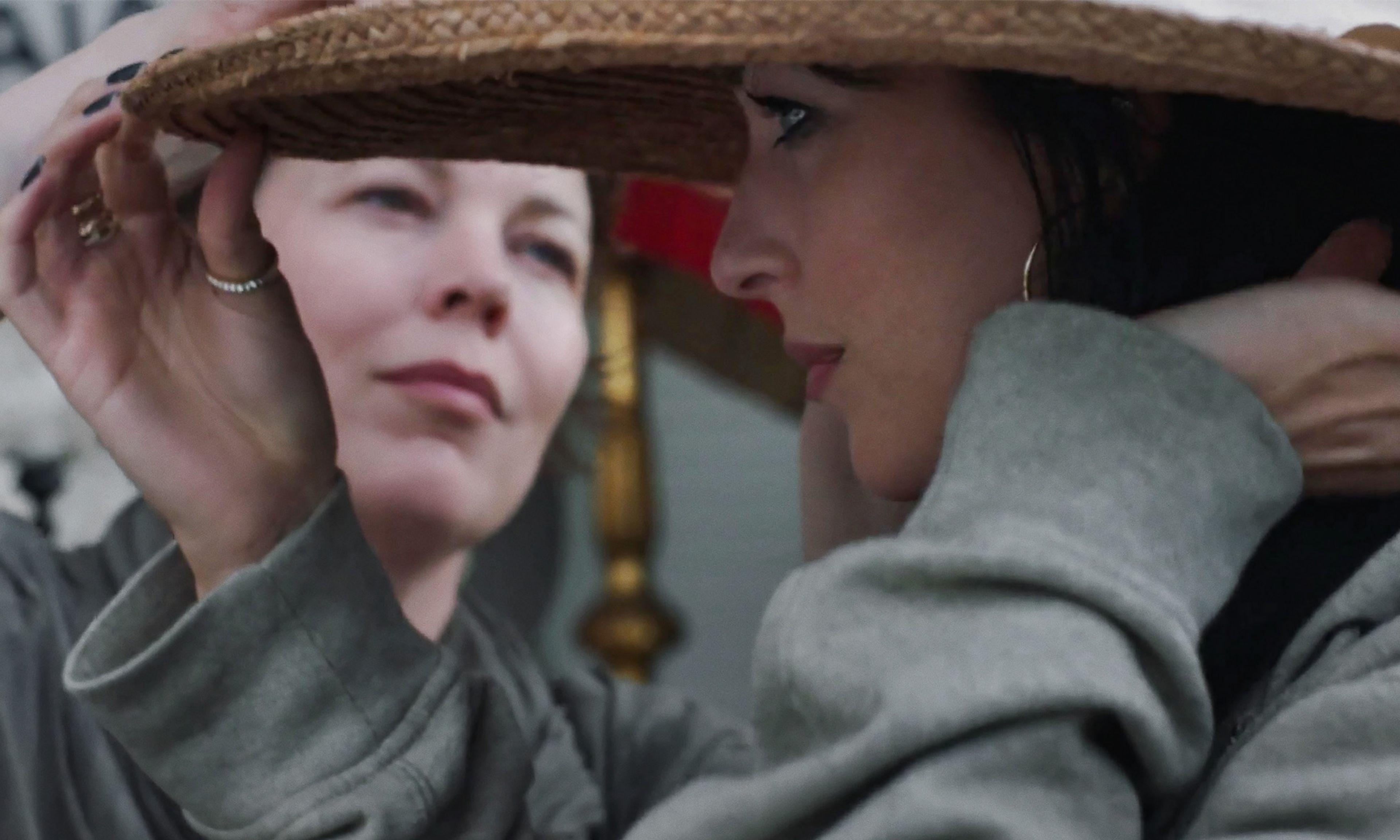
The Lost Daughter, adapted by Maggie Gyllenhaal from an Elena Ferrante novel, is a movie about maternal ambivalence and rebellion: the mother who feels stifled by her children, imprisoned by their unavoidable demands, and who doesn’t merely endure with patience or stoicism but acts out, breaks bad, tries to escape. The film has been nearly universally praised for its artistry, and also for breaking an important taboo by acknowledging a reality and complexity to motherhood that our society suppresses. Yet both forms of praise are misguided: There is no such taboo, and The Lost Daughter is interesting in its parts but, as a whole, not particularly good.
The film has two narratives, in two different periods of time. In the present, Leda Caruso (Olivia Colman), a middle-aged Harvard academic — “Cambridge, near Boston,” she says when asked about her origins — takes a vacation in a slightly down-at-the-heels part of the Greek coast, where she develops a fixation on a younger mother named Nina (Dakota Johnson), part of a rowdy Greek-American clan, who seems unhappy with her husband and, more notably, with her preschool-aged daughter. Then, in the past, we see Leda herself as a younger mother, played by Jessie Buckley, struggle to reconcile her budding academic career — she translates poetry into Italian — with the challenges of mothering two little girls.
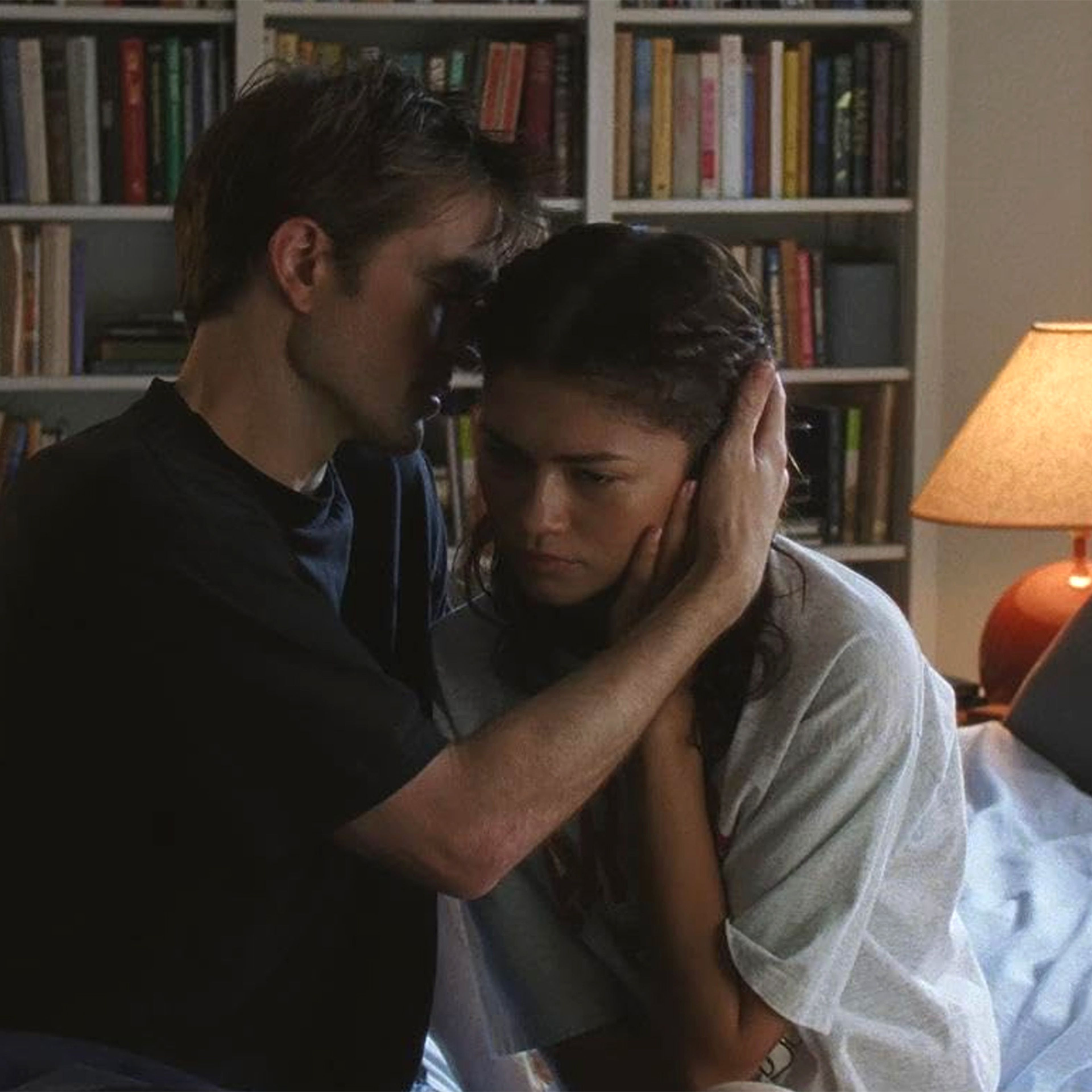
The past is warmly shot, intimate, domestic, punctuated by occasional joyful moments, but fundamentally unhappy: Leda’s girls are constantly demanding, her apartments are claustrophobic, her husband (Jack Farthing) is a conspicuously unhelpful partner and an unsatisfying lover. The present, meanwhile, has the chilly vibe of a high-end thriller: The resort and its environs have a sinister emptiness, Nina’s relatives carry an air of mafioso menace, and there are intimations of death — rotten fruit, a worm in a doll’s eye — to match an opening shot, unexplained till the end, of Leda collapsing on a beach.
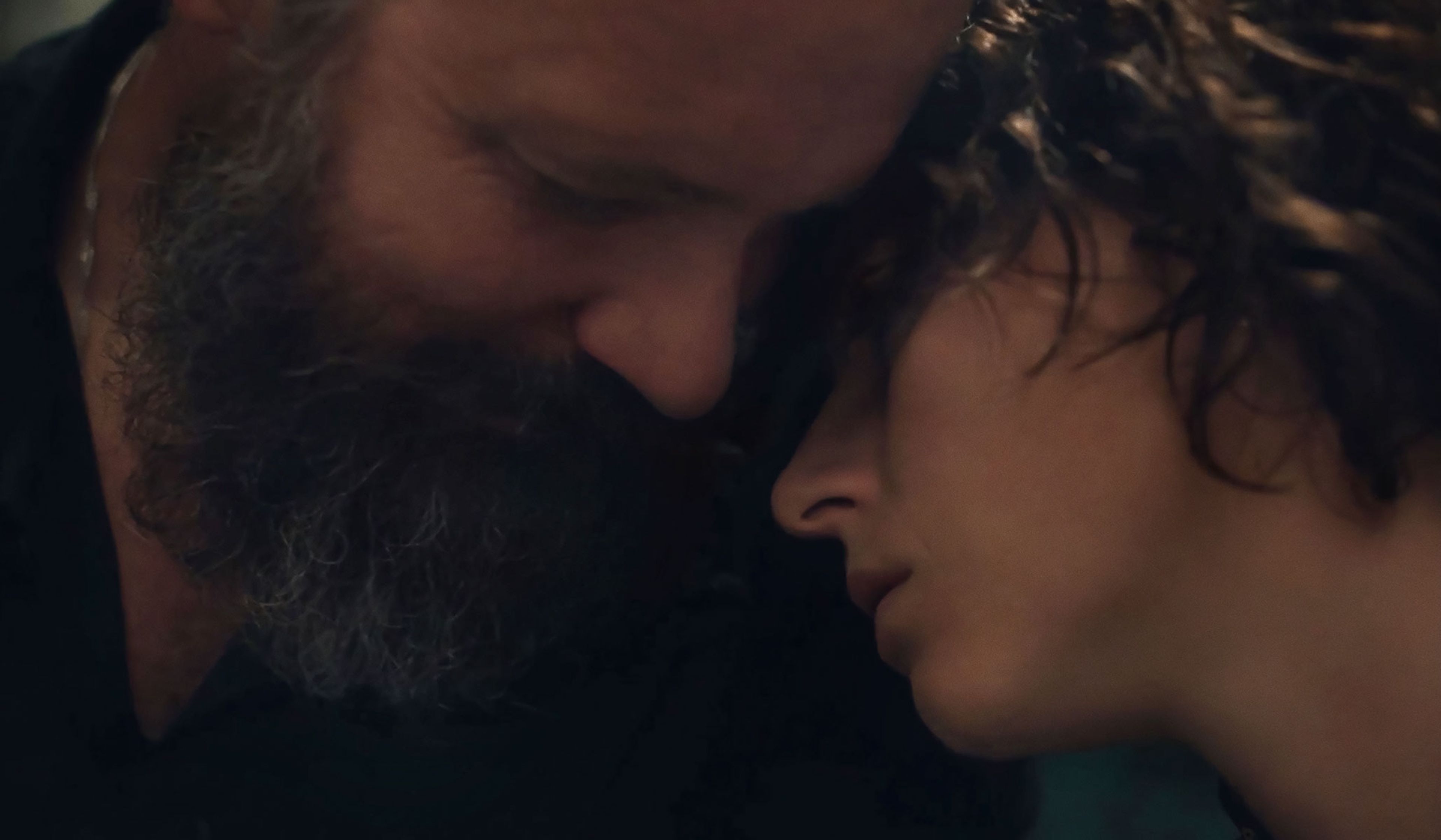
As the story unfurls we learn the roots of Leda’s fascination with Nina and her daughter, as her memories of being a struggling young mother carry us to a period of real maternal betrayal, beginning with her affair with an older academic (Peter Sarsgaard, the director’s husband, bearded and amusing) that clearly still shadows not just her relationship with her now-adult daughters but her very sense of self. And this shadow somehow motivates her not just to sympathy with the younger woman but to a strange act of aggression — the theft of Nina’s child’s doll, which Leda keeps for days while Nina’s family searches for it and the child becomes inconsolable, reshaped by the theft into the unmanageable equivalent of the difficult daughters that Leda once betrayed.
The various cultural takes that have spun out from The Lost Daughter have suggested that this story invites us to a taboo-breaking sympathy with Leda in both her incarnations. But as Anastasia Berg and Rachel Wiseman point out in a terrific essay for the Point magazine, far from being some sort of great cultural secret, the idea of maternal ambivalence has actually been a “commonplace and acceptable” feature of Western art, with the feminist era layering new and diverse portraits atop a foundation clearly laid in Shakespeare, Austen, Ibsen, and Flaubert. Indeed, Berg and Wiseman make a strong case that the most distinctive thing that Gyllenhaal does with the source material of the Ferrante novel is to make it less complex, less ambivalent, by cutting away some of the book’s interest not just in why mothers leave but in why they might return.
Beyond this question of originality, though, the deeper problem with the movie is that the two parts just don’t fit together, not only in their moods but in their performances. Colman is a terrific actor but I did not for a moment believe that she was playing the same person as Buckley. (It doesn’t help that the other characters at the resort keep talking about how young she looks for a 47-year-old, even though the way the movie costumes and shoots Colman makes her look older than her years, much deeper into middle age.) The younger Leda is a sympathetic sinner, a passionate human carried onto the rocks of her mistakes on swift currents of frustration and desire. The older Leda has warm moments but in her fundamental mode she is playing the villain in a low-stakes psychological thriller — a creepy and miserable character performing weird manipulations on the younger woman, and still stranger operations on the doll.
You can find interpretations to save this disjunction — that we’re seeing the life-altering toll of maternal failure, or the consequences for both the flesh and the psyche of society’s unfair burdening of women. But those feel like special pleading. In the end there are two movies in The Lost Daughter, both interesting in their way, the first much more human and the second much creepier, that don’t really make up a single story or belong in the same film.

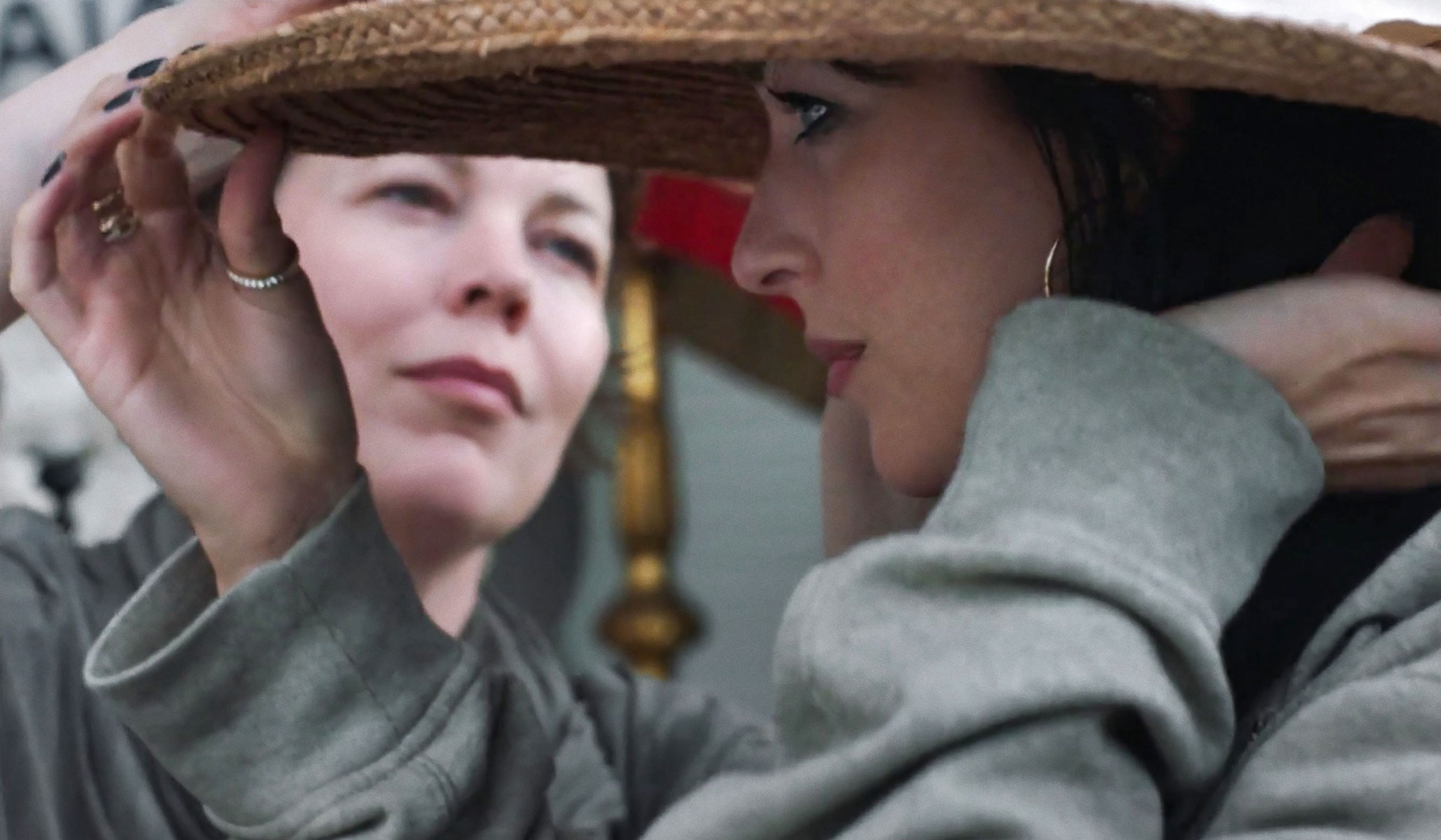

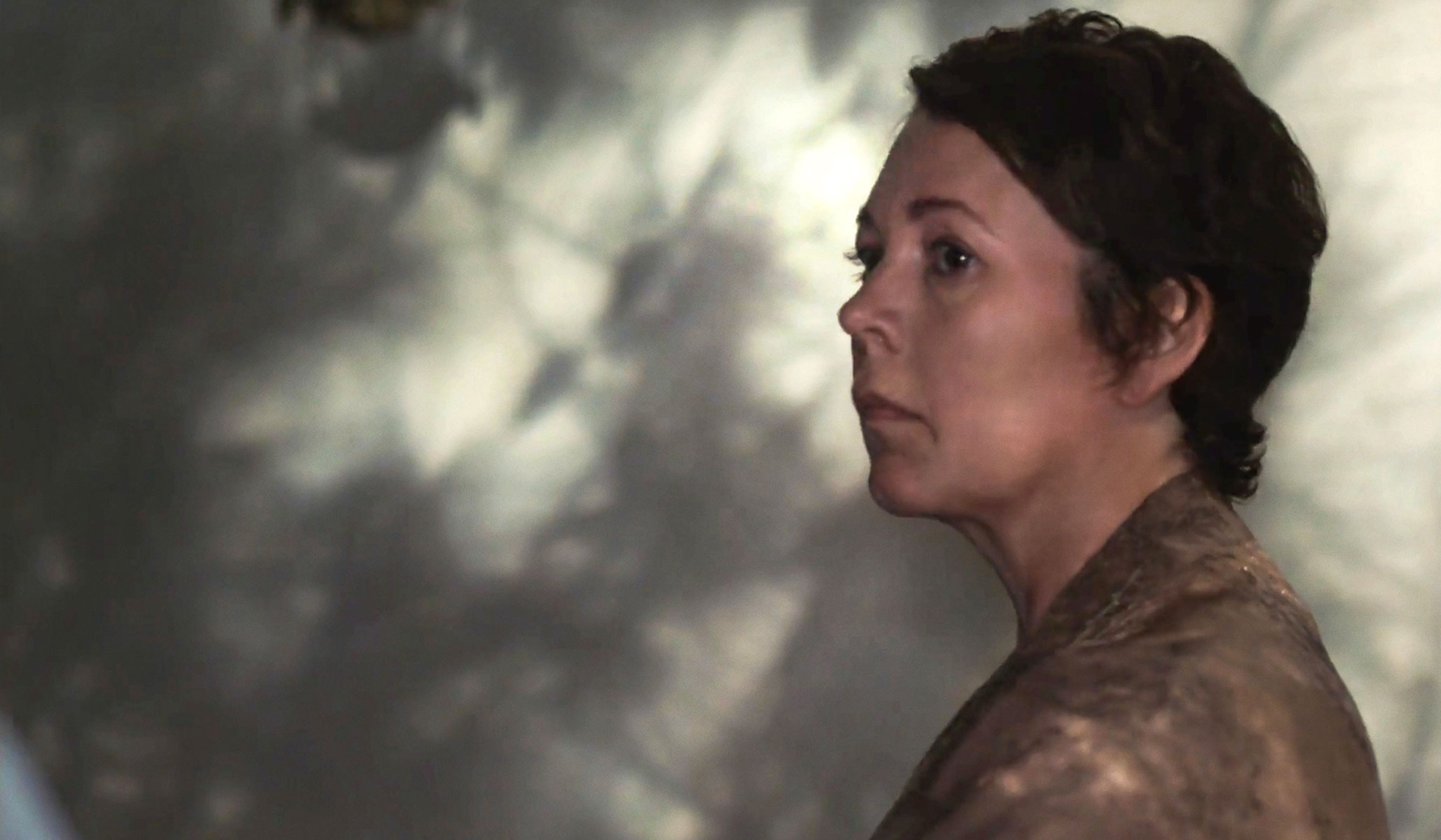
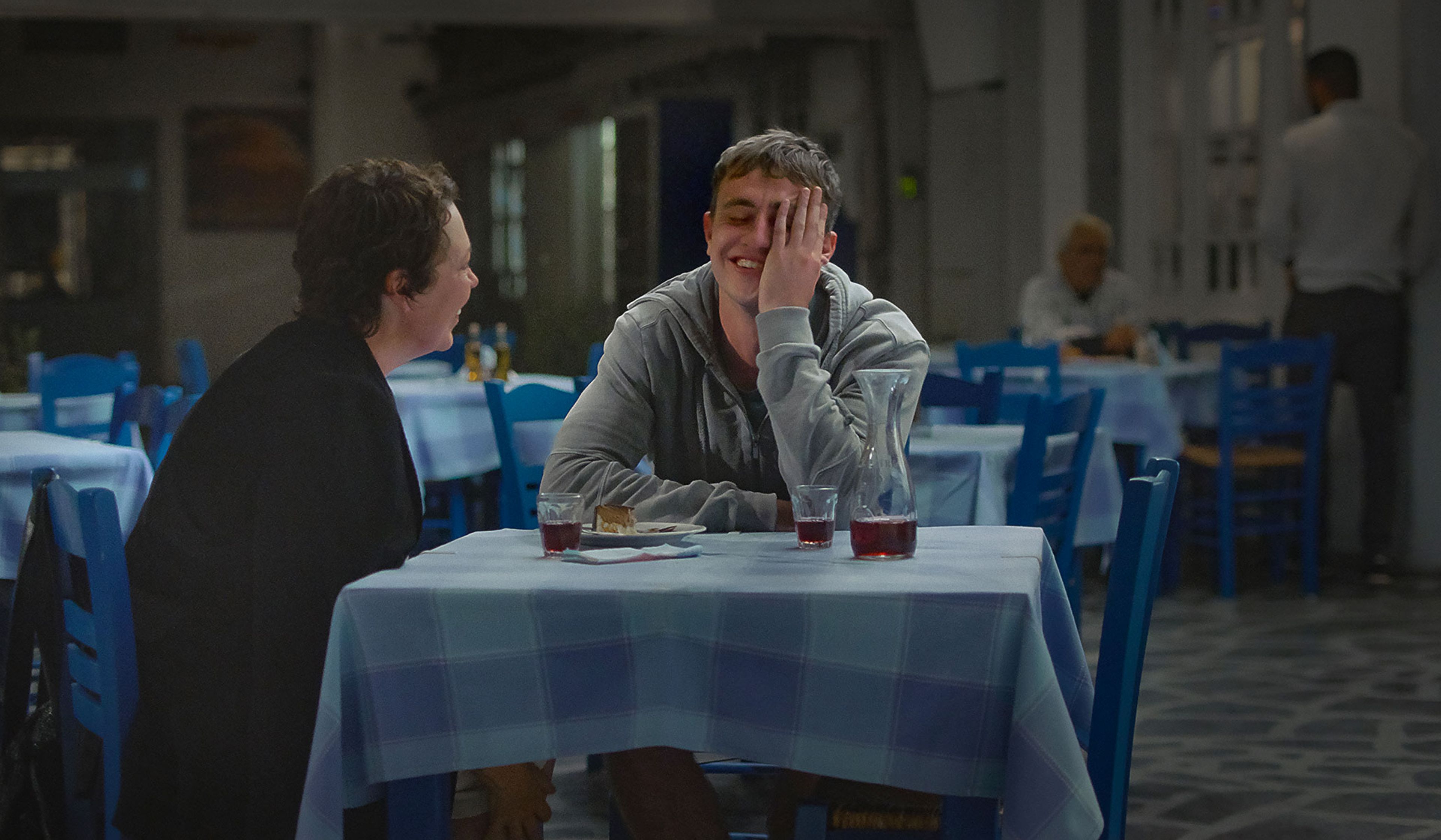
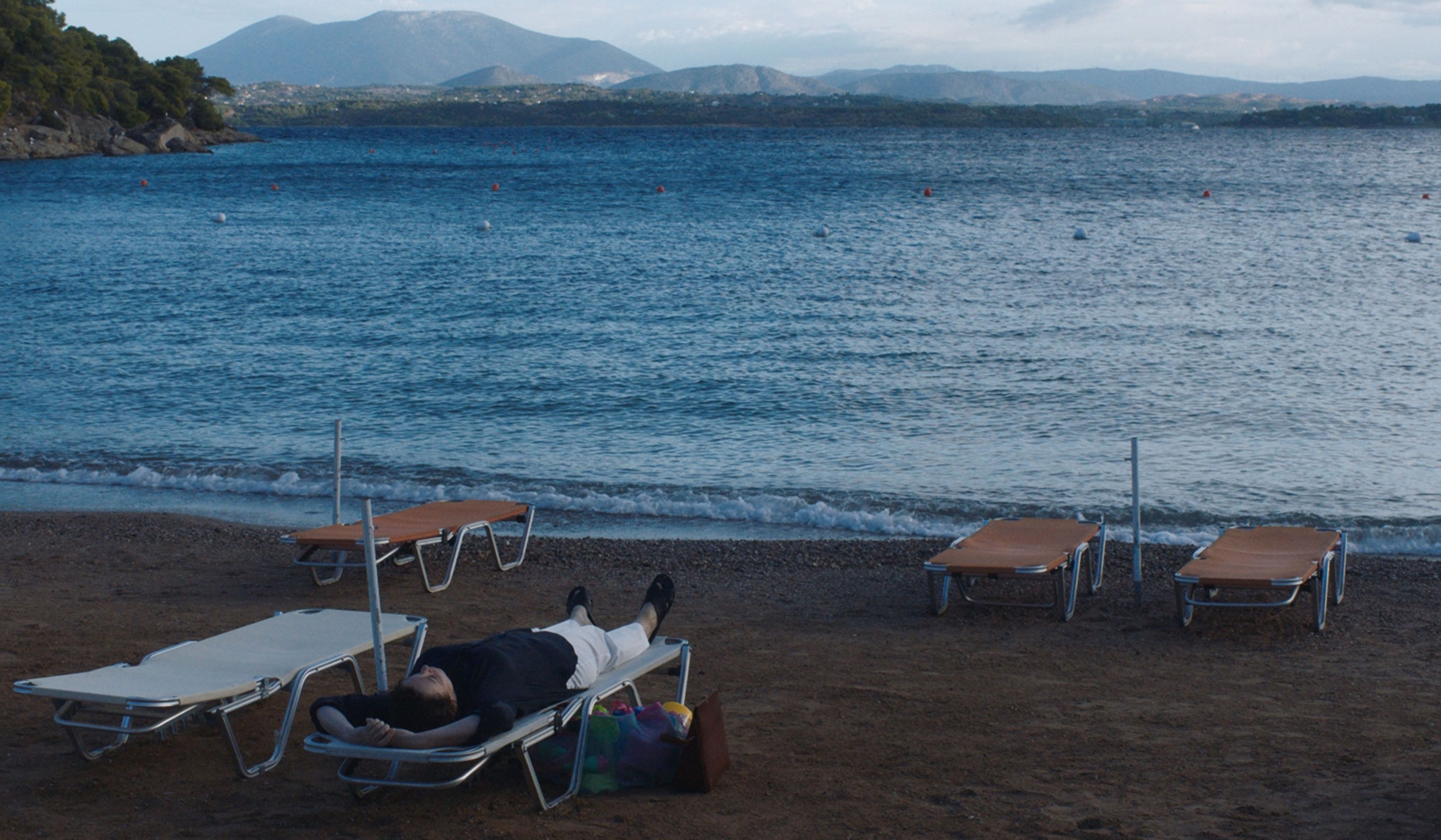
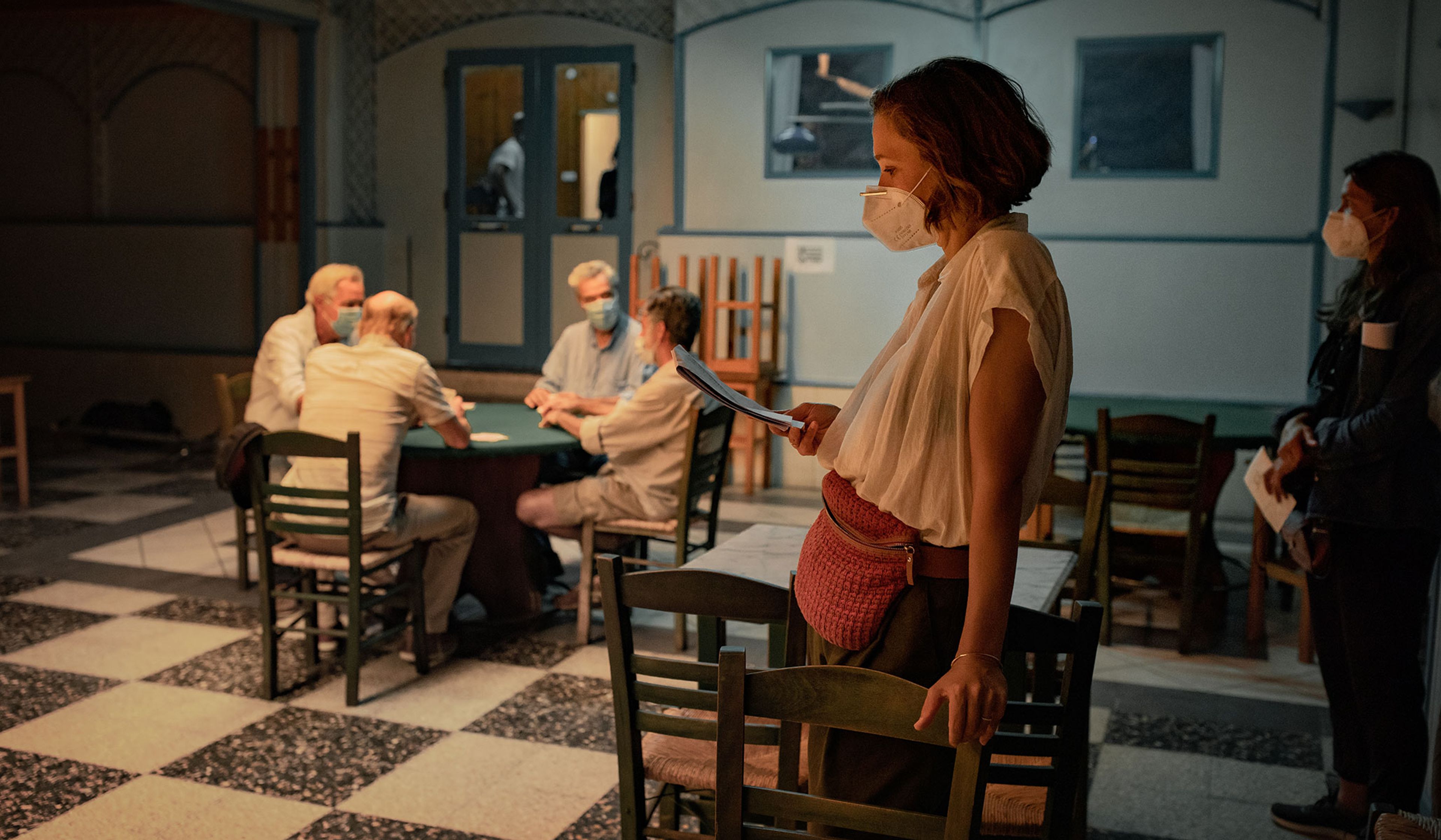
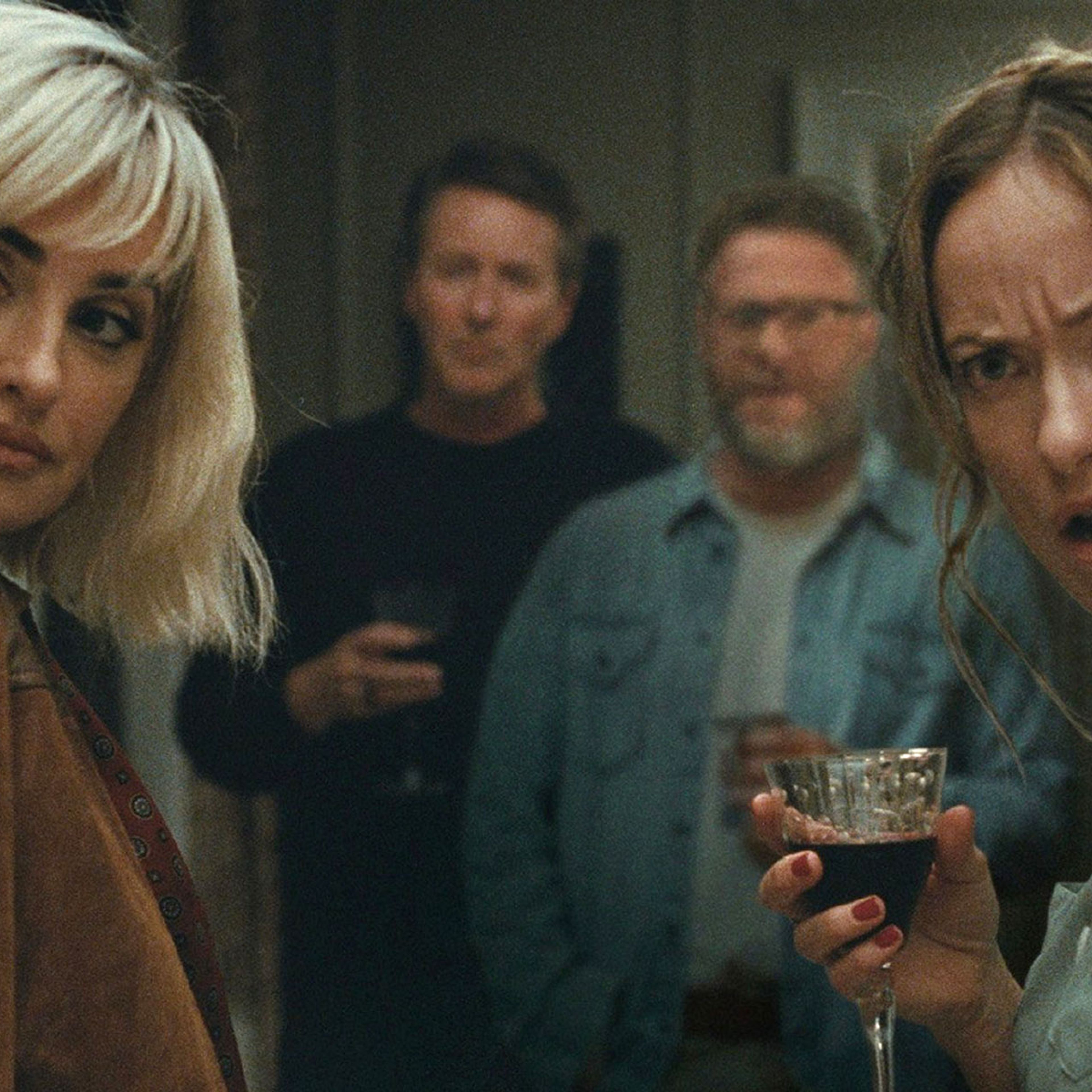
Olivia Colman in The Lost Daughter.
Yannis Drakoulidis/Netflix









Comments