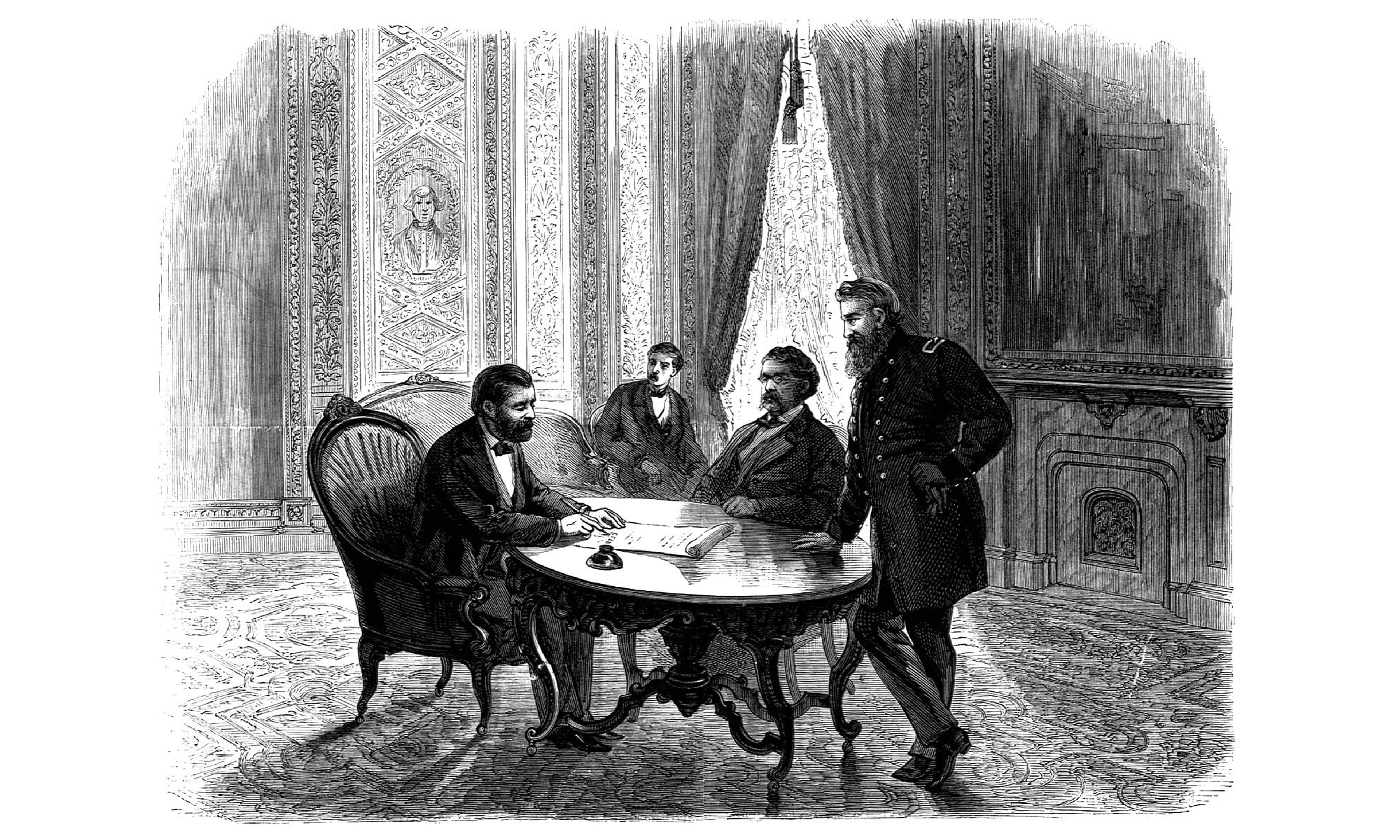
A strange notice appeared in the March 27, 1867, issue of the Pulaski Citizen newspaper, which usually carried mostly brief news items and short advertisements for attorneys, carpenters, and goods for sale. “The Kuklux Klan will assemble at their usual place of rendezvous . . . [on Tuesday] exactly at the hour of midnight in costume and bearing the arms of the Klan.” The author was the “Grand Cyclops.” Frank McCord, the editor of the Tennessee paper, likely wrote it.
Jest or not, Klansmen soon began showing up uninvited at town picnics and other public gatherings. They dressed in star-spangled, funnel-shaped hats, squirrel-skin masks, fake beards, and other ludicrous attire. They spoke in codes that sounded like gibberish and put on comic performances. The KKK began as the “LULZ” of the day.
But as Fergus Bordewich details in Klan War, beneath the silliness were hearts filled with hate. The white men who joined the Ku Klux Klan were irate about the South’s defeat in the Civil War, and they were not going to treat former slaves as their equals. McCord, for example, flogged a black schoolteacher who had punished a misbehaving white pupil. The descendants of Ham were not to put their hands on whites — ever.
The KKK’s hijinks quickly turned into malicious pranks designed to frighten recently freed black Americans. By early summer, the Klan had metastasized into a domestic terrorist organization intimidating blacks and the white Republicans and radicals who supported their rights. The ranks of the “invisible empire” spread across the South, swelled by former Confederate soldiers who had not given up the fight.
Nathan Bedford Forrest was one such man. He had been born poor on Tennessee’s southern frontier. He amassed a small fortune by selling land, cattle, horses, and slaves and was notoriously vicious. He led a cavalry unit during the war that approached the Union-held Fort Pillow not far from Memphis. Forrest’s men duplicitously waved the white flag of surrender, then swarmed the fort. The smaller Union contingent quickly surrendered, and Forrest exhorted his men to slaughter them — especially the black soldiers. Achilles Clark, one of the Confederates, later wrote, “The poor deluded negroes would run up to our men, fall upon their knees with uplifted hands, and scream for mercy but they were ordered to their feet and then shot down. Blood, human blood stood about in pools and brains could have been gathered up in any quantity.” Of the 277 killed, 195 were blacks.
After the war, Forrest found himself financially ruined. He took his vengeance on the North and on blacks by traveling the South to recruit members to the KKK, whose numbers grew exponentially. Local “dens” usually were led by prominent community members, including mayors, sheriffs, and local Democratic Party leaders. Jefferson Davis was named the honorary president of the Klan, and Forrest became its first national leader, or grand wizard.
Forrest and other Klan leaders often told others they were doing noble work to set right the natural order that the war had upset. In truth, they were disgruntled racists whose intense hatred for black Americans was matched by their sadism. White-robed Klansmen gleefully participated in beatings, lynchings, gang rapes, and torture, which Bordewich unflinchingly recounts. Whole families died when the hooded vandals set fire to their homes. Rarely did the perpetrators get arrested, let alone punished. The Klan had thoroughly co-opted local law enforcement.
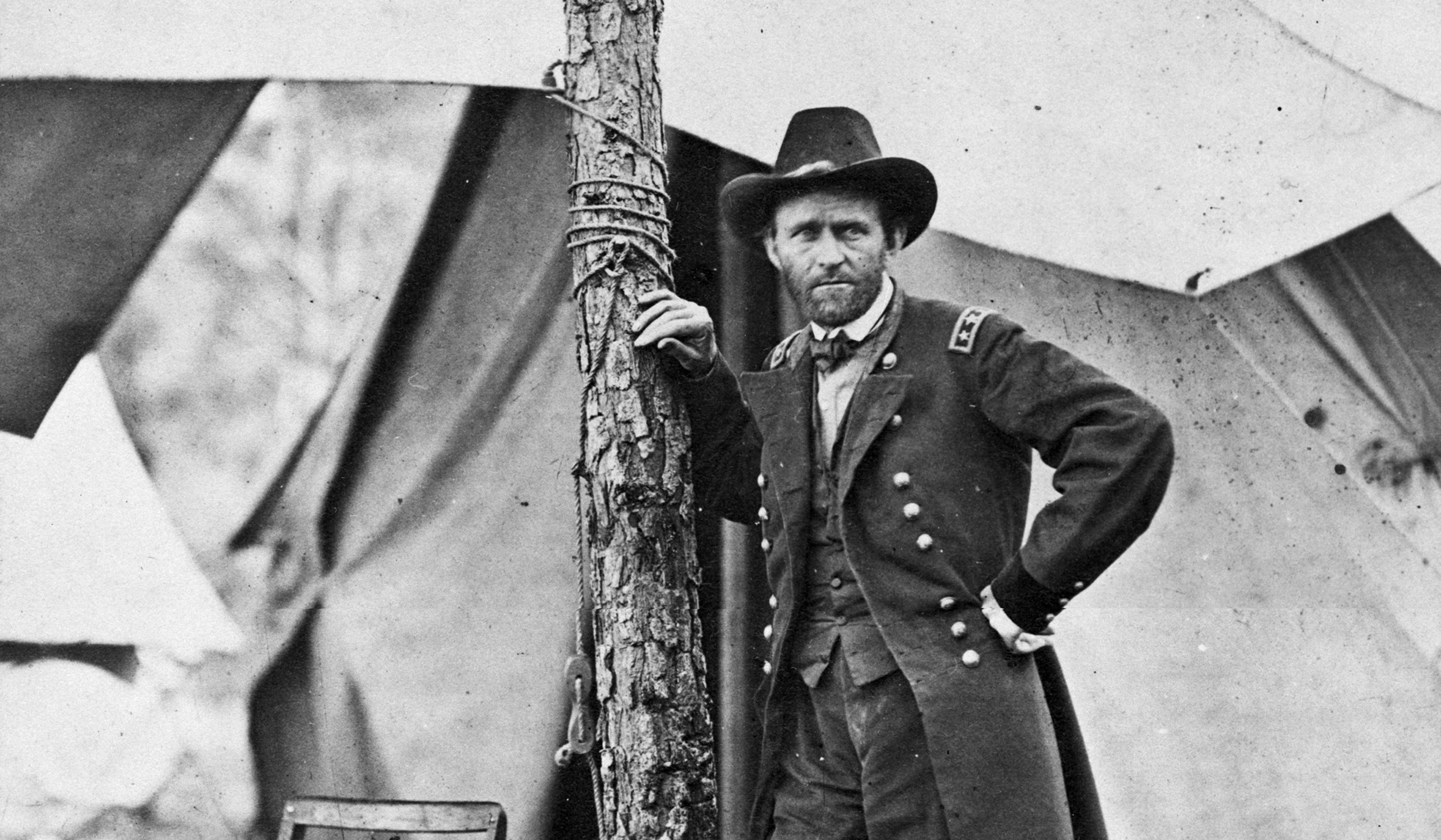
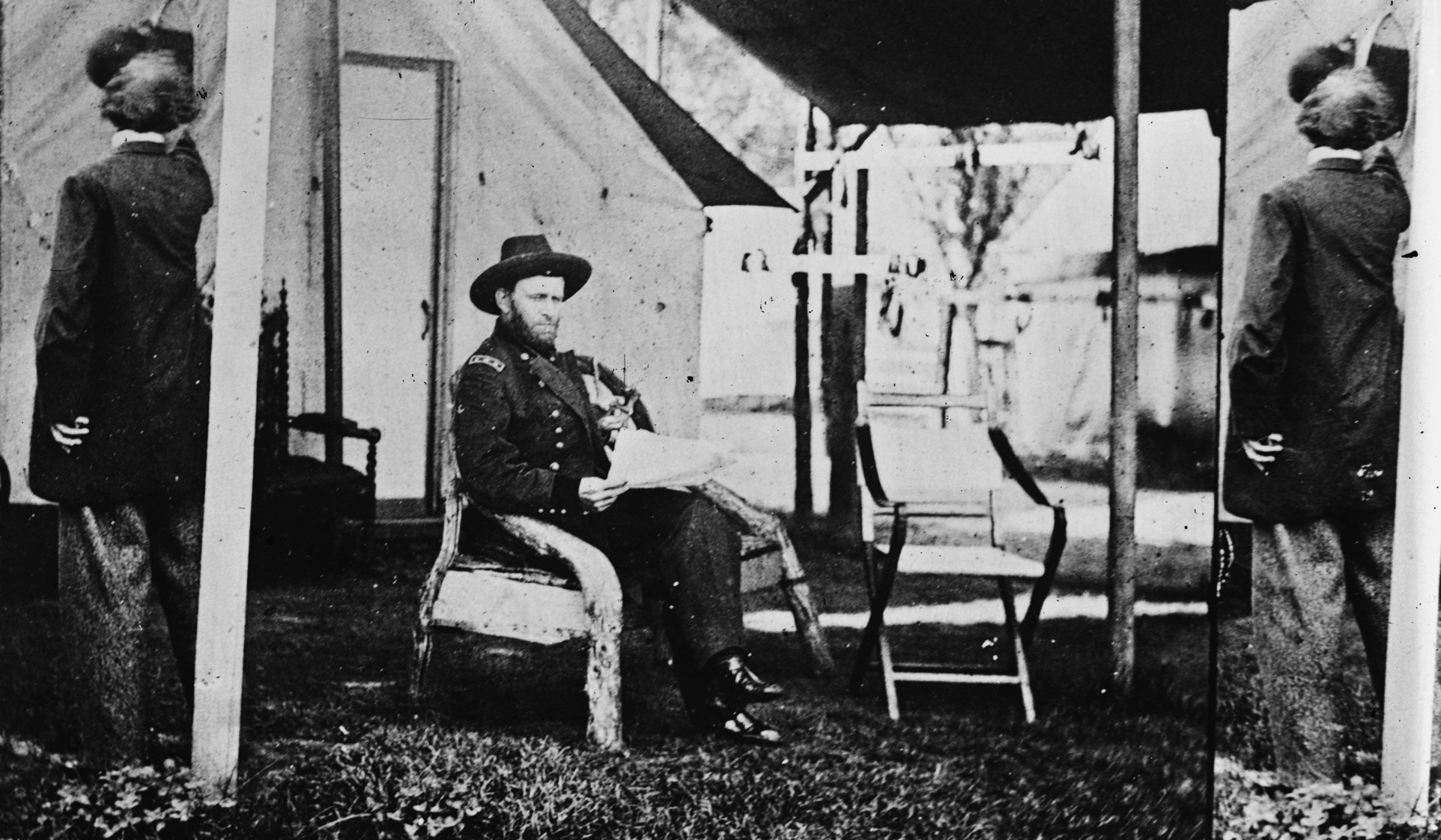
In Washington, D.C., Ulysses S. Grant received letters and reports detailing these gory crimes. He was distressed by what he read. Although he once had owned a slave for a brief time, he had traveled a long path on race. He had seen the bravery of the former slaves on the battlefield and come to understand them as men, not chattel. He knew that, left unchecked, the Klan’s efforts would roll back the gains the country had made. The hundreds of thousands of blacks who had registered to vote would be disenfranchised. The Republican Party would lose majorities in statehouses and in Congress, and the nation would revert to a racial caste system.
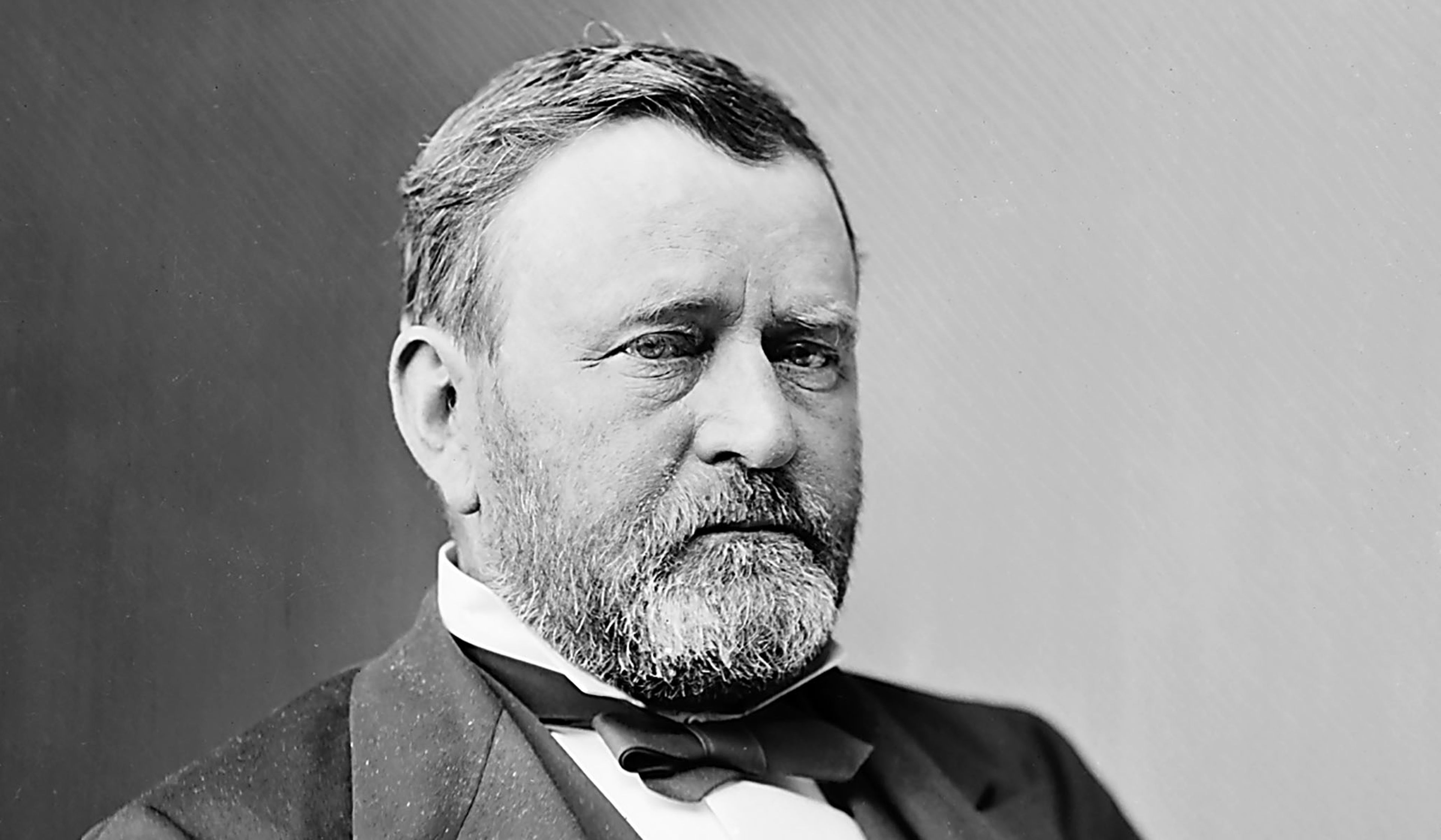
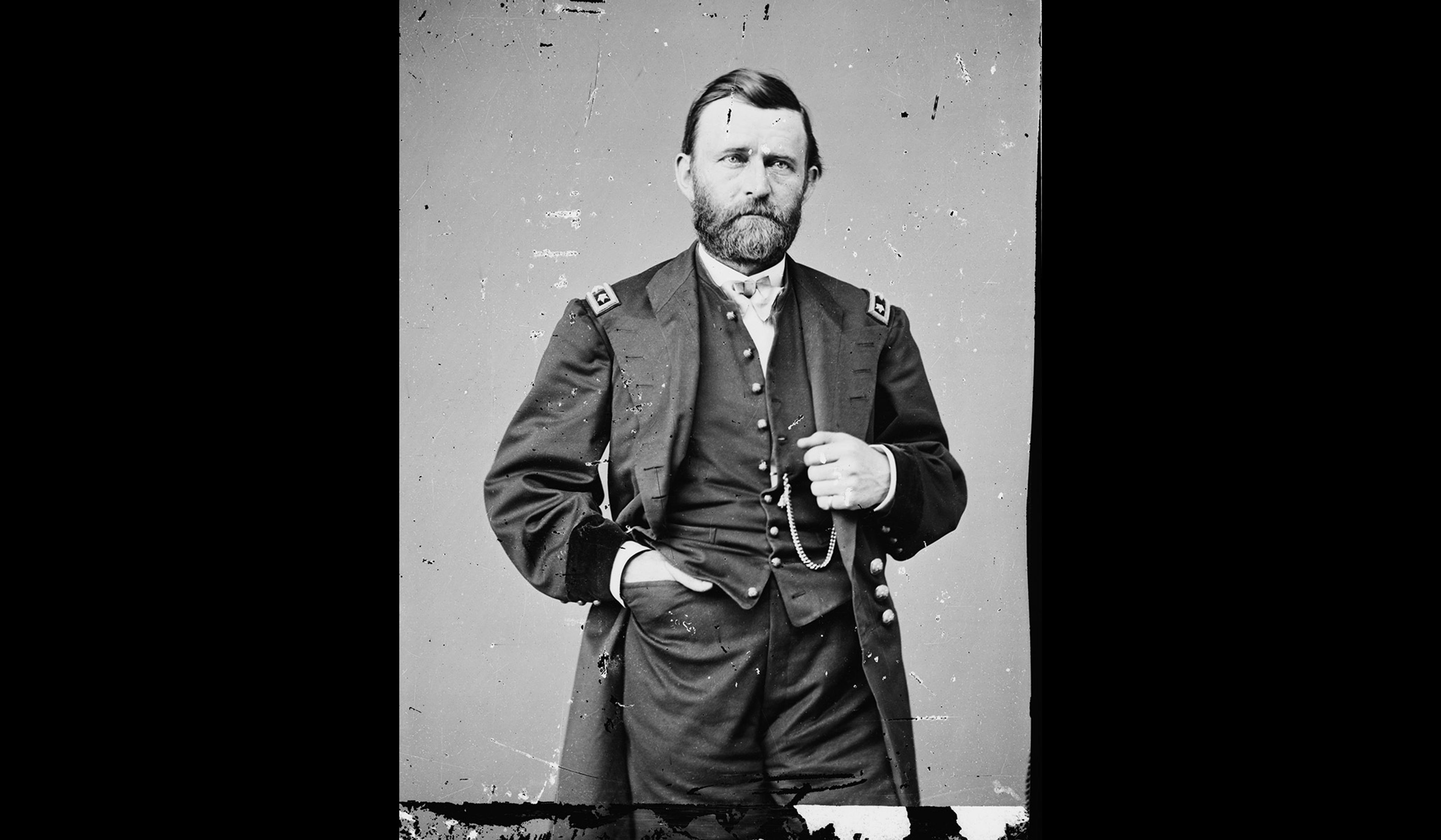
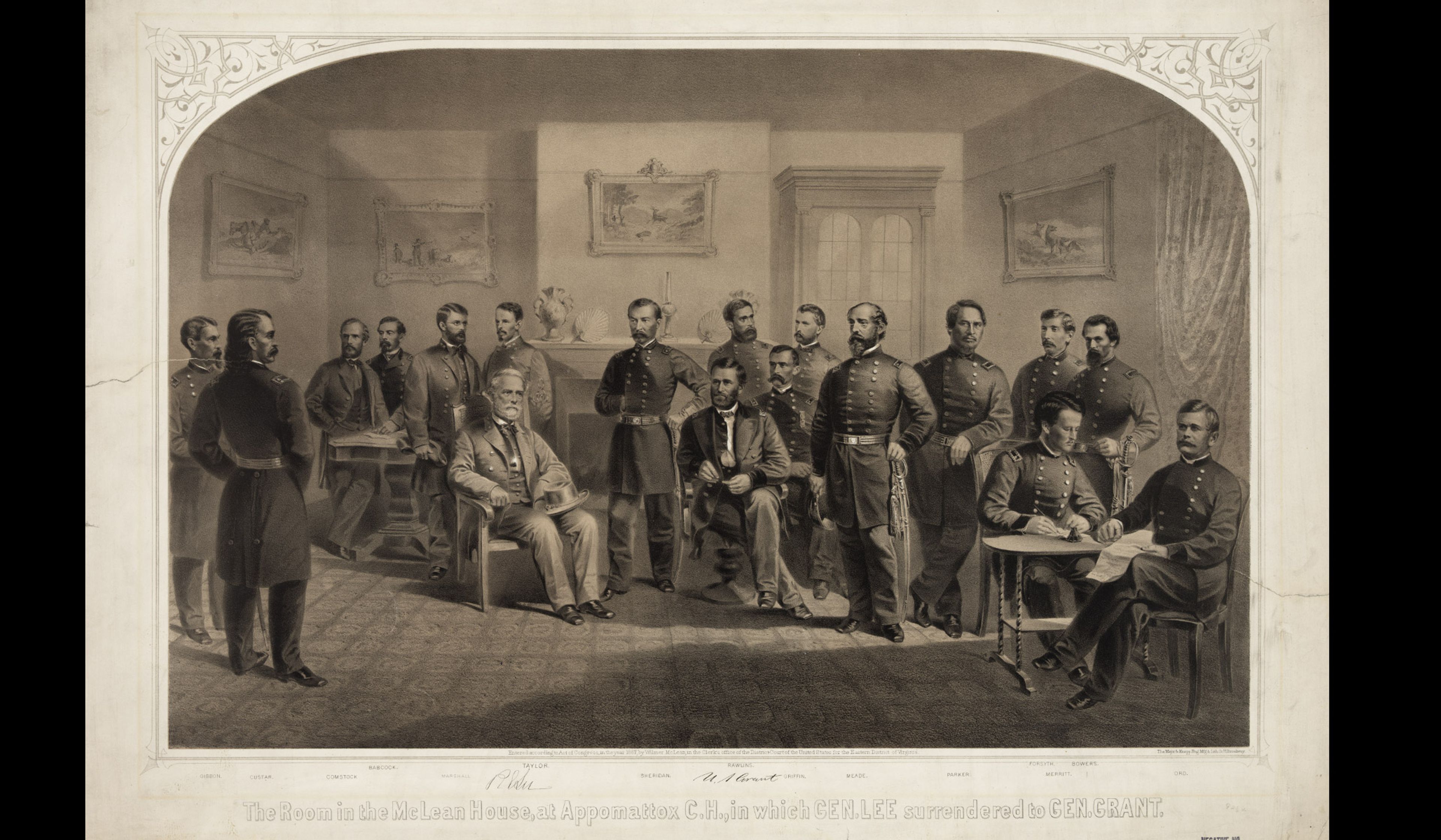
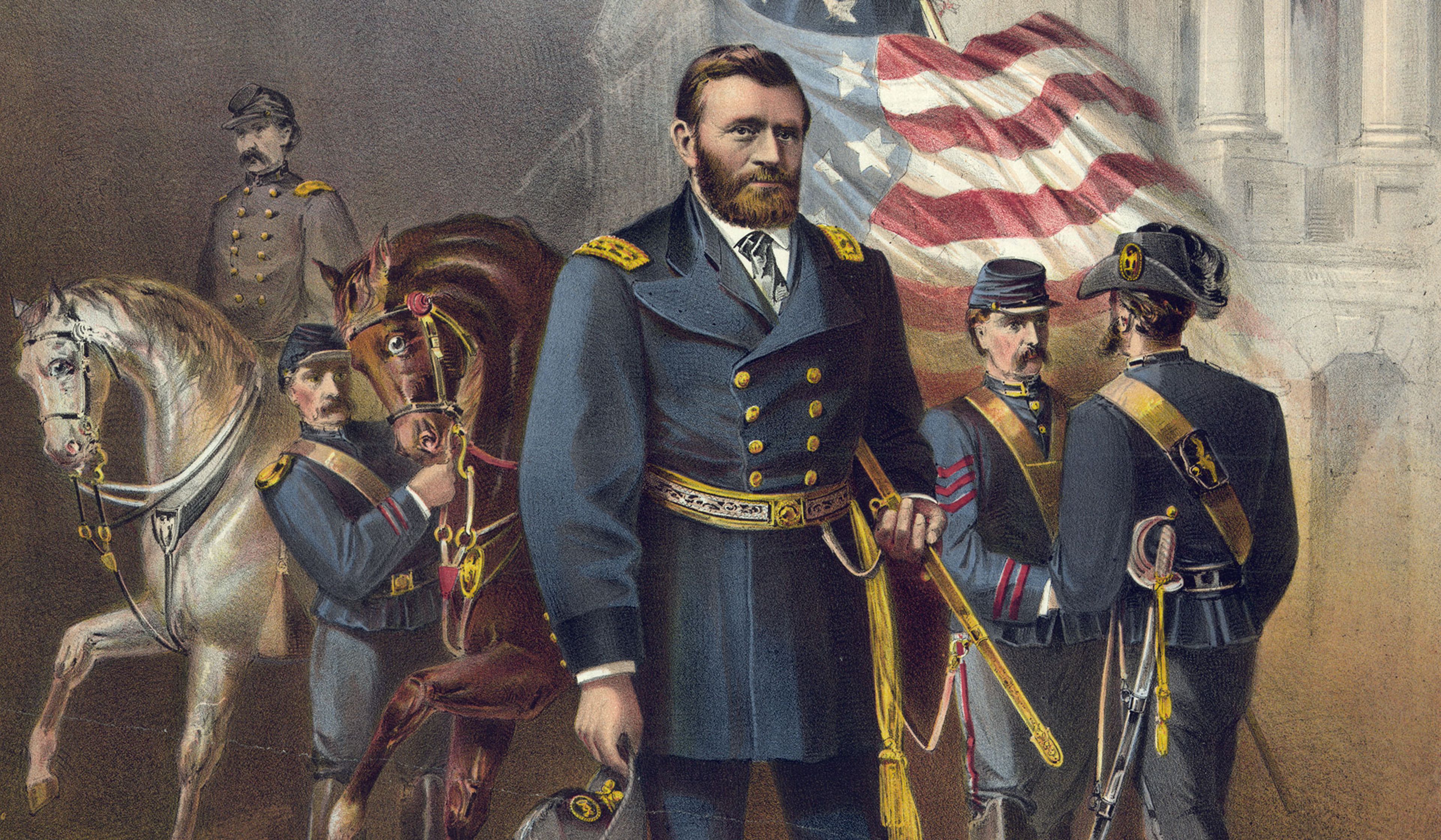
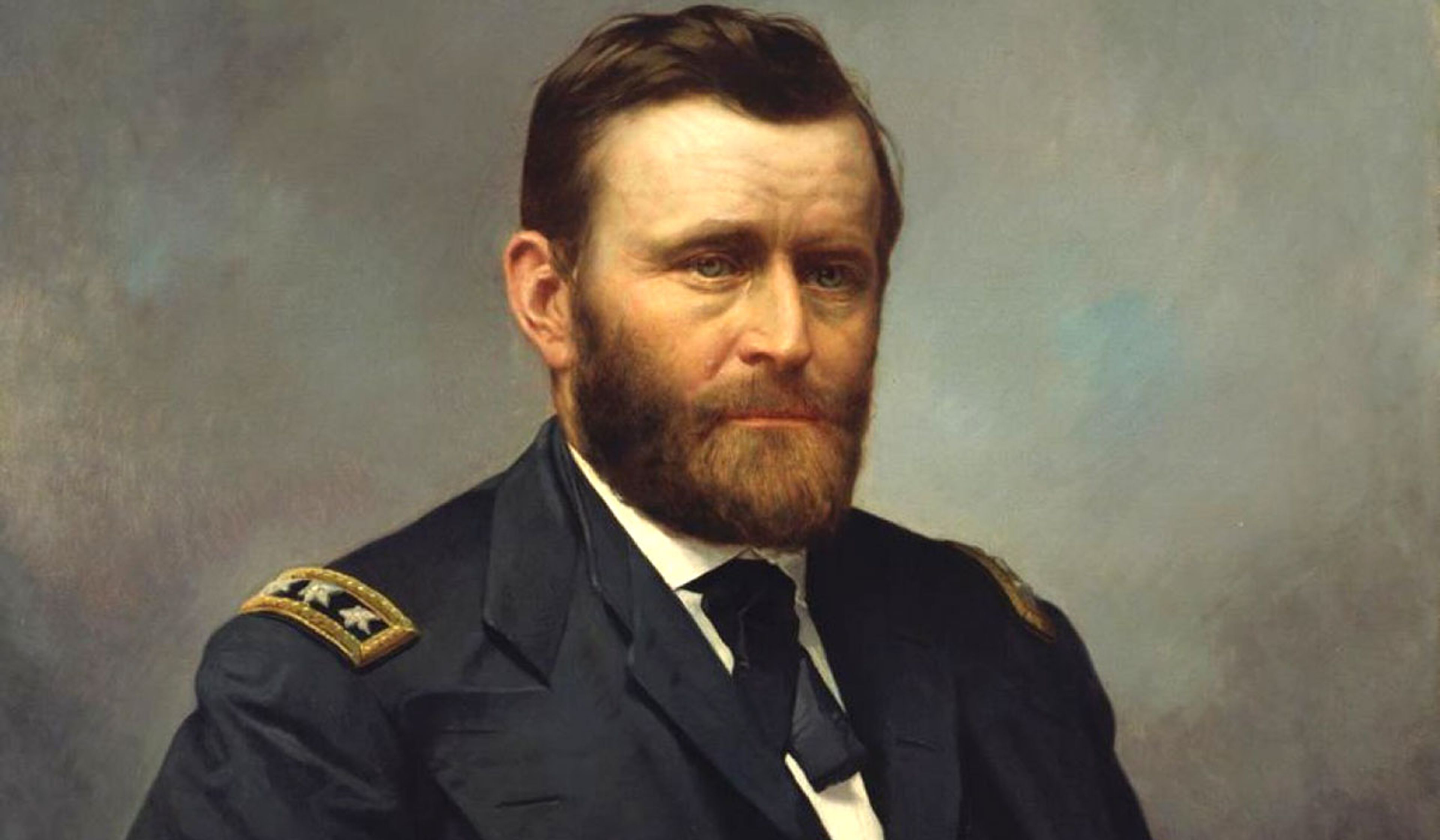
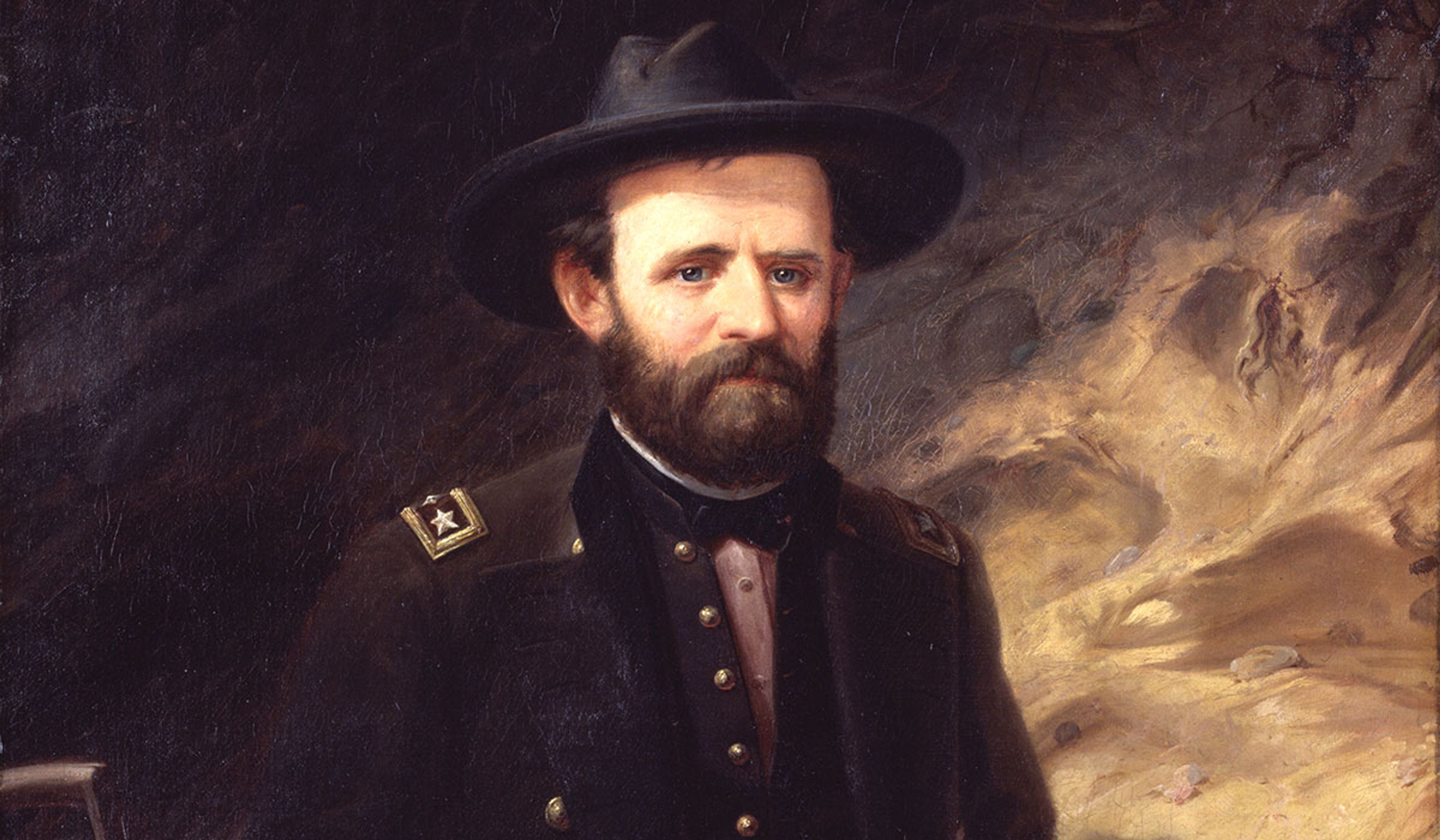
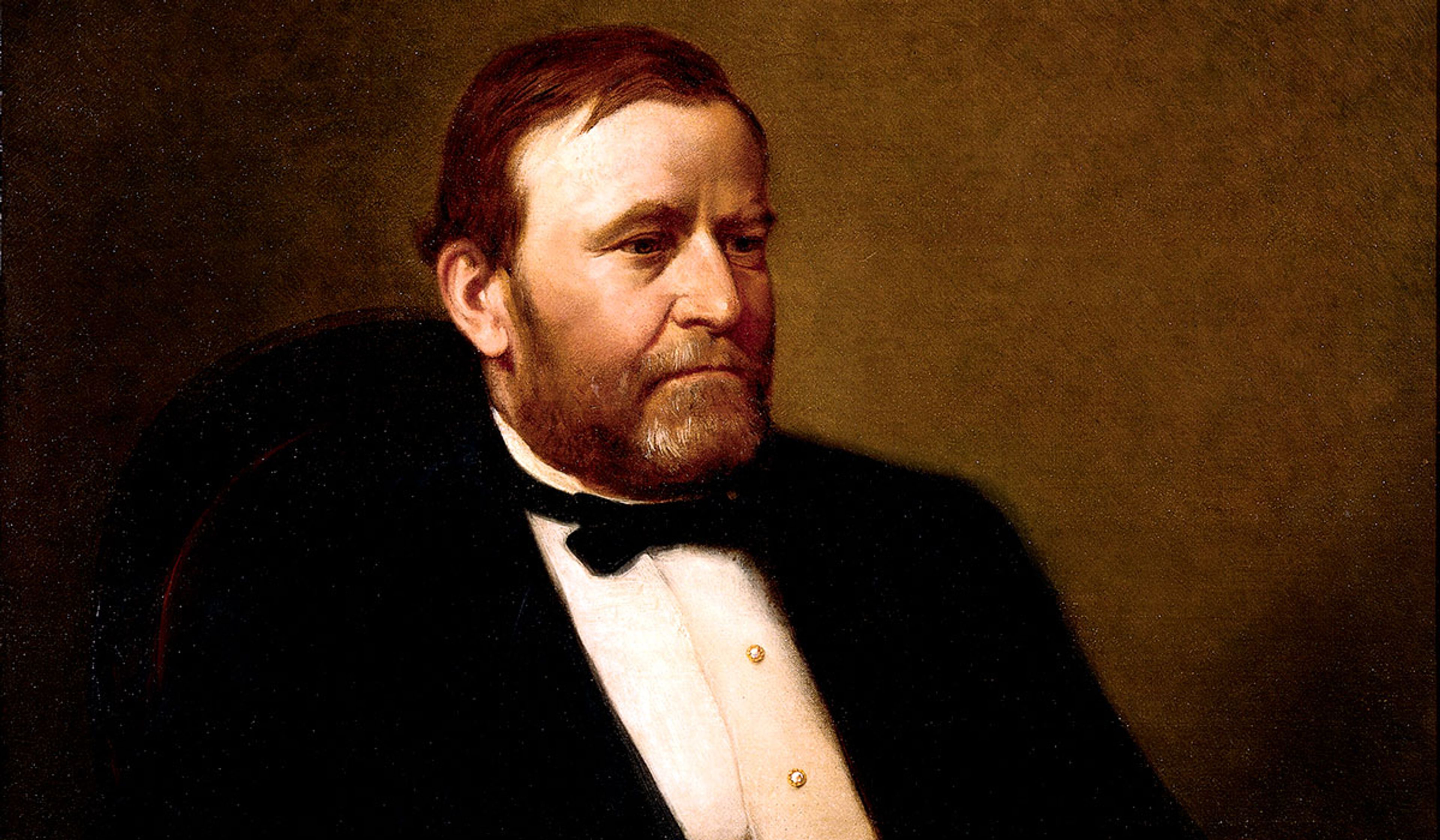
Detail of portrait of President Ulysses S. Grant, undated.
Brady-Handy Photograph Collection/Library of Congress/Wikimedia Commons
Grant’s first action was to draw on his authority as commander of the U.S. Army to send better leaders and more soldiers into Southern states still under federal control. They were ordered to seize Klansmen who were perpetrating crimes.
The biggest obstacle Grant faced was his boss, President Andrew Johnson, who wanted to turn over the South to Southerners and wash his hands of the “negro problem.” Johnson tried to get rid of Grant by sending him to Mexico on a fool’s errand, but Grant refused.
Fortunately, Congress was in the hands of Republican reformers who had Grant’s back. Legislators passed the Tenure in Office Act in 1867 to prevent Johnson from firing Grant and any other appointees who might stand up for Reconstruction. The Grand Old Party then drafted Grant to run for president the next year, and the general won the race handily.
With legislative and executive powers united, the war against the Klan began in earnest. Congress passed the 14th and 15th Amendments, which bestowed equal protection of the laws and forbade the denial of franchise to men of any race. Congress also passed the Enforcement Acts of 1870 and 1871, which gave Grant more powers to take the fight to the terrorists.
The federal government’s troops and Justice Department attorneys began arresting and prosecuting Klan members in droves. Klansmen, who were unaccustomed to being called to account for their misdeeds, quickly folded. Some ran away from their home states and even to Canada and overseas. Others threw themselves on the mercy of federal soldiers and officials. Like General Grant, President Grant was beating back the Confederates.
Sadly, his campaign was set back at the end of his first term by forces beyond his control. The GOP splintered. A faction, led by the charismatic Missouri senator Carl Schurz, called for federal withdrawal from the South in order to achieve national reconciliation. They and Democrats opposed spending more money for federal troops and prosecutors to continue battling the bigots.
A financial panic in 1873 touched off by speculators outraged voters, who threw out the Republican majority in the House of Representatives. As if that had not been bad enough, the third branch of government turned against Reconstruction. Supreme Court holdings in the Slaughterhouse Cases (1873), Reese v. United States (1876), and other suits undercut the federal government’s authority to battle the KKK.
Grant’s will did not falter in the fight, but the nation’s did. When Grant’s second term ended in March of 1877, the progress towards racial equality had begun to backslide. The Klan and its ghoulish doings were greatly diminished, but the hate endured. The Democratic Party and various allied fraternal groups erected hurdles to the ballot box and drove white and black Republicans from elected office. The better part of a century would pass before Martin Luther King Jr. and the federal government would finish Grant’s last war.
Klan War is deftly written, and its pages are alight with rich (though often distressing) details drawn from original sources. The book tells a heroic American story and reminds us, as Bordewich observes, that “barbarism may lie only a small distance beneath the skin of a civilization.”










Comments