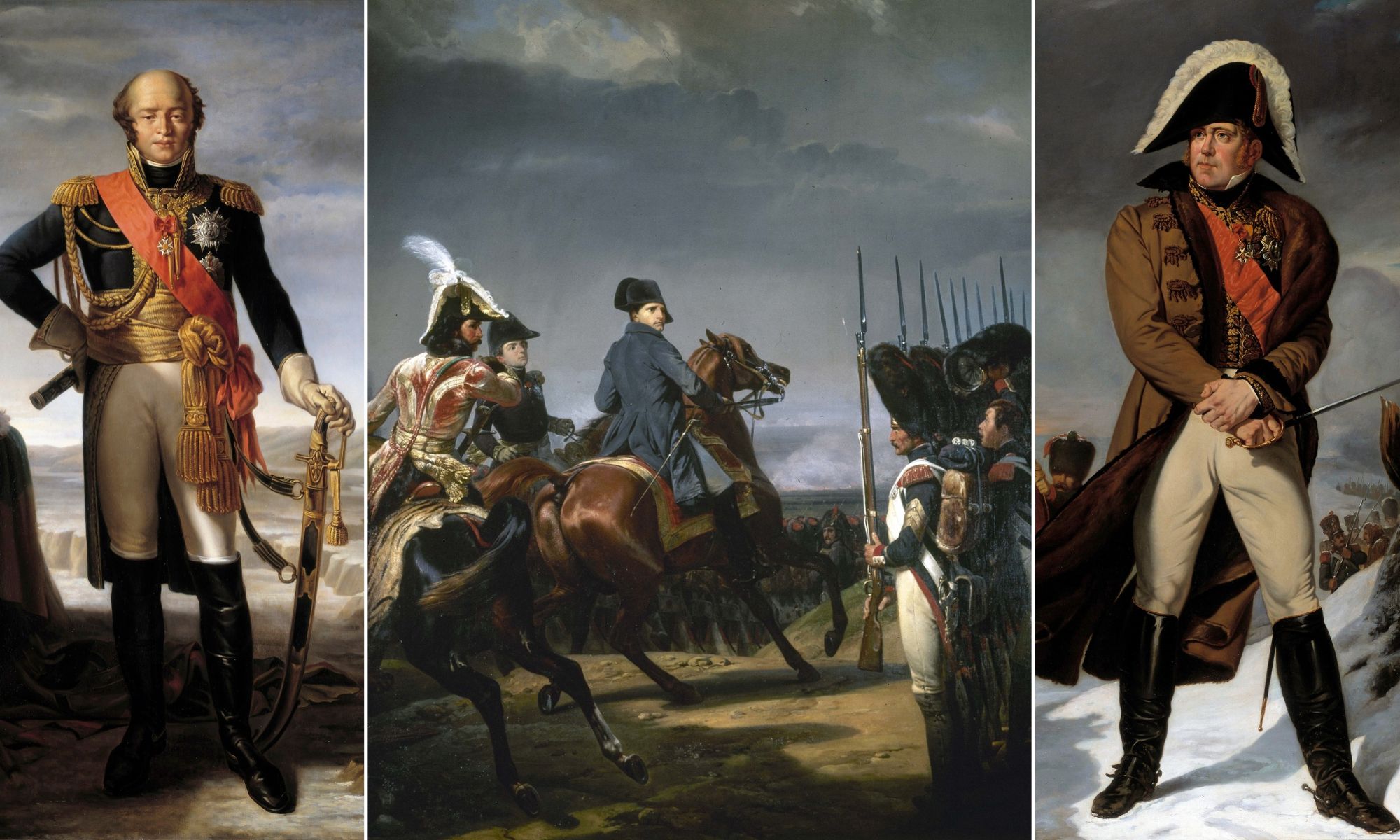
When Napoleon Bonaparte decided to turn Europe into his personal chessboard, in May 1804, he knew he couldn’t micromanage every bayonet charge from a tent. He handed out a number of richly decorated batons, creating the title of Marshal of the Empire and effectively encouraging his favorite generals to run wild. These men included refined noble leftovers as well as the rowdy sons of village bakers who had spent their youth dodging local constables. In Napoleon and His Marshals, Andrew Roberts takes this collection of power-mad egomaniacs and turns their blood-soaked march across Europe into a study in administrative backstabbing.
The emperor operated under a brutal management philosophy. He kept his subordinates rich, famous, and constantly trying to slit one another’s throats for his favor. Joachim Murat, an innkeeper’s son turned cavalry commander, regularly rode into artillery fire wearing bright-yellow breeches and a hat stacked high with ostrich feathers. He cared about two things: winning battles and looking fabulous on horseback. Michel Ney, nicknamed “the bravest of the brave” by Napoleon, brought no tactical intellect to the field, substituting for it an uncanny desire to stand directly in front of incoming cannonballs.


Comments
On “Napoleon’s Dynamite”