Covering Crypto
Dominic Pino describes the collapse of cryptocurrency exchange FTX as a mundane and relatively minor corporate failure (“The Currency of Utopia,” December 19). He is wise to avoid extrapolating too much from the saga, whose fallout has remained limited to those who sought the risk of crypto markets and will have no impact on the real economy.
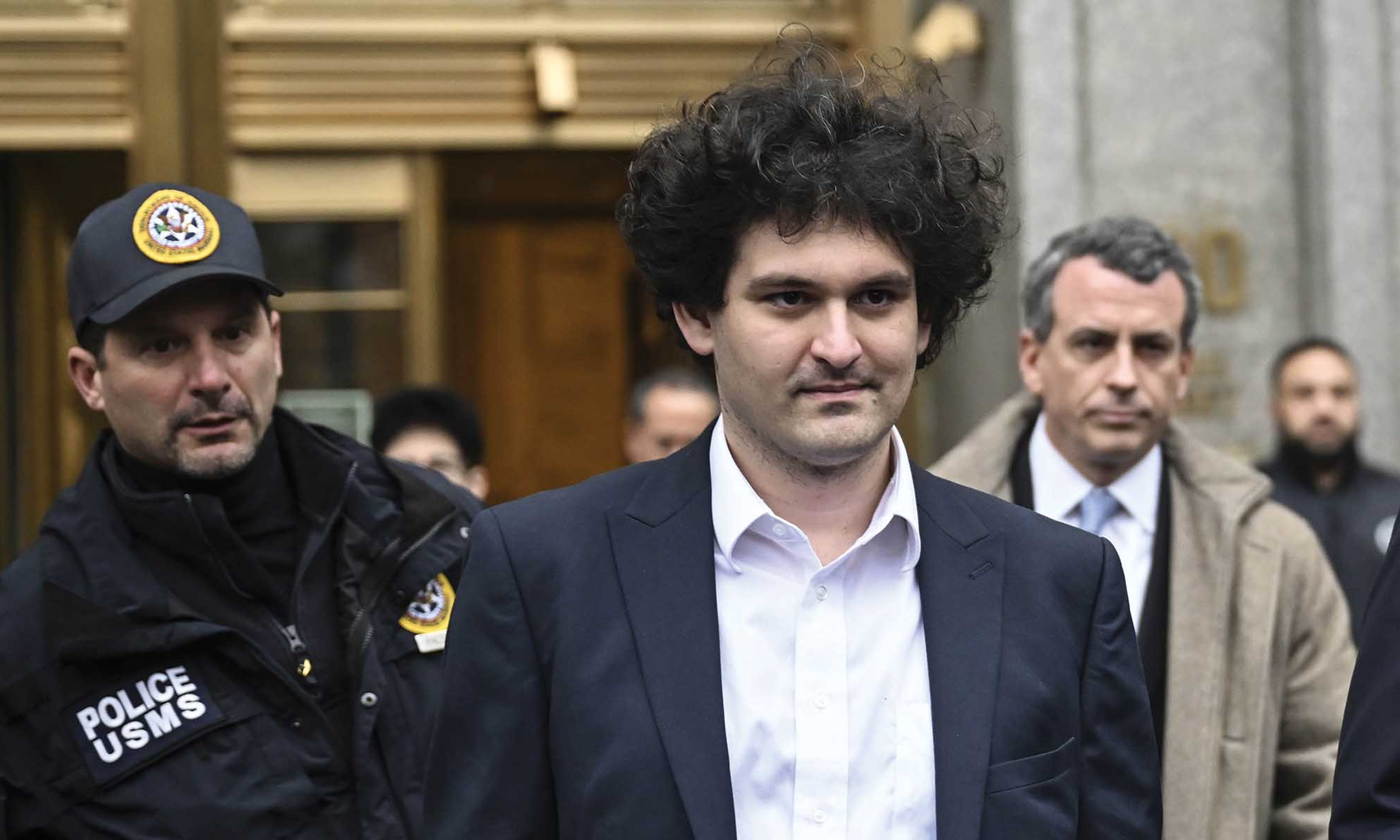
That said, I would append two conclusions to Pino’s treatment of FTX founder Sam Bankman-Fried. The first: Any business explicitly prioritizing a moral mission is a worse steward of capital than an equivalent profit-seeking enterprise. A profit-seeking firm values survival and therefore forgoes potential earnings that carry excessive risk. But in the case of FTX and its trading arm, Alameda Research — and on the assumption that Bankman-Fried’s commitment to the utilitarian practice of “effective altruism” is at least partially sincere — the executives’ belief that they were saving the world rationalized the prioritizing of risky profits over the firm’s survival. Businesses touting their commitment to “environment, social, and governance” (ESG) principles are playing the same game as Bankman-Fried, albeit with smaller stakes.
The second, related takeaway: The mechanism of consensus-formation in the country’s elite institutions is broken. The country’s most sophisticated tech investors handed over billions to Bankman-Fried because he had gone to the right schools, had worked at the right companies, and — most important — had won the approval of their peers. In the FOMO economy, precious few stopped to think for themselves about the actual operations of the business. If the response to Covid by governments, nonprofits, and businesses served as a tragic revelation of the willingness of elites to embrace arbitrary dogmas, the fêting of Bankman-Fried by Democratic politicians and news pundits was its farcical coda.
Daniel Tenreiro
Via email












Comments