
• Hats off to our friends at the CIA: Installing pro-American leaders abroad is never easy, but the papal conclave is an especially tough nut to crack.
• The Trump administration’s border policies are going well. Its legal strategy on deportations, less so. As Vice President JD Vance complains, the sheer volume of lawless admissions to the country under Joe Biden has undermined the legal system’s capacity to process deportations in a timely fashion. But legal protections remain necessary so as to avoid deporting citizens and lawful residents, or to break existing judicial orders. And while presidents have broad powers in this area, they must comply with the standards written by Congress. The Supreme Court directed the Trump administration to “facilitate” Kilmar Abrego Garcia’s release from custody in El Salvador, where a prior immigration order had barred him from being sent, but so far, President Trump is not complying. His effort to apply the Alien Enemies Act to the Venezuelan Tren de Aragua criminal gang is faring even worse, as the justices temporarily blocked deportations and then a district court ruled that the statute’s definitions of an “invasion” or “predatory incursion” by a foreign power had not been met. Deportations of foreign nationals involved in campus anti-Israel protests have also met uneven success in the courts. Rather than pursue remedies that stretch or break the law, the administration could always try making the routine machinery of deportations work.
• Our colleague Yuval Levin, who writes in this issue about the Republicans’ big budget-reconciliation bill (“Pass This Bill or Else,” p. 18), likes to say that it’s often impossible to distinguish between legislation that is failing and legislation that, while seeming to fail, is getting banged into something that can pass. The reconciliation bill may be the latter, but it is indeed not always easy to tell. In legislative terms, Speaker Mike Johnson is trying to win a game of Jenga while balancing on one leg on the top rail of the Speaker’s Balcony. While none of this is easy, there are obvious pitfalls for Republicans. Raising taxes on high-end earners must remain a nonstarter, and Republicans need to be willing to say no to the moderates in the caucus (they are wrong on the substance and more vulnerable than their colleagues to the political fallout from a failed bill). The 2017 tax bill was a significant reform, and Republicans should avoid, to the extent possible, vitiating it with political catnip like “no taxes on tips.” Repealing the Inflation Reduction Act and getting Medicaid spending back on its pre-Biden path should be the bare minimum of spending reductions. It should also be a priority to restore the child tax credit to its full strength. The reconciliation bill should be too big to fail, but it will be a debacle if it proves too big to pass.
• $TRUMP is the president’s meme coin, a cryptocurrency token that seems to have little purpose besides enriching Trump and his family. It was launched right before Trump’s inauguration, and Trump-owned companies still hold 80 percent of the coins. So when the value goes up, so does Trump’s net worth, by billions of dollars. The sale of the coins plus fees has so far made about $350 million in income. Trump is now offering top owners of the coin the chance to have dinner at the White House, which spurred another surge in valuation. This is bad for the crypto industry, which already struggles with a public image tainted by scams, and for civic health, which simply struggles.
• Under no circumstances should the president of the United States use a plane donated to him by a foreign government, even if that government were not, as our Andrew C. McCarthy has laid out, “second only to Iran when it comes to state sponsorship of jihadist terrorism.” That the emir of Qatar has offered Trump a Boeing 747-8 “palace in the sky” as a replacement for the delayed Air Force One replacement is extraordinary, and the convoluted explanations and rationalizations from the president have not been reassuring. Trump insists the luxury jumbo jet isn’t a gift to him but to the U.S. Department of Defense. He has also said that when he leaves office, the plane will be decommissioned from military use and turned over to his eventual presidential library. In an Oval Office press gaggle, Trump scoffed, “I could be a stupid person [and] say, ‘No, we don’t want a free, very expensive airplane.’” Or he could be even denser and willingly use the former plane of a two-faced foreign power and assume that U.S. inspection efforts would find every listening device, homing beacon, and electronic monitoring gadget. The deal has the preliminary approval of U.S. Attorney General Pam Bondi — but she just recently worked as a lobbyist for the Qatari government. The president has to go pretty far out to shake the confidence of the likes of conspiracy theorist and Trump superfan Laura Loomer, but somehow, he has done it. Trump ought to heed the assessment of an American leader who was resolutely determined to crush Islamist terrorism, who in 2017 declared that “there can no longer be funding of radical ideology,” and who concluded that the finger of blame pointed to the leaders of Qatar. That leader, of course, was President Donald Trump.
• The conventional wisdom said that National Security Adviser Michael Waltz would be ousted after a decent interval for his precipitating role in the Signal debacle, and the conventional wisdom was right. The hawkish former Republican congressman was a stabilizing voice in a White House susceptible to isolationist influence and Trump’s own whims. But the fat-fingered Signal chat was a major embarrassment, and Waltz, who was distrusted and targeted by restrainers from the outset, saw his standing erode further. In April, Laura Loomer forced the firing of some of his aides. Wounded and exposed, Waltz was inevitably hunted down on the bureaucratic Serengeti. Secretary of State Marco Rubio will be his replacement in the interim while keeping his other jobs. Trump could do worse in his eventual pick for national security adviser than either Waltz or Rubio, and we fear he will. Waltz has now been nominated as ambassador to the U.N., its use as a punishment being an apt illustration of the position’s futility.
• Health and Human Services Secretary Robert F. Kennedy Jr., at a White House event to announce Trump’s new executive order on prices for prescription drugs, said he had a “couple of kids who are Democrats, big Bernie Sanders fans,” who had “tears in their eyes” when they heard about the plan. Under the order, HHS would force drug manufacturers to charge the U.S. the lowest price it charges any country. Whether the president has the legal power to make this command is questionable. The reason drug makers charge Americans more is that other countries have price controls and the U.S. does not. Breaking down barriers to fair pricing overseas might be something worth pursuing as part of ongoing trade discussions. The Trump plan is instead to import the price controls of other countries with socialized health-care systems and thus remove the incentives to develop new drugs. It’s those who might benefit from medical innovation who should have tears in their eyes.
• Out of the blue, Trump declared he will reopen Alcatraz. The notorious prison and, later, tourist destination would serve as the ultimate symbol of deterrence, law, order, and justice, the president said on social media. Some speculate that the idea might have come to Trump during a Saturday night airing of Escape from Alcatraz on PBS; regardless, he reiterated his plans during a press briefing later in the week and said that senior members of the White House are looking into the possibility. Alcatraz shut down six decades ago because it was too expensive to maintain and too remote to easily renovate. It’s now a deteriorated structure, crumbling in some parts, that brings in $60 million annually in tourist revenue. Federal prisons in America aren’t at max capacity, and Alcatraz would take years and hundreds of millions of dollars to renovate. As with many of Trump’s plans that are announced in all-caps Truth Social posts, Alcatraz’s revival seems unlikely.
• Let’s check in on vaulting ambition, which o’erleaps itself. Pete Buttigieg was the mayor of Indiana’s fourth-largest city, from which position he somehow self-promoted to viable 2020 Democratic presidential candidate, and from there to Joe Biden’s secretary of transportation. Buttigieg recently passed on runs both for governor and senator out of Michigan, a state he now unpersuasively claims as his home. In clarifying his intentions, Buttigieg claimed that, instead of running for these offices, he would “be spending more time engaging both legacy and digital media in the service of a politics of everyday life, rooted in the values of freedom, security, and democracy.” It was one piece of evidence that this résumé in human form was not done with politics yet. Another had come earlier this year, when Buttigieg, doing what aspiring office-seekers often do, appeared to jettison politically inconvenient beliefs. He said of diversity trainings that Americans should not have to “sit through a training that looks like something out of Portlandia, which I have also experienced, and it is how Trump Republicans are made.” It is thus difficult to categorize Buttigieg’s recent admission that “it is so hard to build and do things in this country” as a sincere realization on the part of someone on the left of a truth those on the right have long acknowledged. It’s also difficult to welcome these transparently calculating changes of heart. All the same, we look forward to seeing what other leftist precepts Buttigieg abandons in his ongoing quest for political — and almost certainly presidential — power. ’Twere well it were done quickly.
• Four days before Pennsylvania’s May 2022 Senate primaries, Democratic front-runner John Fetterman suffered a stroke. He went on to win the primary and the election, even though his speech and comprehension were impaired. Since then, Fetterman has made visible progress. He was hospitalized for depression but emerged well enough to carry on. Yet suddenly, after three years, his health has become a hot topic in his own party. Most consultants and officeholders who express their worries do so in the language of concern for Fetterman’s welfare. Sentiment among some Democratic activists can be more blunt. “I don’t like him and I hate that I voted for him,” one attendee at a Bucks County town hall told the Daily Caller. He might as well “hang a Nazi flag” outside his office, said another. So what happened between Fetterman’s election and now? Hamas’s invasion of Israel and Israel’s counterstrike in Gaza. Fetterman has met approvingly with Benjamin Netanyahu and waved an Israeli flag at pro-Hamas protesters at the Capitol. It is not the first time the hard left has treated deviation from its line as a sign of mental illness.
• Much worse was visited on another Pennsylvanian, Governor Josh Shapiro. On the first night of Passover, an arsonist broke into the governor’s residence and set off two Molotov cocktails. Shapiro, his family, and everyone else in the house escaped unharmed, but the blaze caused several million dollars’ worth of damage. The perpetrator had been on, then off, mental-health meds; his mother had tried to get him committed days before his attack. His motive, he explained in a 911 call, was to oppose Shapiro’s alleged “plans for what he wants to do to the Palestinian people.” Shapiro has no such plans, of course, but he is a prominent Jewish supporter of Israel. The world is full of motives for lunatics, and this one is one of the oldest.
• The State of Washington has gone to war against the Catholic sacrament of confession. Governor Bob Ferguson, in the role of Nebuchadnezzar, signed a law not only requiring clergy of all kinds to report sexual abuse that comes to their attention — already required by post-2002 Catholic Church policies — but also stripping the clergy, and only the clergy, of every legal privilege of confidentiality. No exception is made for the seal of the confessional, which Catholic priests hold sacrosanct, and which American law has protected for more than two centuries. A 2023 version of the bill had protected the confessional, but it was stripped out and passed on a nearly party-line vote of Democrats in the legislature. Washington’s law still protects confidentiality for union reps, marriage counselors, social workers, secular peer-group leaders, addiction counselors, lawyers, and even podiatric surgeons. Bishop Thomas Daly of Spokane declared that “your shepherds, bishop and priests, are committed to keeping the seal of confession — even to the point of going to jail.” Ferguson wrapped himself in the cloak of his uncle, a Jesuit priest. The Justice Department, which has opened a federal civil rights investigation into Washington’s egregious religious discrimination, better understands the stakes.
• Since the Supreme Court in 1966 affirmed the First Amendment rights of state legislators, none have had voting rights revoked over speech. Crossing a new barrier, the Democratic majority in the Maine House of Representatives, on a party-line vote, stripped Republican Laurel Libby both of her vote and her right to speak on the floor, leaving her constituents effectively unrepresented. It did this solely to punish Libby for protesting transgender athletes in women’s and girls’ sports. The backdrop is Governor Janet Mills’s fight with Trump over transgender athletes. The pretext is that Libby named a specific youth athlete, but the press — and even the Maine House speaker — identifies minors by name regularly; what they object to is the content of her speech. Democrats claimed federal civil rights violations when Republican majorities in Tennessee and Montana sanctioned legislators who incited mobs to halt business in the chamber; this is about a Facebook post. The Supreme Court has been asked to step in, but so far Justice Ketanji Brown Jackson has slow-walked the case. Meanwhile, the Maine House considers measures such as the state budget and a proposed amendment to the state constitution without Libby.
• Harvard’s anti-Israel bias runs deep, an internal investigation found. Its activist community regards Israel less as a sovereign state than a standing crime. It’s an idea that has caused Israeli and American Jewish students to face harassment. Harvard administrators did little to help them. The investigation found that activists tried to “inject discussion of the Palestinian cause wherever possible,” including in classrooms, extracurriculars, clubs, and public spaces on campus, and that “inclusivity” was prioritized over the safety and emotional well-being of Jewish students. The first 2,000 names in the Boston phone book would have done better.
• In what has become a familiar scene, masked activists invaded Columbia University’s main library, ejecting students, vandalizing the property, and physically attacking dissenters. The university’s acting president, Claire Shipman, broke recent precedent by calling the cops. “I saw it defaced and damaged in disturbing ways and with disturbing slogans,” she said after touring the scene. At least 78 protesters were arrested. Since this disruption, at least 65 students have earned an interim suspension, and another 33 individuals have been barred from campus entirely. Let’s see if this resolve lasts.
• Edan Alexander is free. Born in Israel, he was raised in Tenafly, N.J., and after high school volunteered for the Israel Defense Forces. On October 7, 2023, while serving at a base on the Gaza border, he was taken captive by Hamas terrorists. He was held in Gaza for 583 days, in the tunnels: in darkness, in a cage, chained. On the face of it, at least, Alexander’s release was not part of a deal — not like earlier deals in which Hamas released hostages, many of them starved and wounded, in exchange for Israel’s release of Palestinian terrorists and criminals from its jails. It appears his release came about as a result of American influence and Israeli military pressure on Hamas. He was not subjected to a grotesque handover “ceremony,” but transferred to the Red Cross and then to the IDF, then to the arms of his family on Israeli soil. In Tel Aviv and in Tenafly, there was crying, dancing, and celebration. But there yet remain about 20 Israeli hostages surviving in hell (the exact number is not confirmed), and the remains of three dozen more, four of them American-Israelis who were murdered. We rejoice in Alexander’s safe return. All the hostages must be freed.
• Even if Canadians have not been taking Trump literally when he promises to make their country the “cherished 51st state,” they have been taking him seriously. He personally played an enormous role in returning an incompetent and ideologically bankrupt Liberal Party to power, after a campaign in which Prime Minister Mark Carney made himself the anti-Trump. Conservative Party leader Pierre Poilievre couldn’t adjust to Trump’s truly bizarre late intervention. The deceptive part of Canadian politics is that a majority-left country can look more competitive than it is because of the existence of minor parties. What Trump did was unify the Canadian left. In the end, the ultimate responsibility for Canada’s direction lies with its own voters. They have chosen to do the same thing once again. That they let themselves get baited into it by Trump is no excuse and won’t lead to any better outcomes.
• Friedrich Merz finally became Germany’s chancellor. His center-right CDU/CSU party alliance “won” February’s election, but with too small a share (28 percent) of the vote for comfort. Any arrangement with the AfD, a party containing significant elements that actually merit the description “far right,” remains taboo. This and the failure of the free-market(ish) FDP to make it back into the Bundestag meant that Merz entered into a shotgun coalition with the center-left SPD. Even that took an unprecedented and unexpected second ballot, an ominous sign of discontent within his new coalition. Merz’s one consolation — no need to include the Greens — has been diluted by a budget deal that embedded Germany’s destructive net-zero commitment into the constitution and committed to yet more wasteful climate-related spending. Meanwhile the AfD is still gaining support — it surged to 21 percent of the vote — even as the government moves closer to banning it for extremism. A better, more democratic approach would be a far tougher line on immigration, and Merz has made a start on that, but how far will the SPD let him go? Oh yes, the economy’s a mess. Viel glück, Herr Merz.
• Discussing the sudden flare-up of armed conflict between India and Pakistan on Fox News, Vice President Vance said, “We’re not going to get involved in the middle of a war that’s fundamentally none of our business and has nothing to do with America’s ability to control it.” Thankfully, he didn’t mean it. Within 24 hours, Vance was on the phone with Indian Prime Minister Narendra Modi and cajoling him toward a cease-fire. According to reports, Vance and other administration officials grew increasingly concerned as the Pakistani and Indian air forces engaged in serious dogfights, Pakistan sent hundreds of drones into Indian territory to probe its air defenses, and an Indian air strike hit near the headquarters of Pakistan’s Strategic Plans Division, which oversees and protects the country’s nuclear arsenal. It is easy to understand why a new U.S. administration with an ambitious agenda and no shortage of other ongoing foreign-policy crises would prefer to not dedicate much time or energy to mitigating the tensions between India and Pakistan. But it is equally easy to understand why the U.S. and the rest of the world have an interest in ensuring that those tensions never lead to a nuclear exchange. As of this writing, the situation appears to have calmed considerably, a welcome relief, and a reminder that an American foreign policy that “minds our own business” and plays no role in foreign conflicts is much easier in theory than in practice.
• On April 16, Spain’s electricity grid operated solely on renewable energy for the first time. Two weeks later the entire Spanish grid shut down, forcing the Portuguese to follow suit. The lights also blinked out in a corner of southwest France. Full power was not restored in Spain until the following day. With a cyberattack quickly ruled out, suspicions turned to renewables as the cause of the sudden shortfall in power that in turn triggered a cascade of protective shutdowns. The government says that it is looking into it (don’t hold your breath) but will continue “racing” to net zero and phasing out Spain’s reliable nuclear power stations. Too often, the drive for green power puts the green well ahead of the power.
• April 30 marked 50 years since the fall of Saigon to the North Vietnamese Army, a defeat and debacle that signaled the end of America’s 20-year involvement in the war to keep South Vietnam from falling to communism. There were victory parades in “Ho Chi Minh City” and Hanoi, but American defeat has been far less remembered here at home, despite the fact that almost 3 million Americans served in support of the war, despite the loss of 58,000 American lives, and despite the fact that the communist victory resulted in not merely the subjugation of South Vietnam but the nightmarish brutality of the Khmer Rouge’s killing fields in Cambodia and the decade-long saga of the “boat people” refugees fleeing communist rule in Indochina. But despite that defeat, despite that humiliation, despite the crisis and anomie and dislocation brought on by the war here at home, we should not forget that the Vietnam War produced thousands of genuine American heroes. May their sacrifices, and the sacrifices of all Americans who fought in America’s most tragic war, be remembered — today, and always.
• Yet another mainstream media outlet has received a Pulitzer for spreading disinformation — this time, about abortion. The Pulitzer Prize Board recently bestowed the 2025 award for “Public Service” to ProPublica for its series highlighting the tragic stories of Amber Thurman and Candi Miller. These mothers died after suffering horrible complications from the abortion pill and receiving inadequate care. ProPublica blamed state-level pro-life legislation for these women’s deaths, insinuating that their doctors’ hands were tied because of state law. That’s not what happened. These women died because abortion pills are both dangerous and easy to access, thanks to the successful advocacy of pro-abortion groups — and perhaps because these groups and their media allies have spread the lie that laws against abortion bar life-saving medical treatment. The media has not uncovered a scandal here; it has participated in one.
• Quitter. Aged only 94, Warren Buffett, ever the showman, surprised the thousands attending Berkshire Hathaway’s annual general meeting in Omaha — the legendary “Woodstock for capitalists” — by announcing that he will be stepping down as CEO. He will continue as chairman and said he “could conceivably be useful in a few cases.” Charlie Munger (a heterodox Republican to Buffett’s heterodox Democrat), the other half of the investment partnership that made Berkshire Hathaway into the colossus it became, died in 2023, just before his 100th birthday, still serving as the company’s vice chairman. Buffett will be replaced as CEO by Greg Abel, with Berkshire since 2000 and his designated successor since 2021. Abel has giant shoes to fill. Since Buffett took control of Berkshire, then a declining textile company, in 1965, its shares have appreciated by over 5.5 million percent (yes, you read that correctly) as he and Munger grew the company into a conglomerate and investment vehicle. Buffett was initially a classic numbers-driven “value” investor, but, influenced by Munger, he went on to add more qualitative factors when assessing an investment. That and Midwestern skepticism have served his shareholders very well. Trump’s tariffs? Not a fan.
• Bob McManus worked for 29 years for the New York Post, twelve of those as editor of the editorial page; after retiring, he contributed columns until one month before his last deadline. Fluent in the brash argot of his workplace — he summarized the Covid-related and sexual harassment scandals that drove Andrew Cuomo from the governorship as “killing grannies and pinching fannies” — he had solid conservative principles and an encyclopedic knowledge of New York politics, state- and city-wide. He belonged, as he himself acknowledged, to an earlier era of print journalism. When NR’s Richard Brookhiser was scouting the Post’s offices for a documentary on its founder, Alexander Hamilton, McManus apologized for the quiet that often now prevails — no clacking typewriter keys, no jangling telephones. In mid-spiel he was interrupted by a Postie, reporting that Eliot Spitzer, yet another soon-to-be-disgraced governor, had been caught with a prostitute. As the newsroom erupted in bustle, McManus excused himself to write it all up. Dead at 81, R.I.P.
• Former Supreme Court Justice David Souter has died, at 85. His nomination in 1990 by George H. W. Bush at the recommendation of White House Chief of Staff John Sununu (a fellow New Hampshirite) marked the apogee of the post-Bork strategy of “stealth nominees” and led to the conservative rallying cry of “no more Souters.” The rebellion that put paid to that approach came in 2005, when conservative opposition forced George W. Bush to abandon Harriet Miers for Samuel Alito. That closed a post–New Deal era of moderate-to-liberal Republican appointees — Earl Warren, John Marshall Harlan II, William Brennan, Charles Whittaker, Potter Stewart, Warren Burger, Harry Blackmun, Lewis F. Powell Jr., John Paul Stevens, Sandra Day O’Connor, Anthony Kennedy, and Souter — only two of whom (Warren and O’Connor) were confirmed by a Republican Senate. Their ranks made up five of the seven-justice majority in Roe v. Wade and all five members of the majority (including Souter) that upheld Roe in Planned Parenthood v. Casey. The final insult came in 2009, when Souter retired with Barack Obama in the White House and a Democratic Senate, allowing his replacement by Sonia Sotomayor. With no moderate Democrat appointee since Byron White in 1962, it seems unlikely that either party will attempt anything like the stealth-nominee strategy again. Souter was often a moderate vote outside of hot-button cases, but that was small consolation. R.I.P.
• David Horowitz had a long political journey. He was born in New York in 1939. His family was communist, and so was he, in his early life. He had a very good education in English at Columbia and Berkeley. One of his first books was about Shakespeare. Eventually, he left the Old Left for the New. Indeed, he was one of the founders of the New Left. He broke from it, however, and would describe his experiences in an excellent memoir: Radical Son (1996). On the right, he went through a variety of stages. Before an audience at the Cato Institute, he once said, “I’m a Hayekian in my heart.” The former leftist warrior became a MAGA warrior — one of the fiercest. He characterized the 2020 election as “the greatest political crime in the history of the country.” On January 6, he tweeted, “The protesters inside the Capitol are heroes.” Over the course of 60 years, he wrote about 60 books. One of the best is A Cracking of the Heart, about the life and death of his daughter Sarah. David Horowitz has died at 86. R.I.P.
Public Policy
Trump’s Forever War on Trade
Tariffs will inaugurate a new era of either asceticism or opulence, depending on whom you ask. President Trump in recent remarks seems to be leaning toward the former. He said in the Oval Office, sitting beside Canadian Prime Minister Mark Carney (still hurts a little to write that), that the U.S. doesn’t care what other countries do on trade and isn’t looking to sign new trade deals. He said tariffs are a “price that people are going to have to pay to shop in the United States,” and “we don’t want a piece of their market.”
During a cabinet meeting at the White House, Trump said that because of his tariffs, “Maybe the children will have two dolls instead of 30 dolls. And maybe the two dolls will cost a couple of bucks more than they would normally.” Then on Meet the Press, he said, “They don’t need to have 250 pencils. They can have five.” This is the spartan case for tariffs, that pain is necessary to “re-shore” production and low prices are a sign of “unfair” competition.
Then, the administration spent days touting the deals it made with the U.K. and with China. Simply putting these two countries in the same conversation shows how incoherent Trump’s trade policy is. Reducing obstacles to British purchase of American beef should probably not be addressed with the same tools being used against the misdeeds of the Chinese Communist Party.
Another problem is that Trump is negotiating based on false premises, namely that foreigners pay U.S. tariffs and Americans pay foreign tariffs. So the White House celebrated that U.K. tariffs declined and U.S. tariffs rose as a result of the deal. That means British citizens are better off because their government increased their access to U.S. goods, while U.S. citizens are worse off because they will now face a modest tax hike.
Trump’s bogeyman is trade deficits in goods, but the U.S. has a trade surplus in goods with the U.K. The 10 percent tariff rate that was supposed to be a starting point for negotiations, an enticement to be reduced when concessions were obtained, remains at 10 percent despite the U.S. having obtained some concessions it had wanted.
The big stick was supposed to be the tariffs of over 100 percent on Chinese goods, a near-embargo that was supposed to fundamentally restructure the U.S.-China relationship. The administration announced that the tariffs were coming back down to 30 percent for 90 days in exchange for China’s reducing its retaliatory tariffs from 125 percent to 10 percent.
Secretary of the Treasury Scott Bessent said neither side wants “decoupling,” and expanded market access remains a priority. That directly contradicts the hopes of some tariff advocates that trade with China would be cut off, and undercuts Vice President JD Vance’s insistence on the illegitimacy of trade with China because of “slave labor.”
Markets responded happily on the news of the deal, as it was widely understood as a walkback from the anti-trade views of the president and his most fanatical advisers, such as Peter Navarro. But Trump’s “liberation day” executive order based on reducing trade deficits remains on the books.
Both deals are also not improvements compared with U.S. trade policy in January. They are subject to change at any moment as they are completely informal, and even formal trade agreements approved by Congress have been disregarded by Trump. After taking five steps backward, these deals are one step forward, with the promise that more backward steps could come at any time.
In such an environment, it pays to be on Trump’s good side. That’s probably why spending on trade lobbying rose 277 percent from the first quarter of last year to the first quarter of this year. Trump’s trade policy doesn’t fit the typical story of rent-seeking behavior by businesses; most of them haven’t been asking for tariffs. They are more a case of rent-extraction behavior by government; Trump has created opportunities for government favors that keep businesses coming to him. The swamp is happy as ever.
The U.S. would be a lot better off if it addressed its own trade barriers. Contrary to Trump’s impression that the U.S. has been a free-trade utopia while the rest of the world protects its industry, the International Trade Barrier Index 2025 by the Tholos Foundation ranks the U.S. No. 61 out of 122 countries in overall trade openness, and dead last in its use of nontariff barriers. Haranguing countries that rank higher than the U.S. about their trade barriers will lead to U.S. negotiators being laughed out of conference rooms around the world.
The best deal for the American people would be to scrap this tariff policy entirely. U.S. credibility on expanding free trade will take a long time to recover, but at least Americans would no longer be punished by the economic illiteracy of their own government.
Religion
An American Pope
The eyes of the world have of late been fixed on Rome. The death of Pope Francis has occasioned intense interest for the world’s 1.4 billion Roman Catholics, of course. But the singular majesty of the papacy attracts the attention of non-Catholic Christians, and even of those who aren’t any kind of Christian. It rarely does so more powerfully than during the transition from one pope to another. Such periods provide an occasion to take stock of what has been, and to consider what will be.
We pray for the repose of the soul of Pope Francis, the first pope to take the name of the beloved saint from Assisi, the first Jesuit pope, and the first pope from the Western Hemisphere. His pontificate will be remembered for his welcoming words and humane gestures, such as his dramatic Urbi et Orbi blessing in the midst of the Covid-19 pandemic, and for his final passage through the crowds at Saint Peter’s Square, hours before his death.
But he was at times provocatively iconoclastic and informal, and often needlessly antagonized those committed to orthodox Catholic belief. He tasked theologians and church leaders with finding a way to justify permission for divorced Catholics to receive Holy Communion even as they remained in second marriages, which the church considers adulterous. He criticized “rigid” young priests. And he clamped down on the Traditional Latin Mass. His pontificate began with high hopes of curial reform, to address financial scandals and problems of governance related to child abuse. He did not entirely succeed in either objective.
The College of Cardinals has elevated Robert Francis Prevost to succeed him. He has taken the papal name Leo XIV. The Augustinian was a fairly recent addition to the College of Cardinals who came up little as a possibility while the world with rapt fascination observed the papal conclave. For many years a missionary in Peru, he has now assumed the papacy — and debuted himself to the world resplendent in its trappings.
Americans cannot escape a certain familiarity with Pope Leo XIV. He is, after all, one of us, the first ever to be pope. He was born in Chicago. He attended Villanova University. He is a fan of the Chicago White Sox. Pictures floating around the internet after his election, some quite recent, are striking reminders of the humanity of this new pope.
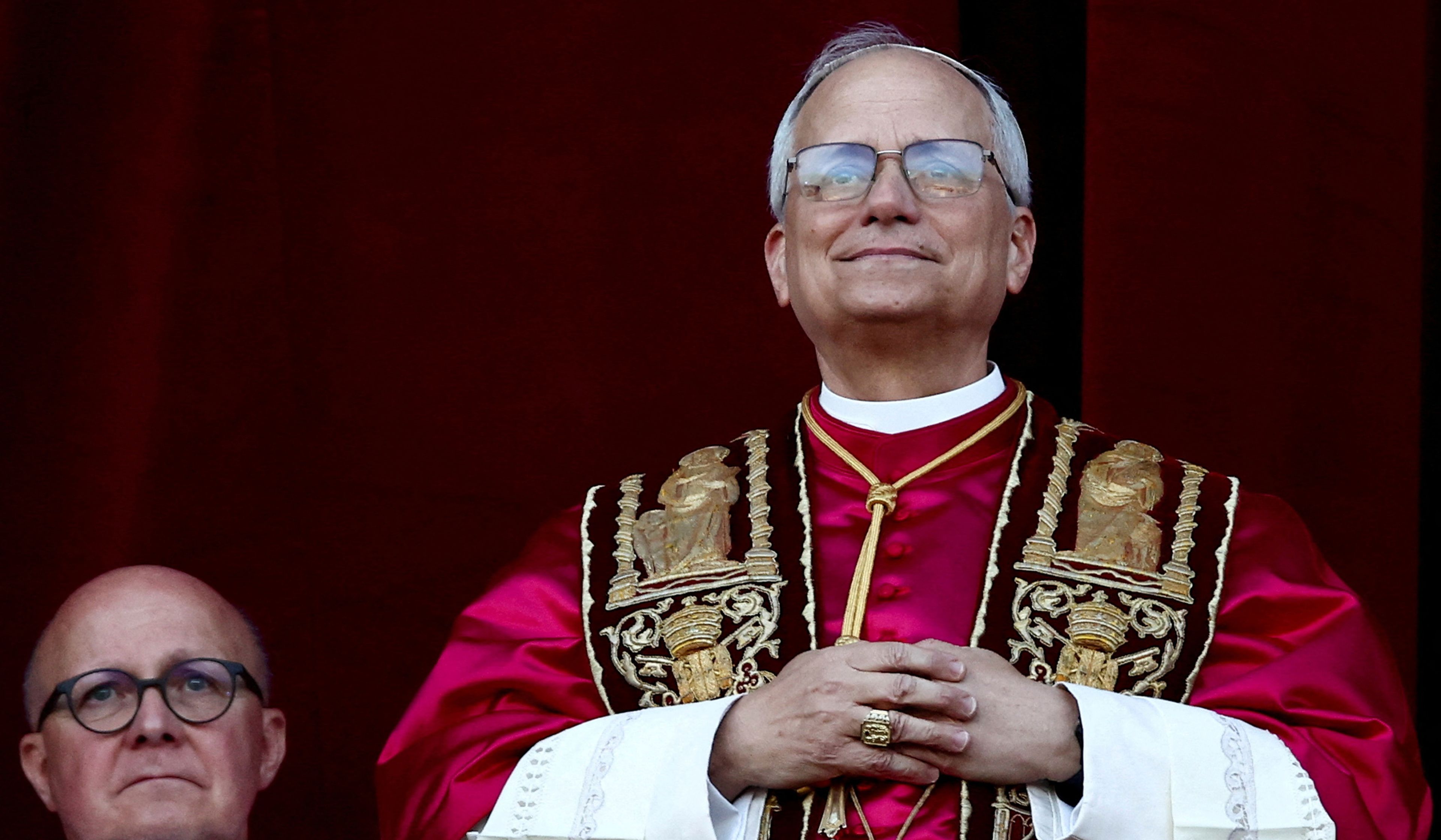
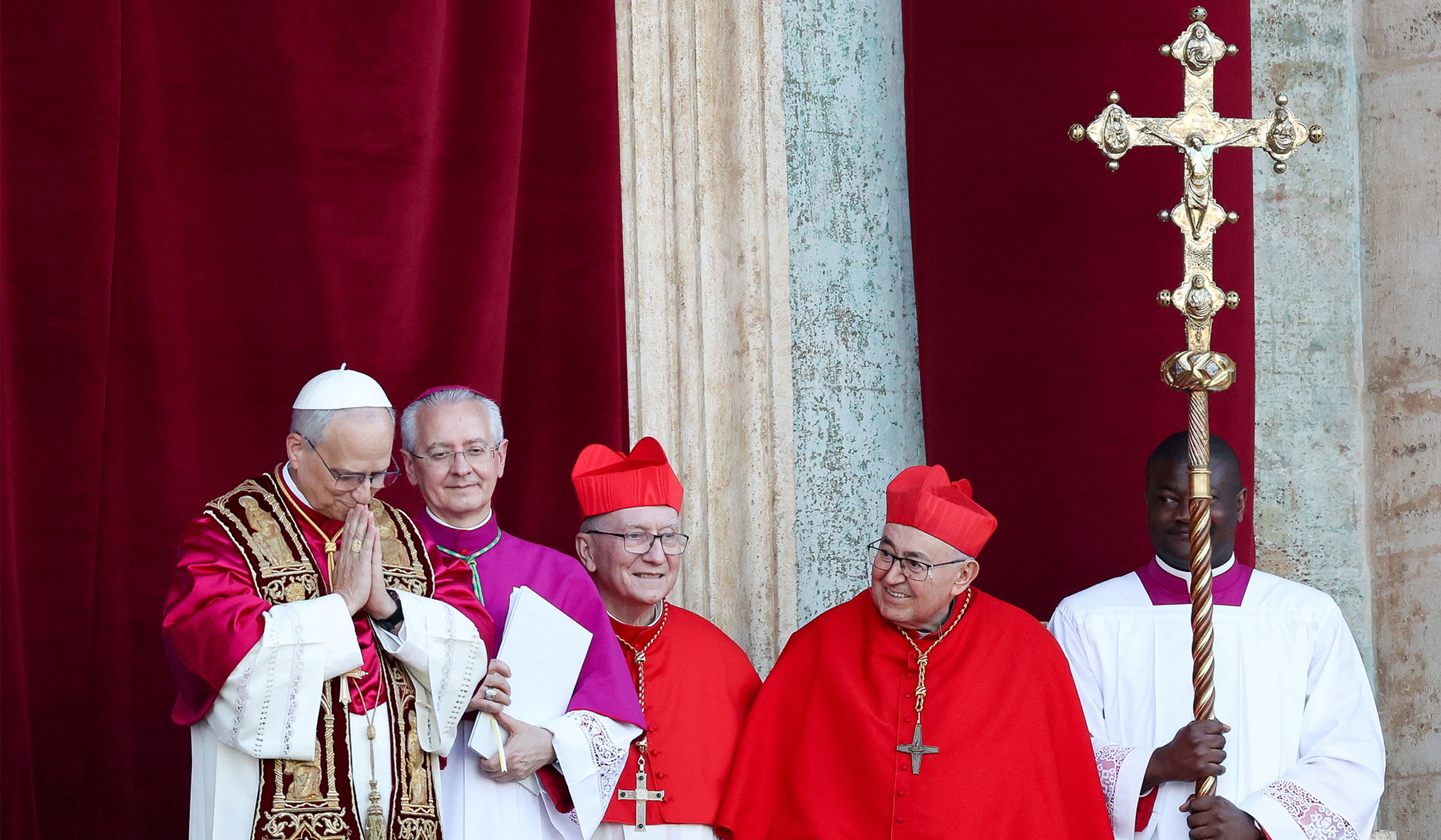
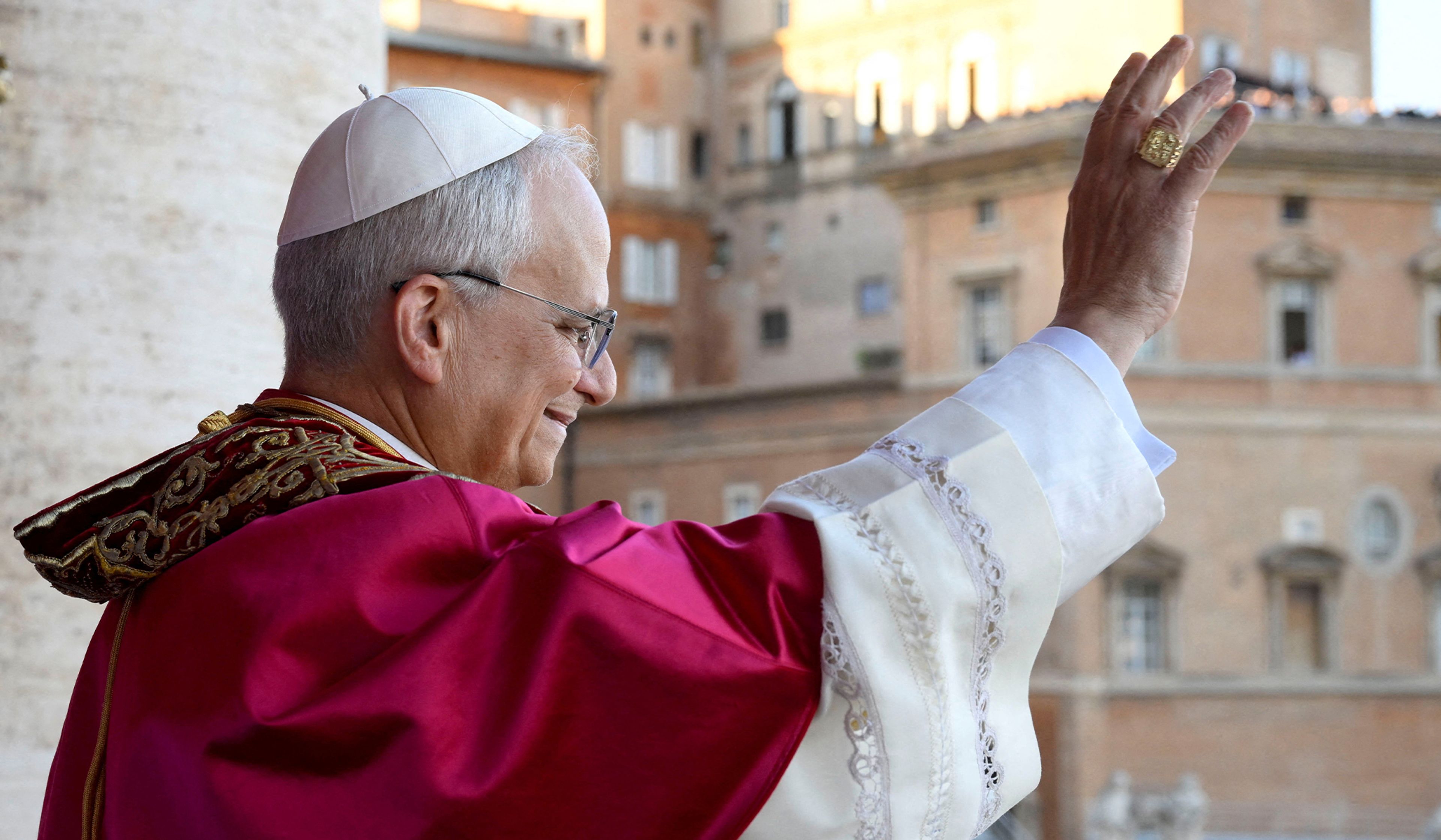
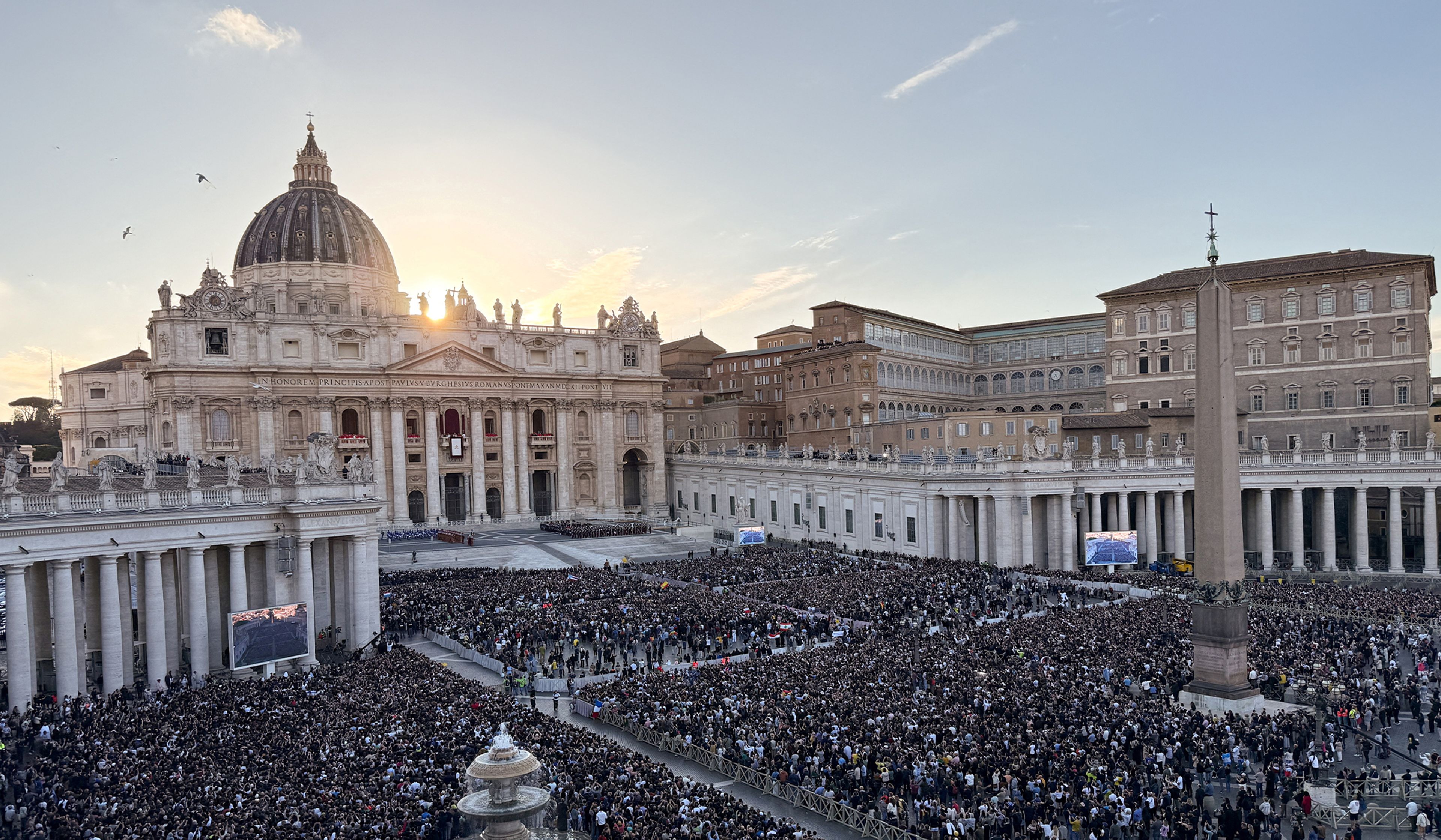
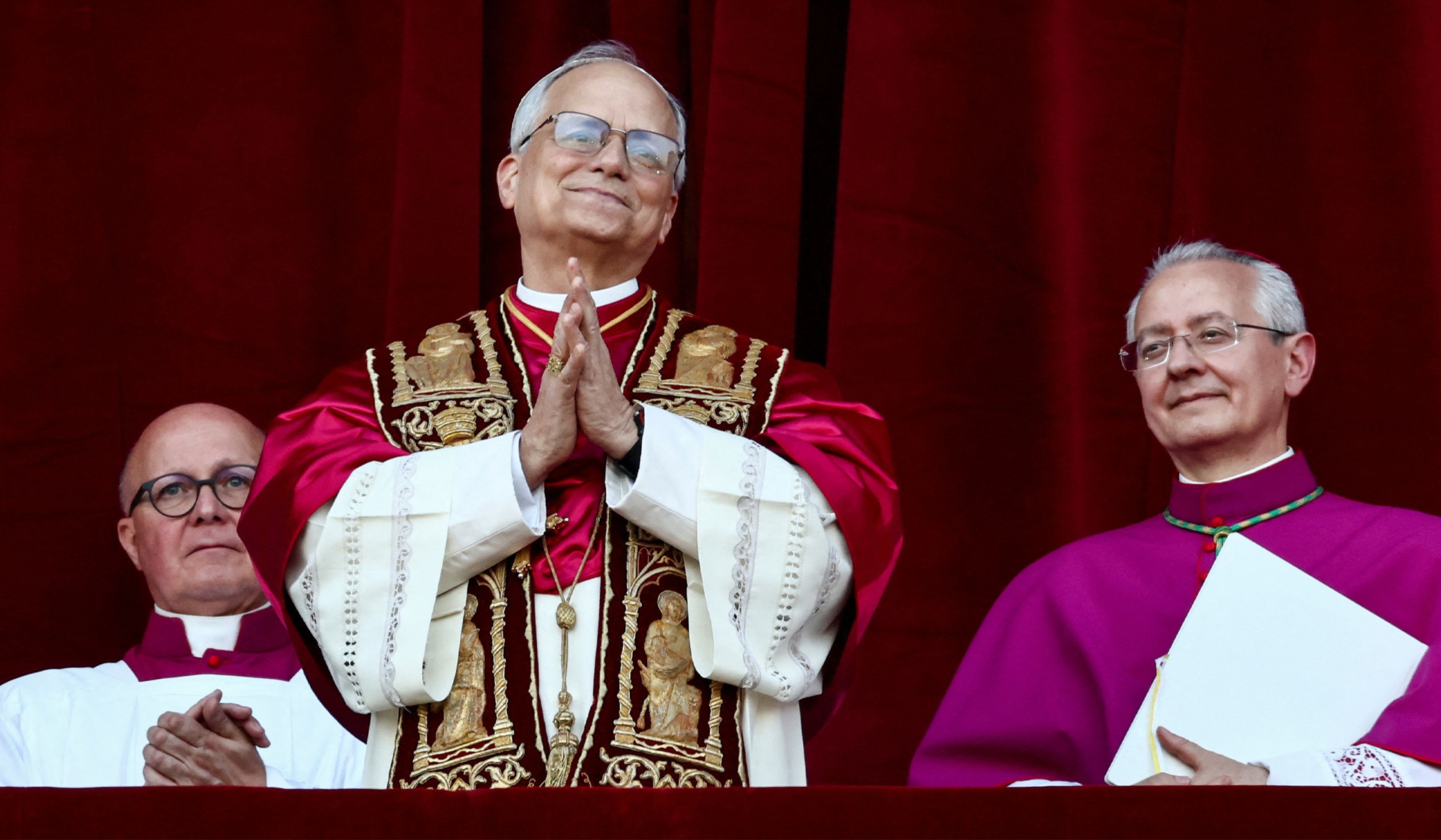
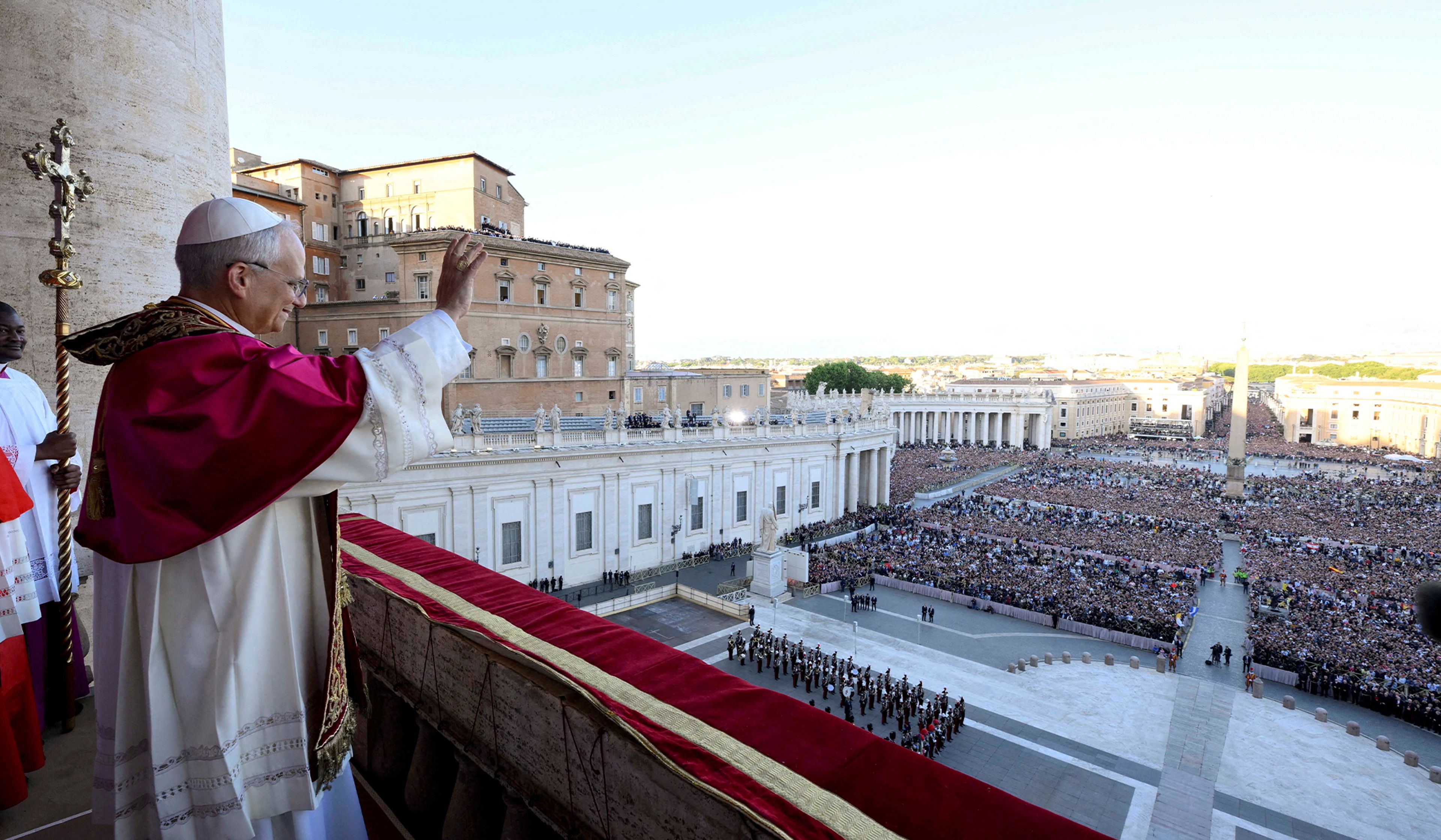
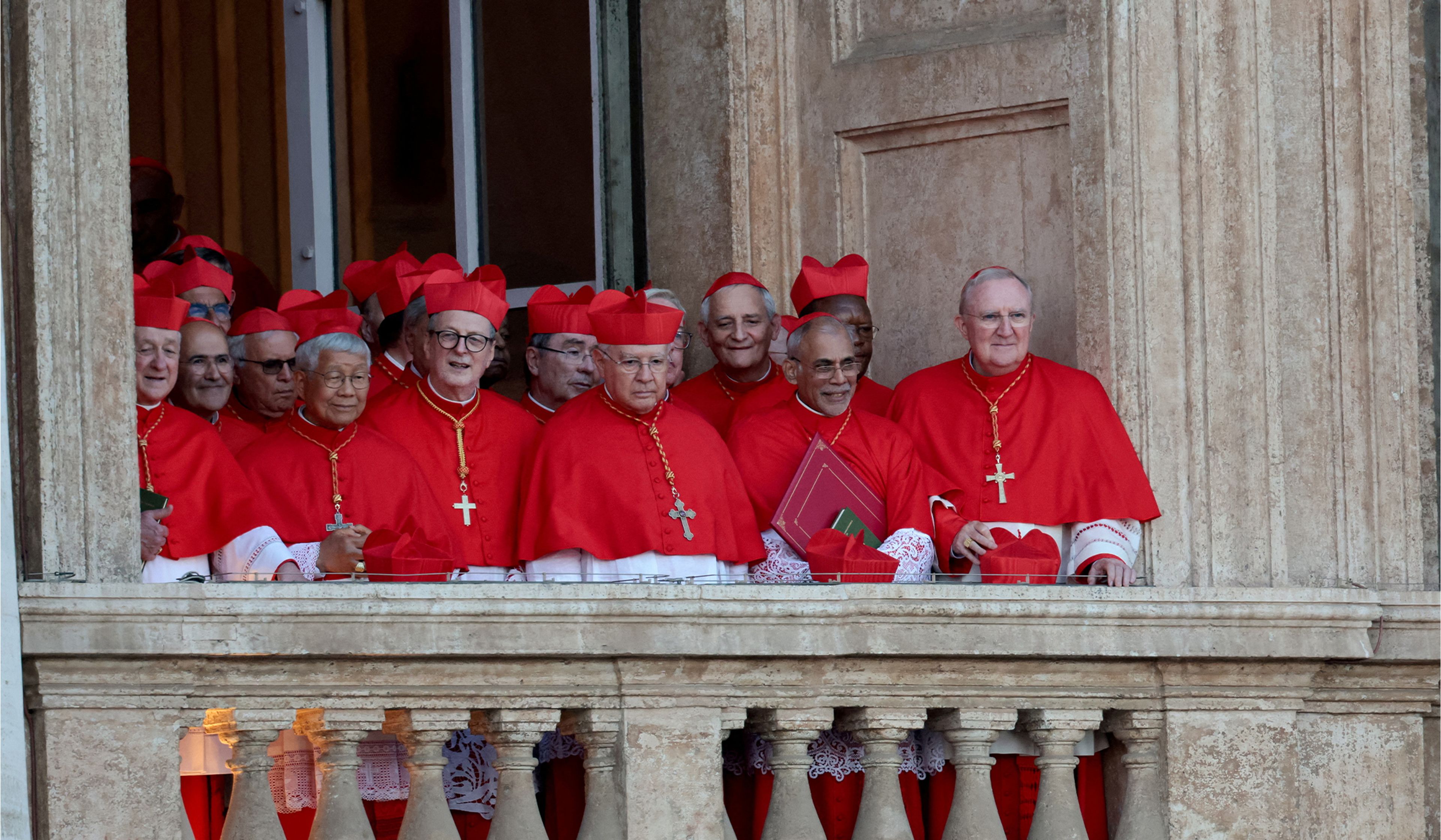
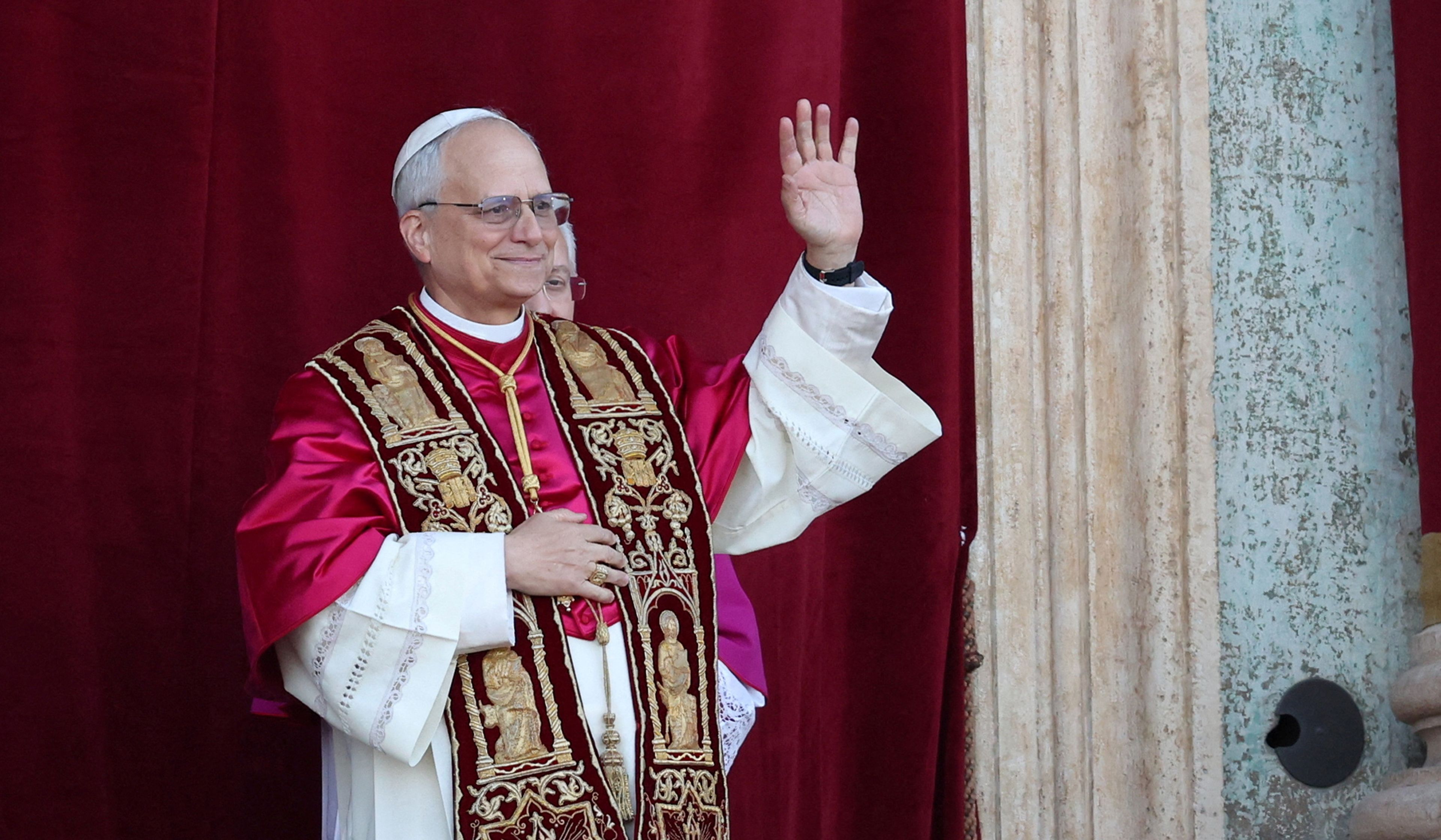
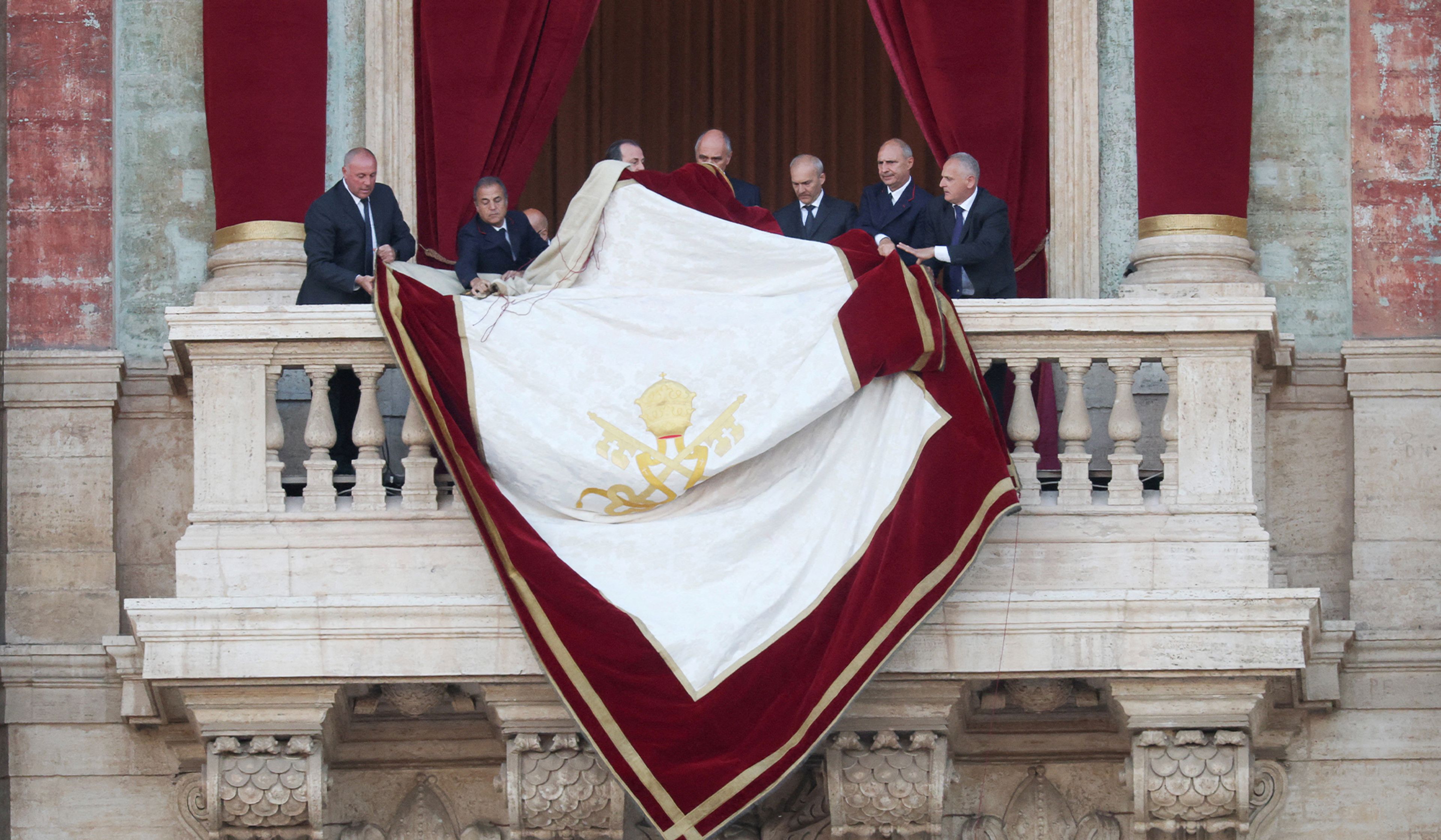
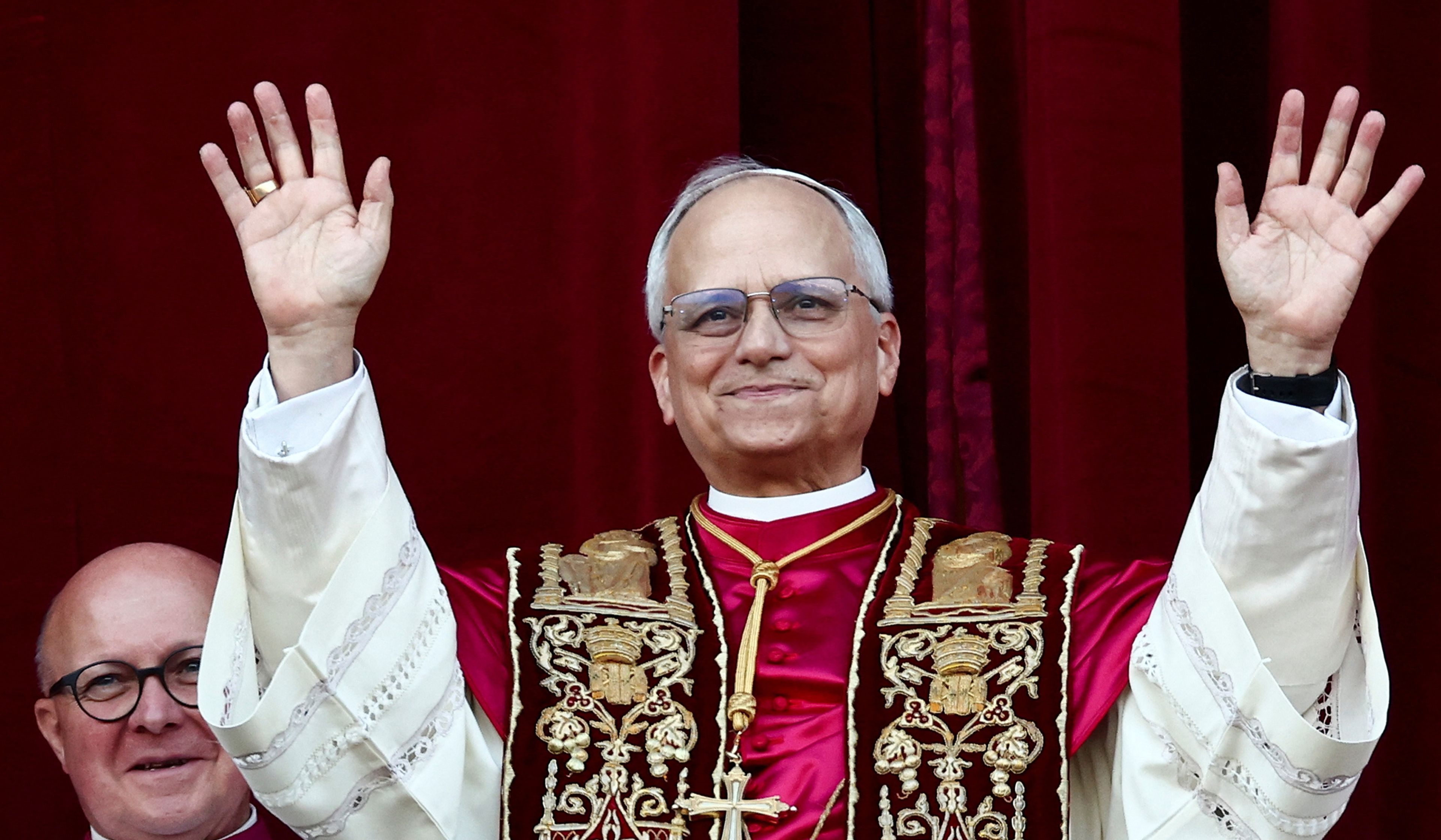
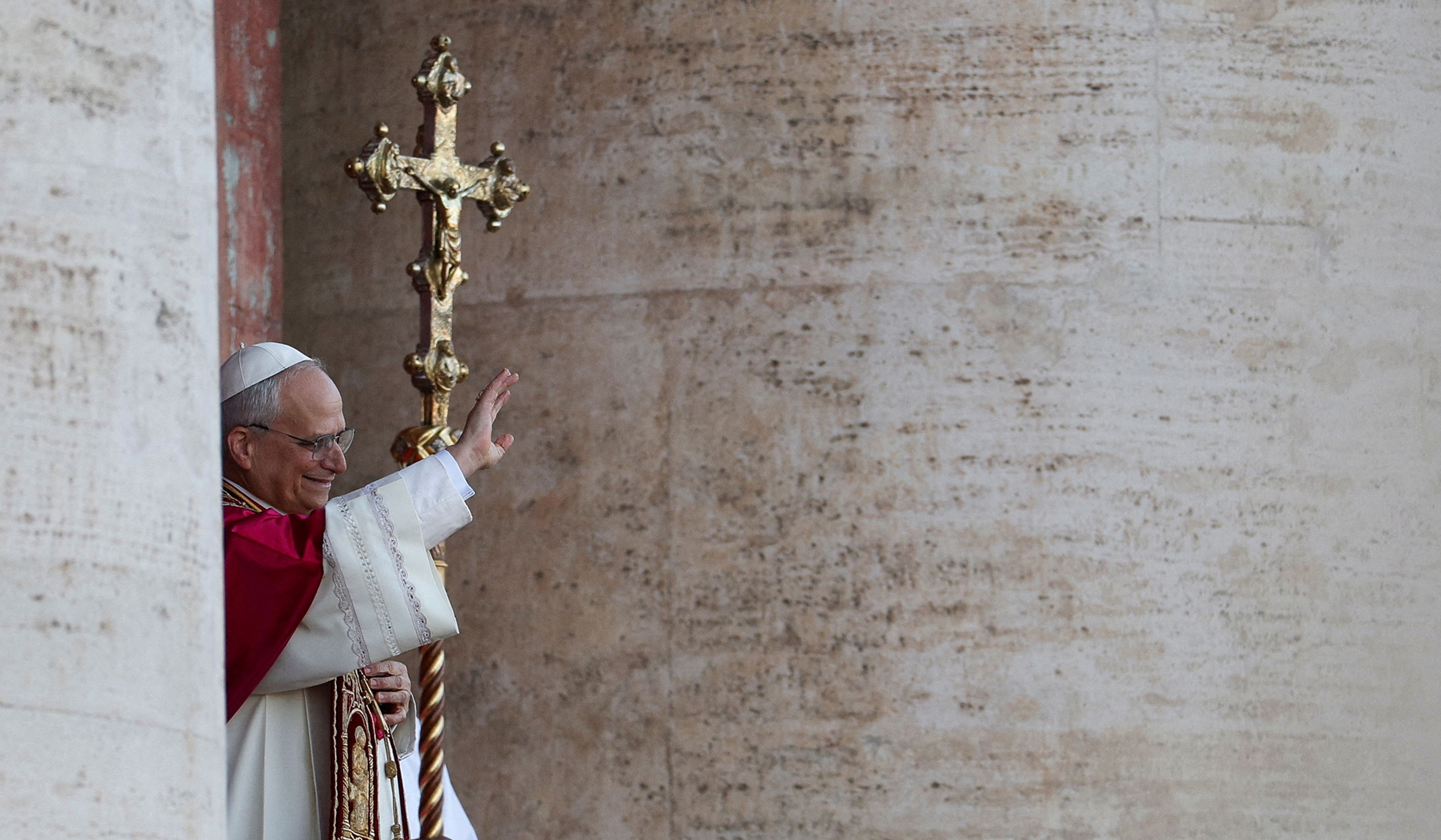
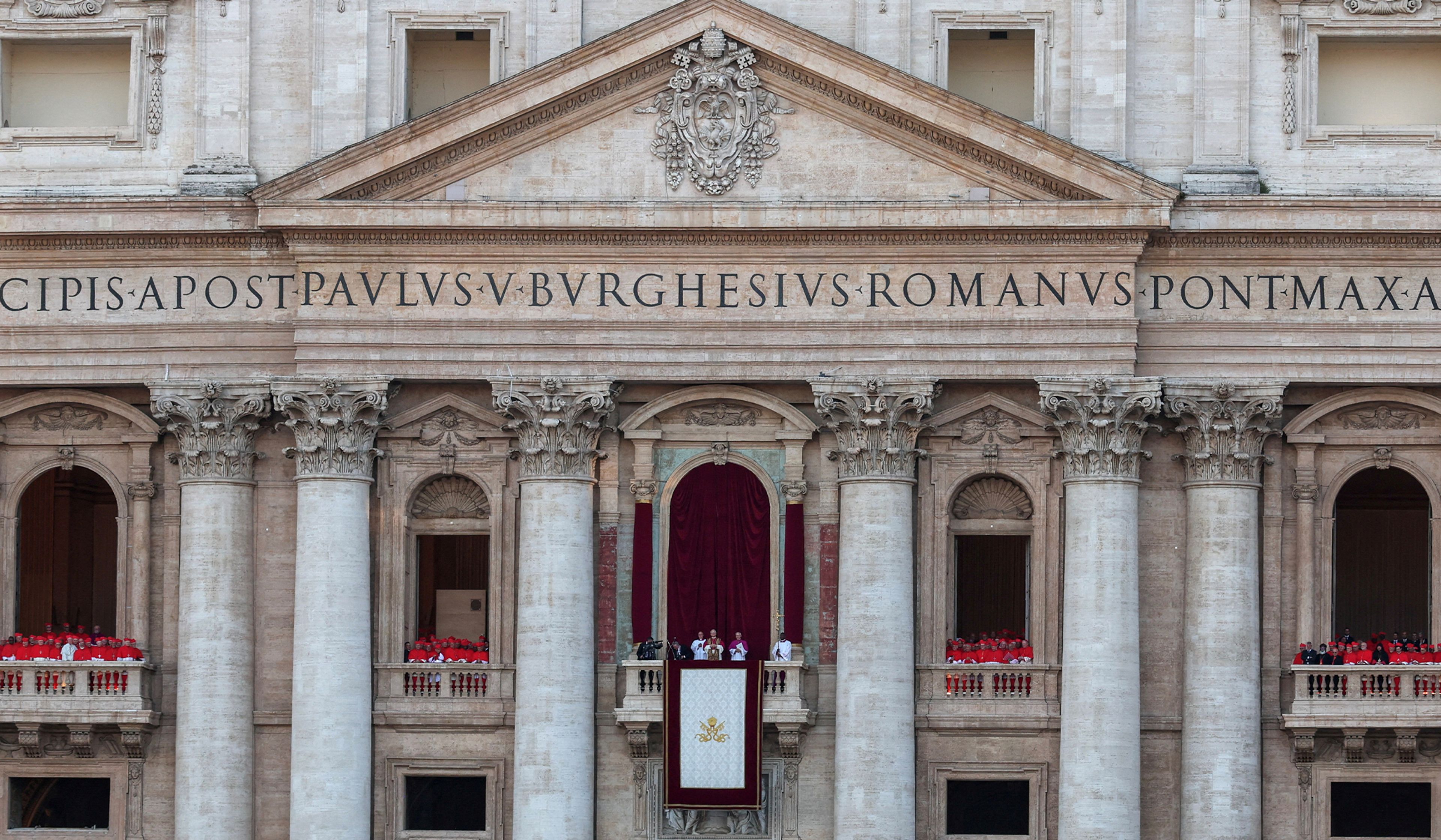
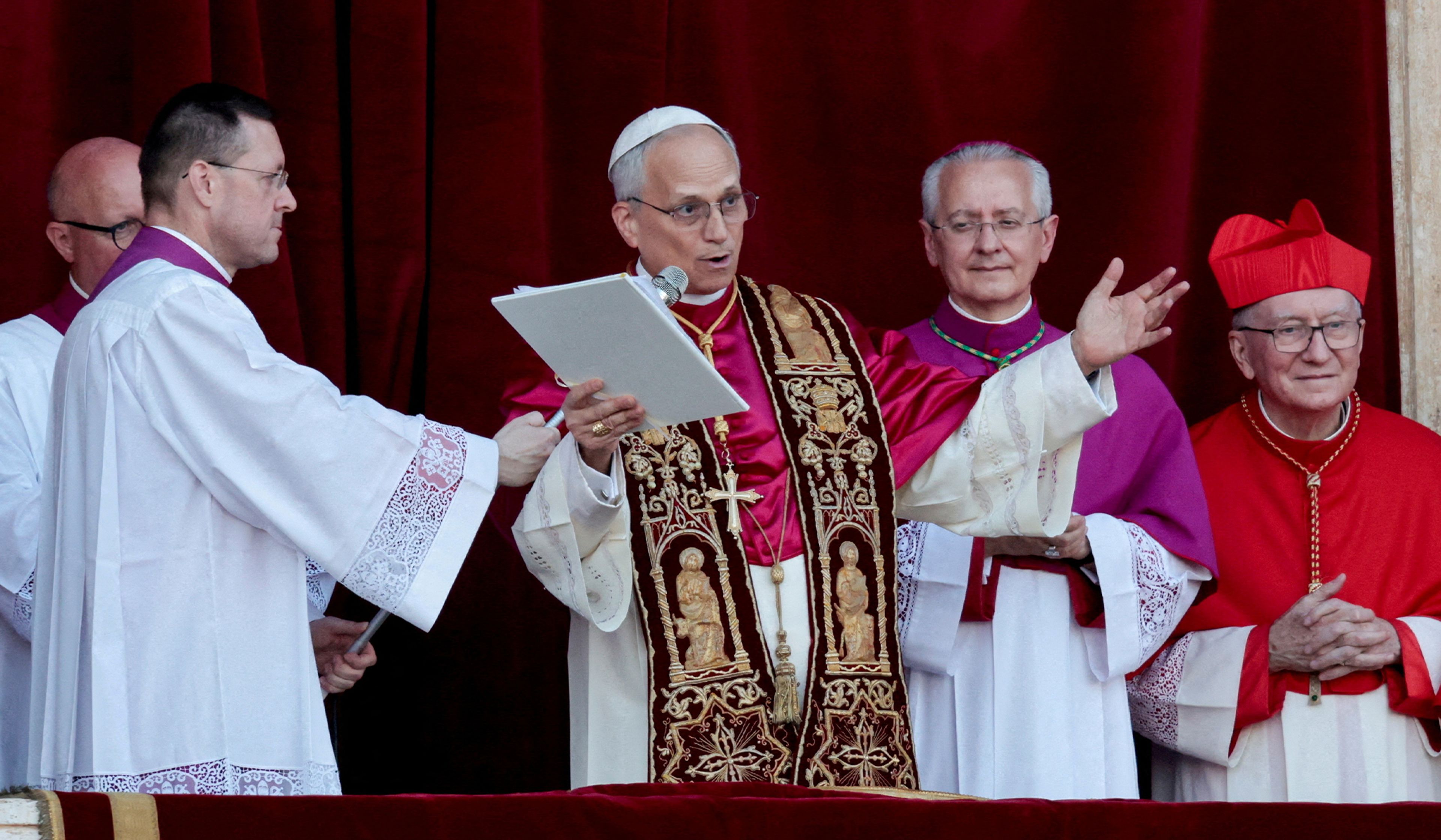
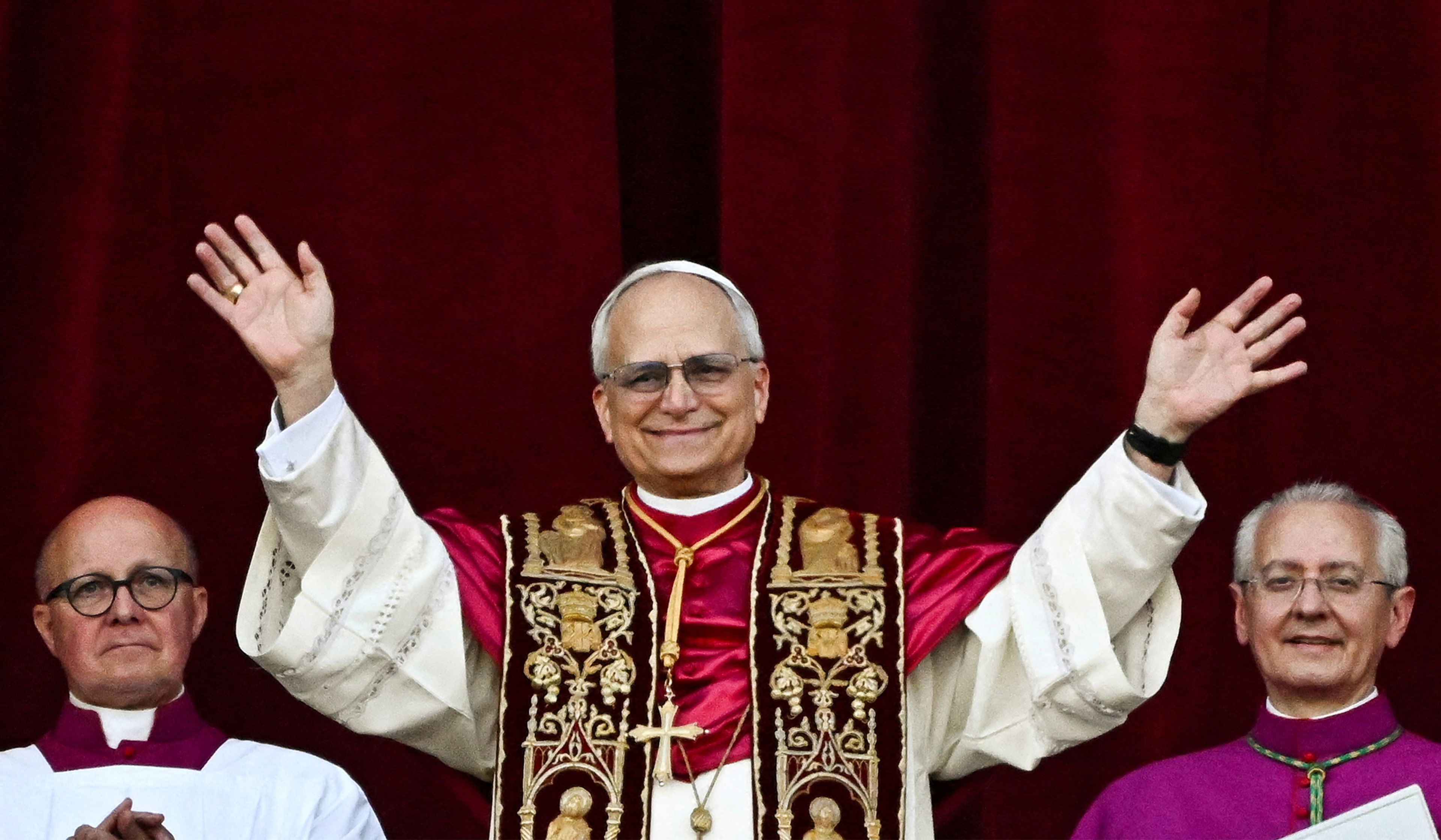
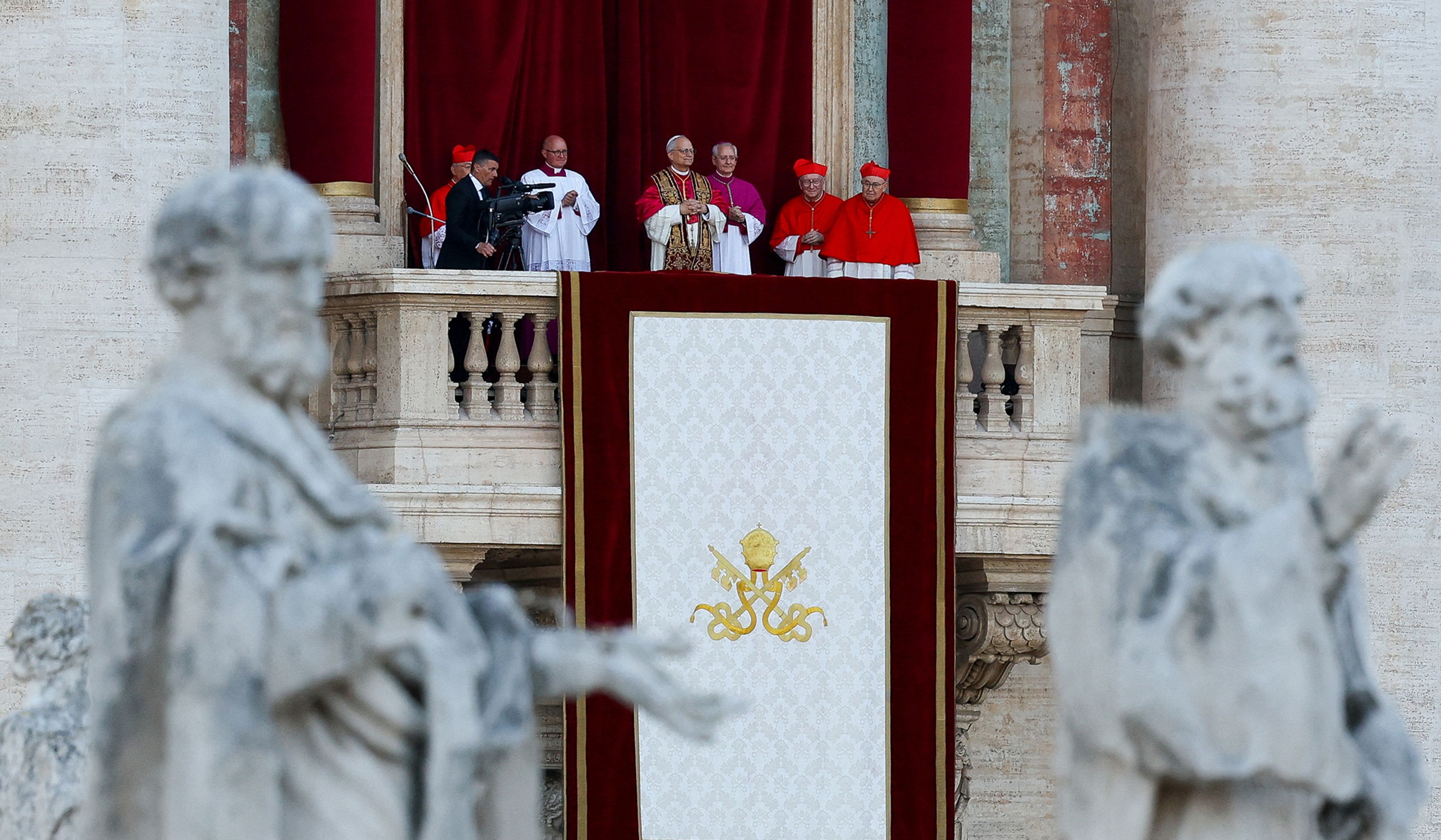
Newly elected Pope Leo XIV, Cardinal Robert Prevost of the United States appears on the balcony of St. Peter’s Basilica, at the Vatican, May 8, 2025.
Yara Nardi/Reuters
His chosen name puts him in excellent company. In a tumultuous late 19th century, Pope Leo XIII elaborated the church’s social teaching in encyclicals such as Rerum Novarum, promoted Marian devotion, confronted modernist heresy, and advocated the compatibility of faith with human reason. Pope Leo XIV has already given some indication that he views his challenge in the early 21st century similarly. We expect he will be a solid witness to the dignity of every life: He has tied together the issues of abortion and euthanasia frequently in his homilies.
But we confess some apprehensions as well. Robert Francis Prevost promoted Pope Francis’s project of “synodality,” which risks dividing the church into different camps. He has recently made a special point to promote voices making spurious criticisms of Vice President Vance’s elaboration of “the order of love” in Catholic thinking. We are surprised the College of Cardinals chose a candidate who has been dogged by questions about his handling of priestly-abuse cases. We hope that as the media pursue these stories to their end, his innocence and good judgment are revealed for the whole world.
The pontificate of Francis has been doctrinally, liturgically, and tonally disruptive. We hope Pope Leo XIV brings peace within the church even as he calls for peace outside of it. With a potential 20- or 30-year pontificate ahead of him, Pope Leo XIV will have to decide whether stiffly to resist or gently to accommodate the generational turnover and geographic shift that is turning the Catholic Church in a more traditional direction. We pray that even as he calls our consciences to love the poor, he does not scold those who, imitating Mary of Bethany, pour out expensive oil, honoring Jesus, our Savior, with the finest liturgical instruments at hand.
We also hope that Pope Leo XIV acts in conscious stewardship of the office he holds and the church he now leads, which rightly remain fixtures of the world’s gaze.
The Stat
$2.7 billion — retail sales of dolls and doll accessories in the U.S. in 2024, according to the market research firm Circana.
That’s larger than the GDP of several Caribbean countries (Saint Lucia’s is about $2.4 billion; Antigua and Barbuda’s is about $2 billion) or some poor African countries (the Central African Republic, about $2.6 billion; the Gambia, about $2.4 billion). Is it too high? Donald Trump seems to think American girls could do with fewer American Girls. He said that, as a result of his tariffs, it’s possible that “children will have two dolls instead of 30 dolls.” Because dolls vary widely in price, it’s impossible to estimate the average number of dolls an American girl has based on the sales data. In 2024, there were about 19 million girls in the U.S. under the age of ten, so that comes out to $142 in sales per girl at prime doll-playing age. That is not an accurate representation of the median under-ten girl, since rich families (like Trump’s) are pulling up that average, and some adults buy dolls as collectors’ items. That being said, an American Girl doll costs $125; throw in a few outfits and it’s not unreasonable for a middle-class family to spend in the neighborhood of $200 for a little girl’s big present from Santa. Girls don’t need dolls, in the sense that they need food and water. But one of the many nice things about living in a rich country is that you can buy fun toys for your kids — and, more important, for your grandkids. Trump is far from the first person to criticize perceived consumerist excess, but such criticisms suggest some “right” amount of spending that has been exceeded. I don’t know what that number is, and neither does Trump.
by Dominic Pino











Comments