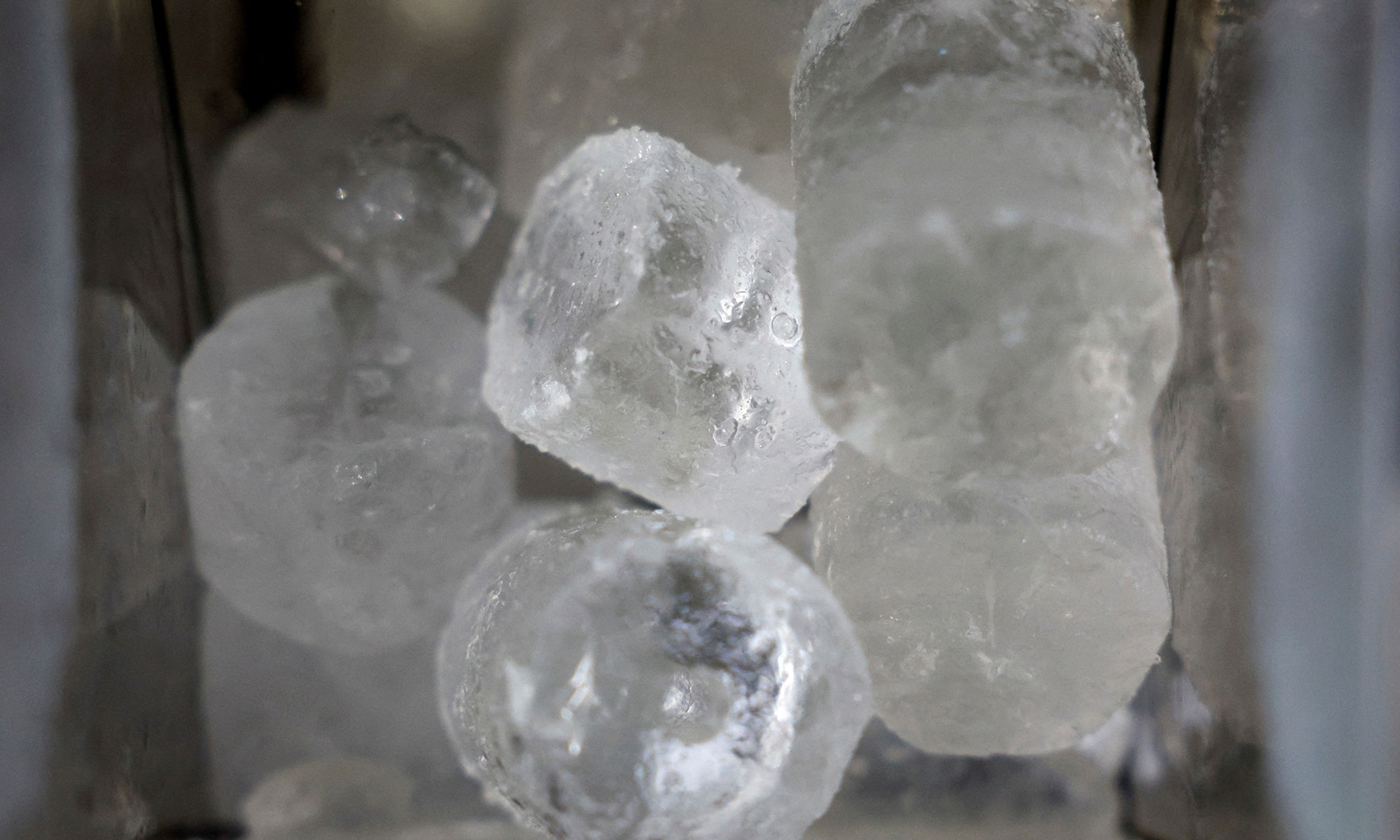
If I could pick one thing about America that makes it stand apart, aside from the architecture and the music and the cuisine and the codification of a national identity that trumps blood and soil but finds common bonds in a civic creed, it would not be our ability to send men to the moon to drive around in a car and swing a golf club. That, of course, was awesome. But there’s something else that speaks to our national identity in so many ways, and that is ice on demand.
Pshaw, you say. Lots of places around the world have ice on demand. True. But they have it because we invented it. (Sudden pang of doubt: Did we? I mean, it seems like something we’d do. No doubt the Russians claim that ice on demand was invented by Pyotr Kholodny, a Soviet scientist who was studying ways to turn Freon into vodka using purely socialist principles of alchemy. Googling . . . Whew, it was a Yank thing. Mostly.)
When I was growing up in the Pleistocene era of domestic ice, you had to plan ahead. You poured water into the tray and carefully filed it away into a white cave furry with frost, occupied by a rectangle of ice cream and a box of cryogenically preserved peas as dense as a neutron star. You would spill some of the water in the process, bonding the tray to the freezer compartment for all eternity.
Once they were frozen, you had to get them out. Some trays had a lever that sundered the molecular bonds. A few cubes would crack into shards and useless fragments, and you figured a 10–15 percent loss into your expectations about the process. It all took hours. Eight cubes, tops.
Now this seems like the equivalent of wandering out into the yard to nab a chicken, twist its neck, pluck it bare, and scoop out the guts. Now we simply place the glass against the lever on the fridge door and perfect cubes happily clatter down, unstinting and eager. If a few drop on the floor, eh: Kick them under the fridge. Hardly worth it to bend over and pick one up.
Kids today have grown up in a world of instant ice. They have no idea how we struggled — just as my parents regarded my irritation with ice trays as a sign of our decadent times. Imagine the world when they were kids: The iceman, well, you know, cometh, dragging a straw-flecked block. They have to hack at it with a pick, and if they aren’t careful the pick slips and goes right through a leg. You kids, you’re using the ice faster than the machine can make it! Do you know your great-grandfather bled out on the farmhouse floor when the hammer slipped and he drove the pick through his femoral artery? Have some respect!
Anyway, I bring this up only because the climate scolds are concerned about our rapacious attitude towards ice. Scientific American ran a piece in June that belongs in the Killjoy Hall of Fame: “Climate-Friendly Cocktail Recipes Go Light on Ice.”
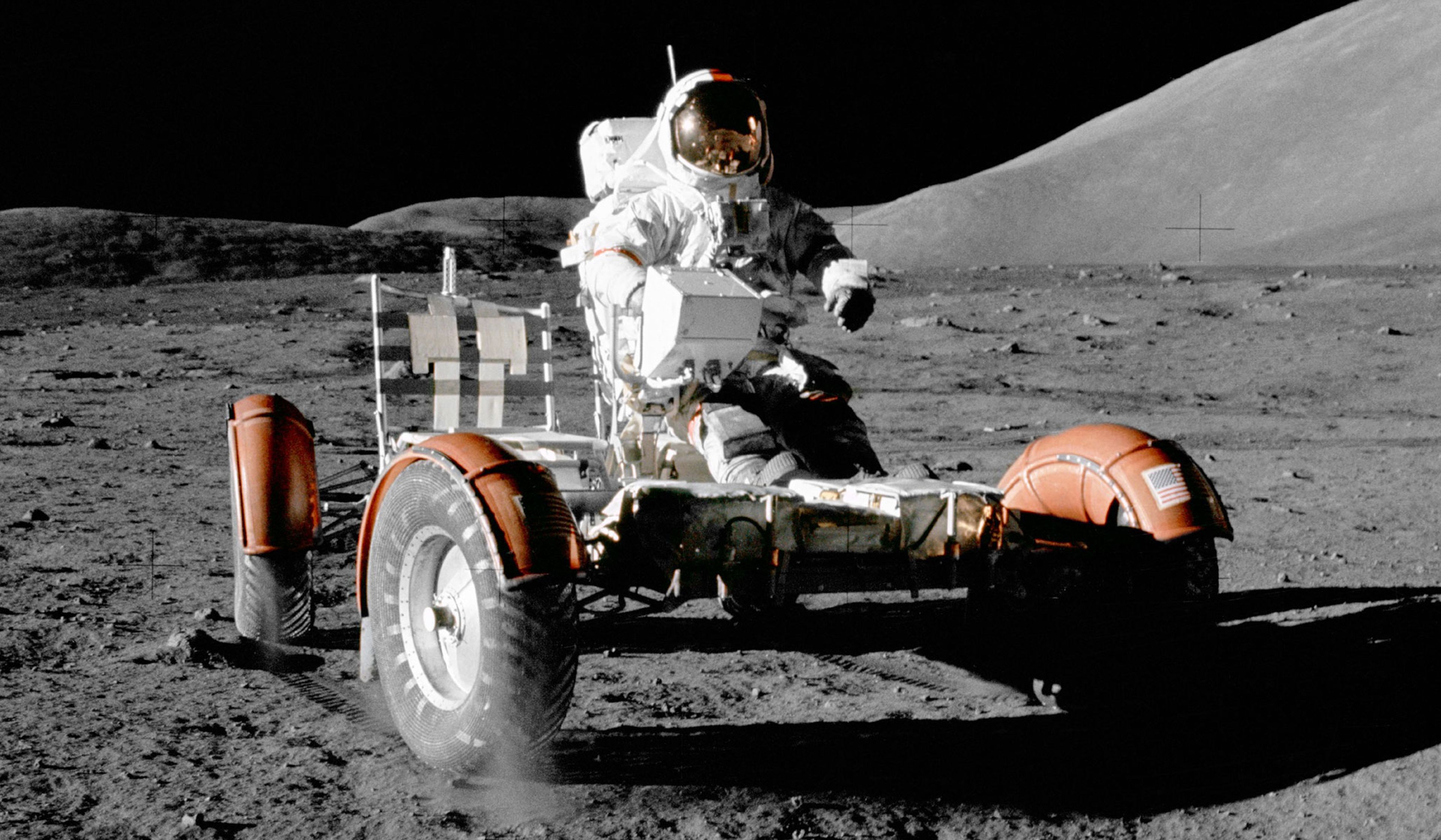
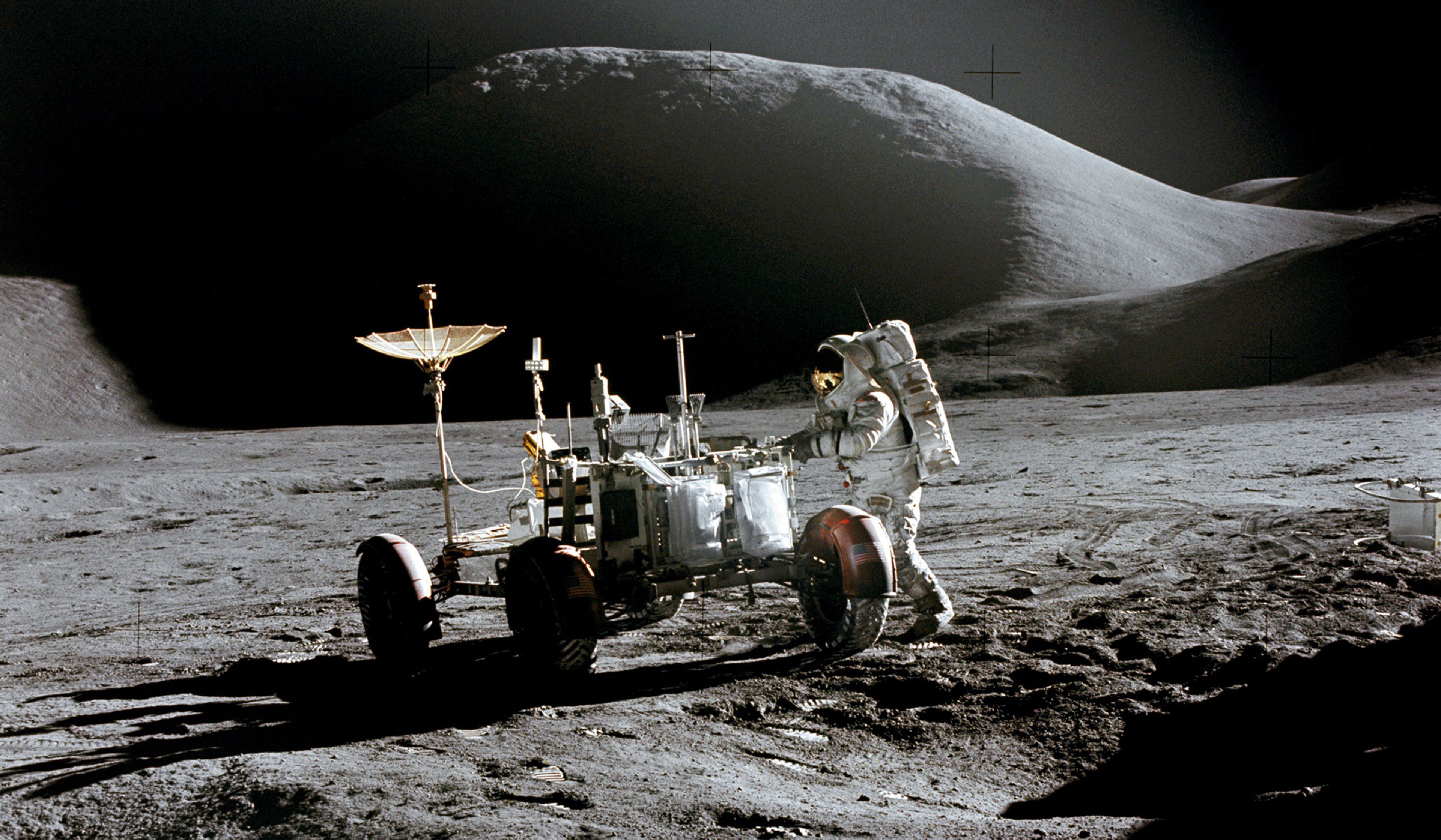
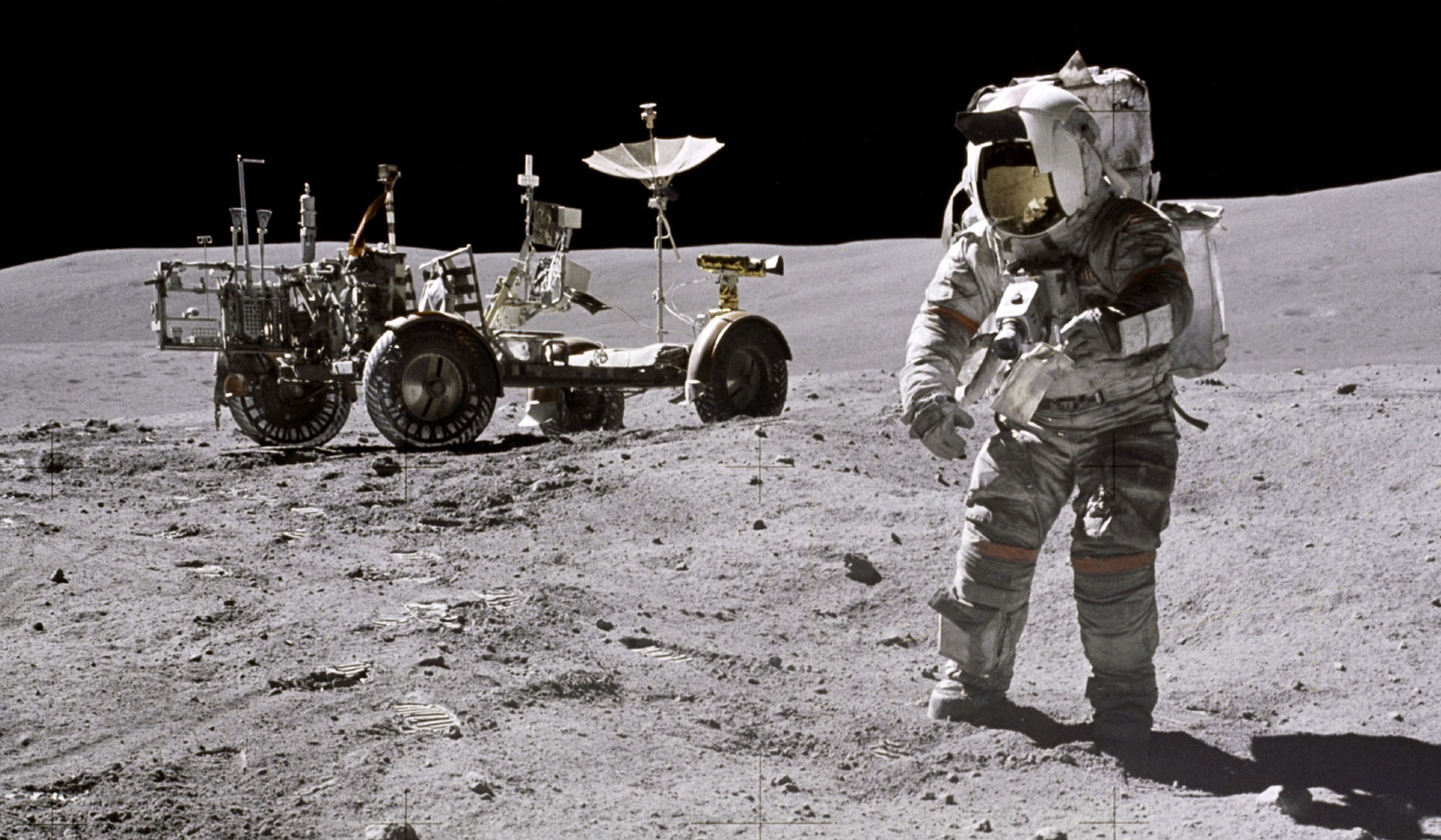
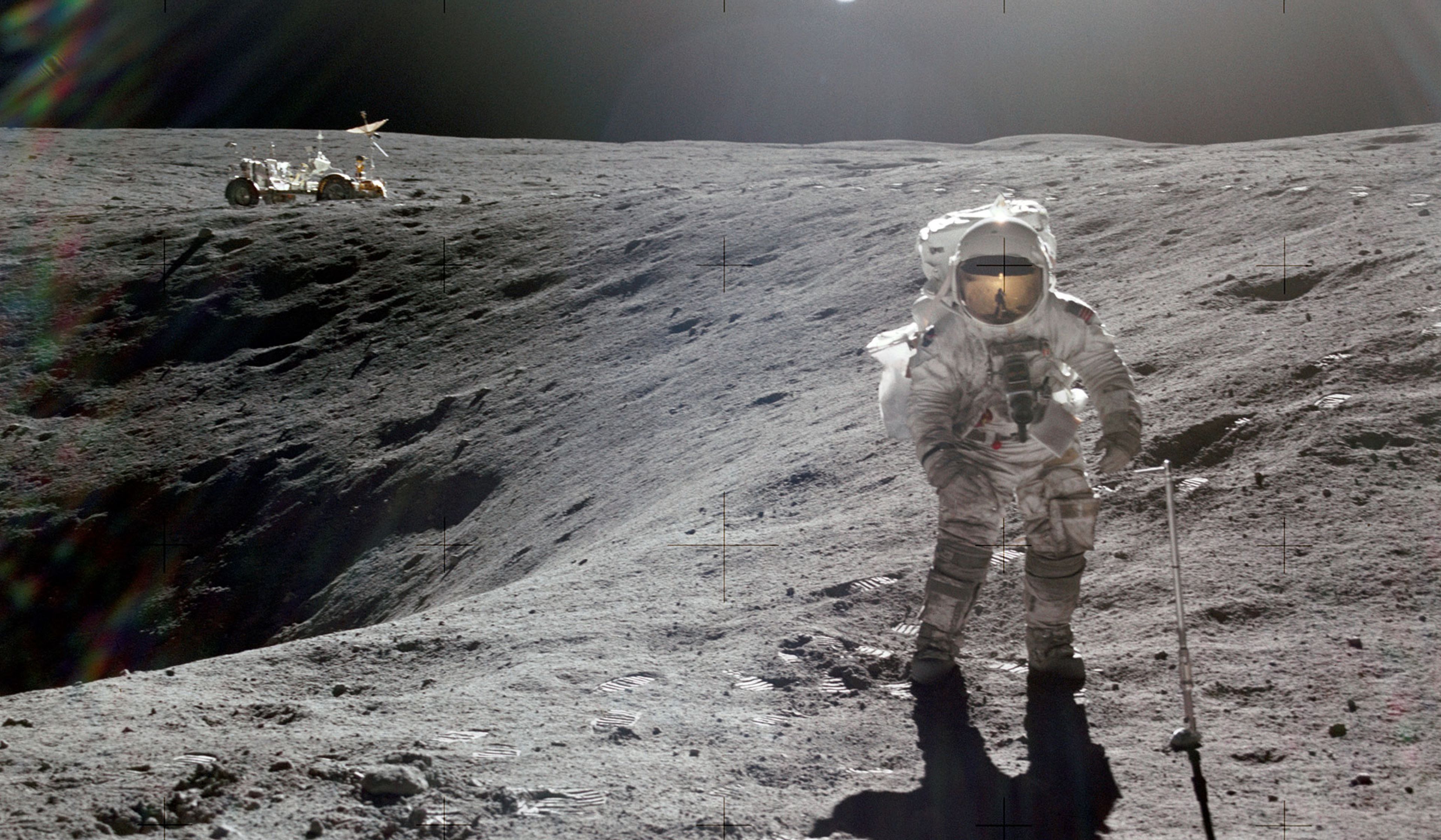
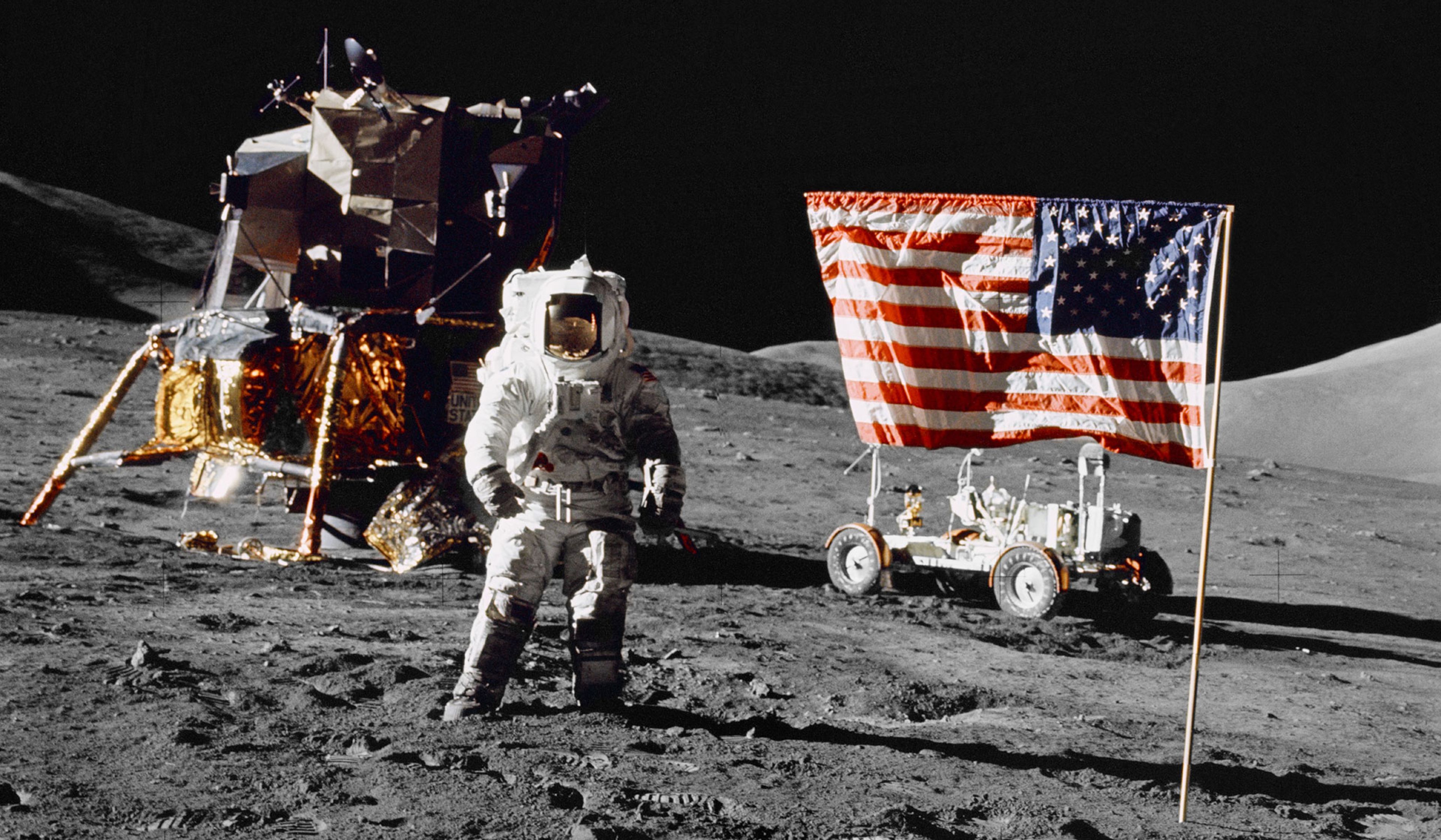
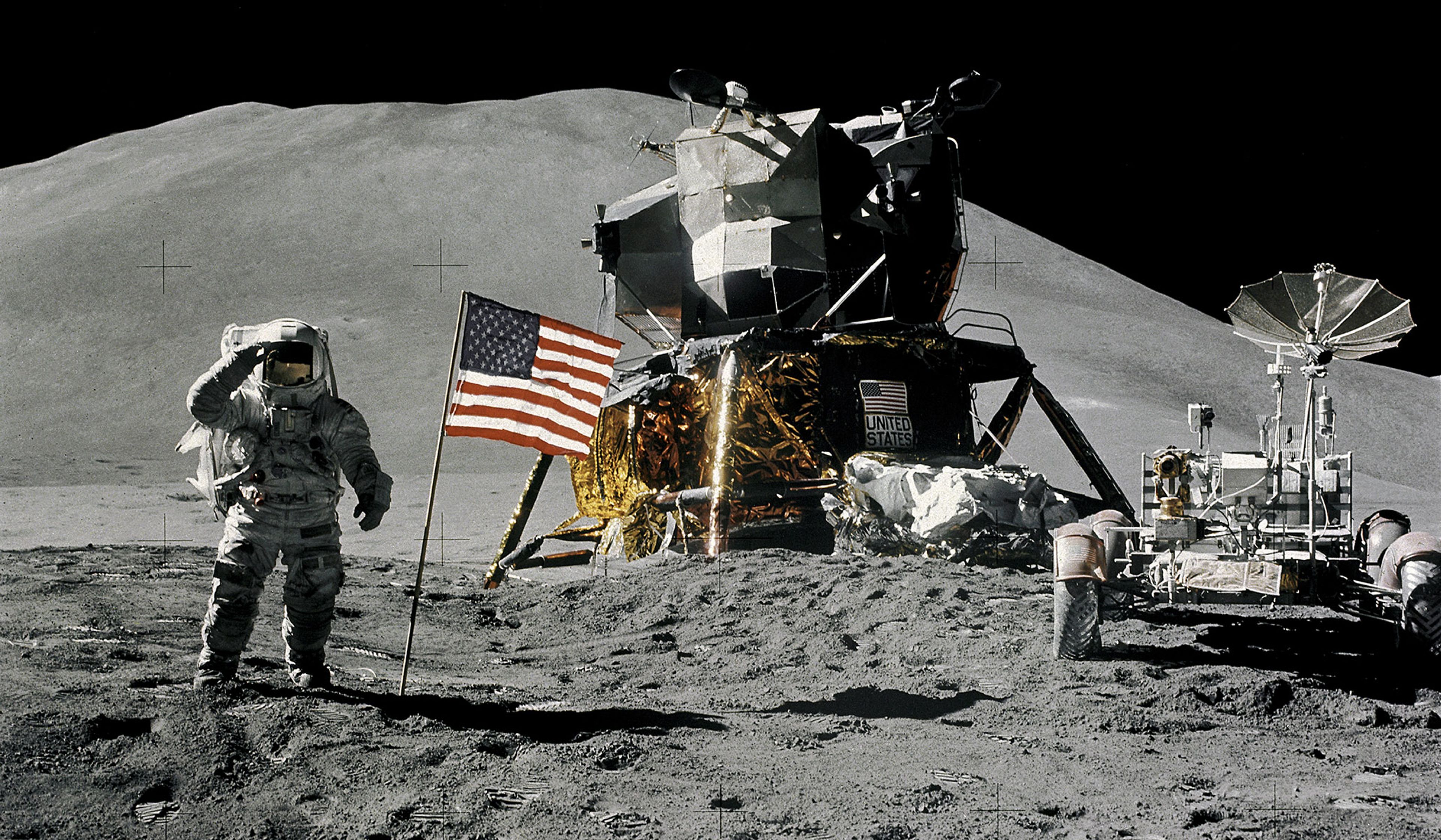
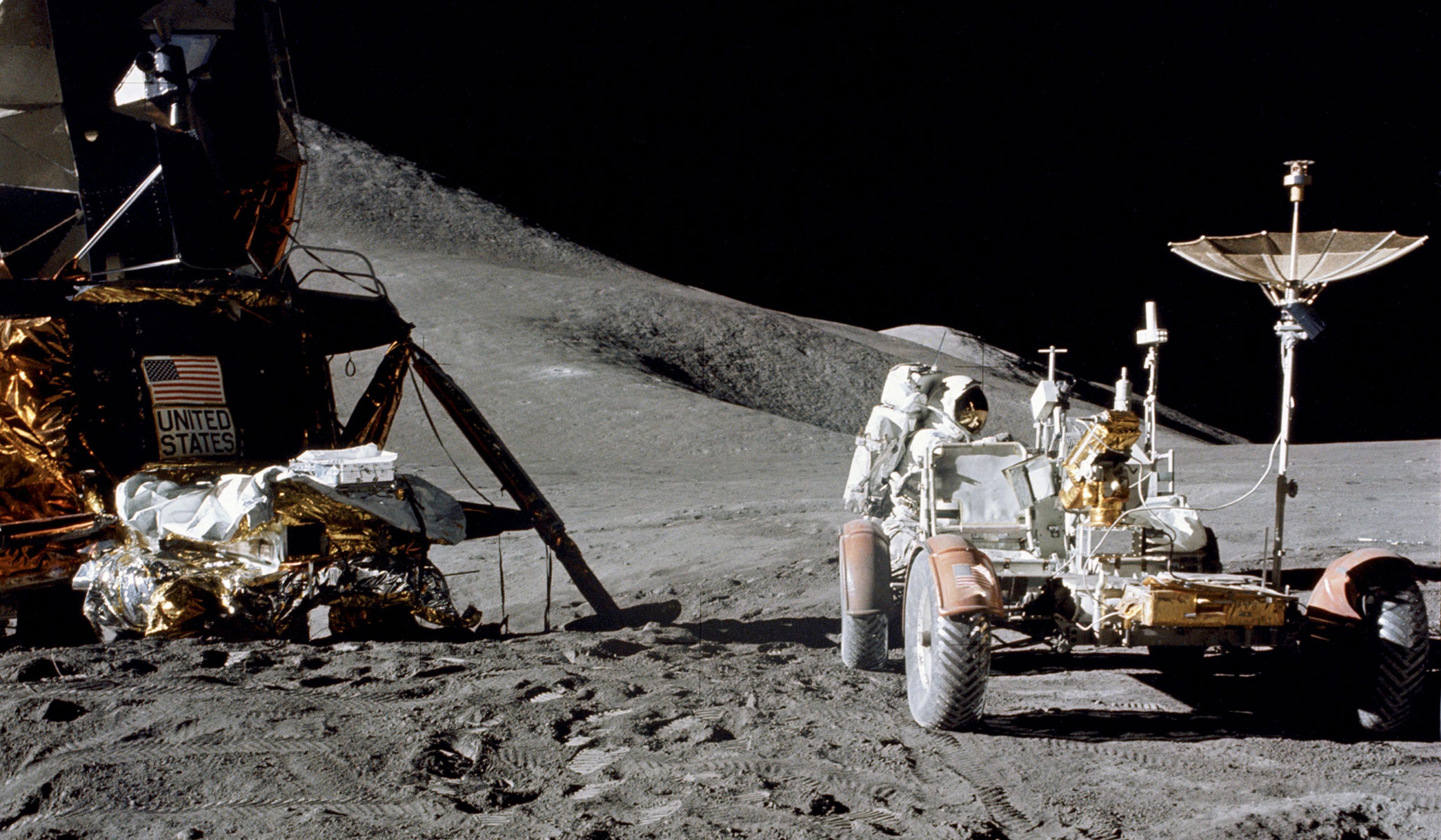
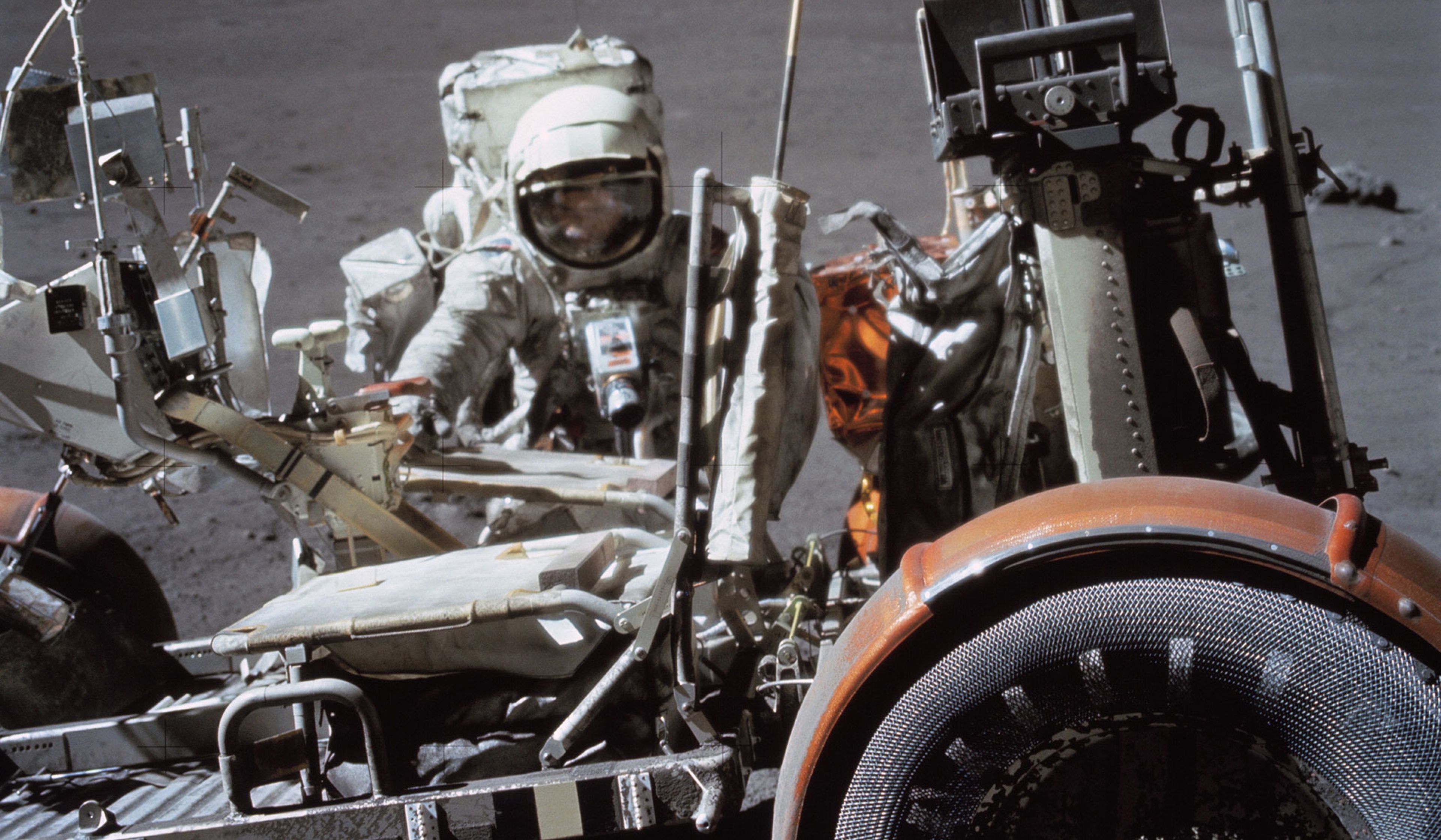
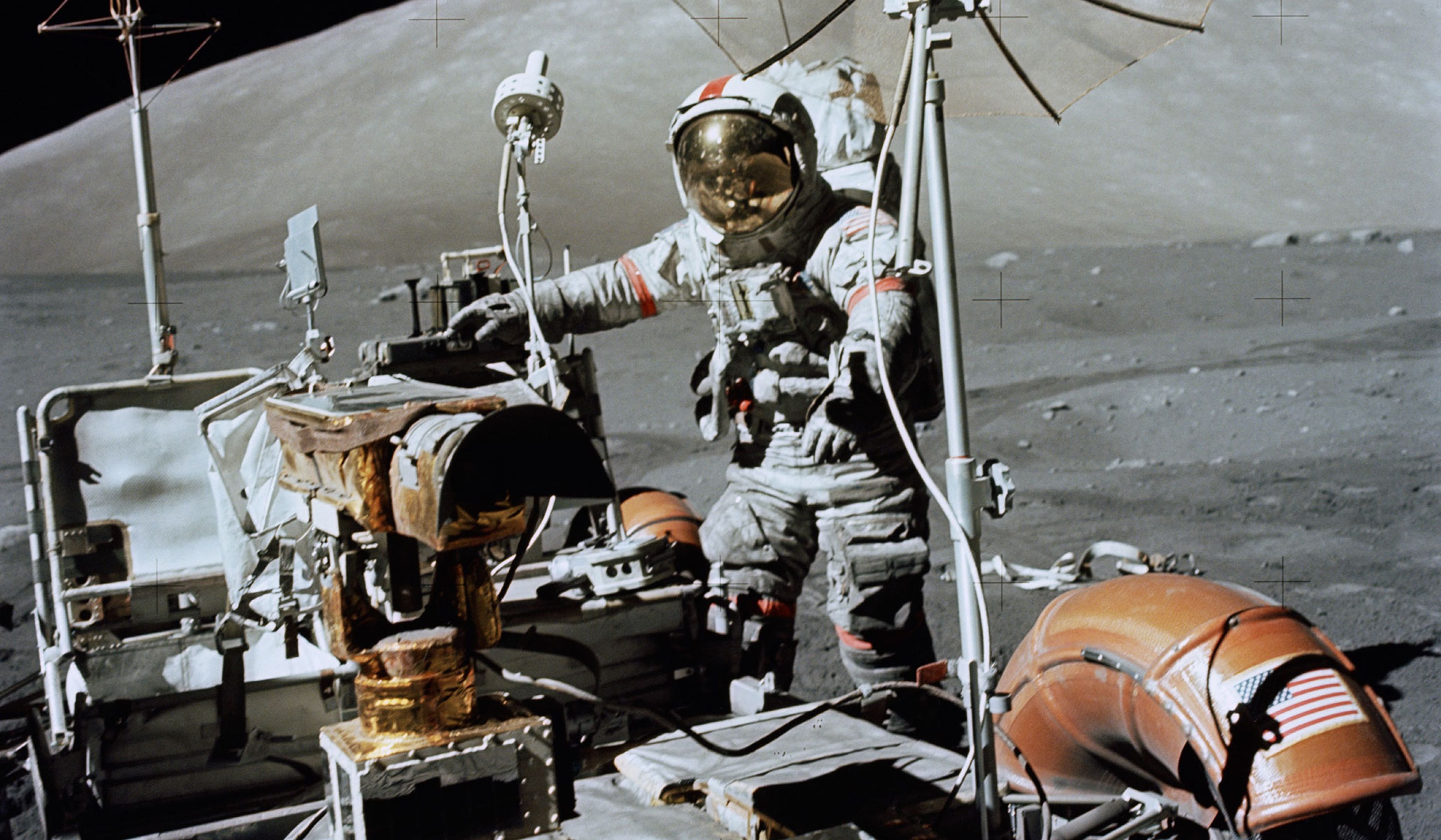
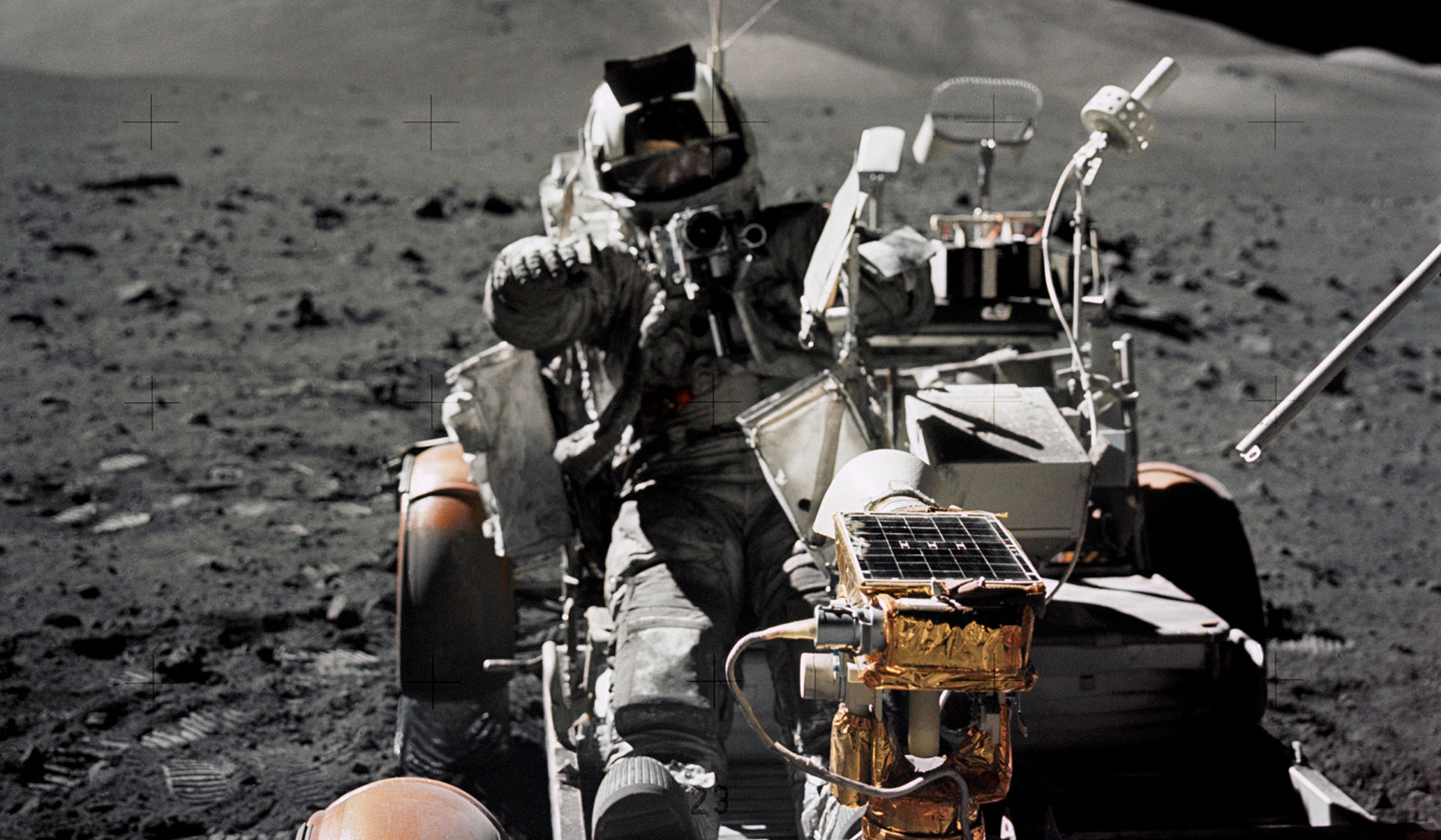
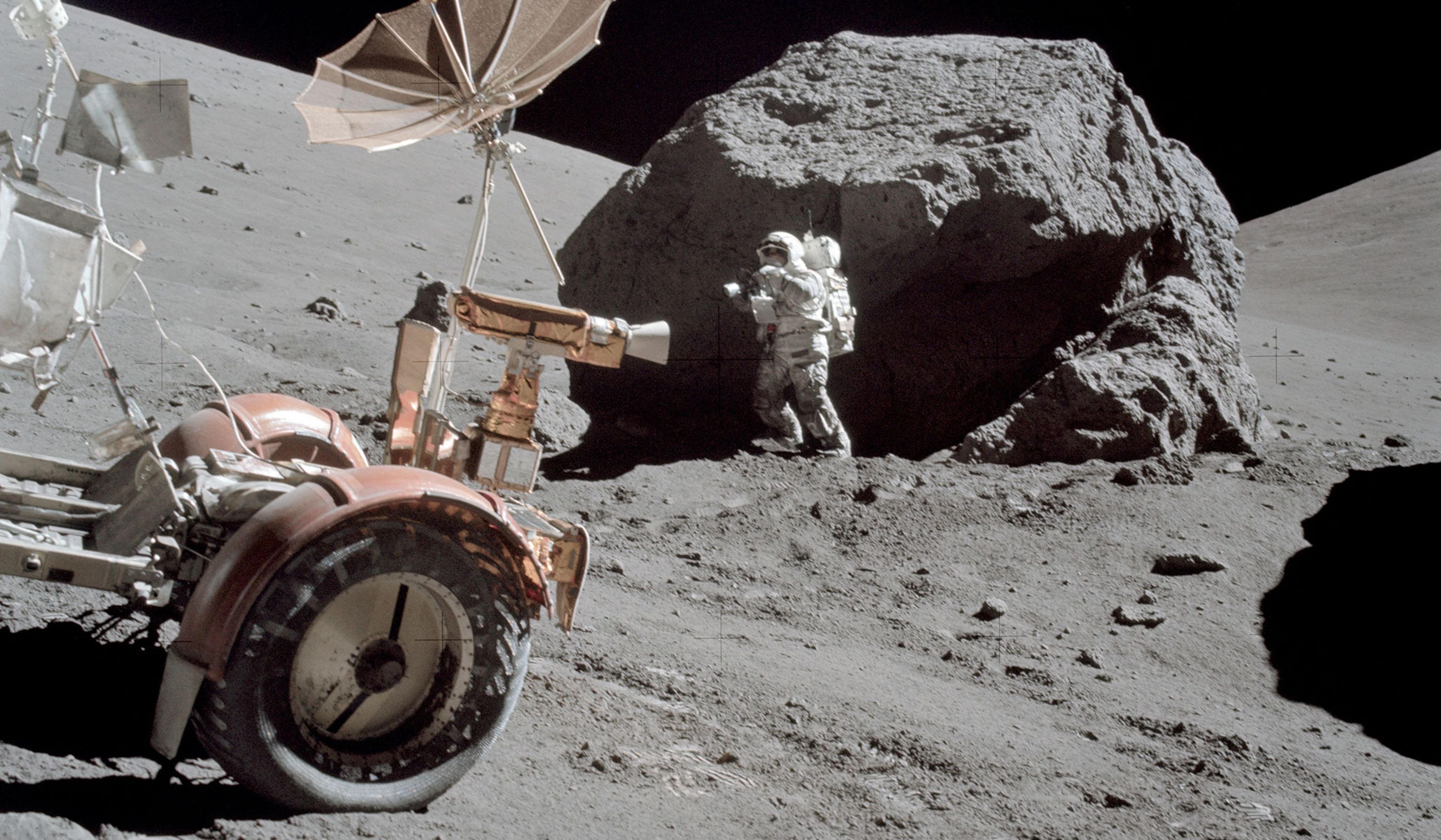
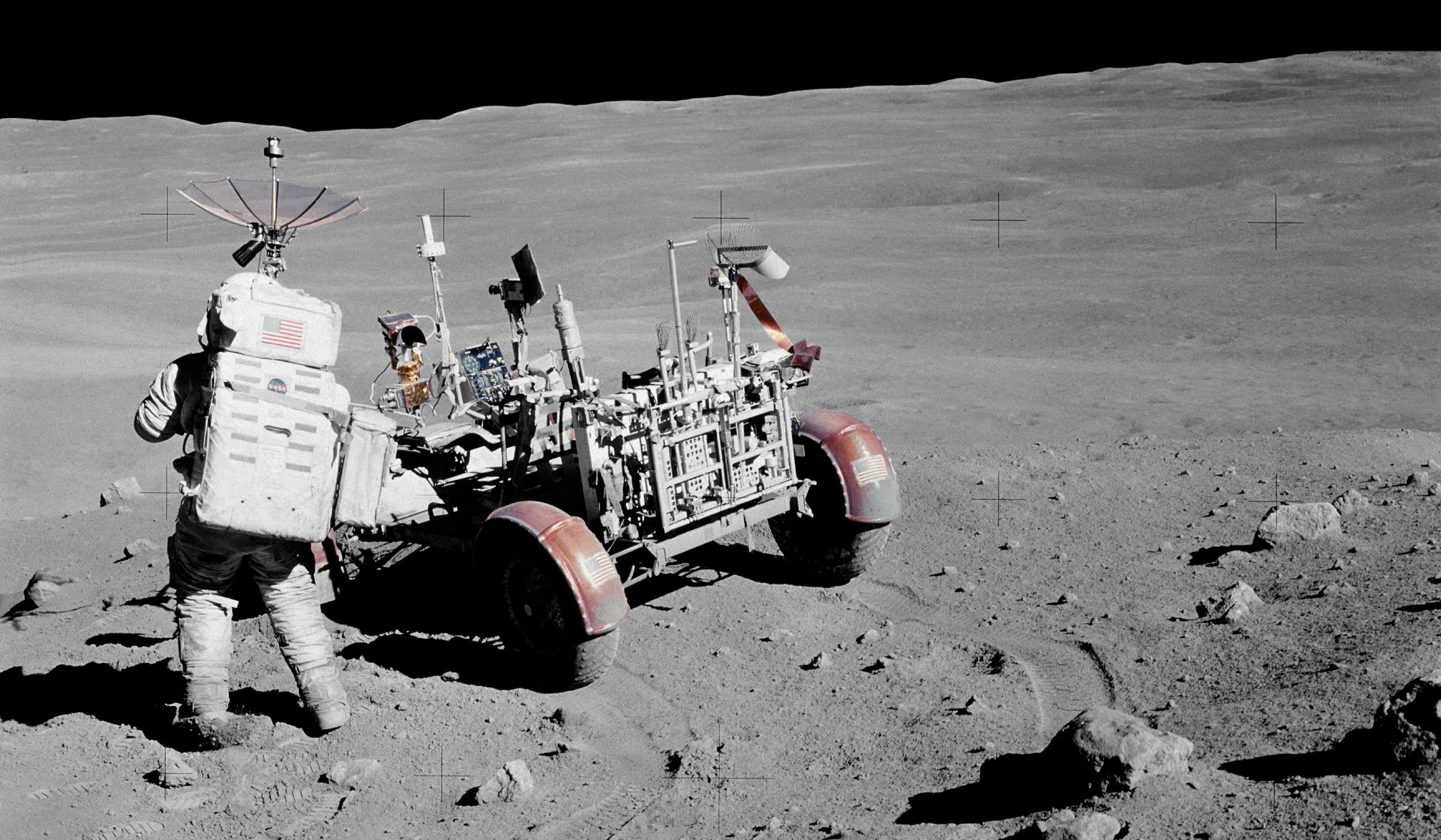
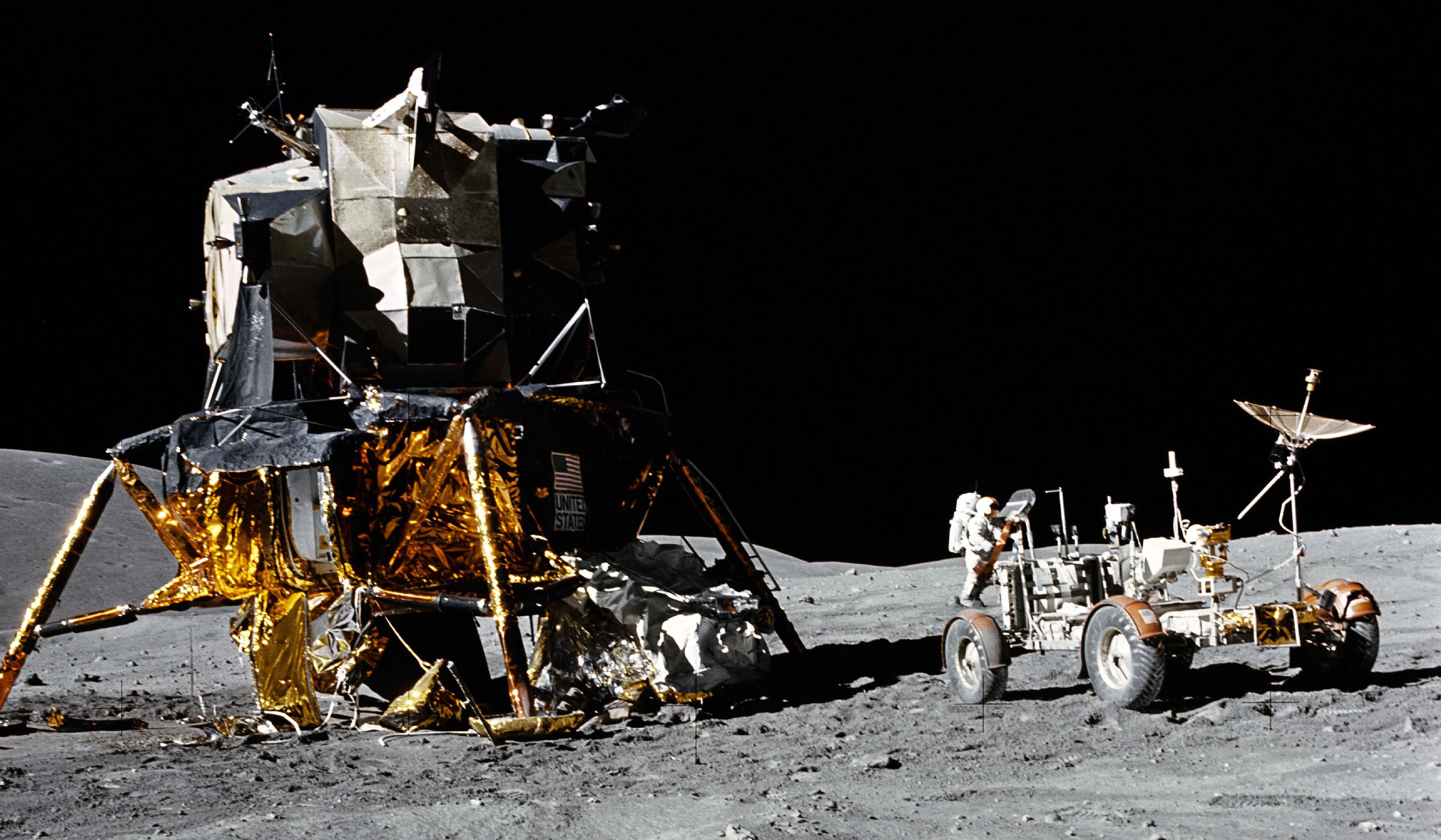
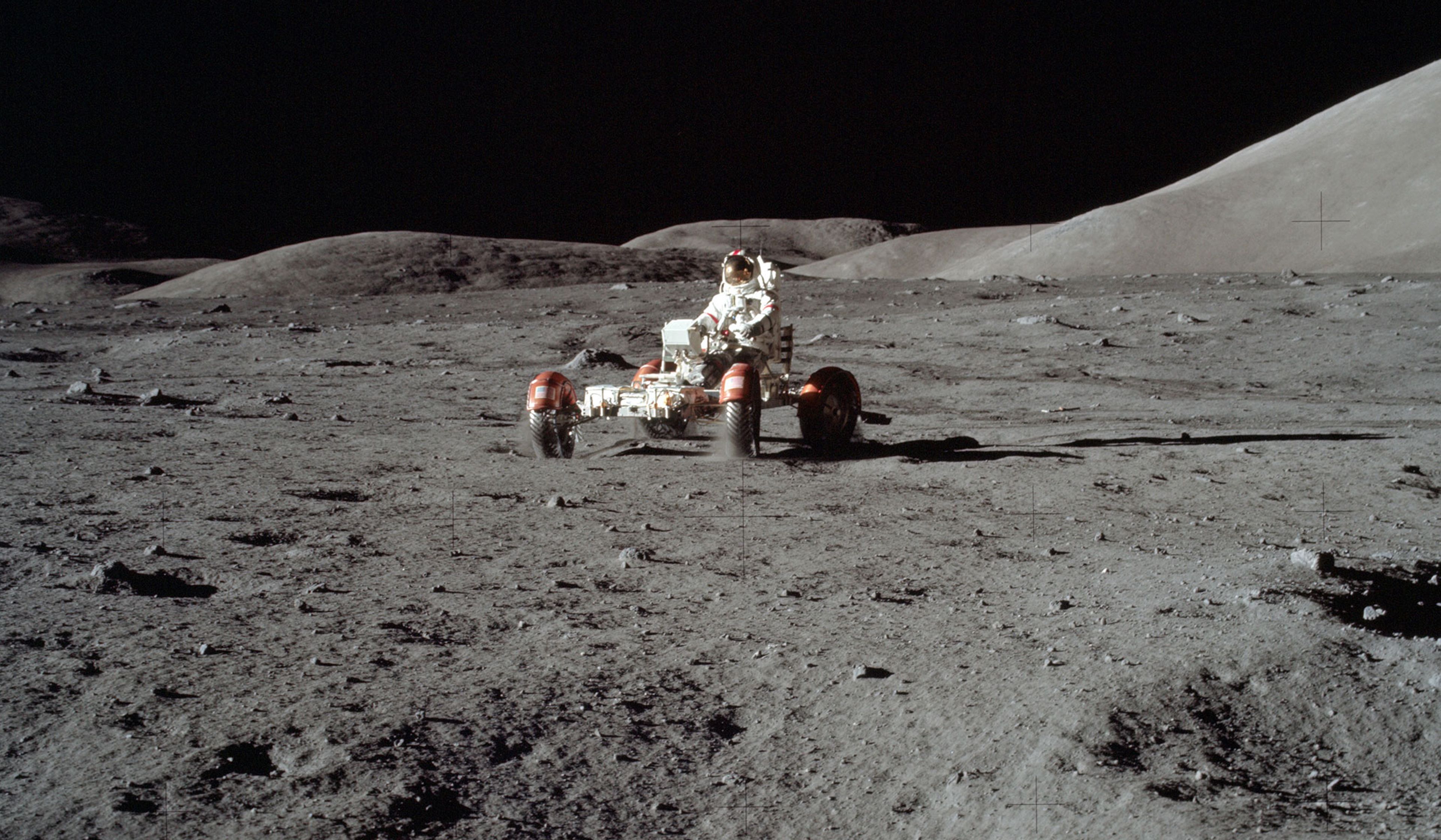
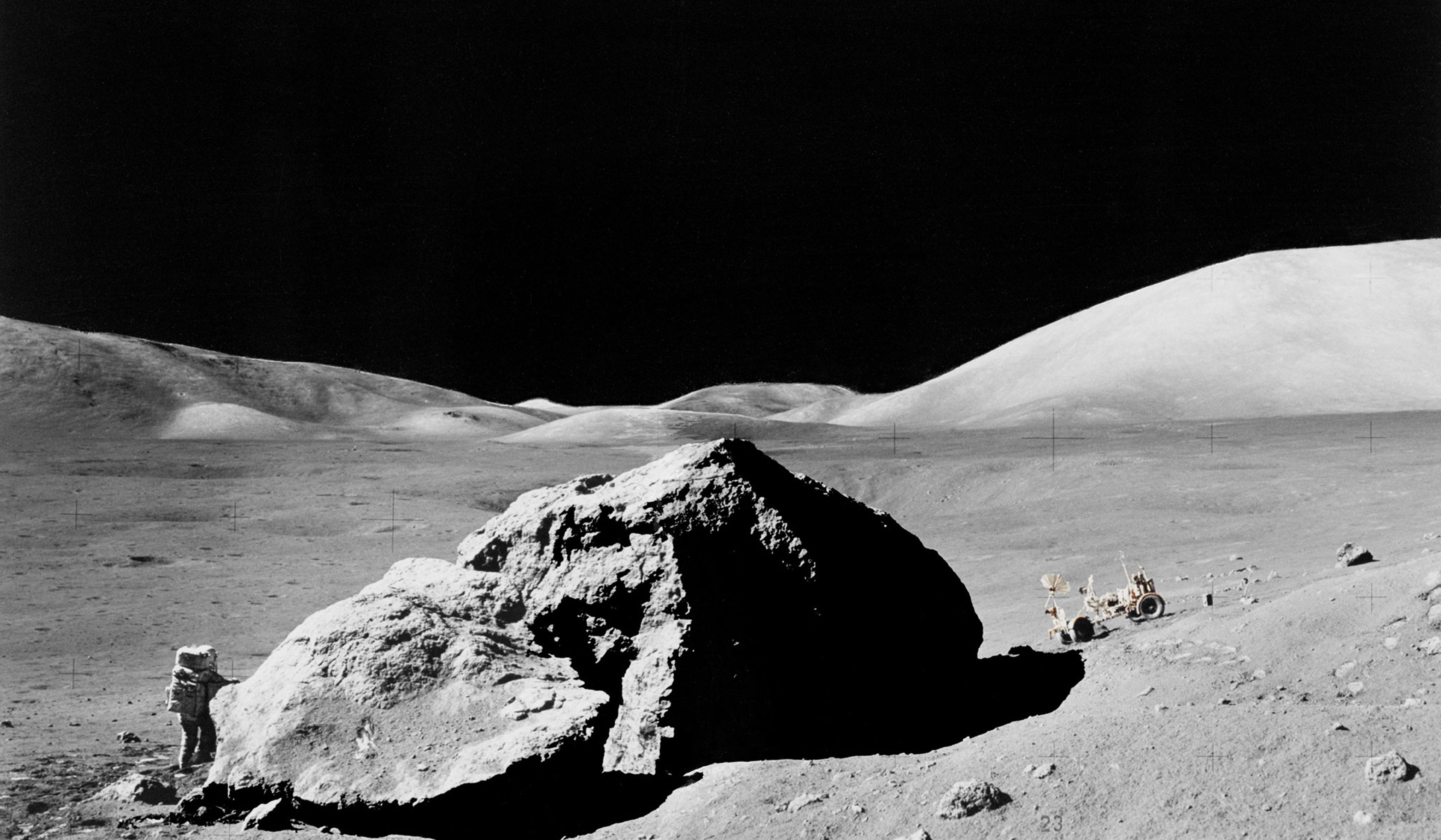
Apollo 17 commander Eugene A. Cernan makes a short checkout of the Lunar Roving Vehicle during the early part of the first extravehicular activity at the Taurus-Littrow landing site, December 11, 1972. This view of the “stripped down” LRV showd the vehicle prior to loading up.
NASA/Johnson Space Center
You can tell you’re among cultists when you see word combinations like “climate-friendly cocktail recipes,” which makes about as much sense as “gravity-antagonistic burger toppings.” There are no climate-unfriendly cocktail recipes, unless you believe in that “butterfly effect” — you know, an insect wags its wings in the Amazon and sets off a chain reaction of ever-increasing wind perturbations that eventually produce a hurricane. If that were possible, Florida would be battered daily by typhoons caused by Caribbean cruise-ship bartenders shaking martinis.
Says the article: “For years the hospitality industry has seen diners clamoring for foods that prioritize climate-friendly practices, such as [using] local and seasonal ingredients that are grown or raised with carbon footprints in mind. Yet cocktail culture hasn’t been hit with the same scrutiny.”
We must scrutinize cocktail culture, like someone peering in our neighbors’ trash bins with a flashlight to see whether they’re throwing out plastic bottles. Be assured, we’ll eventually find that cocktail culture is misogynistic and racist and fascist. Wait until you hear about White Russian supremacy! But let us start, as we always do, by considering that ineffable quality of unquestioned virtue, sustainability.
“As the American West experiences water scarcity and energy prices remain volatile, the protocol for properly made cocktails doesn’t look sustainable. Is it possible to make satisfying cocktails without so much ice?”
It might be. The more important question, though, is whether it is possible for you to shut up.
Upside: Now the neurotics will feel guilty about consuming ice. If you have a relative who’s in the grips of climate despair, you can feel free in handing him a glass of lemonade with one sad cube. Downside: In a few weeks the left side of the internet will be full of stories that say “Latest MAGA meltdown: the ice ban that isn’t happening” and “No, the government is not coming for your ice-maker.” This will be followed in a month by new California rules that throttle home-ice-maker production, described by Governor Newsom as “commonsense ice regulation.” Restaurants will switch from a big glass of ice to a single artisanal, locally sourced cube with a 12 percent “climate-abatement equity surcharge.”
For your own good! For the good of the Earth! Just imagine some alien civilization visiting Earth in a hundred years, finding a lifeless cinder, and tut-tutting with familiar rue: Once again, we see a planet destroyed by an arrogant species that insufficiently scrutinized cocktail culture. We can still prevent this, but we have only five years. As we used to say when we tried to get the ice out of those miserable trays: Let’s get cracking.










Comments