
Monopoly, the Depression-era board game that actually takes longer to play than the average depression, will be refreshed to realign its values with the modern age, toy-maker Hasbro has announced.
You’d think the very idea of Monopoly would be anathema. It’s all about unfettered capitalism, utility-ownership concentration, predatory rents, and so forth. If the modern Jacobins had their way, gameplay would consist of everyone marching their tokens (guns, pitchforks, adorable little cast-iron guillotines) counter-clockwise, seizing property, and turning the “Go to Jail” square into a community garden — ending up with the mascot Pennybags hanging upside down naked from a gibbet.
As with all revolutions, you can play it only once.
The proposed changes are rather mild and concern the “Community Chest” cards. Goodbye to the card that says “You have won second prize in a beauty contest.” It reeks of wrongthink — the objectification, the idea of a hierarchy of attractiveness, the idea that “beauty” can be exchanged for money. A more enlightened version would say “You got a city grant for unionizing sex workers.”
It’s a sad decision. Part of the appeal of the game, aside from the interminable length and inevitable hard feelings, was its historical values. It came from an era when railroads loomed large in the public mind, people saved money in Christmas-club accounts, and incarcerations seemed utterly arbitrary. (Go to Jail! Uh — what’d I do? None of your lip, boyo, into the wagon.) Scrapping it all for voguish updates is like renaming chess pieces with administrative-state titles. Hah! My regional-management director has his omnibus comptroller in check!
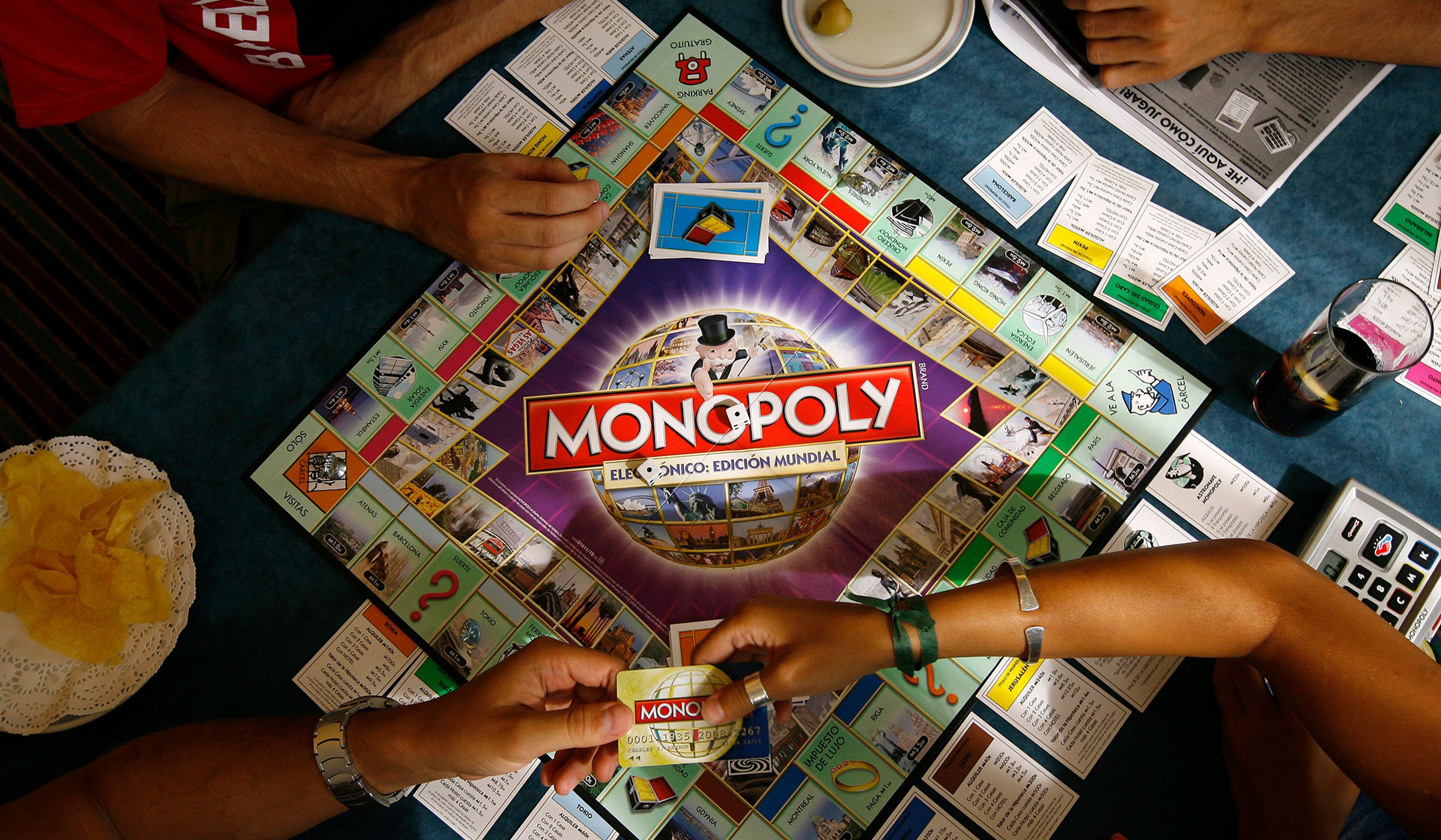
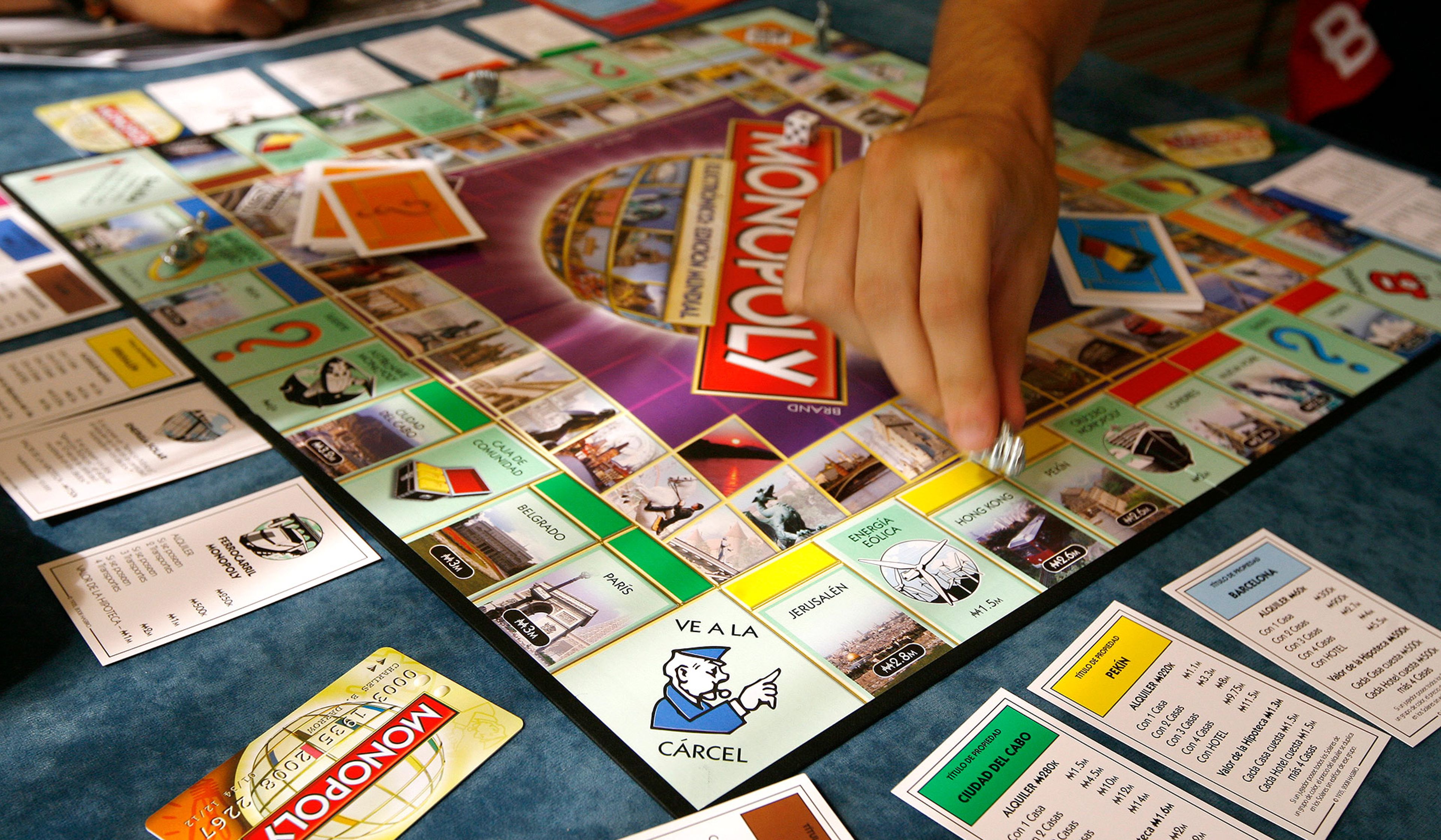
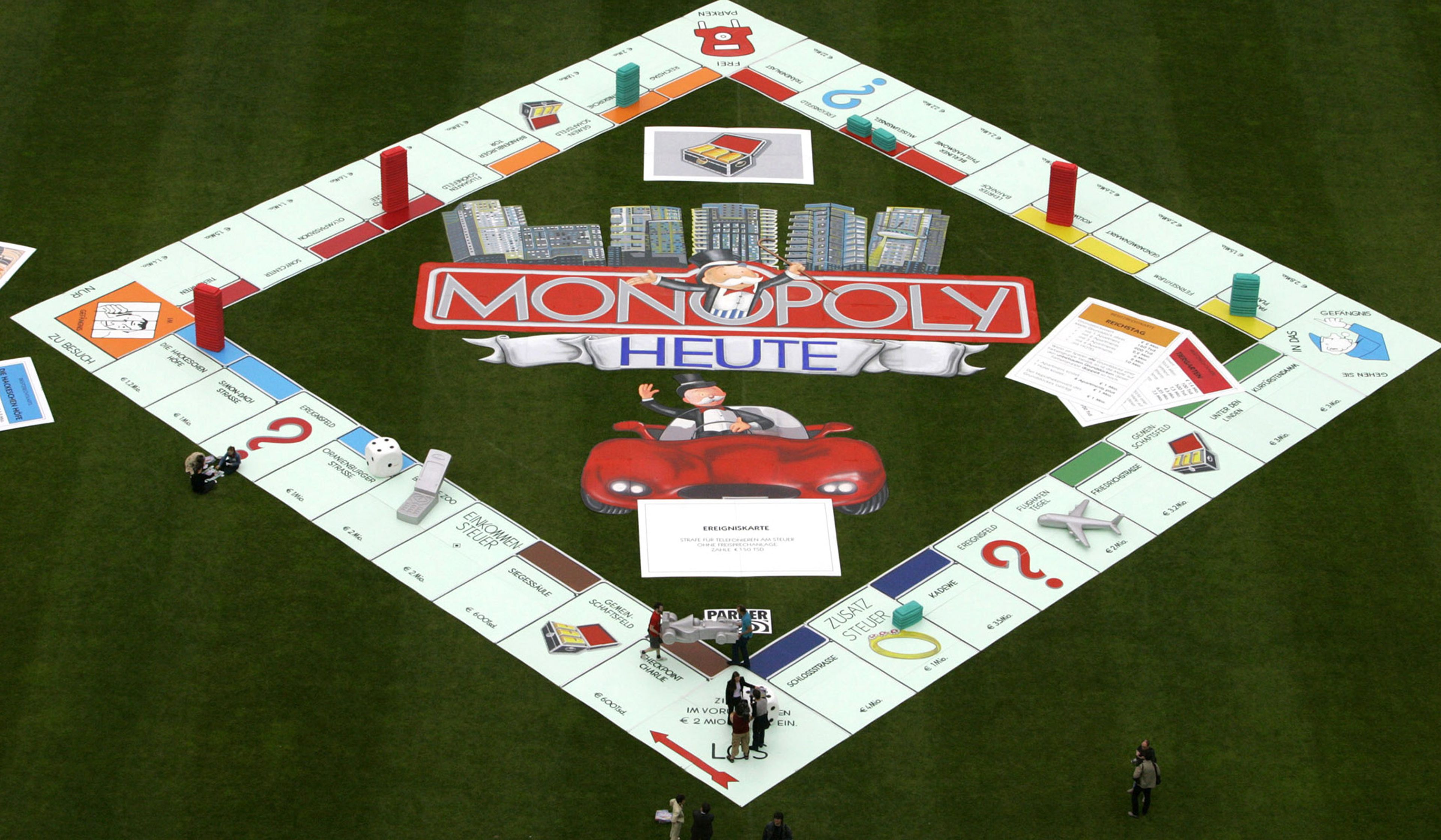
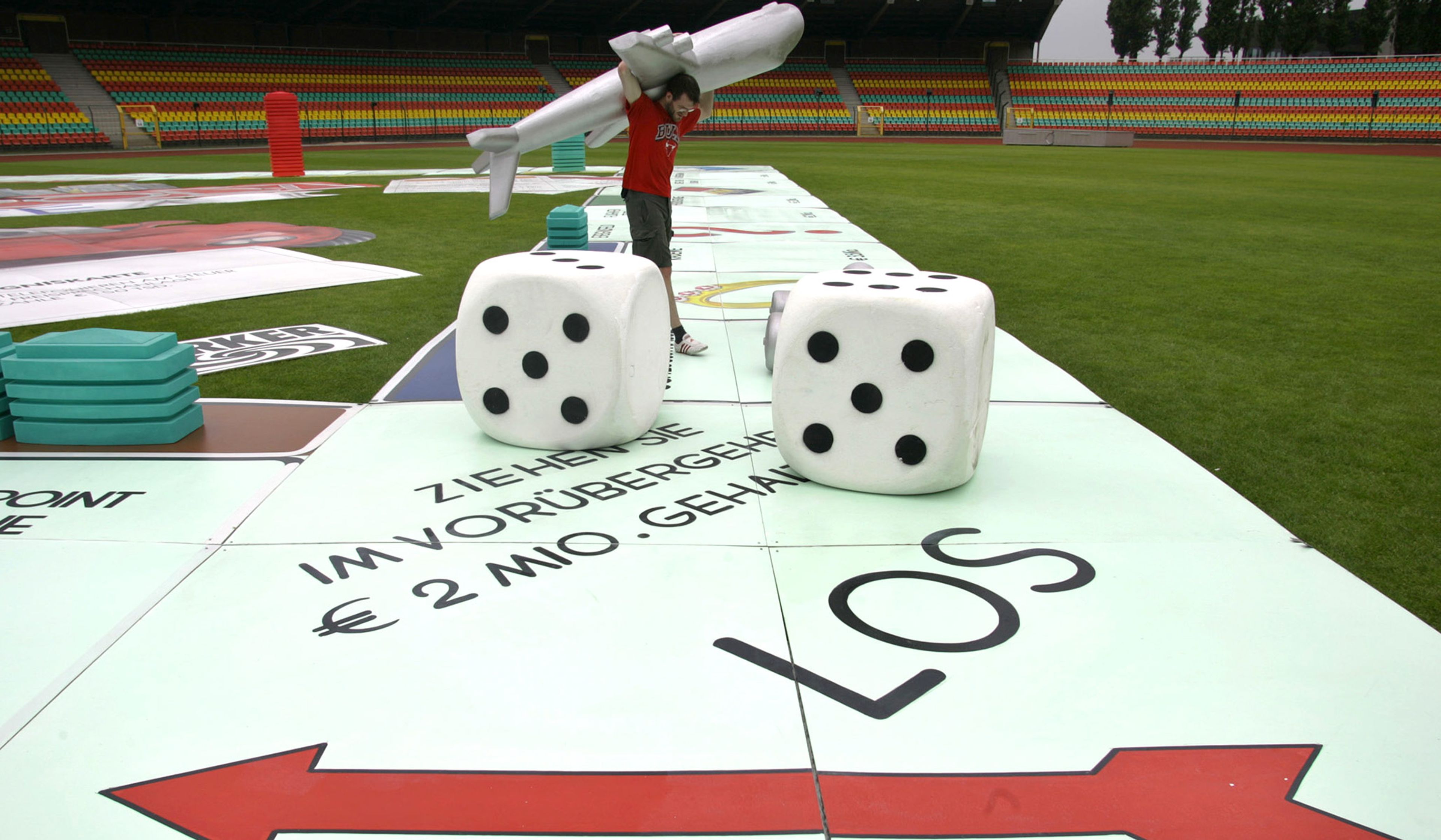
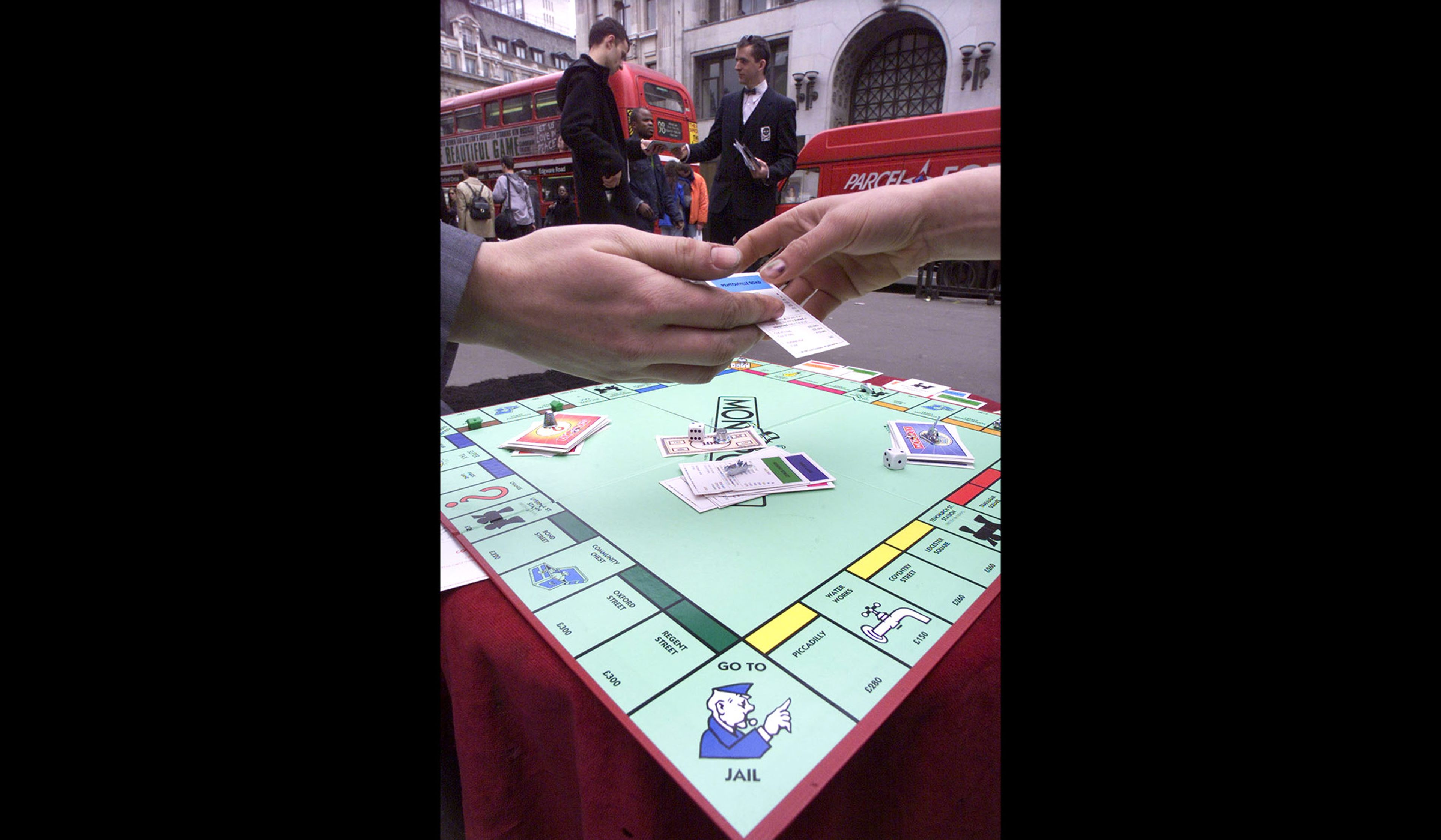
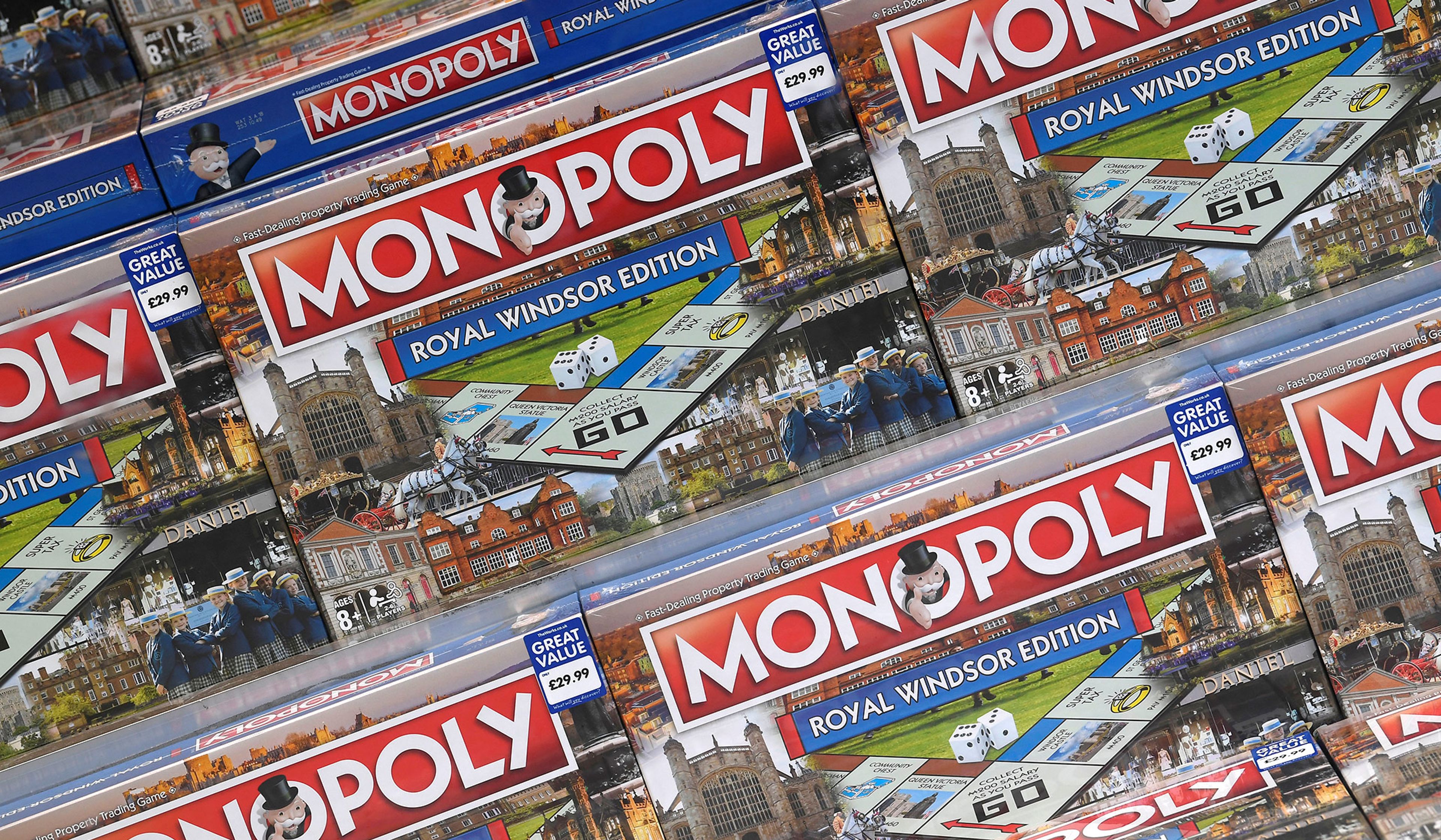


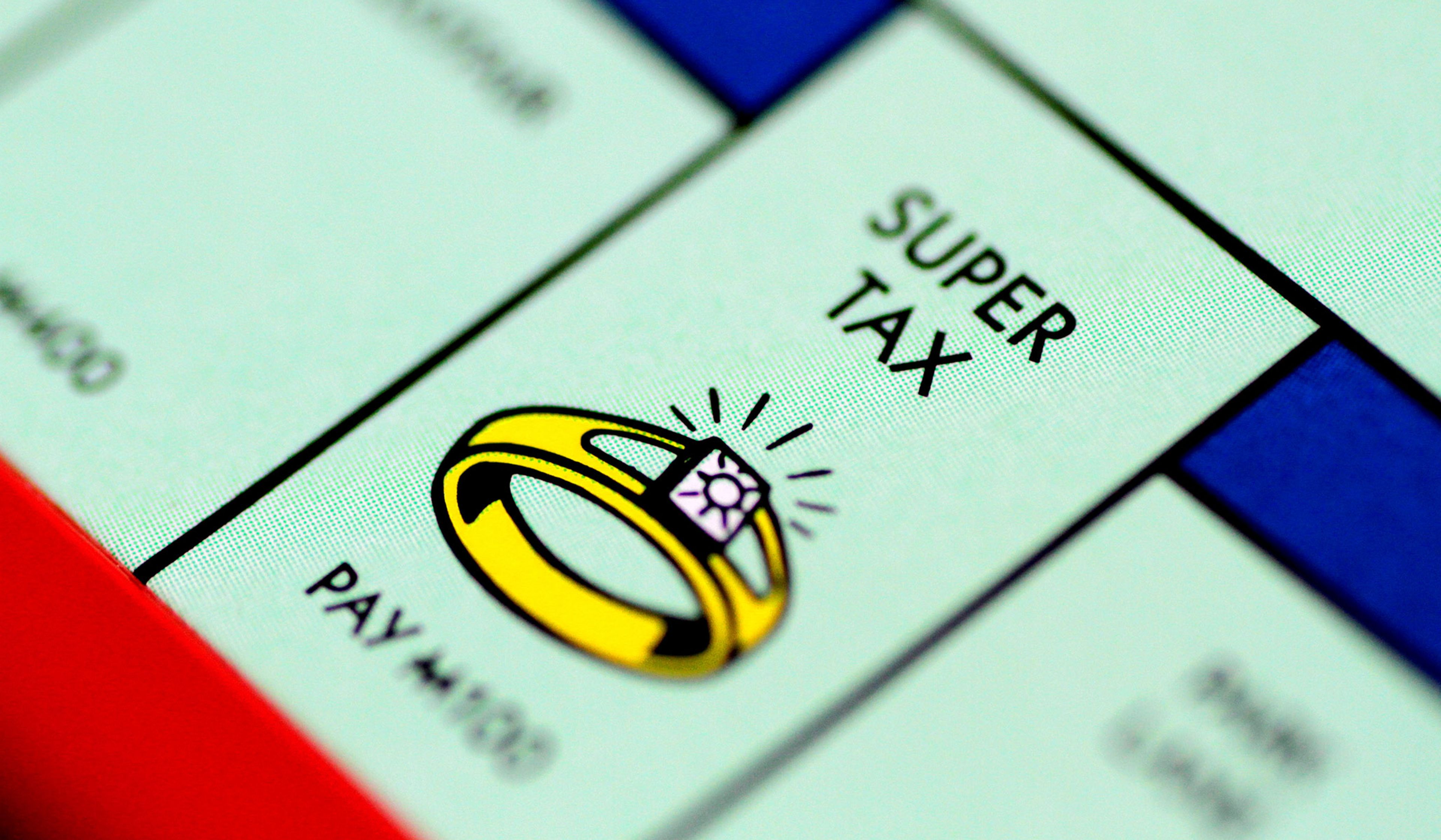
Players participate in a world-record attempt taking place across the world for the largest simultaneous game of Monopoly at a hotel in Madrid, Spain, August 27, 2008.
Paul Hanna/Reuters
Well, at least you can count on some institutions to keep their spine, like the CIA. Right? Hah! No. For reasons obscure to ordinary mortals, the CIA is running ads about the “Humans of CIA.” In one spot, the spotlighted human says: “I used to struggle with impostor syndrome.” Yes, yes, I know what that is, but in the CIA sense, it sounds like someone who’d break down while undercover, grab a hanky, and say, through racking sobs, “I know I’m supposed to be part of an elaborate web of deceit designed to penetrate a hostile power’s military-intelligence apparatus, but my heart’s just not in it.”
She also noted, “I have been diagnosed with generalized anxiety disorder.” This provoked some people on Twitter — which is basically a hornet’s nest that flies around looking for sticks to run into — to note that this was a sign of how we’ve turned the normal human experience into pathologies.
Matt Walsh, whom you may have seen on Tucker Carlson, tweeted, “The most disturbing thing about that woke CIA ad is how she brags about her ‘anxiety disorder.’ We’ve turned fundamental human emotions like anxiety into illnesses, and then we made the illness trendy.”
Hmm. Well. Some people confuse “anxiety” with “being a bit nervous in the dentist’s waiting room.” There is such a thing as an anxiety disorder, and let me tell you, it’s not a matter of sweaty palms and elevated heart rate. I had a panic-attack disorder in my 20s, ending up with claustrophobia and agoraphobia, which pretty much covers everything. It took years of white-knuckling through life to beat the thing. My point is not that I feel personally attacked by Mr. Walsh’s remarks, but that I would not have made a good CIA agent.
Section chief: We need you to get on a plane tonight and extract an asset in Syldavia. Be ready by 0300.
Me: Hold up there, boss — a plane?
Chief: Yes, the Blackbird SR-71. Modified to carry a passenger. You will — hold on, why are you breathing into a paper bag?
Me: I’ll take a 747 if you can book me a block of ten seats and get me some Ativan to knock me out.
I’m not saying there isn’t a job at the CIA for someone with an anxiety disorder, but I would prefer to know that everyone who works there, from the receptionist on up, has nerves of steel, a stiletto strapped to their shin, and a gun taped under the desk. I grew up when the CIA was supposedly a fearsome force of cool, analytical, amoral men dedicated to American national security. Someone in a movie said he was from the CIA, it chilled your very marrow. Now if someone says that, I expect he’ll ask if anyone minds if he rubs some lavender oil on his temples while he debriefs the defector; it’s been such a day.
The CIA also put out an ad featuring a gay fellow who was happy the agency was LBGT-friendly.
“I always struggled with the idea that I may not be able to discuss my personal life at work,” the CIA Human said. “Imagine my surprise when I was taking my oath at the CIA and I noticed a rainbow on then-director Brennan’s lanyard.”
I’m old-fashioned about these things: I don’t care what a chap does in his off-hours, as long as he’s able to garrote a minion of SPECTRE in an Istanbul alley at 1 a.m. without disturbing his boutonniere. But this is where we are: Someone could probably improve their hiring chances by falsely claiming to be gay, and then be subject to blackmail when a foreign agent threatens to expose them as straight.
Perhaps it’s all a head-fake to convince our enemies that our intelligence agencies have drifted from their core function. Or domestic psy-ops to make progressives support the CIA. Just wait for the New York Times editorial: “The CIA just overthrew the Iranian government, again. Here’s why that’s a good thing.”











Comments