Questioning the Process
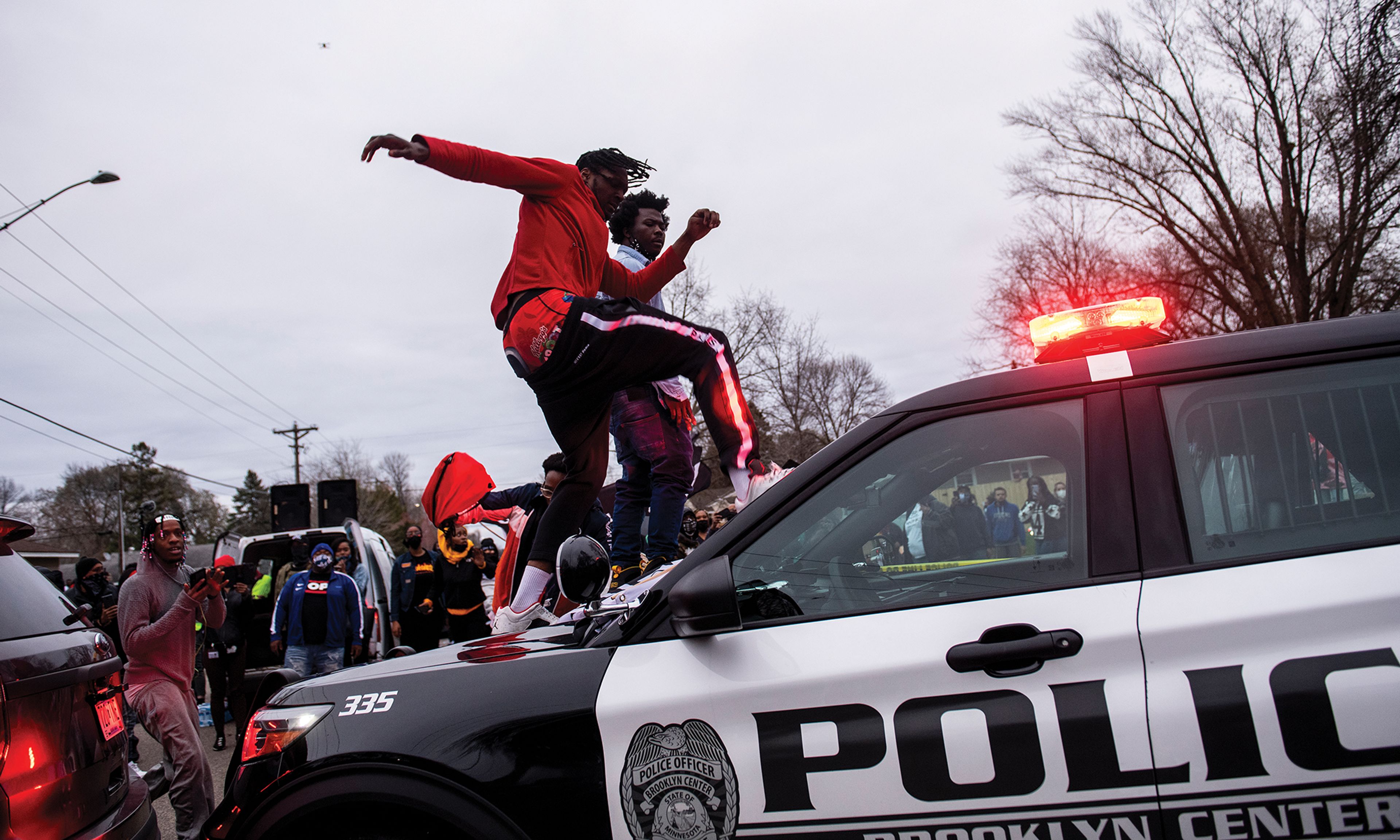
Andrew C. McCarthy argues (“Due Process Matters,” May 17) that Kimberly Potter, the former officer who shot and killed Daunte Wright, has been denied due process because she is now facing criminal charges. The opposite is true.
Yes, a public employee is entitled to notification and a hearing prior to dismissal, but Potter submitted a notice of resignation. Subsequently — and separately — she was charged with second-degree manslaughter. This is, however, an aberration. Historically, 98 percent of officers involved in a deadly shooting have not been charged with a crime. Additionally, qualified immunity — a legal doctrine denounced by those on the left and the right — has made it nearly impossible to civilly hold an officer accountable unless a prior court has held that an officer violated the Constitution in virtually identical circumstances.
Potter, contrary to McCarthy’s assertions, is receiving due process. She is promised the same protections during her criminal proceeding that all citizens are afforded by the United States Constitution. It is incorrect to state as a foregone conclusion that Daunte Wright’s death was an accident unfit for criminal prosecution. Such a statement denies due process by preventing a jury from making such a determination. Due process is impossible if officers are not held accountable for their actions and if unarmed individuals who are shot and killed do not receive justice.
Losing a loved one to a police shooting is a shocking and tragic event, and in most cases there has been no due process for these individuals or their families. If we believe in due process for all, it is high time that we support accountability, responsibility, and transparency in all cases, including those involving the police force.
Nila Bala Resident Senior Fellow The R Street Institute
Andrew C. McCarthy responds: I’m grateful for Ms. Bala’s letter, but it is factually and legally flawed. I explicitly noted that Officer Potter “promptly resigned after the incident.” My complaint was that, before she resigned, Mayor Mike Elliott called for her immediate termination. That would have violated what Bala concedes was her “entitle[ment] to notification and a hearing prior to dismissal.” When city manager Curt Boganey insisted that due-process protocols be followed, moreover, the city council fired him — not because he was wrong (he wasn’t) but because of concerns about rioting.
It is surprising to hear Bala, a former public defender, argue that an accused “is receiving due process” because she will get a trial before a jury, which must not be “prevent[ed]” from making a “determination.” It is the defendant, not the jury, who is entitled to due process. The point of requiring a grand jury or court review of evidence prior to indictment is to avoid subjecting an American to a criminal trial unless there is probable cause. Potter’s actions, despite having caused tragic harm, do not establish the elements of culpably negligent homicide under Minnesota law. The fact that a trial jury (assuming the jury is not intimidated into convicting) could acquit her does not mean her constitutional rights were satisfied if she should not have been tried in the first place.












Comments