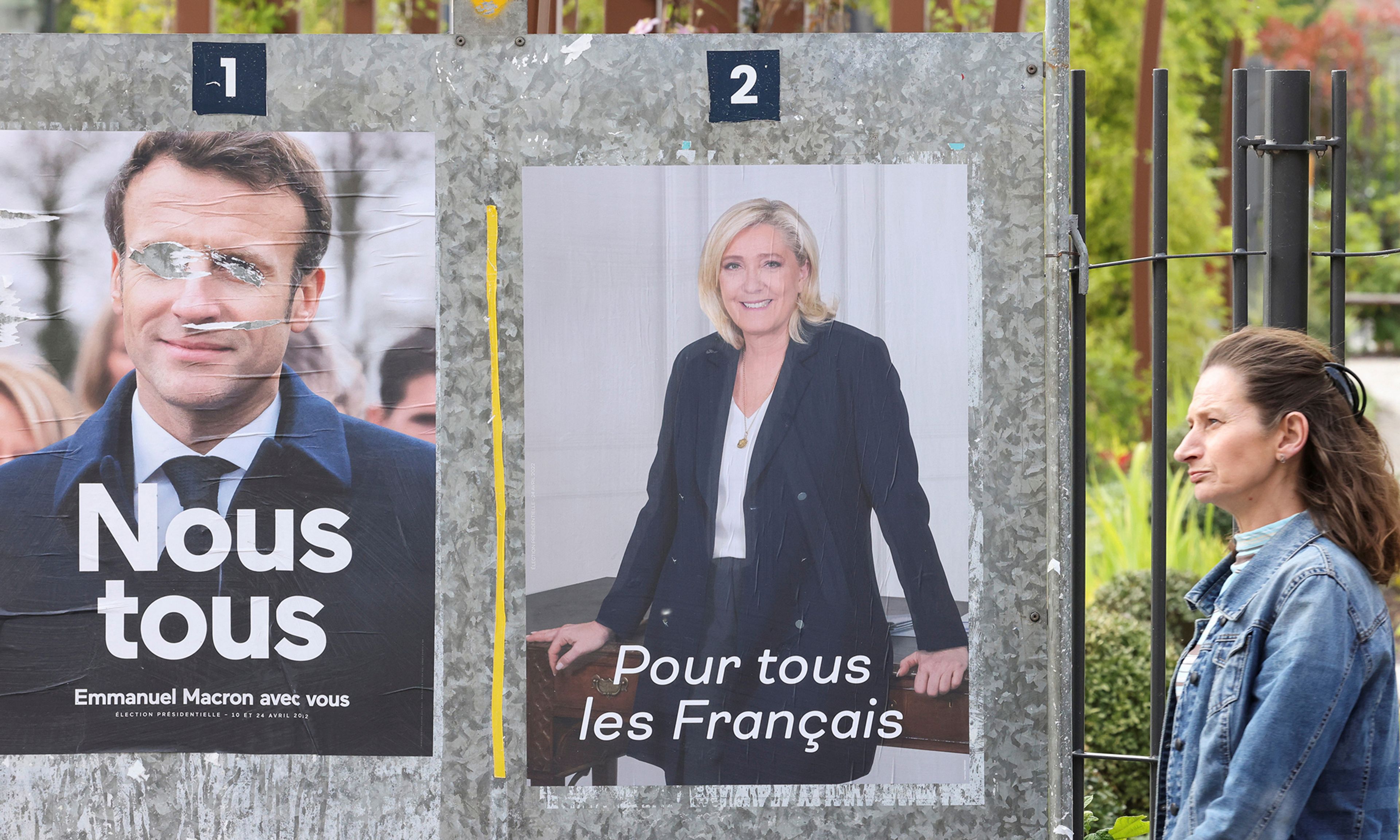
Translator’s note: The year is 2026. Emmanuel Macron is ending his second term, having won reelection in 2022. Despite its economic strength, France is a nation in decline. Ever-widening inequality and cultural unease tear at the country’s social fabric. The social-democratic Left and the liberal Right have all but disappeared into irrelevance; Marine Le Pen has handed the reins of the National Rally to a younger successor. Surrounded by convenient opponents, the neoliberal center holds on to power as tensions accumulate.
This scene comes from Michel Houellebecq’s latest novel, Anéantir, a 730-page blockbuster that Jean Birnbaum of Le Monde called a “political thriller that veers into metaphysical meditation.” Through the life of its protagonist, Paul Raison, the novel presents a mosaic of reflections on cyberterrorism, sexual frustration, faith — anxieties dear to Houellebecq. More than his previous works, Anéantir mobilizes the future to explain the electoral dynamics of the present. From the decline of the Left to the fracture of the Right to the triumph of Macron’s centrist party, Houellebecq’s predictions have proven prescient. This year’s French presidential elections reinforced Houellebecq’s claim that class antagonism shapes political behavior in predictable albeit tragic ways.
Houellebecq’s title for the piece, “Nicht versöhnt” (“Not Reconciled”), echoes his conclusion: Animated by conflicting class interests, values, and aspirations, the factions that constitute the French political landscape are nowhere close to reconciliation. While specific to France, the trends that Houellebecq identifies may seem familiar to American readers — echoes of a not-so-distant past, or prophecies of a not-so-distant future.
— Mathis Bitton
When it comes to opinion polls, I’ve always felt some affinity for absolute indifference — for those who, having considered and weighed all the options, prefer to tick the box at the bottom: I do not know.
During this year’s presidential elections, a polling firm (I’ve forgotten which one) innovated by proposing an additional answer to the question: “Will you vote next Sunday?” In addition to the usual Yes and No, respondents had a third choice: I am seriously considering it.
“I am seriously considering it,” a simple phrase that summons many thoughts. As if the normal, wise, and predictable behavior of voters were abstention; as if the citizen could, after careful consideration, choose to opt out of the process altogether.
About this year’s elections, I will have to indulge in some self-congratulation by observing that, up until this point, everything has happened as I predicted in my latest novel. Admittedly, the task was an easy one; let’s call it a minor prophecy.
I will begin this moment of immodesty by praising the German newsmagazine Der Spiegel. They ran a splendid cover when I last went to Germany, for a literary festival in Frankfurt during which I gave my last real interview (also in Der Spiegel, en passant). The headline read “Ich bin nicht arrogant,” next to a photo of Emmanuel Macron displaying the most arrogant of smiles. The beauty of the cover did not come merely from the contradiction between the photo and the title, but also from the reminder that saying something evidently untrue with enough aplomb can produce — after an initial moment of bafflement — something of an epiphany.
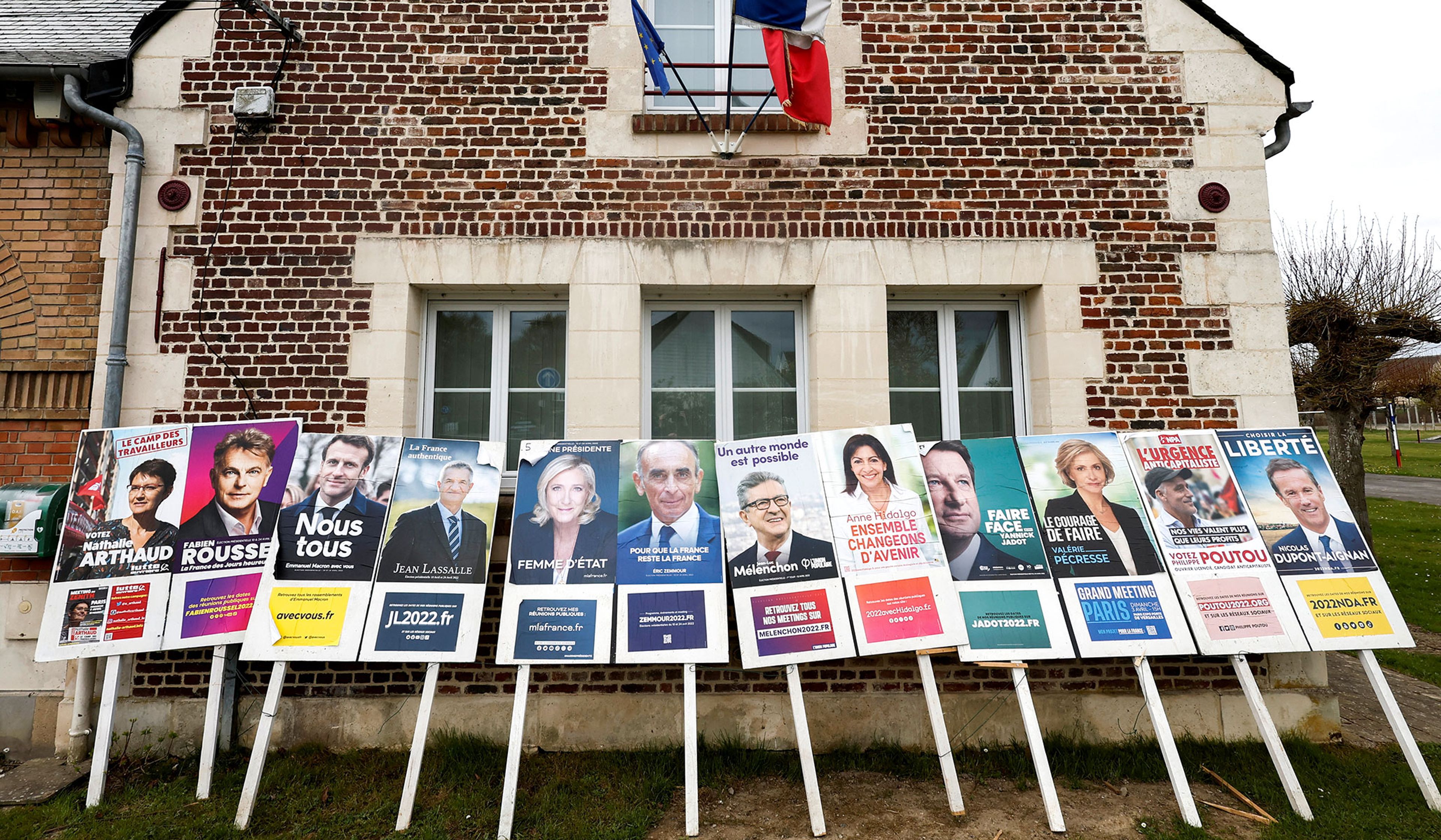
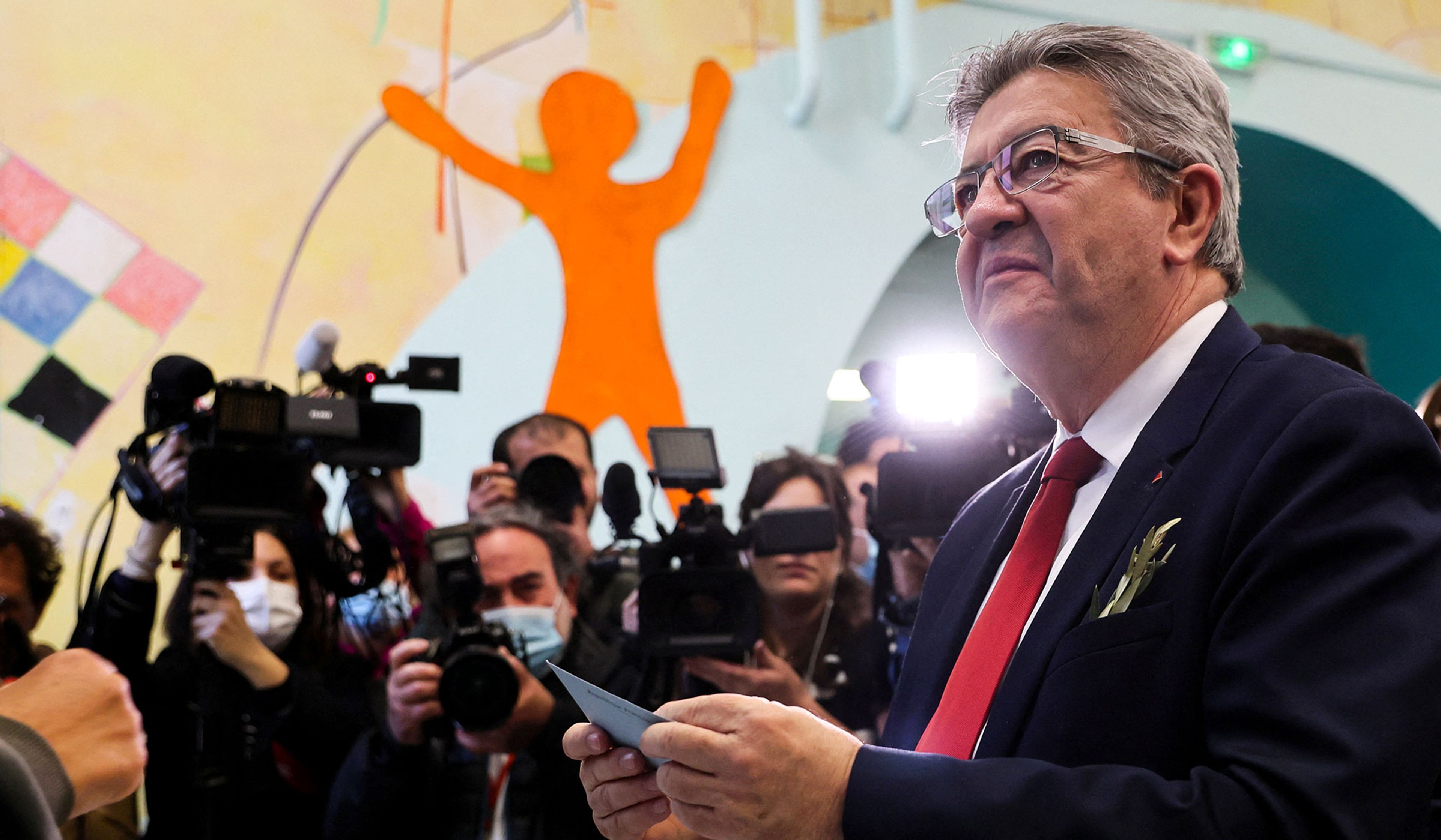
Another one of those moments, a more recent one, happened when Marion Maréchal–Le Pen declared (to celebrate it) that “people no longer voted on the basis of their interest, but on the basis of their convictions.” Few sentences as obviously untrue have been uttered in France in recent years by such a well-known politician. Voting has always been, more or less, a matter of class; but never before has it been a matter of class to such an extent. From a sociological perspective, this year’s elections teach us a lesson so simple and clear that it can be summarized in a single sentence: The rich vote for Macron, the poor vote for Le Pen, and those in the middle vote for Mélenchon. This interpretative framework is straightforward, if not brutal; but it works perfectly.
The one variable that requires some refinement — though not much — is age. My friend Jean-Pierre Dionnet once told me that adult life has three phases. In the first (during which we’re eligible for “youth” train-ticket discounts), we enjoy life, have fun, and so on. This first phase lasts until the age of 26. In the last phase (during which we’re eligible for “senior” train-ticket discounts), it’s the same, at least in principle: We enjoy life, have fun, and so on (perhaps a little less, but still, we pretend). This final phase begins at the age of 60, that is, around the retirement age at which I write these lines. Between the two lies the serious phase of life. We work, or we try to do so; we make the world work, or we try to do so. Some succeed, others found a family, sometimes both. In short, we don’t laugh every day.
Young people vote for Macron or Mélenchon, old people vote for Macron, those stuck in the second phase vote for Le Pen. That’s true, broadly speaking; but the most important factor, the most decisive of all, remains class.
If I keep on insisting upon the concept of class, I’ll risk being accused of submission to the most Marxist of doctrines; which would not be wrong per se, but I’ll add some nuance nonetheless. There exists a phenomenon about which Marx understood very little, a phenomenon by and large irrelevant at the level of society, but of utmost importance at the level of the individual — the presidential election, after all, consists of choosing one individual. This phenomenon is that of class traitors; this year’s elections provide us with two spectacular examples.
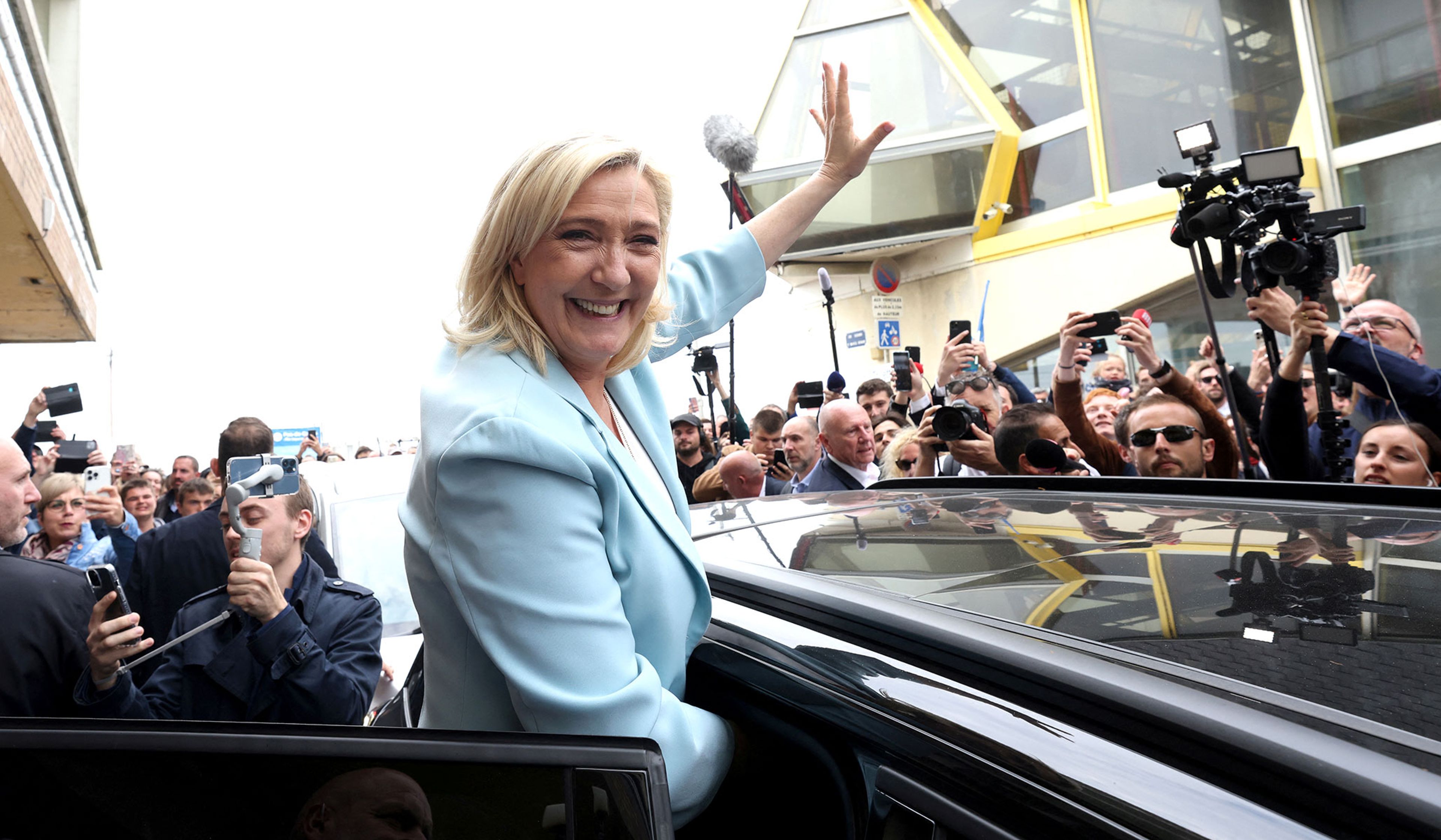
Born into opulence, and having spent her college years in nightclubs (not quite the jet set but not far from it), Marine Le Pen had an epiphany when she encountered poor people at Hénin-Beaumont. This kind of epiphany has happened before in history: Francis of Assisi, Saint Vincent de Paul, and so on. Without aiming as high, Marine Le Pen realized that she derived more pleasure from her conversations with local cashiers than she did back at her father’s mansion. Marine Le Pen thereby betrayed her class.
Éric Zemmour has taken the opposite course. Born in one of these Jewish families forced by necessity to survive in the midst of Muslims (there remain a few of those, though not as many), he thrives on his interactions with the wealthy, with the important, and with the powerful. More recently, he took particular delight in galvanizing crowds of young people. His meteoric rise was, indeed, unexpected and wonderful, to the point of excusing some of his excesses. Yet Zemmour remains the source of a trend that will not make things easier for our unhappy country. In France, we have long had two irreconcilable Lefts (pro- and anti-woke, to oversimplify); the Right, meanwhile, have played the role of a couple staying together for the children, even if they didn’t have any children. Éric Zemmour might have created two irreconcilable far Rights, which would be genuinely new. Beneath appearances, ideological slogans, and insults that each side will throw at the other, however, the only real political conflict will remain — as always — purely and simply a matter of class.
Marion Maréchal–Le Pen, for instance, has never betrayed her class.
With this year’s elections, the French offered a rather mediocre spectacle to the world. We should have expected as much: When the results of the game are known in advance, it’s hard to care about the details. I don’t know whether the predictions of my novel will prove true; it might be difficult to re-demonize Le Pen’s National Rally, there might be limits (or not) to the stupidity of the populace. I can only promise you one thing: We will do better in 2027.
And let me add (on a less happy note) that reconciliation is not, in France, on the table for now.
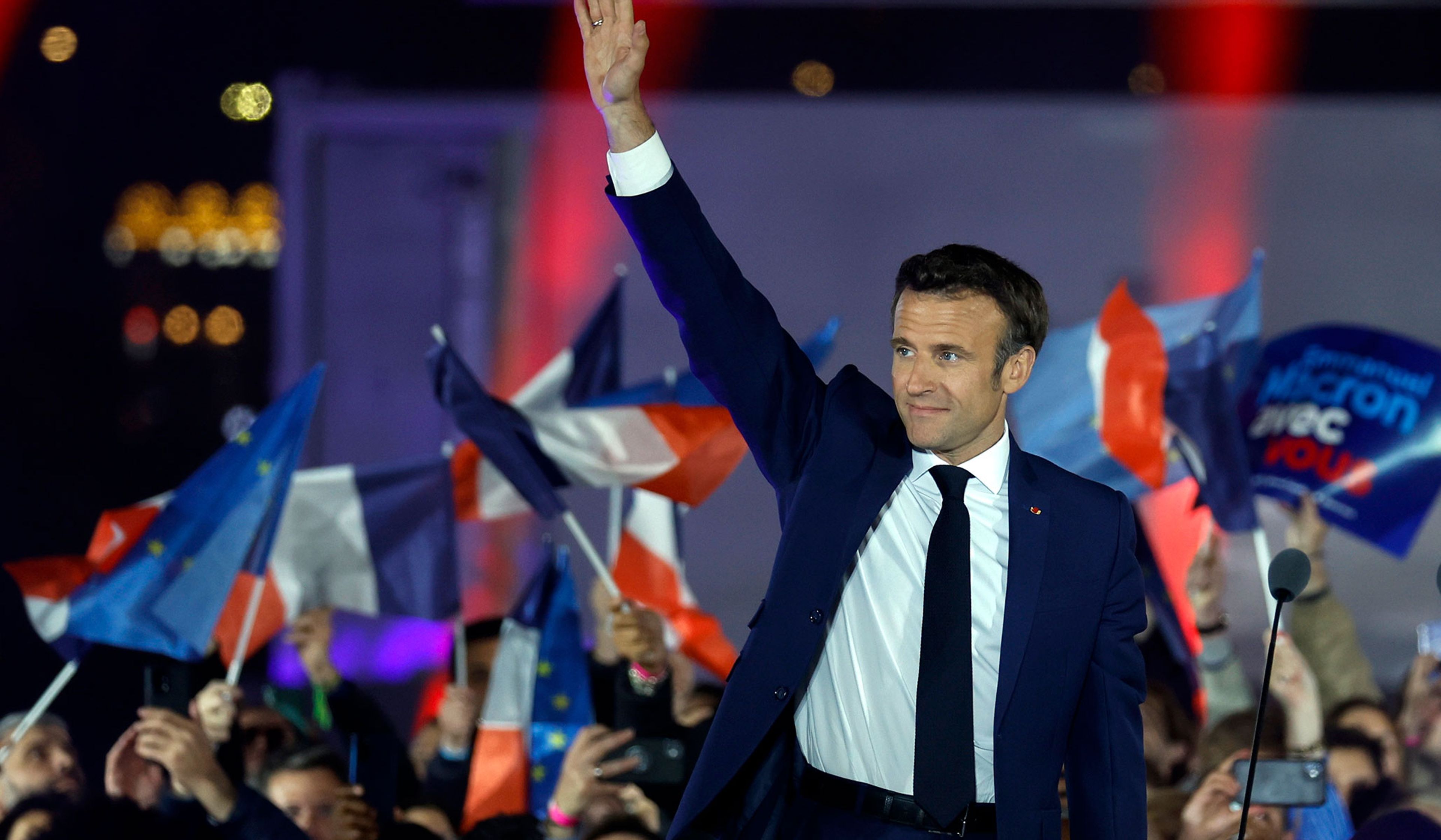
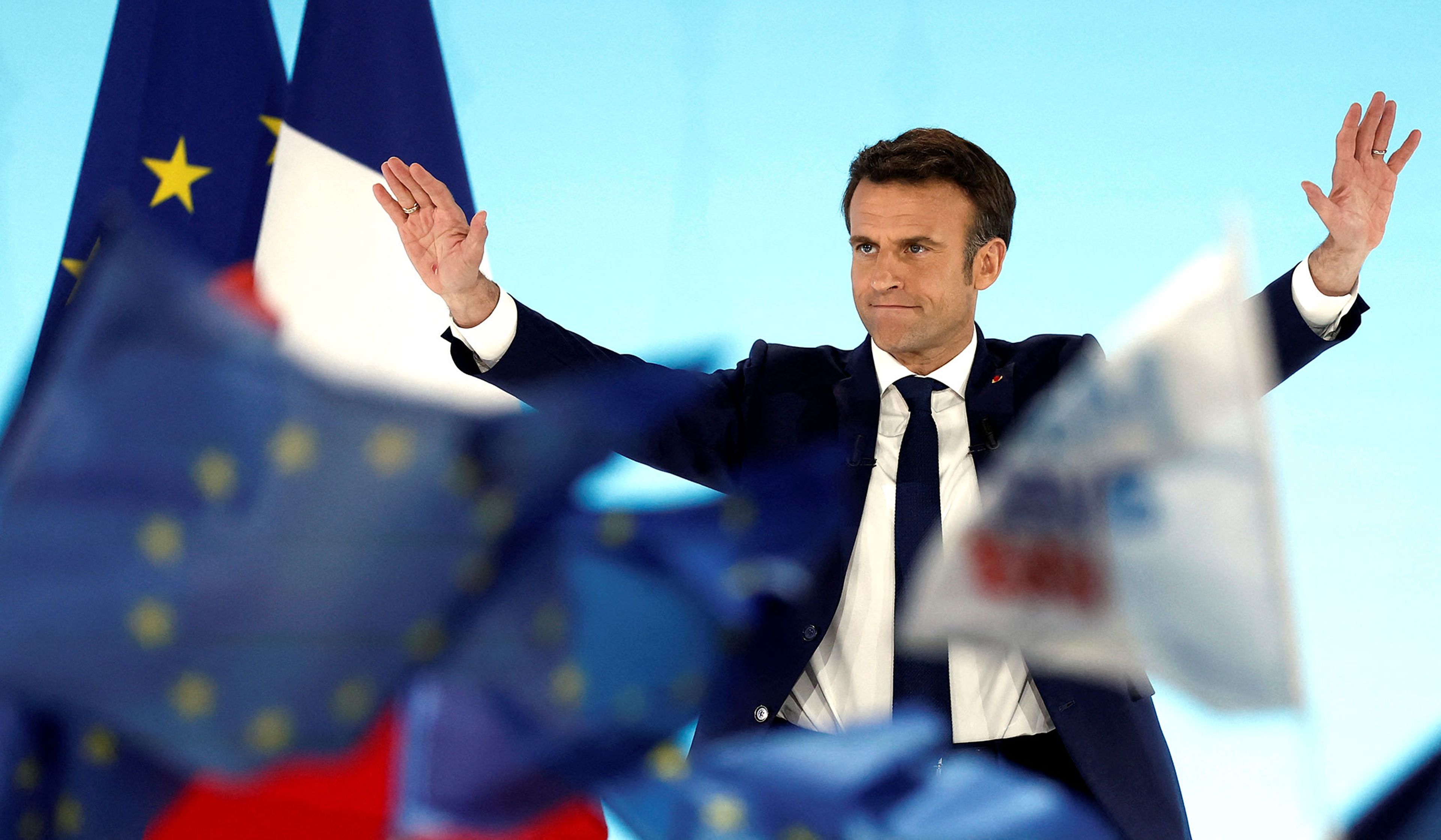
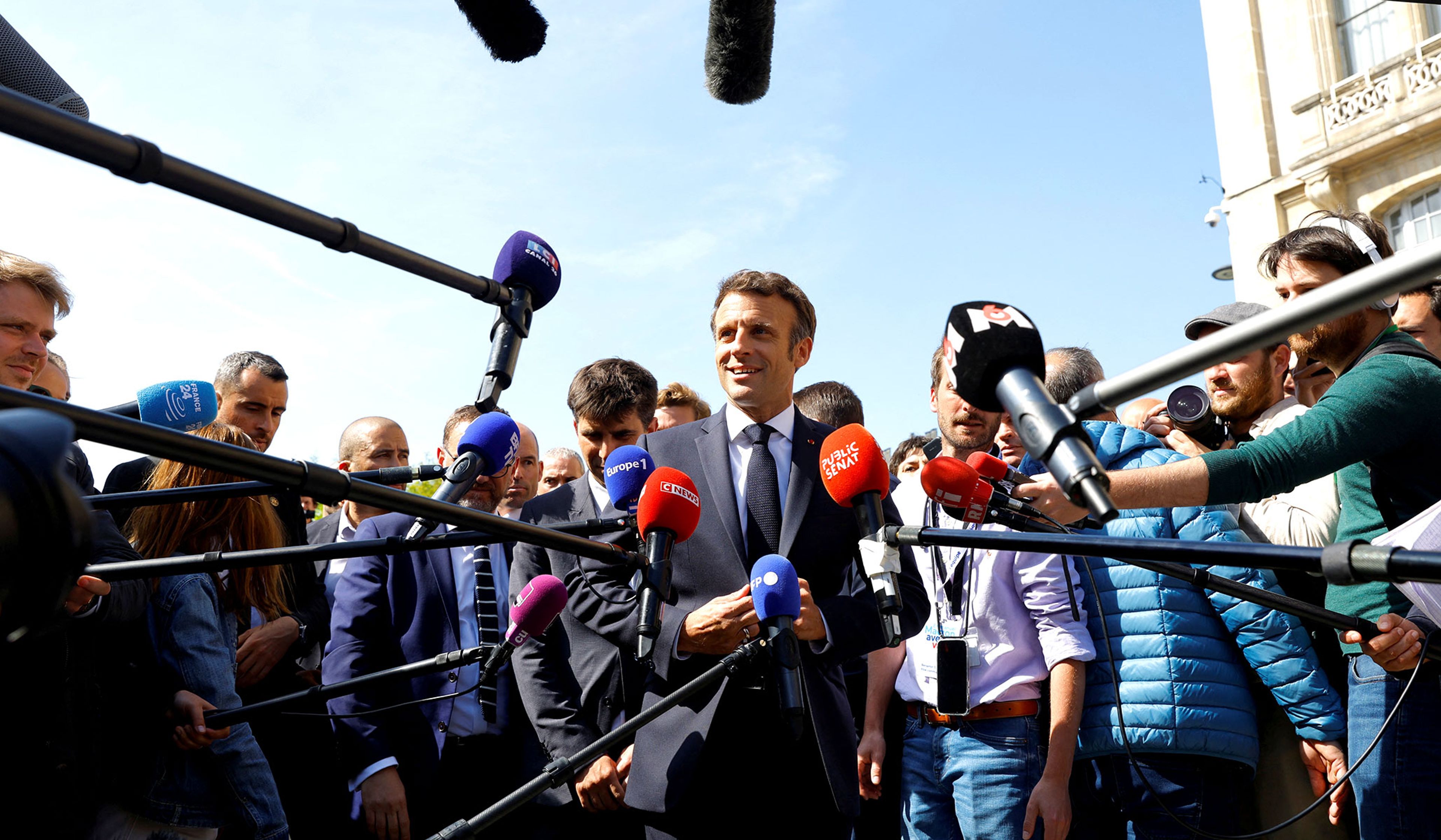
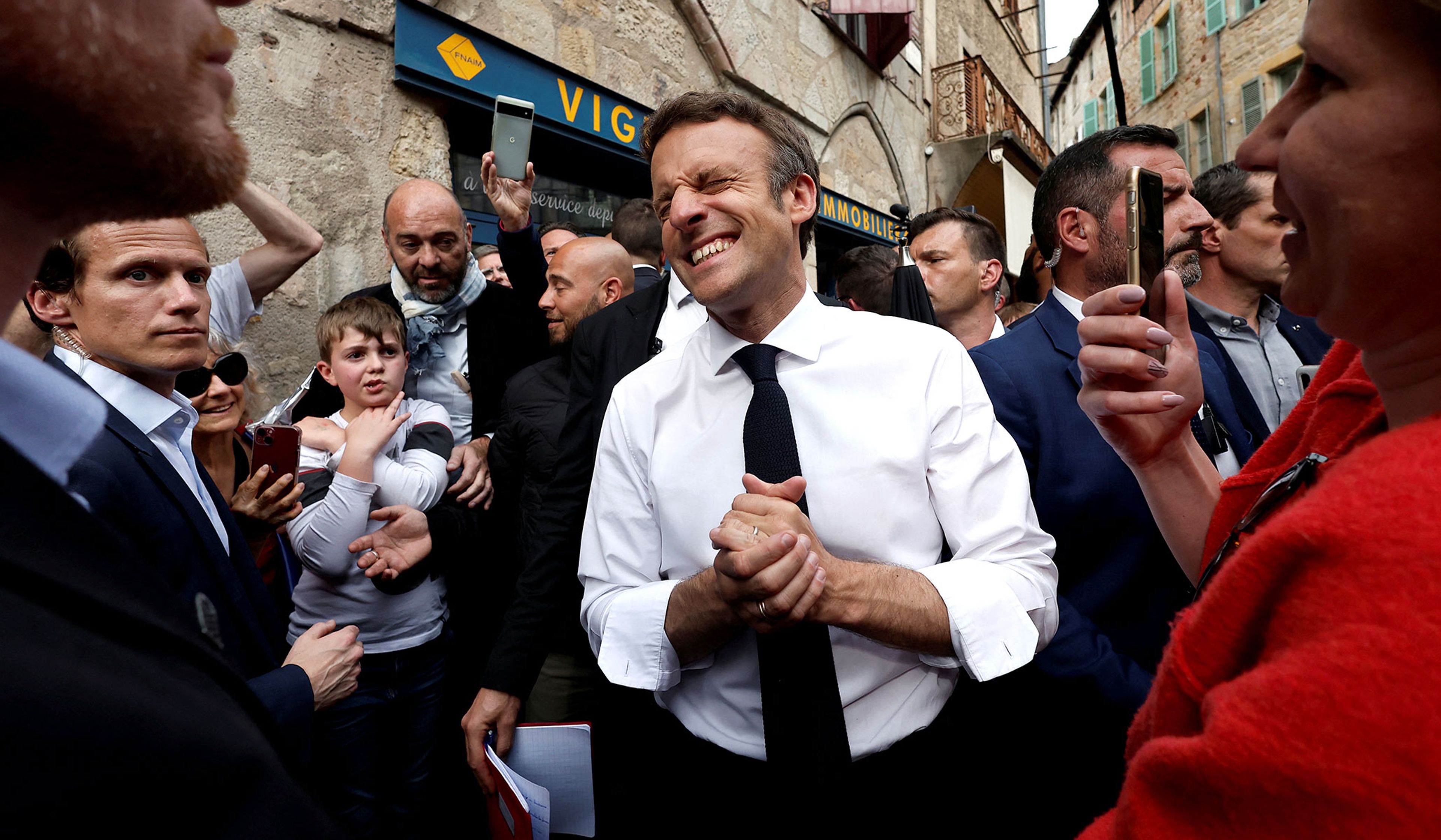
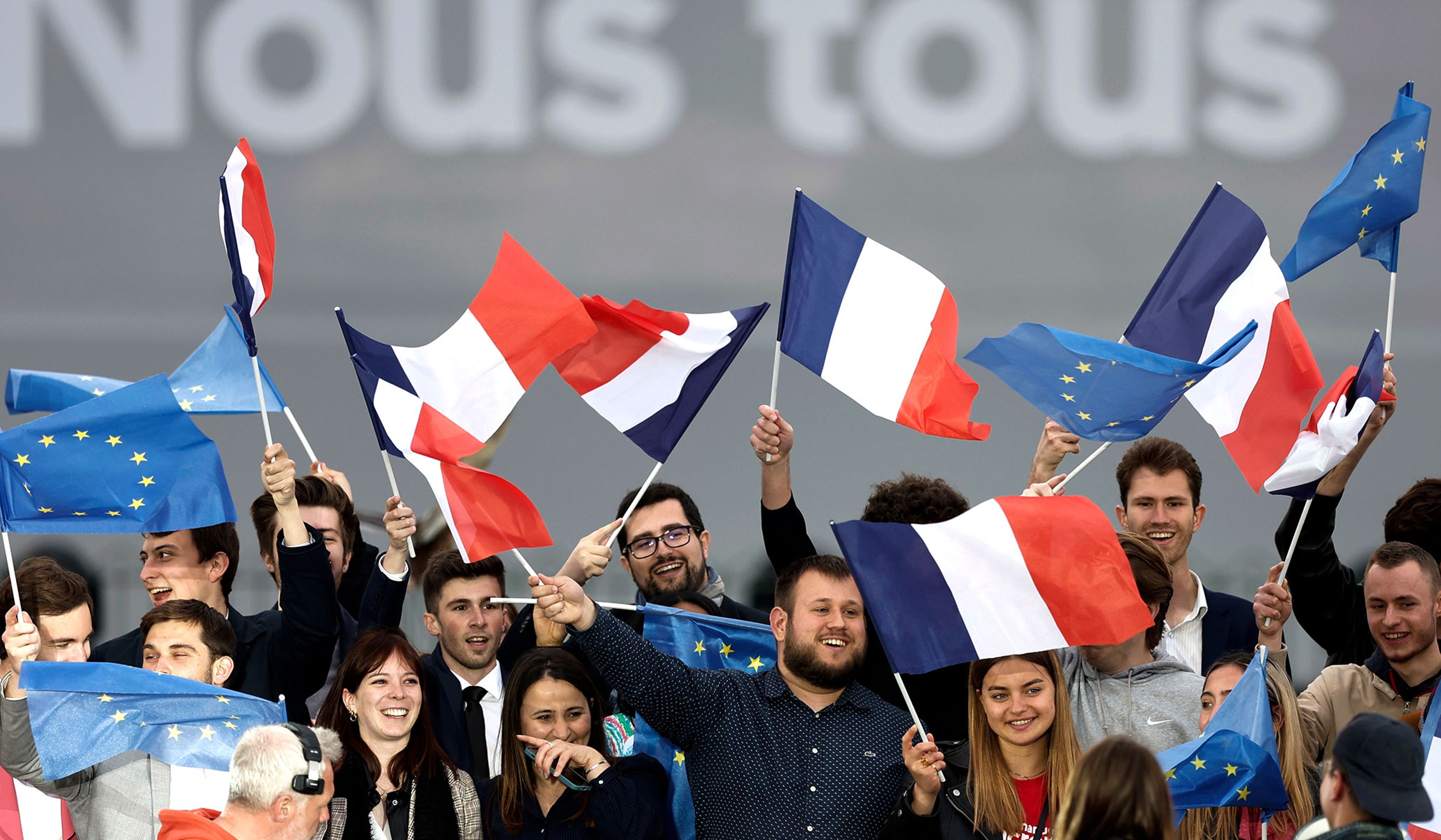
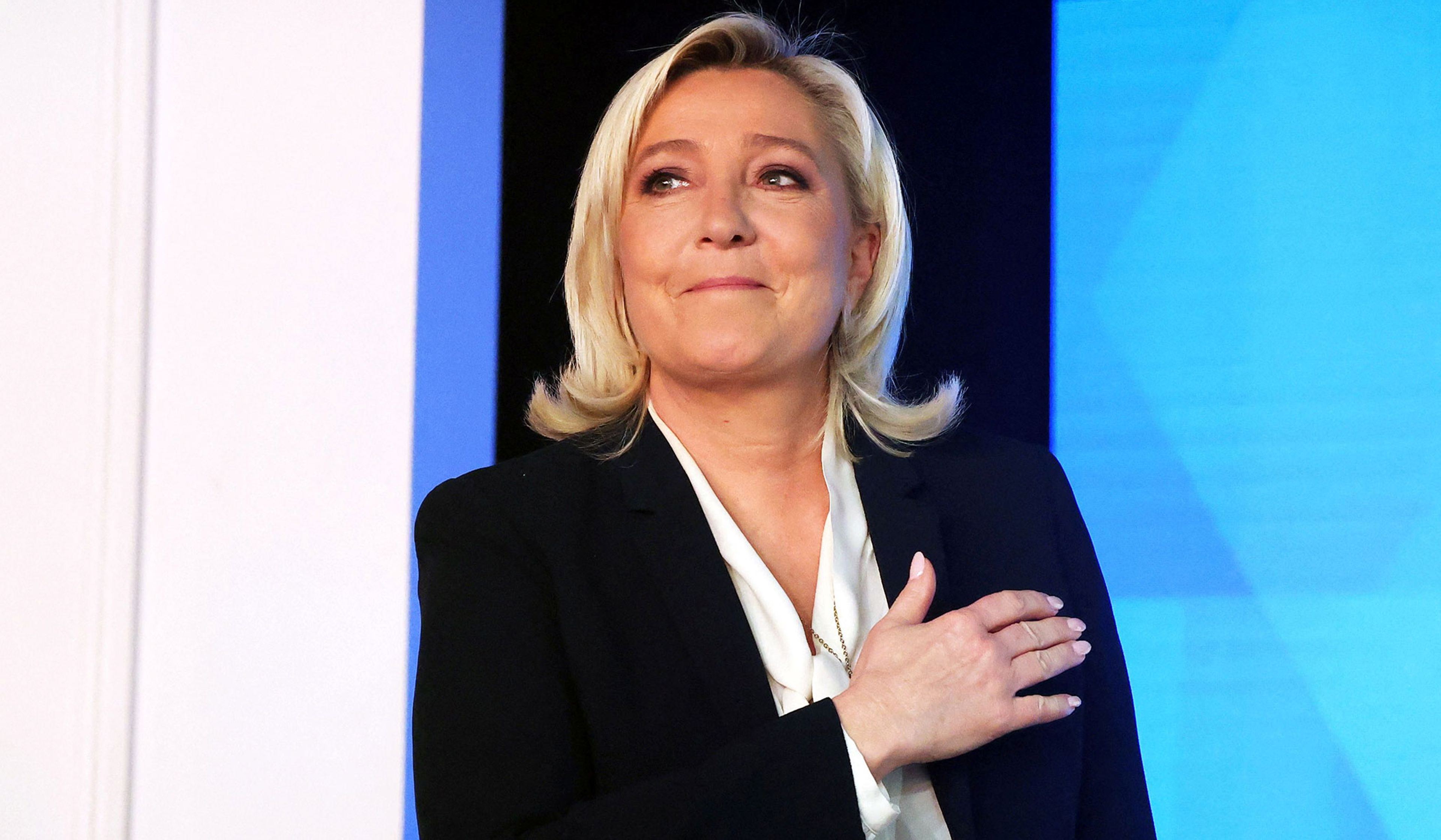
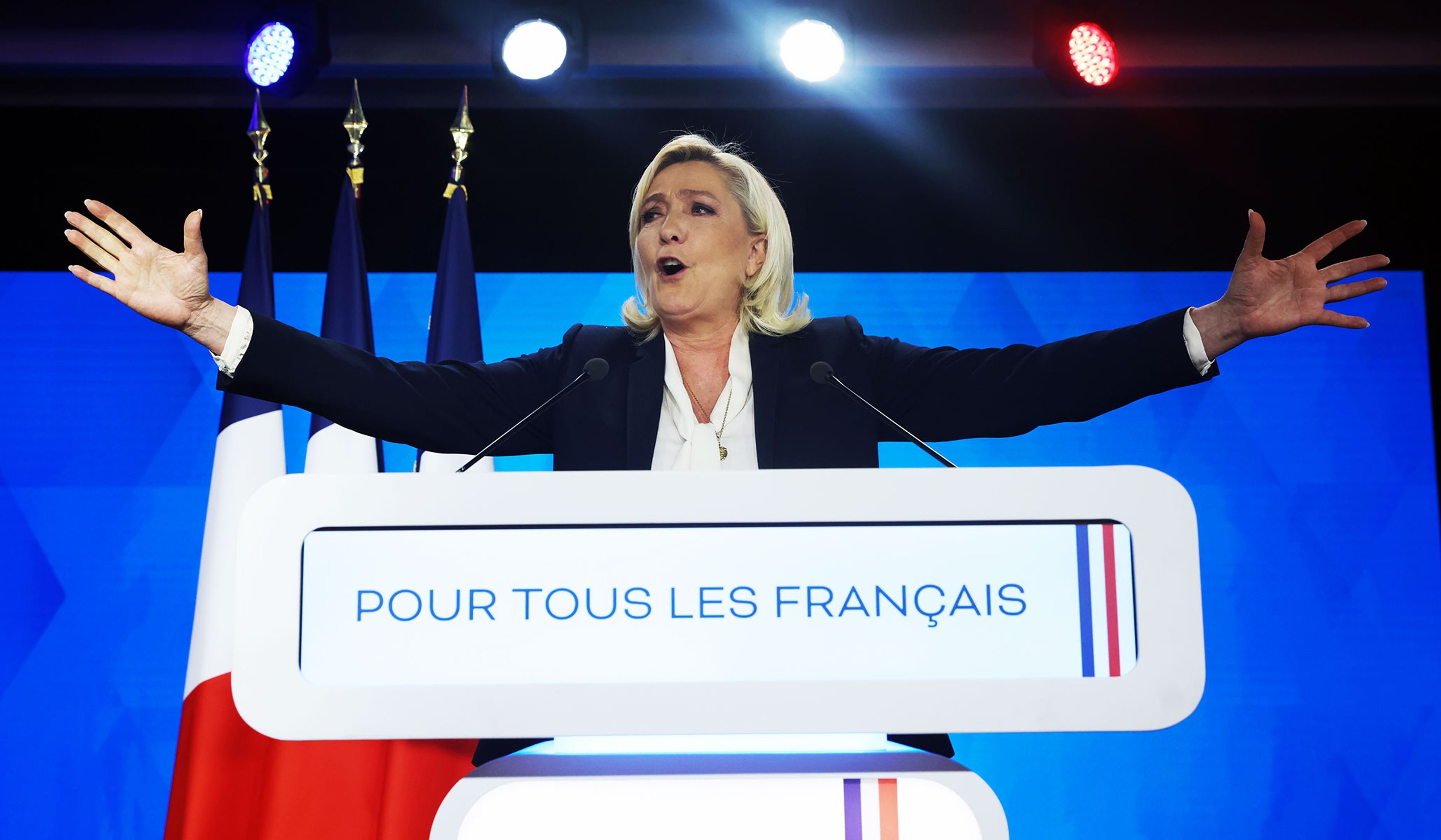
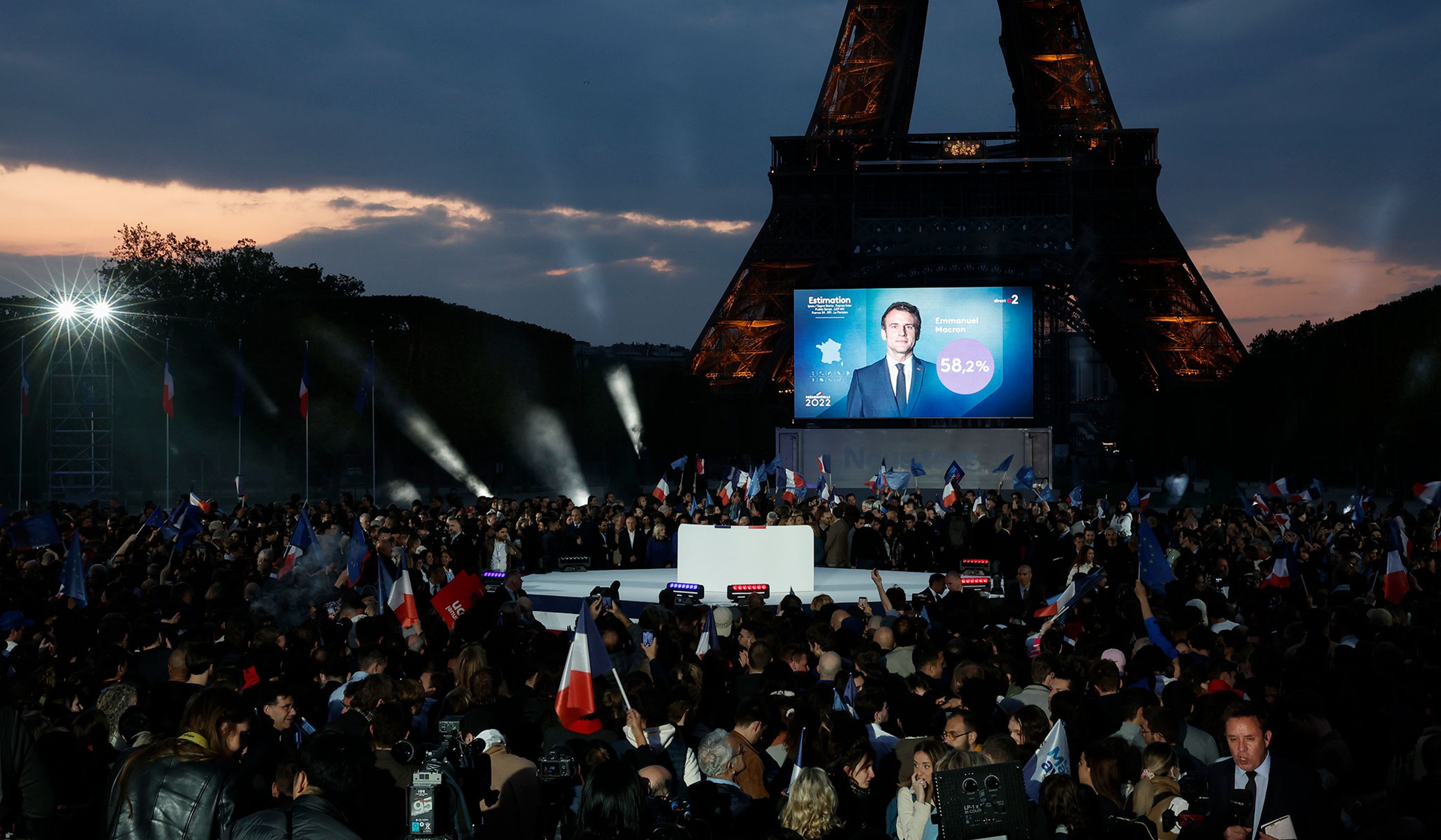
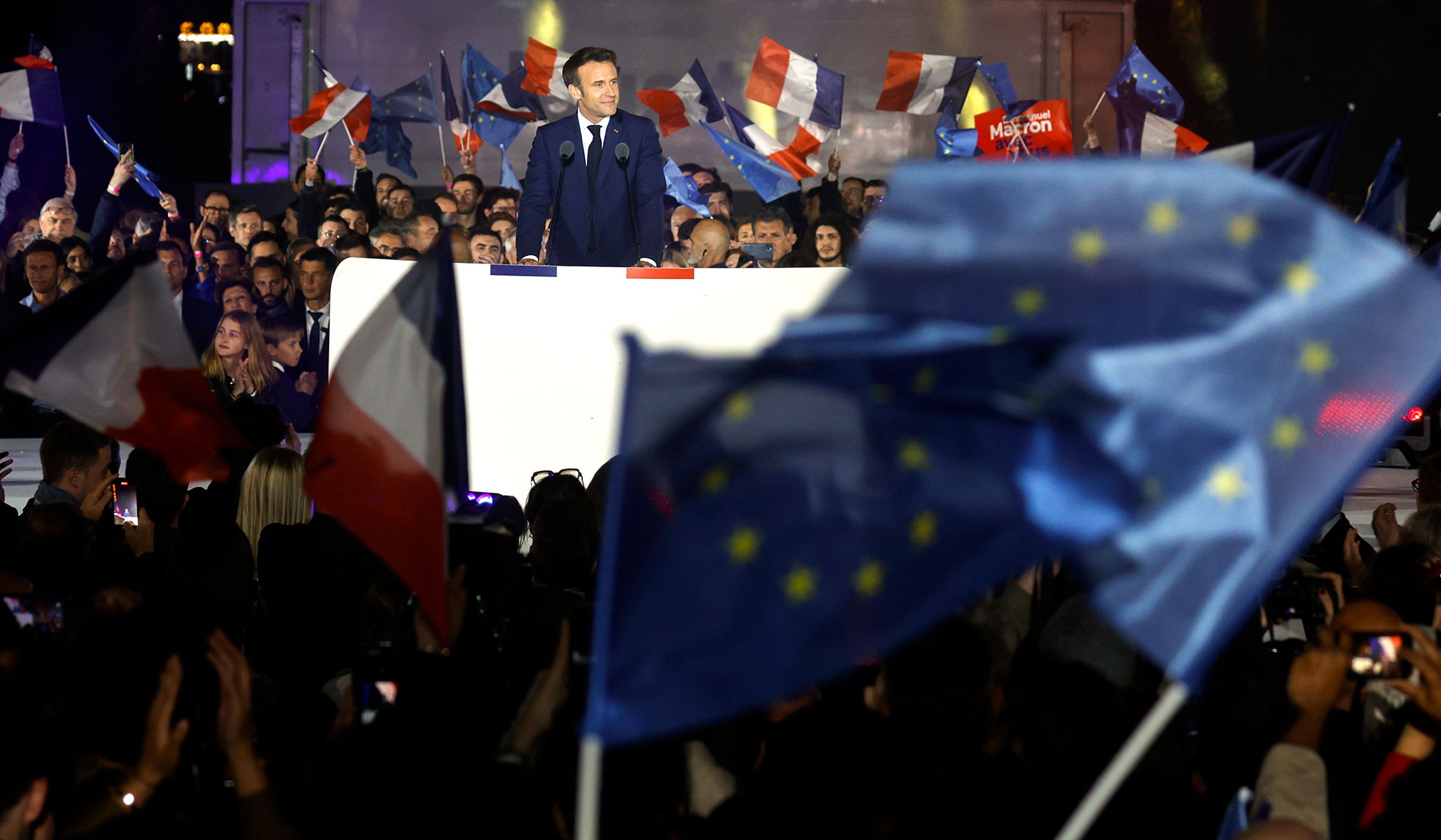
French President Emmanuel Macron waves on stage after being re-elected as president following the results in the second round of the 2022 French presidential election during his victory rally at the Champs de Mars in Paris, France, April 24, 2022.
Gonzalo Fuentes/Reuters






Comments