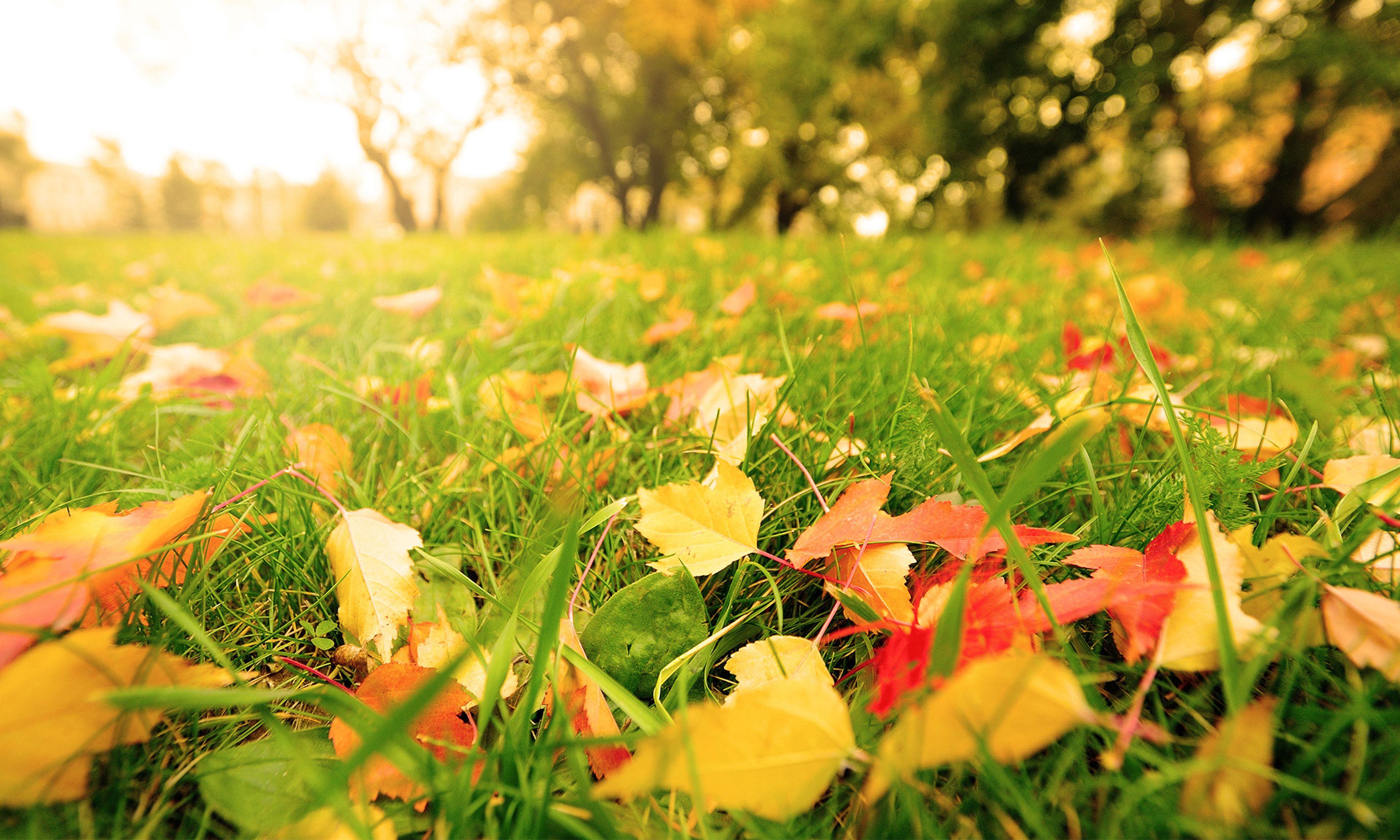
Ihave a lawn now. Soon I won’t.
The lawn I have has a regional name, the Catskill lawn, which indicates its impossibility. With preparation and vigilance, you can maintain a lawn here, but that, like owning print media or flying to Mars, is a hobby of the slightly crazy rich. The rest of us, who work with what nature has given us, find that our lawns disappear after the flush of spring because nature here gives with such a thrifty hand.
Winter is long. There can be thaws and melts in the middle of January, but snow returns in March, April, even May. The first grass to appear has a sickly look, as if unwilling to be revived. Living was hard, let me be dead a little longer. Lawns get a late start.
The underlying problem — in this case the dull metaphor suddenly becomes sharp — is the soil. The proverbial description of the soil here is “two rocks for every dirt.” The mountains on which we sit are not real mountains — folds of earth thrust up by volcanic or tectonic action — but the tops of long-gone cyclopean ranges, swept off and dumped by glacial brooms. The rubble is everywhere, and Brownian motion ceaselessly pushes pebbles, boulders, and slabs slowly up and up. I have seen pieces the size of small café tabletops manifest themselves over the years. Clever trees poke their roots down through the interstices; when they fall, they pull up skillets full of assorted stones. Eager grass can find enough dirt to spring up too, but it is not enough for the long haul.
The only way to enrich the meagerness is to do what I once did and put down a layer of soil. The expression “the whole nine yards,” I then learned, is not a football term but a unit of measure. My yards came in a truck, and hired hands spread them out. The grass where they lie has been richer ever after, but the edge is obvious; where the added soil ends is a line, as of a throw on a sofa.
I have tried seeding unimproved patches. A lot of my efforts go to bird snacks. What remains ungleaned will, if watered, come up, like a beard on a teenager. But malnourishment and summer heat shave it bare at last.
Now for a month I do have a lawn, green and glowing, from a distance at least. What is in it?
Splotches of dead leaves. I rake every fall, but I am not zealous about it, and I don’t use blowers. So lazy susans of leaves, aged by snow, remain. They are joined by other litter: the shells of hickory nuts the squirrels did not bus; droppings, the creature’s carte de visite. Spring flowers enjoy their unmowed flourishing. There are early, funny little white things, whose name I have never learned, like tiny, not very bright stars. Then dandelions, of course, with whom we made our peace when my wife read that the leaves make a nice salad garnish, if you pluck them before the plant flowers. The crowns of the season are violets. You have to walk carefully not to crush them: small purple ones; larger wrinkled purple and white ones; here and there, if you are sharp-eyed and lucky, yellow ones. Burke wrote about the unbought grace of life. These are it. I will not forget ajuga, a flowering ground cover whose blossoms are purple and whose leaves, which last all year, are dark and tough. Once it roots it will never leave you. Someone told me, unless I imagined it, that it follows footsteps. I walk a lot then. The shady bottom of the lawn is covered with moss — bristly, like a scrub pad. And of course, even in a Catskill lawn, there is grass. Some tufts of it stick up almost like onions, heedless of the warning that tyrants cut down the thrusting. At this time of year, even the lowliest grass has the soft wave of hair.
Why lawns, anyway? What explains their ubiquity? Is it aristocracy on the cheap, every tract house a Pemberley? Or is it nostalgia for the indigenes? If the ideal mid-century family had a house, a car, and a trailer, even as the ideal Great Plains family had a teepee, a horse, and a sledge, then the lawn is a little prairie, where the deer and the antelope play. No antelope here, Tonto, but I can vouch for the deer, who have to be fenced out lest they browse everything in sight.
The main reasons for lawns are ease and health. Without a lawn, you would have a meadow. For every stroll you would have to beat a path, and the ticks that lurk even in grass would roost knee-high.
With summer heat comes dearth, and swaths of lawn begin to peel away. Islands of dirt expand to continents. Maple trees, whose roots lie close to the surface, suck up whatever moisture there is and spread drought around their trunks.
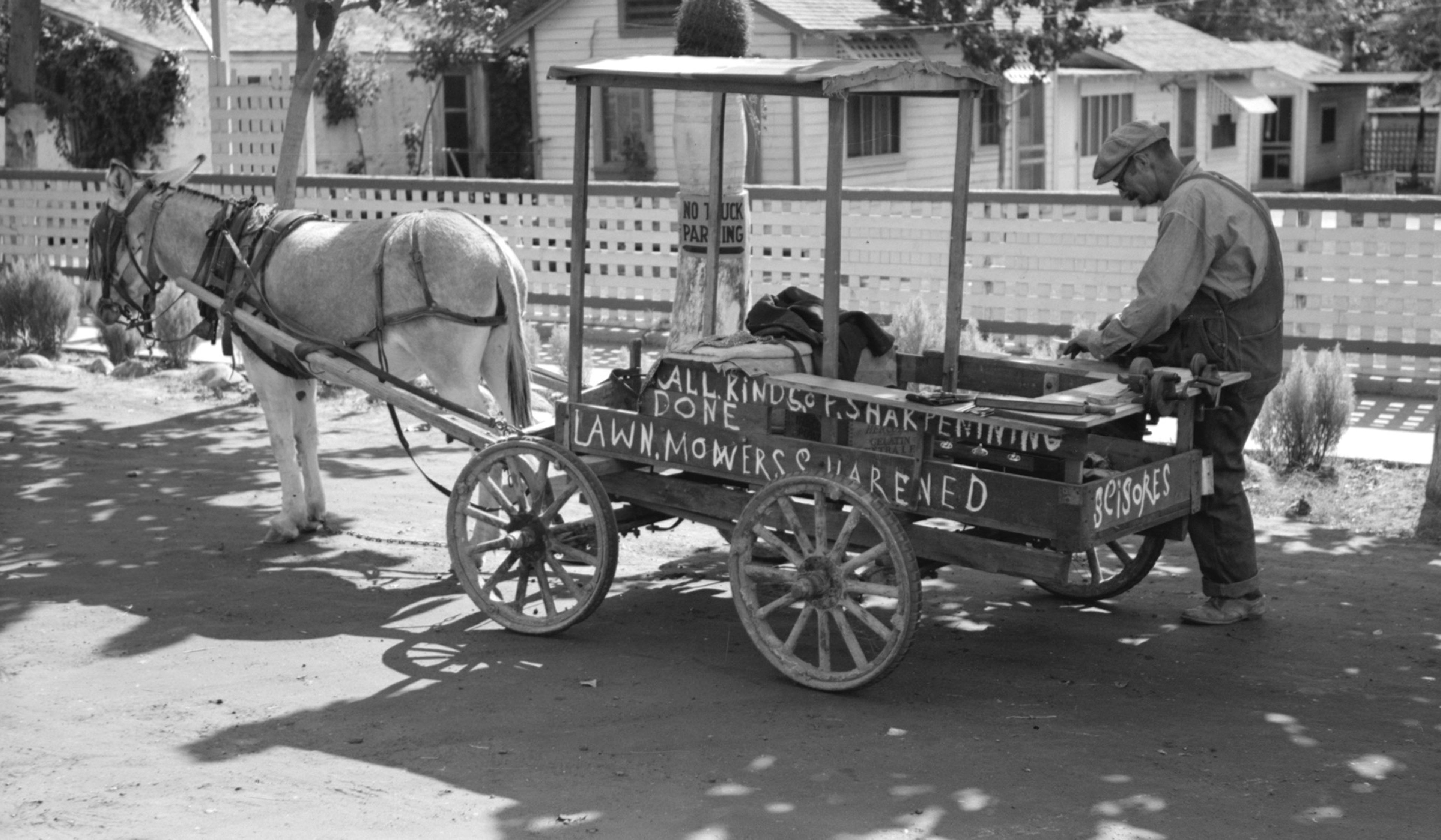
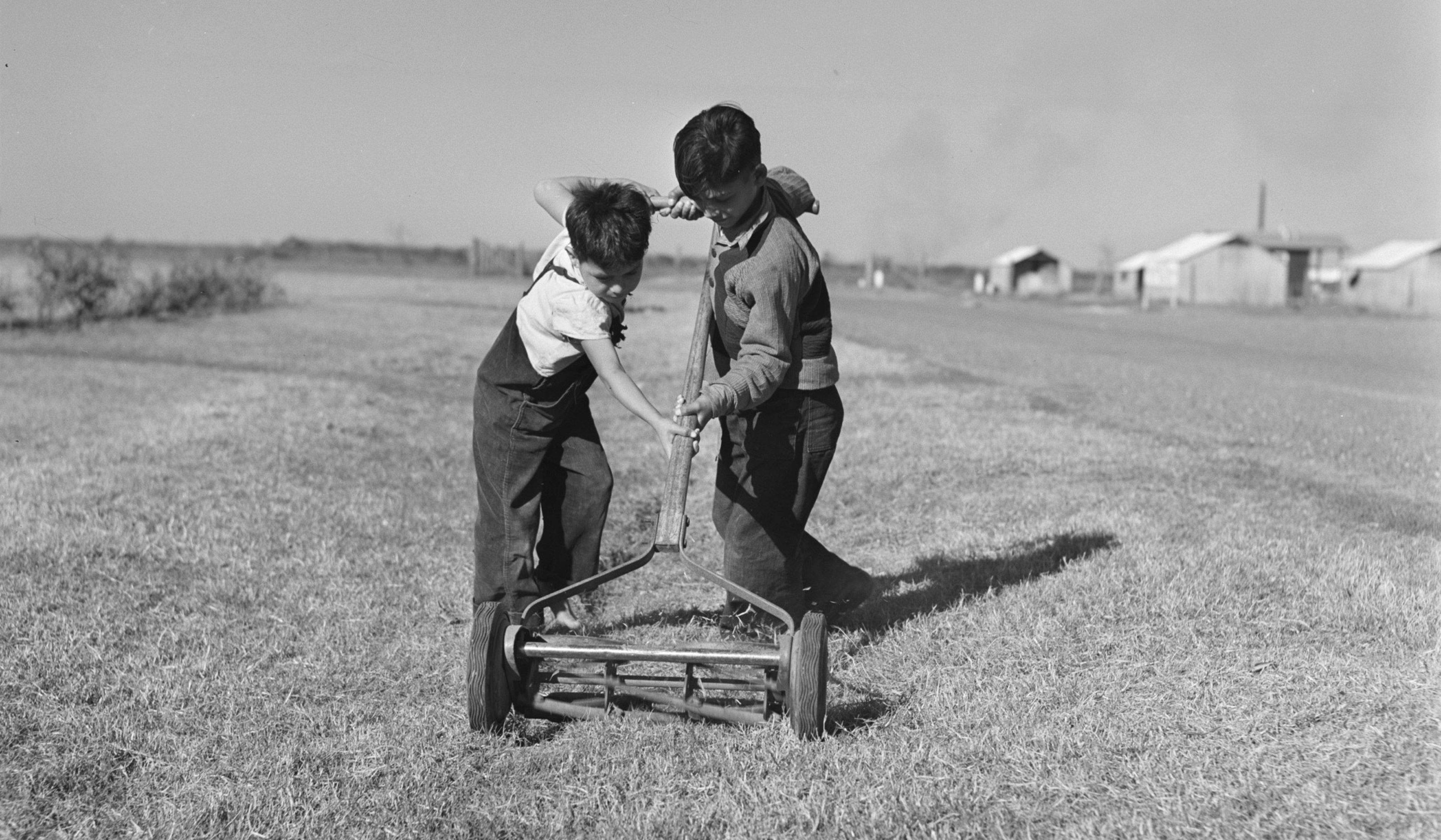
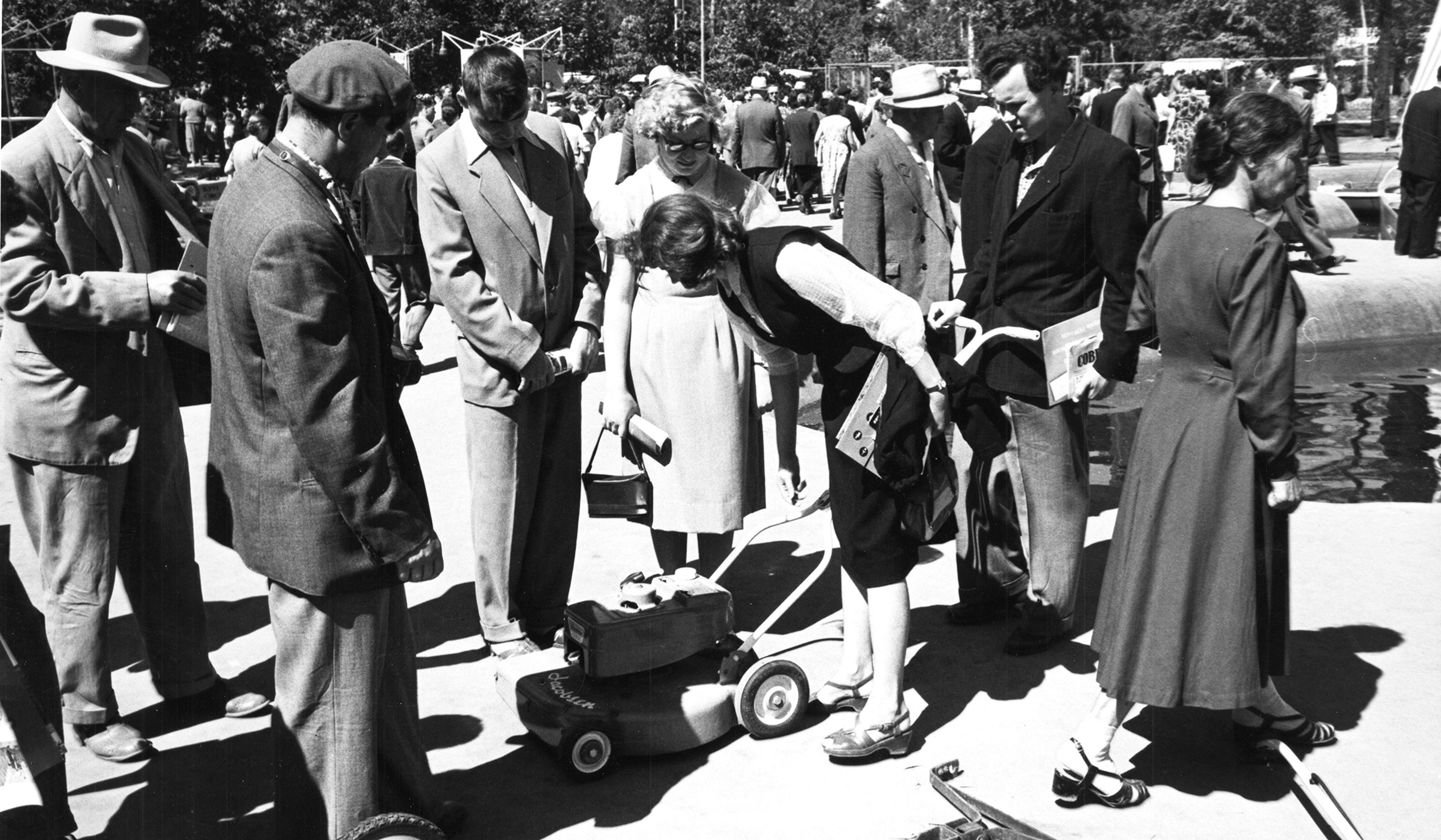
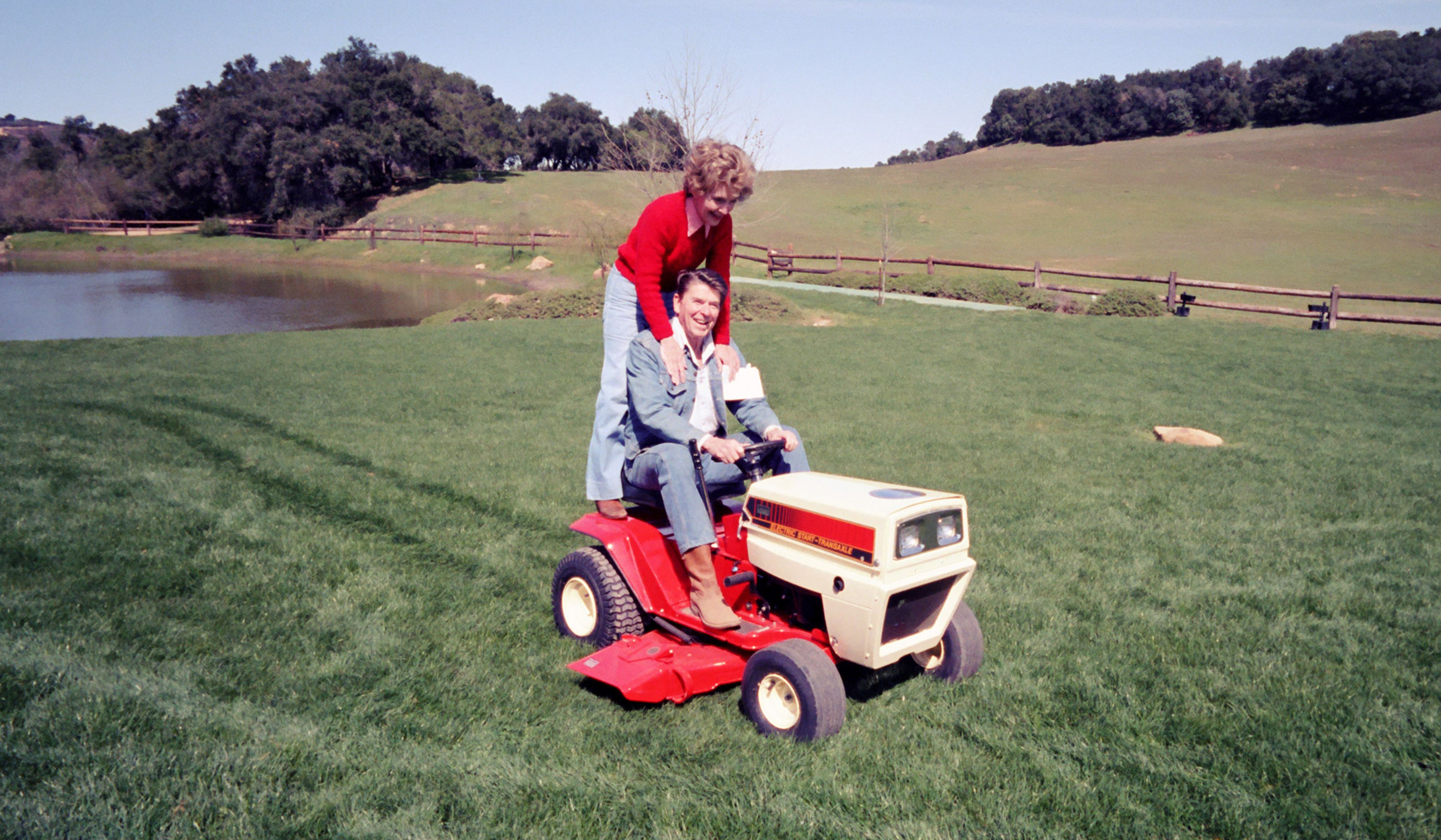
Even so, what remains will grow unless it is trimmed, and that means mowing. My father-in-law owned a red riding mower, which we inherited when my wife cleaned out her childhood home. I knew myself well enough to know that, although it was retro hip as vinyl records, I was not mechanic enough to maintain it. I bought instead an old-fashioned push reel mower, thinking it would be a meditative experience to circle round and round. A full acre turned out to be bigger than I thought, and picking the wadded grass off the blades was work on top of work. So a man and his son come periodically on their wide-bodied rigs and keep the seedlings in their place.
So it is through the months without an “r” in their names. Autumn rains will give the Catskill lawn another green blush, just as the first leaves turn red.
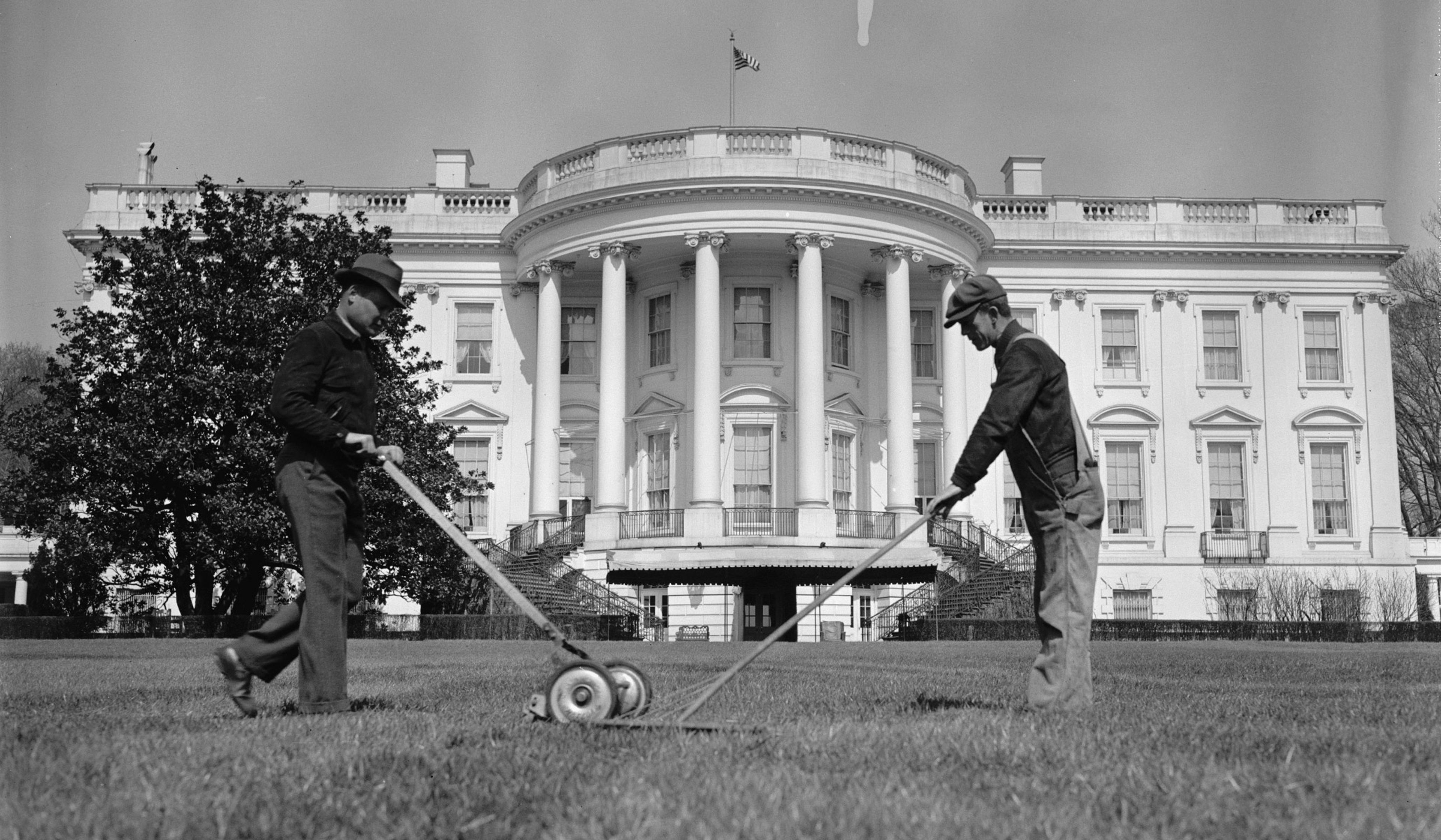
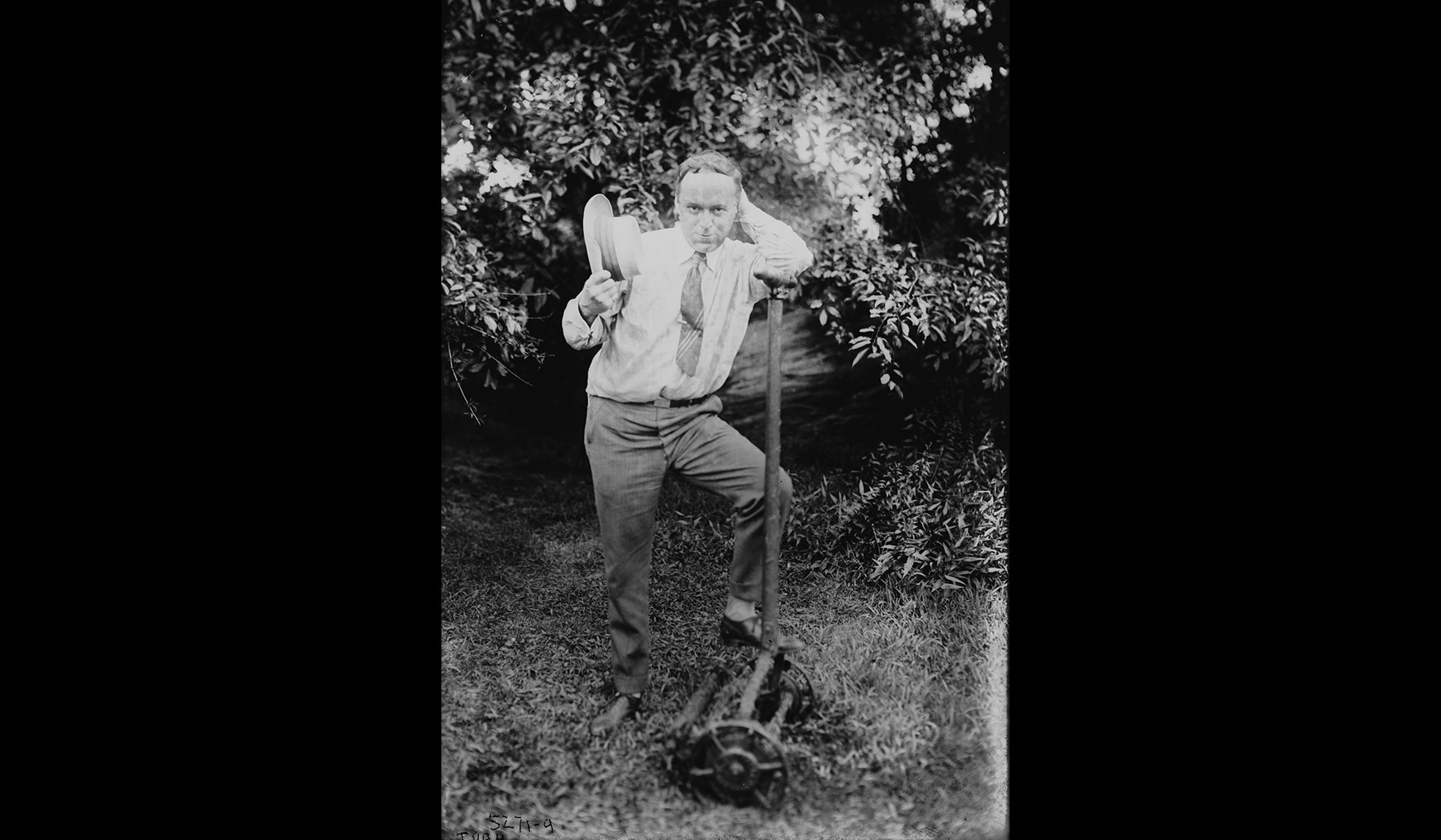
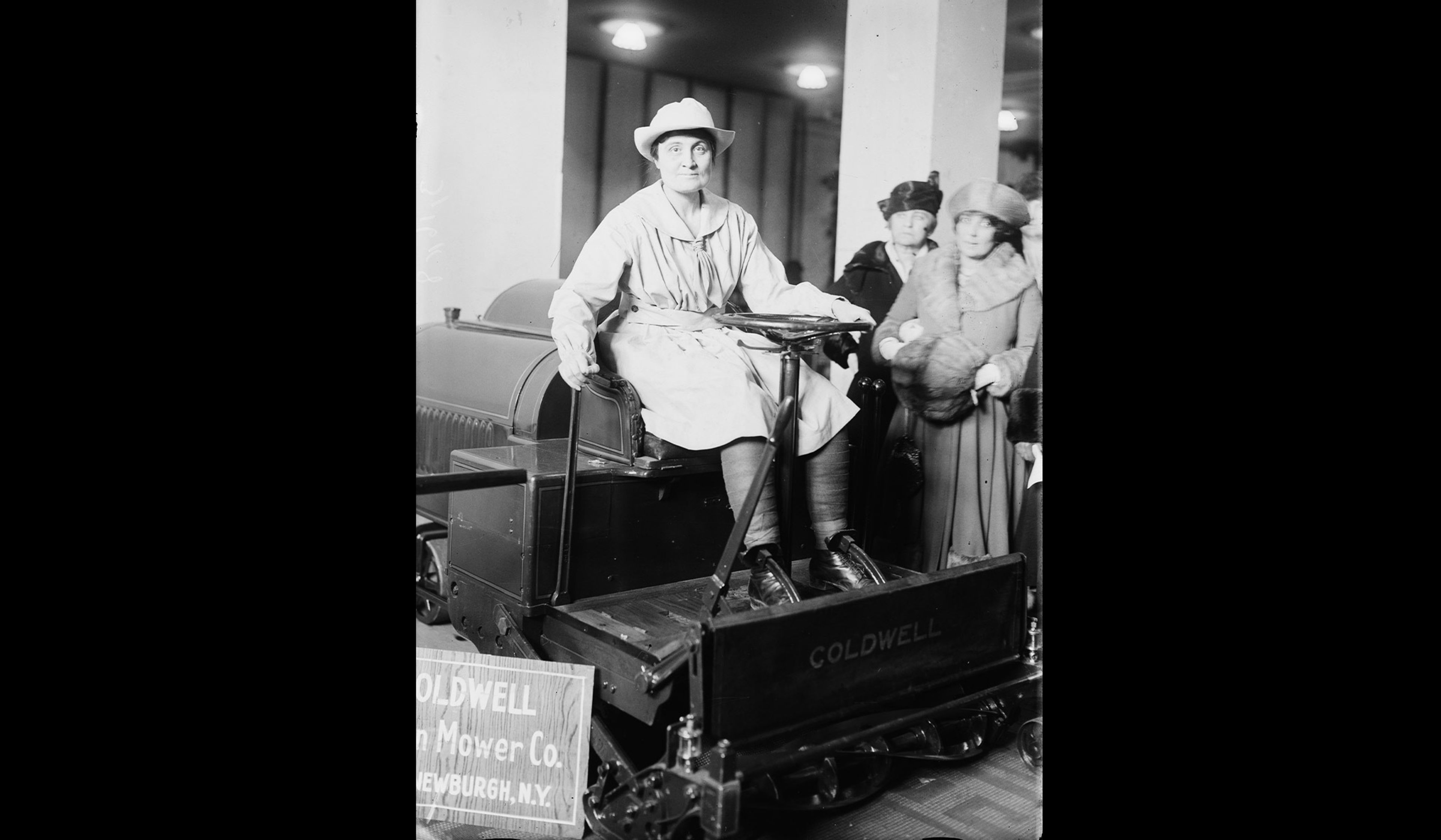
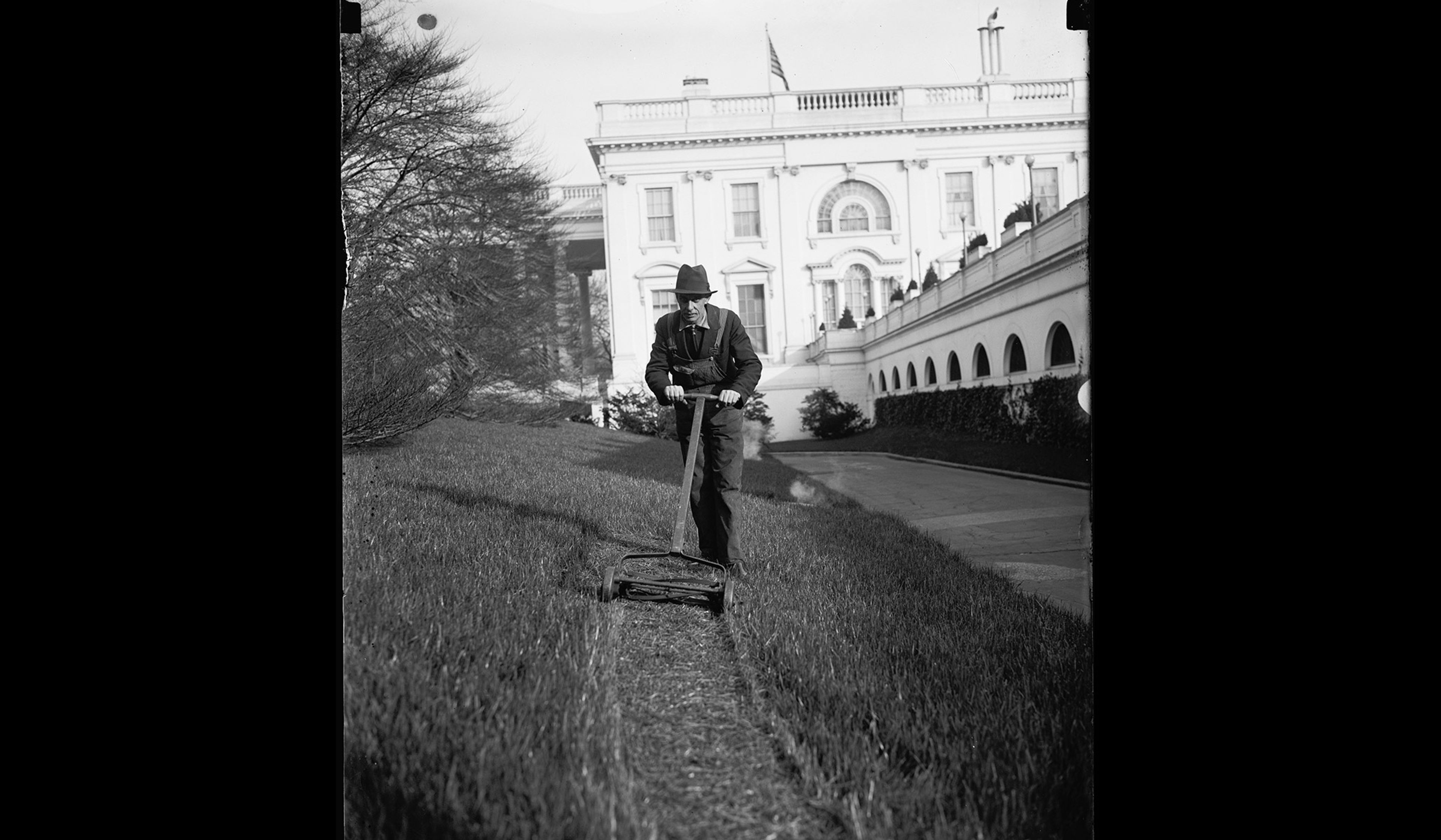
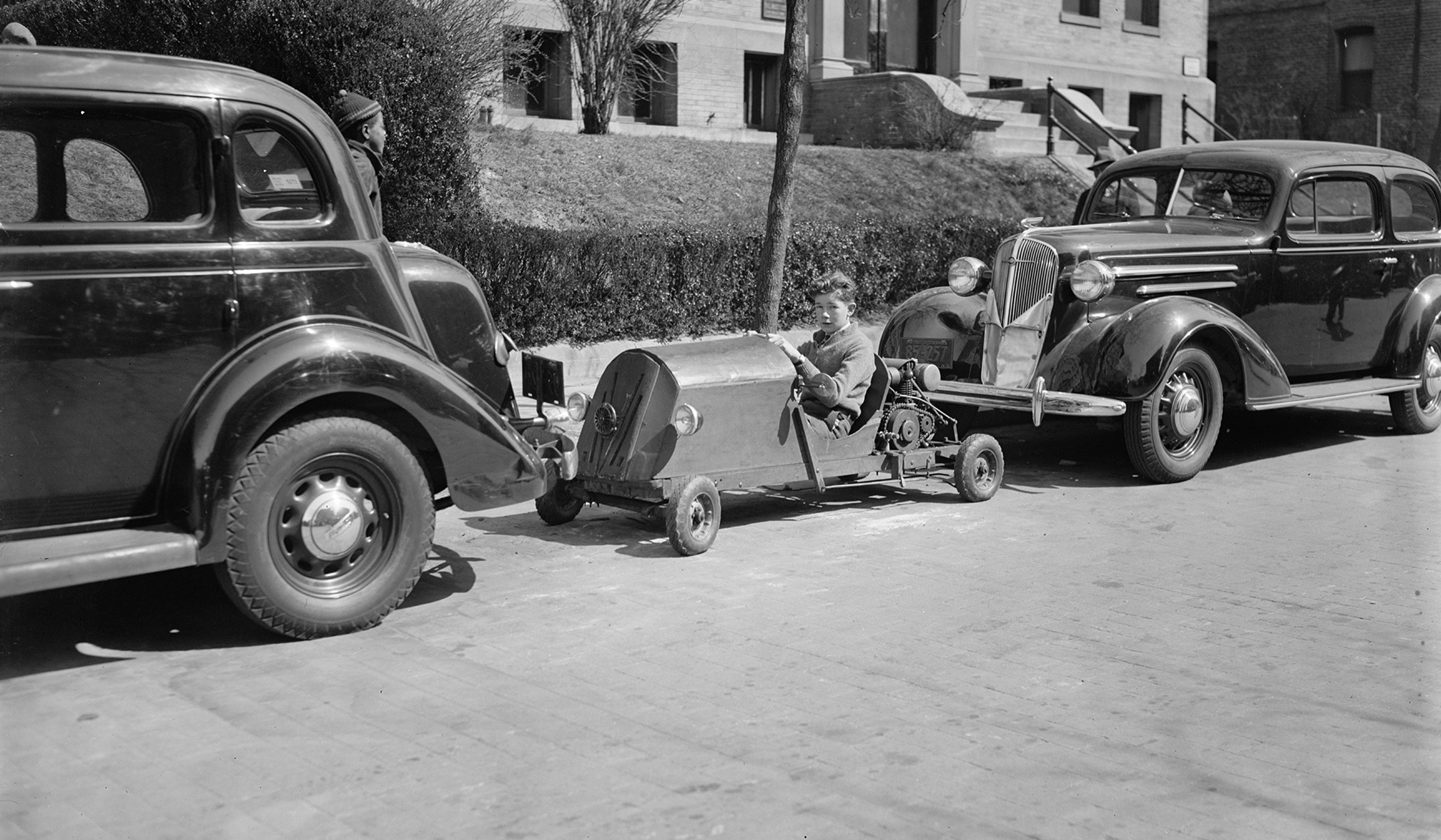
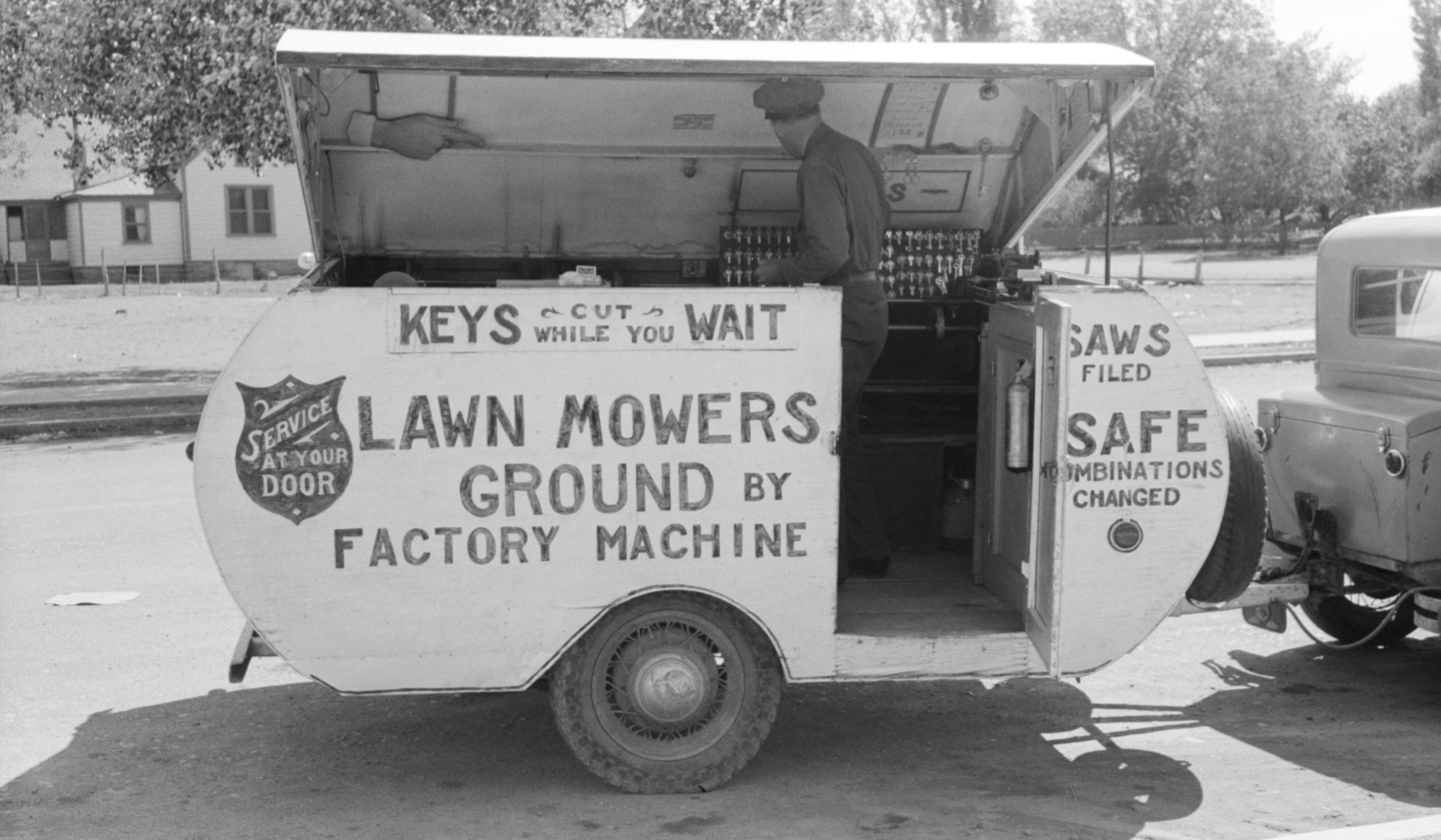
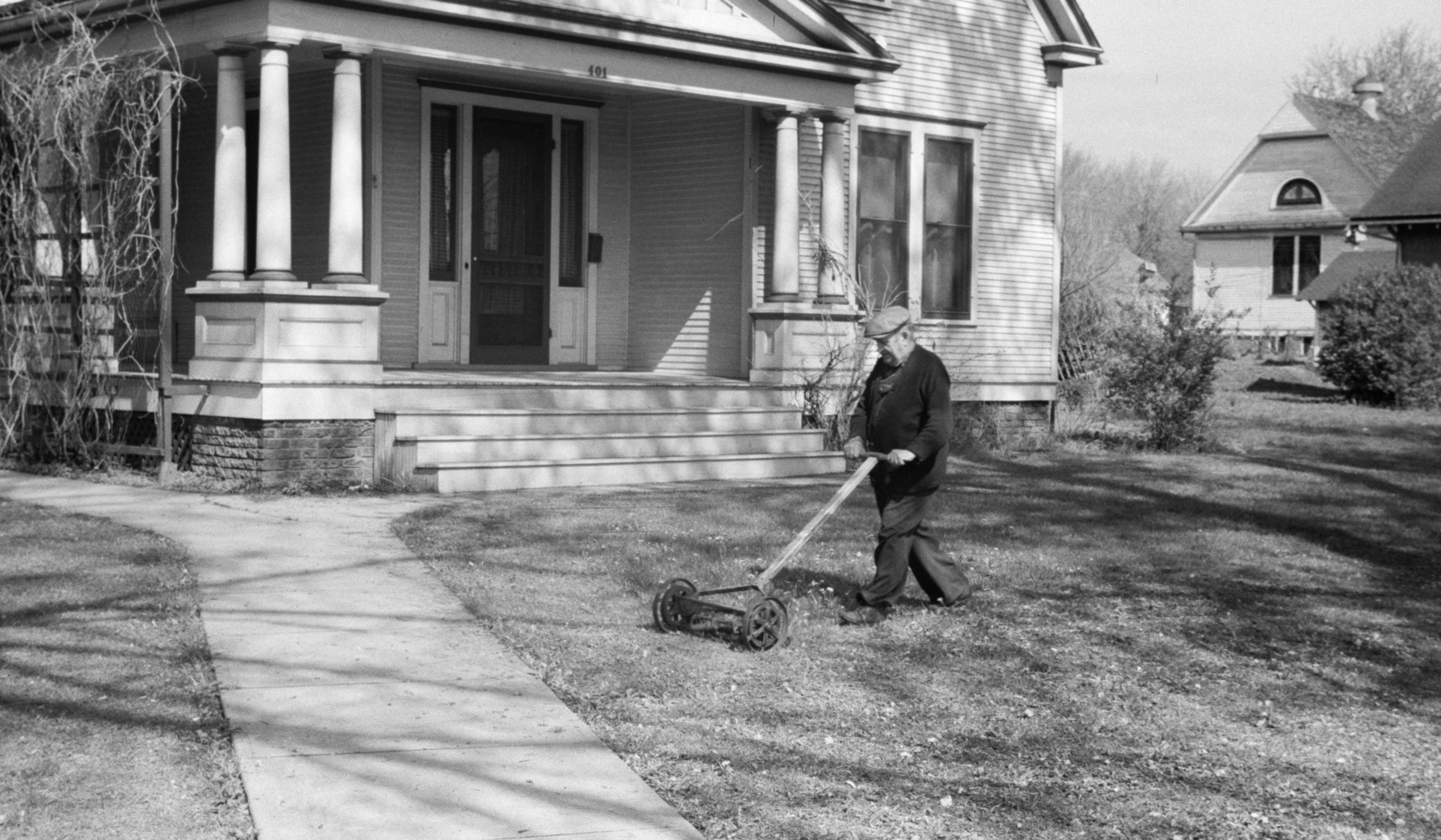
Mowing and raking the lawn at the White House, c. 1939.
Library of Congress












Comments