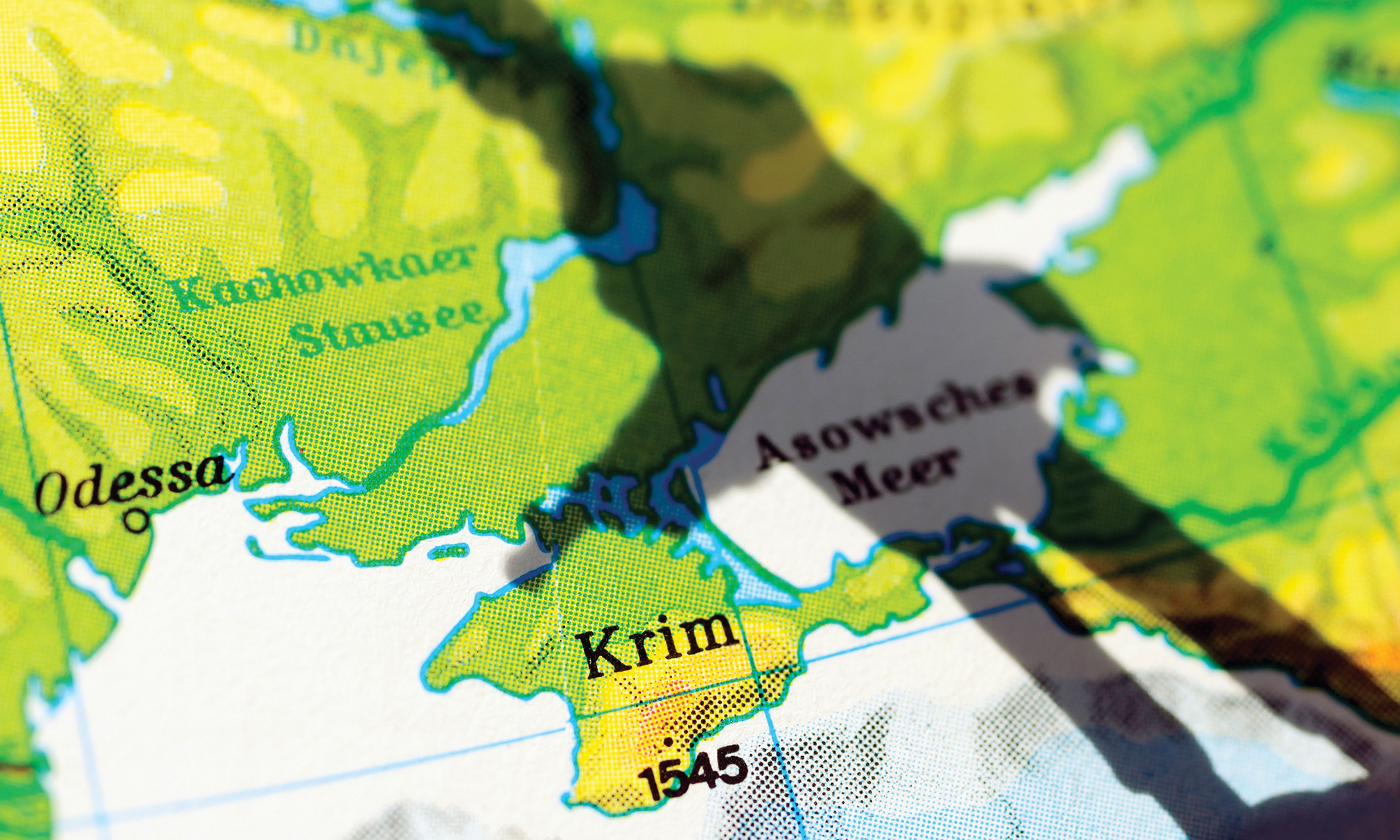
Henry Kissinger stirred up a hornet’s nest recently when he suggested that peace talks in Ukraine should seek a return to the status quo ante. Because that would recognize Russia’s illegal seizures of territory in the years before the war, the suggestion was widely slammed as appeasement.
The context is new, but the argument, pitting idealists against realists, is one of the oldest in American foreign policy. In staring down the Soviet Union, Ronald Reagan showed that American foreign policy is at its best when it takes a pragmatic approach to achieving principled goals. But a policy of principled pragmatism can be hard to come by. In the Fourteen Points he sought to impose on Europe after the First World War, Woodrow Wilson showed that when there is confusion about the interests at stake, an unrealistic idealism tends to shape America’s posture, often with a heavy dose of moral preening — and terrible results.











Comments