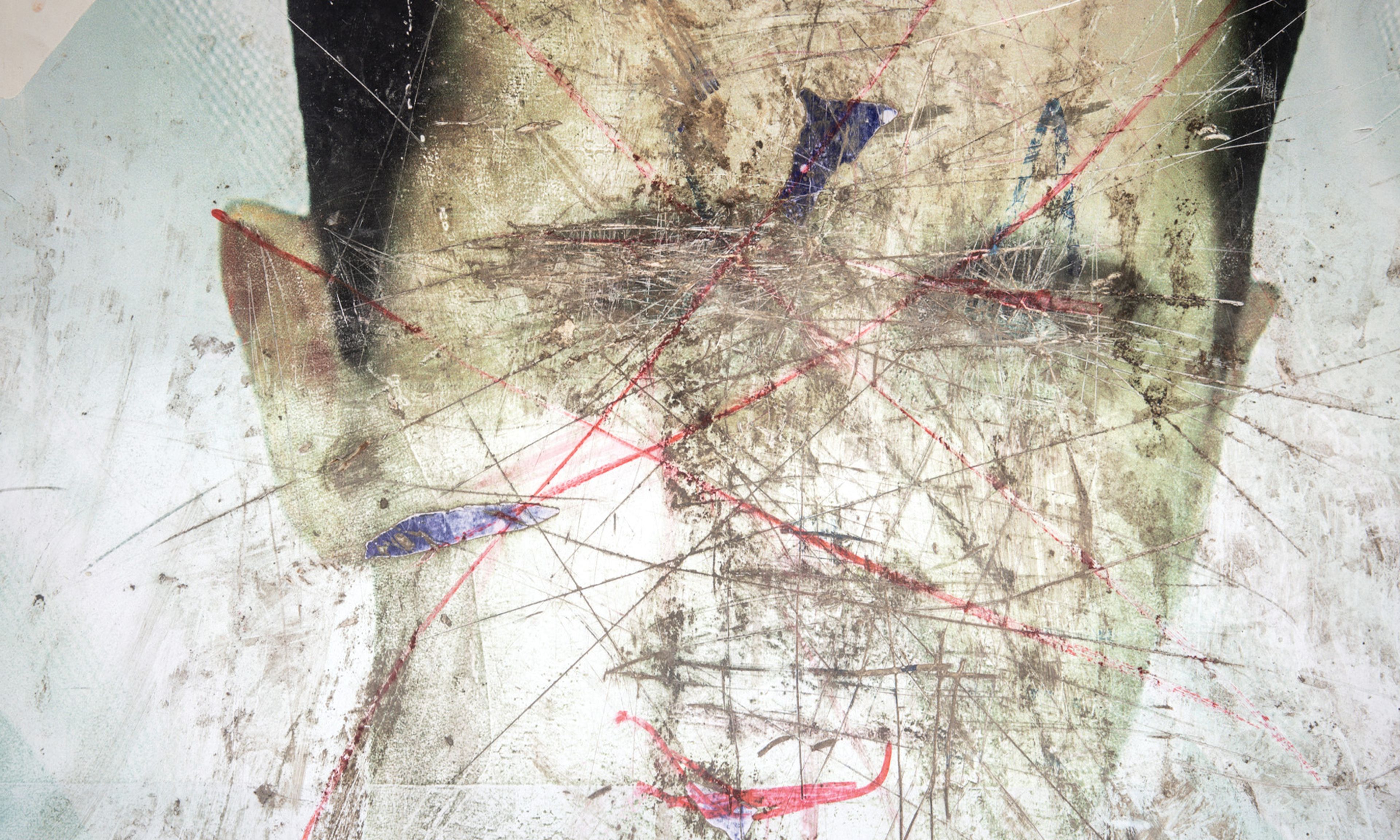
Schoolchildren began each day with a song of praise to Hafez al-Assad, “our eternal leader.” He died in 2000. He was succeeded by his son Bashar, who received similar praises. He is not dead, but he has been overthrown. By all accounts, he is now in Russia, under the gaze of his longtime ally and partner Vladimir Putin.
Family members and money preceded Bashar to Moscow. The Financial Times reported that his central bank “airlifted around $250 million in cash” into Vnukovo International Airport. This was during a two-year period when Assad “was indebted to the Kremlin for military support, and his relatives were secretly buying assets in Russia.”
For some 55 years, two men, and only two men, ruled Syria: Hafez and Bashar al-Assad. Think of it: A Syrian has to be in his middle 60s to have really known any life before Assad rule. The Duvaliers, in Haiti, ruled for 29 years (from 1957 to 1986). In Gabon, Omar Bongo and then his son Ali ruled for 56 years (1967–2023). Ali was overthrown by a cousin.
In North Korea, three Kims — grandfather, son, and grandson — have ruled since 1948. There is no end of that rule in sight. But then, such ends can come quickly and unexpectedly. The Assads’ did: in an eleven-day sweep by combined opposition forces.
The Assads were shockingly murderous and ghastly. There was all the killing, yes. But also the endless torture, rape, and other depravity. I have said “shockingly.” But the truth is, these absolute dictatorships tend to be alike.
Hafez al-Assad took power in 1970. His party, the Baath, had ruled since 1963. This party is a socialist one, with aspects of national socialism. Hafez’s No. 2, so to speak, was his younger brother Rifaat. He was the regime’s enforcer, its bloody fist. He was also Hafez’s presumed successor.
Remember Cuba: In 2011, it was not one of Fidel Castro’s sons but his brother Raúl who succeeded him.
In 1983, Hafez al-Assad had a medical crisis. Rifaat saw his chance. Maybe he could become No. 1 even while Hafez was still alive? Rifaat attempted a coup, but Hafez rallied. The dictator could have done anything to his traitorous brother. He chose a benign option: exile.
Hafez and his wife, Aniseh, had six children. The eldest was a daughter, Bushra. Her father adored her and brought her into his councils. She might have succeeded him — but she was a girl.
In Haiti, Papa Doc’s daughter Marie-Denise would have succeeded him, but for her sex. Her brother, Jean-Claude, was much less suited to dictatorial rule — but he was a boy.
After Rifaat’s betrayal, the intended successor of Hafez was Bassel, the dictator’s eldest son. He was a golden child, in national lore (and propaganda). Indeed, he was called “The Golden Knight,” in honor of his equestrian skills. He was glamorous, enjoying sports of various types, and fast cars. Hafez began to prepare the public for the succession. For example, he styled himself “Abu Bassel,” or “Father of Bassel.”
On January 21, 1994, something terrible happened: Bassel was killed in a car crash. There is a story told, not confirmed, but believable. I will tell it, as long as the reader understands that it is a tale, not fact (however credible the tale).
None of the leading generals was willing to inform Assad of Bassel’s death. So they agreed to a strategy of “safety in numbers”: They would all troop in to give the dictator, and father, the news. When they were assembled before him — and had not yet uttered a word — Assad looked at them and said, “Okay. Which one of you has led this coup against me?”
That very day — January 21, 1994 — Assad summoned his second-eldest son, Bashar, back from London. Bashar was an ophthalmologist, age 28, doing a residency at the Western Eye Hospital. He was very different from Bassel: shy, gawky, unglamorous. No one had imagined him for dictatorial rule. But he was brought home to be groomed.
The regime put out a new slogan: “Hafez is our symbol. Bassel is our model. Bashar is our hope.” Posters depicted the three men. Foreign diplomats in Damascus cracked, “The Father, the Son, and the Holy Ghost.”
Bashar had six years of grooming, as his father died in 2000, at 69. Bashar was 34. Looking on from Spain was an interested party: Uncle Rifaat. He made it known that he would return to assume his rightful place on the throne. Bashar and his allies made it known to him that, if he returned, he would be killed. Rifaat stayed put.
With the international press, Bashar enjoyed a honeymoon. He would be different from his austere father, or so it seemed. Bashar liked Phil Collins, the British rock star. And the Electric Light Orchestra.
Adding to the honeymoon, Bashar got married — to Asma Akhras, a London-born beauty, the daughter of Syrian parents. She had worked at Deutsche Bank and J.P. Morgan. Their first child was a son, Hafez II (a ready-made successor).
In the first year or two, Bashar al-Assad liberalized. He allowed Syrians more room to breathe and speak. Ali Ferzat, a famed cartoonist, started a satirical magazine, Al-Domari, or “The Lamplighter.” It was the first independent magazine in Syria since the Baathists took power back in ’63. Excitement and relief were in the air, as Ferzat recounted to me in a 2013 interview.
The moment was just that — a moment. Evidently, Assad decided that he had been too lenient, and he tightened the noose. He stomped on every liberal bloom. His No. 2 — his enforcer — was his younger brother Maher. In other words, what Rifaat had been to Hafez (before 1983), Maher was to Bashar — but even bloodthirstier than Rifaat.
Once again, Syria was a “republic of fear” (to borrow Kanan Makiya’s famous description of Saddam Hussein’s Iraq). An exile journalist, Waad al-Kateab, told me, “When I was growing up, we kids were admonished, ‘Be careful what you say. Even the walls have ears.’” Previously, a North Korean refugee, Yeonmi Park, had told me, “When I was four, my mother said, ‘Don’t even whisper. The birds and mice will hear you.’”
In Syria, students were made to hail Bashar al-Assad every morning, chanting, “We are his sons and daughters,” “We are his soldiers.”
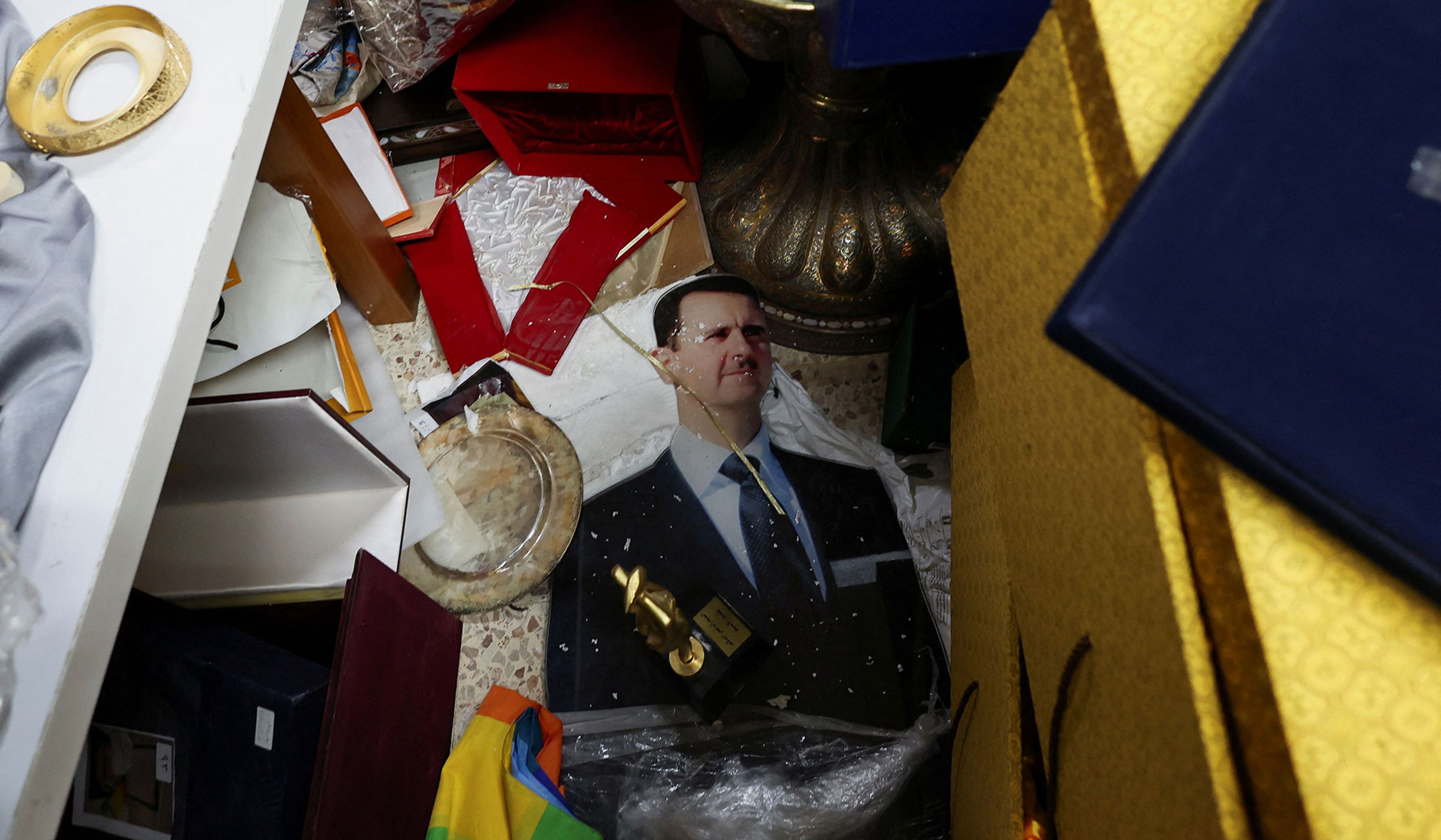
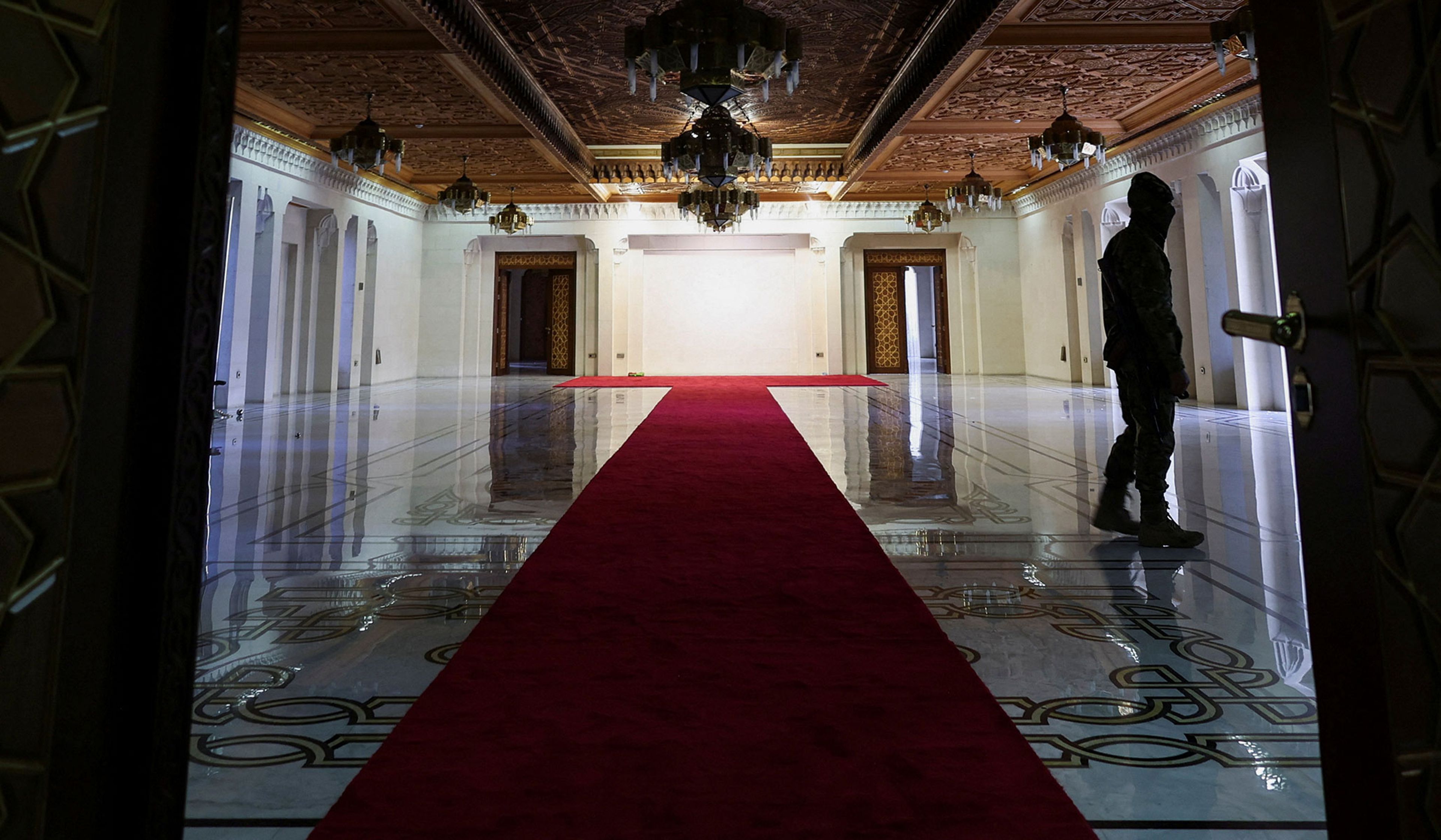
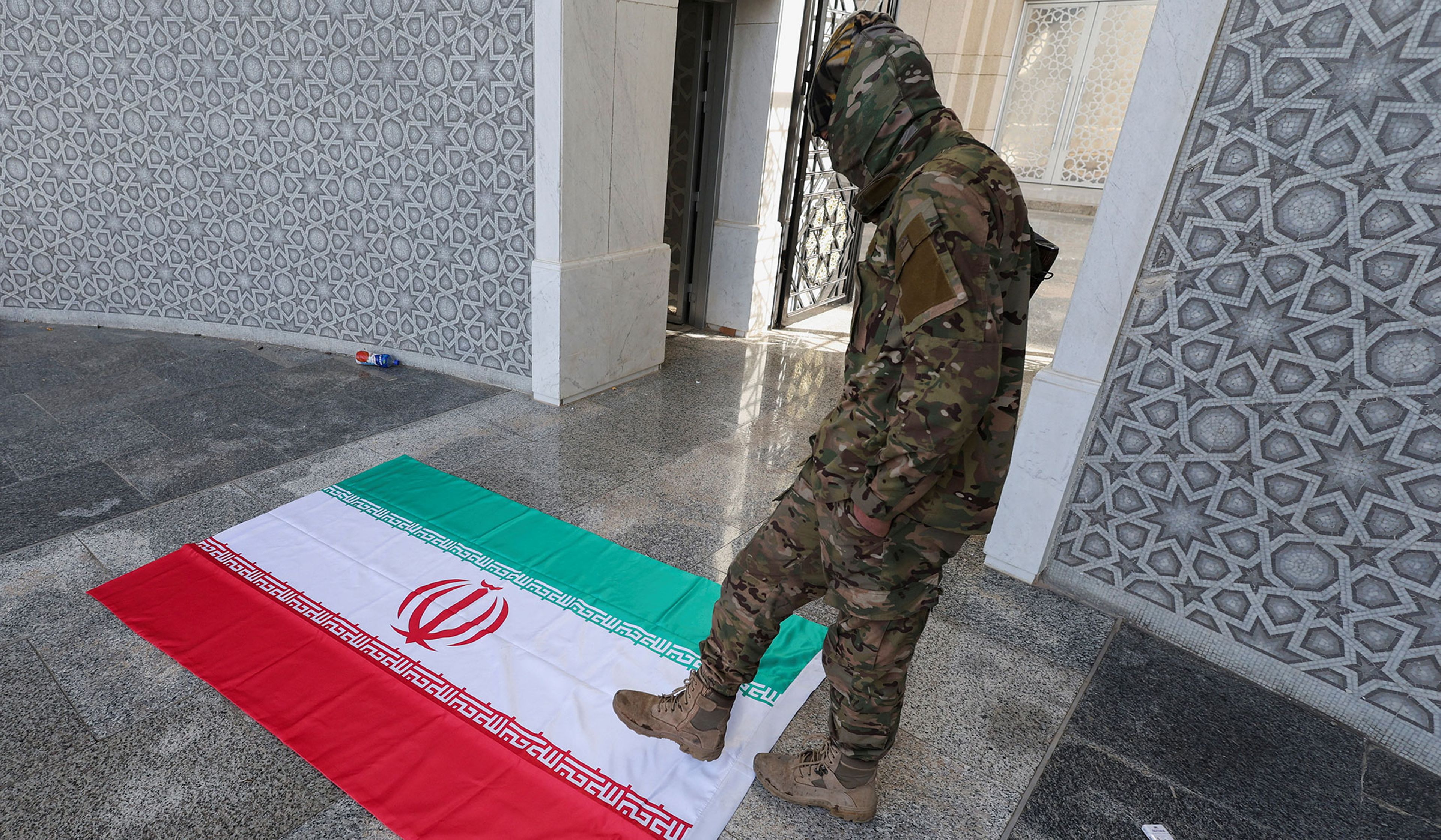
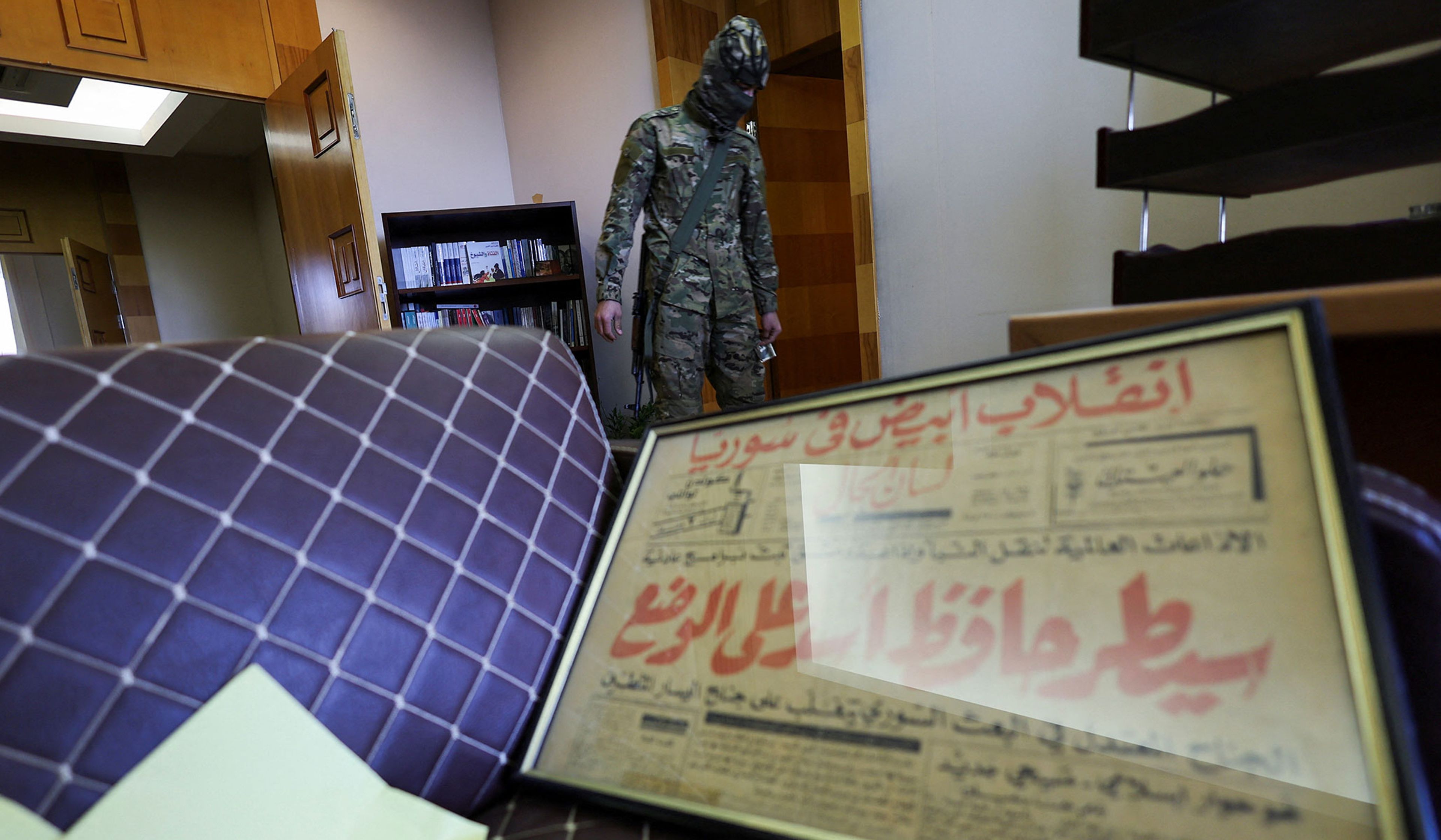
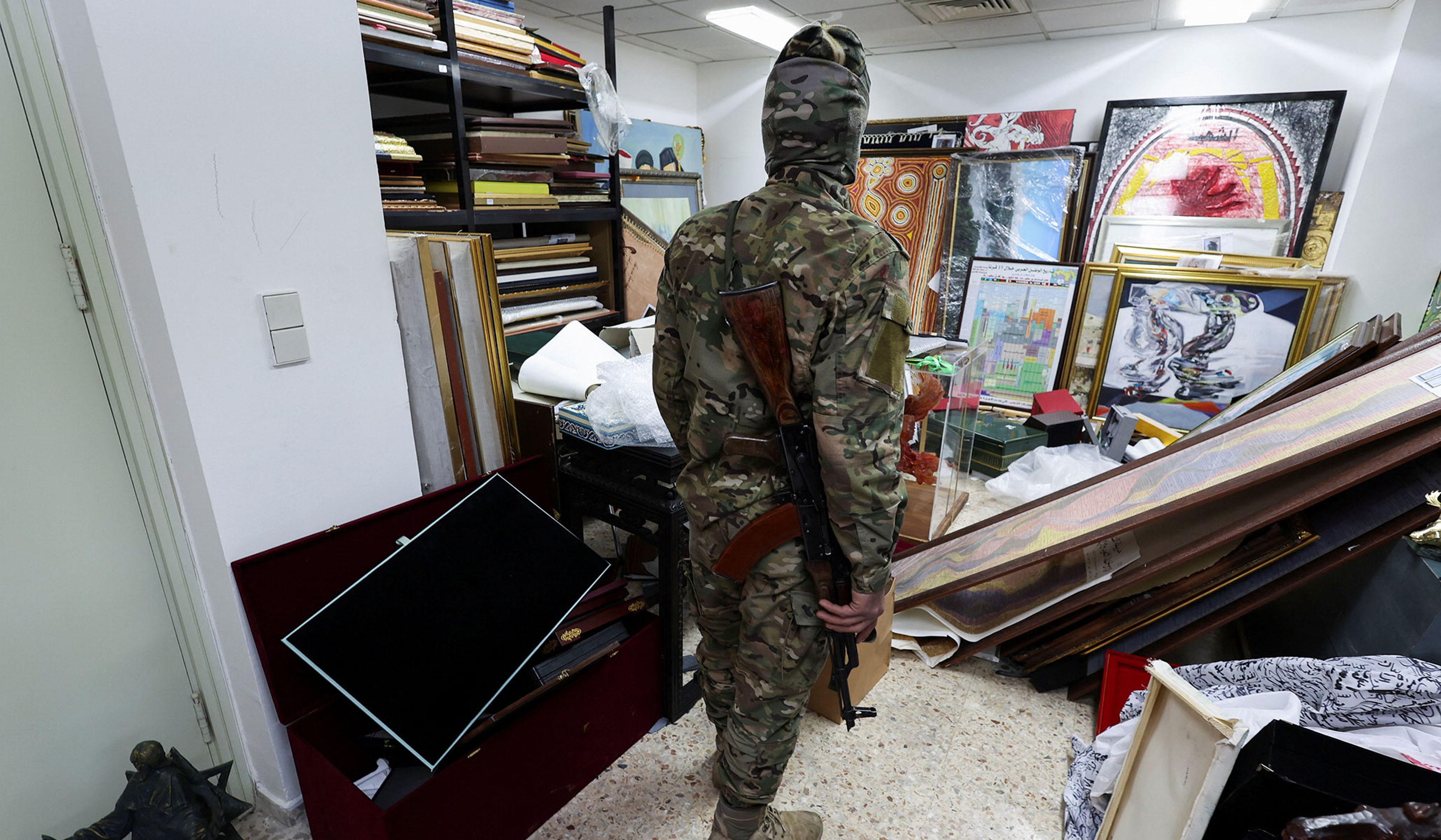
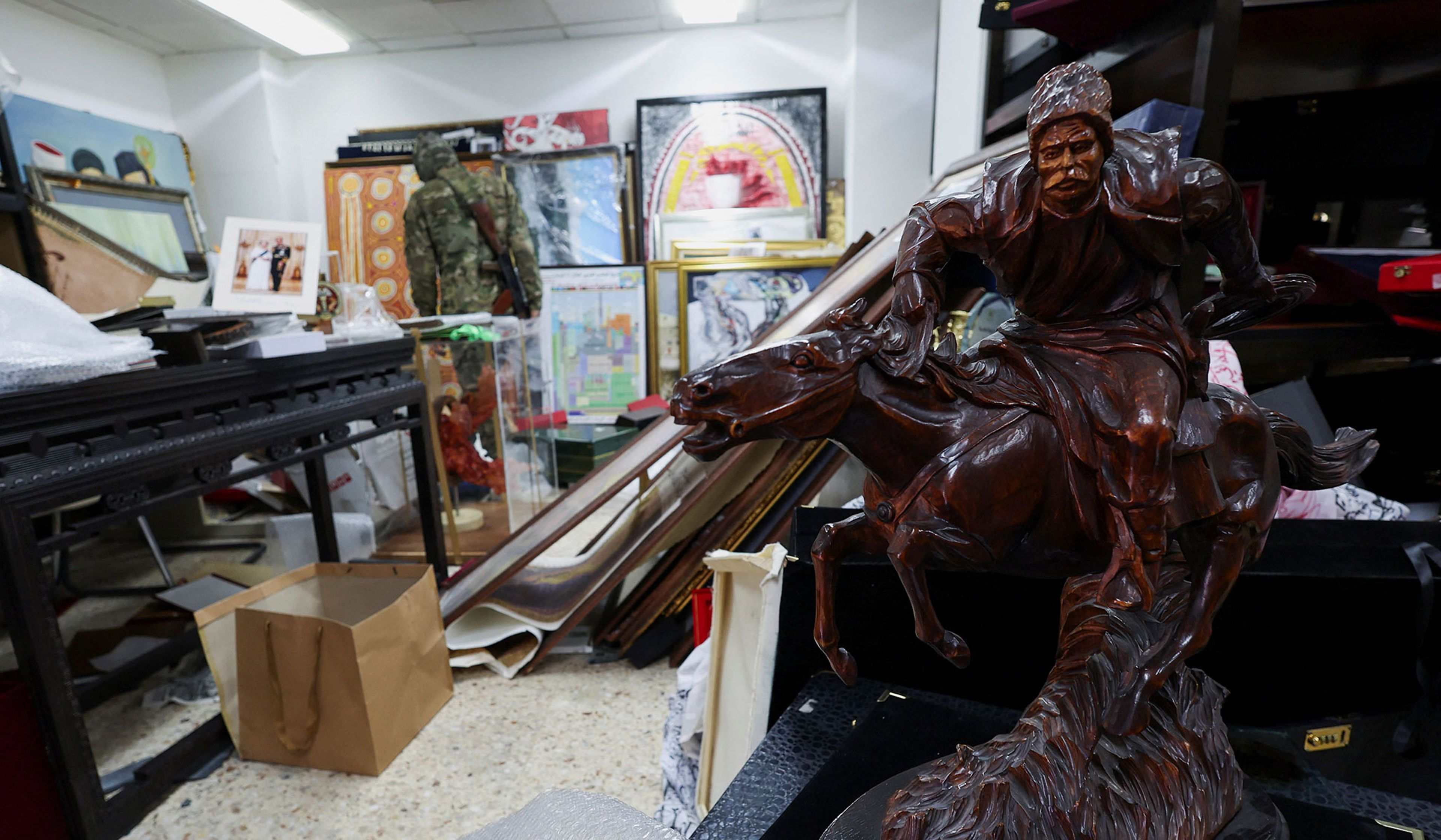
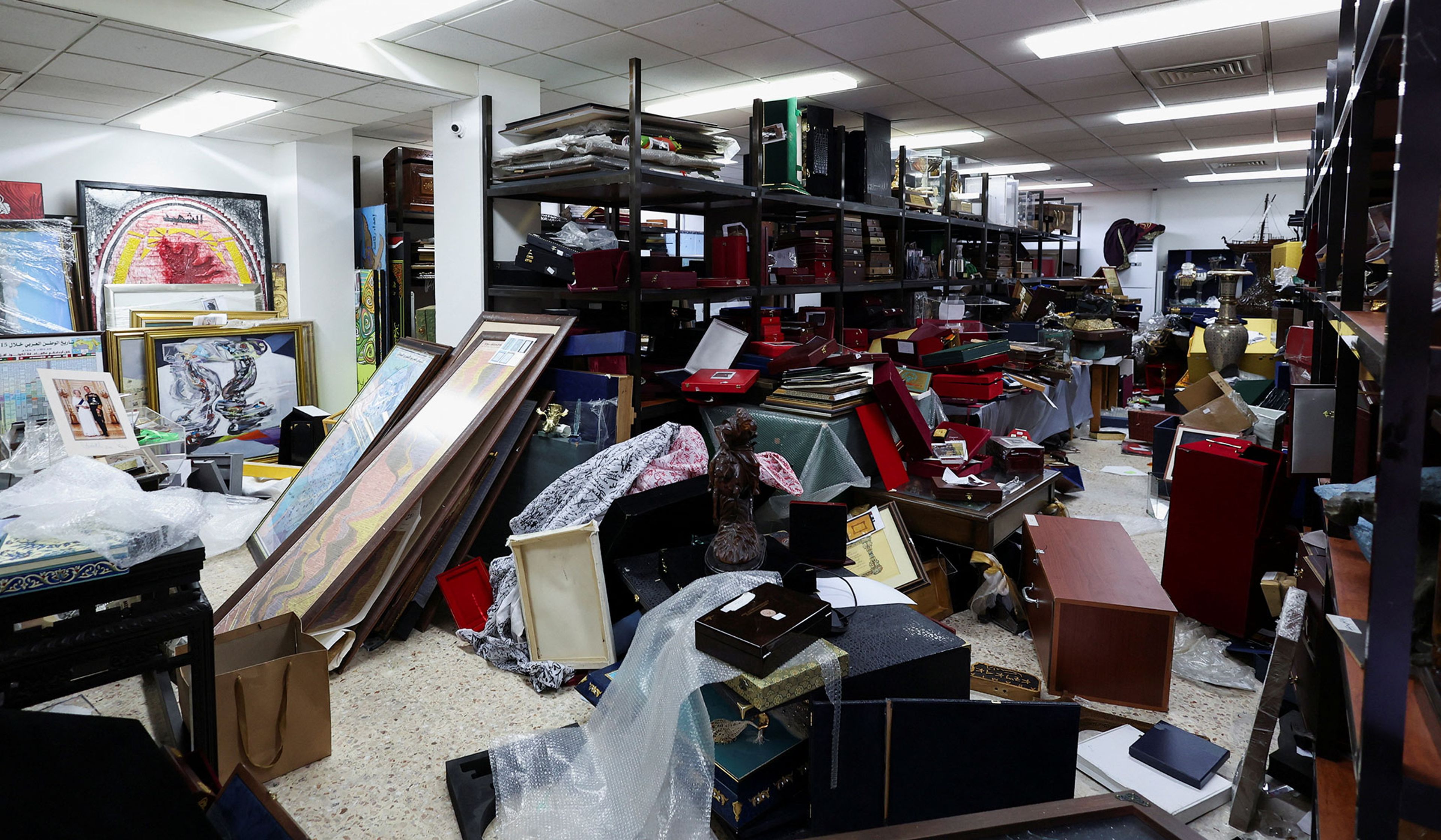
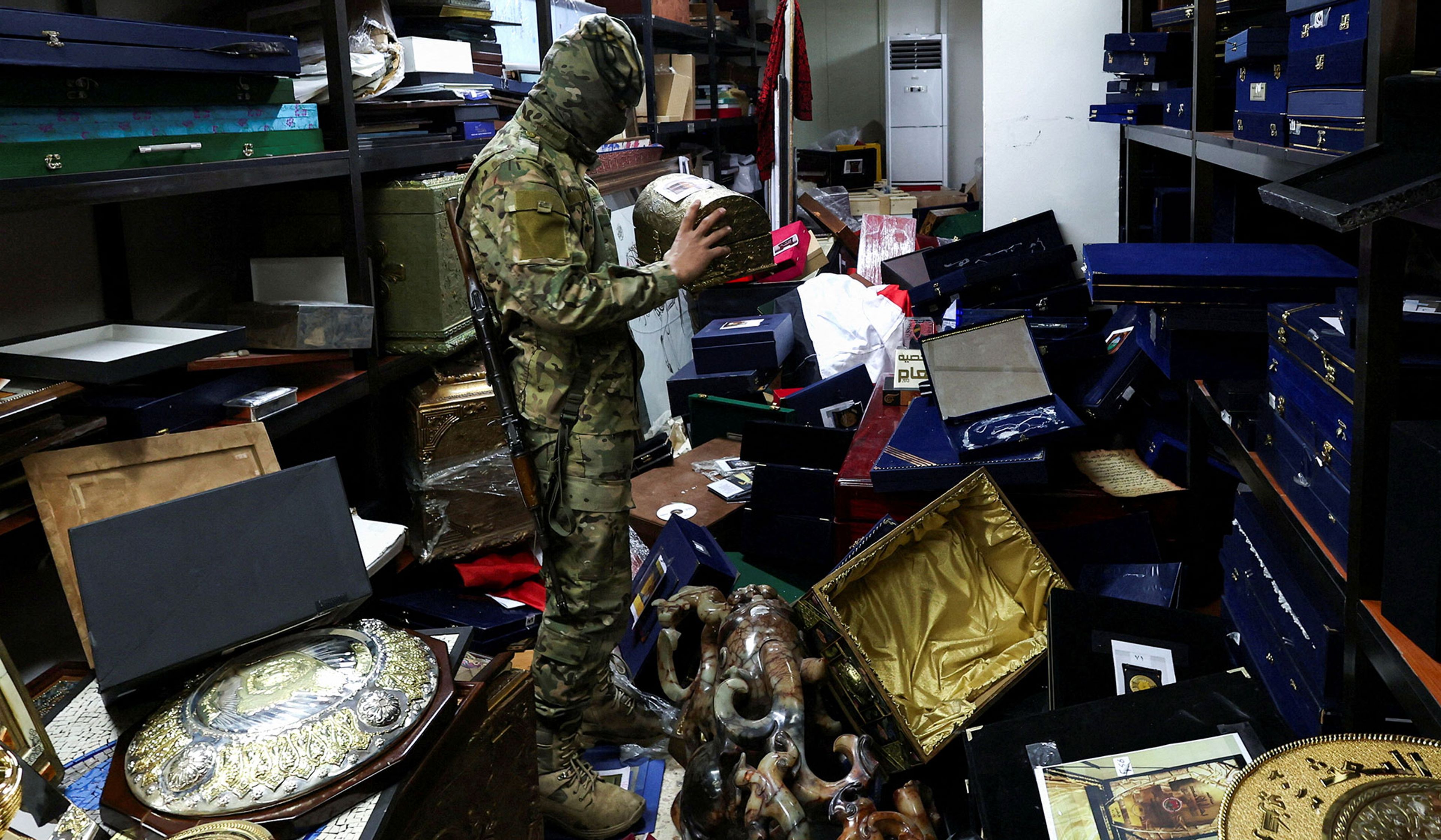
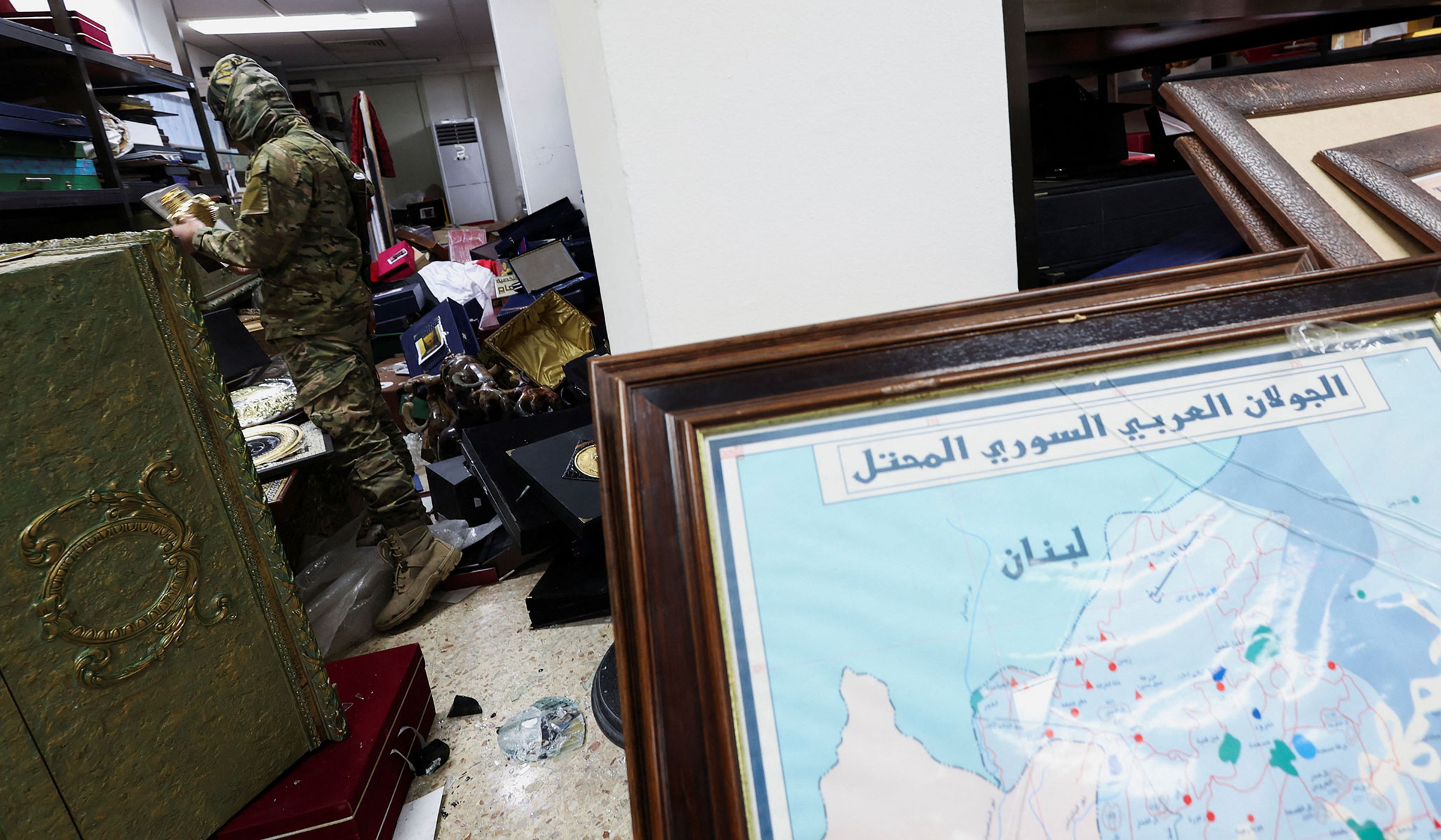
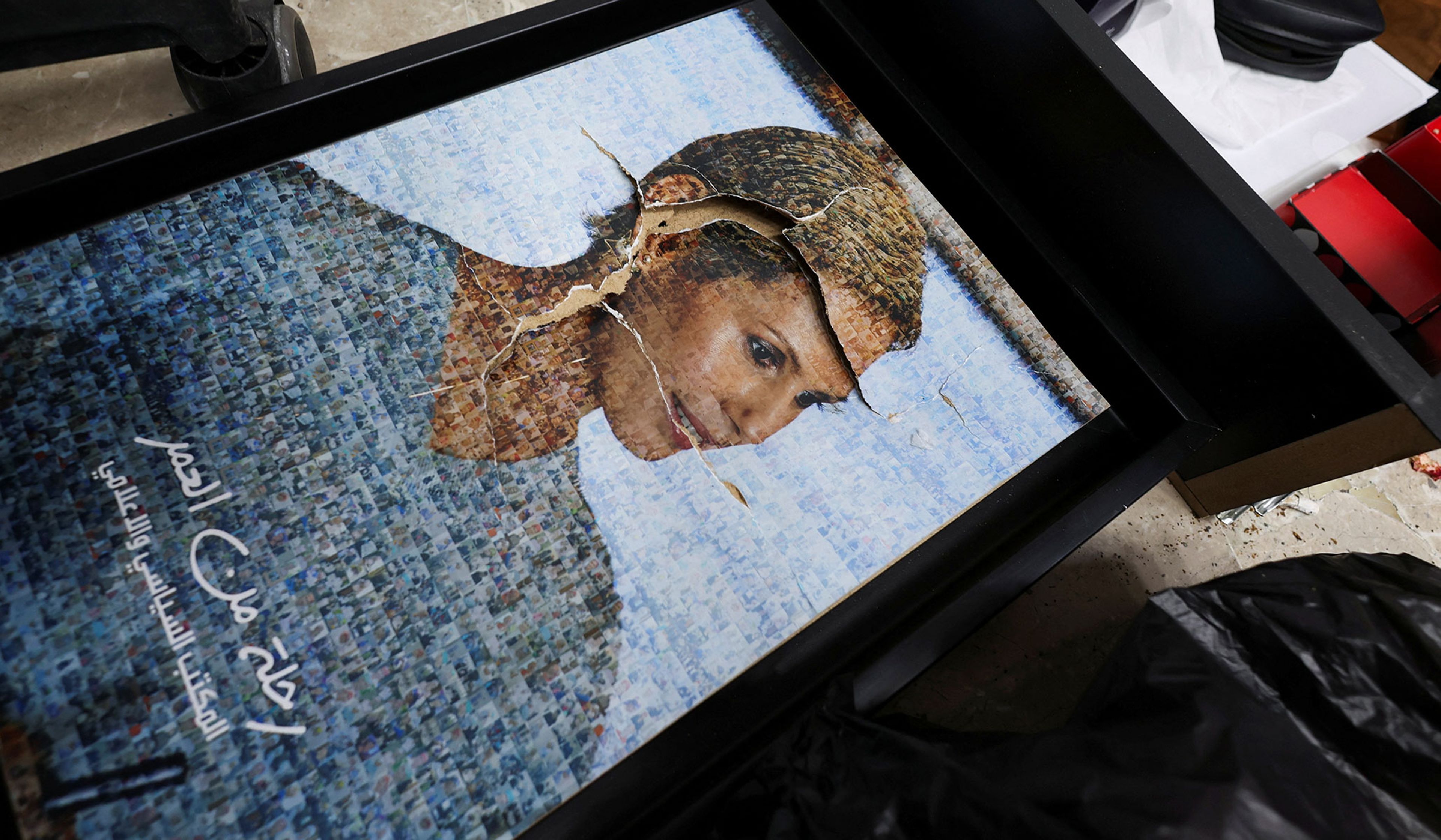
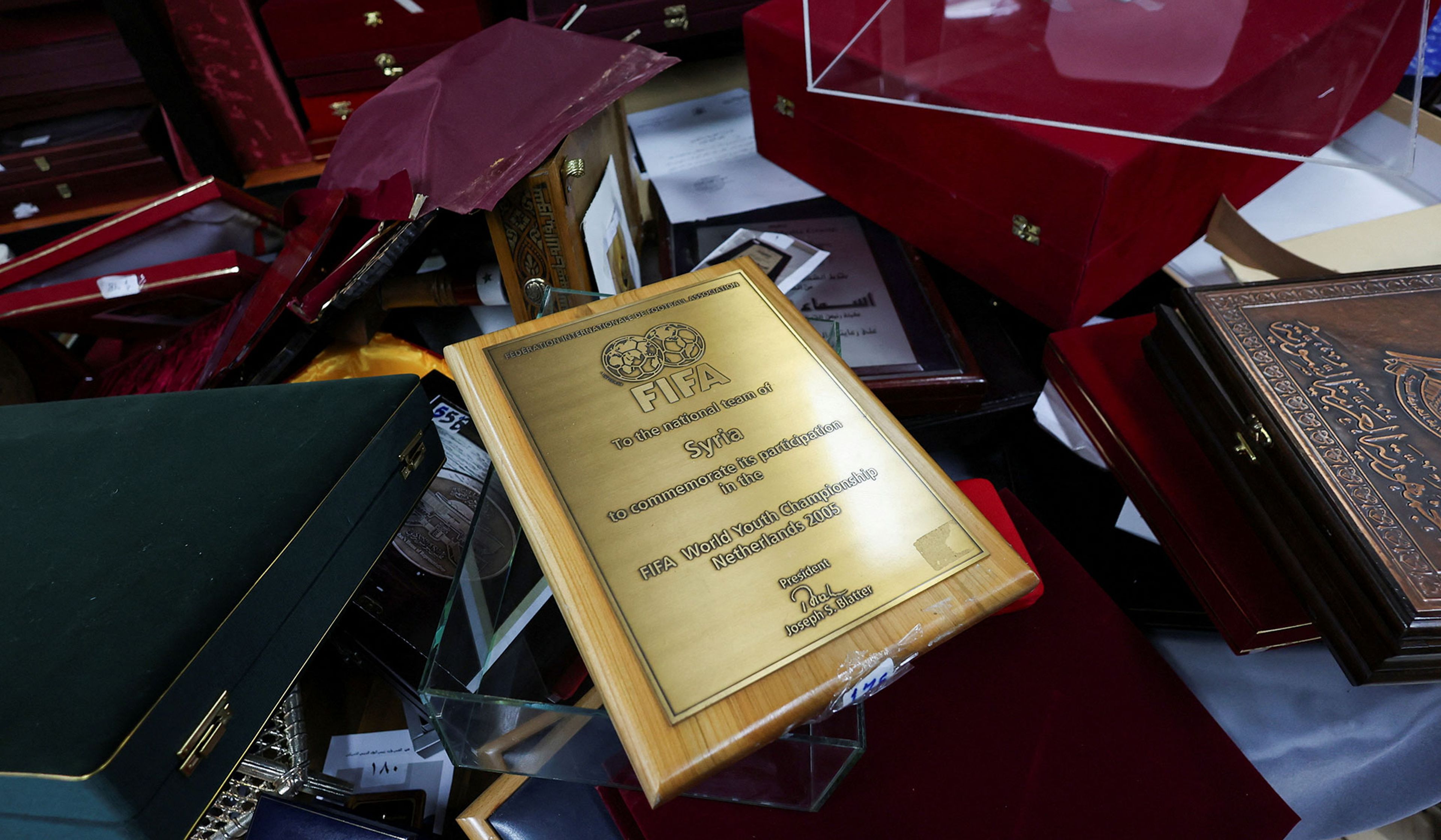
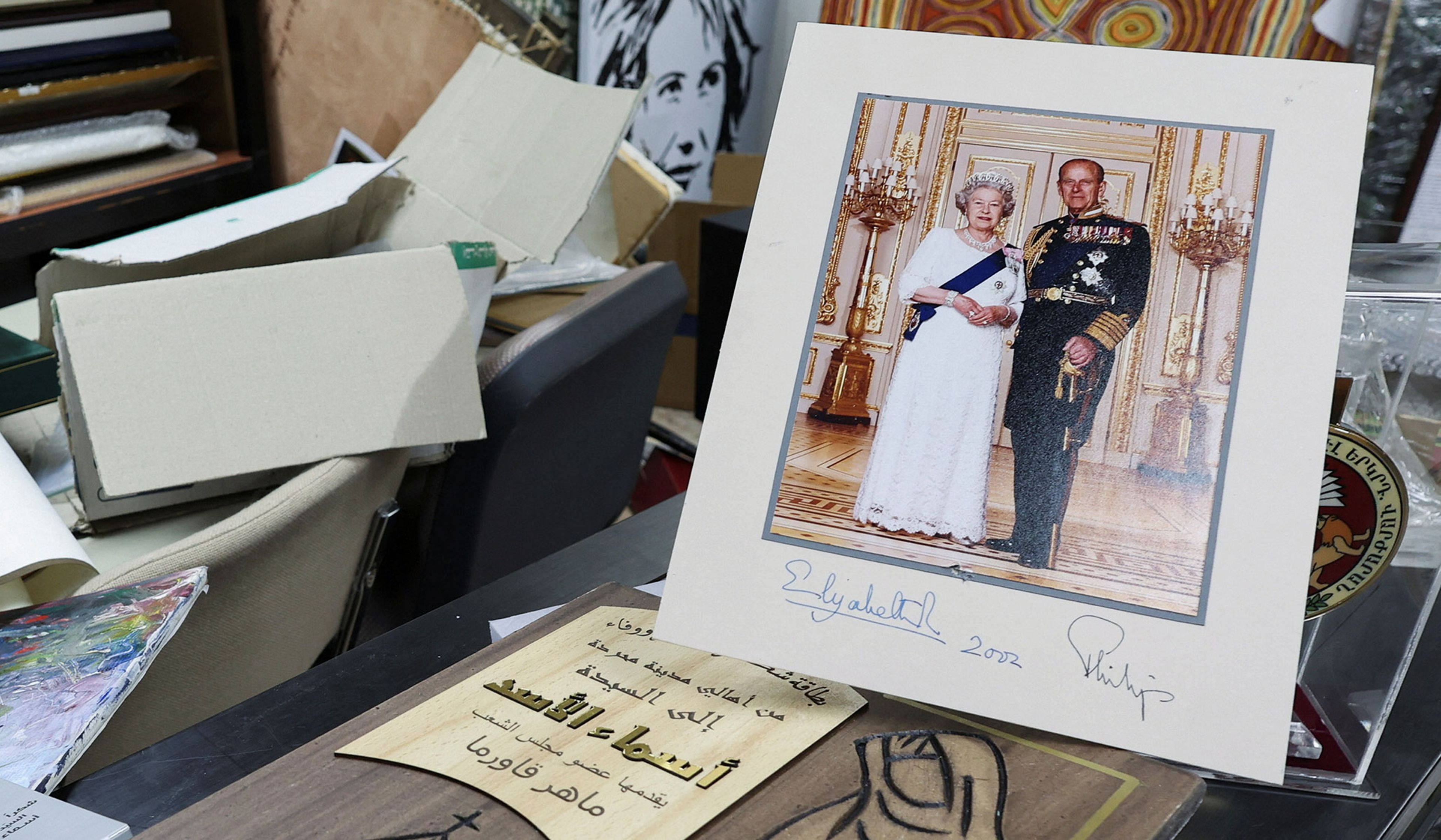
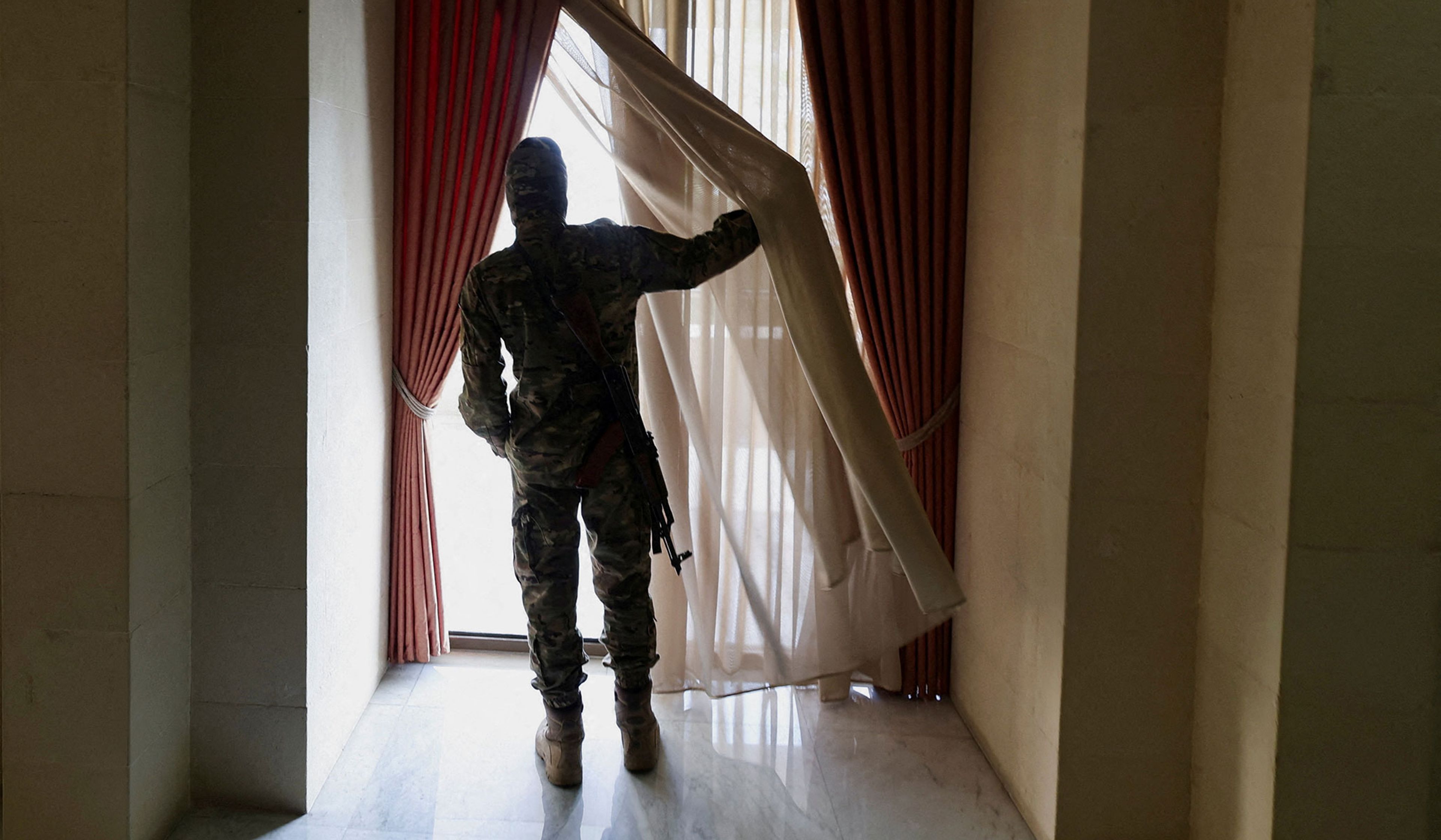
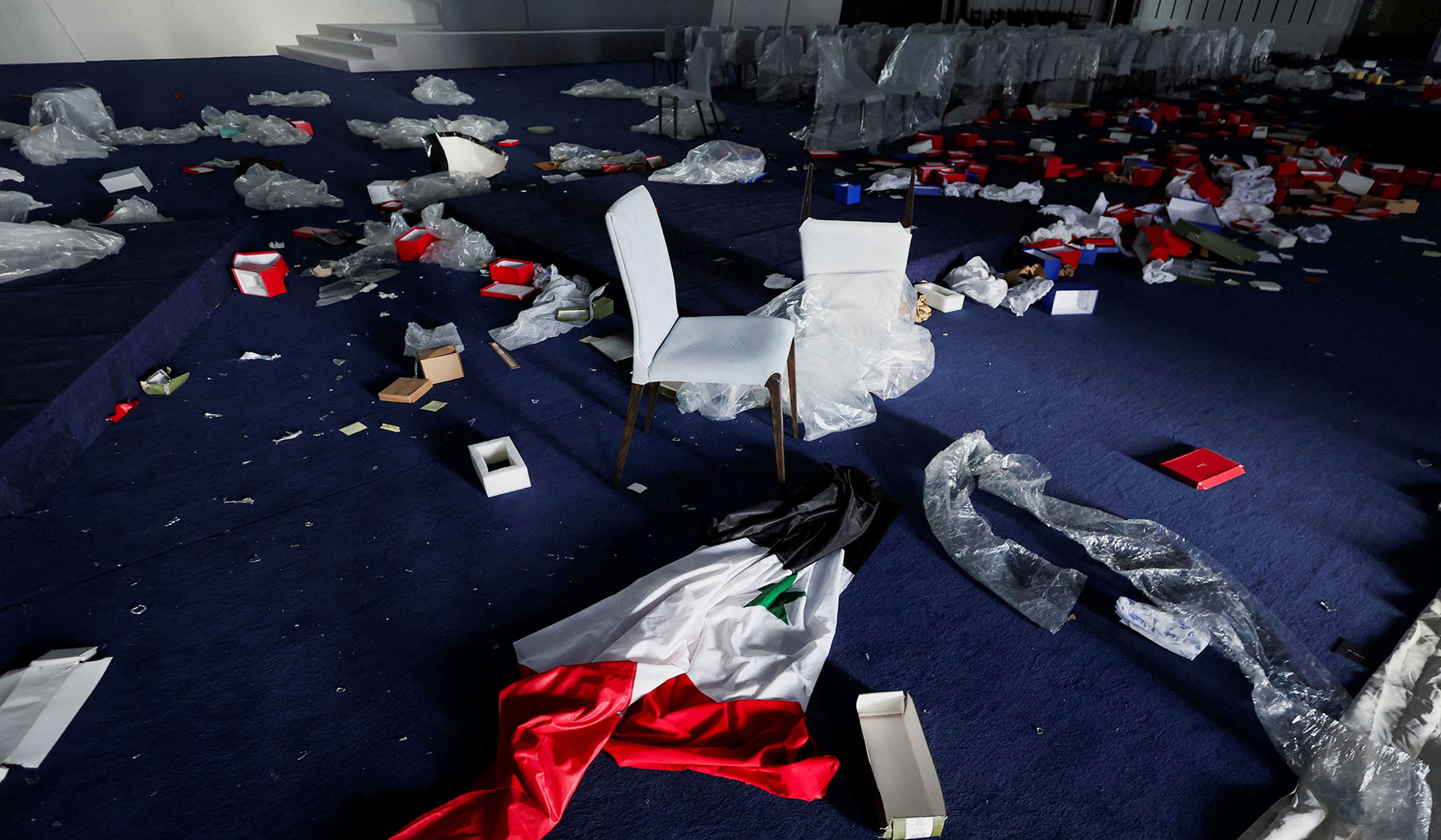
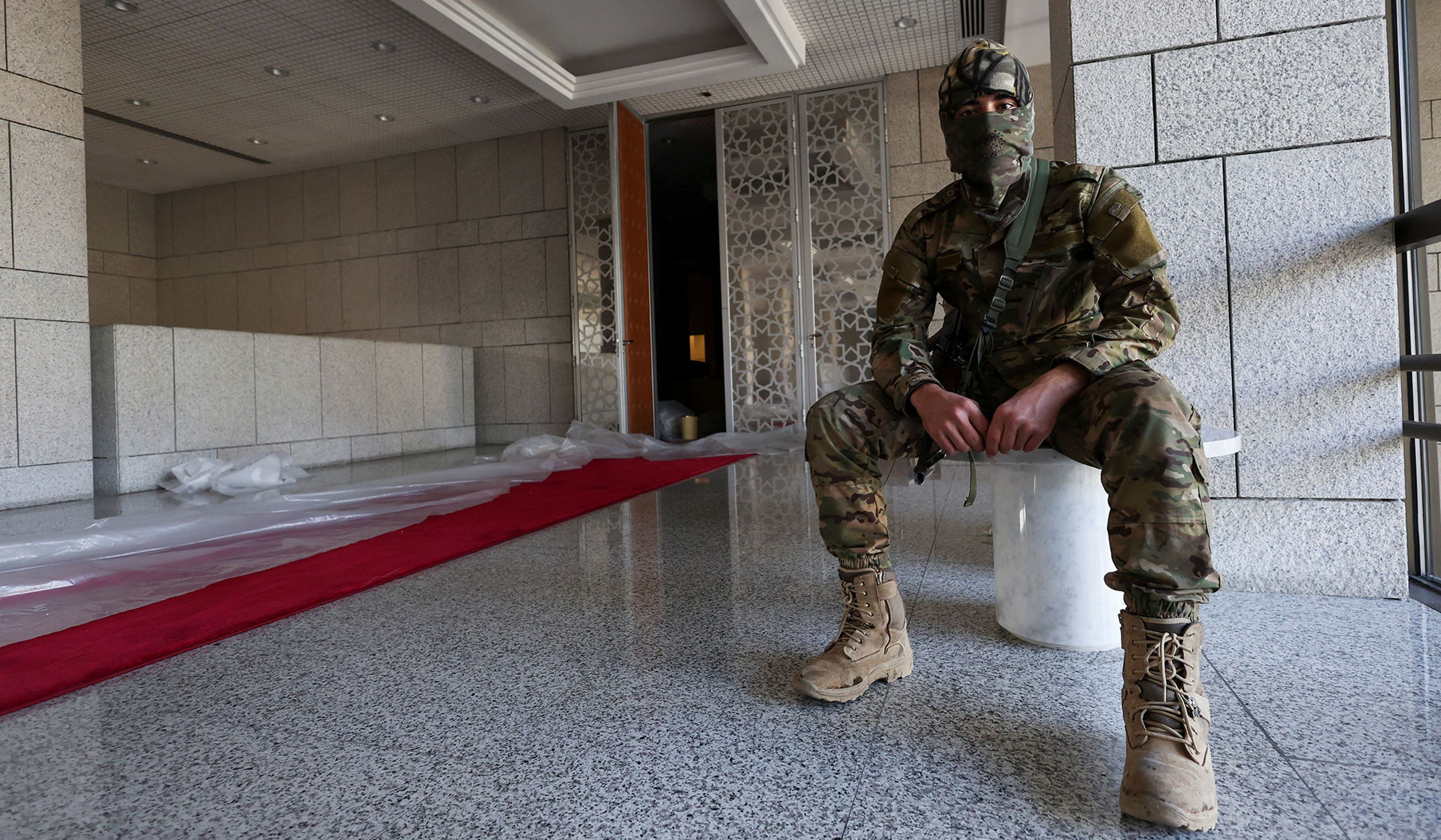
Personal souvenirs of Bashar al-Assad at one of the rooms at the Presidential Palace known as Qasr al-Shaab (“People’s Palace”) after rebels seized the capital and ousted Bashar al-Assad, in Damascus, Syria, December 10, 2024.
Amr Abdallah Dalsh/Reuters
Students were at the origins of the awful bloodletting that began in March 2011. In the city of Daraa, some boys scrawled anti-regime graffiti on a wall. They were arrested and tortured, mercilessly. On hearing of it, masses of Syrians rebelled. The regime responded with all its fury, its full arsenal.
Ali Ferzat, the cartoonist, was not killed. But security agents broke both of his hands, assuring him that, next time, it would be worse.
There followed years of . . . civil war? Those are fighting words, in Syria: “civil war.” People of various stripes react strongly against the designation. They tend to point out the international nature of the war. Assad partnered with Putin, of course — but also with China, Iran, Hezbollah, and North Korea, among others.
(North Korea was helping Assad build a nuclear facility — until the Israelis destroyed it, in 2007. Today, in Damascus, you can visit Kim Il-sung Park, established in 2015.)
Wrangling over “civil war” aside — Syria has been a bloodbath.
At first, the world was shocked. A thousand dead. And then 2,000, 3,000, 4,000 . . . Could the body count rise to five digits? Yes. Ten thousand dead. And 20,000, 30,000 . . . Six digits? Yes. A hundred thousand, and then 200,000, and then . . .
Eventually, the shock wore off and numbness set in. Also indifference. This is not unknown — indeed, it is routine — in human affairs.
In the West, there was a sense that Syria offered nothing to choose from, nobody to help. It was just tribe against tribe, faction against faction, extremist group against extremist group. In 2013, Americans were debating intervention, as Assad was killing people with chemical weapons. Sarah Palin, the Republican politician, was against intervention, issuing a statement with the heading, “LET ALLAH SORT IT OUT.” That was a common line of thought.
And one that pained and vexed many Syrians. Over the years, I have met a slew of journalists, dissidents, civil-society leaders, and human-rights defenders from Syria. They are astounding. One was Raed Fares, who dodged death many times. He could dodge it no more in 2018, when he was killed.
Others have remained alive, amazingly. One is Abdulrahman al-Mawwas, who co-founded the Syrian Civil Defense, popularly known as the “White Helmets.” They are a group of volunteers who try to rescue people from the rubble after bombings. They have saved something like 130,000. Some 300 volunteers have been killed — usually in “double taps.”
Regime and Russian forces would bomb an apartment building, hospital, or school. Then the rescuers would come. Then the bombers would bomb again, to kill or maim the rescuers. What Russians did for many years in Syria, they have done since 2022 in Ukraine.
The heroism of the White Helmets is staggering. Kremlin propaganda finds it necessary to tag them a terror group.
It was on December 8, 2024, that the House of Assad fell. The White Helmets got to work trying to dig people out of prisons, many of which are secret — not even yet discovered. (Russia has such prisons as well. That is why it is impossible to get a firm count of Putin’s political prisoners.)
One prison that is definitely not secret is Sednaya, outside Damascus. “Sednaya” is a name that strikes terror in the hearts of Syrians. They call it “the human slaughterhouse.”
“The Horrors of Syria’s ‘Human Slaughterhouse’ Spill into Public View.” That was a headline from RFE/RL on December 11. (“RFE/RL” is America’s combination of Radio Free Europe and Radio Liberty.) The report began, “Some shuffled out of the Syrian prison’s gray concrete corridors like zombies rising from a graveyard. Some sobbed as they reunited with long-unseen relatives.”
Abdulrahman al-Mawwas told of a woman who had gone into Sednaya a 19-year-old virgin. She was freed with her four children. She does not know the identity of any of the fathers.
The BBC spoke with a man named Tawfiq Diam, whose wife and four children were killed in a chemical attack. “If I’d spoken out before, Bashar al-Assad’s forces would have cut off my tongue,” he said. “They would have slit my throat. We were not allowed to talk about it.”
After looking at corpses, Leila Molana-Allen, a special correspondent for PBS, said, “I will never unsee what I saw today. The decaying, emaciated bodies of young men covered in the brutal scars of torture and starvation. Their faces drawn in a rictus of pain. Sobbing mothers searching through rows of destroyed boys for their babies.” (If the words are hard to take, the accompanying photos are more so.)
How the new government will behave — what the new government will be — is unknowable at this juncture. A decent government in that part of the world is rare. Lots of Westerners are expressing concerns about human rights in Syria. As a rule, these people were not especially vocal in the previous 13 years and eight months (and 24 days).
Statistics can be cold and abstract. It is better to know about individual cases, many of us find. Anyway, here are some statistics. Since March 15, 2011, about 600,000 people have been killed. Some 14 million have been displaced. (At the beginning of 2011, Syria’s population was 22 million.) Half of the displaced are refugees abroad; half are displaced internally. Some 140,000 people are missing.
And these statistics do not account for the maimed, the raped, the traumatized, etc. Syria may be the most battered place on earth.
Apparently, Syria is rid of Assads. There will be no third one on the throne. Today, Hafez II is 23. Bashar had been readying the population for the eventual succession of this son. Instead, Hafez II may live in Russia indefinitely. He is already familiar with the country, having been sent to Moscow for his higher education. (Fidel Castro’s son Fidelito, too, was sent to Moscow.)
Will there be a fourth Kim on the throne in North Korea? Probably not. But a third one seemed unlikely too.











Comments