• Our long national nap is finally over.
• So relentless has been the release of Donald Trump’s first-week executive orders that it has been tough to keep pace. Once, presidencies were judged after a year. Later, this became “One Hundred Days.” Now, our newly inaugurated executives operate in hours. All told, Trump’s edicts fall into three categories: clearly legal, probably legal but deserving of more attention, and presumptively illegal. Among the clearly legal changes that Trump has made are the declaration of an emergency at the southern border; the return of the “Remain in Mexico” policy; a freeze on the acquisition of new bureaucrats; the destruction of federal DEI programs; the ending of government efforts to censor or shape social media; the reversal of the electric vehicle mandate; the restoration of military personnel whom Joe Biden fired for refusing the Covid-19 vaccine; the withdrawal of the United States from the Paris climate agreement; and the establishment of a policy “to recognize two sexes, male and female.” Among the decisions that are probably legal but still questionable are the invocation of the 1798 Alien Enemies Act and the designation of Mexican drug cartels as “terrorists,” as well as the declaration that the energy sector is in “emergency.” Among the bad are the announcement of a 75-day pause on the enforcement of Congress’s ban on TikTok — which, by the plain terms of the law, grants Trump no such authority — and a directive to reinterpret the Constitution so that the 14th Amendment does not confer automatic citizenship on the children born on U.S. soil to illegal immigrants or holders of temporary-visas. As with Joe Biden and Barack Obama before him, Trump’s flurry of orders is ultimately the product of a legislative branch that has been content to leave the spadework to the president, and to a presidency that has begun to take cynical advantage of that trend.
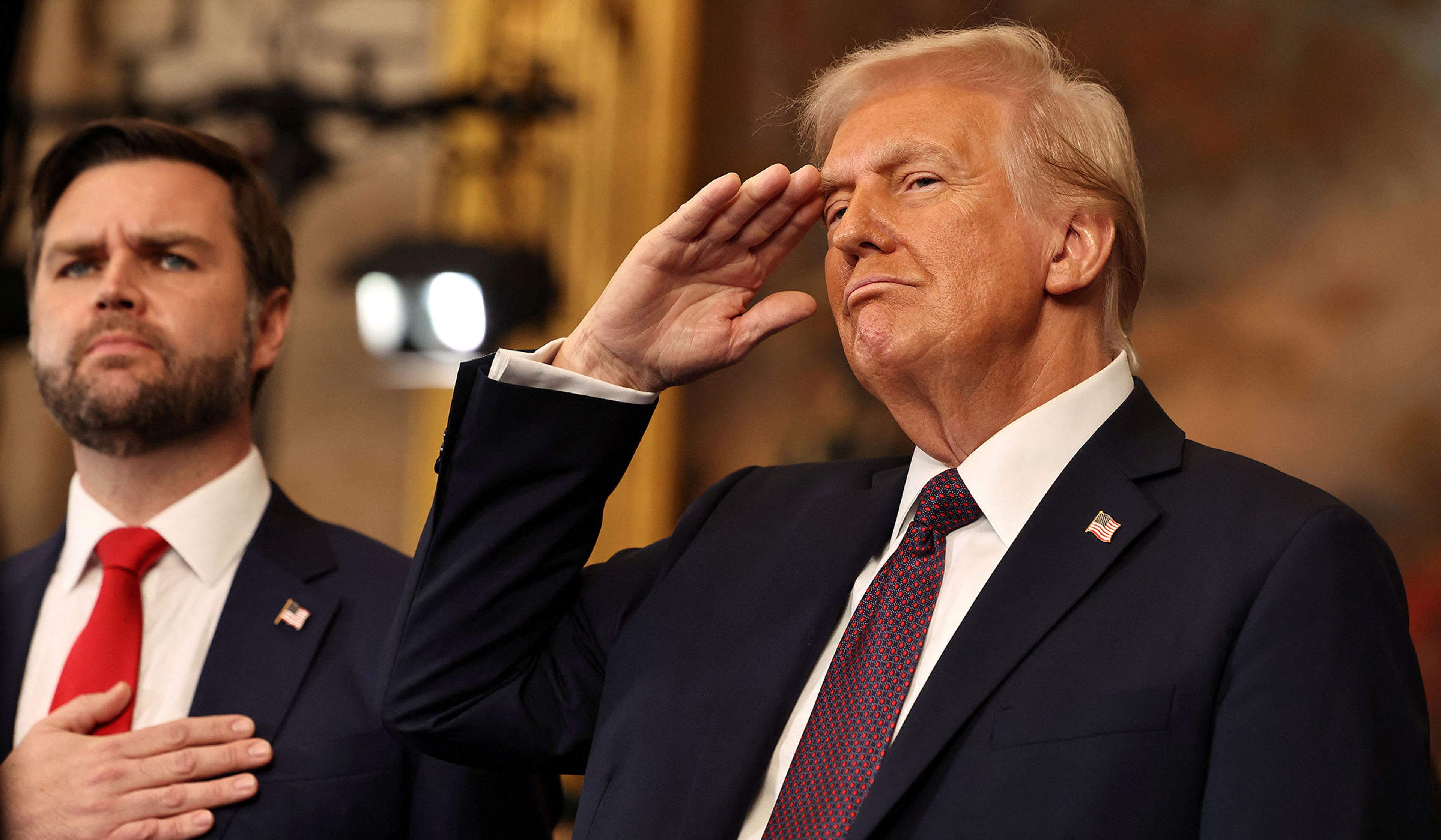
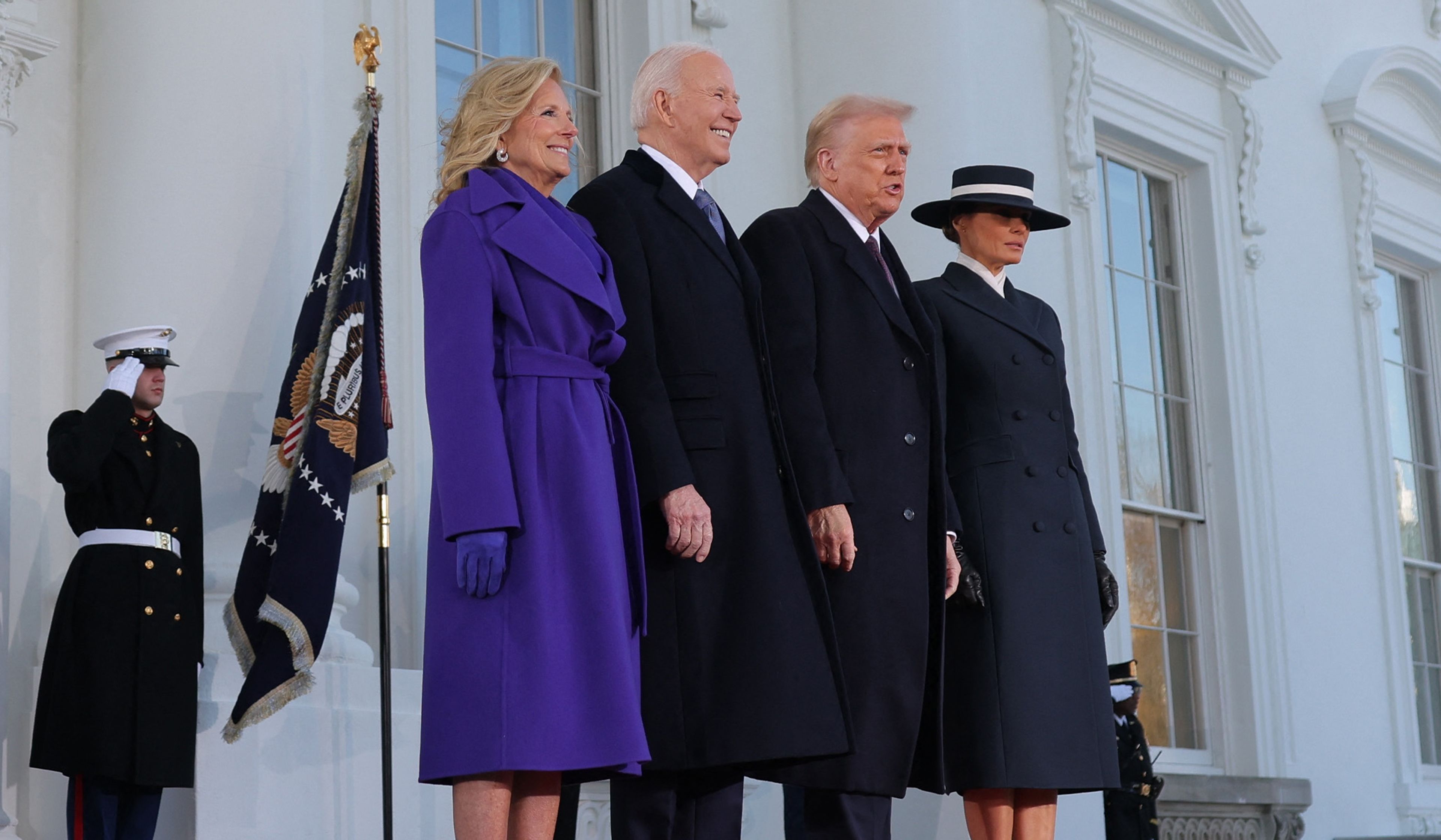
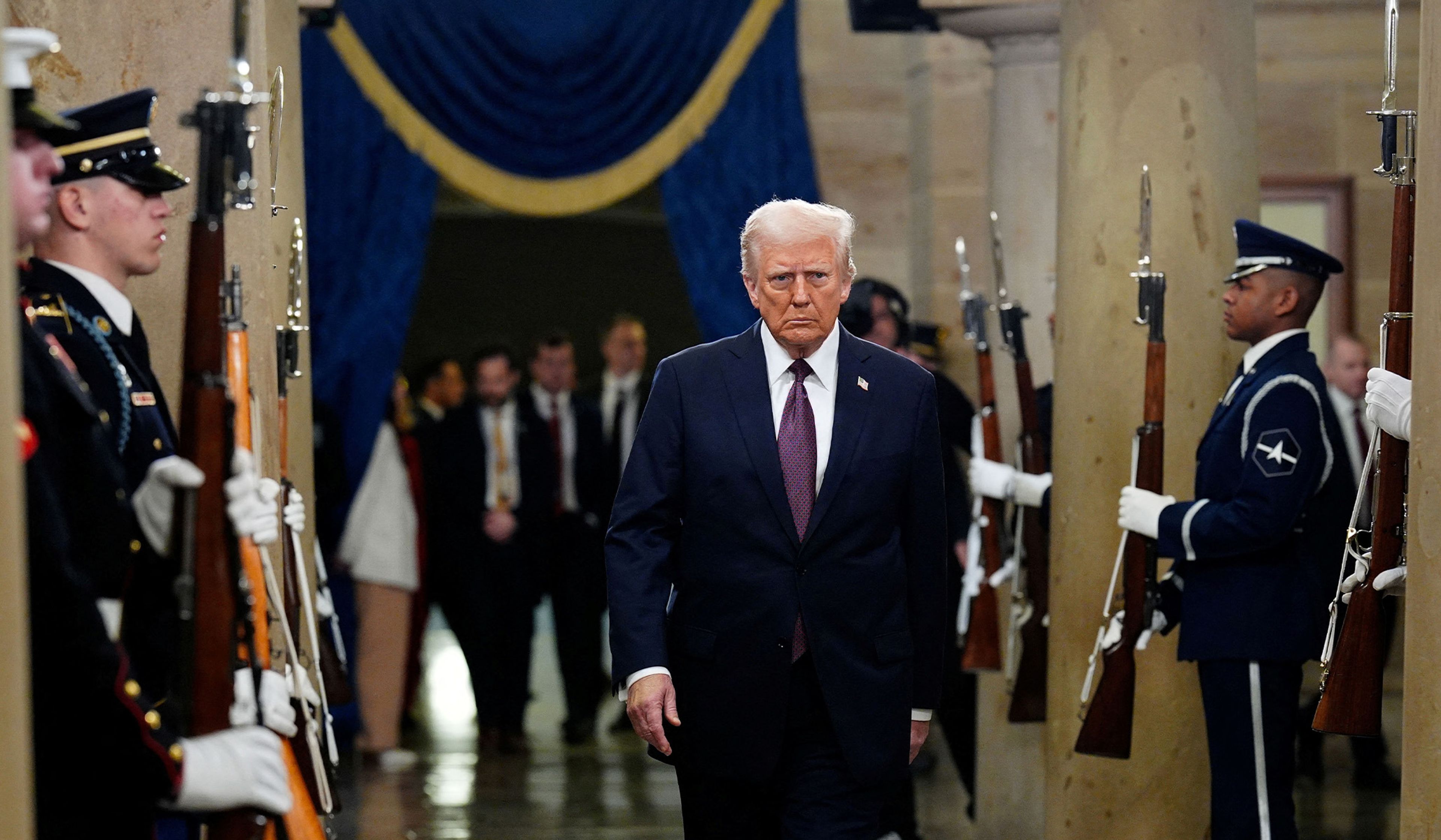
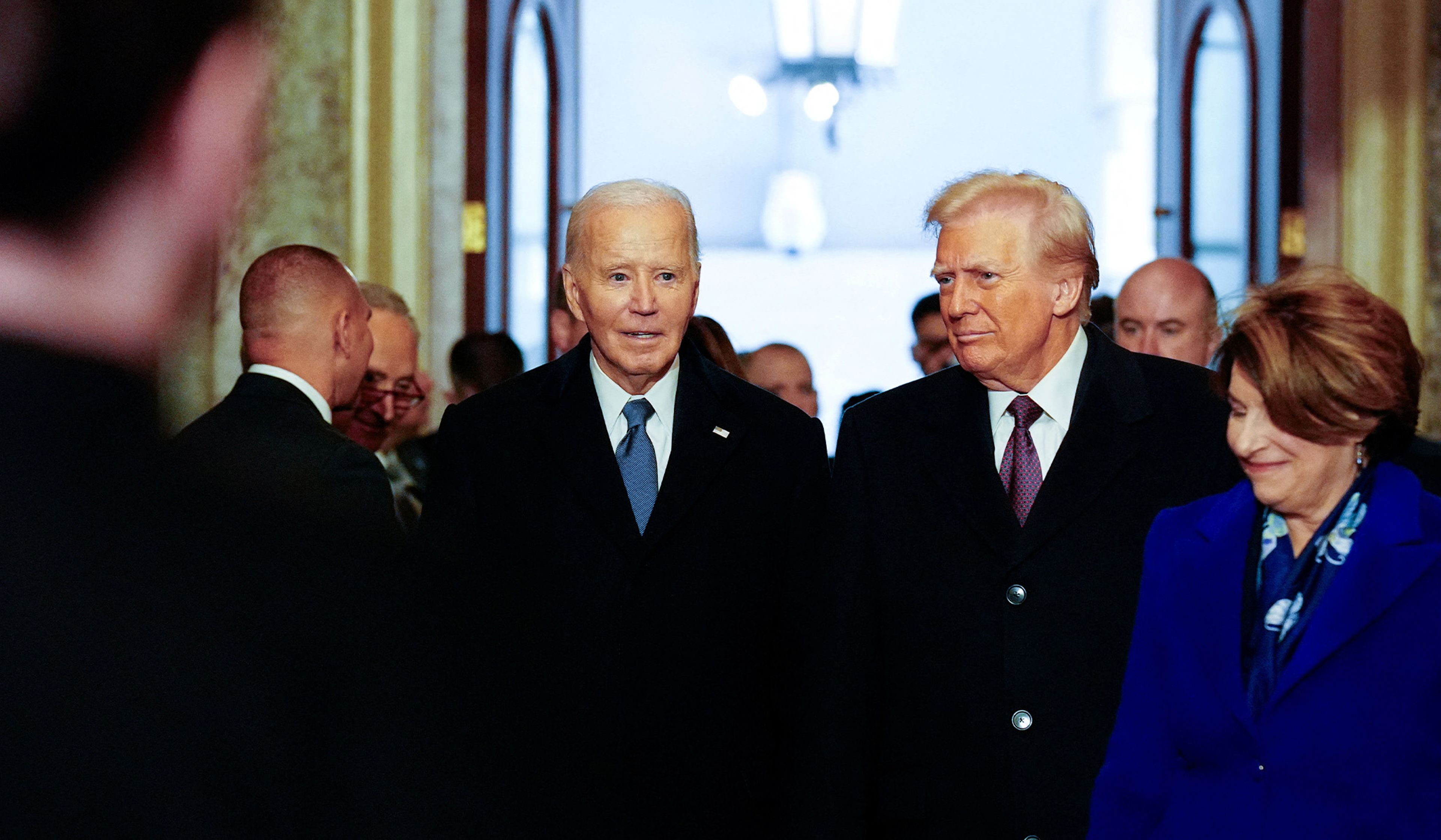
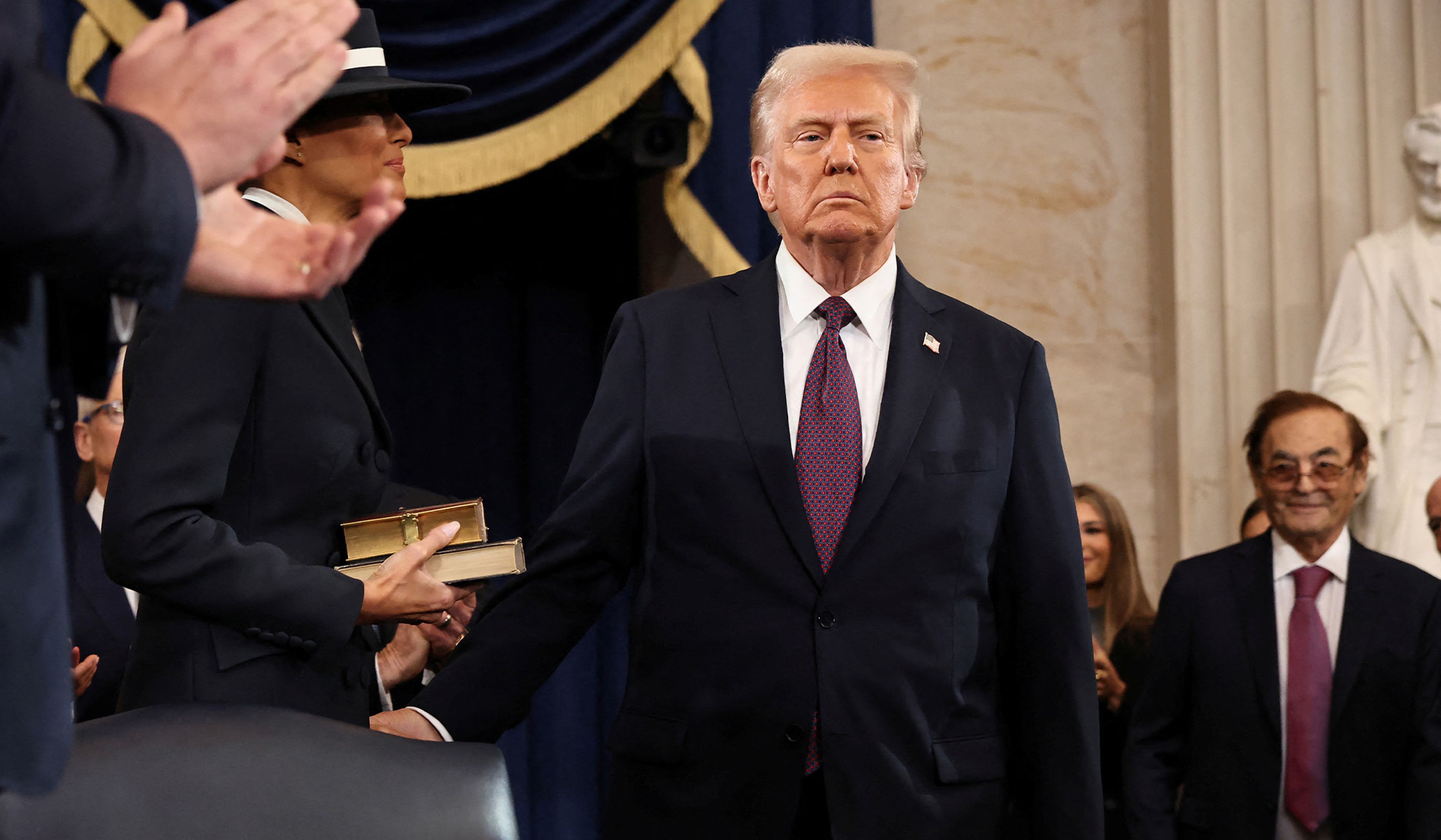
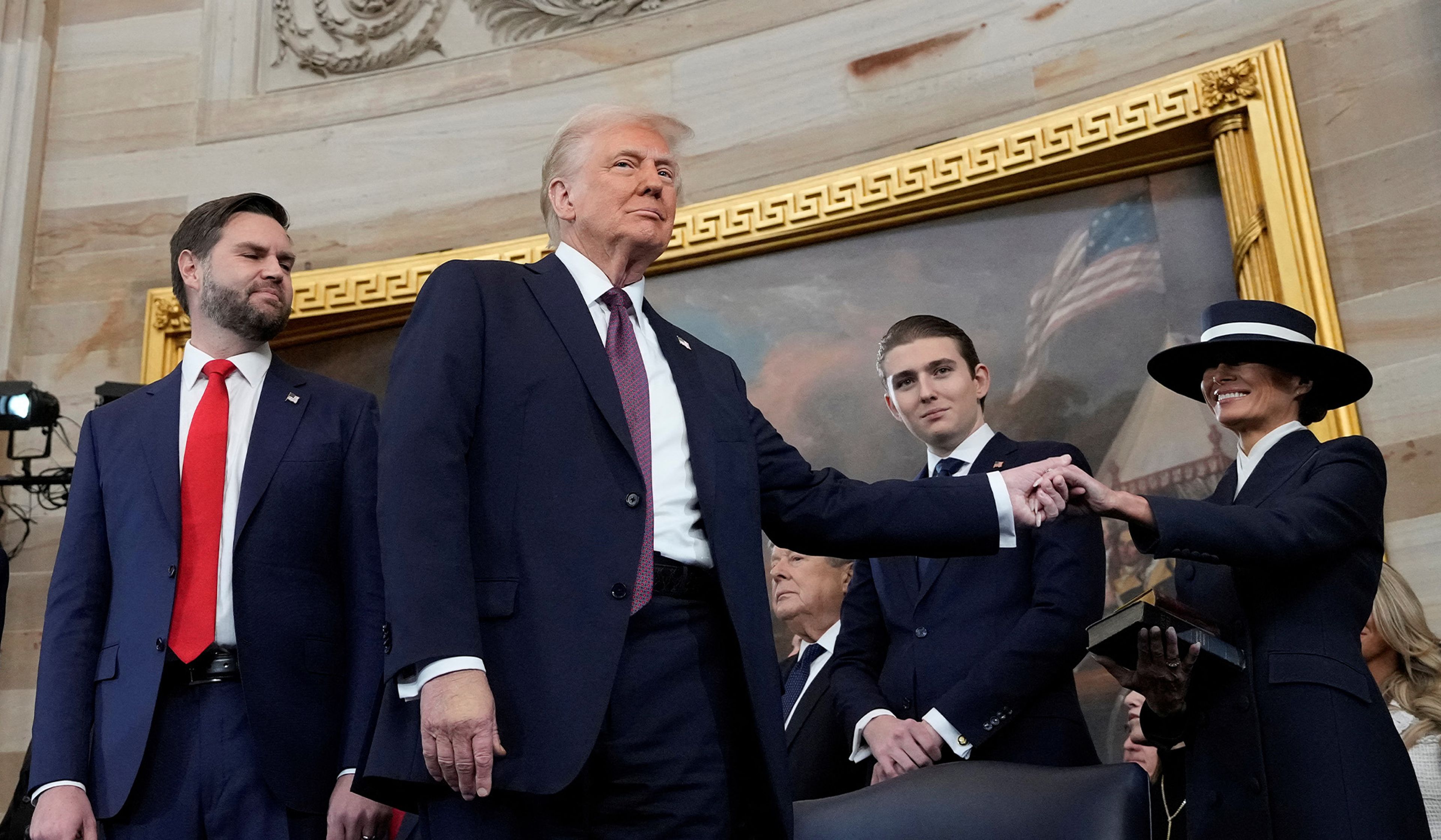
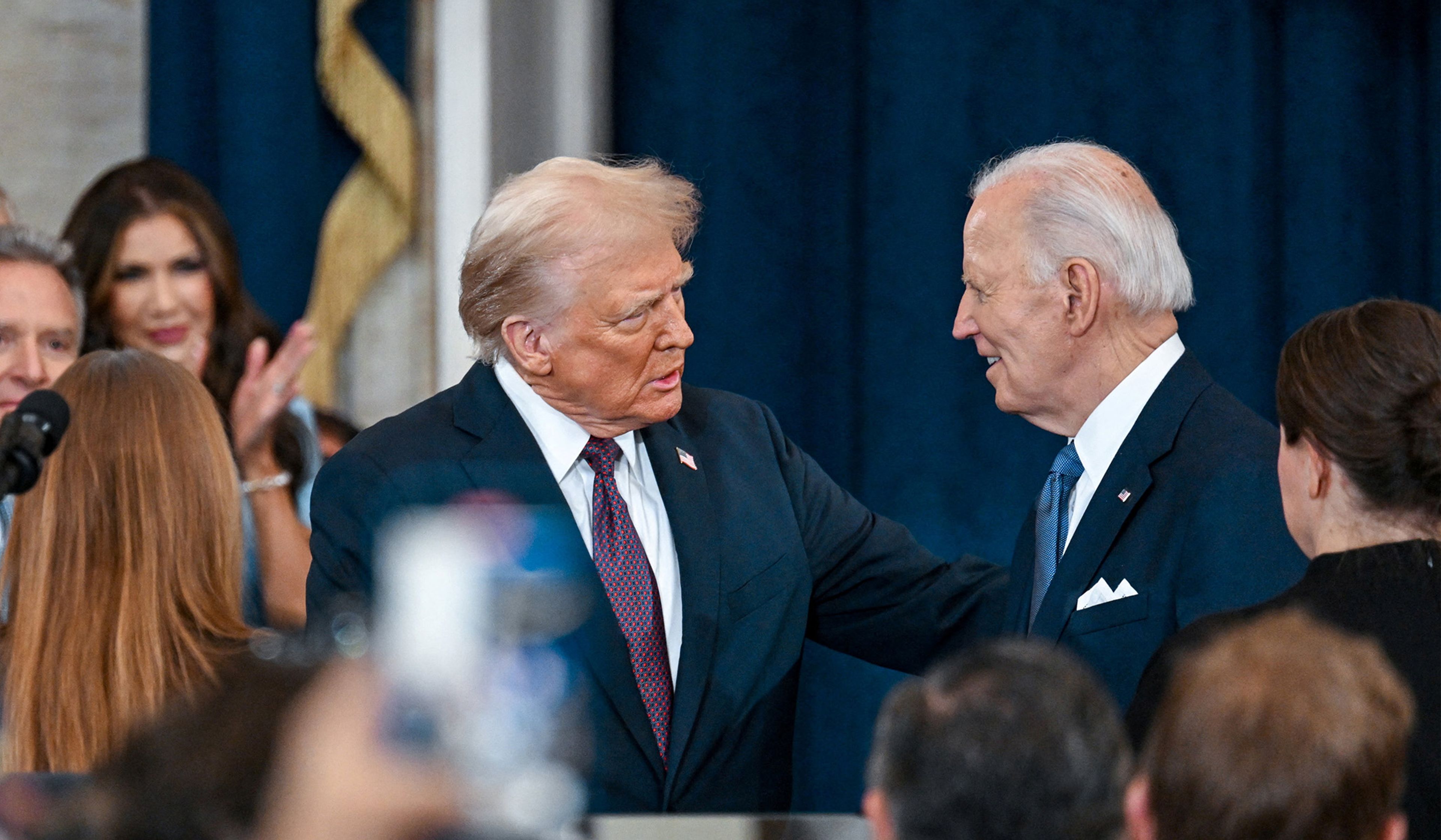
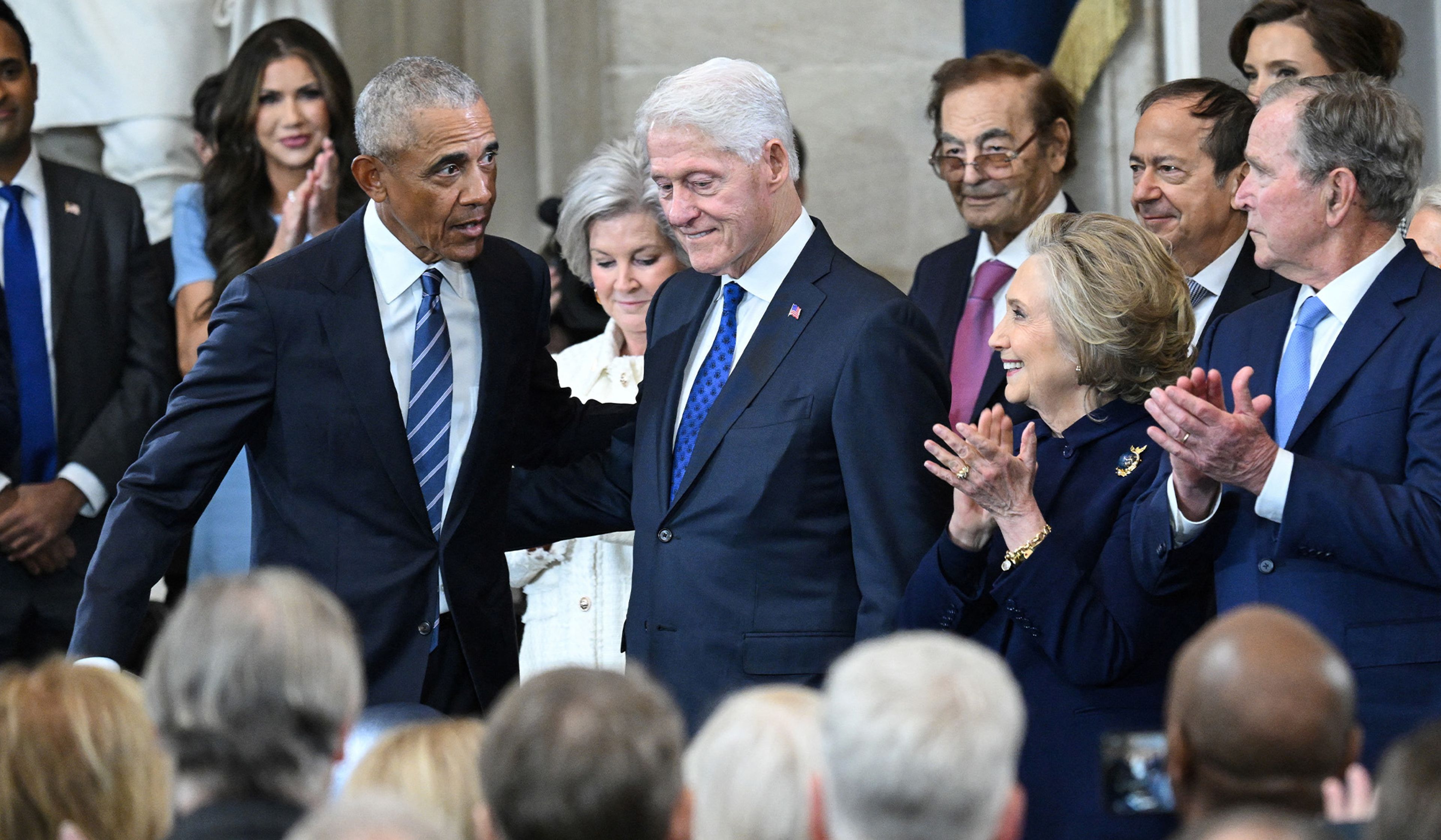
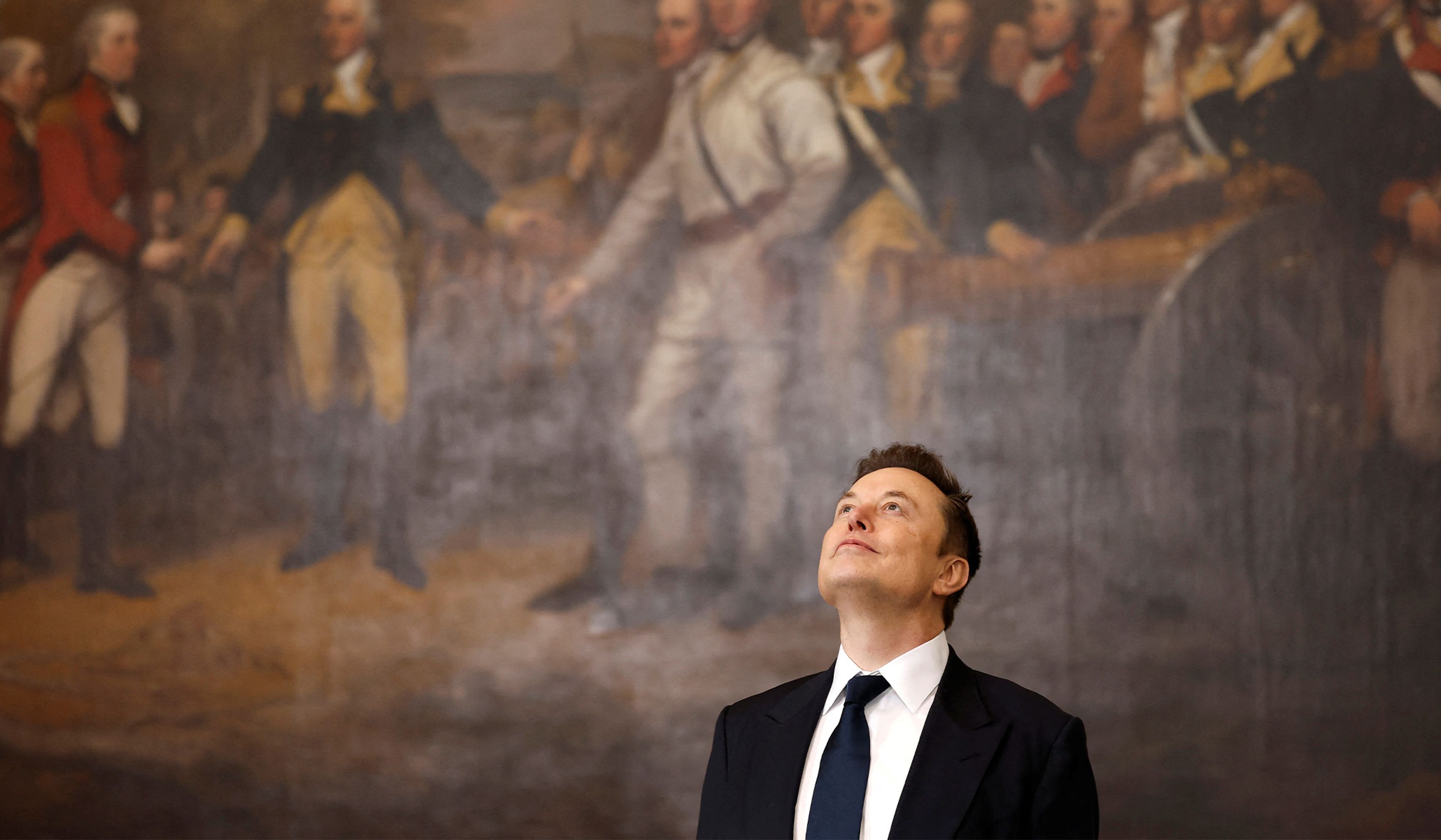
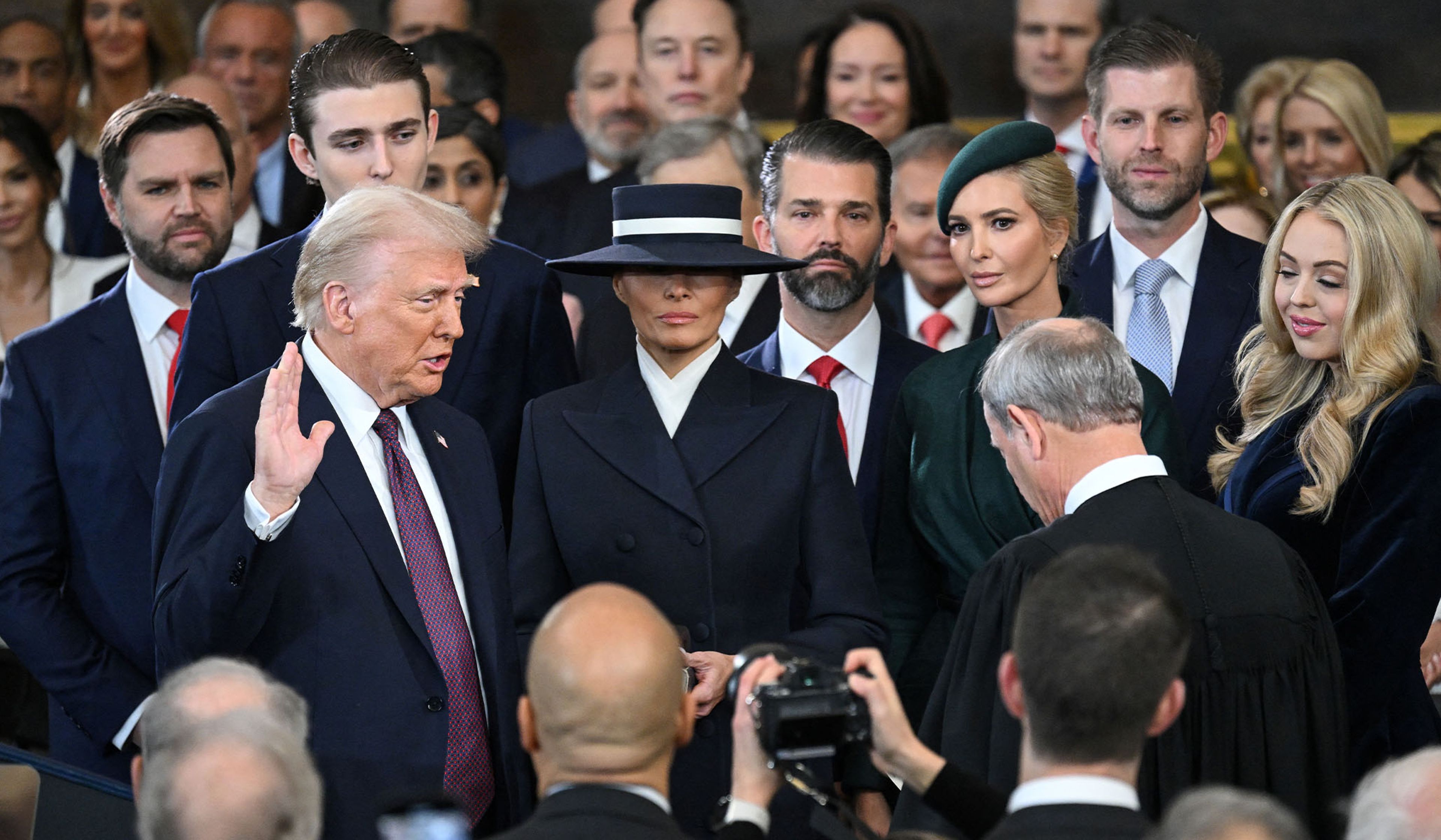
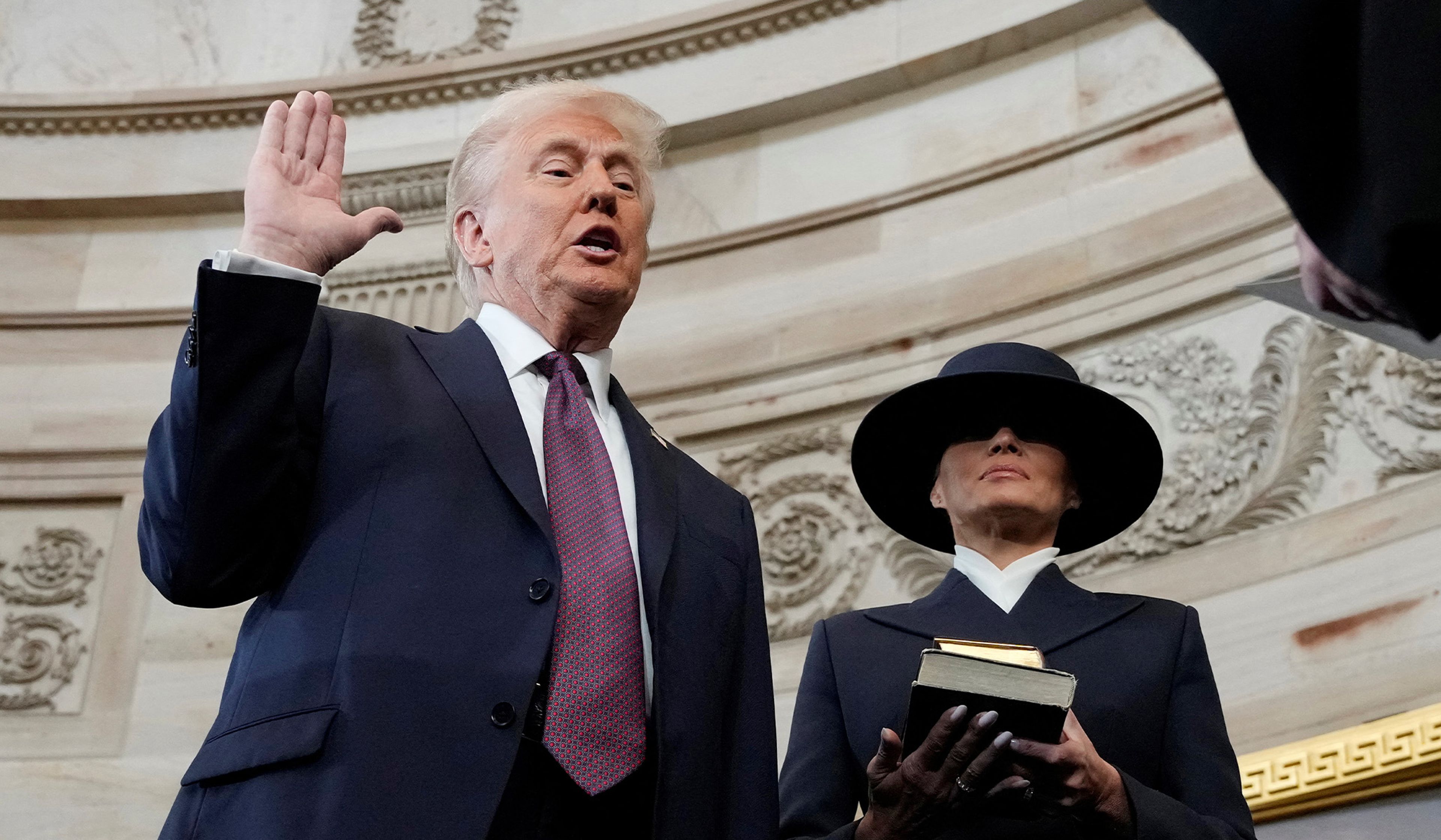
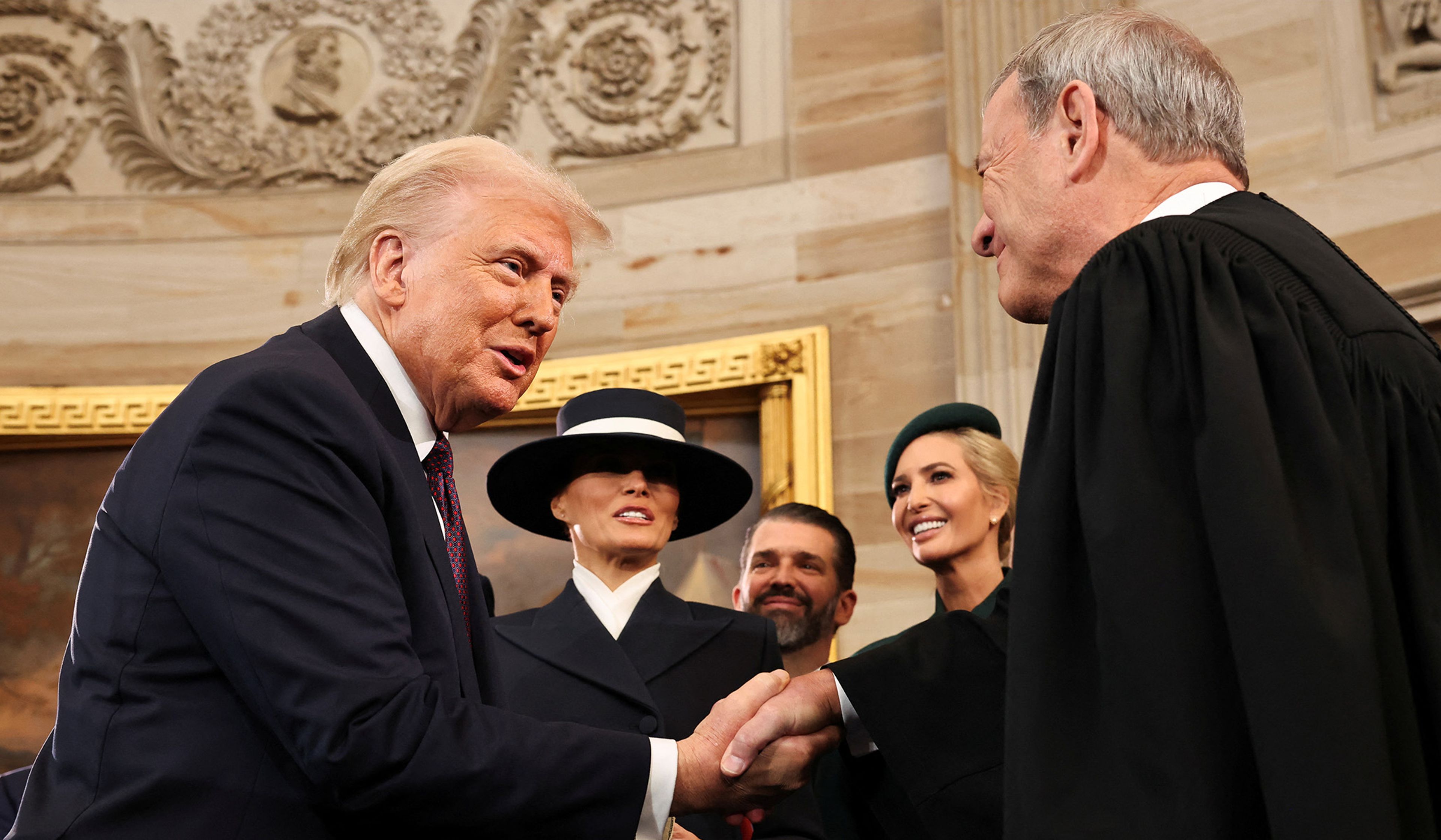
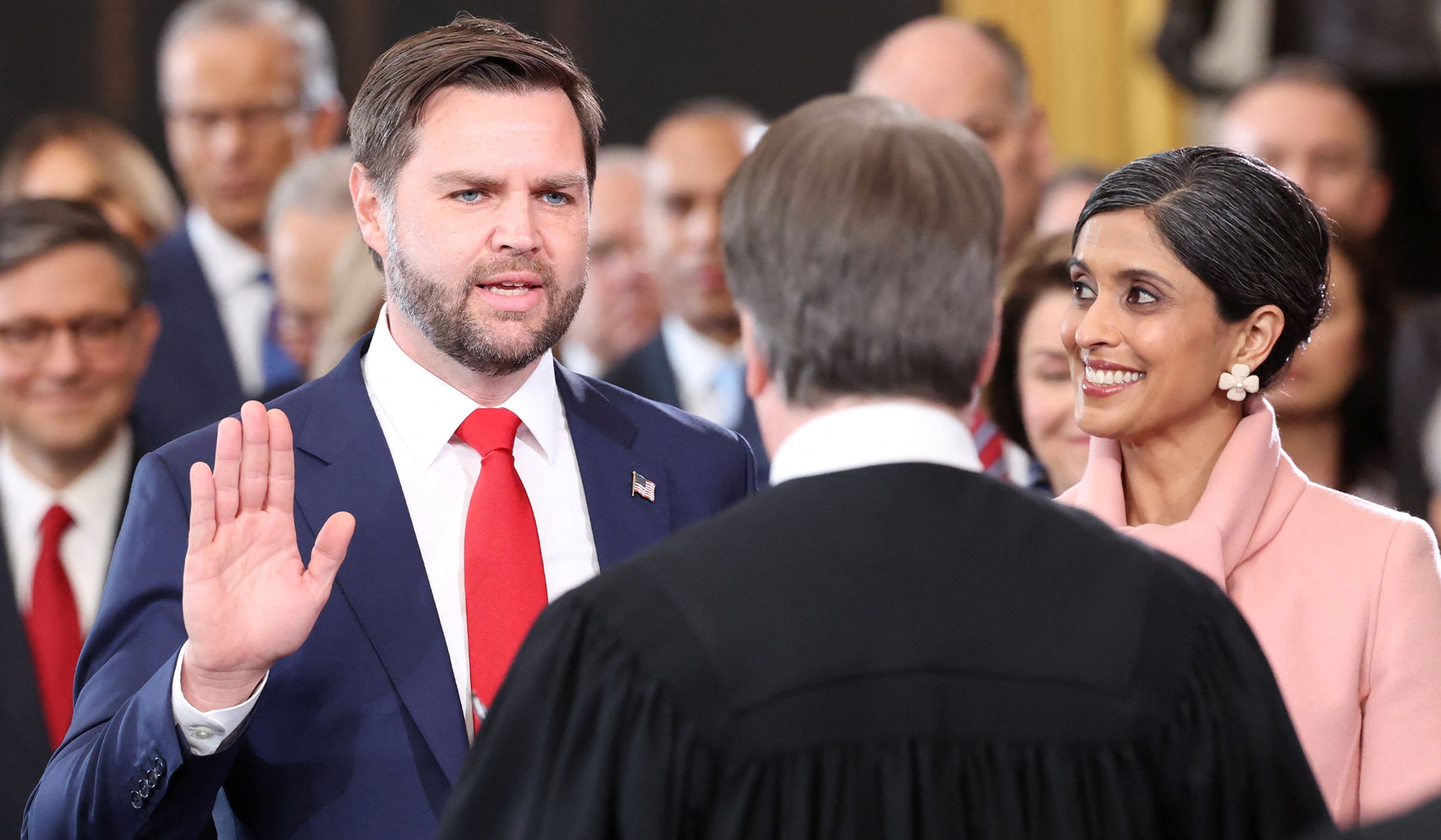
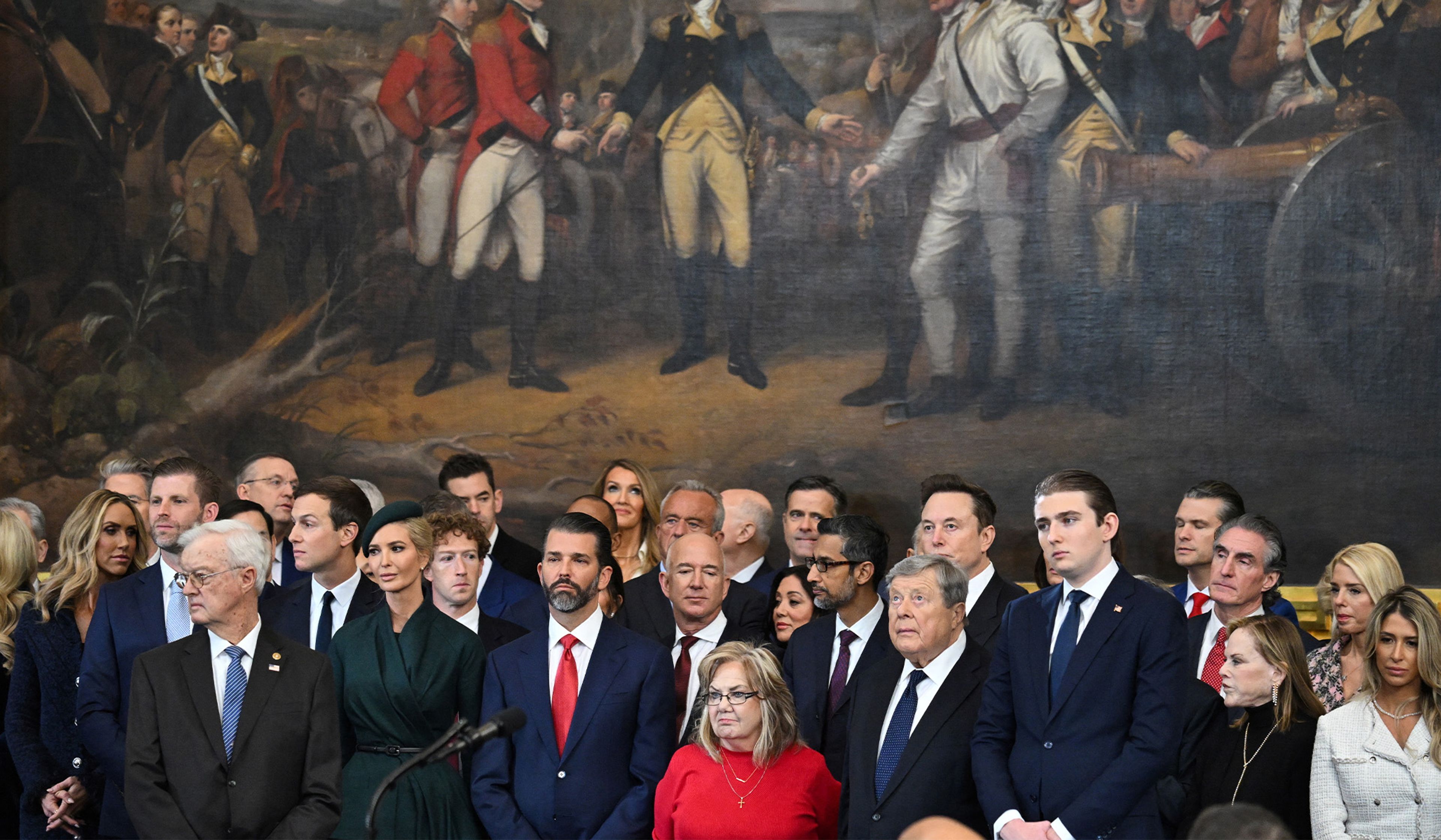
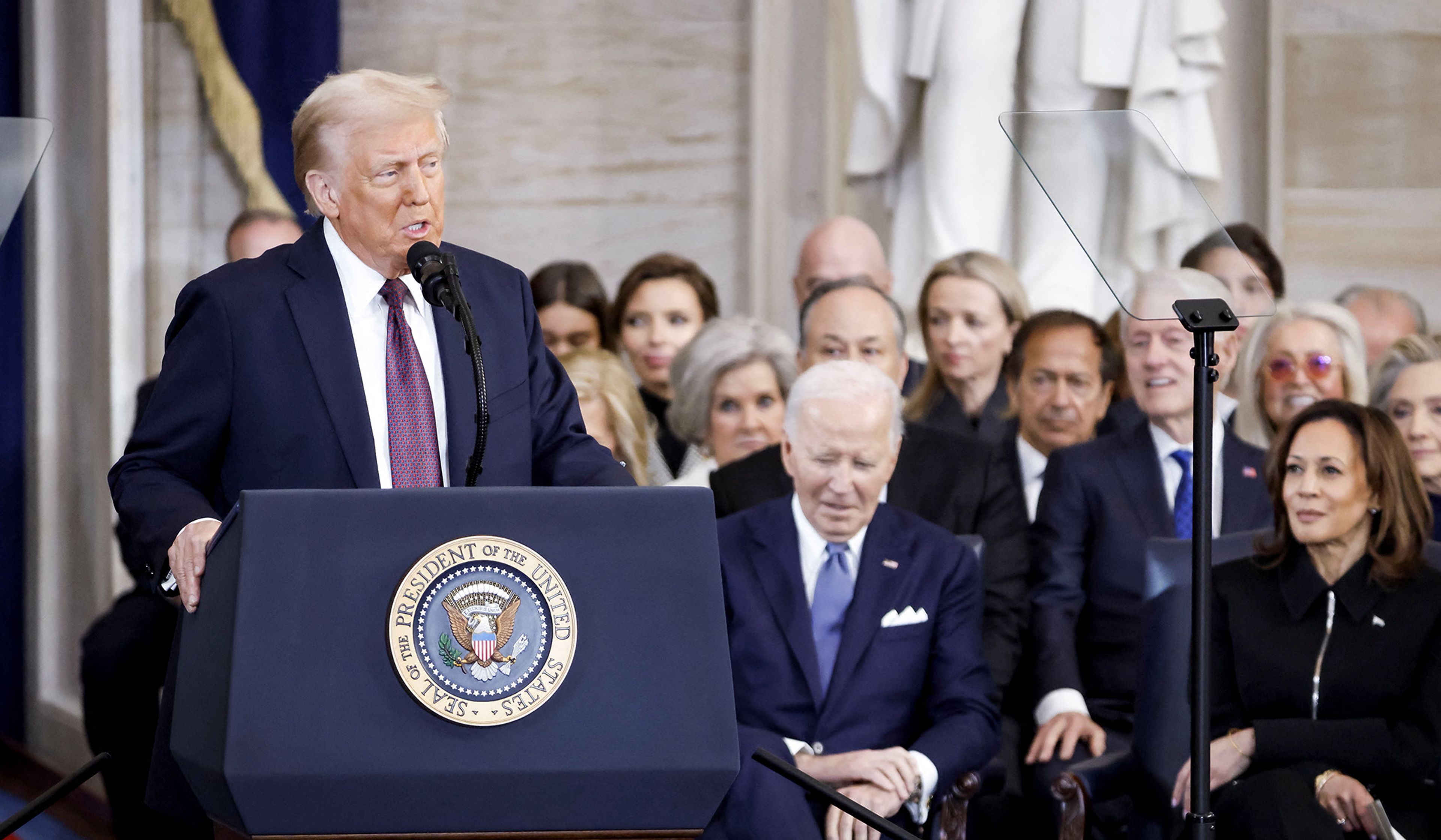
President-elect Donald Trump salutes as he and JD Vance listen to the performance of the National Anthem during their inauguration ceremonies in the Rotunda of the U.S. Capitol in Washington, D.C., January 20, 2025.
Chip Somodevilla/Pool via Reuters
• The riot at the Capitol on January 6, 2021, was a national disgrace. It was also a crime. Police were assaulted. There was theft and $2.88 million in property damage. Criminal prosecutions, rightly, followed. Some 600 participants, including almost 200 rioters who carried weapons, were charged with assaulting, resisting, or impeding police. But the extraordinary and disproportionate resources deployed to charge them could not have contrasted more strongly with how Democratic prosecutors dealt with other riots and political disorders. In one of his first official acts, Trump terminated all the remaining January 6 prosecutions and pardoned over 1,500 people previously convicted, exempting only 14 of the worst defendants, who were given commutations of their sentences. Trump took political cover from Joe Biden’s abusive last-minute pardons, but he went too far. The real scandal is not that violent rioters were charged on this occasion but that they were let off on so many other occasions. While some individual cases may have warranted a pardon or commutation after a thorough review of the facts, Trump should have drawn the line there. Pardons of those convicted of nonviolent offenses are less damaging — many of them have been punished enough after four years — but should still have been done on a case-by-case basis. This is a poor start for an administration that has pledged to end the partisanship of law enforcement and restore public order.
• In his final minutes in power, Biden concluded his historic abuse of the pardon power by pardoning his siblings and their spouses, led by his brother Jim, his son Hunter’s principal partner in the Biden family business of selling access to Joe’s political influence. The finale was set in motion last month when the former president pardoned Hunter, after insisting prior to the election that he would not. Hunter’s pardon extinguished his Fifth Amendment privilege against self-incrimination, so that he could now be forced to testify against other members of the scheme. Hence the additional pardons. Biden also preemptively pardoned public officials who had crossed swords with Trump — Anthony Fauci, General Mark Milley, and the House January 6 Committee. These were gratuitous since such officials have immunity for their official actions, but Biden framed them as necessary protection against a vindictive Trump, calculating that this would justify pardons of his family members. No one should be fooled.
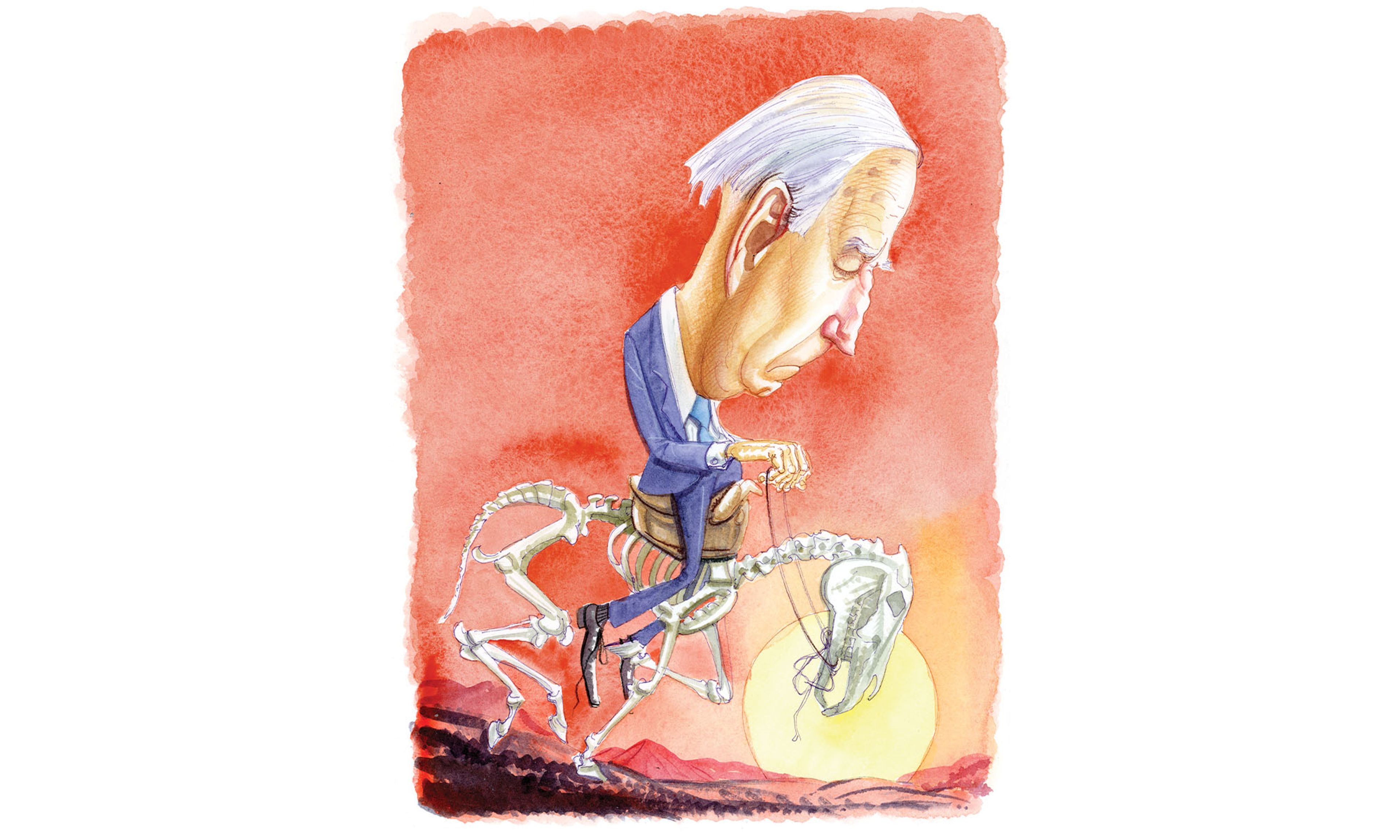
• For about three weeks, between Joe Biden’s debate with Donald Trump and his withdrawal from the race, the mainstream media expressed great interest in the condition of the president. And then, once Kamala Harris became the Democratic nominee, a lot of powerful media voices lost interest — never mind that he was still commander in chief. There were a few notable exceptions, including a Wall Street Journal exposé (July 8) that CNN’s Oliver Darcy dismissed for having too many Republican sources. The final days of the Biden presidency brought more eye-opening anecdotes of our doddering octogenarian president from the late-to-the-story New York Times. A member of the French presidential staff asked with concern about Biden’s health, saying he appeared “in a fog.” Senators Jack Reed and Sheldon Whitehouse of Rhode Island warned Chuck Schumer that they doubted that Biden was still fit to serve now, never mind another four years. Separately, House Speaker Mike Johnson told an unnerving story of asking Biden about an executive order limiting natural gas exports that Biden had no memory of signing. Anyone with eyes or ears could tell the effects of age had hindered the president since at least 2021, but Biden was protected by a shameless staff, willfully blind media, and spinelessly acquiescent Democratic lawmakers. The scandal ought to outlast the administration.
• On their way out the door, Biden and Harris also expressed their opinion that the Equal Rights Amendment had been ratified as part of the Constitution when the Virginia legislature voted for it in 2020. Evidently it had escaped their attention during the first 208 weeks of their administration. The theory here is that, when Congress sent the amendment to the states in 1972, the action was valid but the time limit it set for ratification was not; and that, when states rescinded their ratifications, their actions were invalid. Justice Ruth Bader Ginsburg, not prepared to get quite that creative, said that the amendment process would have to start over. Adding to the absurdity, Biden did not direct the national archivist to publish a newly amended Constitution, something she had earlier said she would not do. The only good news here is that an official almost nobody has ever heard of turned out to be a sterner defender of the Constitution than the country’s top two elected officials.
• Forced to end their anti-Trump lawfare, the Democrats did so with petulance. After Manhattan district attorney Alvin Bragg declined to abandon his prosecution of Trump, Judge Juan Merchan convinced a divided Supreme Court to allow him to sentence the incoming president by promising to mete out no penalties or even make Trump show up in person. Of course, if Merchan and Bragg truly believed that Trump is a dangerous criminal who effectively stole the 2016 election, as they suggested, such a sentence would be inconceivable. The point, instead, was to formally brand Trump a convicted felon, which couldn’t happen until sentence was imposed. Meantime, Department of Justice special counsel Jack Smith issued a final report on the January 6 case before resigning. The report served no purpose after two indictments, extensive litigation, and a 2,000-page proffer of his evidence publicly filed three weeks before Election Day. The press took the opportunity to highlight Smith’s belief that he had enough evidence to convict Trump — a nonstory given that it would otherwise have violated DOJ rules for a prosecutor to file charges. Democrats and their megaphones have yet to grasp that lawfare hurt them more than it hurt their target.
• This is not an easy time to be speaker of the House. Republicans have a bare majority in the chamber. The caucus has a handful of high-profile members who prefer to showboat for the cameras and scapegoat the speaker for anything under the sun; an incoming Republican president with big ambitions, short patience, and erratic decision-making; a new Senate majority leader, John Thune, who doesn’t always agree on tactics; and a media eager to spotlight every Republican division. Luckily for the GOP, they have Mike Johnson to tackle what often is a thankless task. A lot of the gripes about Johnson’s leadership in the past year were actually complaints about the difficulty of getting things done with a small House majority and, up until January, a Democratic Senate and president. Johnson’s amiable, even-keeled demeanor shouldn’t be taken for weakness; over the past year, he has proven to be a reliable and thoughtful conservative and a shrewd tactician, playing his hand as well as anyone could.
• The devastating wildfires in Southern California are both a natural disaster and an unnatural one, a catastrophe exacerbated by the foreseeable consequences of deliberate government policy decisions. California has neglected to ensure that it has enough water in its reservoirs. For years, but to no avail, firefighters and wildfire- prevention experts have urged California to use more controlled burns to mitigate the risk. California’s budget has $16.9 billion in reserves, but the most recent budget included $105 million in cuts to fire-prevention programs. Los Angeles mayor Karen Bass’s presence in the city would not have stopped the fires, but the National Weather Service warned of a high risk of wildfire before Bass was posing for photos at an embassy cocktail party in Ghana while the Palisades fire exploded on January 7. The blue-state model of governance has proven catastrophically incapable of differentiating needs from wants. The state needed a far more extensive wildfire-prevention program, and the city needed a lot more firefighters and firefighting equipment. But they had other priorities.
• If “tariff” is truly the “most beautiful word in the dictionary,” as Trump has said, then Americans should be excited about this wonderful economic policy and Trump should be urgent in giving it to them. Yet many defenders of his trade policy insist that his talk about tariffs is merely a “negotiating tactic” and that they won’t be imposed in any economically damaging way. Trump’s promise, however, has been to threaten tariffs in negotiations not only against adversaries but against every country. His most concrete tariff promises so far have been against Mexico and Canada, the countries with which, in his first term, he negotiated what he called “the best and most important trade deal ever made by the USA.” But tariffs are supposed to protect domestic industries from foreign competition by raising prices on its goods to discourage Americans from buying them. Tariffs are also supposed to raise revenue, perhaps as much as $1 trillion, meaning that the foreign goods would still be coming into the country, as that is when the tax is collected. If none of this makes sense to you, it also apparently doesn’t make sense to Trump’s administration, which thankfully broke its promise by not imposing any tariffs on Day One.
• Five Republican House members — Tom Kean (N.J.), Young Kim (Calif.), Mike Lawler (N.Y.), Andrew Garbarino (N.Y.), and Nick LaLota (N.Y.) — have banded together to demand the removal of the $10,000 cap on the deduction for state and local taxes (SALT). The cap was included in the 2017 Tax Cuts and Jobs Act, the individual provisions of which expire at the end of this year. The SALT deduction is bad federal tax policy that shields elected Democrats (note that all five representatives are from high-tax states) from facing the consequences of their fiscal irresponsibility. Capping it, or removing it entirely, would further tax competition between states — competition that Republican states are winning by cutting their income taxes and attracting new residents in the years since the TCJA was enacted. With the GOP’s House majority as small as it is, these five — or any other small group of members who unite for any purpose — will have to be heard to get a tax bill passed this year, even though the only people significantly affected by the $10,000 cap are relatively high earners for whose benefit national tax policy should not be manipulated.
• When House Republicans passed the Laken Riley Act last March, it was more a messaging bill — a way to force Democrats to confront the consequences of Joe Biden’s lax immigration enforcement regime — than legislation destined for the president’s desk. Opposing the Laken Riley Act was “the reason why we lost,” Pennsylvania’s Democratic senator John Fetterman, one of the bill’s original co-sponsors, told Fox News. “If you’re here illegally and you’re committing crimes, I don’t know why anybody thinks that it’s controversial that they all need to go.” All of a sudden, Fetterman’s colleagues agreed. After Trump’s reelection, erstwhile opponents of the bill raced to co-sponsor it. Senate Minority Leader Chuck Schumer dropped his objection to negotiating amendments to the bill ahead of a floor vote. In the end, the legislation passed with the support of 64 votes in the upper chamber. What a difference an election makes.
• Mark Zuckerberg has announced substantial changes to how Facebook and Instagram will be moderated. Among the planned changes are to get “rid of fact checkers and replace them with community notes similar to X”; to move all content-moderation teams from California to Texas; to accept that certain propositions in the realms of “gender” and “immigration” are debatable; to tune the sites’ “content filters to require much higher confidence before taking down content”; and to work with the Trump administration to “push back on governments around the world that are going after American companies and pushing to censor more.” Reasonable observers can debate Zuckerberg’s motivations, but the changes are all welcome. Better still, they are sufficiently concrete as to make measurement easy. If Zuckerberg does not get rid of the fact-checkers in favor of community notes, move his moderation teams to Texas, or stop banning users for expressing quotidian political opinions, it will be obvious. Zuckerberg is not the first Silicon Valley entrepreneur to alter course in this manner. But he is certainly one of the most consequential.
• Days before Trump took office, the FDA proposed reducing how much nicotine can be in cigarettes. If cigarettes continue to bear punitive levels of taxation, it would be extremely expensive for people to make up their nicotine shortfall by smoking more. (It would also be dangerous: It’s smoking, not nicotine, that does such damage.) The new administration is expected to reject the idea, and rightly so. It would be an attack on consumer choice and a gift for black-marketeers. More rationally, the FDA has authorized Zyn, a tobacco-free variant of Swedish “snus,” as a safer alternative to cigarettes. (It still has the nicotine.) Traditional snus is a form of tobacco snuff treated in a way that renders it noncarcinogenic. The user typically inserts a small pouch under his or her upper lip. Swedish data have long shown that snus has only minimal side effects and, by a huge margin, is a safer alternative to cigarettes. Snus helps explain why smoking levels are so low in Sweden. The FDA is also allowing Zyn to be sold in various flavors. Eager to let the perfect be the enemy of the good, some activists are complaining.
• New Year’s Day brought a grim reminder that jihadist terror remains a national security challenge: Shamsud-Din Jabbar, a Texas-born Army veteran, plowed a pickup truck into Bourbon Street revelers, killing 14 and wounding dozens of others. Another grim reminder: Our government persists in its conscious avoidance of jihadism’s catalyst. At the first press conference, a top FBI official announced that “this is not a terrorist event.” Not only had Jabbar driven a vehicle into a crowd (which has become a global terrorist go-to); he had been flying from the truck’s rear hitch the black flag made notorious by al-Qaeda and ISIS. Yet, since the Obama years’ reimagining of counterterrorism as “countering violent extremism,” security personnel have been instructed to blind themselves to the nexus between an ideology rooted in fundamentalist Islam and brutality carried out by Muslims. Ergo, the FBI will not call terrorism “terrorism” unless and until agents find some tie, however strained, to a formally designated terrorist organization the government regards as peddling a false version of Islam. If we don’t deal gimlet-eyed with what fuels the threat, we ensure more attacks.
• Israel and Hamas have struck a deal for an initial cease-fire that will pause hostilities for six weeks and lead to the release of 33 hostages. The first three were released on January 19. It is the first step in a process that could see the war in Gaza come to an end, with all hostages returned to Israel. The deal gave both Biden and Trump something to take credit for. While freeing the hostages is obviously a cause for celebration within Israel, the deal came at a significant cost. Israelis will be required to withdraw from parts of Gaza that they wrested from terrorists after months of deadly urban warfare. Israel will also be required to release dozens of Palestinian prisoners for each hostage set free. In another cruel twist, the 33 hostages (some living, some dead, and including two U.S. citizens) will be released only gradually over the course of the 42-day initial phase. Furthermore, at the end of the first phase, Hamas will retain more than 60 hostages, including one American thought to be alive and the bodies of several others. Securing their release will require additional concessions from Israelis. No matter how great the temptation will be to get the war over and done with, the new Trump administration must hold firm on assurances made by his incoming national security team and allow Israel the latitude to resume military operations in Gaza if necessary.
• The slow death of Justin Trudeau’s political career has been mesmerizing. In 2015, he led the Liberal Party of Canada to its first majority government since the 2000 general election. In 2019, he lost that majority and has bitterly clung to power ever since. Through it all, he has been a dutiful servant to whatever progressive cause rules the day. Net zero, mass immigration, a carbon tax, gender ideology: Canadians are finally fed up and appear set to give the Conservative Party under Pierre Poilievre a huge majority. Poilievre has campaigned as a champion of free markets, law and order, and the restoration of Canada’s previously sensible immigration policies. Pleasurable as it may have been to make fun of Trudeau for the past decade, the U.S. is better off when our neighbors are competently governed. The electoral pounding the Liberals are set to receive will help set Canada back on course to being “the True North strong and free.”
• South Korean president Yoon Suk-yeol is undergoing an impeachment trial after his confusing imposition of martial law on December 3, when 300 armed soldiers rushed Parliament to arrest elected lawmakers. Parliament reversed his declaration of martial law by a majority vote that included members of Yoon’s own party. A constitutional court will decide whether to remove him from office. Yoon is suspected of influence-peddling, but his Conservative Party insists that the investigations are retribution for inquiries into Democratic leader Lee Jae-myung. When Yoon’s detention was extended in mid-January, some of his supporters stormed the capital in a riotous protest that immediately inspired comparisons to the Capitol riots of January 6 in the United States. The U.S. may need to give discreet diplomatic support to South Korea’s government as it tries to stabilize. A crucial allied government sits vulnerably between the mercantilist desires of Xi Jinping and the irredentism of North Korea. South Korea is a young democracy, with origins only in the late 1980s, but it is already a frightful example to the world about the dangers of endemic democratic lawfare, weaponizing criminal law to achieve political ends and outcomes.
• Day after day, Russian forces in Ukraine assault civilians, in an effort to subjugate the country. The names of the dead, a few of them, should be recorded. On New Year’s Day, Russia struck Kyiv. Dead are Ihor Zyma and Olesia Sokur, a married couple, who worked as scientists at Taras Shevchenko National University. Later in the month, Russia struck Kryvyi Rih, a frequent target, perhaps because it is the hometown of Ukraine’s president, Volodymyr Zelensky. A 20-year-old student, Oleksiy Akymenko, was killed. He was killed alongside his grandmother, Alyona, 61. A 45-year-old music teacher, Oksana Sukhorukova, was killed. Her husband, Ihor, sitting in the car beside her, survived. Said Zelensky, “Each such terrorist attack is another reminder of who we are dealing with. Russia will not stop on its own — it can only be stopped by joint pressure.”
• Members of the American Historical Association voted, 428–88, in favor of a resolution to condemn Israel’s alleged “scholasticide” in Gaza. Intellects at the United Nations define the term as “the systemic obliteration of education through the arrest, detention or killing of teachers, students and staff, and the destruction of educational infrastructure” (which better describes, say, Iran’s domestic policy). War involves the destruction of infrastructure of all sorts as a matter of course. To accuse Israel of specifically targeting Gaza’s educational infrastructure, such as it is, to hamper Gazans’ education, is risible — especially when a real education might be the only thing capable of disillusioning more young people about the Hamas death cult. A few days after the AHA’s vote, its governing council vetoed the resolution, sparing the country’s oldest professional scholarly association — which represents more than 10,000 historians — from historic ignominy. It also did its part to dispel the conceit that those who study history can stand outside it.
• Arlene Croce was one of the outstanding critics in America — of dance, in particular. She wrote about film and other matters as well. Her chief home was the New Yorker. Early in her career, she wrote for NR, along with Garry Wills, Joan Didion, Renata Adler, John Leonard, et al. WFB had an eye for talent, even if that talent went on to more liberal pastures. An extraordinary man, he wanted good cultural criticism for the sake of such criticism. Arlene Croce has died at 90. R.I.P.
• Now and then, a political consultant becomes legendary, and Stuart Spencer has been legendary for most of our lives. He was a Republican, advising Rockefeller, Ford, and Reagan. He was smart and he was good. Did he luck out having Reagan as a client? Yes, but the luck ran both ways, as Reagan would attest. Stu Spencer has died at 97. R.I.P.
• For two decades David Lodge taught literature at the University of Birmingham (England), publishing solid scholarship and original criticism. He wrote novels on the side. Their plots he built from vignettes of academic culture, Great Britain, the Catholic Church, and their intersection in his comic imagination. In his early fiction he fondly satirized the “gloomy, grubby ornateness” of English Catholicism between the Second World War and the Second Vatican Council. With Changing Places (1975), the first installment of what became his Campus Trilogy, he revived and expanded a genre that had fallen out of fashion. Disenchanted by the increasing commercialization of higher education, he retired early, in 1987, and devoted the rest of his career to writing what he pleased. He wrote plays and TV scripts in addition to seven volumes of literary criticism, 16 novels, and three memoirs. Droll and reserved, his narrations shone with understated generosity. “What Lodge lacks in this book,” the campus novel Nice Work, “is a necessary edge of cruelty,” a critic complained. “He is too nice to his characters.” Strike too. Dead at 89. R.I.P.
• Among the many wide windows into the historical event that was the Sixties in America, the life of Peter Yarrow stands out for its spectacular view of so much happening all at once. The aspiring folk singer fresh out of Cornell and bouncing around the cafés of Greenwich Village joined with two peers to form the trio Peter, Paul and Mary, picking up where the Weavers had left off but including enough ear candy to win over audiences for whom protest songs were not the main draw. Within two years, Yarrow had written “Puff the Magic Dragon,” a poignant riff on the transition from childhood to adolescence, and rode the wave after the trio’s recording of it made them famous overnight. As if on schedule, they disbanded in 1970, leaving behind a trove of classics, including covers of “If I Had a Hammer” and “Blowin’ in the Wind,” which they had performed at MLK’s March on Washington. Convicted of taking indecent liberties with a minor, Yarrow served a prison sentence, expressed remorse in public repeatedly, and was pardoned by President Carter but chastised anew decades later in the wake of the Me Too movement. Dead at 86. R.I.P. Day is done.
• Last November, when former president Joe Biden was just beginning perhaps the lamest of all lame-duck periods, he awarded Cecile Richards the Presidential Medal of Freedom. He congratulated her, the former head of Planned Parenthood, for leading us “with absolute courage” and “fearlessly” toward “the America we say we are — a nation of freedom.” He also euphemistically praised her work to “defend and advance women’s reproductive rights and equality.” Richards herself disdained such euphemism: She was the first speaker to use the word “abortion” at the 2016 Democratic National Convention. It was just one sign of how she succeeded in normalizing abortion on the left. When she left her post in 2018, Time magazine praised her for strengthening an organization that didn’t even have a “centralized website” in 2006. Now, what was once the party of “safe, legal, and rare” abortion moved aggressively toward a position of taxpayer-funded abortion without limit. In her life, Richards gave no indication that she was anything but proud of this accomplishment. Dead at 67. R.I.P.
• Jimmy Carter won the presidency because he was a mildly liberalish white Southerner who would exorcise memories of Vietnam and Watergate simply by being himself. His tenure turned out to be far more fraught. His accomplishments included putting missiles in Europe to defy Soviet buildups and bolster NATO; brokering peace between Israel and Egypt; deregulating airlines; emphasizing human rights, a welcome change from Kissingerian realpolitik. But so much else went wrong. The Soviets and their clients had been on a roll worldwide throughout the Seventies, from Africa to Indochina; during his administration, Afghanistan fell too. Egyptian president Anwar Sadat paid for his peace with his life. Inflation raged simultaneously with recession, something liberal economists said could not happen. The shah of Iran fell to a despotic anti-American zealot, and the helicopters sent to rescue our kidnapped diplomats crashed in the Iranian desert. Carter had a personality that leaned into his travails — canting, yet feeble. His post-presidency, widely praised, was overpraised. He raised money and talent to eradicate the Guinea worm and other scourges. But he accredited himself a freelance diplomat, meddling in Haitian and Korean affairs, and becoming an anti-Israel shill. His housebuilding with Habitat for Humanity was too well photographed: Your left hand should not know what your right hand is hammering. Yet we must take the sweet with the bitter. Dead at 100, he joins Rosalynn, his wife of 77 years. R.I.P.
Politics
Peak Performance
What was the moment? Was it the inaugural venue, moved thanks to the cold to the Capitol Rotunda, which spared President Trump the futile boasts about the size of his crowd that marred his first inauguration, and which lent this one a sense of intimacy, and of history, presided over by John Trumbull’s paintings and statues of Grant and Lincoln? Was it Trump’s rhetoric — the optimistic half of it, the Noo Yawk–accented version of admiring, and admirable, patriotism? Was it that first startling view of Melania Trump’s death’s head hat? Or had it come the night before, when Trump, still president-to-be, did his dancing bear jig with the surviving original cast of the Village People, Seventies gay camp assimilated to Trumpian conservatism’s triumph?

Russell Kirk, pick yourself up off the ground.
Those peak moments came because of a yearslong improbable, narrow, yet sweeping political comeback, begun by lies about the January 6 riot and Trump’s role in it, maintained by Trump’s persistence and campaign savvy, and sealed finally by the Biden administration’s incompetence, by his unacknowledged, unignorable debility, and by his and his party’s abandoning the middle ground of normalcy. Trump could rightly talk about a “revolution of common sense” because Democrats had been so senseless — treating the nation’s borders and biology’s sexes as fictions, while creating entire bureaucracies and ugly new languages (migrant, birthing parent) to enforce a pseudo-reality.
For those who celebrate, enjoy these moments. Complication, which comes with every day after, will come to Trump too.
Trump spoke of “magnificent, law-abiding American citizens” menaced by “dangerous criminals” who crossed the borders illegally. Many dangerous criminals did exactly that, and how not, since no one was checking. But the crime that blights American cities is mostly the work of native-born criminals enabled by native-born DAs animated by mistaken ideology. Uprooting them and undoing their work will take a big push, which cannot all come from the federal government.
Trump said “we will not allow ourselves to be taken advantage of any longer.” Yet he began his second term soft-soaping TikTok, the Chinese Communist Party’s information vacuum cleaner and influencer.
He called for an “external revenue service to collect all tariffs, duties and revenues. It will be massive amounts of money pouring into our treasury coming from foreign sources.” He had better figure out his own tariff policy then. Are tariffs to be imposed across the board? Are they only to penalize enemies? To threaten friends? Who knows?
Trump said his that “proudest legacy will be that of a peacemaker and a unifier,” then a paragraph later he said of the Panama Canal, “We’re taking it back.” The man who dug the canal carried a big stick but spoke softly. Self-proclaimed nationalists should understand that other nations, even little ones, have their own pride. Trump likes to open negotiations with blustering overbids, and he also likes to bluster simply as trolling. It works in gossip columns, sometimes in domestic politics. It is unseemly with nations.
There were, finally, assorted own goals and sideshows. Trump wants to rename the Gulf of Mexico, which destroys the chorus of Johnny Horton’s “Battle of New Orleans.” Whatsa matter, ya pro-British or something? Meanwhile in the wings former best friend Steve Bannon declared war on new best friend Elon Musk over the issue of H-1B visas. Bannon is probably more in touch with the core of Trump’s support. But Musk is richer, more media-potent, and better shaved. Go to it, gentlemen.
Four years is a long time. The clock has started.
The Stat
4 — the number of times since 1977 that Congress has passed all twelve of its annually required appropriations bills on time.
That’s according to Matthew Dickerson, in “The Budget Process Must Confront the Challenges of Today and Tomorrow,” his paper for the Economic Policy Innovation Center. Dickerson describes the failure of the appropriations process as set out in the Congressional Budget Act of 1974. Congress, by that law, is supposed to pass twelve appropriations bills each year to set spending levels for most federal departments. It’s well known that this process is disregarded now, but as Dickerson notes, “there was never some mythical time” when Congress did enact the appropriations bills on time. The only four years in which it did were 1977, 1989, 1995, and 1997. Other aspects of the law have been successful, such as its creation of the Congressional Budget Office and the House and Senate budget committees. The CBO was one of the first independent fiscal institutions and has served as a model for other countries looking to improve their legislatures’ access to reliable information. But Congress should not feel wedded to the budget process the law created, which has never worked well and is now a hindrance to understanding America’s budgetary woes.
by Dominic Pino
Correction: In “The (Not All That) Odd Couple” (February 2025), Jeff Greenfield wrote that Bill Buckley’s first-ever guest on Firing Line was Norman Thomas. In fact, Thomas appeared on the third episode.











Comments