One way to tell how ideological a given sphere of culture has become is to check out how long it takes a typical review of a typical production to link what’s happening on the page or screen to some structural force or bogeyman — late capitalism, white supremacy, neoliberalism — rather than just the human condition. A powerful portrait of how a passionate romance slowly gives way to an unhappy marriage . . . because of the cruel demands of capitalism. A moving depiction of the fraying bond between a father and a son . . . in the age of neoliberalism. A giddy, garish teen romance . . . under the heavy hand of patriarchy.
Chloé Zhao’s Nomadland, a Best Picture front-runner that stars Frances McDormand as an aging widow who takes to America’s highways, living out of her customized white van, is an interesting movie in part because its relationship to ideology runs the other way. It’s based on a nonfiction book by Jessica Bruder, which is very much about the dark side of American capitalism, or at least American capitalism as it manifested itself after the Great Recession: Bruder follows a collection of seniors undone by the mortgage bust and mass unemployment, erstwhile members of the middle class who make do with seasonal work (Amazon warehouses at Christmas, national parks in the summer), stretch their Social Security checks by becoming literal nomads, and face various forms of exploitation, from Amazon especially, in their quest to keep body and camper together.
From this story Zhao has drawn out a thread, fine and beautiful, that isn’t really about exploitation or booms and busts or the destructive side of capitalism at all. Nomadland the movie pushes those issues to the background, in favor of a story that is either less political and therefore less honest (if you know the source material and think too much exploitation is left out), or less political and therefore more universal (if you give yourself over to what the movie has in mind).
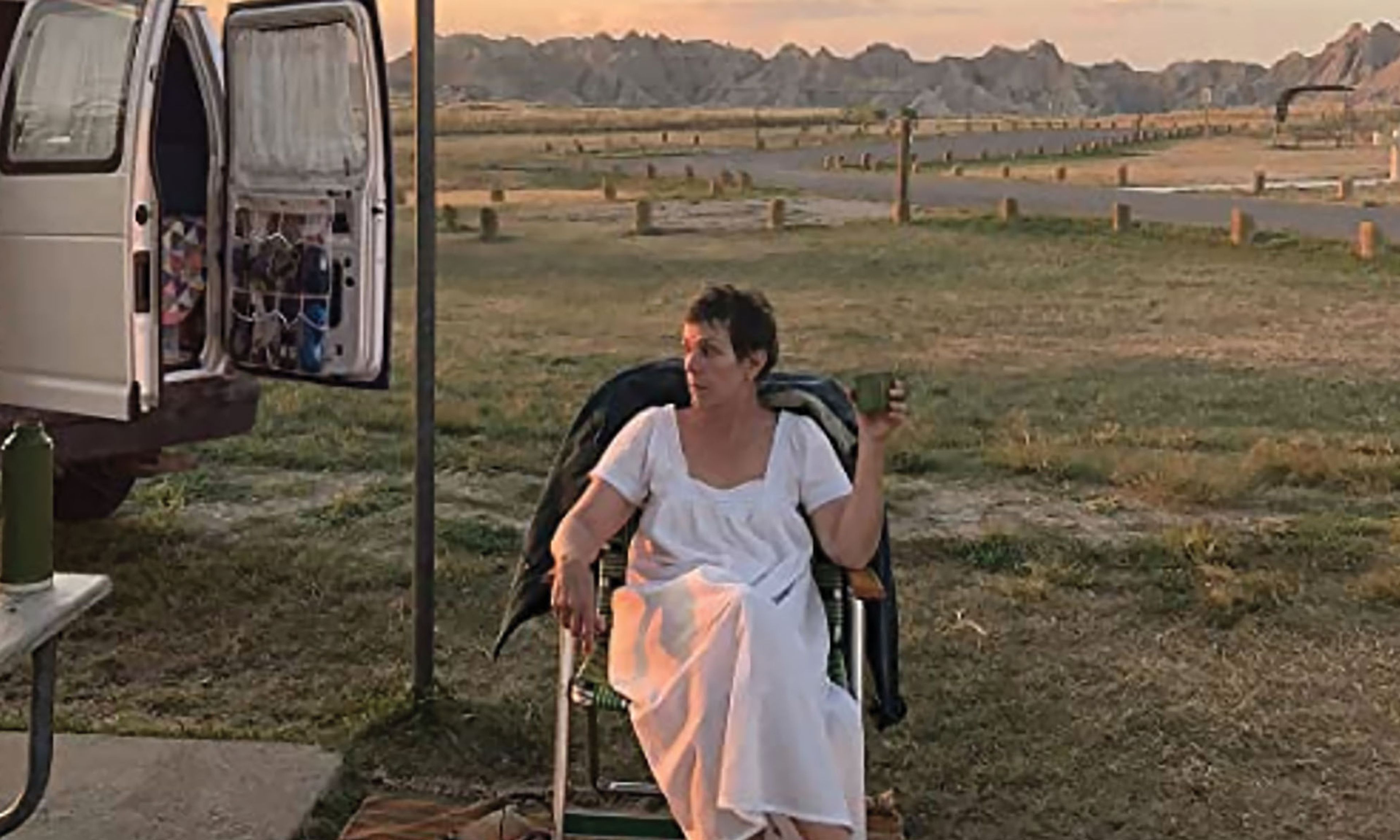
McDormand’s character, Fern, is a difficult woman who moved to a mining town in Nevada with her husband, lived there for decades, and lingered there after his death until the mine and then the town itself shut down. Newly dispossessed as the movie begins, she quickly falls into the world of the nomads, presided over by a benign figure named “Bob Wells,” a guru and life coach with an Old Testament beard, who hosts an annual get-together in the Arizona desert, where he advises his followers on all manner of roadside strategies and van-life hacks. Among his disciples, and soon Fern’s friends, are Swankie, a kayaker with a terminal illness; Linda May, a practically minded migrant with a flair for puzzles who helps Fern steer through various temporary jobs; and Dave (David Strathairn), a gentle older man and a failed father (he thinks) who takes a possibly romantic shine to Fern.
You may have noticed that I cited only one actor’s name for those four characters. That’s because Bob Wells, Linda May, and Swankie are all real people playing themselves, or at least the versions of themselves that appeared first in Bruder’s book and now in the adaptation.
They are all terrific, vivid in a way that sometimes outstrips Strathairn and even McDormand: Fine actors that these two are, they’re still playing characters, while Zhao manages to film the amateurs in a way that makes their fuller humanity shine through on the screen.
What also shines here is the American West — the alien formations of the badlands, the stark beauty of the Southwest desert, the bleak churn of the north Pacific. The movie does not stint in showing the grime and squalor of a roadside life, including the delightful experience of emptying your bowels into a bucket. But it also makes Fern’s life appear to be a chosen one, by offering her various off-ramps — in the home of her hospitable sister (Melissa Smith), perhaps with Dave and his rediscovered clan — which she declines to take. She chooses the open road, and the movie’s imagery seems to vindicate her choice.
At one point the sister, defending Fern, compares the nomads to the pioneers, their ethos to the original frontier spirit. We are supposed to take the line seriously, I think: not in a simple sentimental sense, making all pioneers out to be heroes, but in the sense that the Old West promised space for people too complicated and cussed for civilization — and for fictional versions such as Huck Finn and Ethan Edwards, to whose complicated lineage Fern seems to belong. And in an age of constant surveillance and often undesired connectedness, it’s strangely reassuring to think that there is still a version of the West where the cussed and the complicated, the grieving and the alienated, can go to disappear.
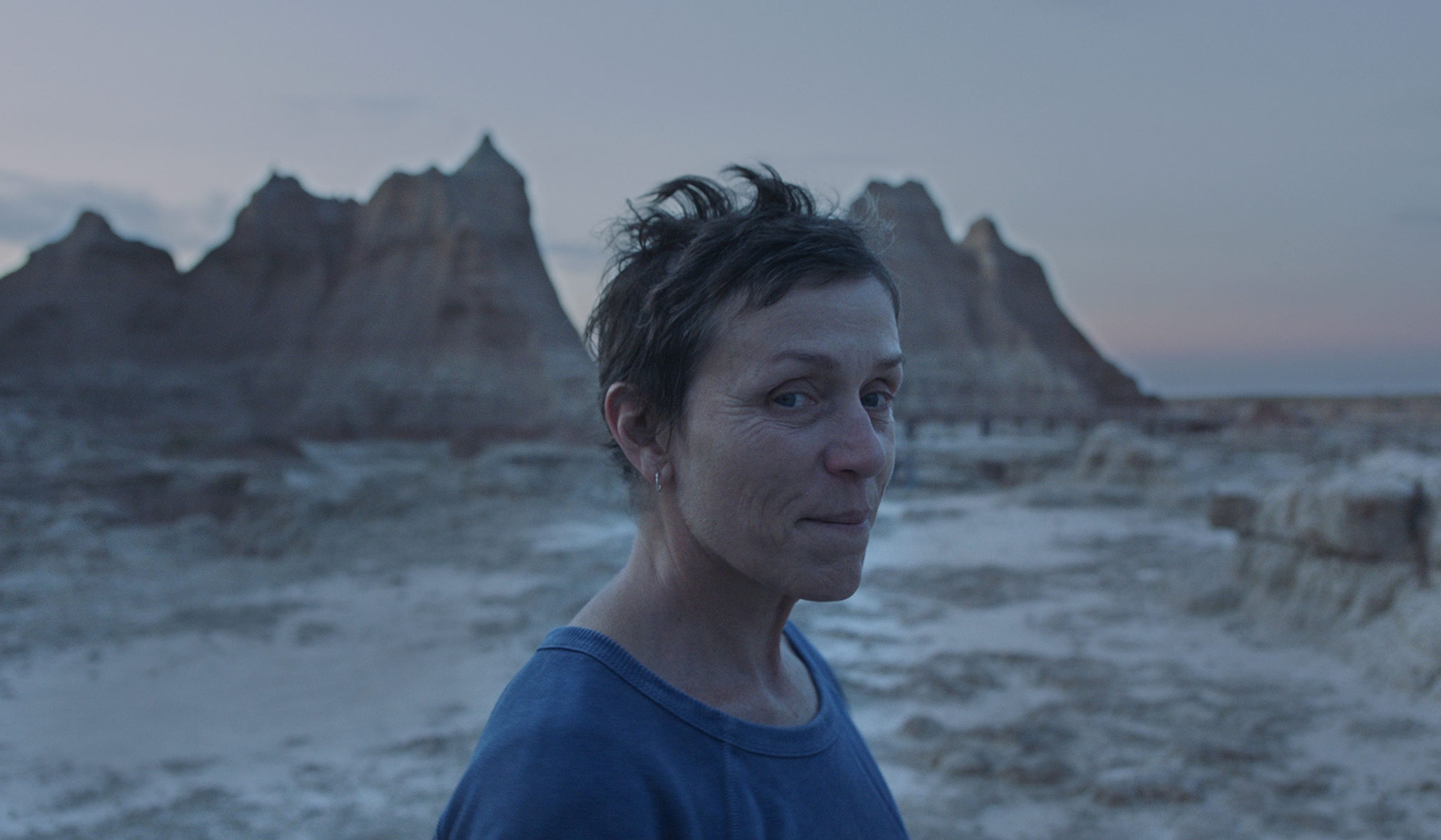
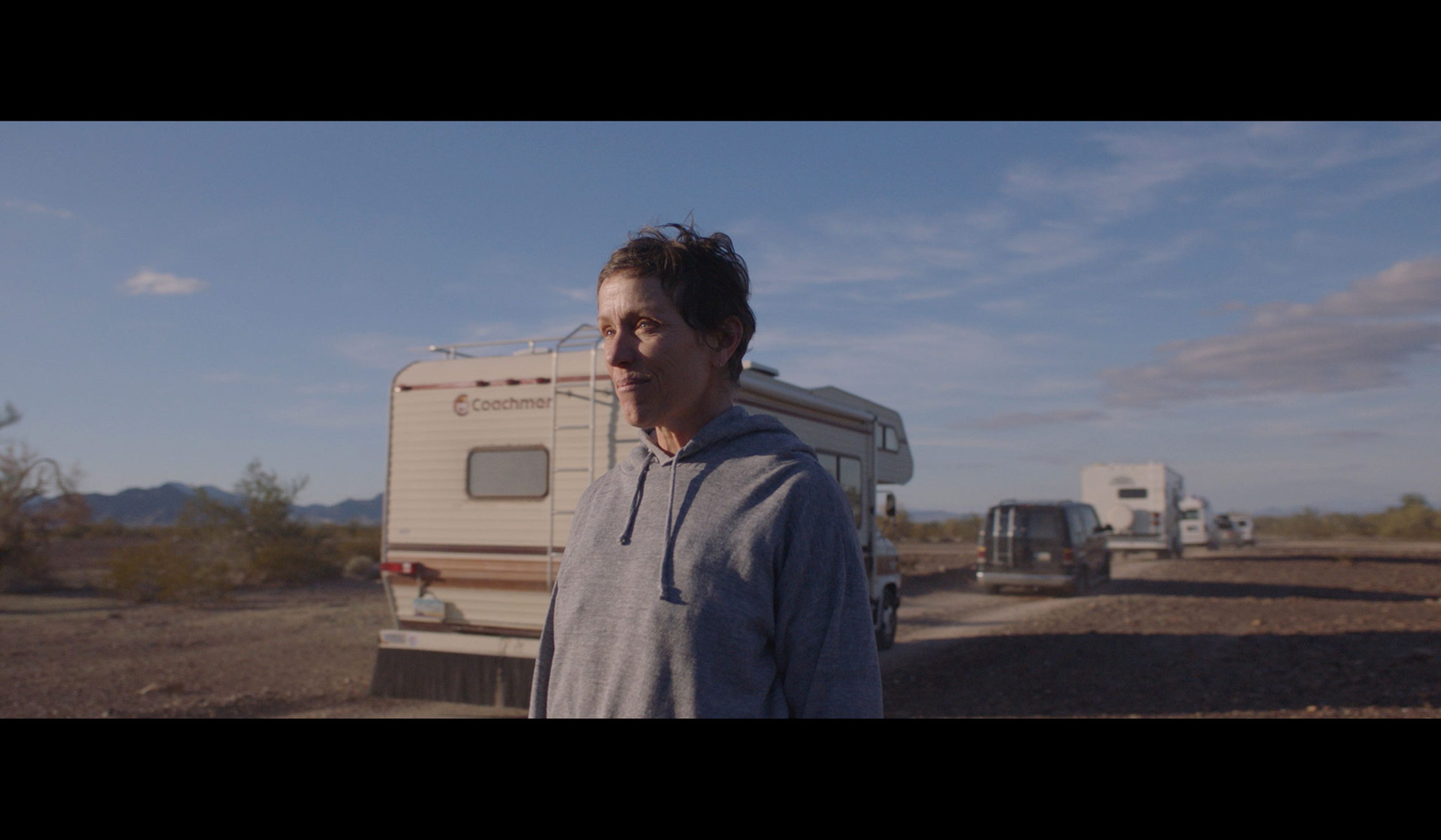
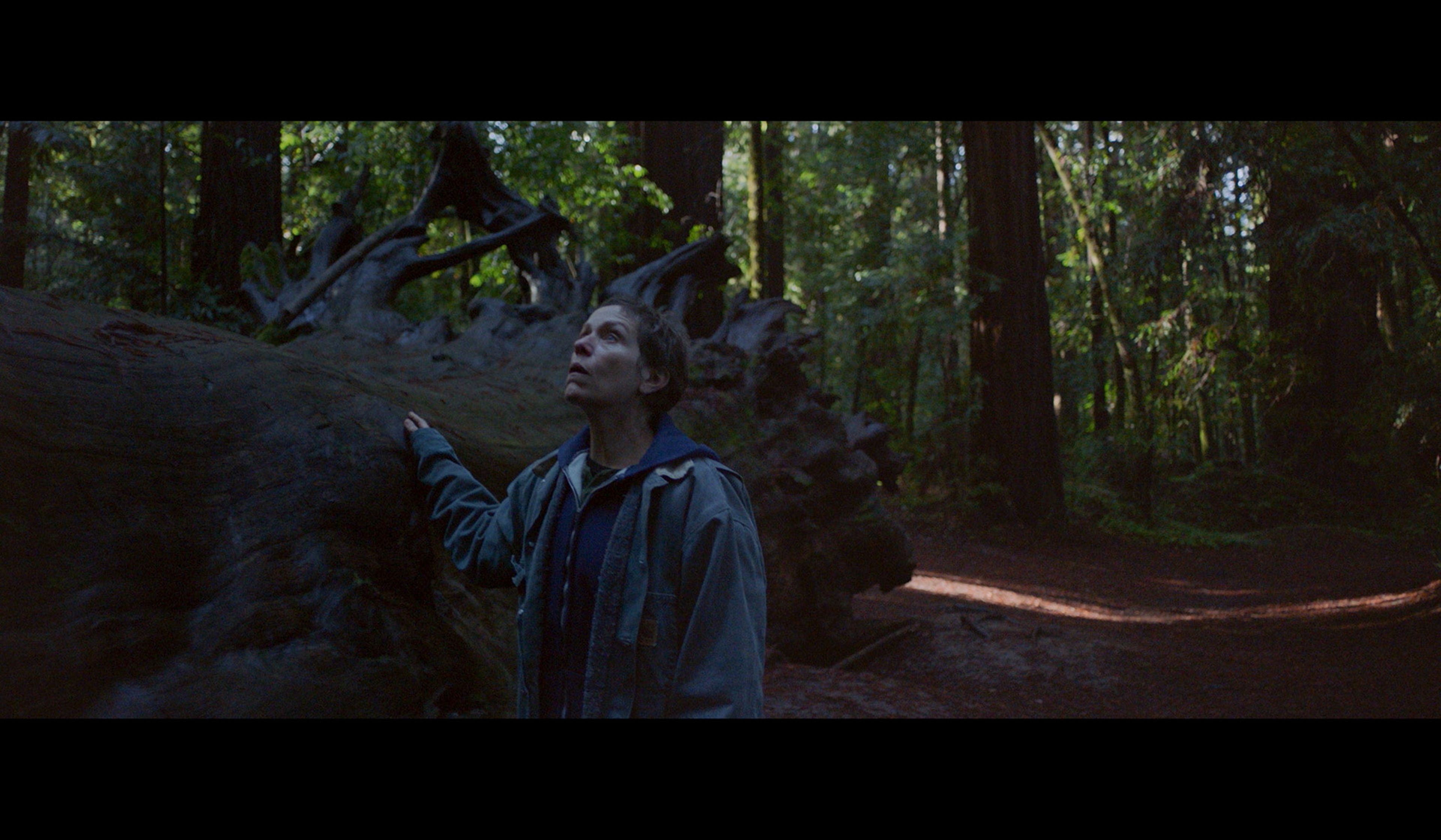
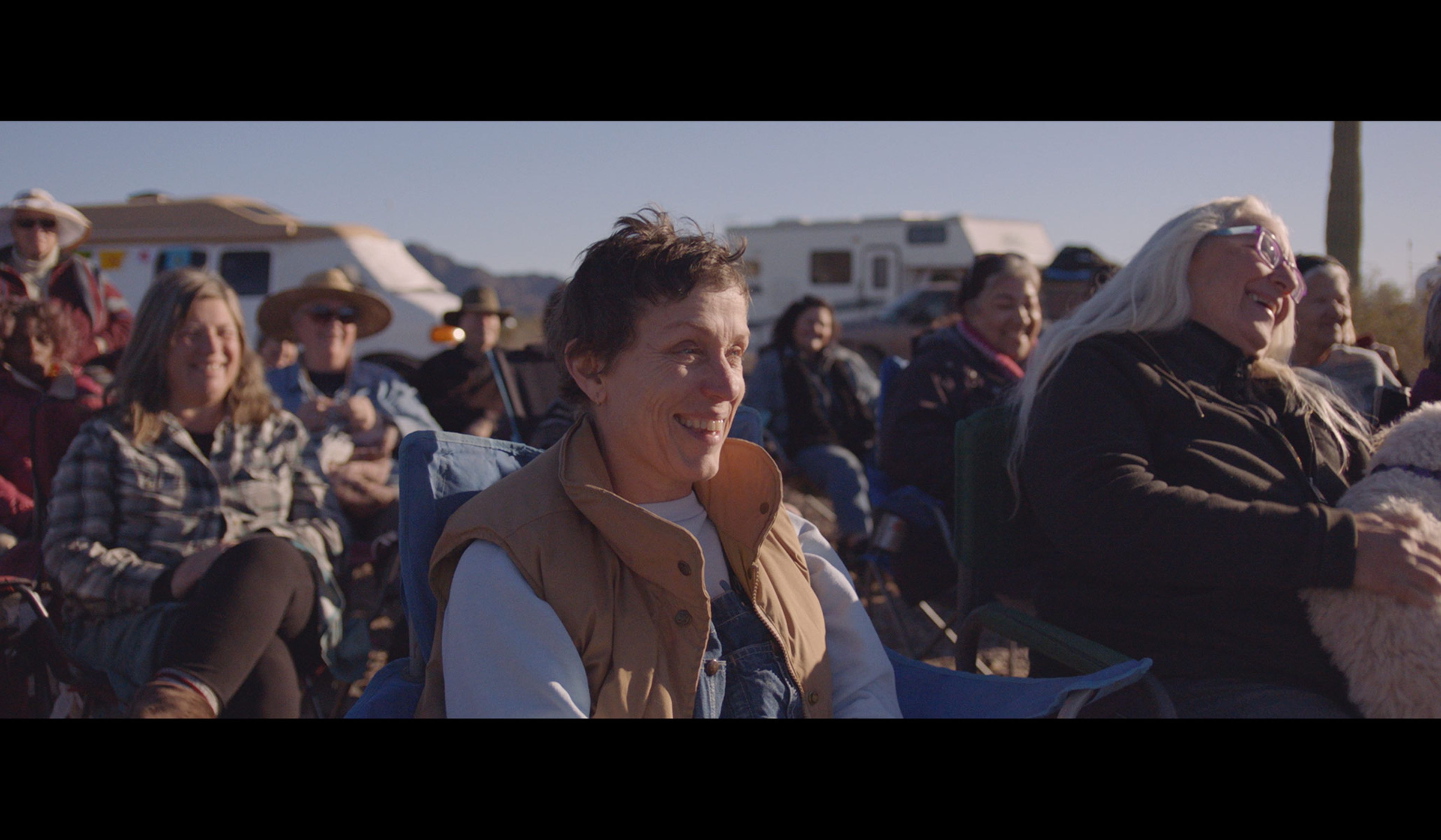
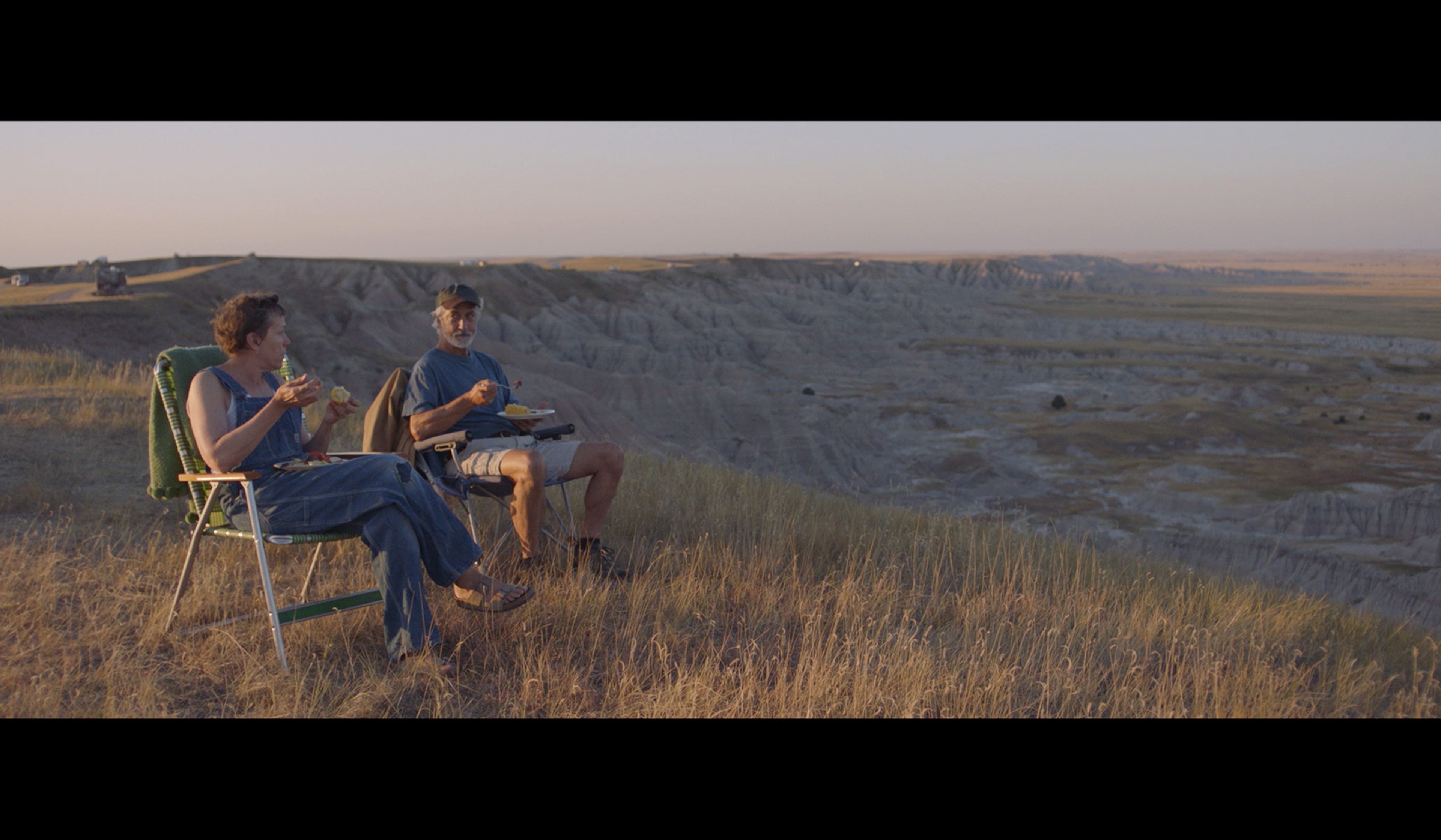
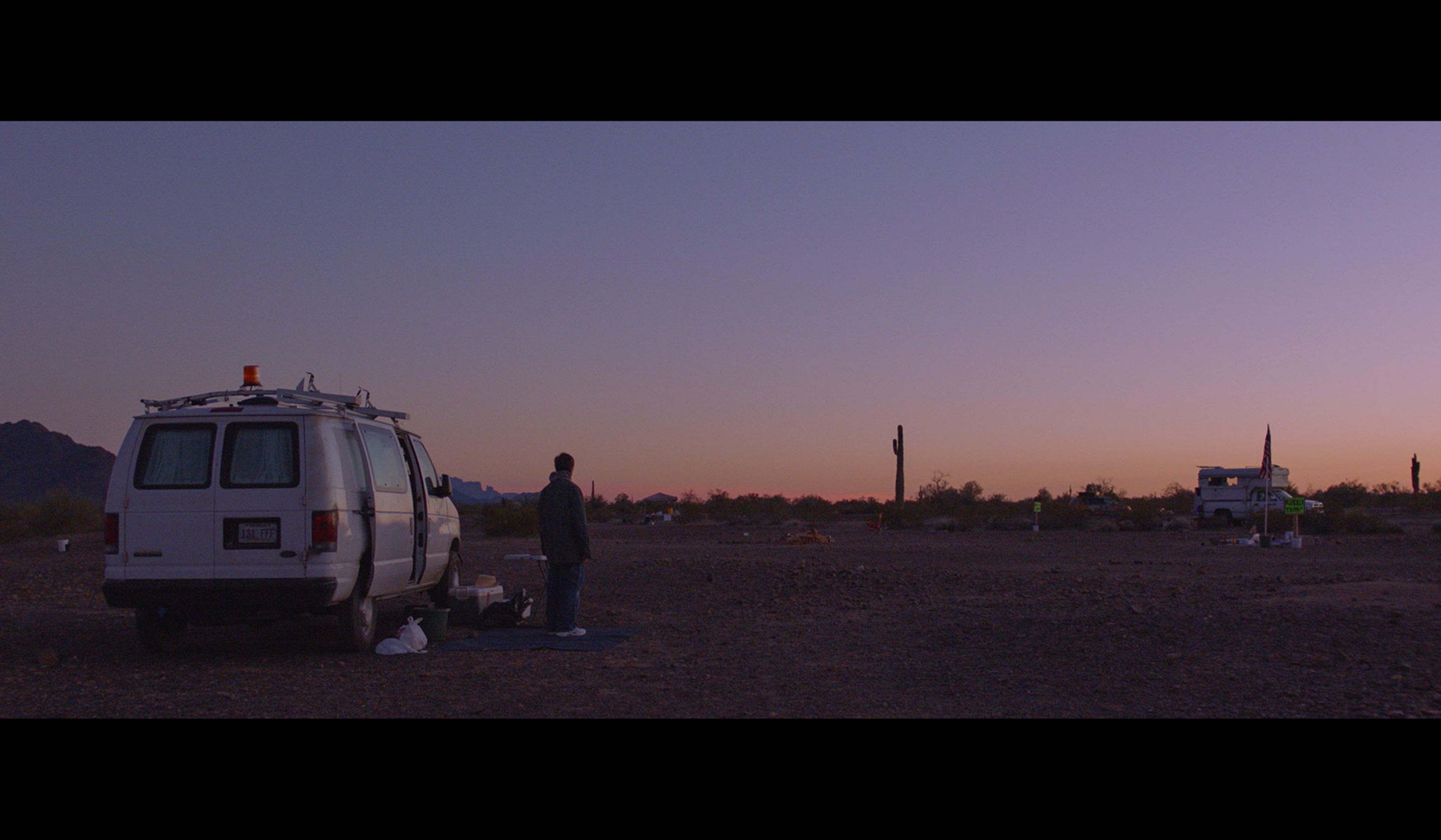
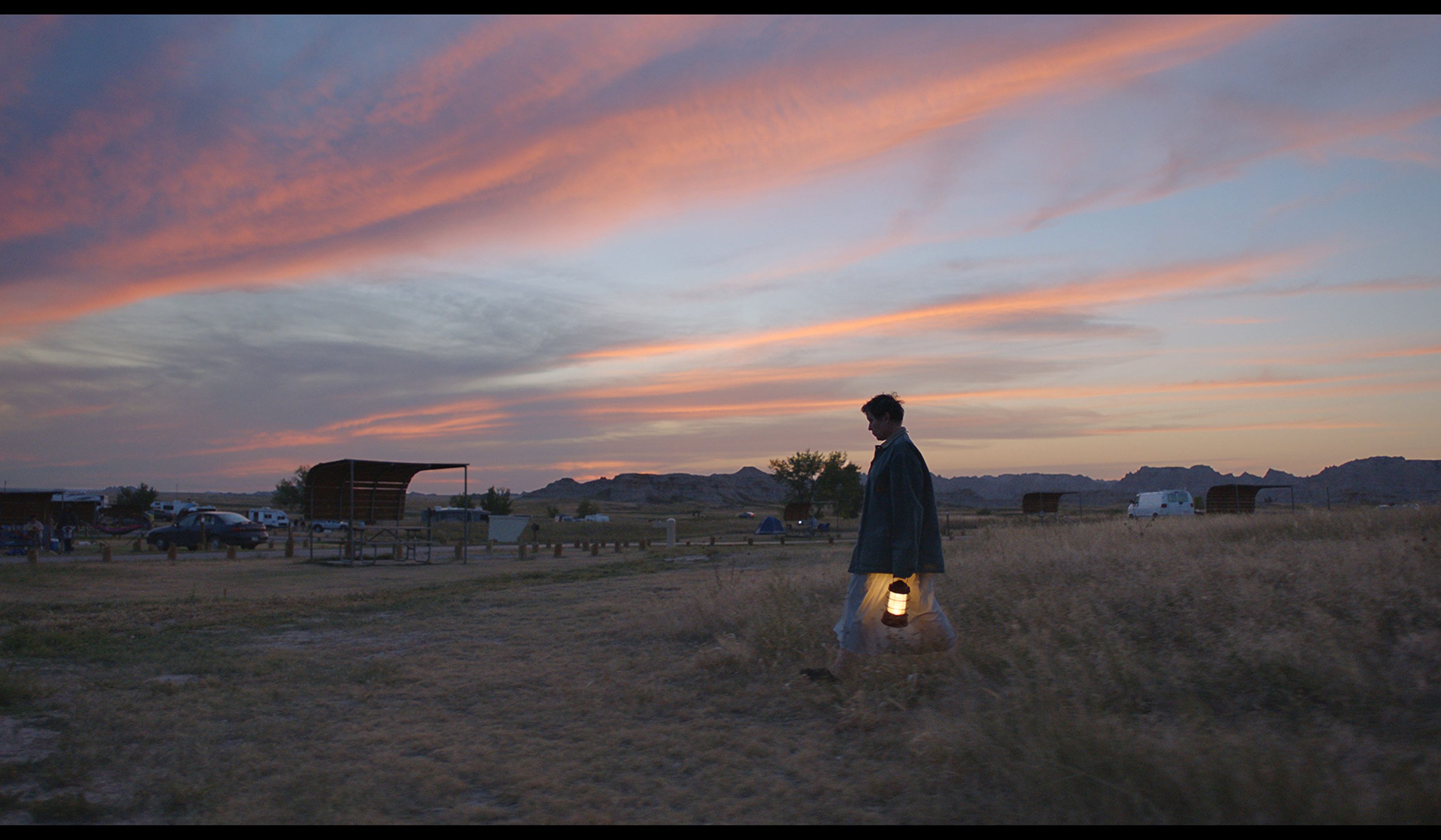
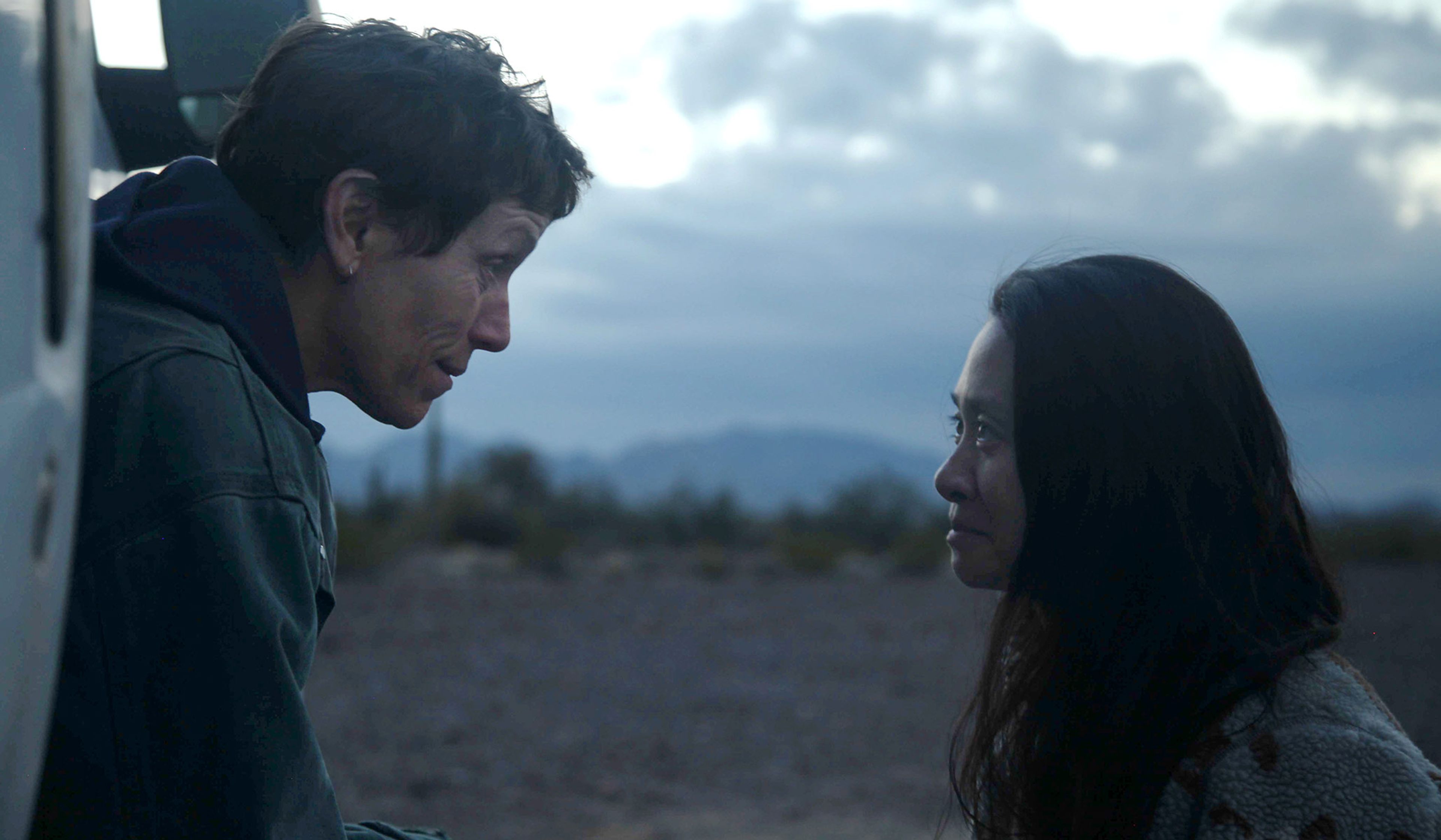
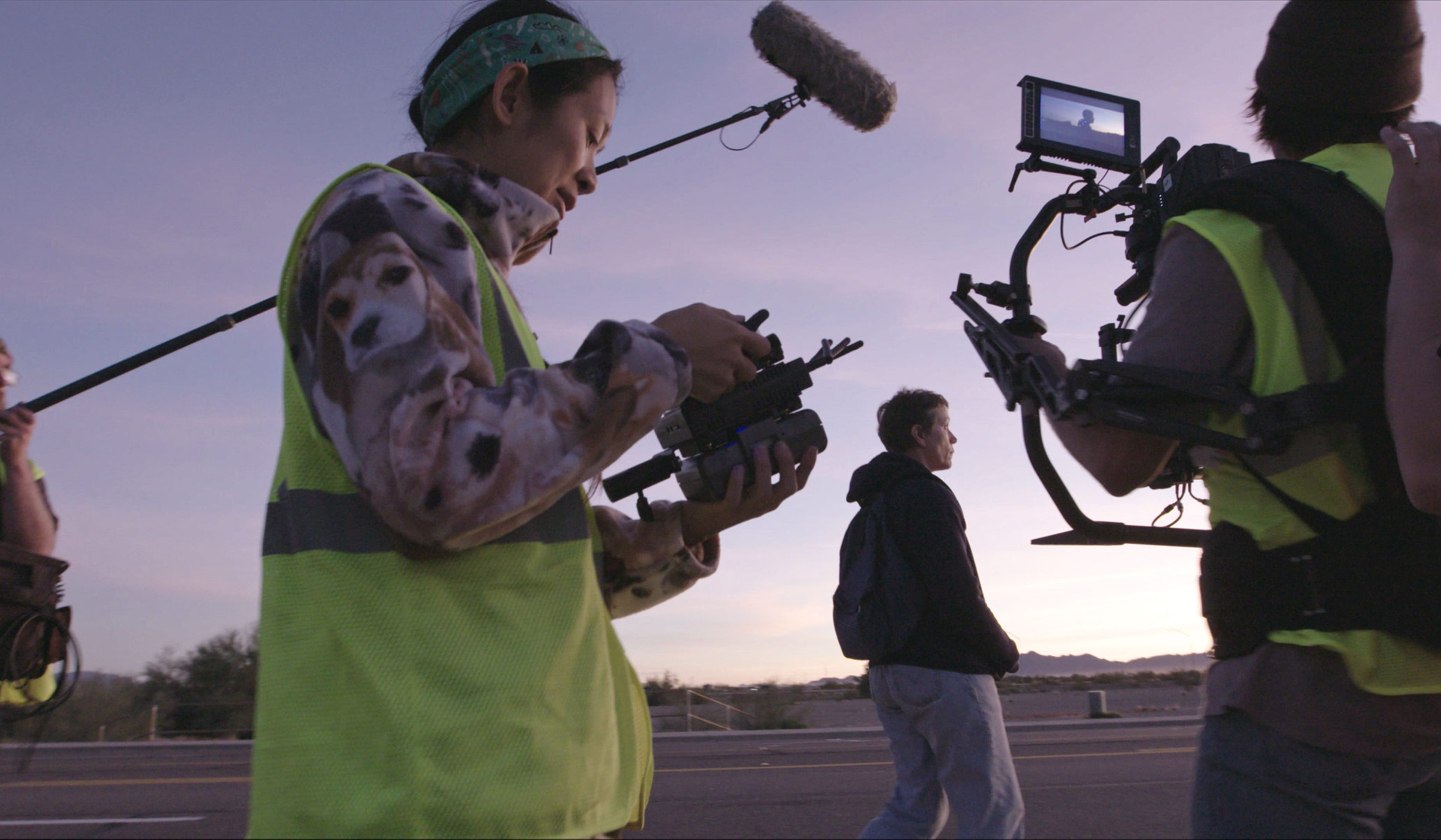
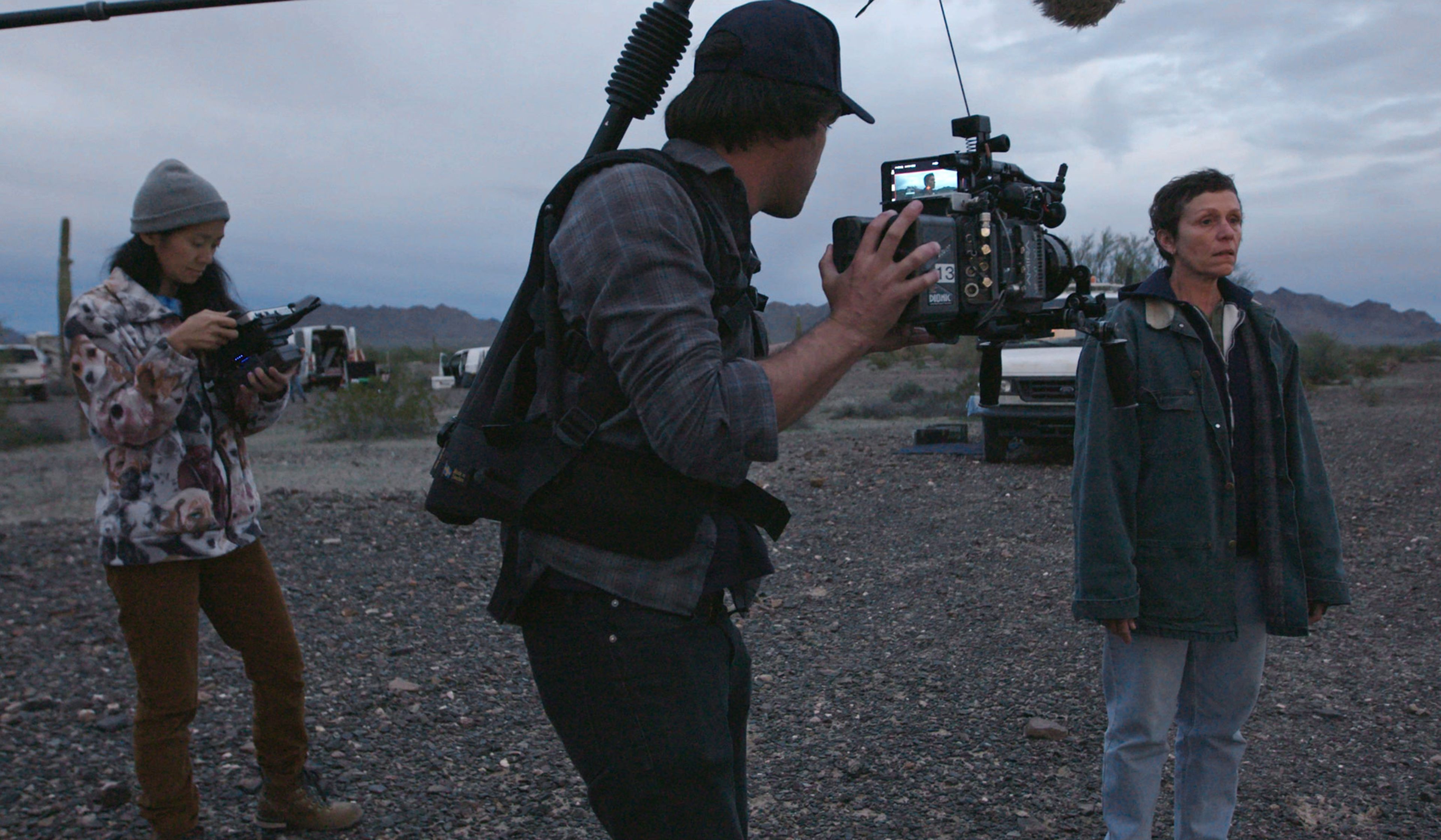
Frances McDormand in Nomadland.
Searchlight Pictures
Is that “go west, old woman” spirit a betrayal of the source material, which stressed how many of these people were forced into their nomad lives, and made it clear that an Amazon warehouse was much harder on its elderly and itinerant employees than how it appears in this (filmed-with-Amazon’s-cooperation) movie?
Maybe, but Zhao’s gorgeous, melancholy film makes the nomad life seem like it admits of multiple interpretations, which capture different true things. People can be victims of a system, as they can be victims of a personal tragedy or crisis. But the struggle with the self, and how that self fits in with others and with a beautiful and cruel natural world, is a universal story — and Nomadland the movie isn’t wrong, I think, to see in its characters and their landscapes a version of that story thrown into stark, existential relief.











Comments