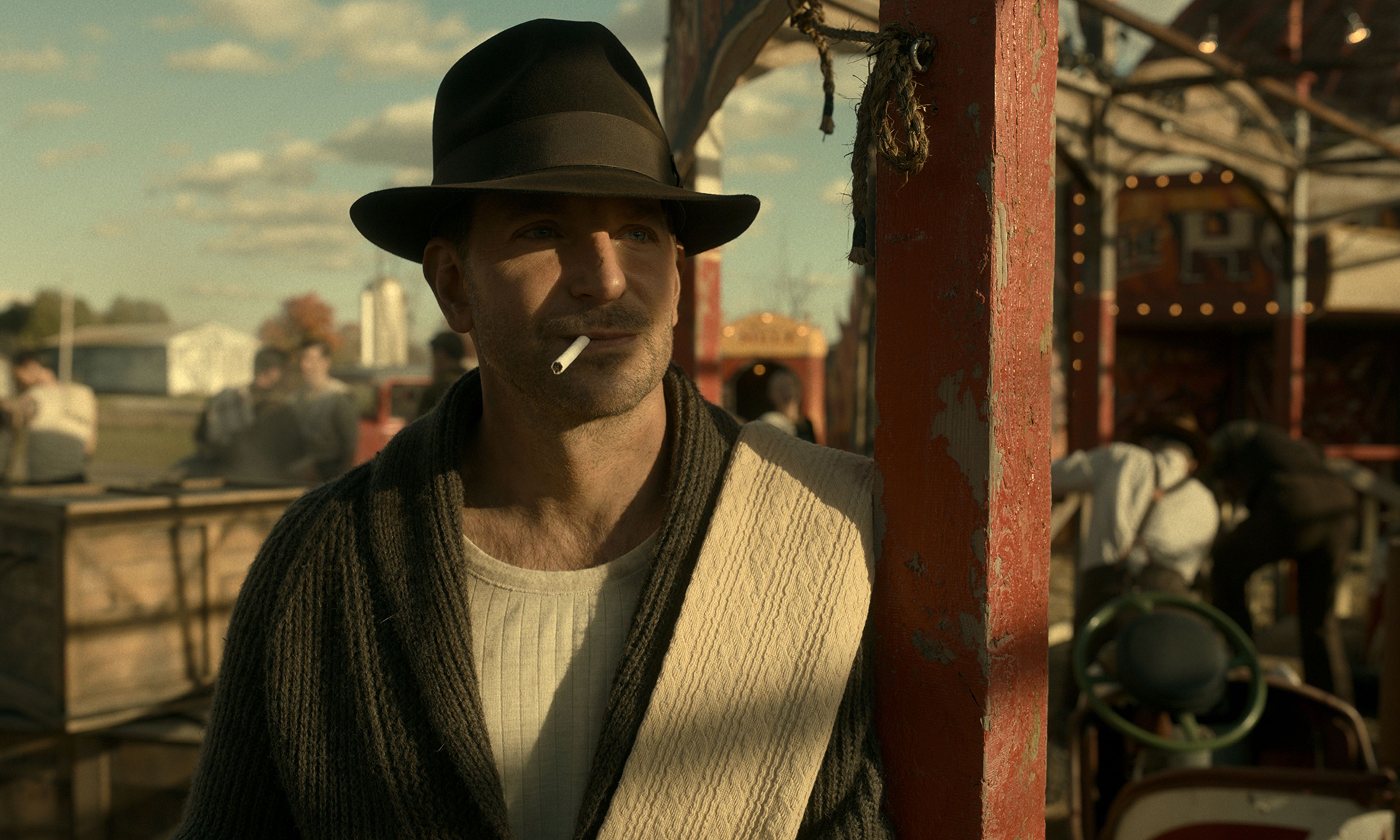
The list of Best Picture nominees for the 2022 Oscars looks almost like a normal year in the movies. There are familiar names among the directors — Steven Spielberg, Paul Thomas Anderson, Adam McKay, Guillermo del Toro. There are familiar stars — Leonardo DiCaprio, Will Smith, Bradley Cooper, Jennifer Lawrence, Cate Blanchett. There’s a good range of subjects and genres — political satire, feel-good sports story, big-budget space epic, classic musical, film noir. And then there’s a foreign-language film and a little indie movie about a deaf family to round things out.
The only catch? With the exception of Dune, which clawed its way just over the $100 million mark domestically, very few of the nominees were seen by large audiences at the movies. In some cases, like Netflix’s big streaming hit Don’t Look Up, that was by design; in other cases, like Spielberg’s West Side Story, there was a real theatrical release that mostly flopped. But the multicausal trend, driven by streaming platforms and Covid variants alike, produced a Best Picture slate in which nine of the ten picks had made less than $40 million in theaters at the time they received their nominations.
Whatever this means for the commercial future of movie theaters, it means something unfortunate for the individual viewer’s experience. Let’s take one of those Best Picture nominees as an example — del Toro’s Nightmare Alley, a surprise on the list, which didn’t get a lot of buzz when it opened in December, but whose makers cleverly stirred up interest by running a series of black-and-white screenings, appropriate to the film’s setting and genre, in Los Angeles in January. Thus buoyed, it beat out other worthies, like Ridley Scott’s The Last Duel, for the last “big-star vehicle that made bubkes at the box office” nomination slot.
I was one of the (vast) majority of Americans who didn’t see Nightmare Alley in December or in January. In a different dispensation, its Best Picture nomination would have inspired me to go out and see it at some second-run theater, or at the multiplex if the nomination earned it some extra screenings. But in this world, the movie is already playing on HBO Max and I’m extremely busy and it just made so much more sense to watch it from the comfort of my couch.
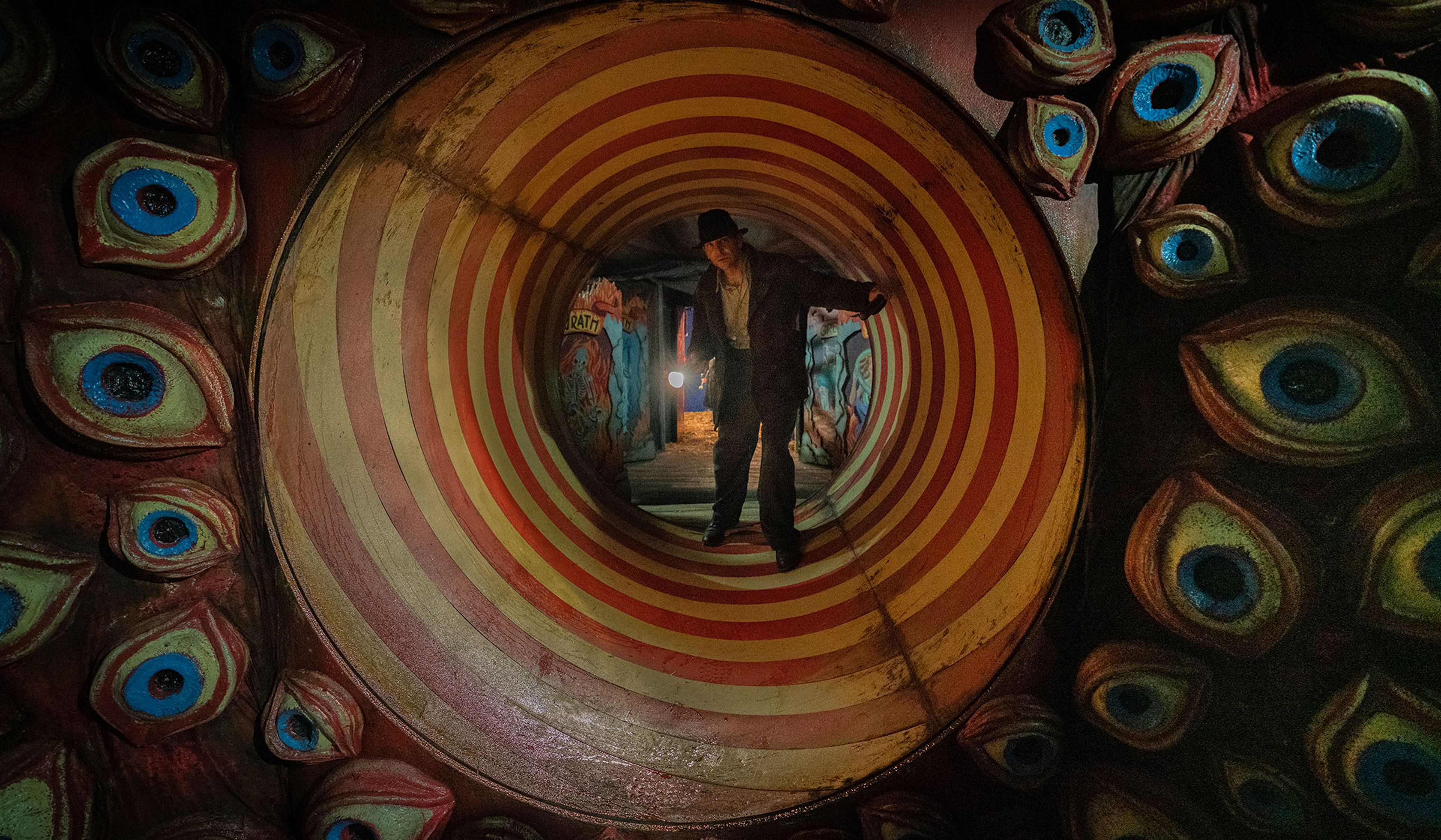
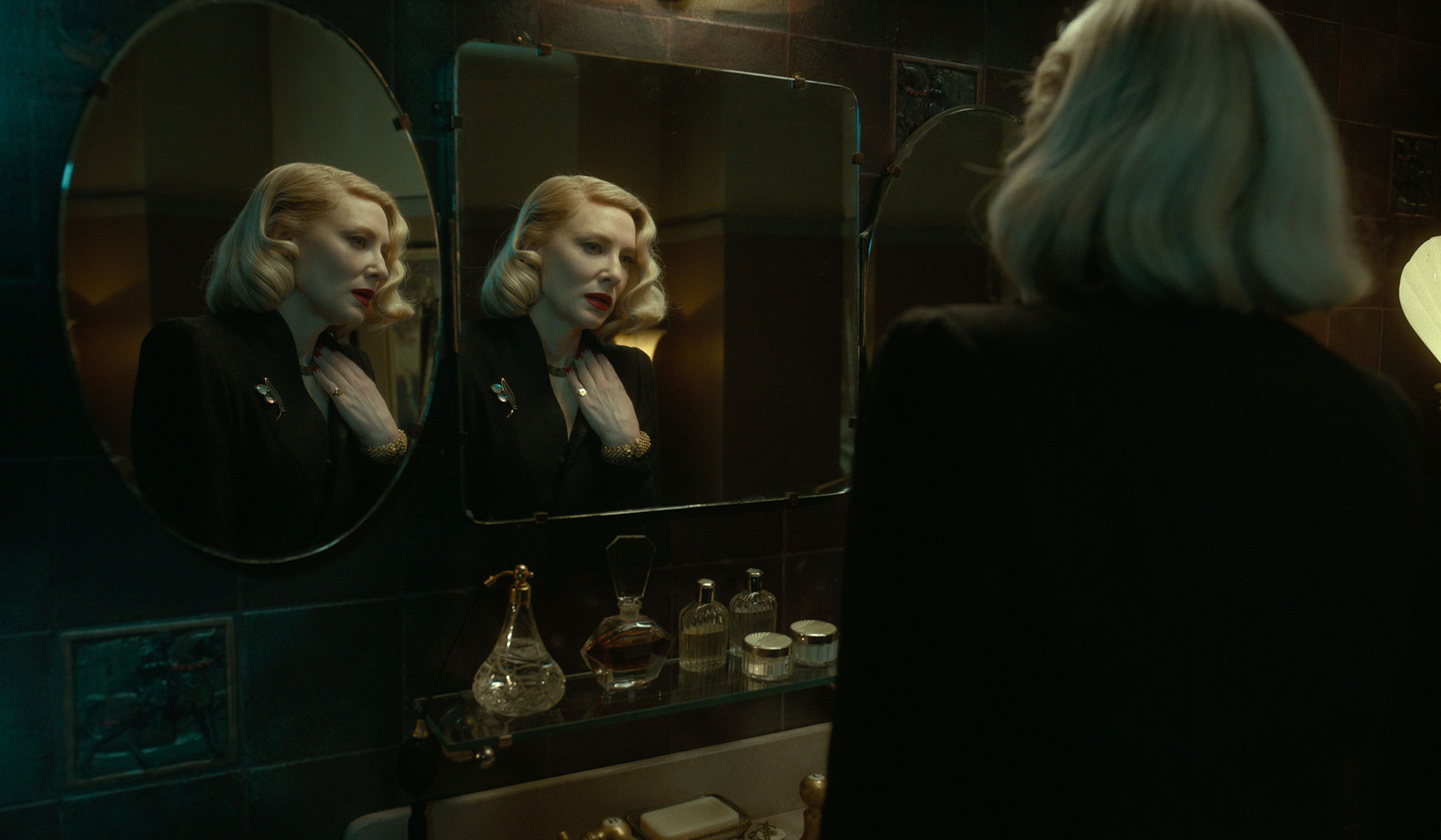
What I gained from this decision was a relaxed, low-pressure viewing of a movie that turned out to be del Toro’s best film in years. Nightmare Alley is based on a 1947 Tyrone Power noir and its source material, the 1946 novel of the same name, and it helps del Toro to have someone else covering the basics of plot and character, leaving him free to layer on the gothic visuals without having to come up with all those pesky story details. Nightmare Alley isn’t the best picture of 2021, but it’s a much better movie than, say, The Shape of Water, the woke fairy tale that won del Toro his Best Picture five years back: It’s a neat marriage of Grand Guignol style with tight plot mechanics, its star power and character actors and high creepiness all in the service of a story that’s unpretentious and eventually brutal, like a hired goon’s punch to the solar plexus.
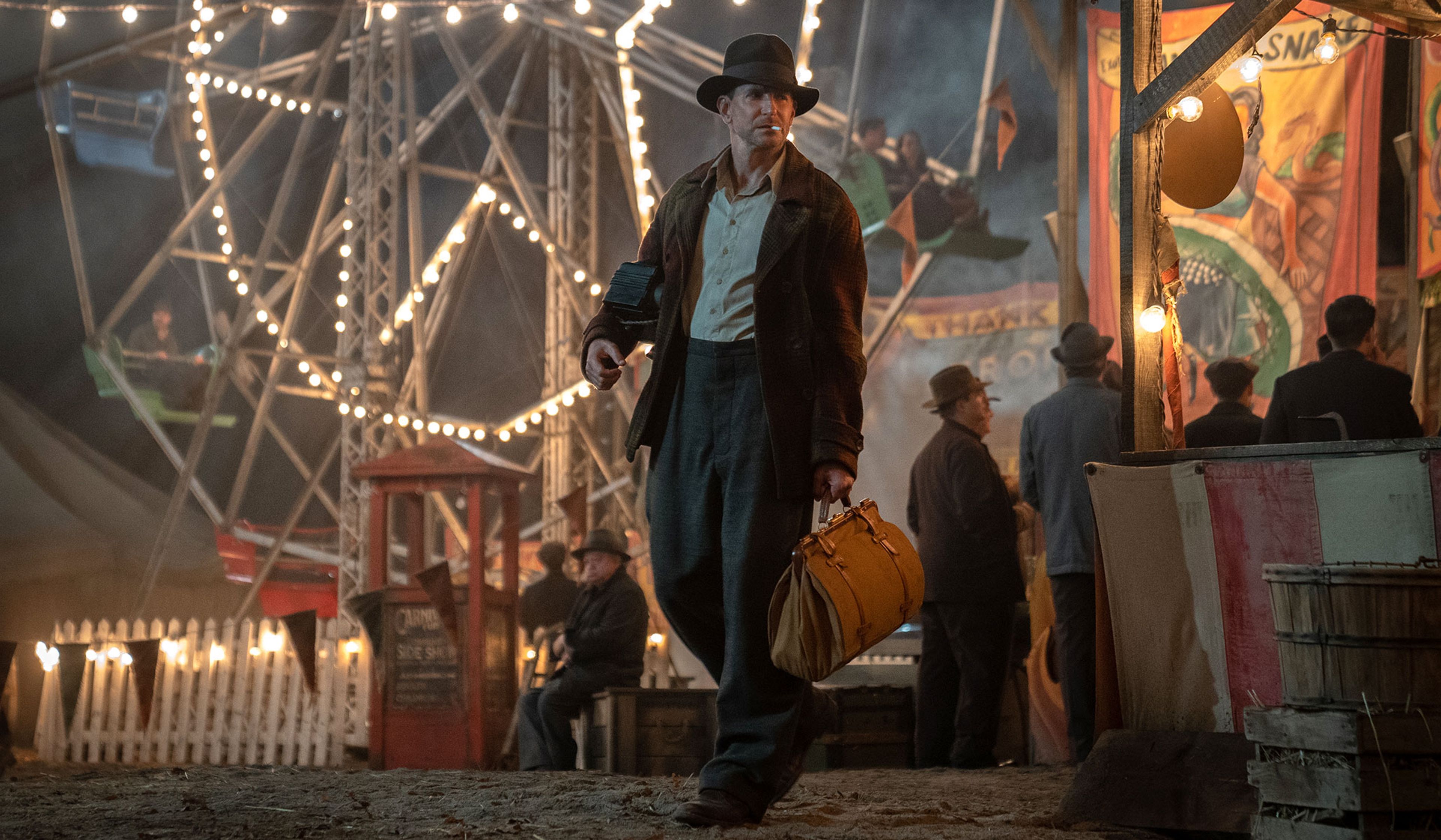
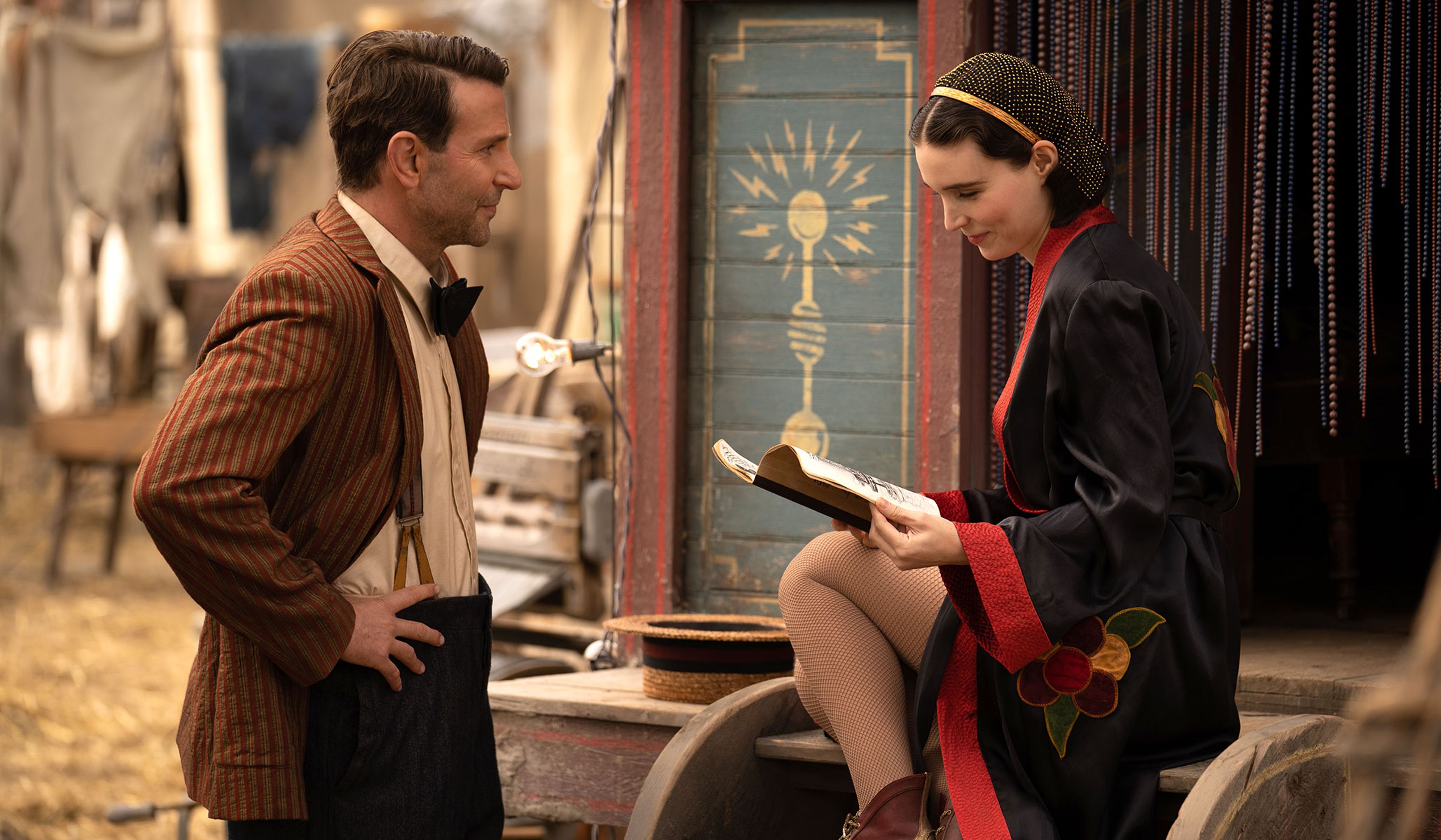
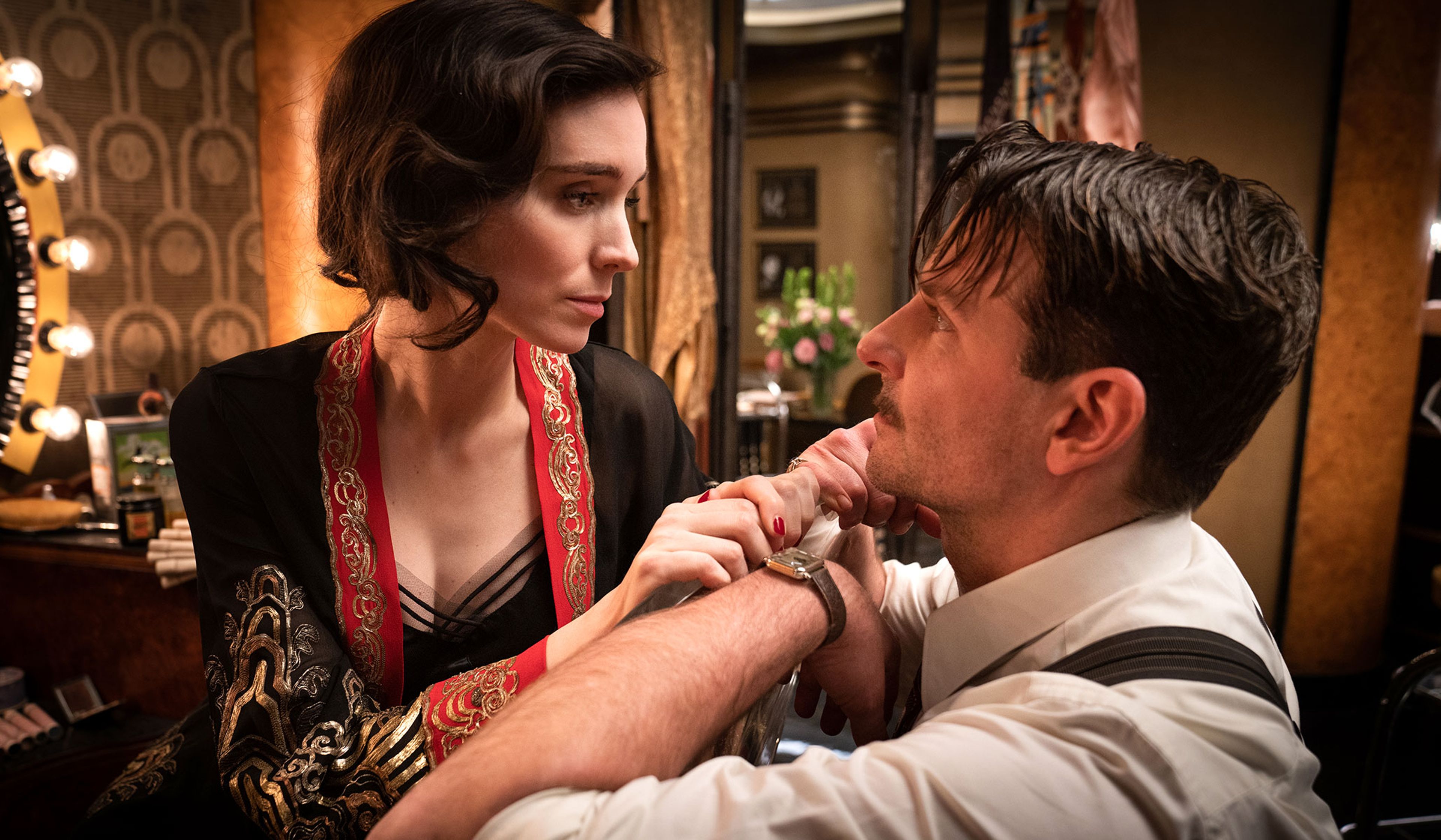
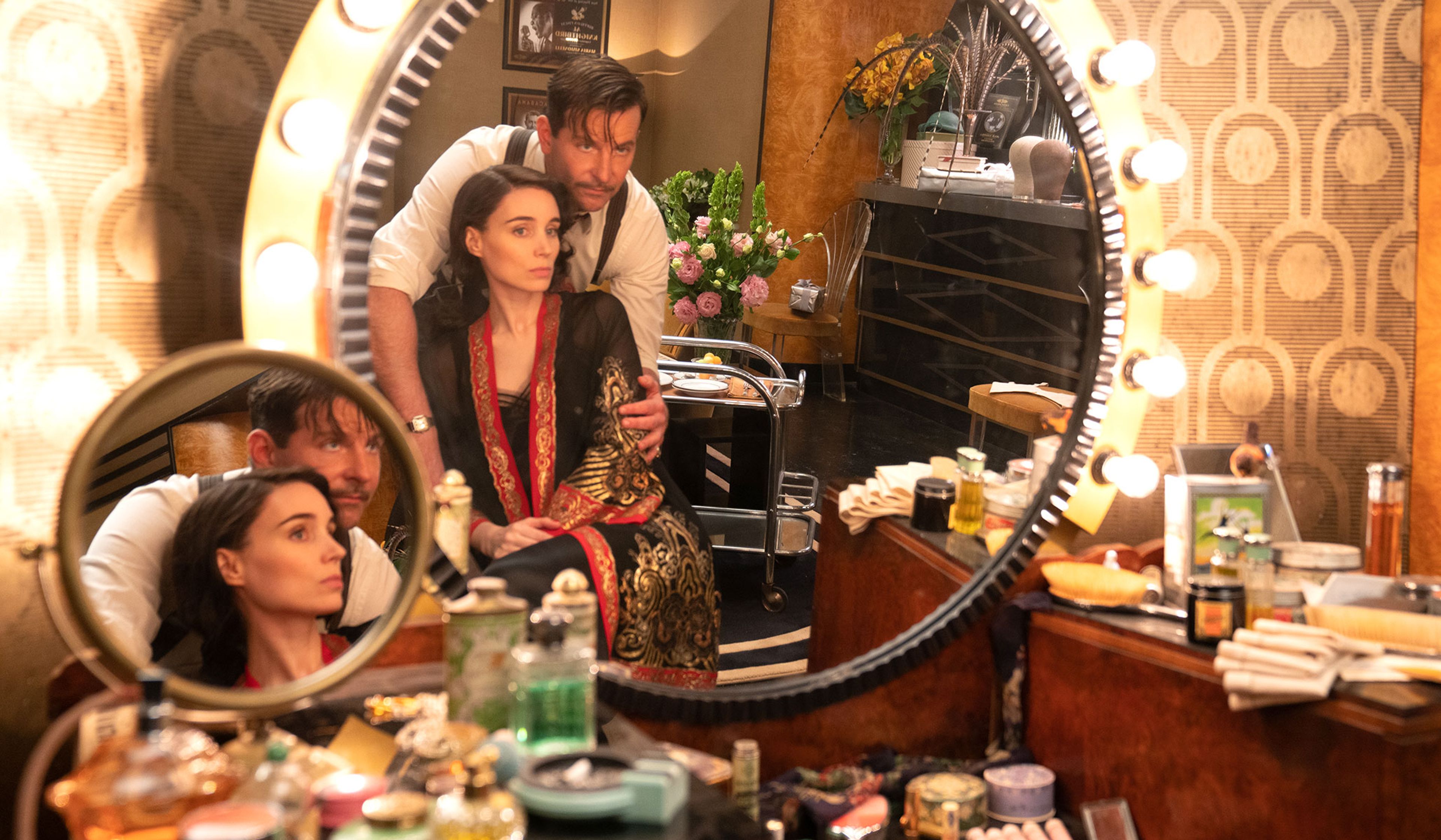
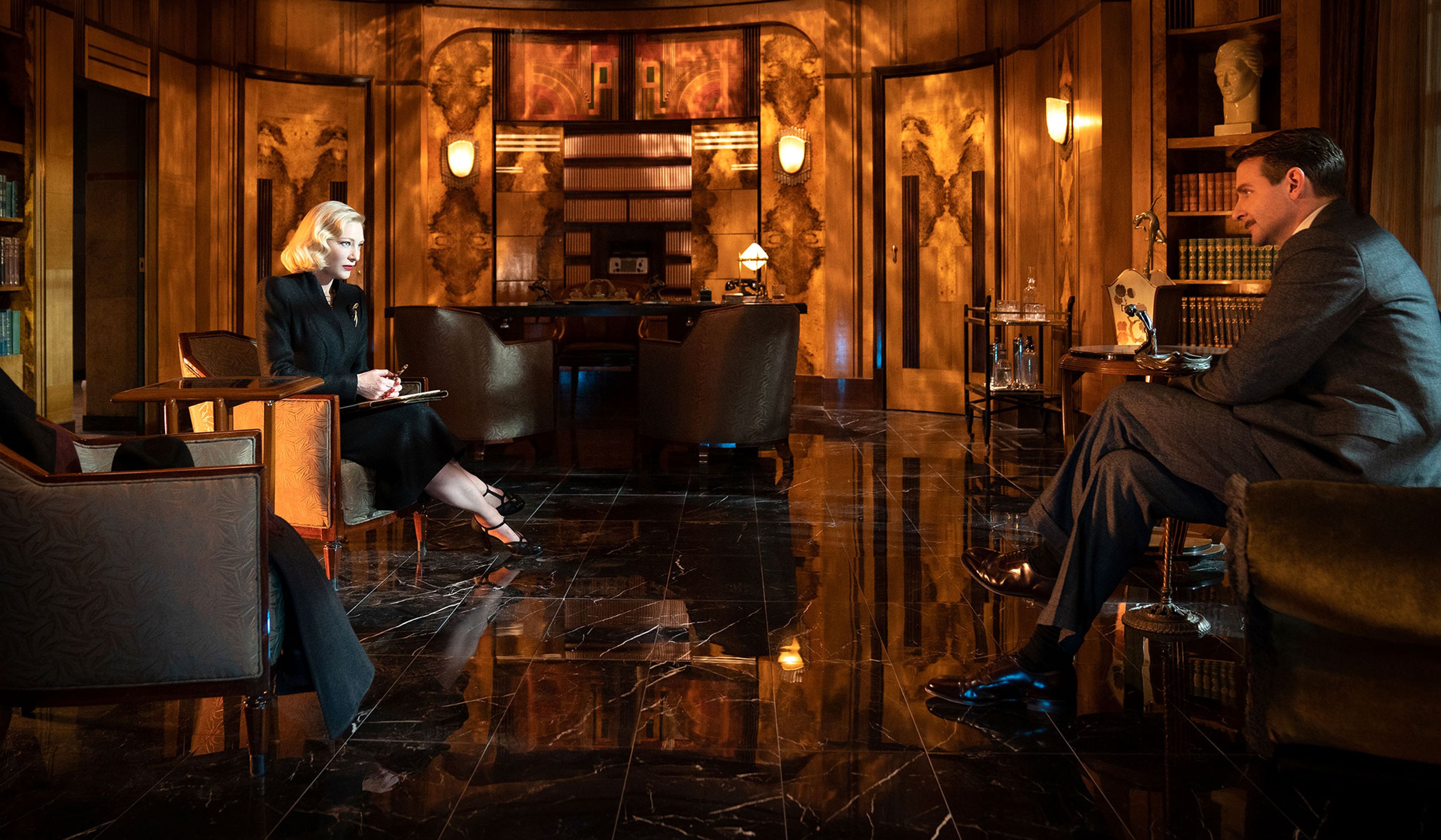
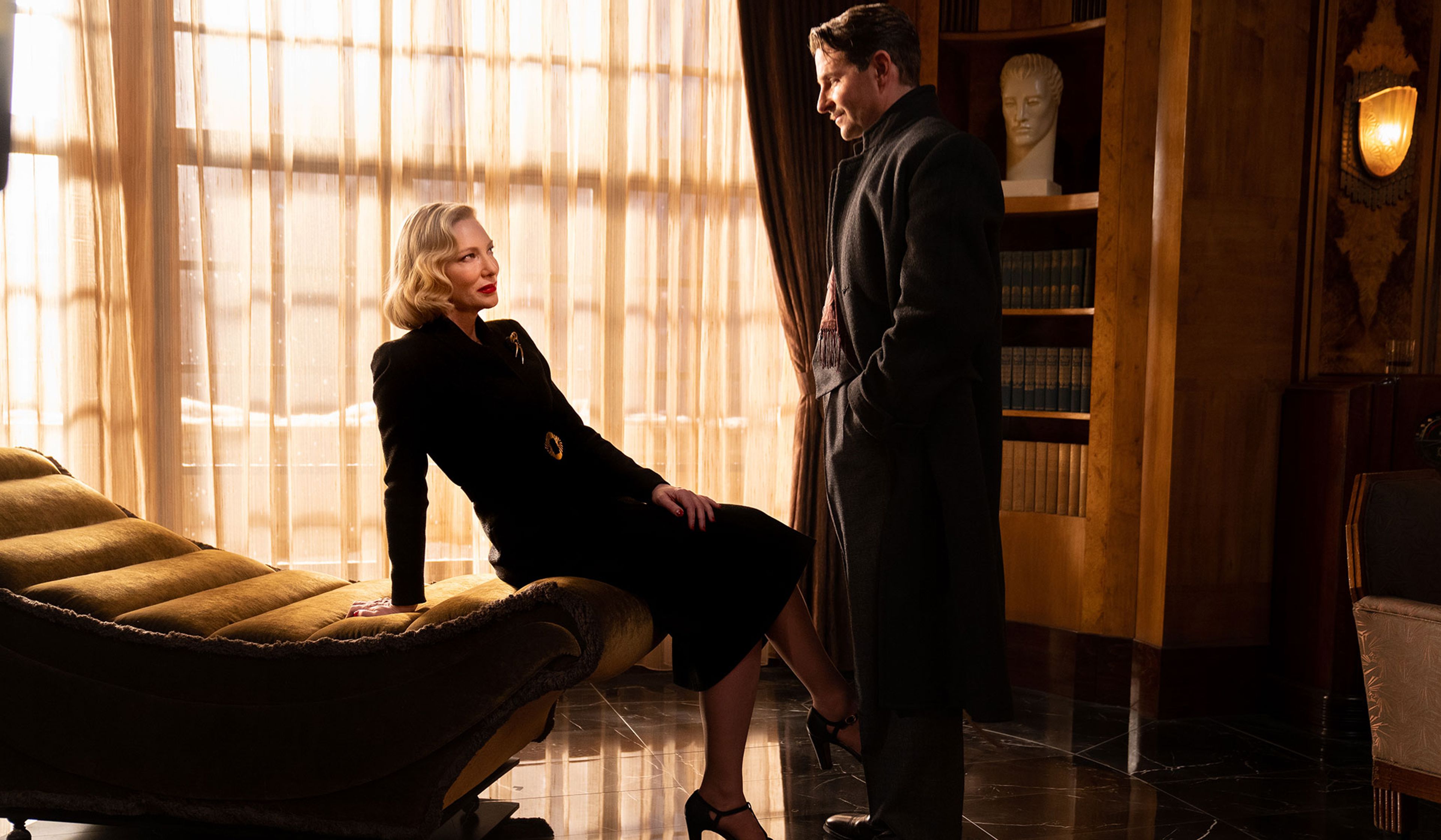
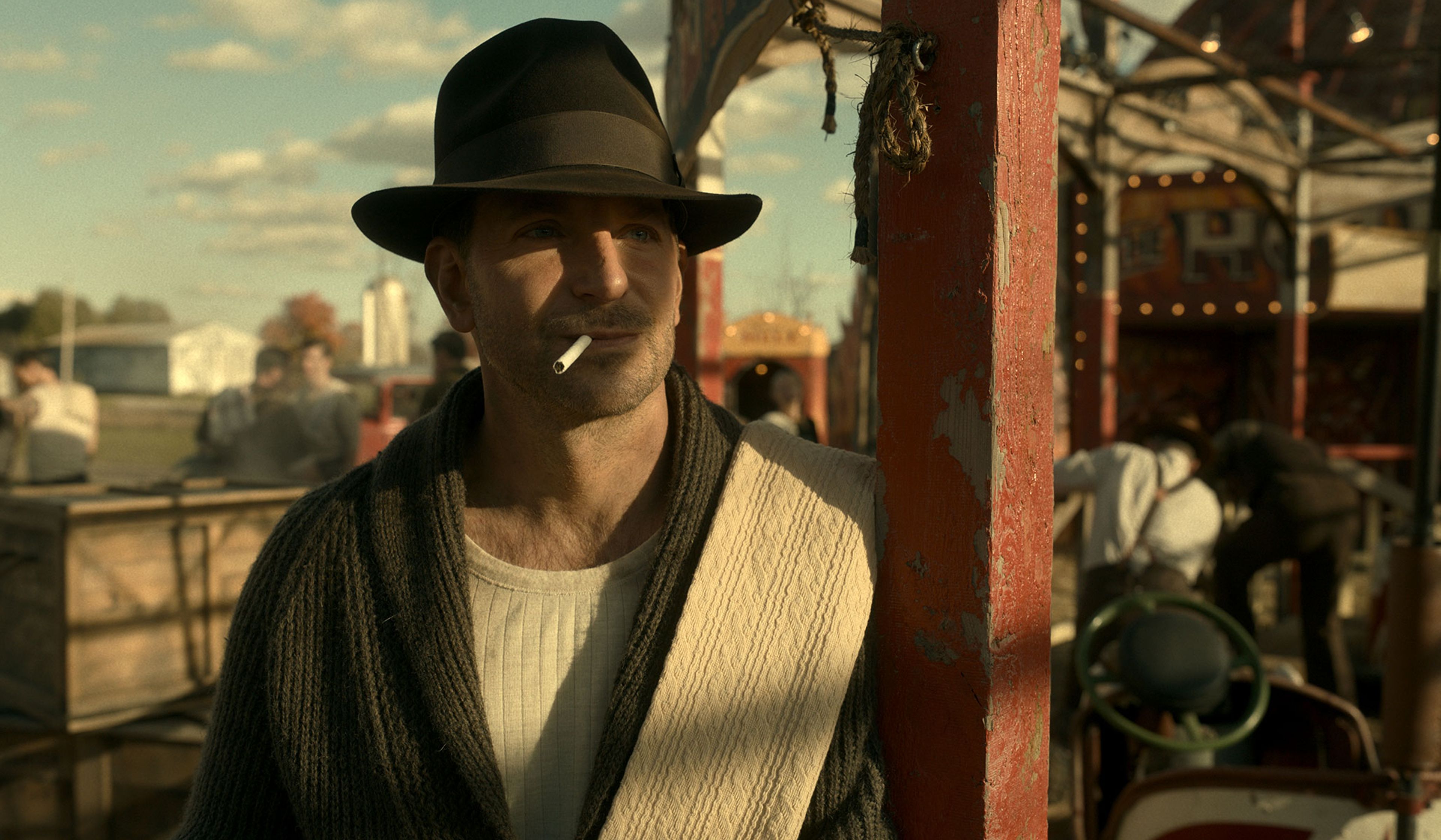
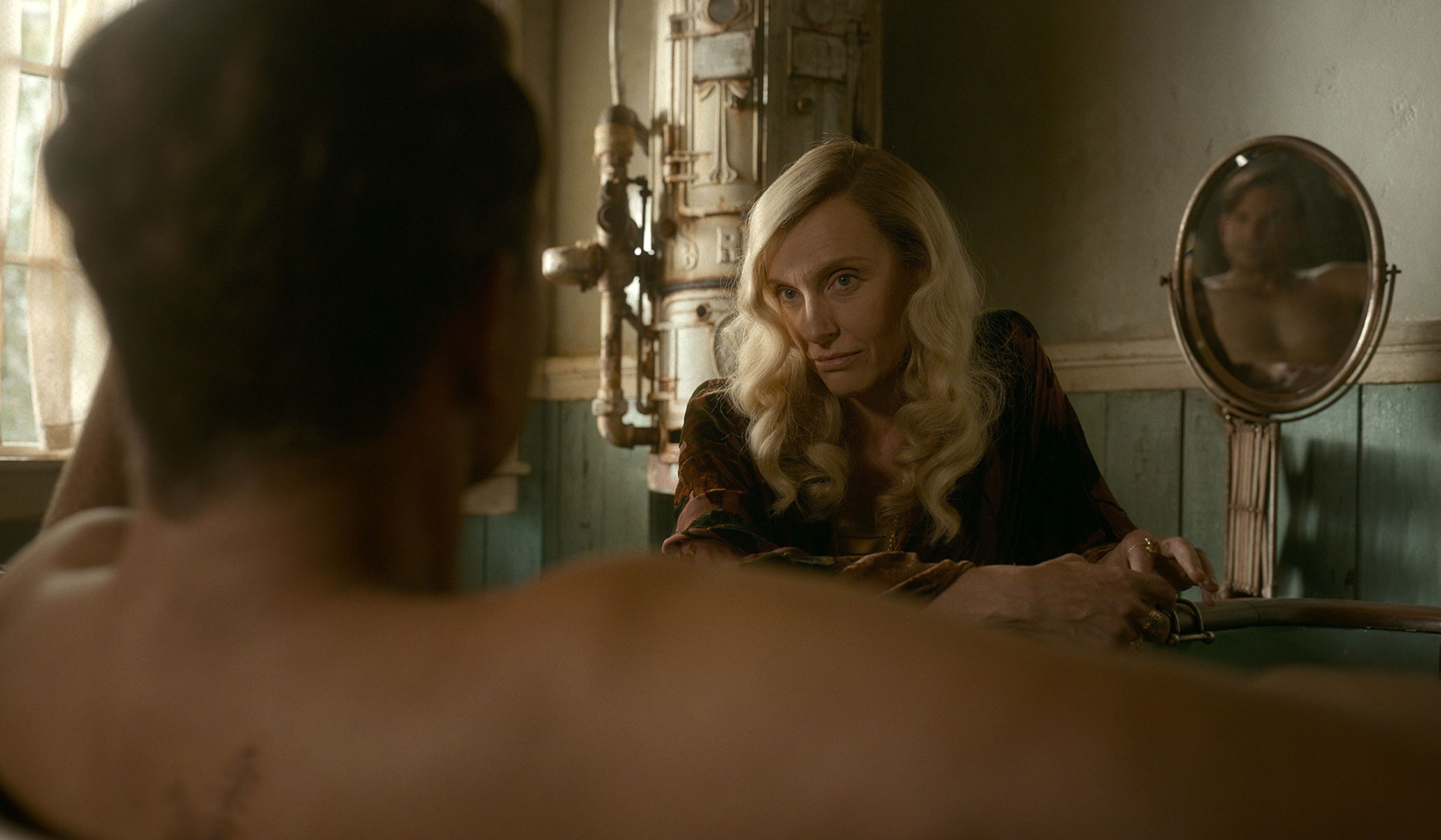
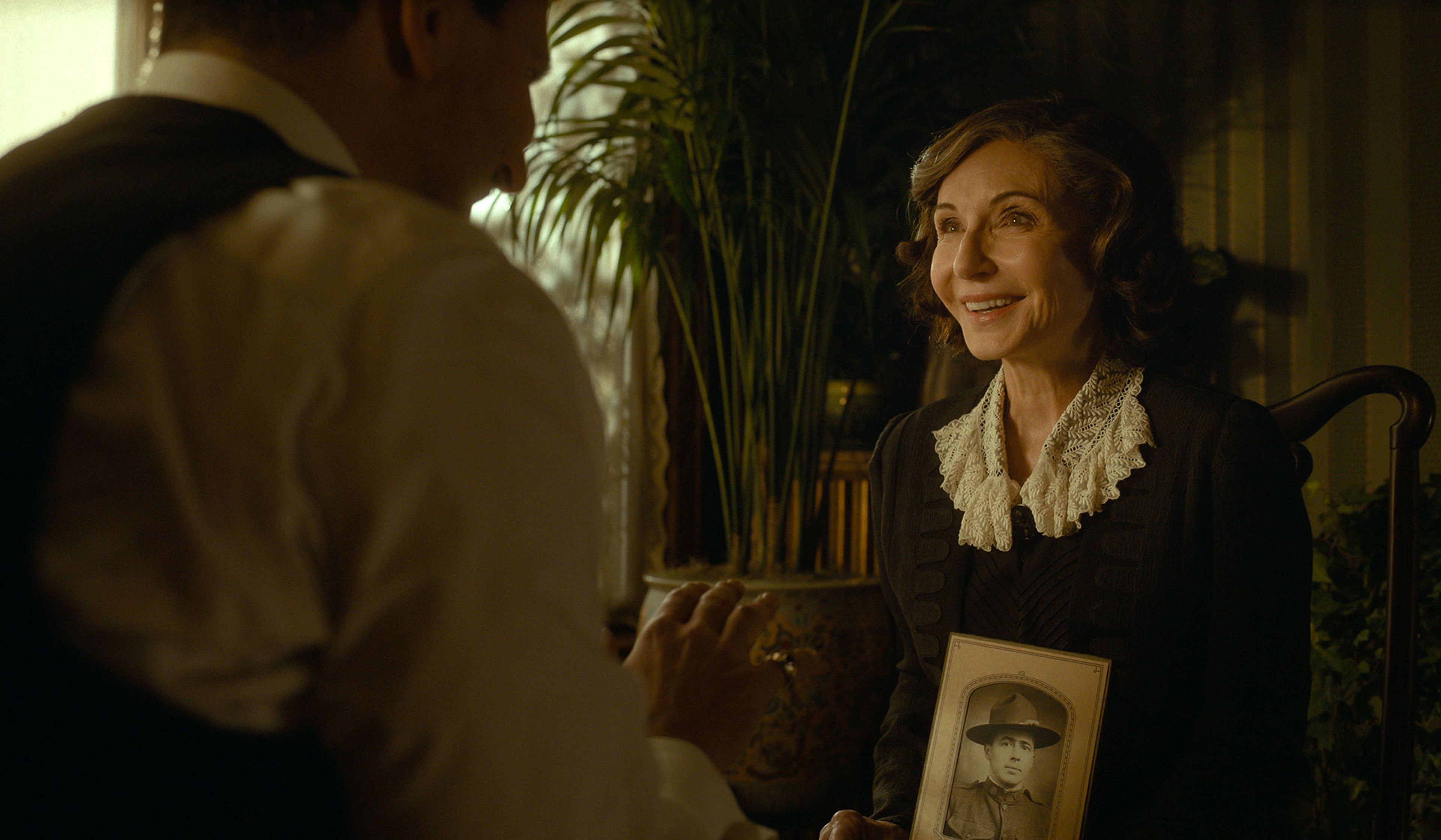
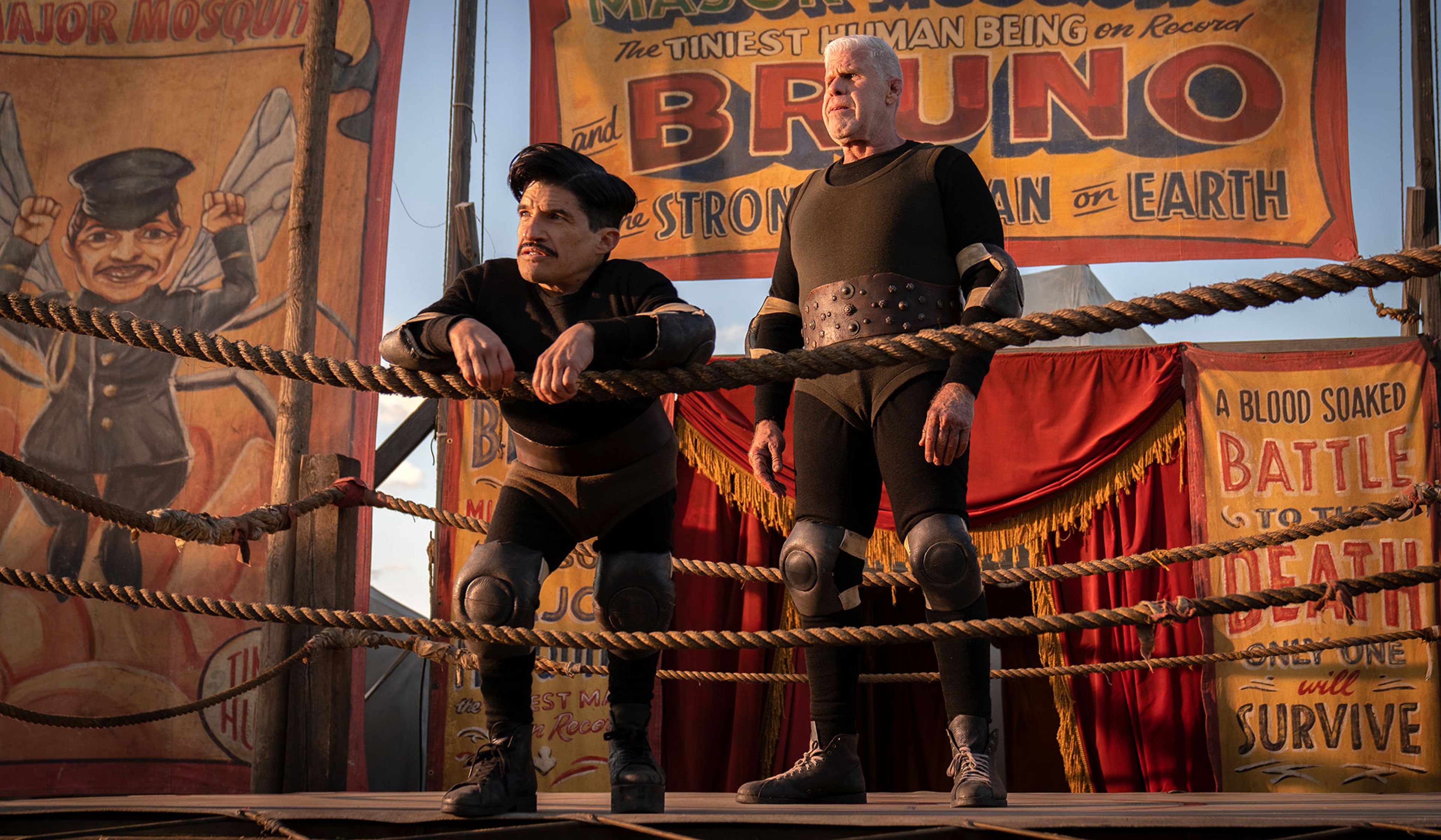
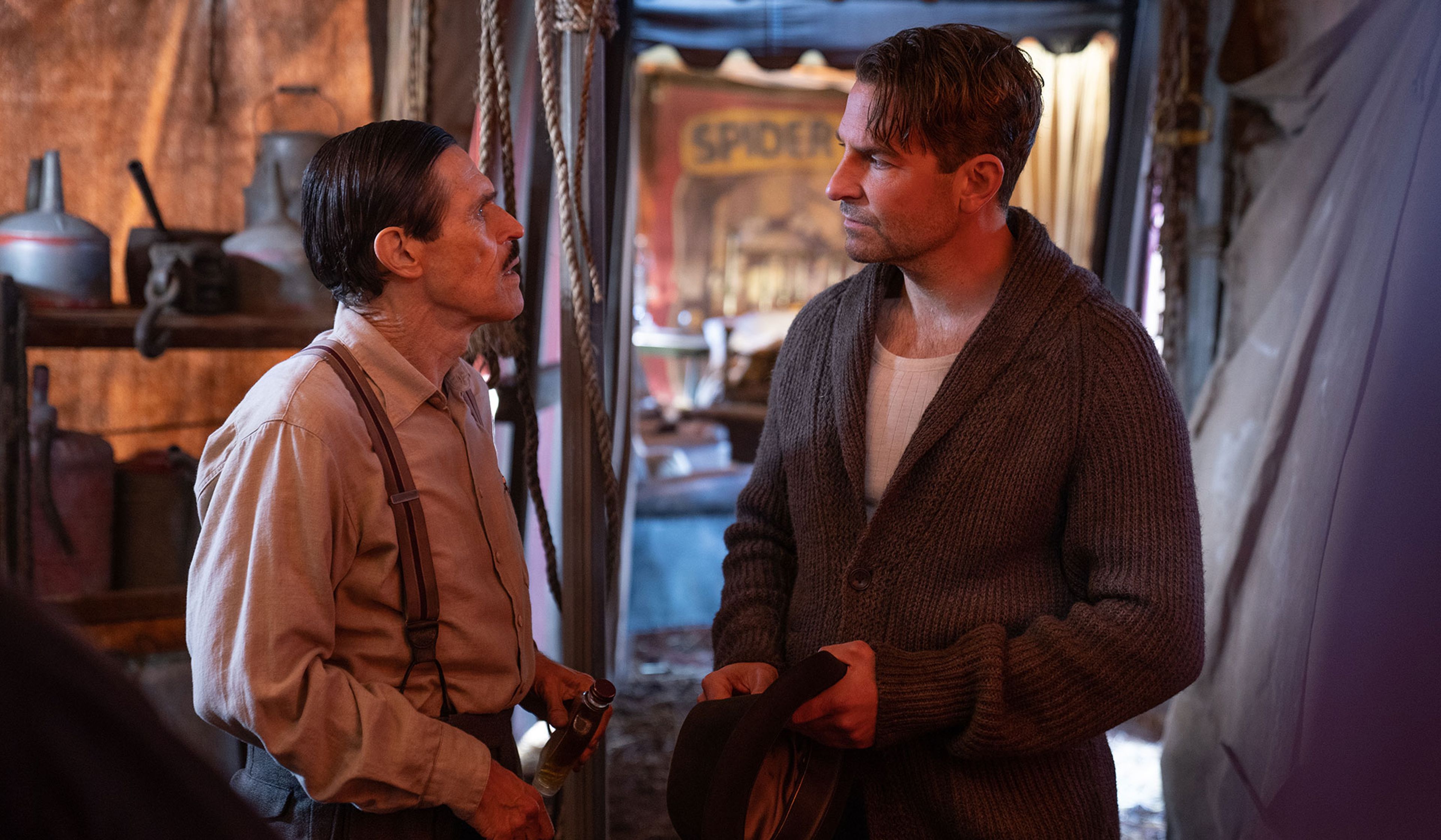
Bradley Cooper in Nightmare Alley.
Kerry Hayes/20th Century Studios
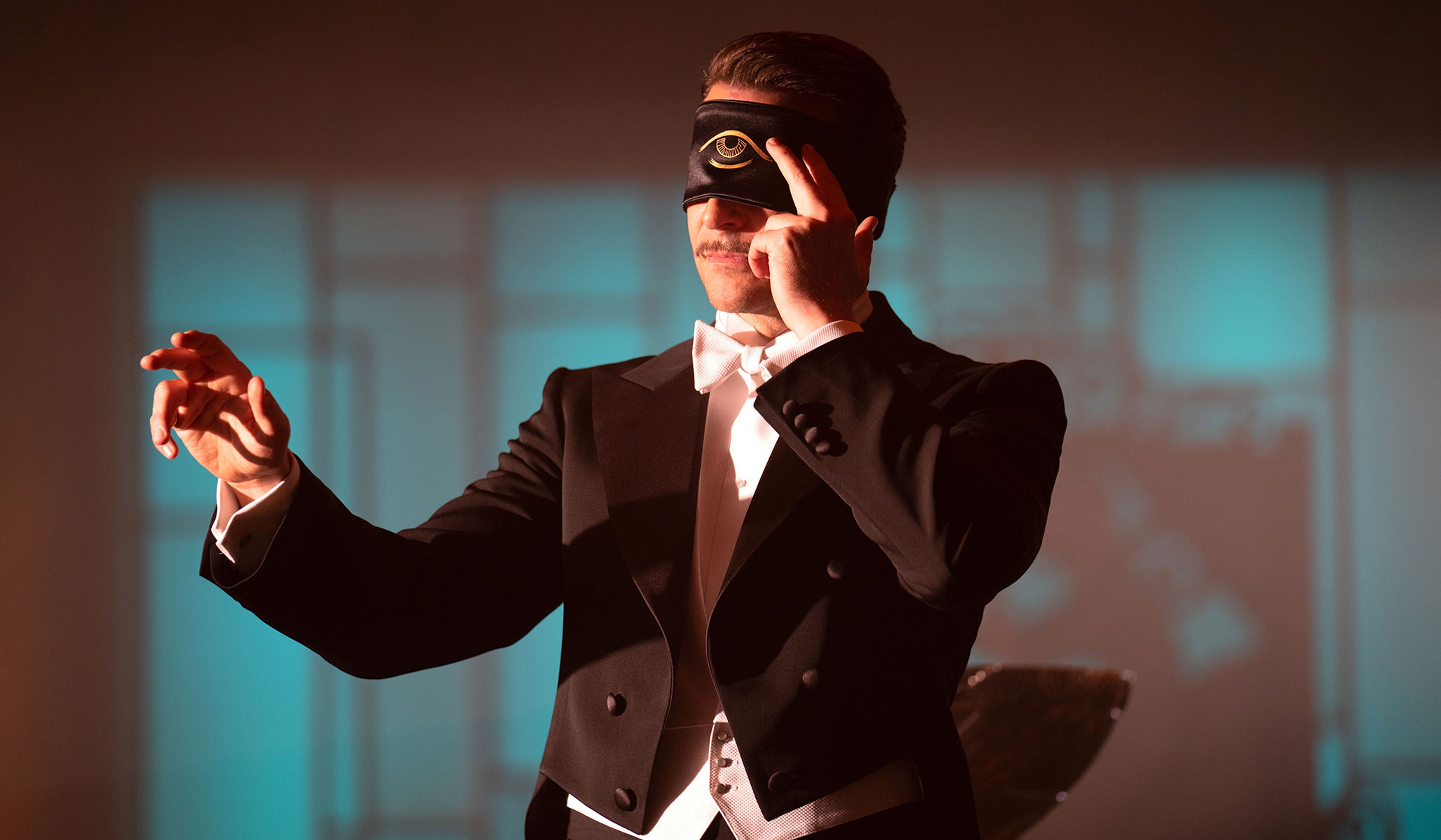
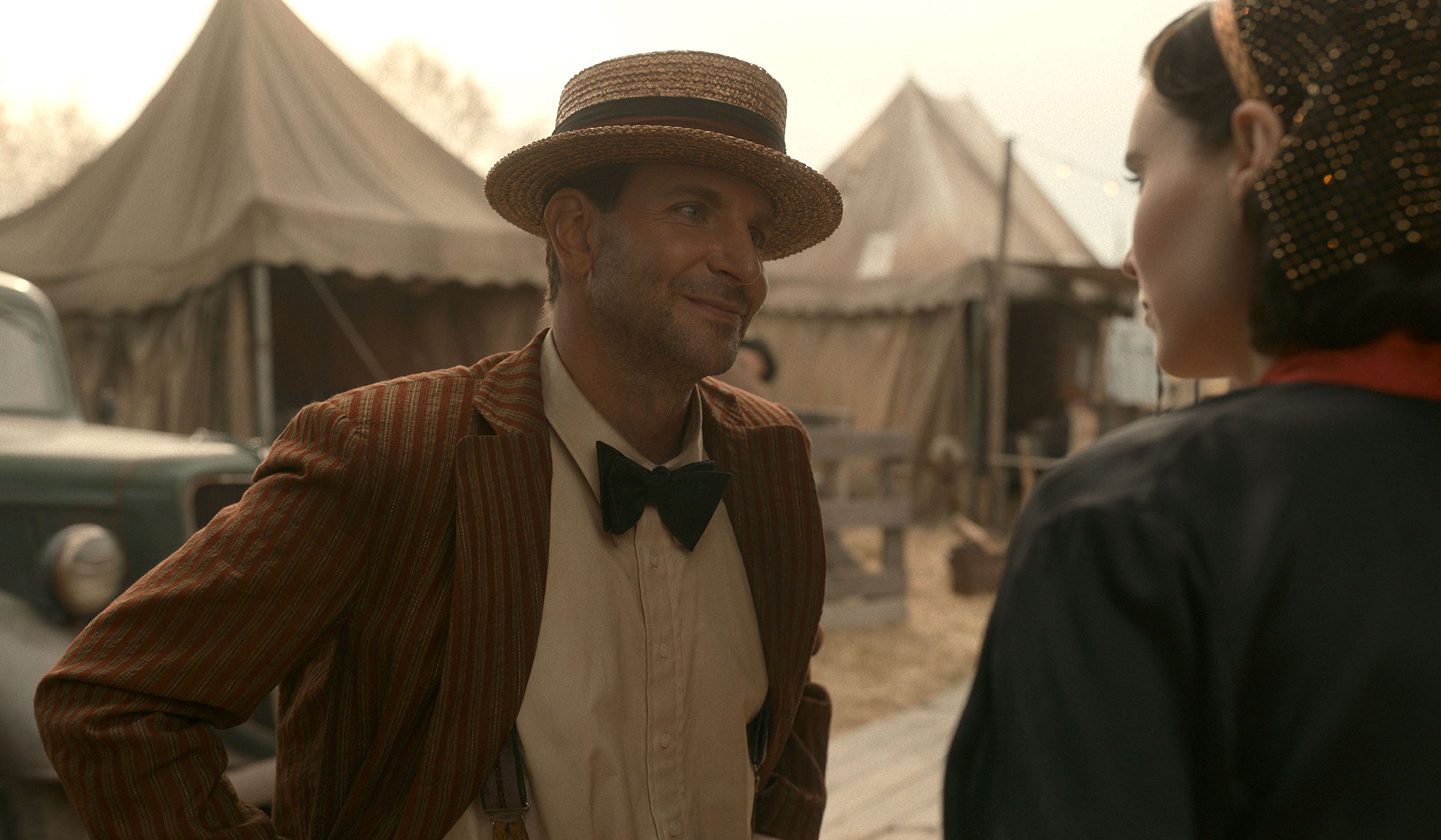
Bradley Cooper plays the lead, Stanton “Stan” Carlisle, a drifter who hooks up with a circus populated by Willem Dafoe, Toni Collette, David Strathairn, Ron Perlman, and Rooney Mara — an array of great actorly faces mixed together with the spooky labyrinths and cabinets of curiosities. From Strathairn and Collette’s characters, a couple who have a mentalist act, Stan learns the secrets of fake mind-reading and eventually exits the circus, taking Mara’s ingénue with him, for a career playing clubs in the big city. There his career fatefully intersects with a corrupt psychiatrist and femme fatale, Dr. Lilith Ritter (Cate Blanchett, laying it on thick), who hands him the secrets of the city’s guilt-ridden rich so that he can fleece them with a spiritualist act. And through this whole ascent you can always tell that Stan’s real destiny lies somewhere back behind him, back with the freak and sideshow acts, the dark underside of America that made him and waits to claim him once again.
But also through it all, I, the couch-bound critic taking breaks and accepting interruptions and hitting pause from time to time, could tell that this is a movie that works most effectively as its own kind of spiritualist act, in which, like one of Stan’s customers, you give yourself over to the world del Toro is creating: both to the aesthetic, the exotic world beneath the Ferris wheel and the cold art-deco city, and to the plot, with its harsh inevitability, its Greek-tragedy logic, its turning wheel and closing circle.
Not every movie is like that, but the kind that aspires to cast that sort of spell ultimately needs the theatrical experience, not the couch-bound one, to fully pull it off. And much like Villeneuve’s Dune, the nominee that deserves Best Picture if the award honors the theatrical experience, Nightmare Alley is a case study in why cinema will always be a somewhat different art form from small-screen storytelling — and why you give up some essential aspect of the experience when you take the path of least resistance and enter the world of a director like del Toro through the small door of your TV.












Comments