The early days of the pandemic were a time of mass transfixion, as millions of suddenly housebound viewers tuned in to the same streaming shows and Netflix specials, catching up on The Crown or obsessing about Tiger King. One of the more deserving beneficiaries of this general trance was The Last Dance, a documentary ostensibly about Michael Jordan’s final title run that flashed backward to cover the entire Chicago Bulls dynasty, all its outsize characters rotating around its ruthless superstar. The truth about athletic genius — its magic, its moral costs, its close relationship to madness — has rarely been so extensively documented, so nakedly displayed.
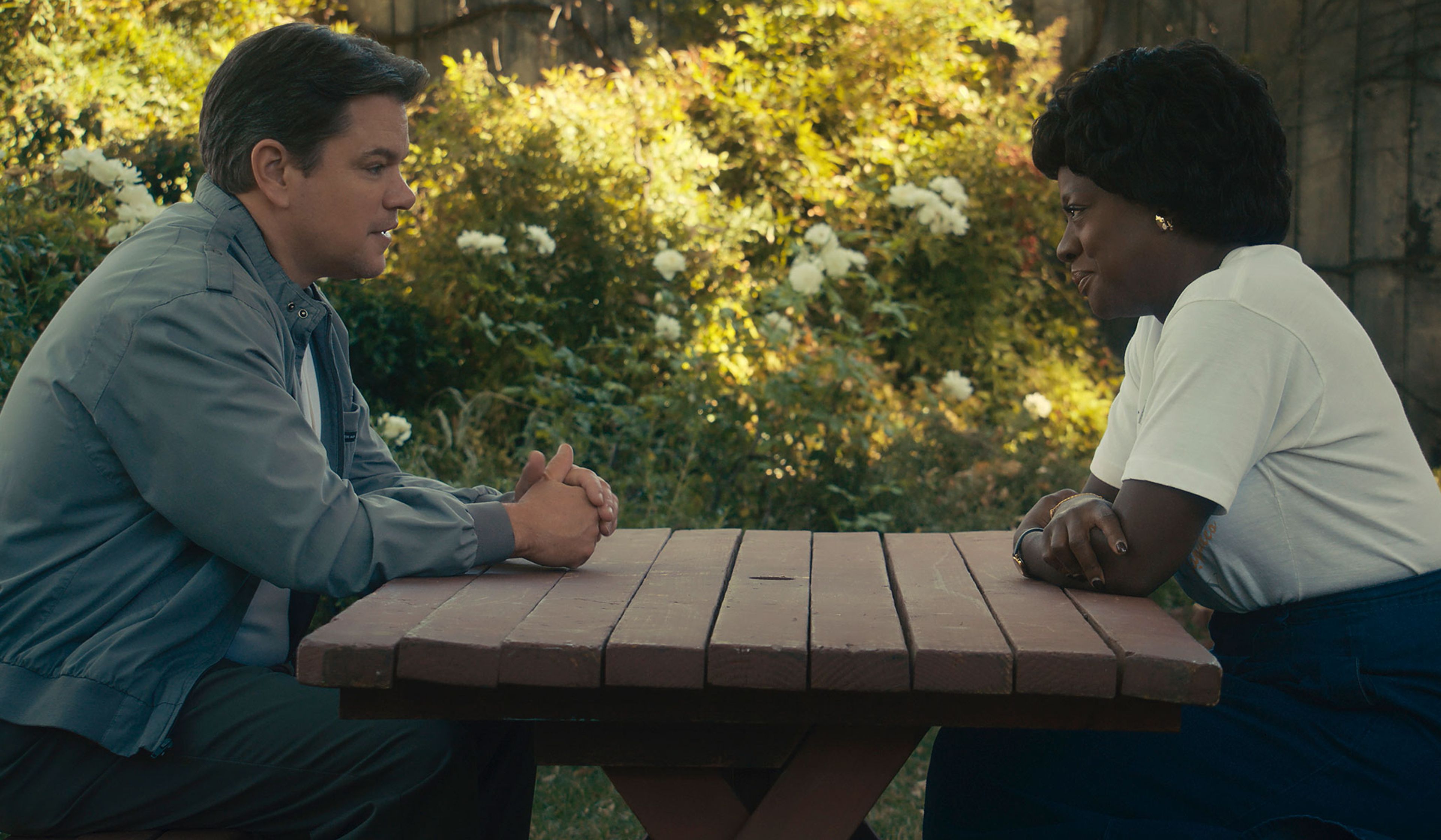
Air, a Ben Affleck–directed movie about the pursuit of the rookie Jordan by executives at then-underdog Nike, is a footnote to The Last Dance in a quite literal way: Its young screenwriter, Alex Convery, was watching the documentary during the lockdowns like everybody else, and a three-minute reference to Jordan’s shoe-endorsement negotiations fired his imagination. “I thought, Man, this is a movie,” he told New York magazine, and now it is, with Matt Damon playing a Nike executive named Sonny Vaccaro and Affleck as his boss, the famous founder Phil Knight, whom Vaccaro persuades to throw Nike’s entire basketball budget at Jordan before he’s played a single NBA game.
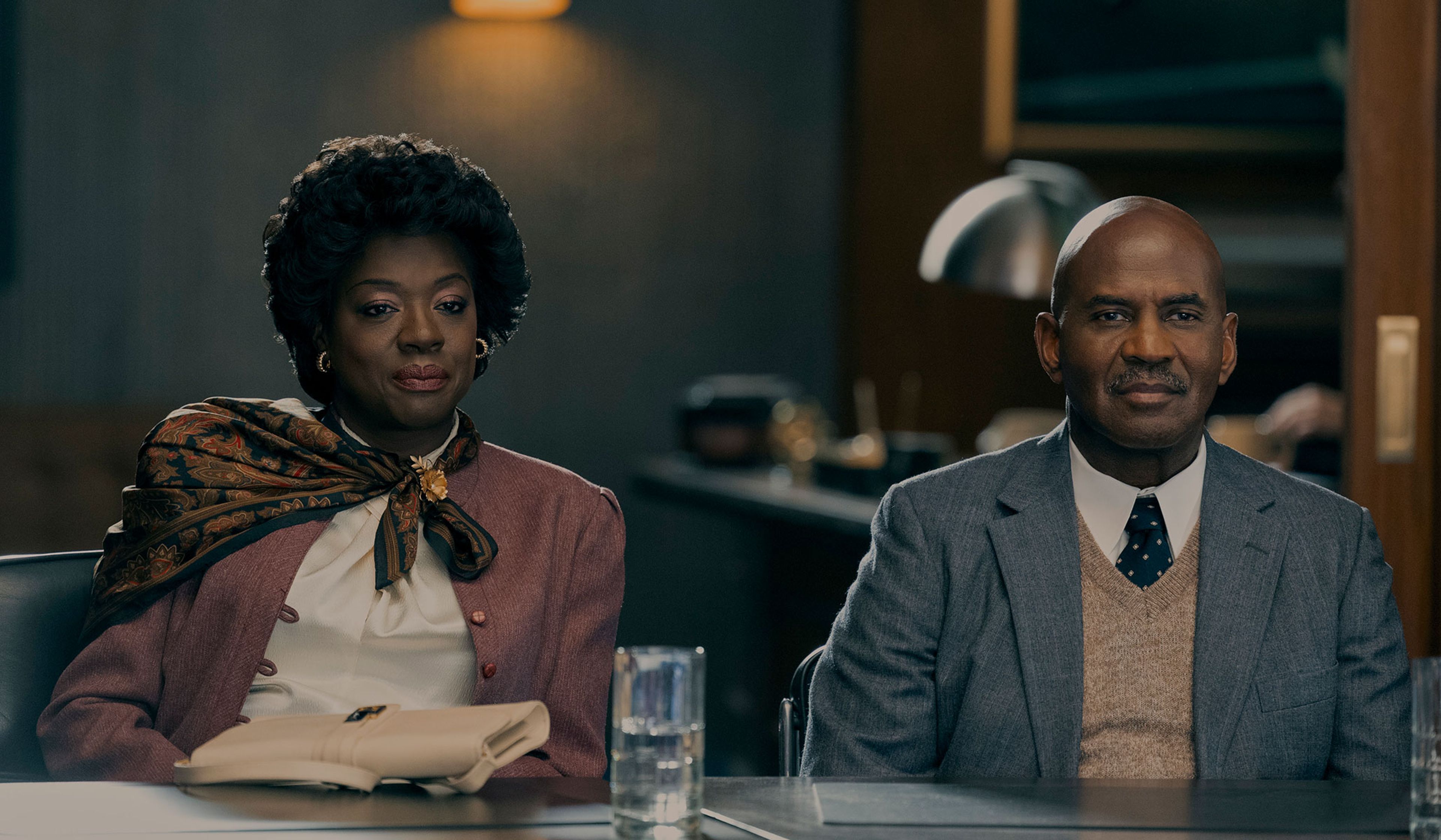
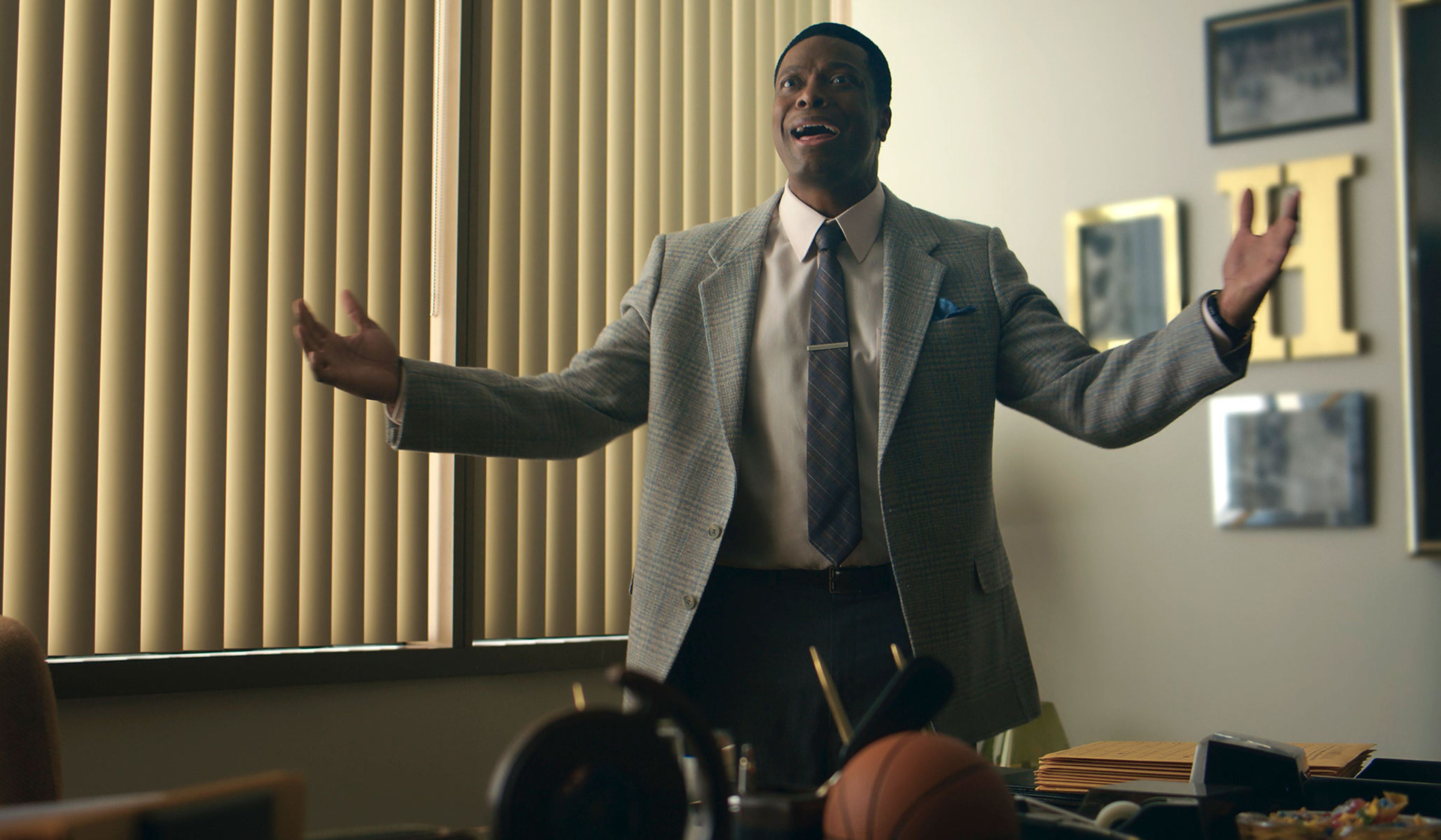
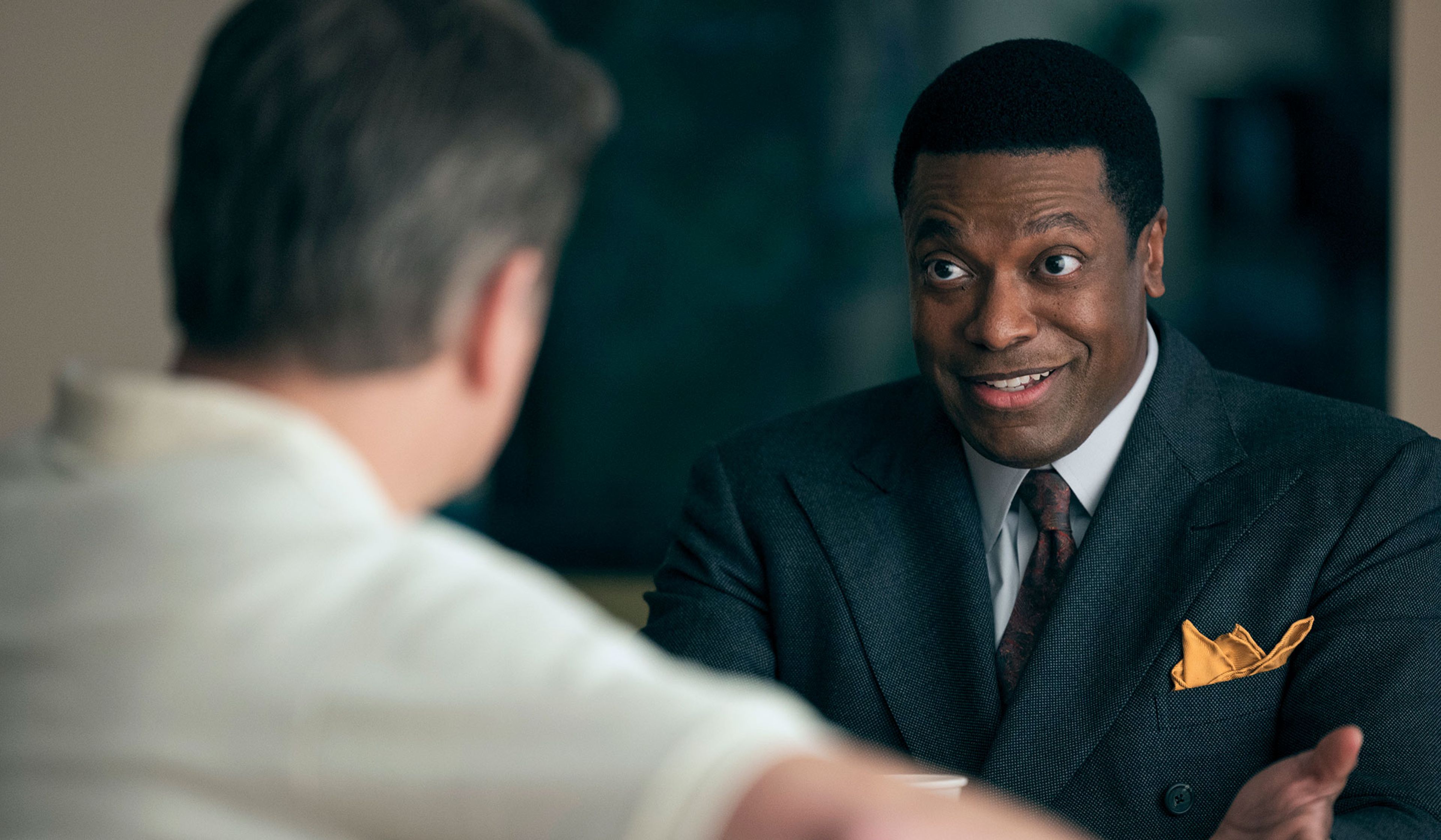
The movie’s origin is a nice story — Convery’s rookie script picked up by Affleck and Damon, once rookie screenwriters themselves, and worked over by a strong supporting cast (Viola Davis as His Airness’s savvy mom, Chris Messina as Jordan’s agent, Jason Bateman and Chris Tucker as Nike execs). The film itself, though, never gets above the level established by that nice-sounding setup. It’s a pleasant-enough filmgoing experience, everybody knows what they’re doing, there are no glaring flaws or bad performances. But you never forget that what you’re watching is basically a friendlier dramatization of Cassius’s complaint about Caesar. There’s the Colossus, and there are the “petty men” who “walk under his huge legs and peep about,” and if The Last Dance was a show about the Colossus in action, Air feels inherently disposable and petty, because it just dramatizes the action around his feet.
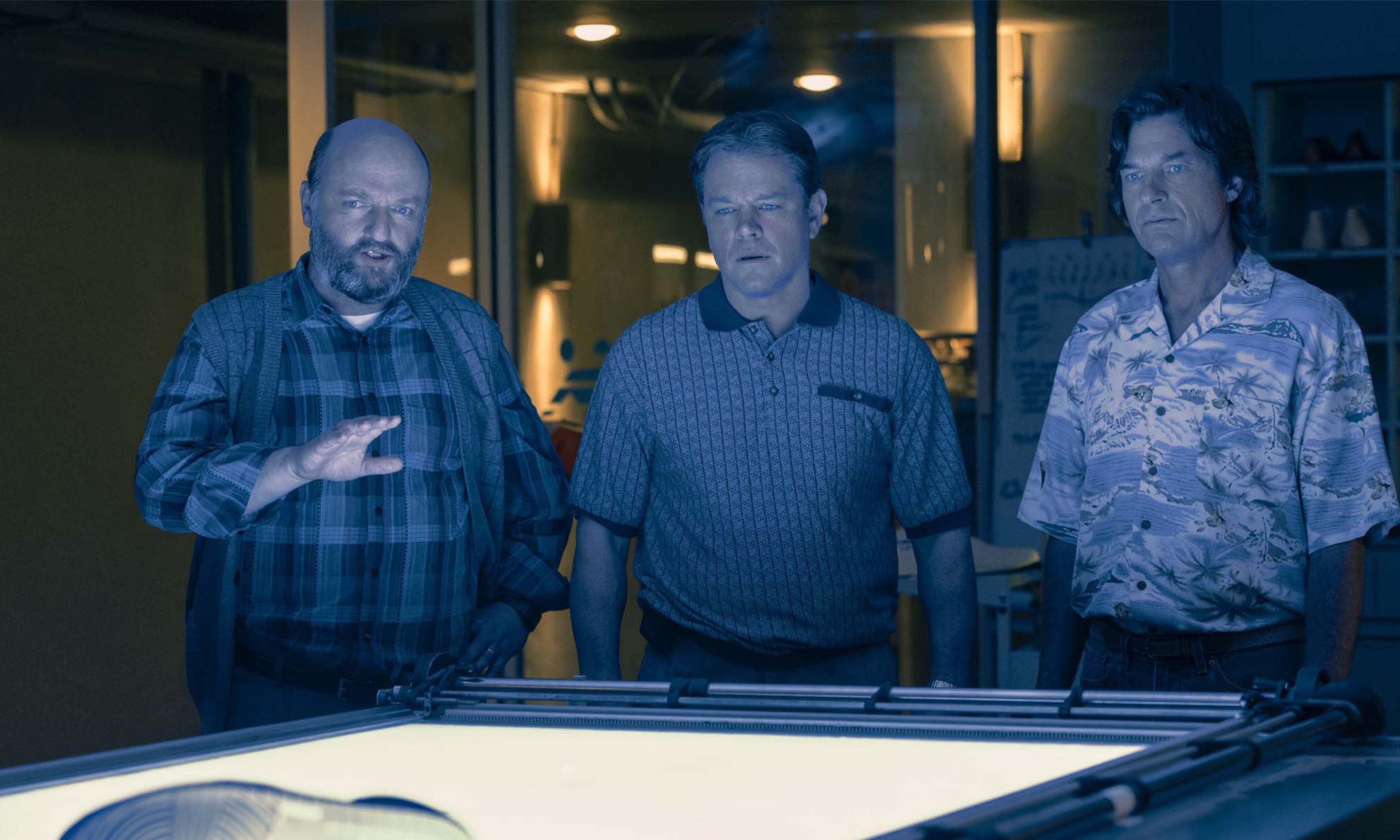
Pun intended, of course, since the question of the cushioning around a superstar’s heels and toes is everything here — once Damon’s Vaccaro, a genius at talent-spotting but also an inveterate gambler whose last few endorsement picks for Nike have come up empty, decides that Jordan is his alpha and omega. My favorite character in the movie is Peter Moore, Nike’s ace shoe designer, played by Matthew Maher as a weirdo who’s found his métier and makes no apologies for being an obsessive perfectionist about basketball shoes. That’s the kind of spirit I wanted from the movie generally — a sense that the people around Jordan, the nonathletes vying for his favor, could be as driven and brilliant in their own weird ways as the superstar himself.
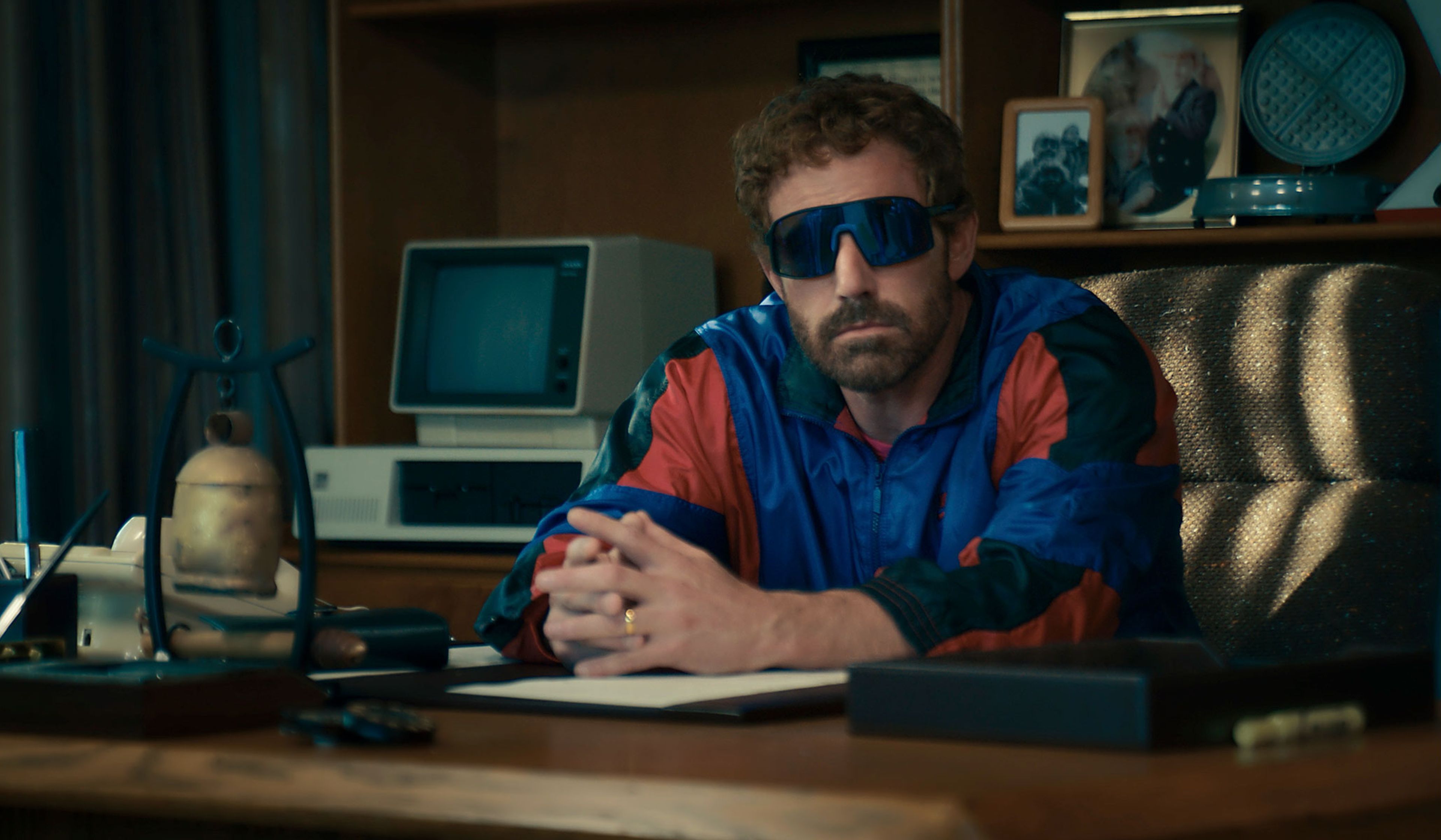
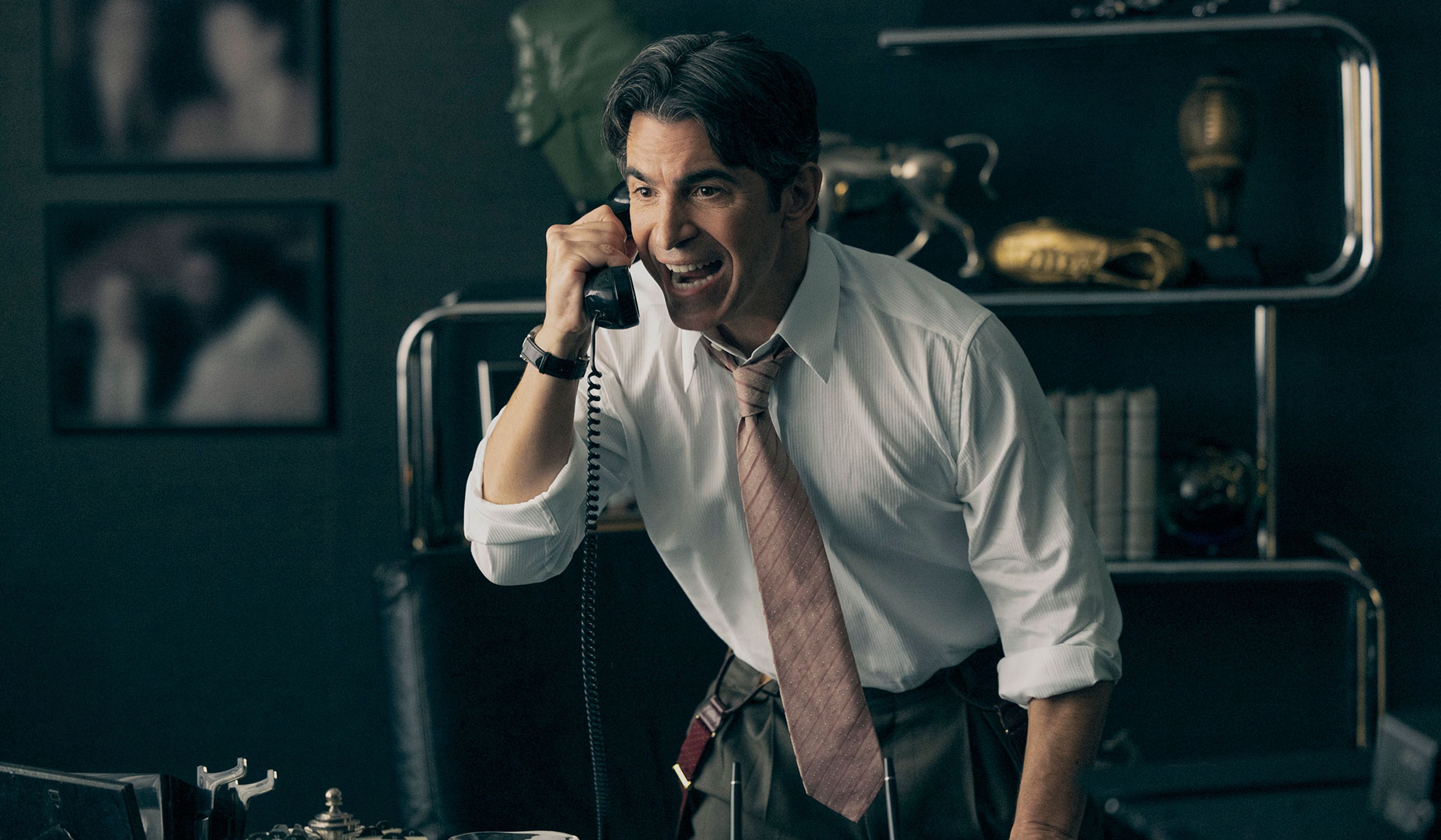
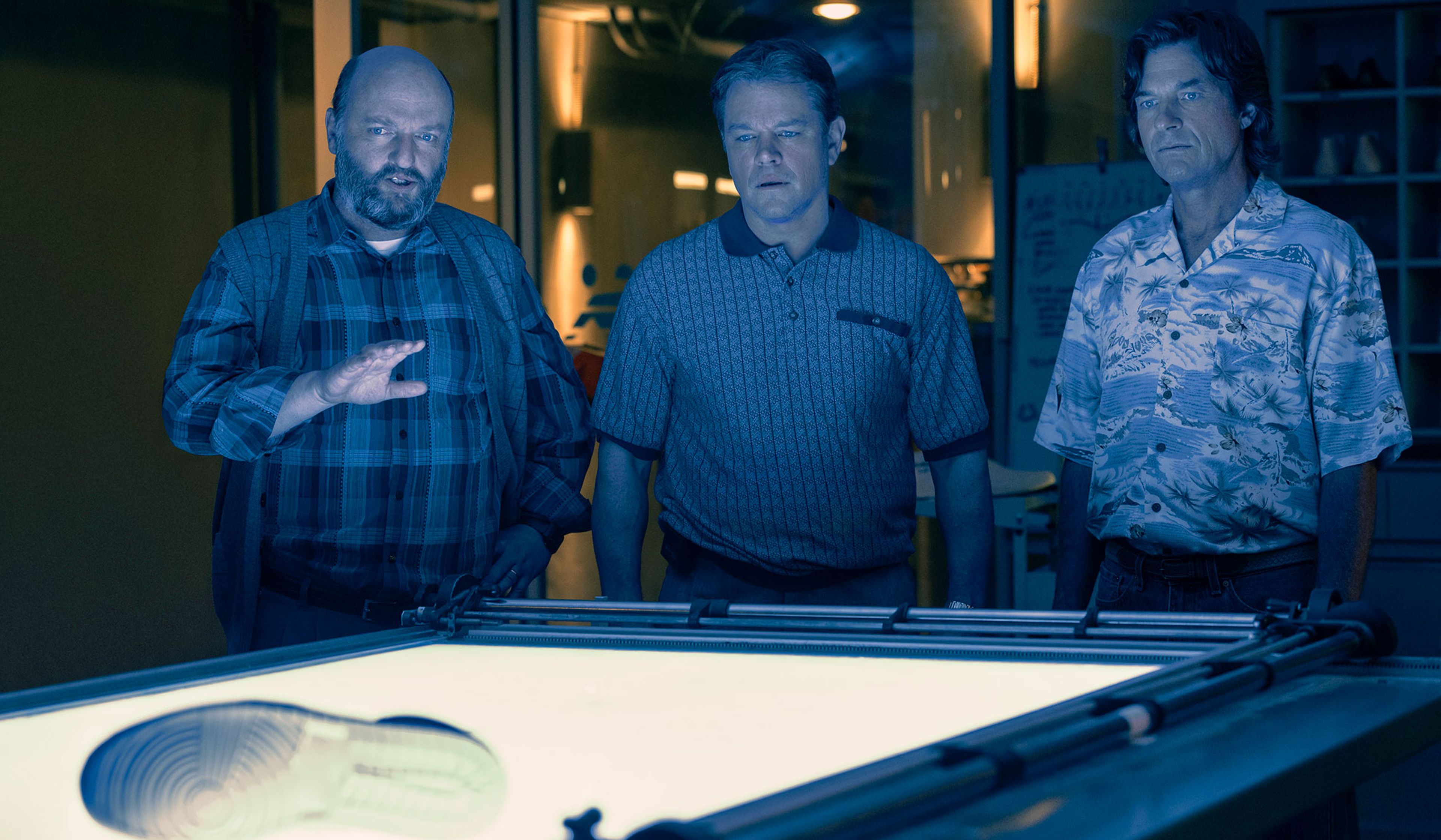
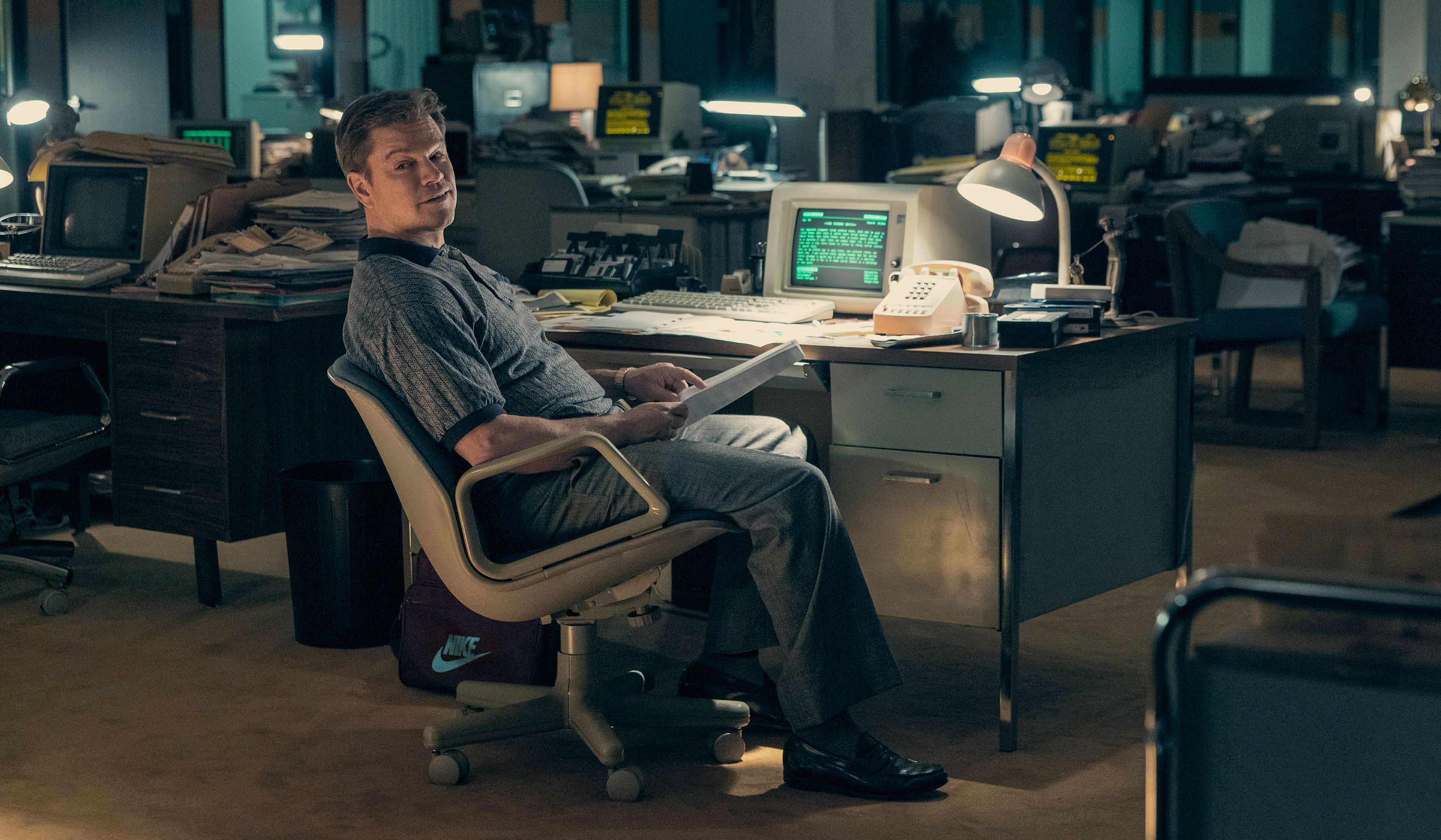
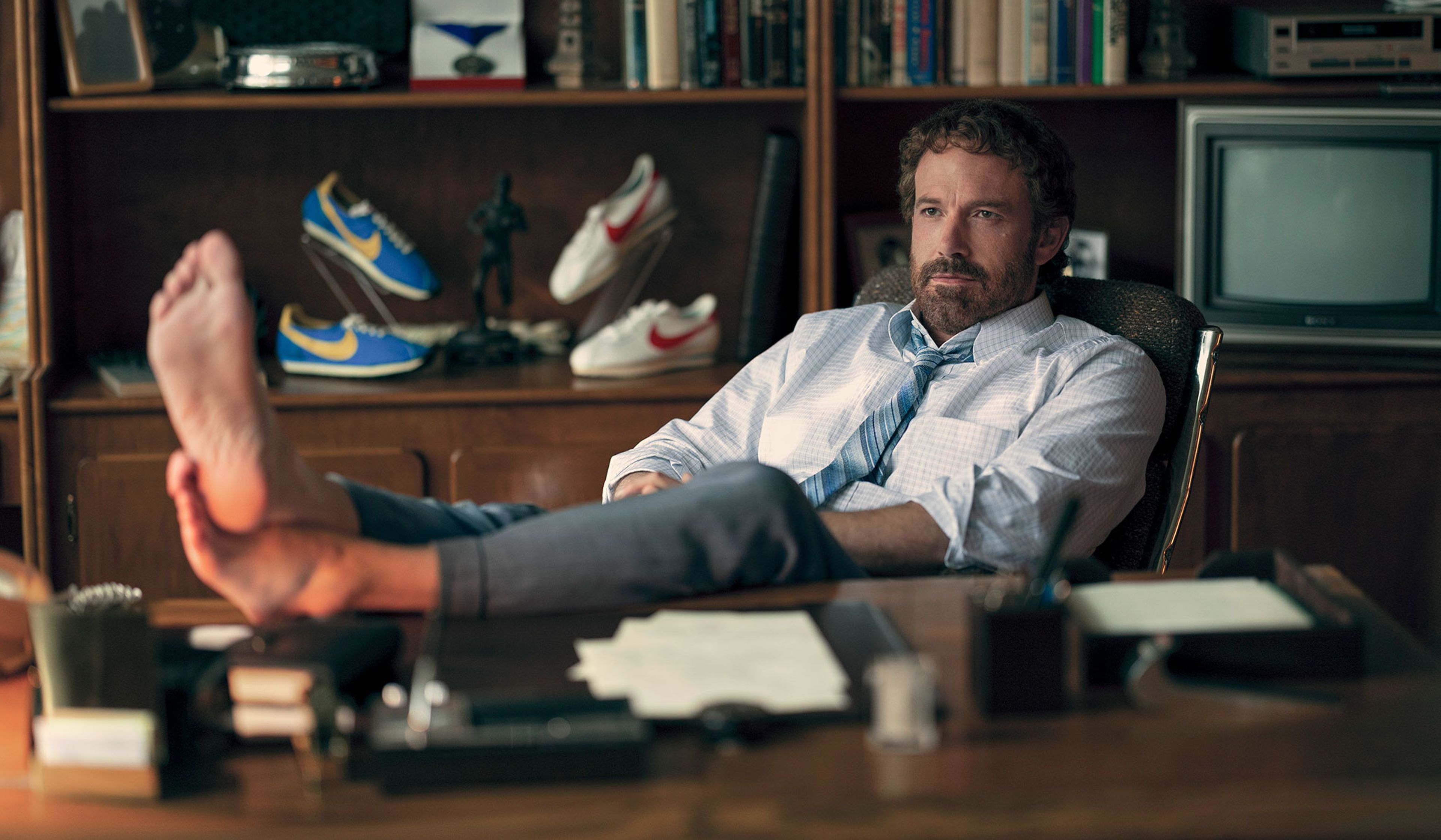
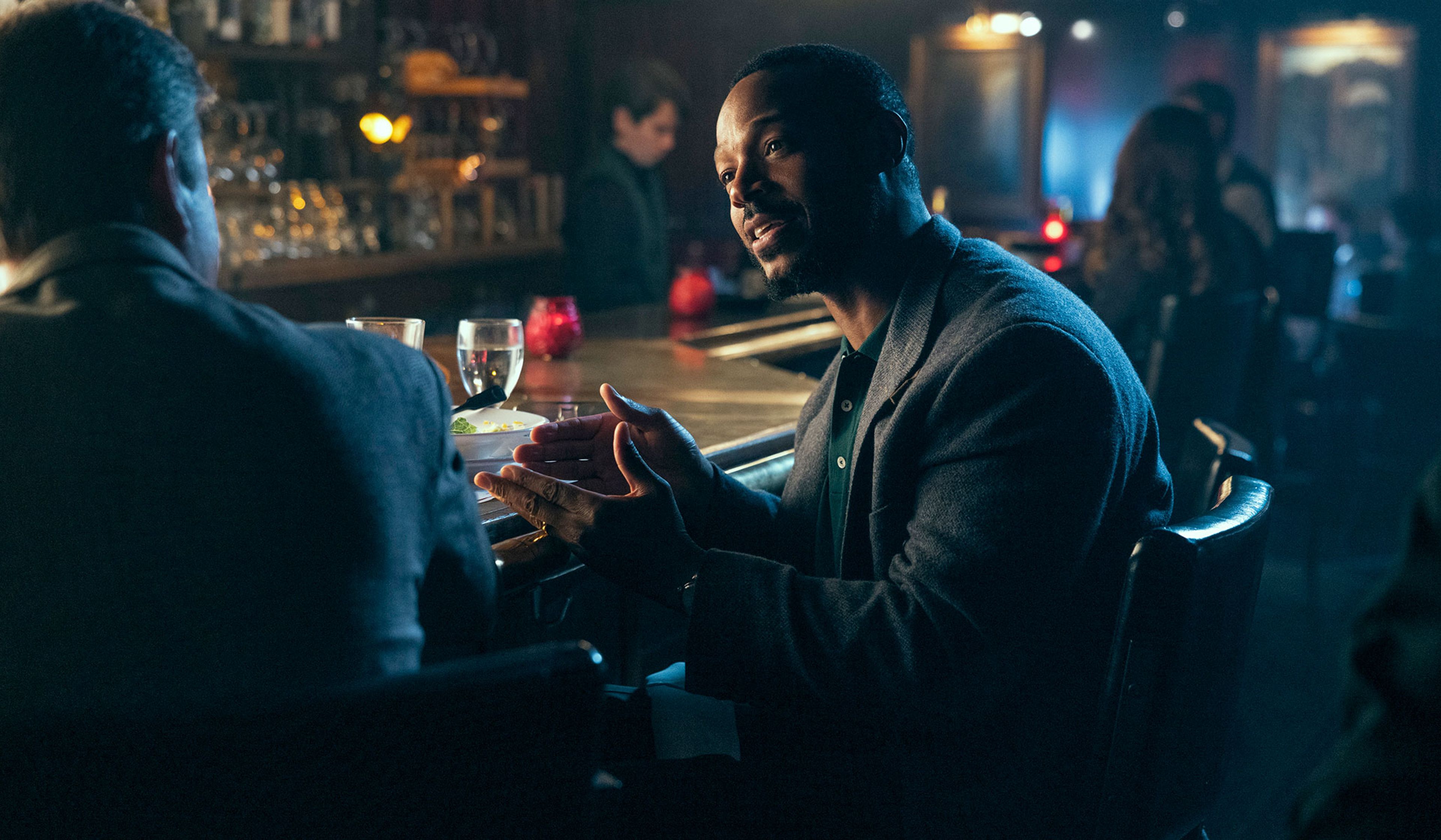
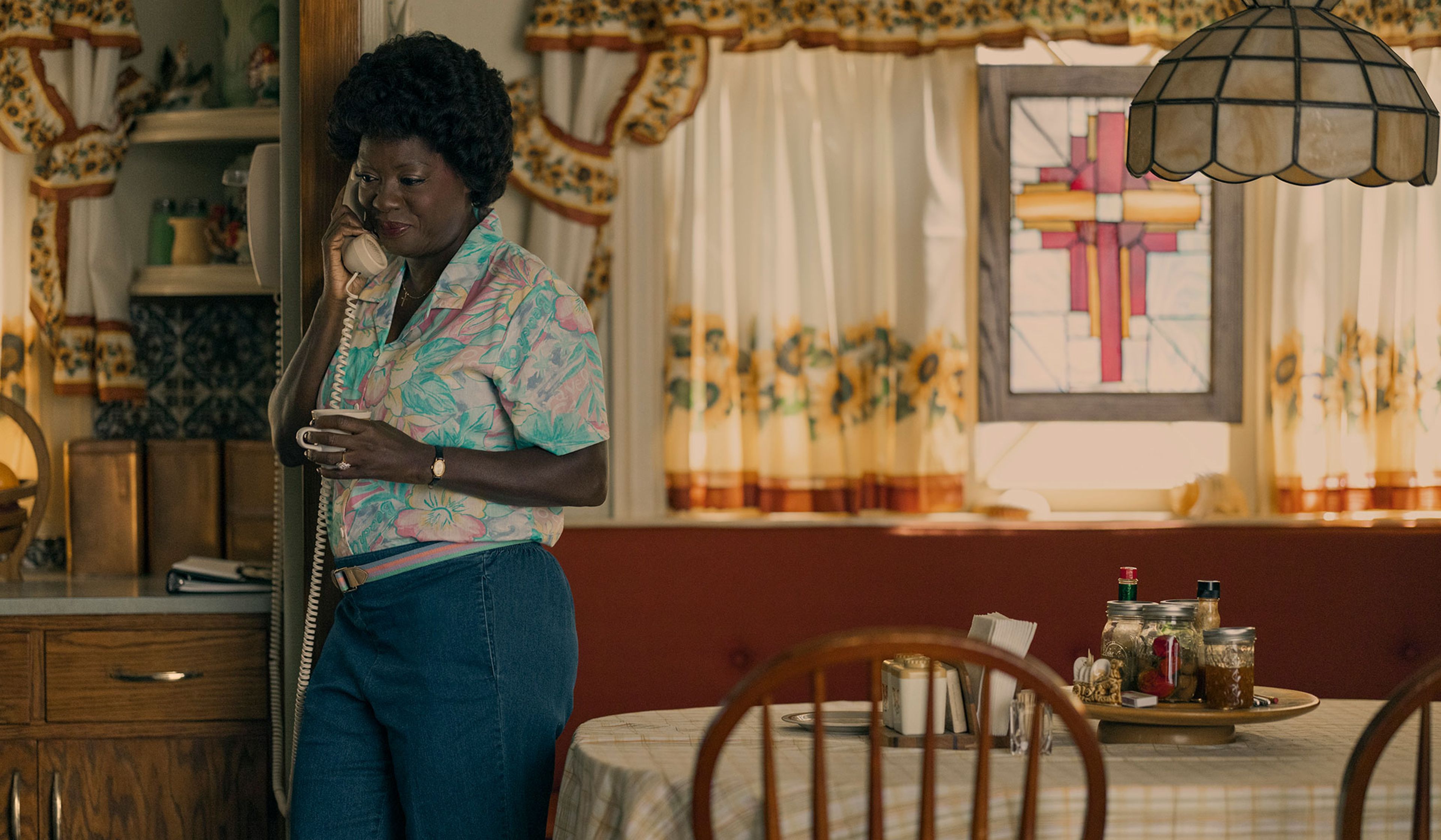
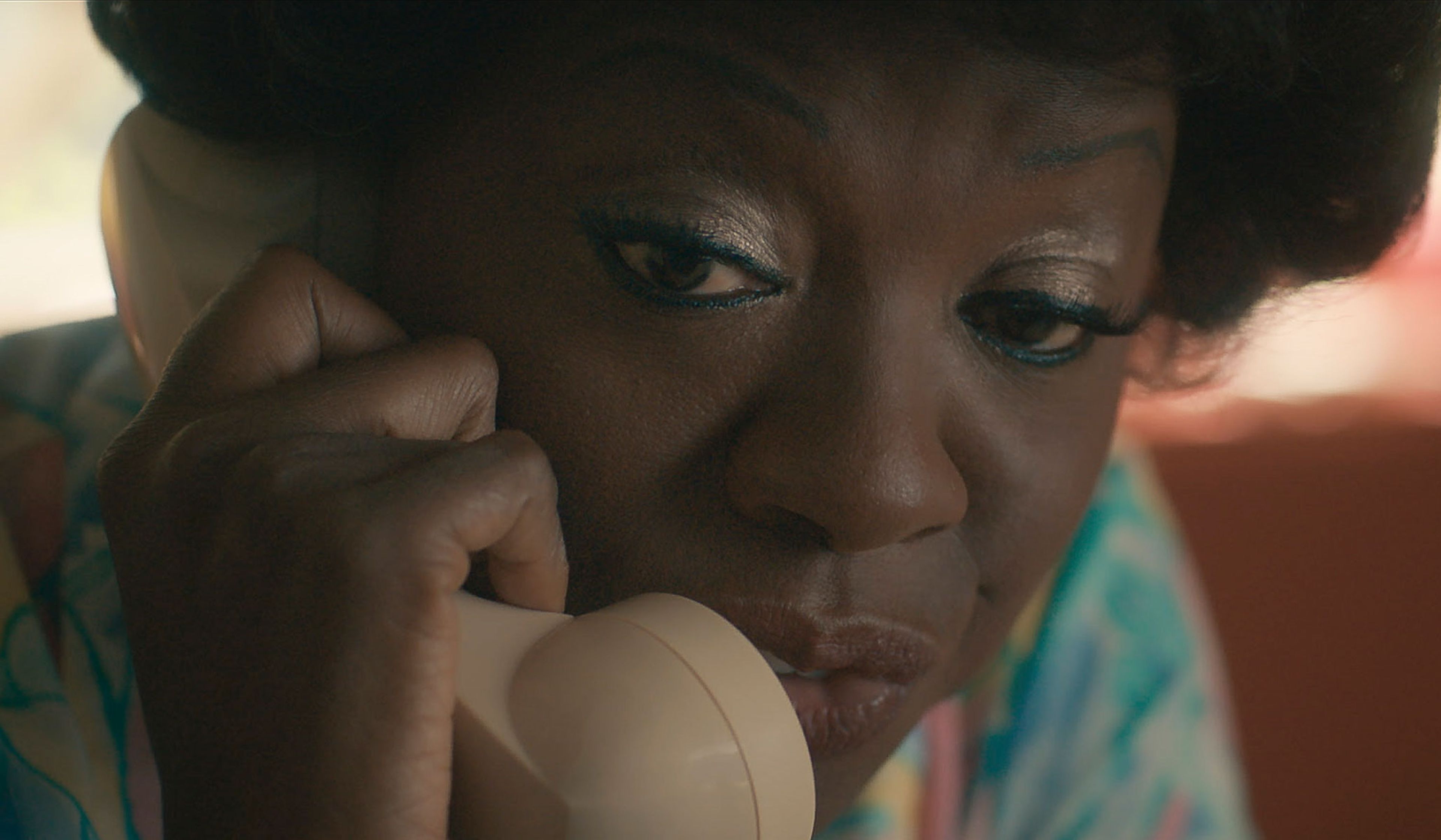
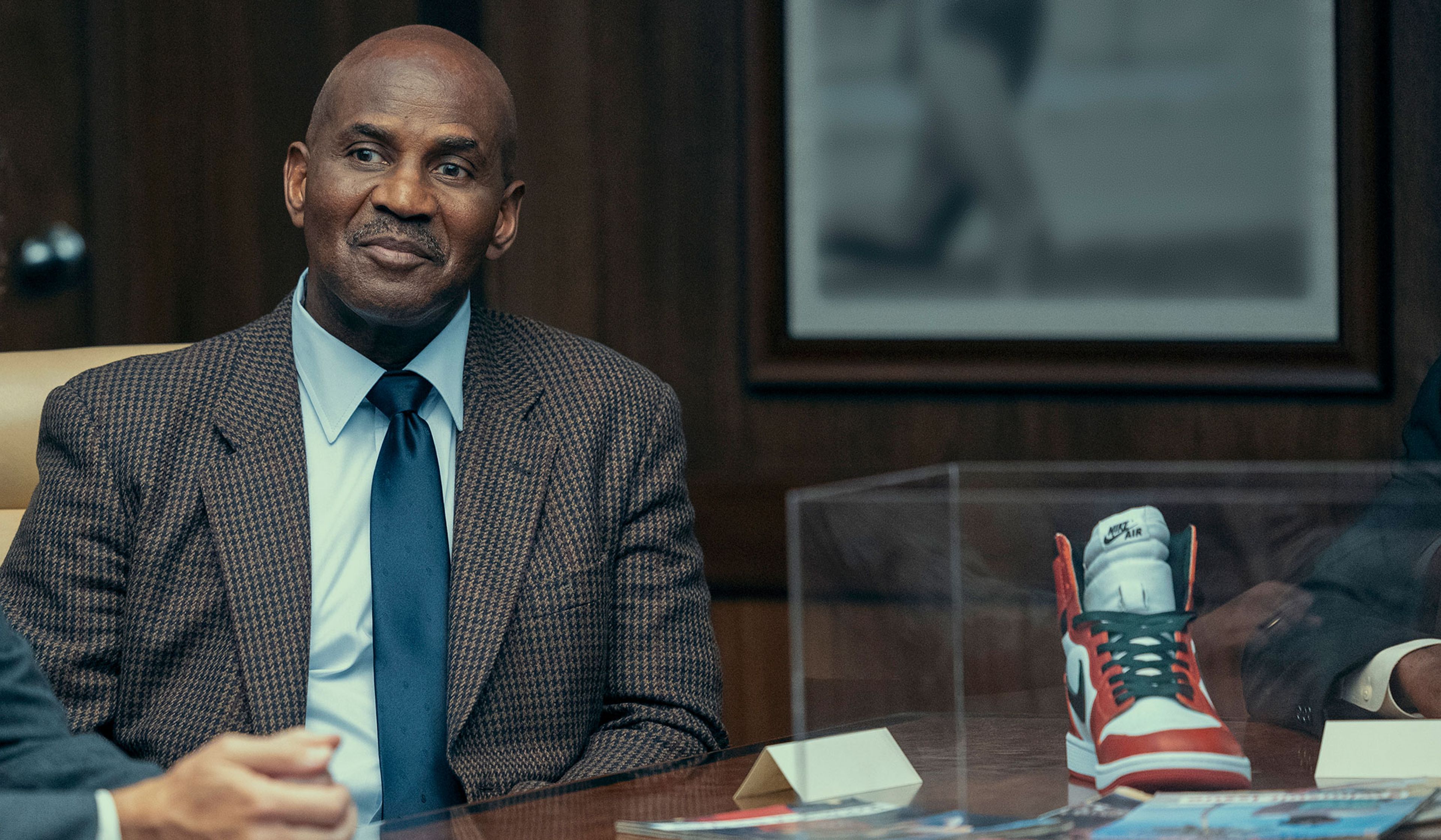
Ben Affleck in Air
Amazon
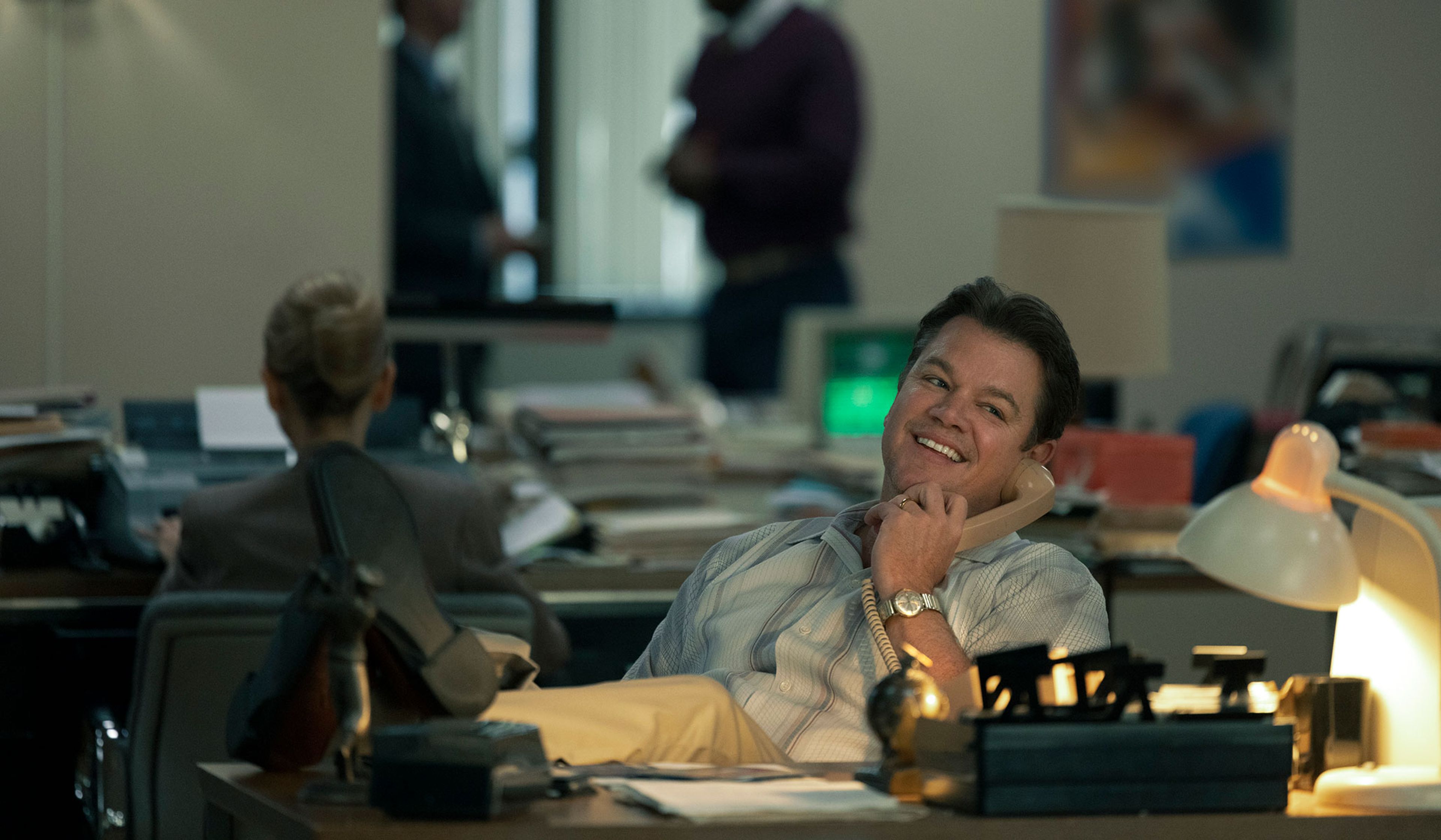
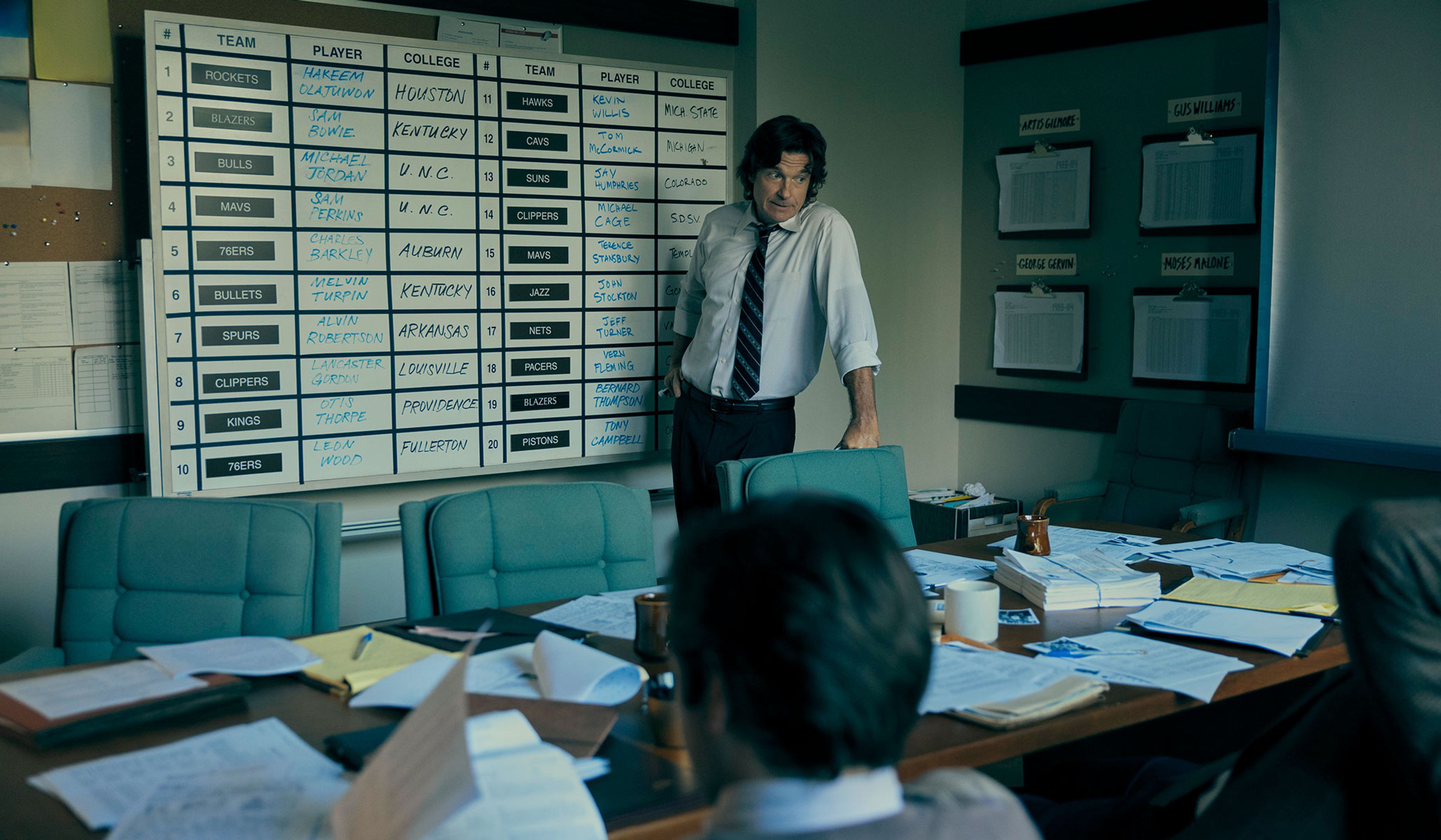
But the rest of the story doesn’t have that flavor. It’s an underdog story in which the underdogs can feel more like mediocrities than diamonds in the rough. Damon, sporting a heavy gut, is reliable as ever, but his Vaccaro doesn’t feel like a talent-spotting genius so much as a likeable gambler who happens to bet right in this particular case. His campaign to woo the Jordan family — he flies to North Carolina against orders — is dogged without seeming particularly creative; it’s just money and flattery, about what you’d expect. Bateman gets a monologue, about being a miserable divorced dad who desperately needs to keep his job, that’s affecting but doesn’t exactly advertise him as a genius salesman. Affleck’s Knight is amusing, entitled, a rich guy using Zen aphorisms to mask his self-regard; I could watch Affleck playing entitled jerks for hours. But you don’t come away thinking that this company’s specialness in any way matched Jordan’s specialness, that there was some amazing Nike secret that made them deserve a share in the star’s insane success.
Instead, in the climactic speech, where Damon’s Vaccaro sells the Jordan family on the deal, the emphasis is quite different: on the forgettableness of everyone besides the star himself, their disposability and invisibility in the shadow of the king. Affleck gets a good line afterward, when the pitch is over, about how he, Knight, won’t be forgotten, but you laugh at it because it’s arrogant and self-inflating. The movie sides more with Vaccaro’s pitch — and in so doing undermines its own reason for existence.
Which hints at a dark reading of its sunny little story and the sports–industrial complex it celebrates. The Nike men are living a certain kind of sports fan’s dream; they’re as close to the action and the star as you can get. But their life apart from their fandom seems grim, depressing, bleak — a life of divorces and TV dinners and empty homes. Is all that emptiness redeemed by their one great pitch and their relationship to Jordan? Or is the movie’s title carrying the same double meaning as “air” in basketball parlance, referencing both a leap toward greatness and the airball, the emptiness, the miss?












Comments